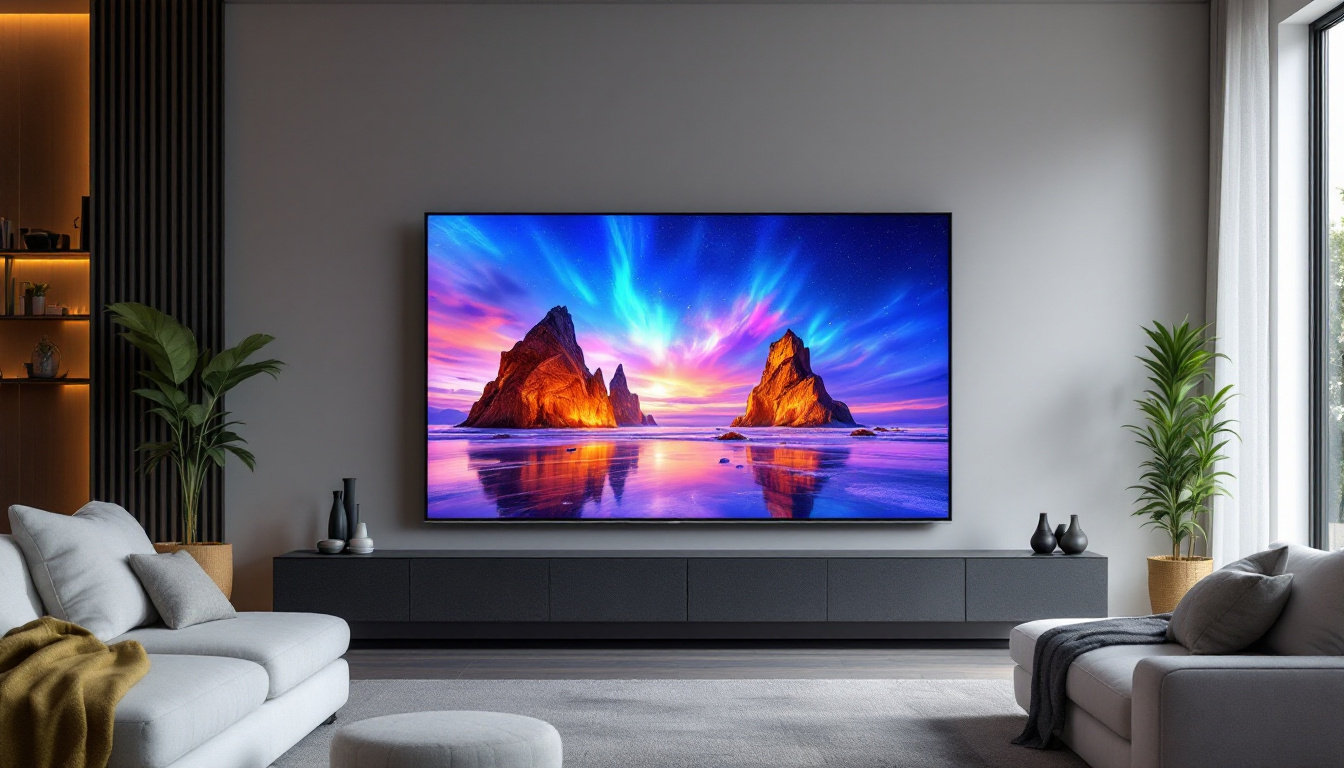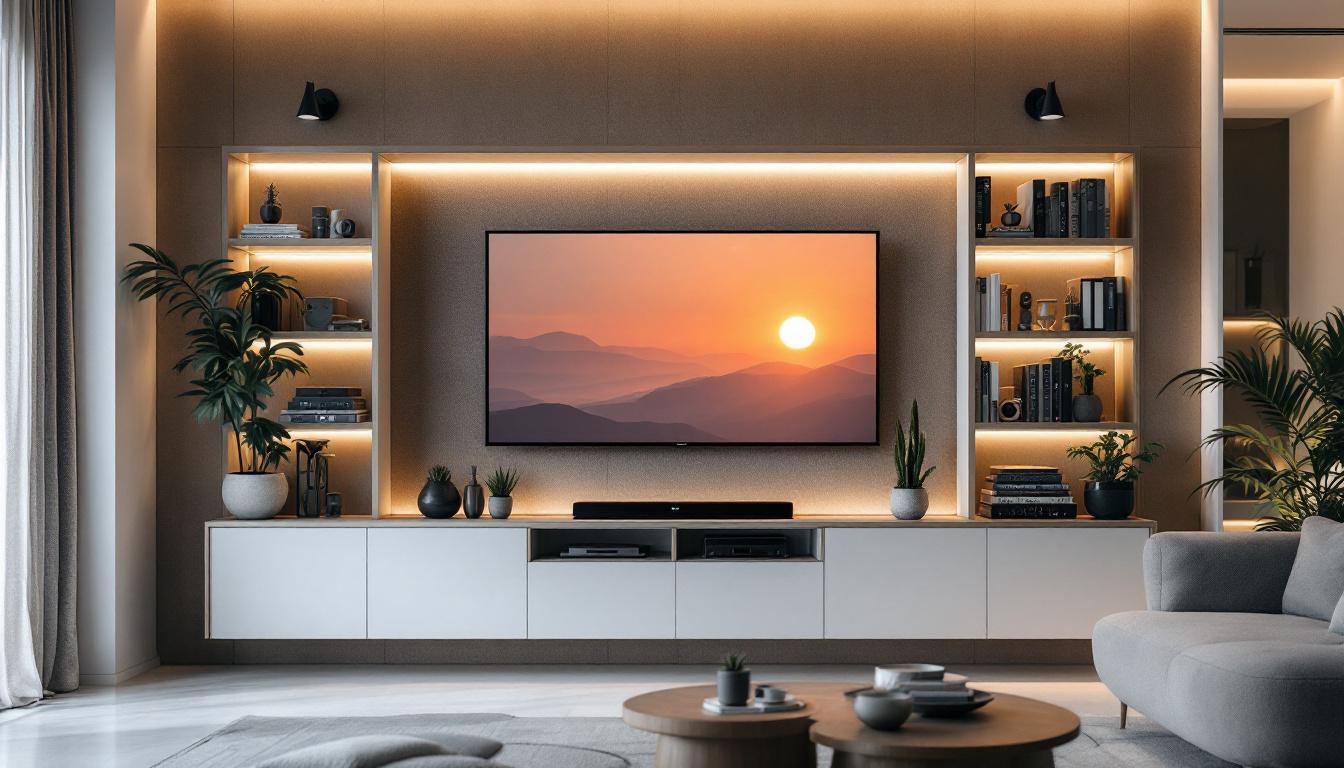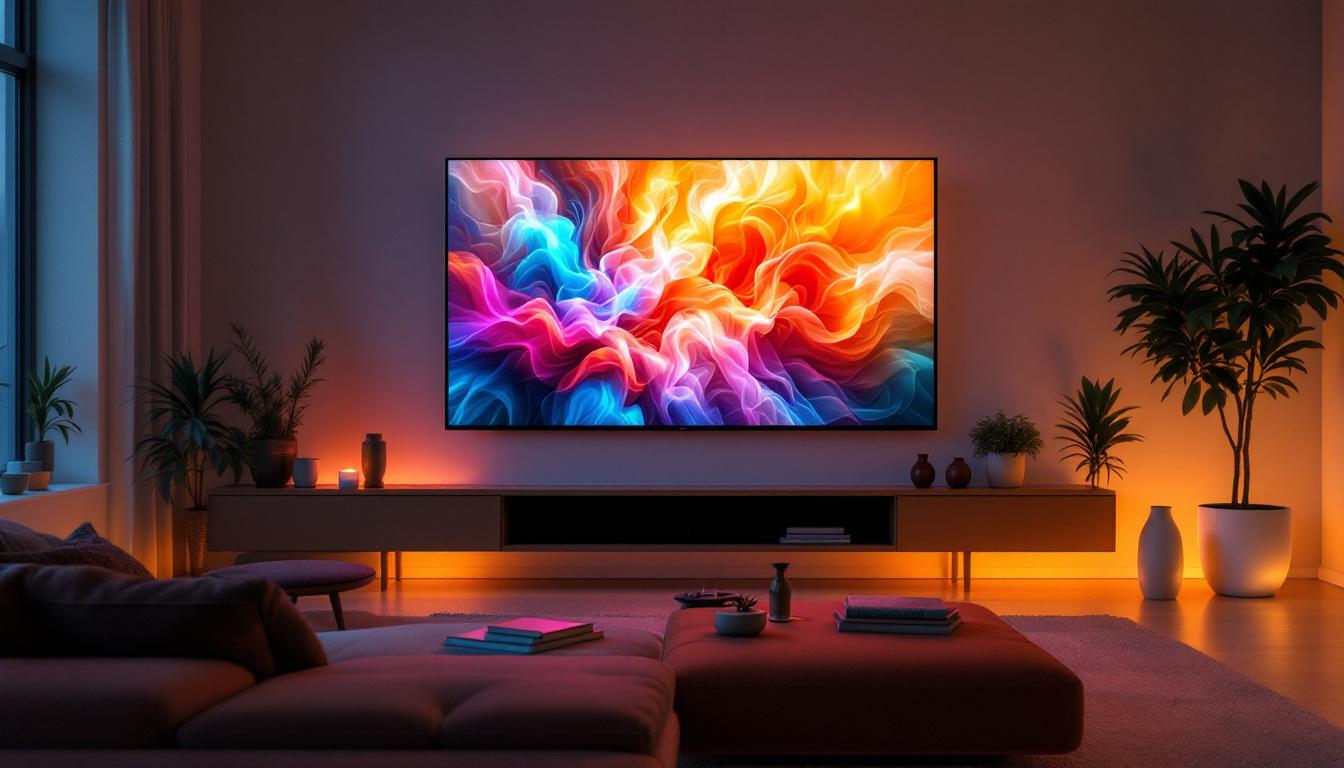
Choosing the right flatscreen TV or monitor can be a complex decision, especially with the variety of LED display sizes and technologies available today. Understanding the nuances behind LED screens and how their sizes impact viewing experience is essential for making an informed purchase. This article delves into the details of flatscreen sizes, the technology behind LED displays, and practical advice to help you select the perfect screen for your needs.
Understanding LED Display Technology
What is an LED Display?
LED, or Light Emitting Diode, displays are a type of flat-panel screen technology that uses tiny diodes to emit light and create images. Unlike older LCD (Liquid Crystal Display) screens that rely on fluorescent backlighting, LED displays use LEDs as the light source, which offers several advantages including better brightness, energy efficiency, and thinner panels.
There are two main types of LED displays: edge-lit and full-array. Edge-lit LED TVs position LEDs along the edges of the screen, using light guides to illuminate the display. Full-array LED TVs have LEDs spread evenly behind the screen, allowing for more precise local dimming and improved contrast ratios.
In addition to these two types, there are also variations such as OLED (Organic Light Emitting Diode) displays, which take the concept of LED technology a step further by allowing each pixel to emit its own light. This results in deeper blacks and more vibrant colors, making OLED a popular choice for high-end televisions and displays. Furthermore, MicroLED technology is emerging as a promising alternative, offering even greater brightness and color accuracy while maintaining energy efficiency.
Why LED Displays Have Become the Standard
Over the past decade, LED technology has become the dominant choice for flatscreen displays. According to market research, over 90% of new TVs sold worldwide in 2023 utilize LED technology. This is largely due to LEDs’ ability to produce brighter images with higher contrast, consume less power, and offer longer lifespans compared to older technologies like plasma or CCFL-backlit LCDs.
Additionally, LED displays support a wide range of resolutions, from Full HD (1080p) to 4K and even 8K, making them versatile for various consumer needs. Their slim design also complements modern interior aesthetics, which further drives consumer preference. The rapid advancement in display technology has also led to features such as HDR (High Dynamic Range), which enhances the viewing experience by providing a broader spectrum of colors and improved brightness levels. This feature has become increasingly important for consumers looking for a cinematic experience at home, as it allows for more lifelike images that closely resemble what the human eye perceives in real life.
Moreover, the integration of smart technology into LED displays has transformed how viewers interact with their screens. Many modern LED TVs come equipped with built-in streaming services, voice control, and connectivity options that allow users to access a plethora of content without the need for additional devices. This shift towards smart displays has not only made entertainment more accessible but has also encouraged manufacturers to innovate continuously, ensuring that LED technology remains at the forefront of consumer electronics.
Flatscreen Sizes: What Do They Mean?
How Screen Size is Measured
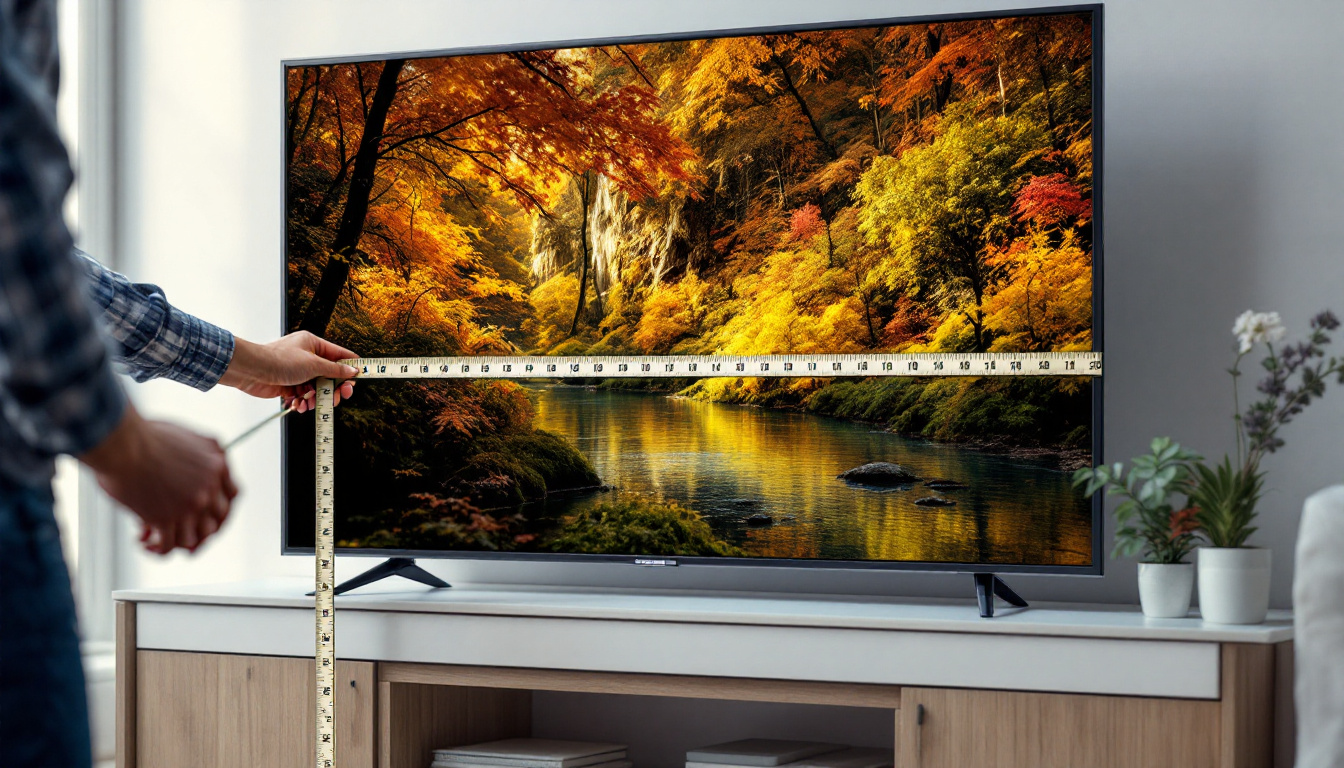
When discussing flatscreen sizes, the measurement typically refers to the diagonal length of the screen, measured from one corner to the opposite corner. For example, a 55-inch TV means the diagonal distance across the screen is 55 inches. This measurement excludes the bezel or frame surrounding the screen.
Screen size is a crucial factor because it directly influences the viewing experience. Larger screens generally provide a more immersive experience, especially when watching high-definition content or playing video games. However, size alone doesn’t guarantee quality; viewing distance, resolution, and room size also play significant roles.
Common LED Flatscreen Sizes and Their Uses
LED flatscreens come in a wide range of sizes, typically starting at around 24 inches and going up to 85 inches or more. Here’s a breakdown of common sizes and their typical applications:
- 24-32 inches: Ideal for computer monitors, kitchens, bedrooms, or small living rooms. These sizes are perfect for desk use or secondary TVs.
- 40-50 inches: The most popular range for average-sized living rooms. These sizes strike a balance between screen real estate and comfortable viewing distances.
- 55-65 inches: Suitable for larger living rooms or home theaters. These sizes provide a cinematic experience without overwhelming the space.
- 70 inches and above: Premium sizes for dedicated home theaters or large open spaces. These screens offer immersive viewing but require significant viewing distance to avoid eye strain.
Aspect Ratio and Its Impact on Viewing
Most LED flatscreens use a 16:9 aspect ratio, which means the width is 16 units for every 9 units of height. This ratio is standard for HDTV broadcasts, streaming content, and gaming consoles. Some professional monitors or specialty screens may use different ratios like 21:9 for ultrawide displays, which are great for multitasking or cinematic experiences.
The aspect ratio affects how content fits on the screen. For example, older movies shot in 4:3 format will display with black bars on the sides on a 16:9 screen, while ultrawide content may have black bars on the top and bottom. Understanding aspect ratios helps users select a screen that best suits their content consumption habits.
Choosing the Right LED Screen Size for Your Space
Viewing Distance Recommendations
The optimal viewing distance depends on the screen size and resolution. Sitting too close to a large screen can cause eye strain and make individual pixels visible, while sitting too far from a small screen diminishes the immersive effect.
For 4K Ultra HD TVs, the recommended viewing distance is approximately 1 to 1.5 times the screen’s diagonal size. For example, a 55-inch 4K TV is best viewed from about 4.5 to 6.5 feet away. For Full HD (1080p) screens, the distance should be slightly greater, around 2 to 2.5 times the diagonal size.
Room Size and Layout Considerations
Before purchasing a flatscreen, consider the dimensions and layout of your room. A large TV in a cramped space can overwhelm the room and cause discomfort. Conversely, a small TV in a large room may feel underwhelming and difficult to see clearly.
Measure the distance between your seating area and the TV location. Use this measurement to guide your screen size choice, ensuring the screen fills a reasonable portion of your field of vision without requiring excessive head movement.
Purpose and Content Type
Different uses call for different screen sizes and features. For example, gamers often prefer larger screens with high refresh rates and low input lag, while casual viewers may prioritize screen size and picture quality for watching movies and TV shows.
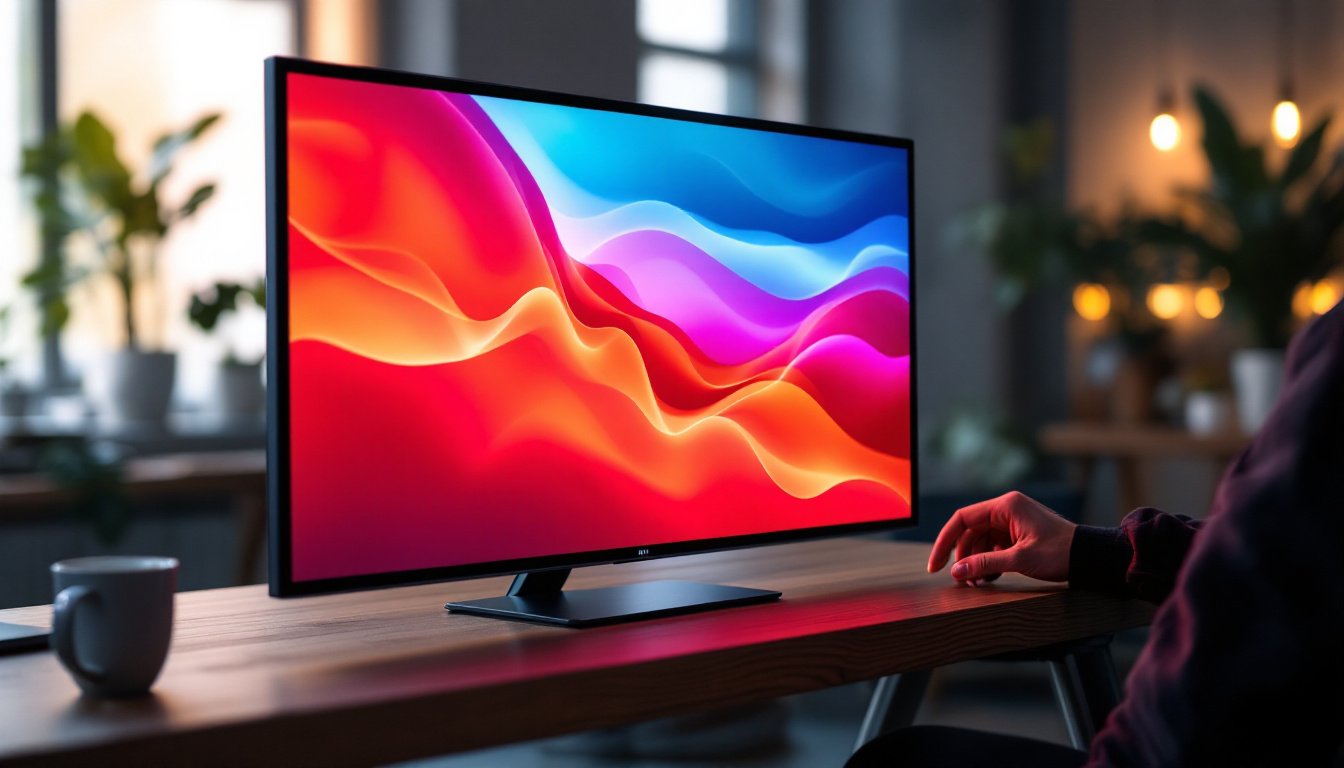
For office or productivity use, smaller monitors with higher pixel density and ergonomic stands might be more appropriate than large TVs. Meanwhile, home theater enthusiasts might opt for the largest 4K or 8K LED screens with HDR support for the best cinematic experience.
Advanced LED Display Features Affecting Size Choice
Resolution and Pixel Density
Resolution refers to the number of pixels displayed on the screen, commonly expressed as width × height. Higher resolutions mean more pixels, resulting in sharper images. Common resolutions include 1080p (1920×1080), 4K UHD (3840×2160), and 8K UHD (7680×4320).
Pixel density, measured in pixels per inch (PPI), is a critical factor in perceived image clarity. Larger screens with low resolution may have visible pixels, while smaller screens with high resolution appear sharper. For instance, a 32-inch 4K monitor will have a higher pixel density than a 55-inch 4K TV, making it ideal for close-up work.
HDR and Color Accuracy
High Dynamic Range (HDR) technology enhances the contrast and color range of LED displays, delivering more lifelike images. HDR-capable screens often have higher peak brightness and better color volume, which can influence the perceived quality regardless of screen size.
When choosing a larger LED screen, consider HDR support and color accuracy, especially if you watch a lot of HDR content or use the screen for photo and video editing. These features can significantly improve the viewing experience beyond just size.
Refresh Rate and Motion Handling
Refresh rate, measured in Hertz (Hz), indicates how many times the screen updates per second. Higher refresh rates (120Hz or above) provide smoother motion, which is beneficial for fast-paced content like sports and gaming.
While refresh rate doesn’t directly affect screen size, larger screens with lower refresh rates may exhibit motion blur, which can detract from the viewing experience. Therefore, pairing an appropriately sized screen with a suitable refresh rate is important for optimal performance.
Practical Tips for Selecting and Setting Up Your LED Flatscreen
Consider Viewing Angles and Placement
LED screens typically have wide viewing angles, but picture quality can degrade at extreme angles. When selecting a screen size, ensure the placement allows for direct or near-direct viewing from your primary seating area.
Wall mounting versus stand placement can also influence the ideal screen size. Wall-mounted TVs can be positioned at eye level for comfortable viewing, while stand-mounted units may require different height considerations.
Budget and Brand Considerations
Screen size often correlates with price, but other factors like brand reputation, panel quality, and additional features also impact cost. Leading brands like Samsung, LG, Sony, and TCL offer a range of LED TVs in various sizes, often with distinct technologies such as OLED or QLED that can affect price and performance.
Setting a budget and prioritizing features will help narrow down choices. It’s also advisable to read reviews and compare models to ensure you get the best value for your investment.
Calibration and Maintenance
Once you’ve selected the right LED flatscreen size, proper calibration can enhance picture quality. Adjusting brightness, contrast, color temperature, and enabling features like local dimming or motion smoothing can optimize the viewing experience.
Regular maintenance, such as cleaning the screen with appropriate materials and ensuring adequate ventilation, will prolong the lifespan of your LED display.
Conclusion: Balancing Size, Technology, and Space
Understanding flatscreen sizes and LED display technology is crucial for selecting a screen that meets your viewing needs and fits your space. While larger screens offer immersive experiences, factors such as viewing distance, resolution, HDR support, and room layout must be considered to avoid common pitfalls.
LED technology continues to evolve, offering brighter, more energy-efficient, and sharper displays than ever before. By balancing size with advanced features and practical considerations, consumers can enjoy a viewing experience that is both comfortable and visually stunning.
Whether upgrading your living room TV, setting up a gaming monitor, or building a home theater, informed decisions about LED flatscreen sizes will ensure satisfaction for years to come.
Discover the Perfect LED Display with LumenMatrix
Ready to elevate your viewing experience with the ideal LED display? LumenMatrix is at the forefront of LED display technology, offering a wide array of innovative solutions tailored to your unique needs. From immersive Indoor LED Wall Displays to dynamic Outdoor LED Wall Displays, and from versatile Vehicle LED Displays to sleek LED Poster Displays, our products are designed to captivate and engage. Explore our cutting-edge LED Sports Displays, interactive Floor LED Displays, customizable Custom LED Displays, convenient All-in-One LED Displays, and stunning LED Transparent Displays. Embrace the future of visual communication with LumenMatrix and transform your space today. Check out LumenMatrix LED Display Solutions and find the perfect match for your home, office, or entertainment venue.