In the rapidly evolving world of television technology, touch panel TVs with LED displays have emerged as a significant innovation, blending interactivity with superior visual performance. These devices are not only transforming how users engage with content but also redefining the standards for picture quality, energy efficiency, and design aesthetics. This article delves into the intricacies of LED display technology in touch panel TVs, offering a comprehensive guide to understanding their features, benefits, and applications.
Understanding LED Display Technology
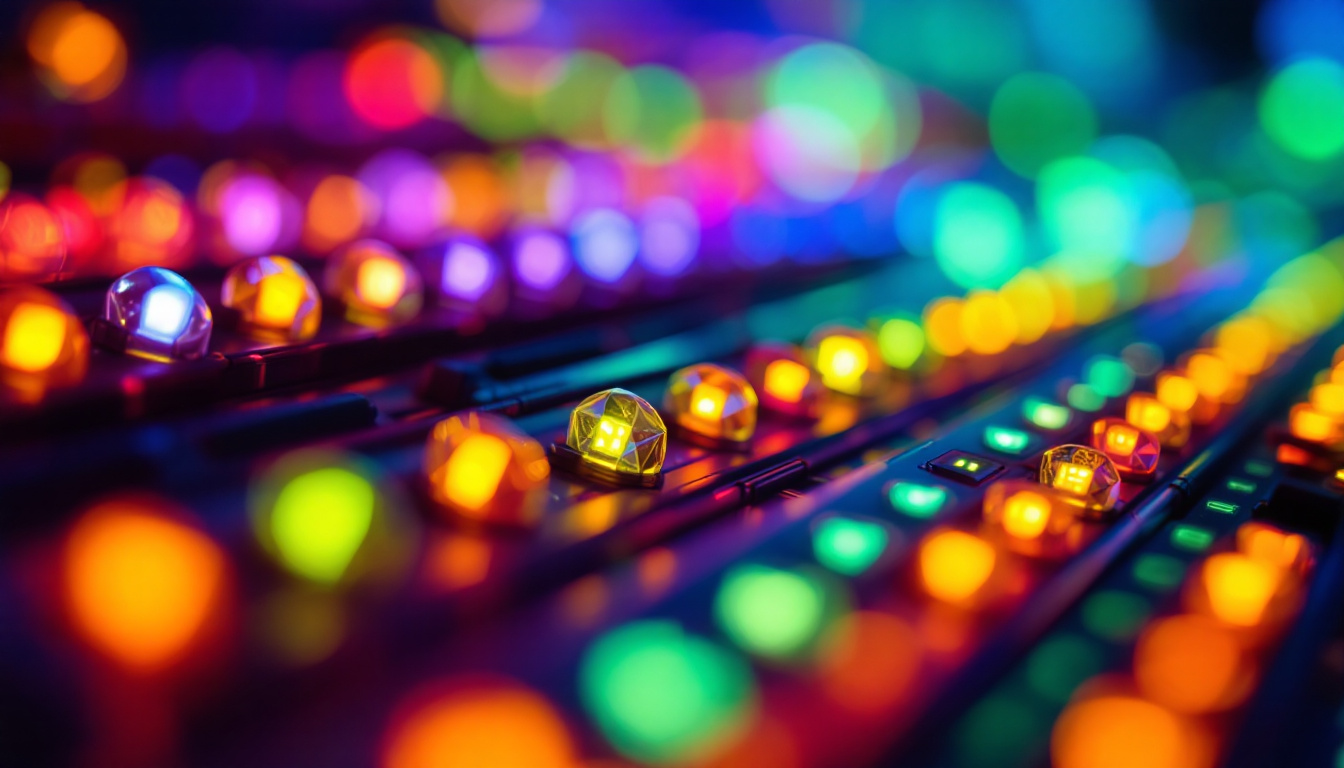
LED, or Light Emitting Diode, technology has become the cornerstone of modern television displays. Unlike traditional LCD screens that rely on fluorescent backlighting, LED displays use tiny light-emitting diodes to illuminate the screen, resulting in enhanced brightness, contrast, and color accuracy. This advancement has revolutionized how we experience visual content, making it more immersive and engaging than ever before.
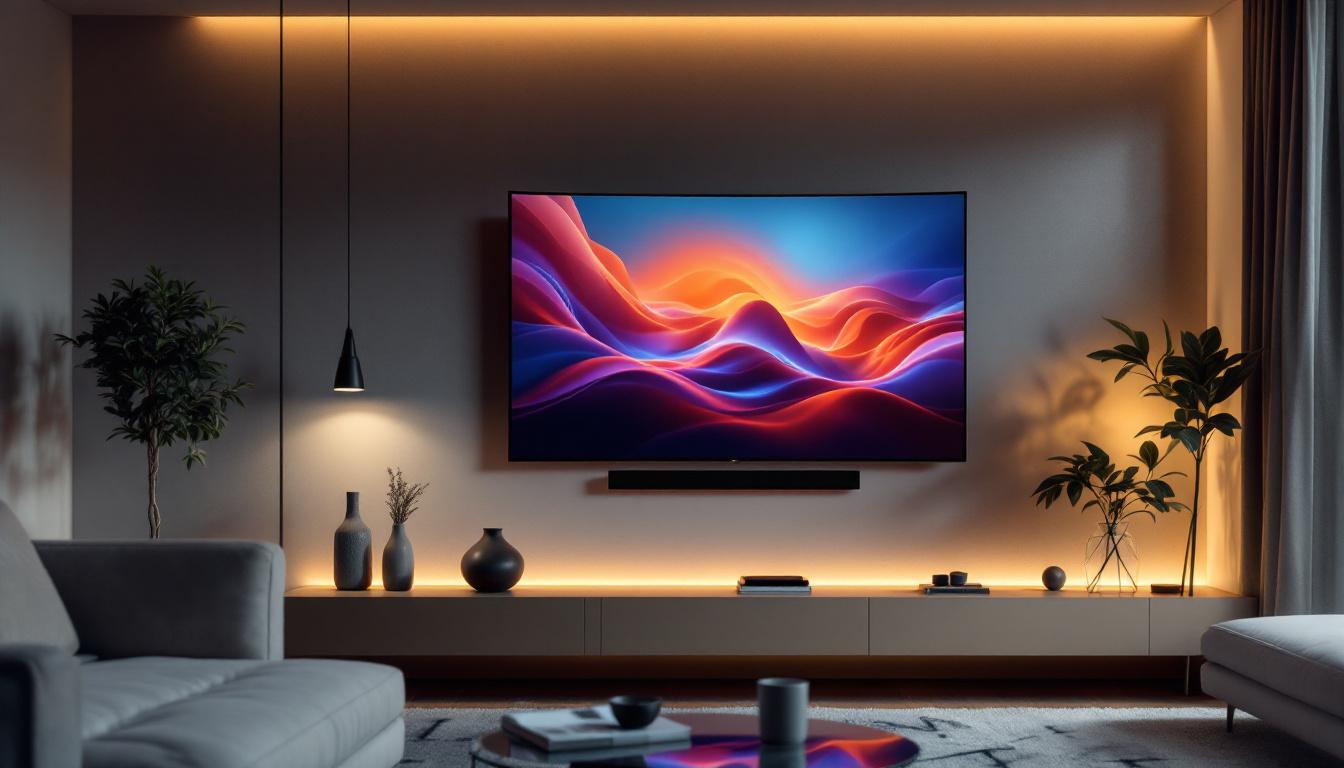
LED displays can be categorized primarily into two types: Edge-lit and Direct-lit (or Full-array). Edge-lit LEDs position the diodes along the screen’s edges, using light guides to distribute illumination evenly. This design allows for thinner panels and lower power consumption but can sometimes result in less uniform brightness. Direct-lit LED displays, on the other hand, place LEDs directly behind the screen, providing superior backlight control and improved contrast ratios. This means that viewers can enjoy a more dynamic range of colors and deeper blacks, particularly in darker scenes, which is a significant advantage for movie enthusiasts and gamers alike.
Advantages of LED Displays in TVs
LED technology offers several advantages over older display types such as CCFL-backlit LCDs and plasma screens. Key benefits include:
- Energy Efficiency: LEDs consume significantly less power, contributing to lower electricity bills and reduced environmental impact. This efficiency is not only beneficial for consumers but also aligns with global efforts to promote sustainable technology.
- Improved Brightness and Contrast: LED TVs can achieve higher peak brightness levels and deeper blacks, enhancing overall picture quality. This capability is particularly noticeable in HDR (High Dynamic Range) content, where the difference between light and dark is more pronounced, allowing for a more lifelike viewing experience.
- Slimmer Design: The compact nature of LEDs allows manufacturers to produce ultra-thin television panels that fit seamlessly into modern living spaces. This sleek design not only saves space but also adds a touch of elegance to home décor, making TVs a stylish addition to any room.
- Longer Lifespan: LEDs generally have a longer operational life compared to fluorescent backlights, ensuring durability and reliability. This longevity means that consumers can enjoy their investment for years without worrying about frequent replacements.
Moreover, the versatility of LED technology extends beyond just televisions. It has found applications in various fields, including advertising, automotive lighting, and even architectural lighting. The ability to create vibrant displays in a range of sizes and formats has made LED technology the preferred choice for businesses looking to capture consumer attention. Additionally, advancements in smart LED technology have led to features such as adaptive brightness and color tuning, which further enhance the viewing experience by adjusting to ambient light conditions and personal preferences.
As the demand for high-quality visual experiences continues to grow, manufacturers are constantly innovating within the LED space. New developments, such as MicroLED and MiniLED technologies, promise to push the boundaries of display quality even further. These innovations aim to provide even finer pixel control, resulting in unparalleled image clarity and color precision. As a result, consumers can look forward to an exciting future in display technology, where the line between reality and digital imagery becomes increasingly blurred.
The Integration of Touch Panels in TVs
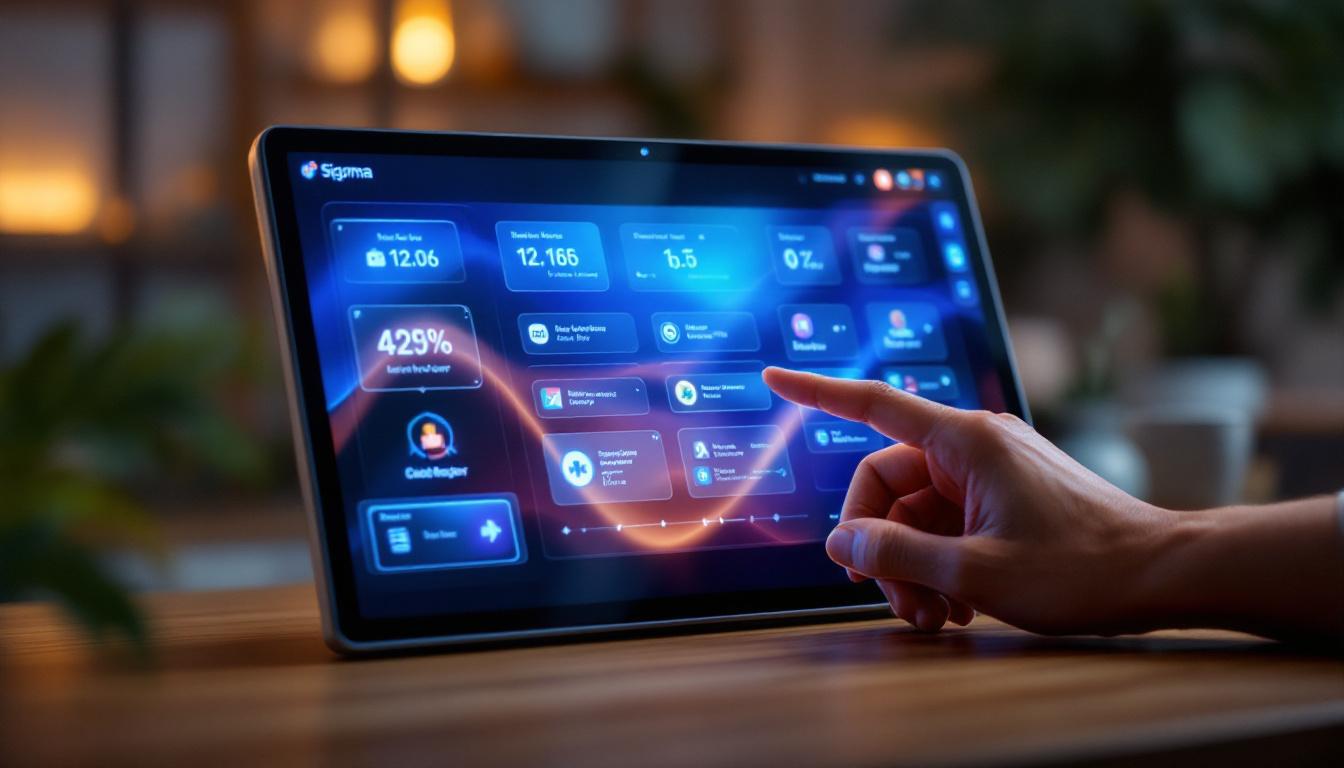
Touch panel technology, traditionally associated with smartphones and tablets, has found its way into television sets, creating a new category of interactive displays. Touch panel TVs enable users to control the device through direct screen interaction, eliminating the need for remote controls and enhancing accessibility. This shift not only modernizes the viewing experience but also aligns with the growing trend of smart home integration, where devices communicate seamlessly with one another.
These touch panels typically use capacitive or infrared (IR) touch technologies. Capacitive touch panels detect changes in electrical charge when a finger touches the screen, offering high sensitivity and multi-touch capabilities. This allows for gestures such as pinching to zoom or swiping through content, making navigation fluid and engaging. On the other hand, IR touch panels use an array of infrared sensors to detect touch points, which can be more cost-effective but less precise than capacitive systems. As manufacturers continue to innovate, we can expect advancements in touch sensitivity and accuracy, further enhancing user experience.
Benefits of Touch Panel TVs
Incorporating touch panels into TVs brings several practical advantages:
- Enhanced User Interaction: Touch controls allow for intuitive navigation through menus, apps, and multimedia content, similar to smartphones. This familiarity reduces the learning curve for new users, making technology more accessible to all age groups.
- Accessibility Improvements: Touch panels can be particularly beneficial for users with mobility challenges, simplifying control without complex remotes. This feature is especially important in creating an inclusive environment where everyone can enjoy media without barriers.
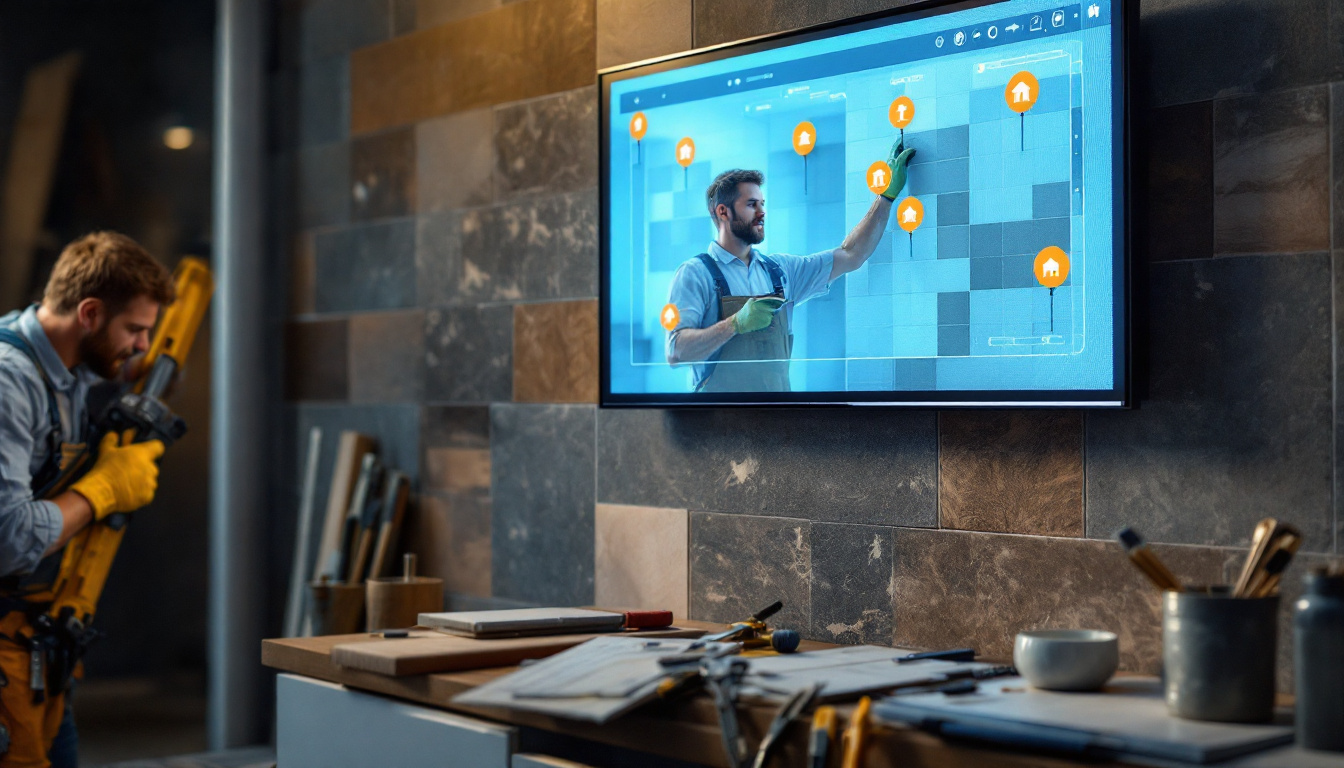
- Educational and Professional Applications: Touch panel TVs are increasingly used in classrooms and conference rooms for interactive presentations and collaborative work. They facilitate group discussions and brainstorming sessions, allowing multiple users to engage with the content simultaneously.
Moreover, touch panel TVs can integrate with various applications, enabling users to stream content, browse the internet, and even control other smart devices in their home. This interconnectedness fosters a more cohesive digital ecosystem, where entertainment and productivity can coexist seamlessly. As technology continues to evolve, we may also see the incorporation of voice recognition and gesture control, further expanding the ways users can interact with their televisions and enhancing the overall viewing experience.
Another exciting aspect of touch panel TVs is their potential for gaming. With the rise of interactive gaming experiences, touch screens can provide a more immersive way to play, allowing for direct interaction with game elements. This could lead to the development of new genres of games specifically designed for touch panel interfaces, appealing to a broader audience and transforming the landscape of home entertainment.
How LED Displays and Touch Panels Work Together
The fusion of LED display technology with touch panel functionality represents a sophisticated engineering challenge. The touch layer must be integrated without compromising the LED screen’s brightness, color accuracy, or viewing angles.
Manufacturers achieve this by layering the touch-sensitive film or glass over the LED panel with minimal thickness and high optical clarity. Advanced manufacturing techniques ensure that the touch interface remains responsive while preserving the vibrant and sharp visuals characteristic of LED displays.
Challenges in Combining Technologies
Despite the benefits, integrating touch panels with LED TVs involves overcoming several obstacles:
- Screen Glare and Reflection: The additional touch layer can increase surface reflections, potentially affecting viewing comfort.
- Cost Implications: Adding touch functionality raises production costs, which can translate to higher retail prices.
- Durability Concerns: The touch surface must withstand frequent interaction without degrading image quality or responsiveness.
Applications and Use Cases of Touch Panel LED TVs
Touch panel LED TVs are versatile devices that cater to a wide range of environments beyond typical home entertainment. Their interactive nature and high-quality displays make them suitable for various professional and educational contexts.
Educational Settings
In classrooms, touch panel TVs serve as interactive whiteboards, enabling teachers and students to engage dynamically with digital content. The responsiveness and large screen size facilitate collaborative learning, making lessons more engaging and accessible.
Corporate and Conference Environments
Businesses utilize touch panel LED TVs for presentations, video conferencing, and brainstorming sessions. The ability to annotate directly on the screen and manipulate data in real-time enhances productivity and communication.
Retail and Public Displays
Retailers and public institutions employ touch panel TVs as interactive kiosks and information points. These displays attract customer attention, provide product information, and streamline service processes through user-friendly interfaces.
Future Trends in Touch Panel and LED TV Technology
The future of touch panel LED TVs looks promising, driven by ongoing advancements in display and touch technologies. Emerging trends include:
Mini-LED and Micro-LED Innovations
Mini-LED and Micro-LED technologies are poised to revolutionize LED displays by offering even greater brightness, contrast ratios, and energy efficiency. These technologies use smaller diodes, allowing for more precise backlighting and improved picture quality, especially in HDR content.
Flexible and Transparent Displays
Research into flexible and transparent LED displays could lead to touch panel TVs that bend or integrate seamlessly into windows and walls, expanding design possibilities and user interaction methods.
Enhanced Touch Sensitivity and Multi-Touch Capabilities
Advancements in touch sensor technology will improve responsiveness and accuracy, supporting more complex gestures and multi-user interactions, which are particularly valuable in collaborative environments.
Choosing the Right Touch Panel LED TV
When selecting a touch panel LED TV, consumers and businesses should consider several factors to ensure the device meets their needs:
Screen Size and Resolution
Screen size should align with the intended viewing environment. Larger screens are preferable for conference rooms and classrooms, while smaller sizes may suffice for personal use. Resolution is equally important; 4K UHD has become the standard for crisp, detailed images.
Touch Technology Type
Capacitive touch panels offer superior sensitivity and multi-touch support but may come at a higher cost. IR touch panels are more affordable but may lack precision. The choice depends on budget and usage requirements.
Connectivity and Smart Features
Modern touch panel LED TVs often include multiple HDMI ports, USB inputs, and wireless connectivity options such as Wi-Fi and Bluetooth. Smart TV capabilities with app support enhance the device’s versatility.
Durability and Warranty
Given the interactive nature of touch panel TVs, durability is crucial. Look for models with robust touch surfaces and manufacturer warranties that cover both the display and touch components.
Conclusion
Touch panel TVs with LED displays represent a compelling fusion of interactive technology and high-quality visual performance. Their energy efficiency, superior picture quality, and user-friendly interfaces make them ideal for a broad spectrum of applications—from home entertainment to education and professional environments.
As LED and touch technologies continue to advance, these TVs will become even more versatile, offering richer interactivity and enhanced viewing experiences. Whether for collaborative work, immersive learning, or engaging multimedia consumption, touch panel LED TVs are poised to play a pivotal role in the future of display technology.
Discover the Future of Interactive Displays with LumenMatrix
Ready to experience the cutting-edge of touch panel LED TV technology? LumenMatrix is at the forefront of creating immersive visual experiences with a comprehensive range of LED display solutions. From captivating Indoor LED Walls to dynamic Outdoor LED Displays, and innovative options like LED Sports Displays and Transparent LED Displays, LumenMatrix has the perfect solution to elevate your space. Embrace the future of visual communication and check out LumenMatrix LED Display Solutions today to transform your engagement and captivate your audience like never before.