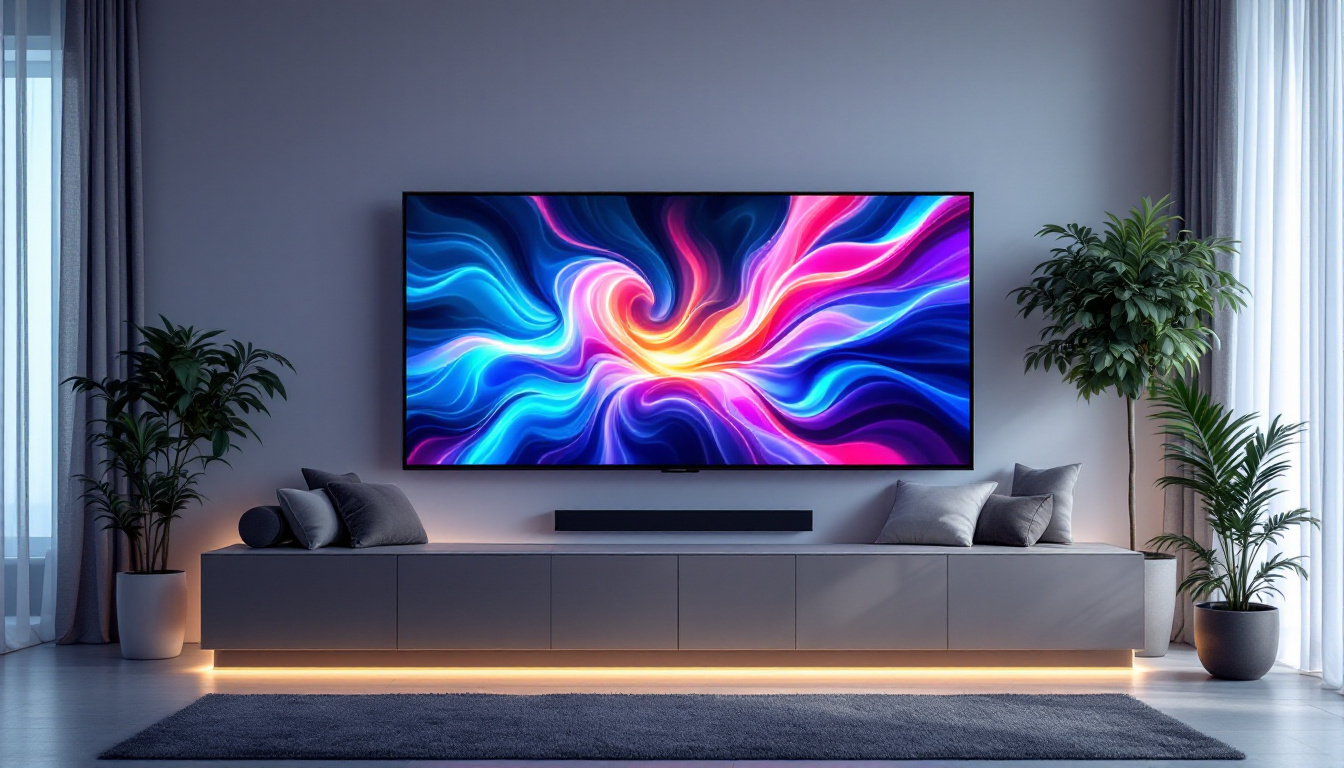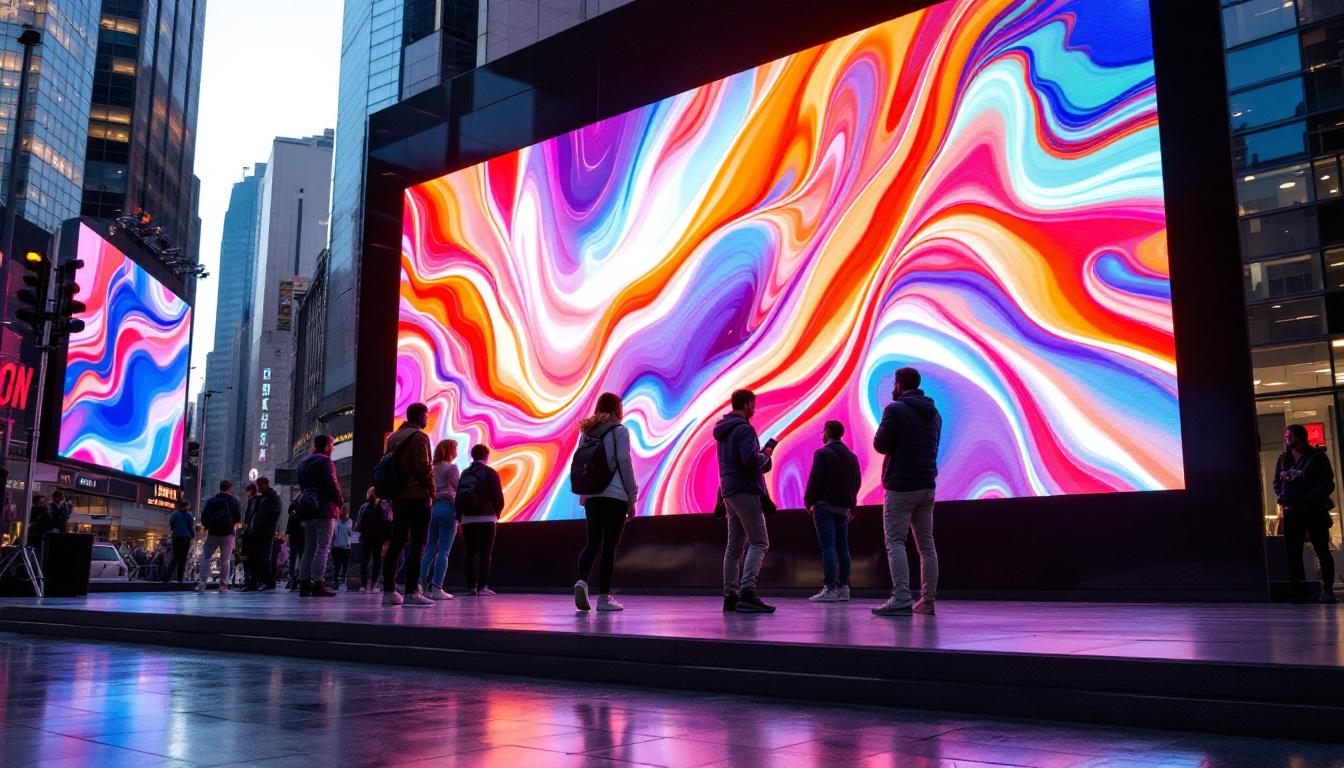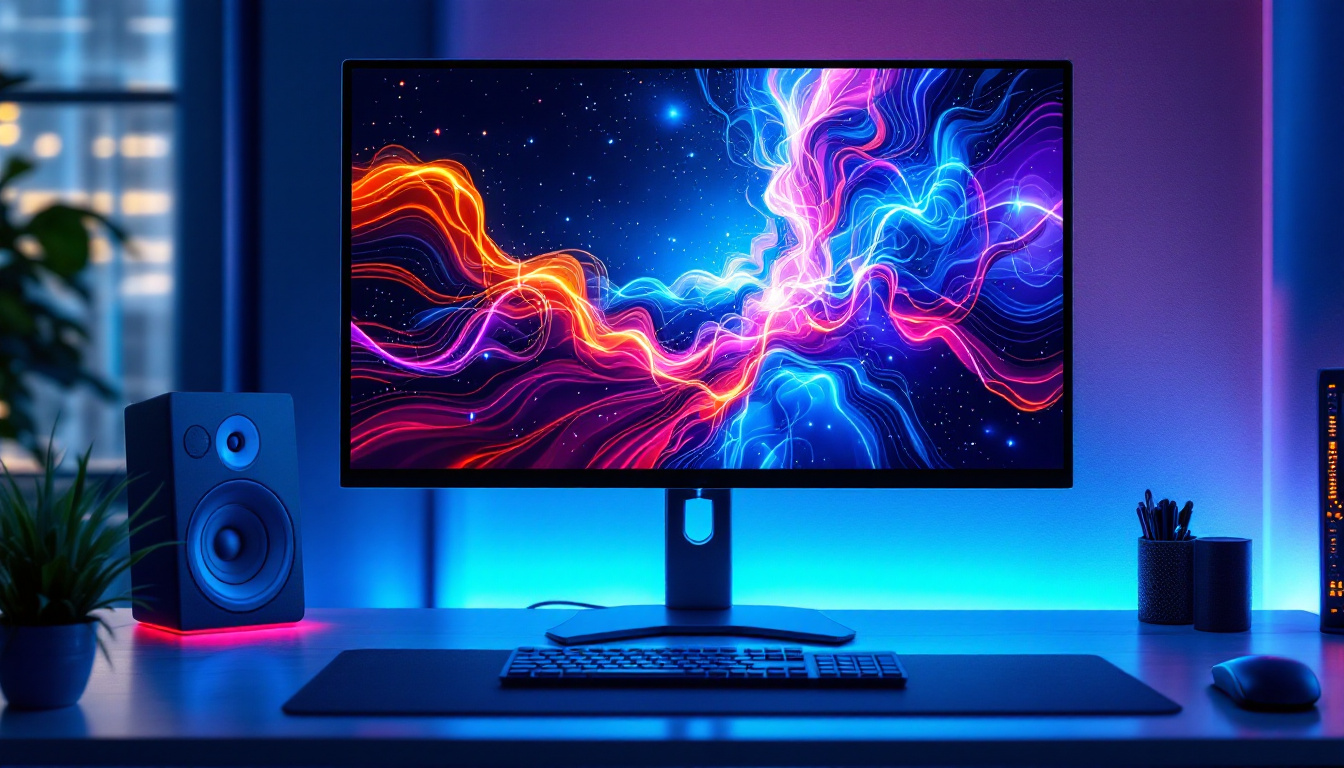
In today’s fast-evolving digital landscape, display technologies have become central to how we interact with information and devices. Among these, wireless touch screen LED displays stand out as a transformative innovation, blending the clarity and vibrancy of LED screens with the convenience of wireless connectivity and intuitive touch controls. This article delves into the fundamentals of wireless touch screen LED displays, exploring their technology, applications, advantages, and future trends.
Understanding LED Display Technology
What is an LED Display?
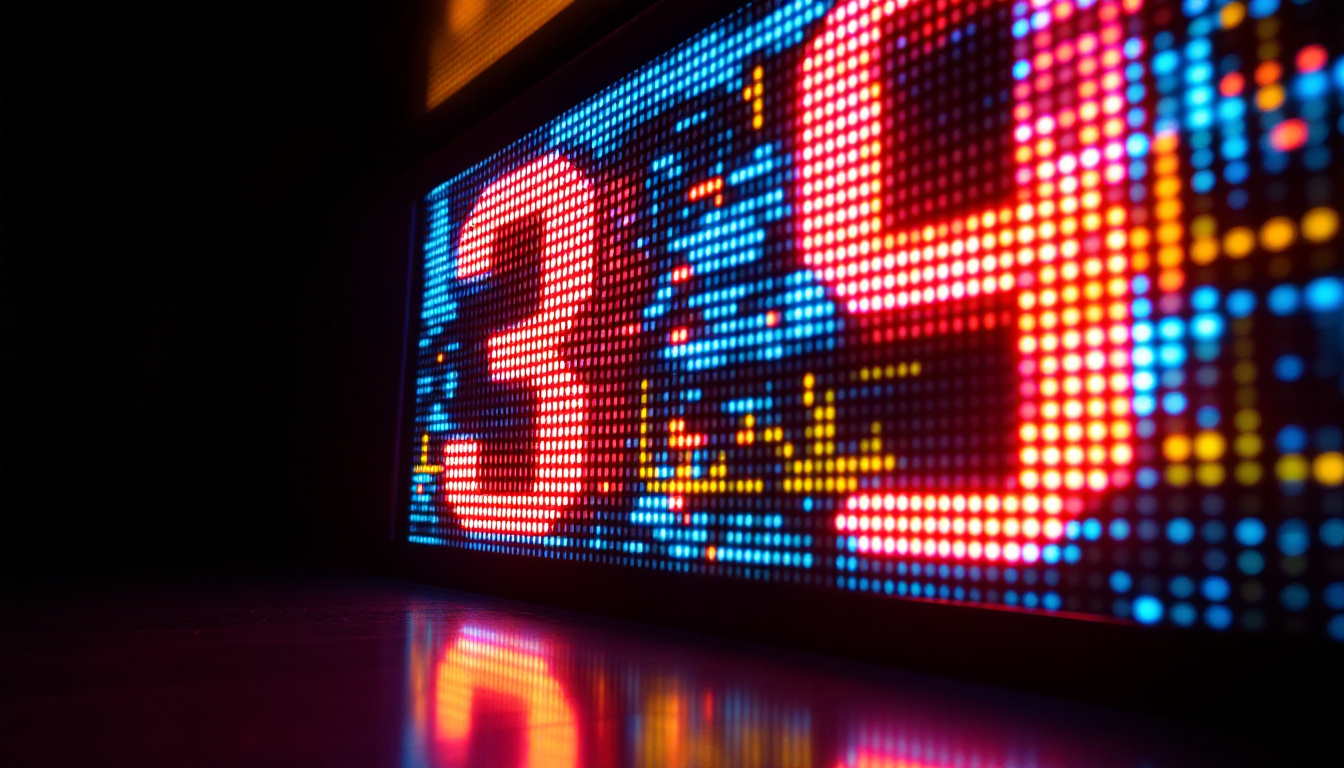
LED, or Light Emitting Diode, displays are a type of flat panel display that use an array of light-emitting diodes as pixels to produce images. Unlike traditional LCDs that rely on backlighting, LED displays emit their own light, resulting in brighter images, higher contrast ratios, and better energy efficiency. This technology is widely used in televisions, digital billboards, smartphones, and increasingly in interactive touch screen devices.
Modern LED displays can be categorized into two main types: direct-view LED and LED-backlit LCD. Direct-view LED displays consist of tiny LEDs that form the image directly, offering superior brightness and color accuracy, especially in large-scale applications like stadium screens and outdoor signage. LED-backlit LCDs, on the other hand, use LEDs as a backlight source behind an LCD panel, common in consumer electronics. The versatility of LED technology allows it to be utilized in various environments, from dimly lit rooms to bright outdoor settings, ensuring that visuals remain clear and vibrant regardless of the lighting conditions.
How LED Displays Work
Each pixel in an LED display is made up of one or more LEDs that emit red, green, and blue light. By varying the intensity of these LEDs, the display can create a full spectrum of colors. The LEDs are controlled by electronic circuits that refresh the image many times per second to produce smooth video and animations. This rapid refresh rate is particularly beneficial for fast-moving content, such as sports broadcasts or action-packed video games, where clarity and detail are crucial for an enjoyable viewing experience.
The efficiency of LEDs allows for thinner, lighter displays that consume less power compared to older technologies. Additionally, LED displays offer wider viewing angles and faster response times, making them ideal for dynamic, interactive applications. Furthermore, advancements in LED technology, such as the development of MicroLED and MiniLED, are pushing the boundaries of display quality even further. MicroLED displays, for instance, consist of microscopic LEDs that can be individually controlled, resulting in unparalleled contrast and color accuracy. As this technology continues to evolve, it opens up exciting possibilities for immersive experiences in virtual reality and augmented reality applications, where visual fidelity is paramount.
The Integration of Touch Screen Technology
What is a Touch Screen?
A touch screen is an input device layered on top of a display that detects the presence and location of a touch within the display area. This technology enables users to interact directly with what is displayed, eliminating the need for external input devices like a mouse or keyboard.
There are several types of touch screen technologies, including resistive, capacitive, infrared, and surface acoustic wave. Capacitive touch screens are the most common in modern devices due to their responsiveness and multi-touch capabilities. They work by detecting changes in electrical fields when a finger touches the screen, allowing for gestures such as pinching and swiping. This level of interactivity has transformed how we engage with technology, making it more intuitive and user-friendly.
Combining Touch Screens with LED Displays
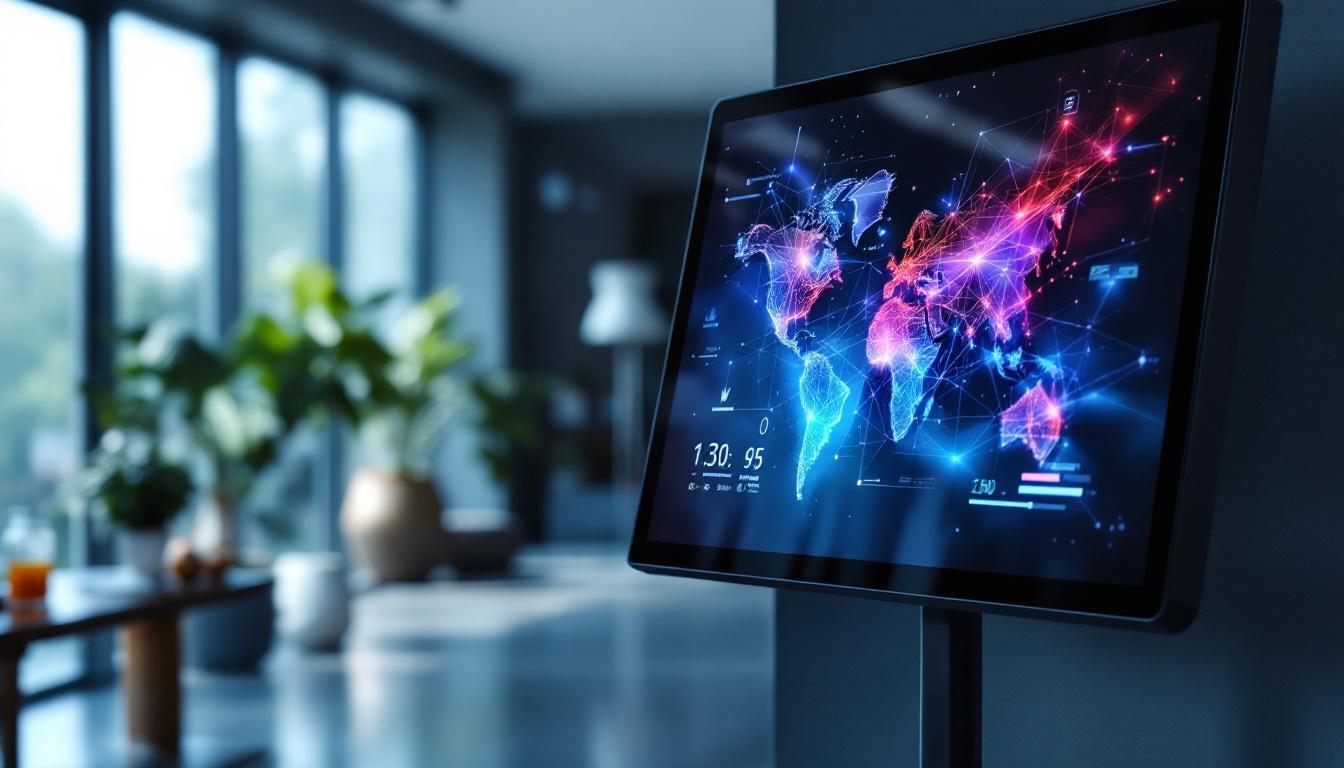
When touch screen technology is integrated with LED displays, it creates an interactive visual interface that is both vibrant and responsive. This combination is particularly valuable in applications such as kiosks, digital signage, retail displays, and collaborative workspaces. For instance, in retail environments, touch-enabled displays allow customers to browse products, access information, and even make purchases directly from the screen, enhancing the shopping experience and streamlining operations.
The challenge lies in maintaining the display’s brightness and clarity while embedding touch sensors. Advances in optical bonding and sensor technology have enabled manufacturers to produce touch-enabled LED displays that do not compromise on image quality or touch sensitivity. Furthermore, innovations like anti-glare coatings and enhanced durability are making these displays suitable for a wider range of environments, from outdoor settings to high-traffic areas. As technology progresses, we can expect even more sophisticated features, such as haptic feedback, which provides tactile responses to touch, further enriching user interaction and engagement.
Wireless Connectivity in Touch Screen LED Displays
Why Wireless?
Wireless connectivity removes the need for cumbersome cables, allowing for greater flexibility in device placement and usage. For touch screen LED displays, wireless connections can facilitate easier installation, reduce clutter, and enable remote control and content updates.
Wireless technology also supports interactive environments where multiple devices communicate seamlessly, such as in smart classrooms, conference rooms, or public information systems.
Common Wireless Technologies Used
Several wireless protocols are employed in wireless touch screen LED displays, including Wi-Fi, Bluetooth, and proprietary radio frequency (RF) systems. Wi-Fi is the most prevalent due to its high bandwidth and compatibility with existing networks, enabling high-resolution video streaming and real-time data exchange.
Bluetooth is often used for peripheral connections or low-bandwidth control signals, while RF systems can offer longer range and lower latency for specialized applications.
Security Considerations
Wireless connectivity introduces potential security vulnerabilities, especially in public or enterprise environments. It is essential that wireless touch screen LED displays incorporate robust encryption, authentication protocols, and regular firmware updates to protect against unauthorized access and data breaches.
Applications of Wireless Touch Screen LED Displays
Retail and Advertising
Retailers leverage wireless touch screen LED displays to create engaging, interactive shopping experiences. These displays can showcase products, provide detailed information, and even facilitate transactions without the need for staff intervention. The wireless aspect allows for easy repositioning within stores and remote content management.
Digital advertising benefits from the high brightness and vivid colors of LED displays, ensuring visibility even in brightly lit environments. Touch interactivity adds a layer of engagement, enabling users to explore promotions or customize their experience.
Education and Collaboration
In educational settings, wireless touch screen LED displays serve as dynamic whiteboards and presentation tools. They support multi-user interaction, digital annotation, and seamless content sharing from multiple devices. Wireless connectivity simplifies classroom setups and allows educators to control displays from anywhere in the room.
Corporate environments use these displays in meeting rooms and collaborative spaces to enhance communication and productivity. The ability to wirelessly connect laptops, tablets, and smartphones fosters a more integrated workflow.
Healthcare and Public Information
Healthcare facilities utilize wireless touch screen LED displays for patient check-in kiosks, wayfinding, and real-time information dissemination. The hygienic benefits of touch screens with antimicrobial coatings and easy-to-clean surfaces are particularly important in these settings.
Public spaces such as airports, museums, and transportation hubs employ these displays to provide travelers and visitors with interactive maps, schedules, and alerts. Wireless connectivity ensures that information can be updated instantly without physical access to the hardware.
Advantages of Wireless Touch Screen LED Displays
Enhanced User Experience
The combination of LED’s visual excellence with responsive touch controls creates an intuitive and engaging user interface. Wireless connectivity further enhances this by enabling seamless interaction without physical constraints.
Flexibility and Mobility
Wireless displays can be easily relocated or reconfigured to suit changing needs. This flexibility is invaluable in dynamic environments such as trade shows, pop-up events, or modular office spaces.
Cost and Installation Benefits
Eliminating extensive cabling reduces installation time and costs. Wireless systems also simplify maintenance and upgrades, as devices can be accessed remotely.
Energy Efficiency and Sustainability
LED technology is inherently energy-efficient, consuming less power than traditional display technologies. Wireless solutions can further optimize energy use by enabling smart power management and reducing the need for physical infrastructure.
Challenges and Considerations
Latency and Performance
Wireless connections can introduce latency, which may affect the responsiveness of touch inputs and video playback. Ensuring high-quality wireless hardware and network infrastructure is critical to maintaining smooth performance.
Environmental Factors
LED displays, especially those used outdoors, must withstand varying weather conditions and potential physical impacts. Wireless signals can also be affected by interference from other devices or structural obstacles.
Cost Implications
While wireless touch screen LED displays offer many advantages, they can come with higher upfront costs compared to wired or non-touch alternatives. Evaluating the total cost of ownership, including installation, maintenance, and potential productivity gains, is essential.
The Future of Wireless Touch Screen LED Displays
Advancements in Display Resolution and Size
Emerging technologies are pushing LED displays toward ultra-high resolutions, including 8K and beyond, while maintaining energy efficiency. Flexible and transparent LED displays are also becoming more viable, opening new possibilities for design and application.
Integration with IoT and AI
Wireless touch screen LED displays are increasingly integrated into the Internet of Things (IoT) ecosystem, enabling smarter environments. Artificial intelligence can personalize content, analyze user interactions, and optimize display settings in real time.
Enhanced Interactivity and Multi-User Support
Future displays will support more simultaneous touch points and advanced gesture recognition, facilitating richer collaborative experiences. Haptic feedback and augmented reality overlays may further enhance user engagement.
Conclusion
Wireless touch screen LED displays represent a significant leap forward in display technology, combining the best of visual performance, interactivity, and connectivity. Their versatility makes them suitable for a wide range of applications, from retail and education to healthcare and public information systems. As technology continues to advance, these displays will become even more integral to how people access and interact with digital content.
For businesses and organizations looking to enhance engagement and streamline operations, investing in wireless touch screen LED displays offers a compelling solution that balances innovation with practicality.
Discover LumenMatrix’s Innovative LED Display Solutions
Ready to elevate your space with the latest in wireless touch screen LED display technology? LumenMatrix is at the forefront of creating immersive visual experiences that captivate and engage. From dynamic Indoor LED Wall Displays to robust Outdoor LED Wall Displays, and from versatile Vehicle LED Displays to sleek LED Poster Displays, our solutions are designed to revolutionize visual communication. Whether you’re looking to enhance a retail environment, transform a public space, or make a statement in any setting, LumenMatrix has the cutting-edge technology to bring your vision to life. Check out LumenMatrix LED Display Solutions today and see how we can help you share your message with impact and clarity.