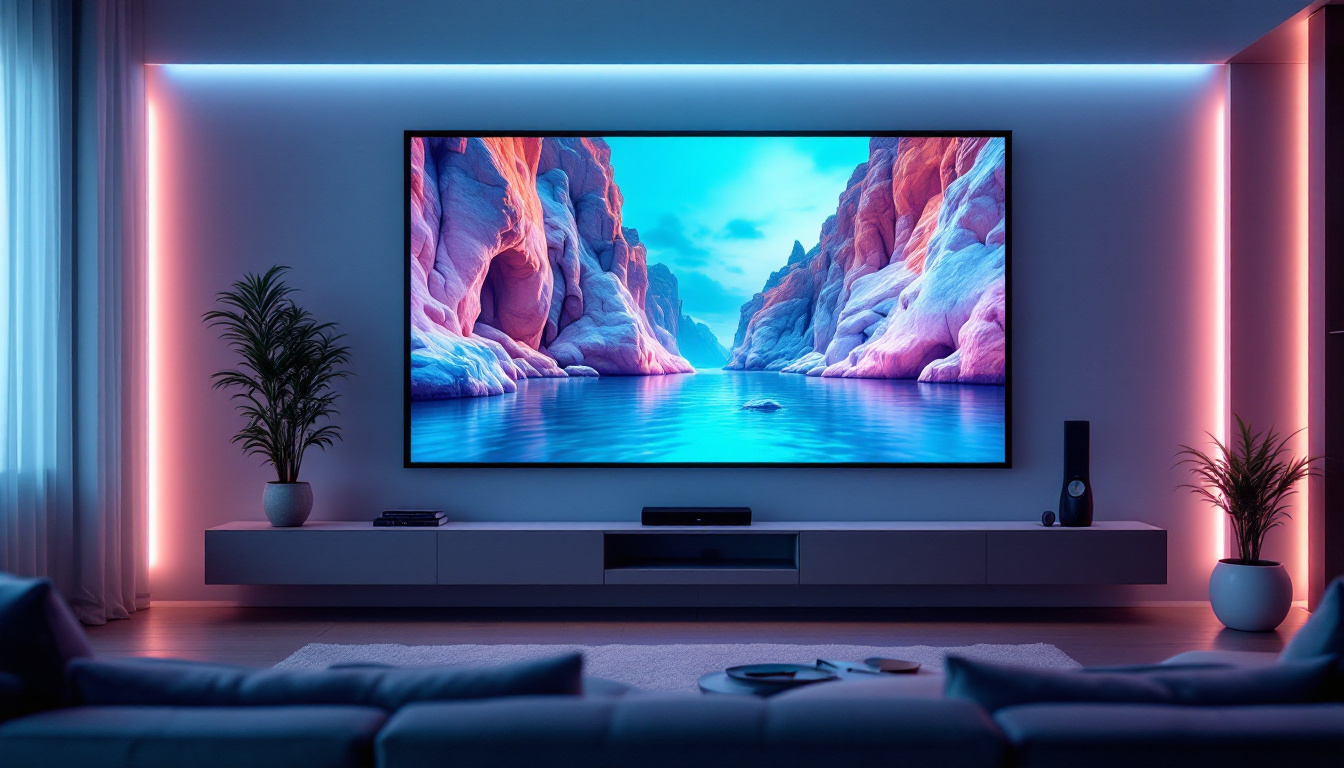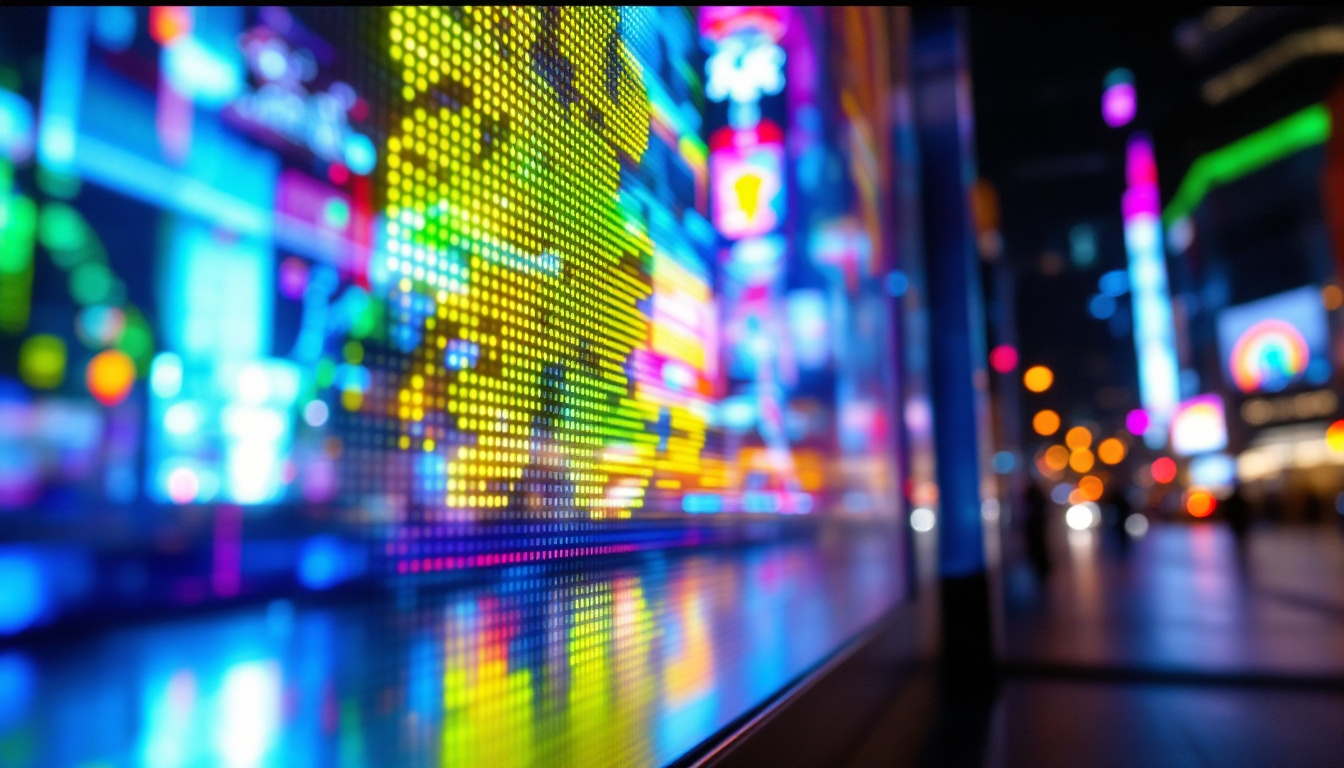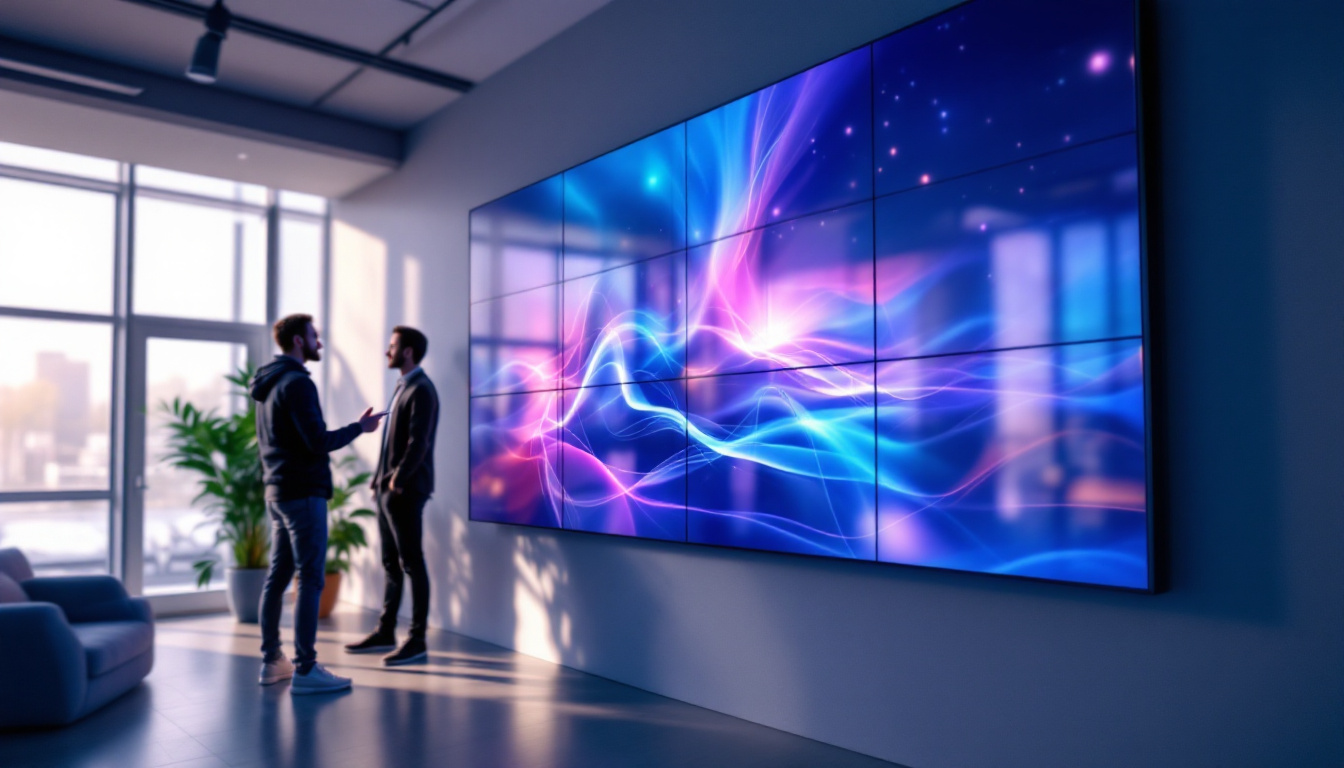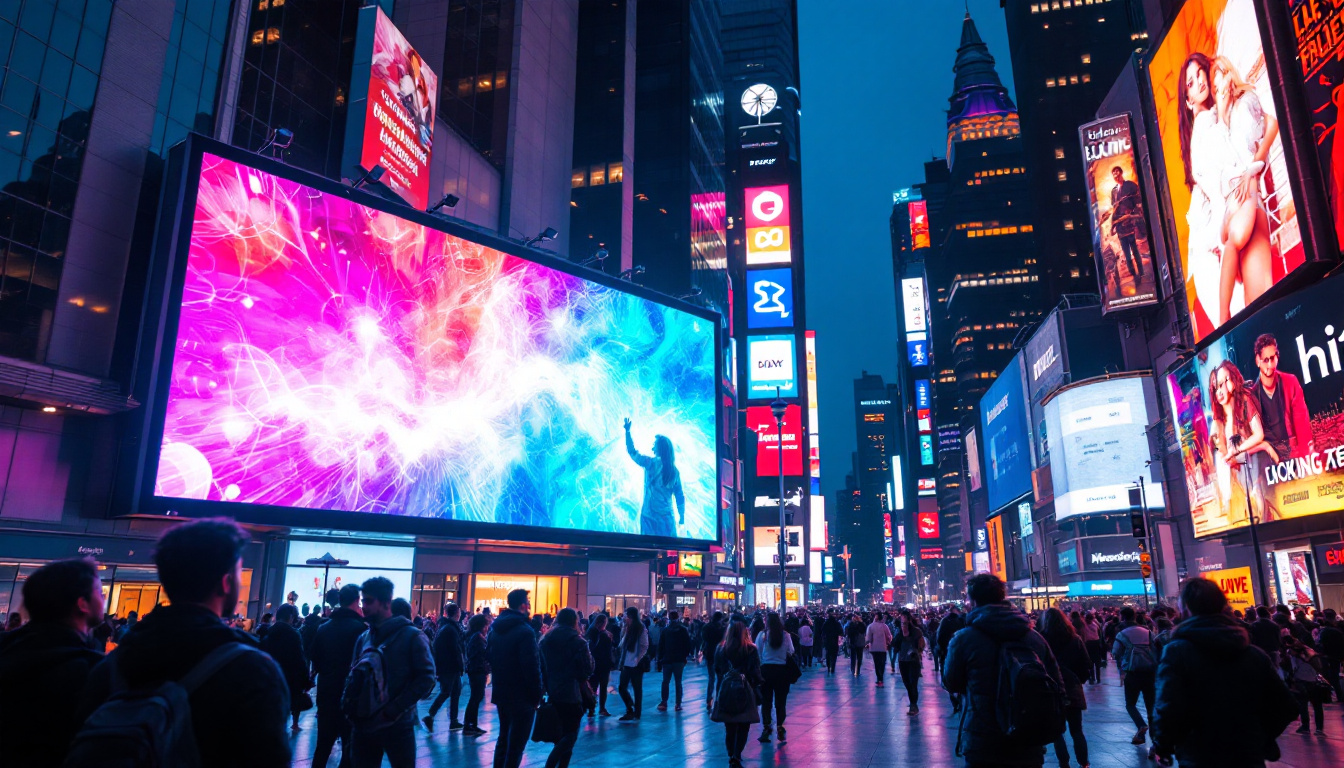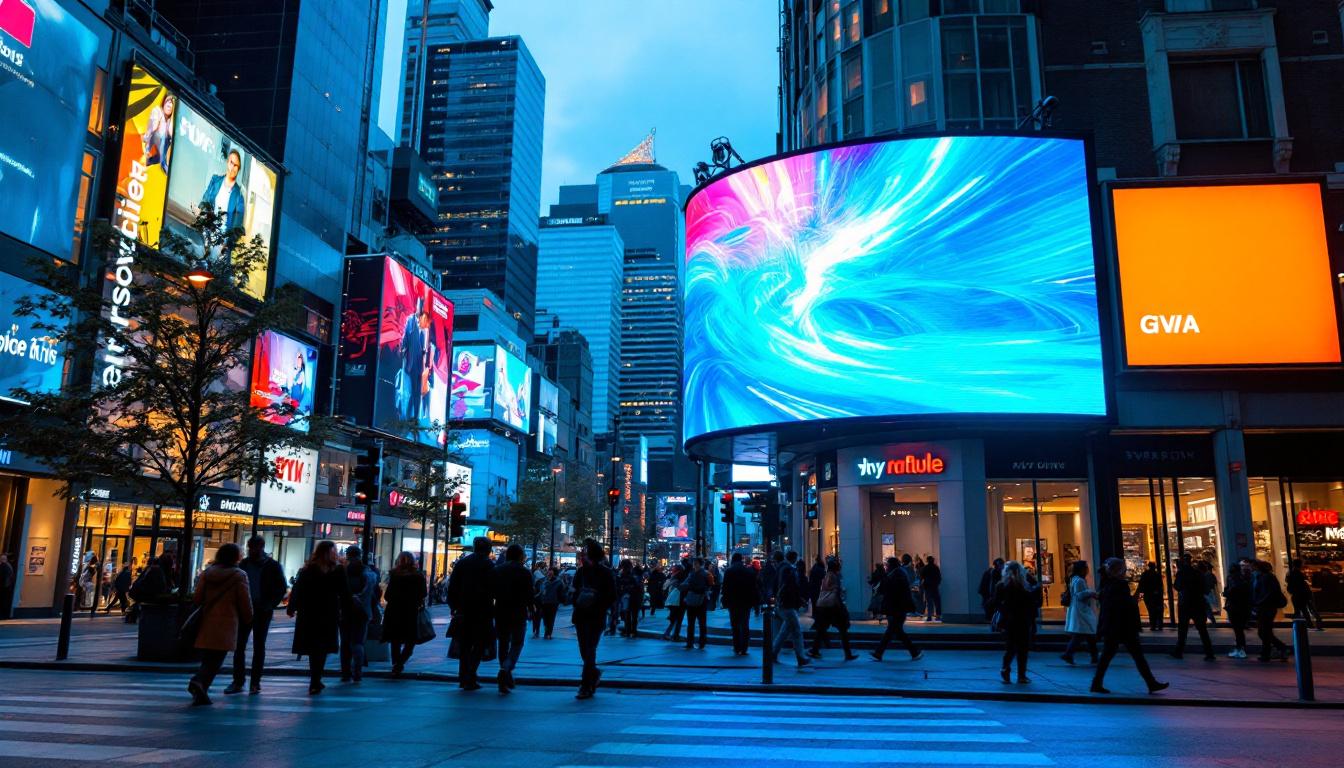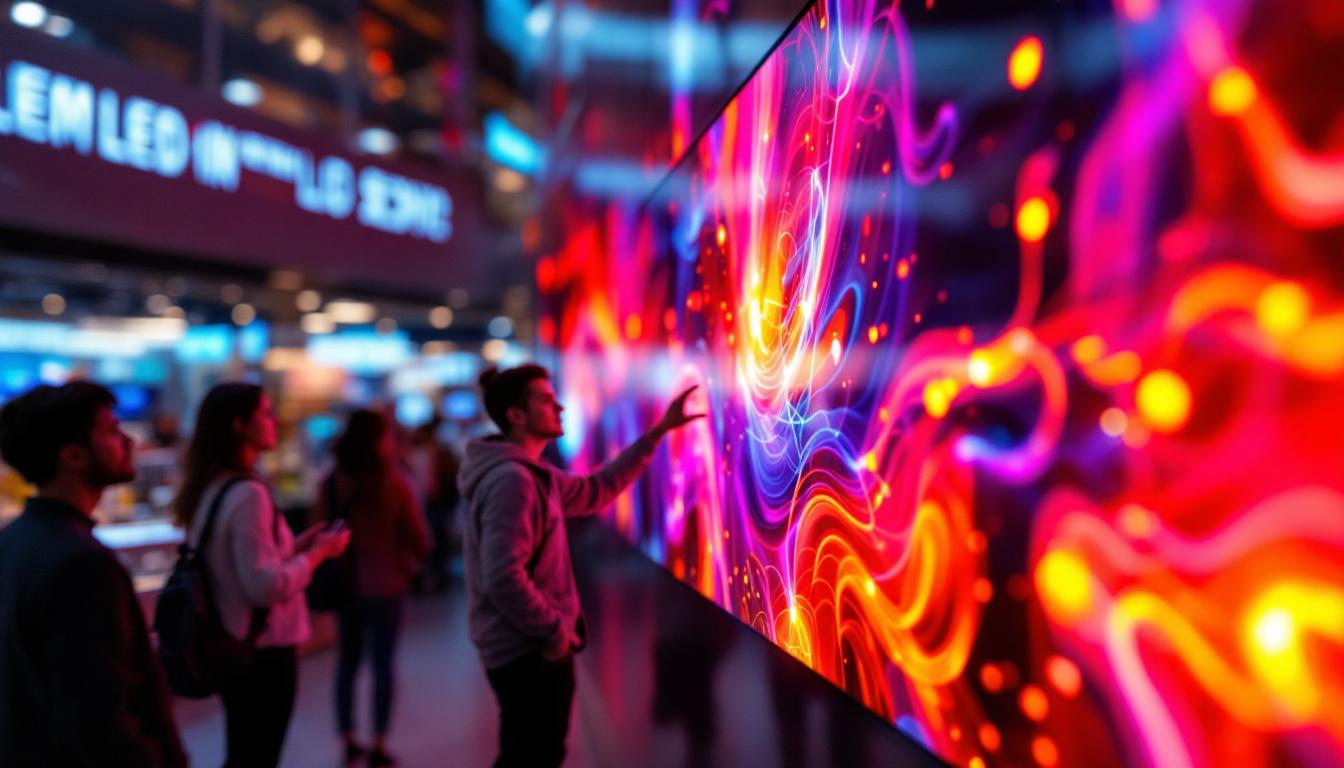
In today’s fast-paced digital world, LED displays have become a cornerstone of modern electronics, transforming everything from advertising to home entertainment. As sales on electronics continue to surge globally, understanding the technology behind LED displays is crucial for consumers, retailers, and manufacturers alike. This article delves into the fundamentals of LED displays, their types, benefits, and the driving factors behind their booming sales in the electronics market.
What is an LED Display?
LED stands for Light Emitting Diode, a semiconductor device that emits light when an electric current passes through it. An LED display is essentially a flat panel that uses an array of these tiny LEDs to produce images, videos, or text. Unlike traditional LCD or plasma screens, LED displays offer superior brightness, energy efficiency, and longevity. This makes them particularly appealing for applications in both consumer electronics and commercial environments.
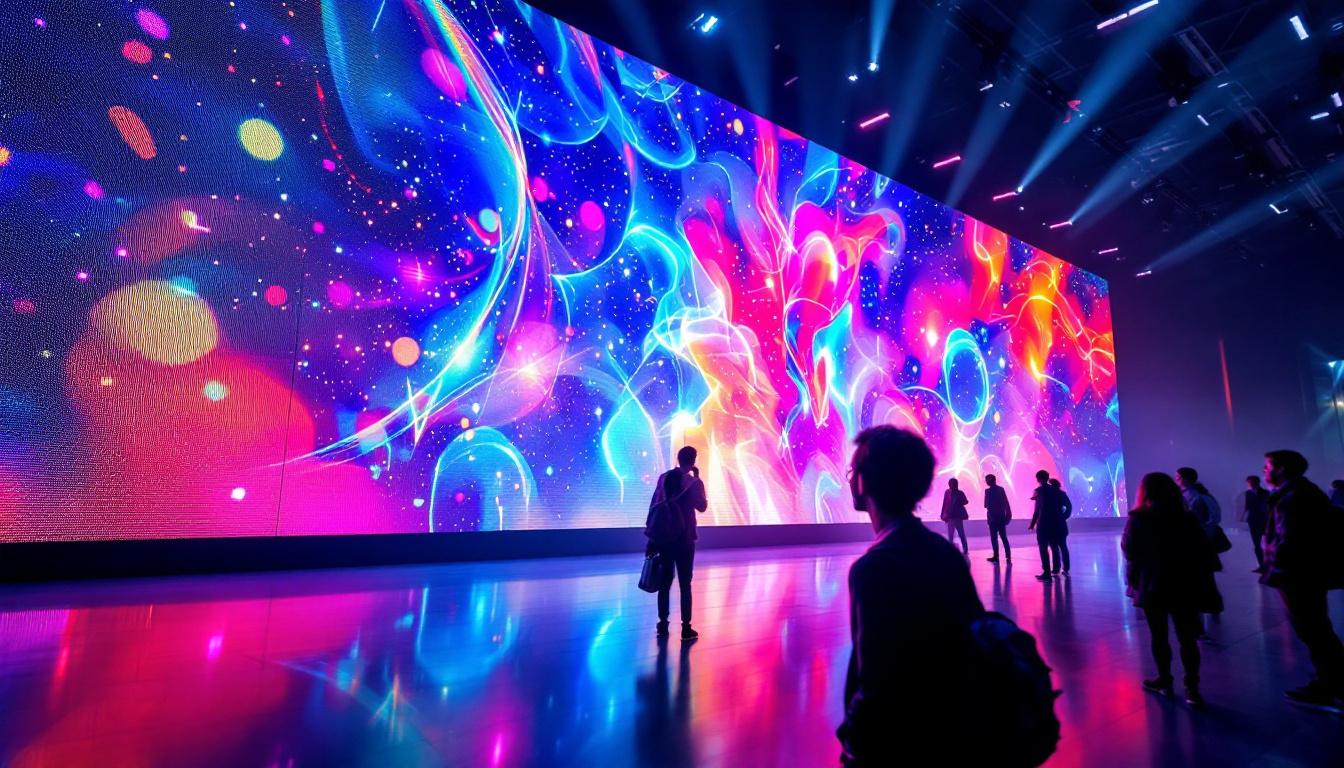
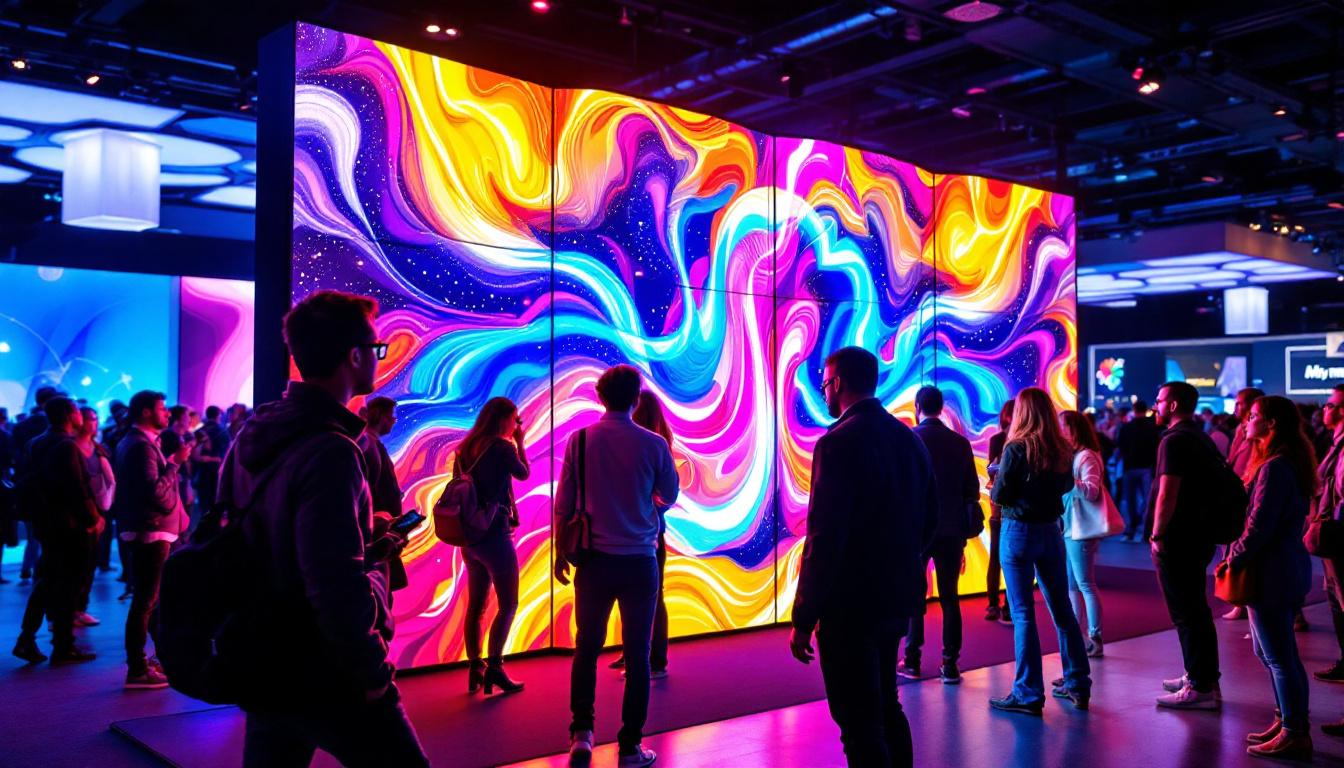
LED displays are widely used in various applications, ranging from smartphone screens and televisions to large-scale outdoor billboards and stadium screens. The technology has evolved significantly since its inception, with innovations such as OLED (Organic LED) and MicroLED pushing the boundaries of display quality and versatility. The adaptability of LED technology has also led to its integration into architectural designs, where dynamic lighting can enhance the aesthetic appeal of buildings and public spaces.
How LED Displays Work
At the core of an LED display are numerous individual LEDs arranged in a matrix. Each LED acts as a pixel, and by controlling the intensity and color of each pixel, the display can render complex images. The LEDs can be red, green, and blue (RGB), which combine in varying intensities to produce the full color spectrum. This RGB configuration allows for vibrant color reproduction, making LED displays ideal for applications that require high visual fidelity, such as gaming and graphic design.
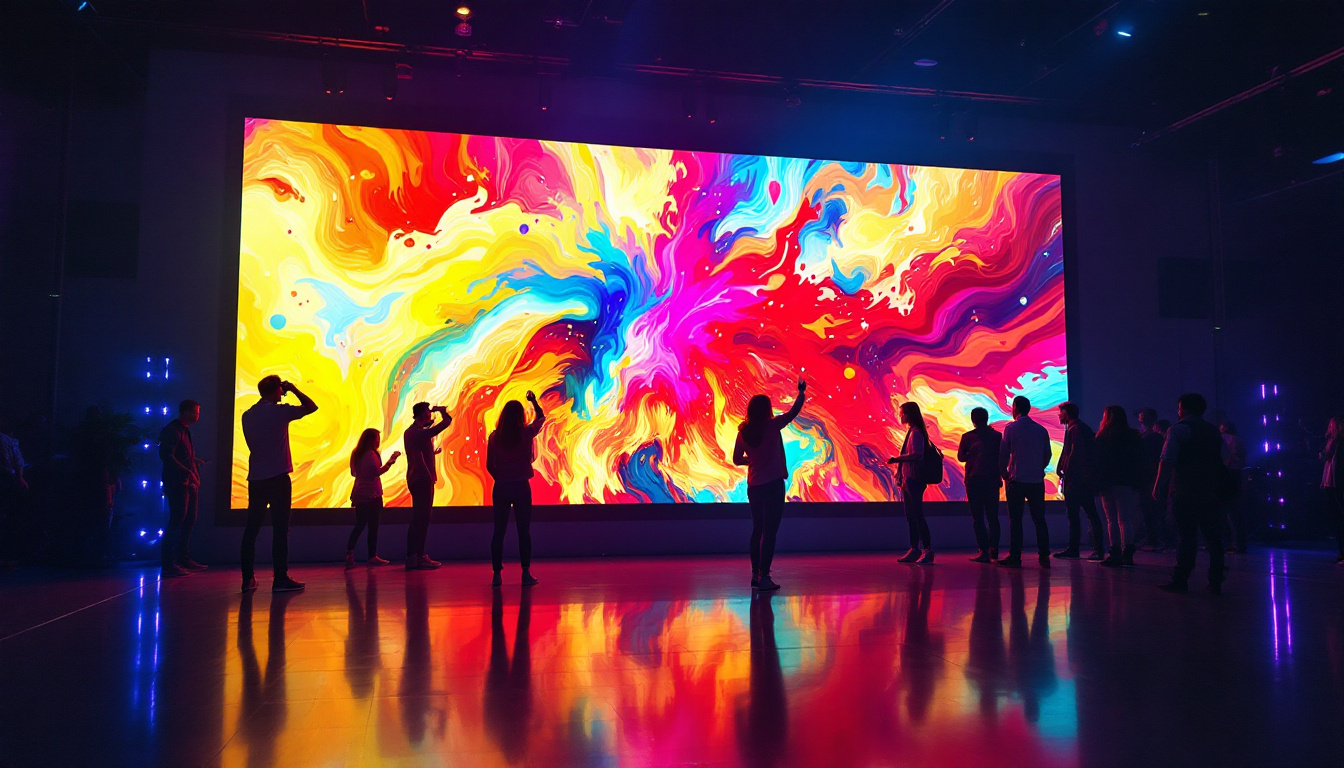
Modern LED displays often use a backlighting system where LEDs illuminate an LCD panel, enhancing brightness and contrast. In contrast, direct-view LED displays use LEDs themselves as the light source, which is common in large outdoor screens and digital signage. These direct-view displays can achieve remarkable brightness levels, making them visible even in direct sunlight. Furthermore, advancements in technology have led to the development of flexible LED displays, which can be bent and shaped to fit unconventional spaces, providing even more creative possibilities for designers and advertisers alike. As a result, the versatility of LED technology continues to expand, paving the way for innovative applications in various fields, including art installations and interactive displays.
Types of LED Displays
Understanding the different types of LED displays is essential for making informed purchasing decisions, whether for personal use or commercial applications. The primary categories include:
1. LED Backlit LCD Displays
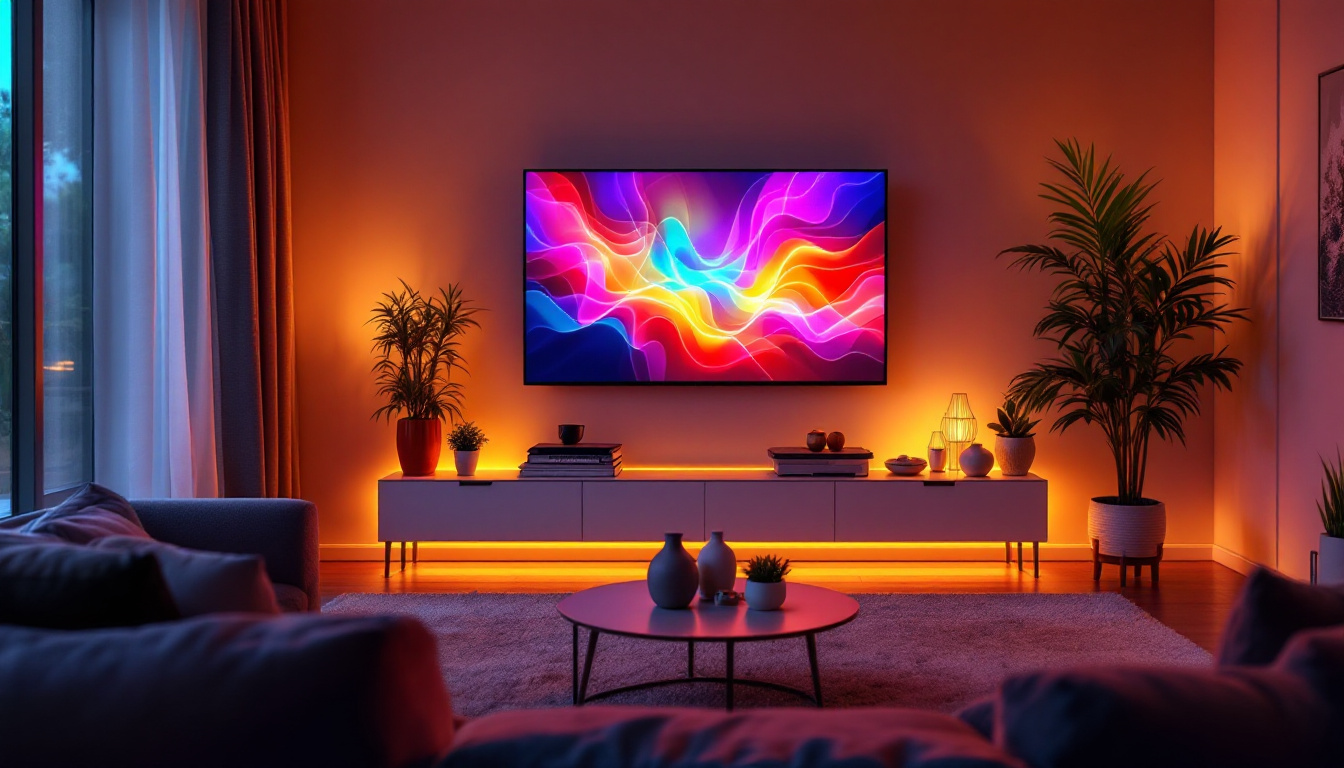
These are the most common type of LED displays found in consumer electronics like laptops, monitors, and televisions. Here, LEDs serve as a backlight behind an LCD panel, improving brightness and energy efficiency compared to traditional CCFL (cold cathode fluorescent lamp) backlighting.
This hybrid technology combines the sharp image quality of LCDs with the advantages of LED lighting, such as lower power consumption and longer lifespan.
2. OLED Displays
Organic Light Emitting Diode (OLED) displays use organic compounds that emit light when electrically stimulated. Unlike LED-backlit LCDs, OLED pixels emit their own light, allowing for true blacks and exceptional contrast ratios.
OLED technology is popular in high-end smartphones, televisions, and wearable devices due to its vibrant colors and flexibility, enabling curved and foldable screens.
3. Direct-View LED Displays
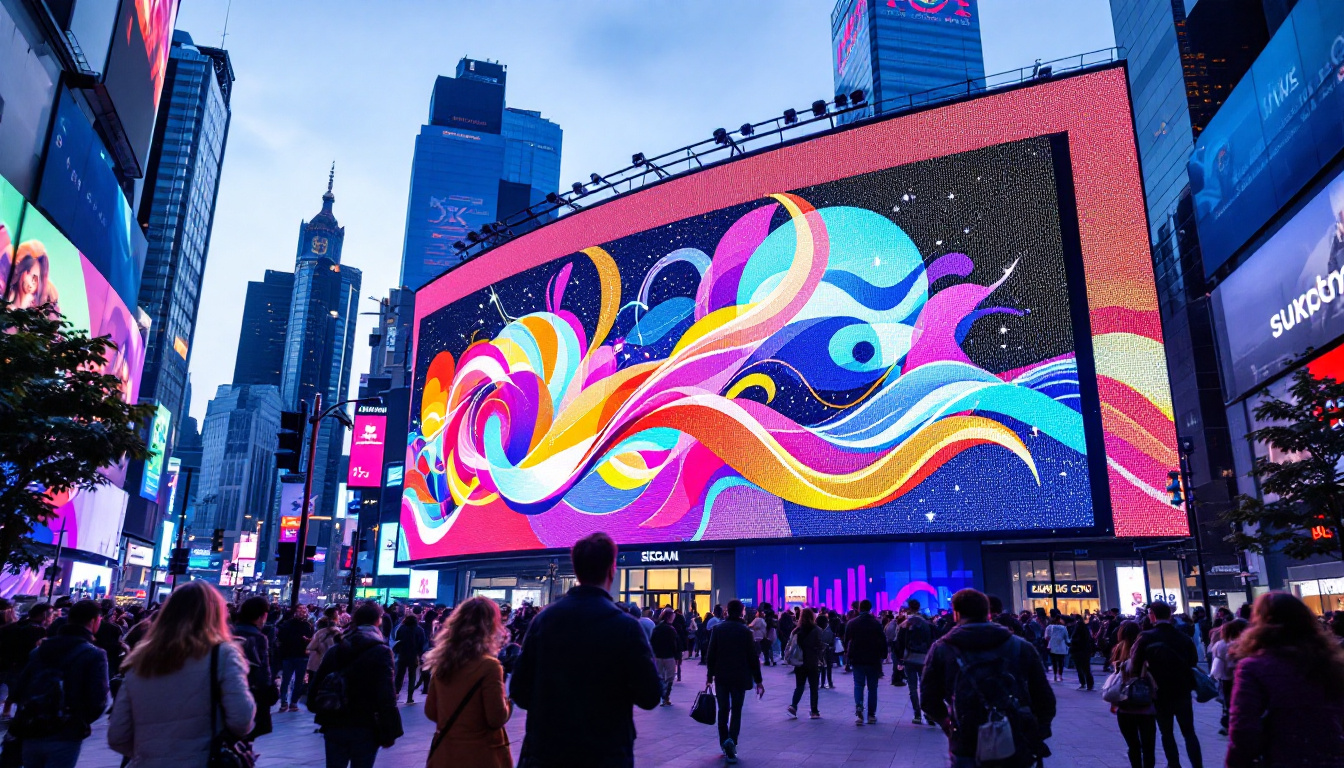
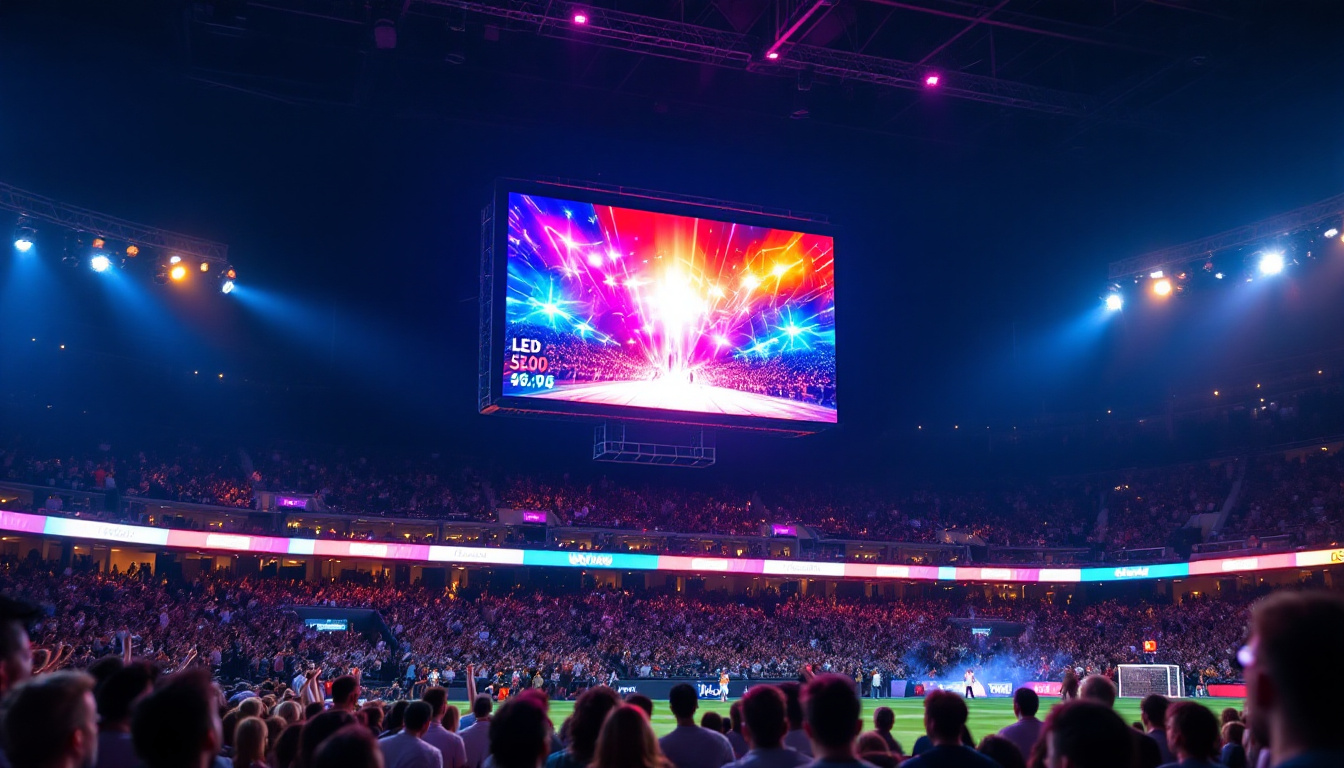
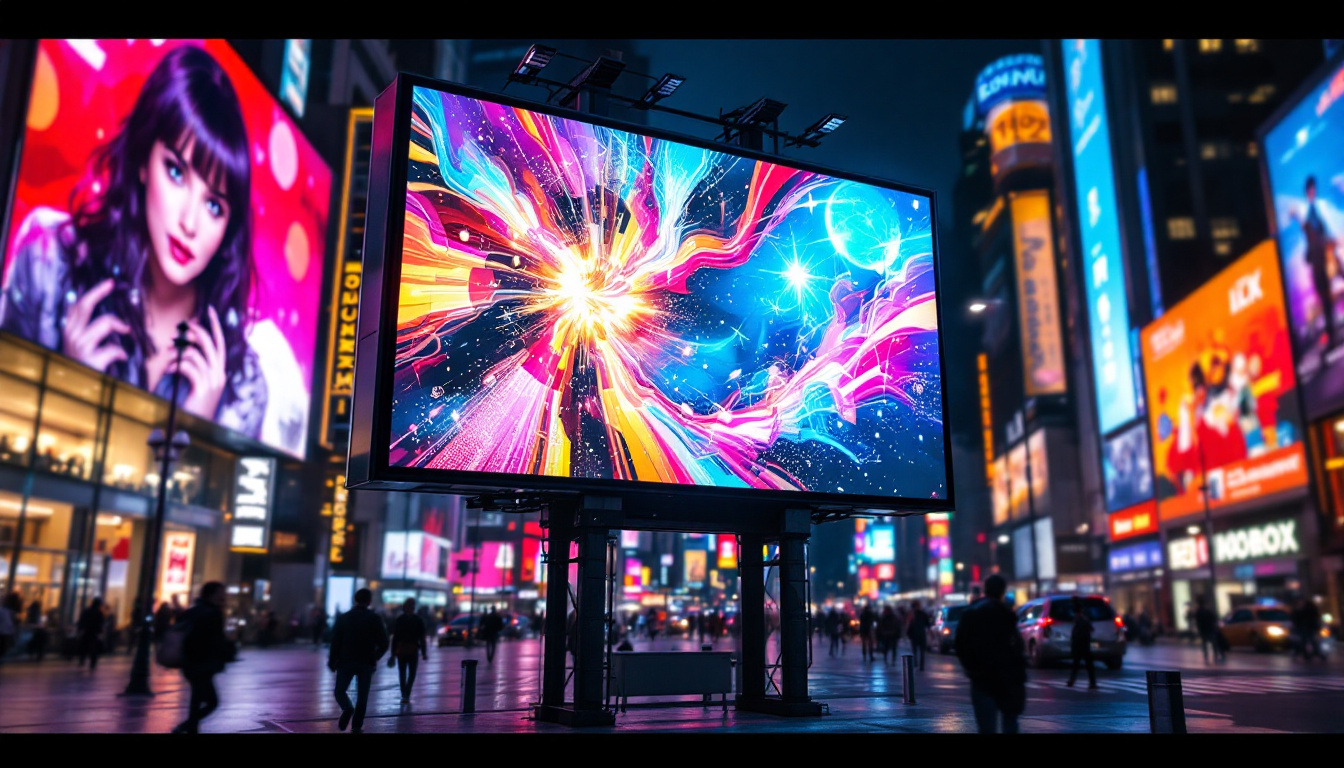
These displays consist of individual LEDs that form the image directly without an LCD panel. They are typically used for large outdoor screens, stadium displays, and digital billboards. Direct-view LEDs offer excellent brightness, making them visible even under direct sunlight.
Advancements in pixel pitch—the distance between LEDs—have enabled higher resolution and finer image quality in these large-scale displays.
Key Benefits Driving LED Display Sales
The surge in LED display sales can be attributed to several compelling benefits that appeal to both consumers and businesses.
Energy Efficiency and Longevity
LED displays consume significantly less power compared to traditional display technologies. For instance, LED-backlit LCD TVs use up to 30% less energy than CCFL-backlit models. This efficiency not only reduces electricity bills but also aligns with growing environmental concerns and regulations.
Moreover, LEDs have a longer operational lifespan, often exceeding 50,000 hours, which translates to years of reliable use without significant degradation in brightness or color accuracy.
Superior Image Quality
LED technology enables displays with higher brightness, better contrast ratios, and more vivid colors. OLED displays, in particular, offer unparalleled image quality with deep blacks and wide viewing angles.
These qualities enhance user experience across various applications, from immersive home theater setups to eye-catching retail signage that attracts customers effectively.
Versatility and Design Flexibility
LED displays are highly adaptable, available in various sizes and forms. Their thin profiles and lightweight nature make them suitable for wall-mounted TVs, portable devices, and large-scale installations alike.
Innovations like flexible OLEDs have opened new possibilities in device design, enabling foldable smartphones and curved monitors that were once considered futuristic.
Current Market Trends and Sales Insights
The global market for LED displays is experiencing robust growth, fueled by technological advancements and expanding applications.
Market Growth Statistics
According to a recent report by Grand View Research, the global LED display market size was valued at approximately $13 billion in 2023 and is expected to grow at a compound annual growth rate (CAGR) of over 12% from 2024 to 2030. The increasing demand for digital signage, smart homes, and wearable electronics are significant contributors to this growth.
Asia-Pacific remains the largest market, driven by rapid urbanization and technological adoption in countries like China, Japan, and South Korea. North America and Europe also show steady growth, particularly in high-end consumer electronics and commercial advertising sectors.
Sales Drivers in Consumer Electronics
Smartphones and televisions are the primary consumer electronics driving LED display sales. The transition to OLED screens in flagship smartphones by leading manufacturers has set new standards for display quality, pushing competitors to adopt similar technologies.
In the television segment, 4K and 8K LED TVs with HDR (High Dynamic Range) capabilities are increasingly popular, offering consumers enhanced viewing experiences. Seasonal sales events such as Black Friday and Cyber Monday often see spikes in LED display purchases, reflecting strong consumer demand.
Commercial and Industrial Applications
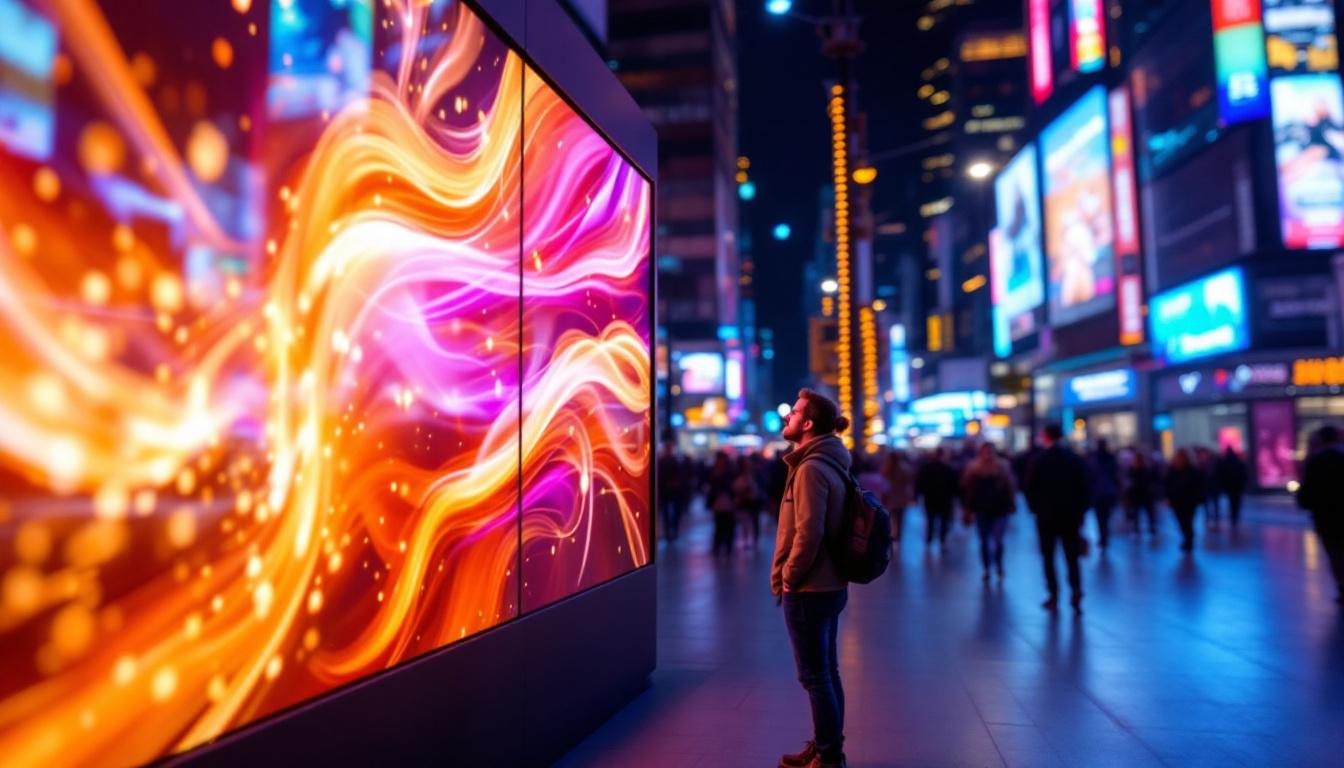
Beyond consumer electronics, LED displays are essential in advertising, transportation, and event management. Digital billboards and interactive kiosks are replacing traditional static signs, providing dynamic content that can be updated in real-time.
Sports arenas and concert venues utilize massive direct-view LED screens to engage audiences, while retail stores use LED displays for promotional content, enhancing customer engagement and sales.
Choosing the Right LED Display: What Consumers Should Know
With myriad options available, selecting the right LED display can be challenging. Understanding key factors can help buyers make informed decisions aligned with their needs and budget.
Resolution and Pixel Density
Resolution determines the sharpness of the display. Higher resolution means more pixels and finer detail. For televisions and monitors, 4K (3840×2160 pixels) is becoming the standard, while 8K is emerging for premium models.
For direct-view LED displays, pixel pitch is crucial. A smaller pixel pitch means higher resolution and better image clarity, which is especially important for close viewing distances.
Brightness and Contrast
Brightness is measured in nits; higher values ensure better visibility in bright environments. Outdoor LED displays typically require brightness levels above 5,000 nits, whereas indoor screens can operate effectively at lower levels.
Contrast ratio affects how well the display can differentiate between dark and light areas, impacting overall picture quality. OLED displays excel in this area due to their ability to turn off individual pixels completely.
Viewing Angles and Color Accuracy
Wide viewing angles ensure that the image quality remains consistent when viewed from different positions. This is particularly important for televisions and public displays.
Color accuracy is vital for professional applications like graphic design and video production, where true-to-life color reproduction is necessary.
The Future of LED Displays
As technology advances, LED displays continue to evolve, promising even greater performance and new applications.
MicroLED: The Next Big Leap
MicroLED technology features microscopic LEDs that offer the brightness and efficiency of traditional LEDs combined with the self-emissive properties of OLEDs. This results in displays with exceptional color accuracy, brightness, and durability without the burn-in issues associated with OLEDs.
Although still in the early stages of commercialization, MicroLED displays are expected to revolutionize premium TVs, smartwatches, and augmented reality devices within the next few years.
Integration with Smart Technologies
LED displays are increasingly integrated with smart technologies such as AI and IoT (Internet of Things). This integration allows for adaptive brightness, content personalization, and interactive features that enhance user engagement.
For example, smart digital signage can analyze viewer demographics and adjust advertising content in real-time, maximizing marketing effectiveness.
Sustainability and Eco-Friendly Innovations
With growing environmental awareness, manufacturers are focusing on sustainable materials and energy-efficient designs in LED displays. Recycling programs and eco-friendly production processes are becoming standard industry practices.
Consumers are also favoring products with energy certifications and longer lifespans, contributing to reduced electronic waste.
Conclusion
LED displays have firmly established themselves as a vital component of modern electronics, driving significant sales growth across consumer and commercial sectors. Their superior image quality, energy efficiency, and versatility make them an attractive choice for a wide range of applications.
As technology continues to advance with innovations like MicroLED and smart integration, the role of LED displays is set to expand further, offering exciting possibilities for users and businesses alike. Understanding the technology and market trends empowers consumers to make informed decisions and capitalize on the benefits that LED displays offer in today’s digital landscape.
Discover LumenMatrix’s Innovative LED Display Solutions
Ready to experience the future of visual display technology? LumenMatrix is at the forefront of LED innovation, offering a wide array of solutions tailored to meet your needs. Whether you’re looking to enhance your brand’s visibility with an Indoor LED Wall Display, captivate passersby with an Outdoor LED Wall Display, or create a dynamic environment with our Custom LED Displays, LumenMatrix has the cutting-edge technology to bring your vision to life. Don’t miss out on the opportunity to transform your space and engage your audience like never before. Check out LumenMatrix LED Display Solutions today and step into a world of unparalleled visual clarity and impact.