In the dynamic world of event production, creating visually captivating environments is essential for engaging audiences and leaving lasting impressions. One of the most powerful tools for achieving this is the LED display backdrop stand. These vibrant, versatile displays have revolutionized how events—from corporate conferences to concerts—are staged and experienced. This article delves into the intricacies of LED display backdrop stands, exploring their technology, benefits, applications, and considerations for selecting the right system for your event.
Understanding LED Display Technology
What Is an LED Display Backdrop Stand?
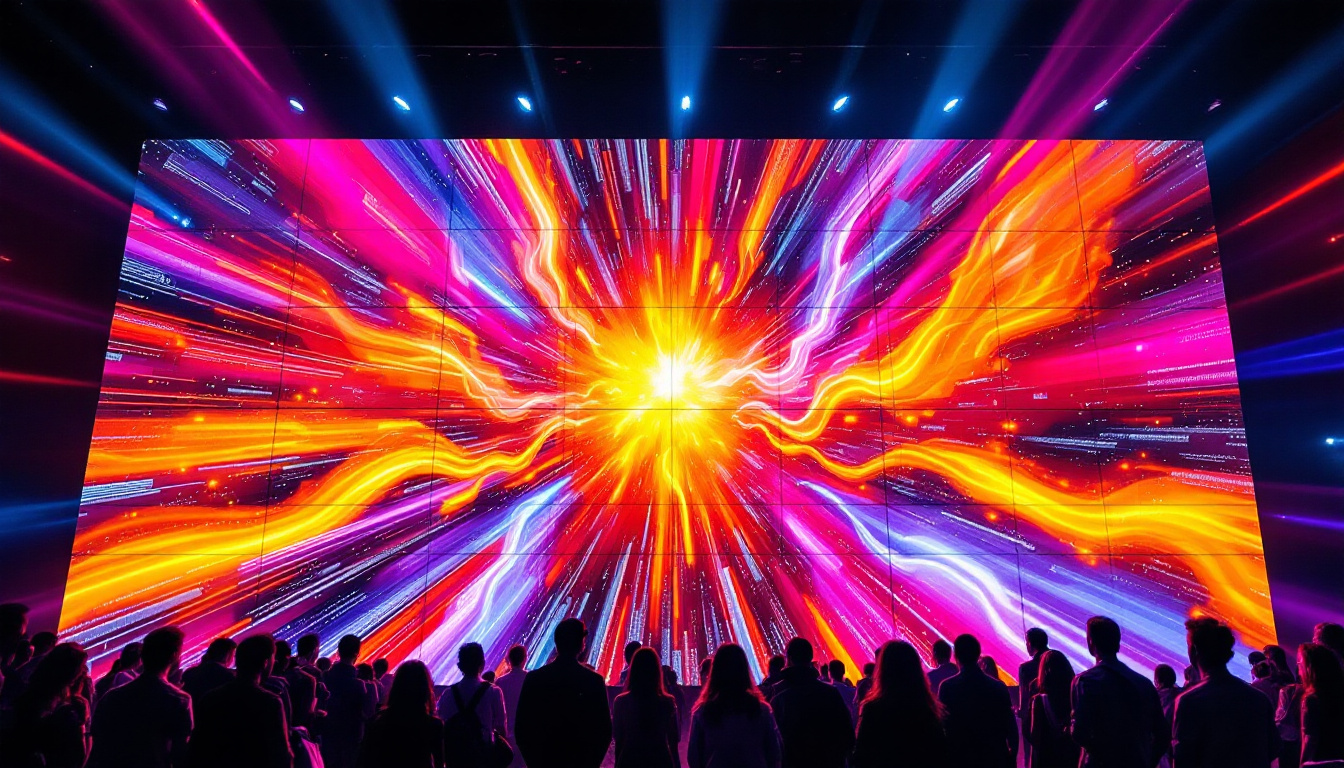
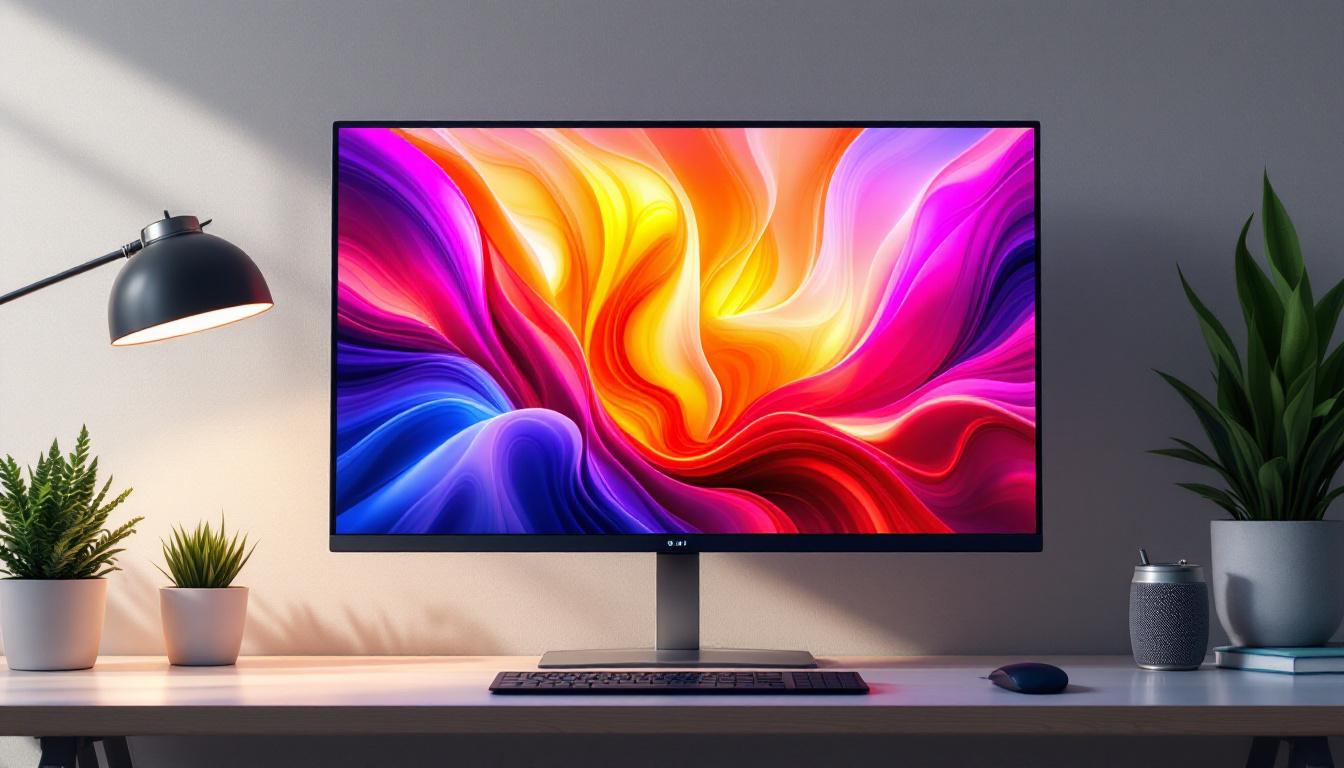
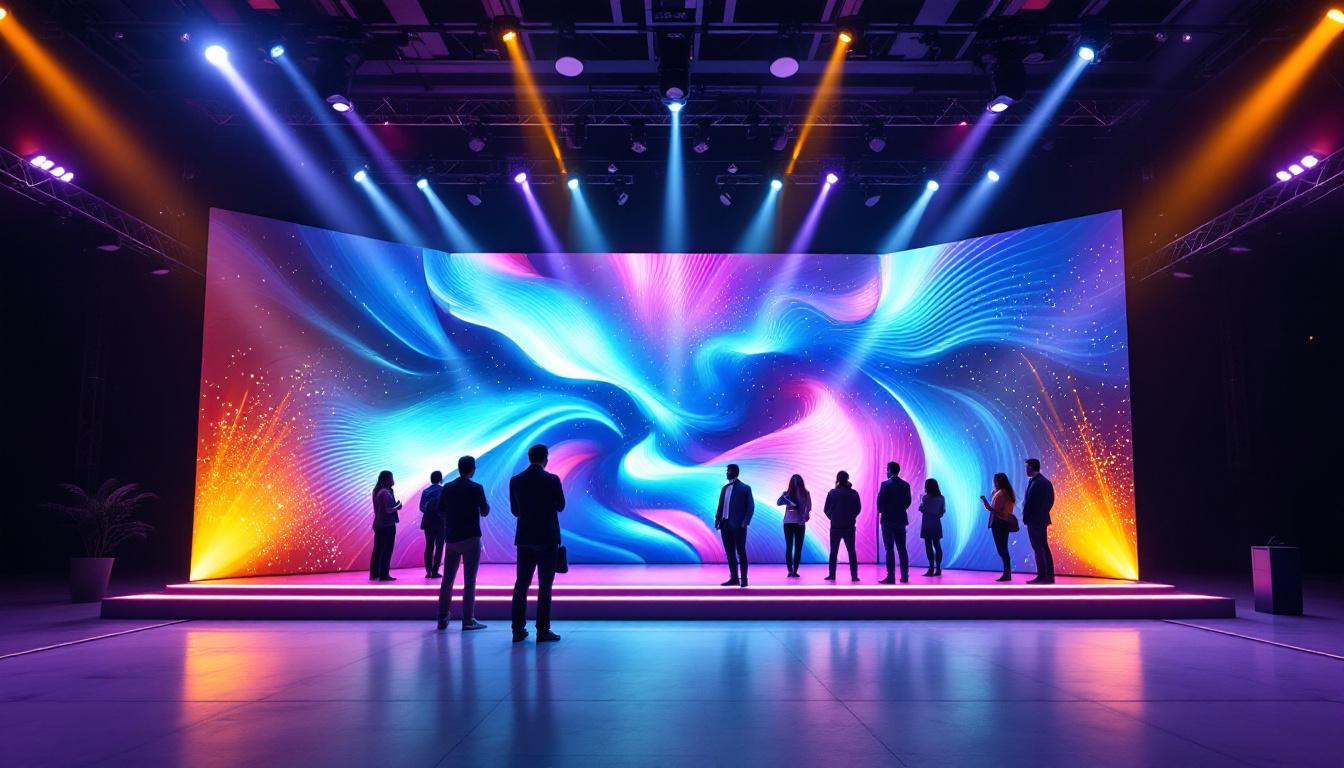
An LED display backdrop stand is a modular structure that supports an array of light-emitting diodes (LEDs) arranged to form a large screen or video wall. Unlike traditional printed backdrops, LED displays emit their own light, producing bright, high-resolution images and videos that can be customized in real-time. This makes them ideal for dynamic event environments where content needs to be engaging and adaptable.
These stands are designed to be sturdy yet portable, allowing for quick assembly and disassembly. The modular panels, often called “tiles” or “modules,” can be configured into various sizes and shapes, making LED backdrop stands highly flexible for different venue sizes and event types. This adaptability is particularly beneficial for events that require a quick turnaround, such as trade shows or corporate presentations, where time is of the essence. Additionally, many LED backdrop stands come equipped with integrated software solutions that enable users to easily manage and update content on the fly, ensuring that the visuals remain relevant and impactful throughout the event.
How Do LED Displays Work?
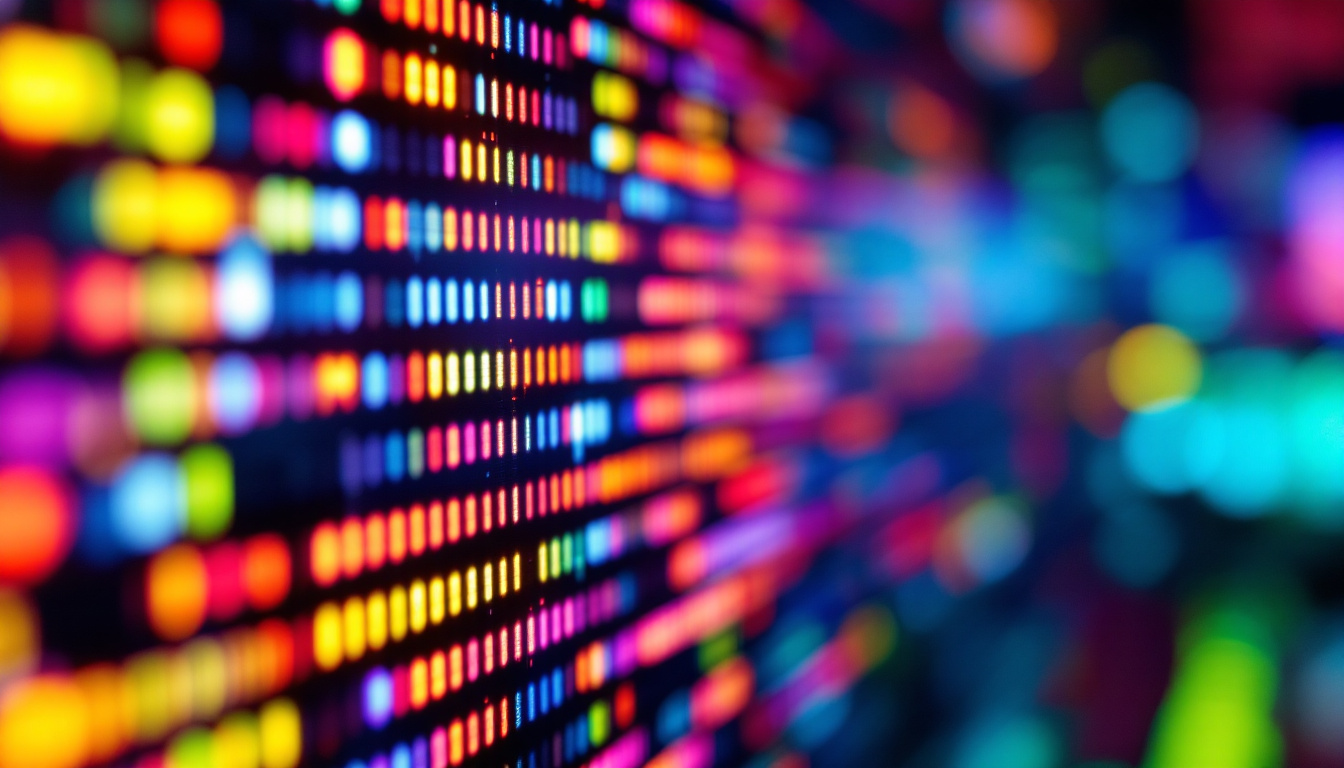
LED displays consist of thousands of tiny LEDs, each capable of producing red, green, and blue light. By varying the intensity of these colors, the display can render millions of colors, creating vivid images and videos. The pixels are grouped into modules, which are connected to a control system that manages the content displayed.
The key to the quality of an LED display lies in its pixel pitch—the distance between the centers of two adjacent pixels. A smaller pixel pitch means higher resolution and sharper images, especially important for close-up viewing. For event backdrops, pixel pitches typically range from 1.5mm to 10mm, balancing clarity and cost. Furthermore, advancements in LED technology have introduced features such as high dynamic range (HDR) and enhanced contrast ratios, which allow for deeper blacks and brighter whites, enhancing the overall viewing experience. This is particularly important in environments with varying lighting conditions, where the ability of the display to maintain visibility and vibrancy can significantly impact audience engagement. As a result, event planners are increasingly opting for LED displays not just for their visual appeal, but also for their ability to create immersive experiences that captivate audiences and leave lasting impressions.
Benefits of Using LED Display Backdrop Stands at Events
Enhanced Visual Impact
One of the most significant advantages of LED backdrop stands is their ability to deliver bright, vibrant visuals that stand out even in well-lit environments. Unlike projection screens, which rely on external light sources and can struggle with ambient light, LED displays are self-illuminating. This ensures that graphics, videos, and animations remain crisp and eye-catching regardless of venue lighting conditions.
For example, during a product launch event, an LED backdrop can showcase high-definition product videos, animations, and branding elements that captivate the audience and reinforce the event’s messaging.
Dynamic and Customizable Content
LED backdrops allow event organizers to change content instantly. Whether switching between speaker presentations, live social media feeds, or promotional videos, the flexibility of LED displays enables seamless transitions and keeps the audience engaged. This adaptability is particularly valuable in multi-session conferences or festivals where content needs to evolve throughout the event.
Improved Audience Engagement
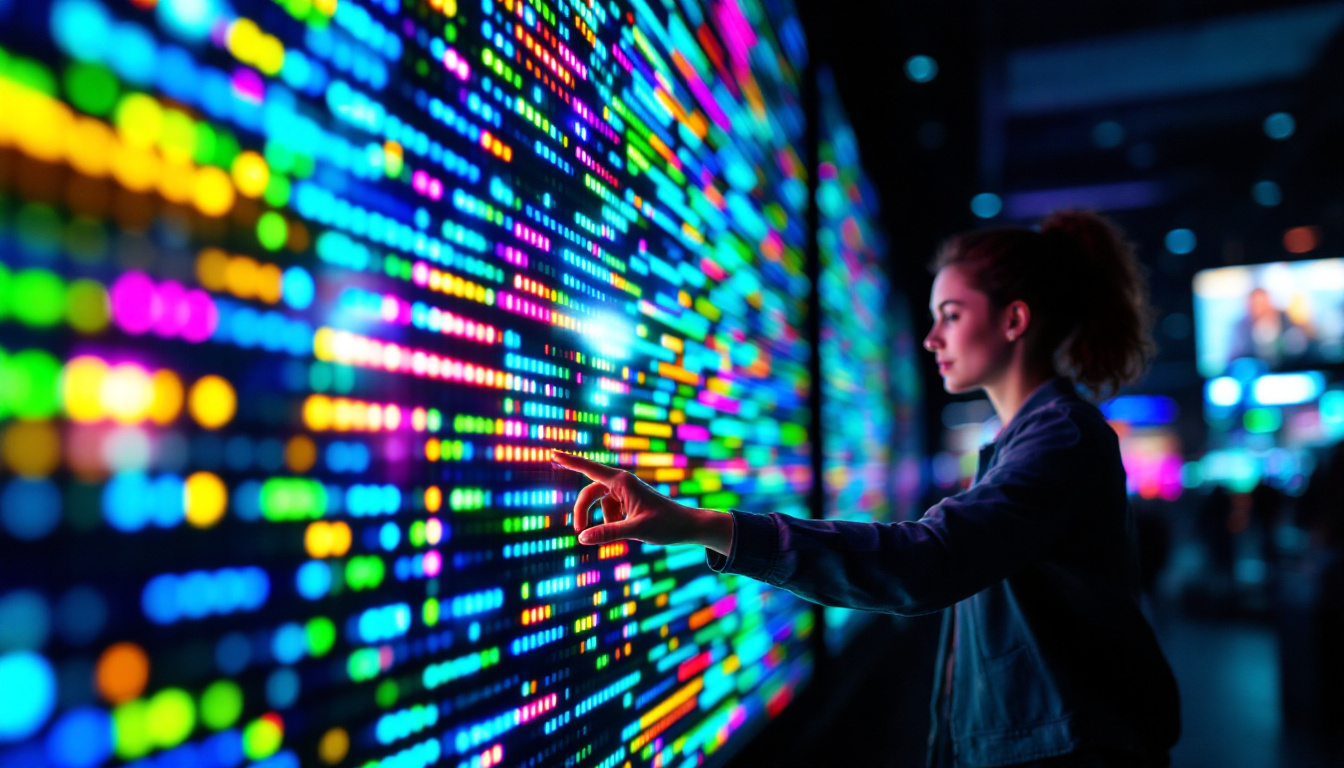
Interactive content displayed on LED backdrops can significantly boost audience participation. Touch-enabled LED walls or integration with sensors can create immersive experiences that encourage attendees to interact directly with the display. Even without interactivity, the sheer brightness and clarity of LED backdrops help maintain audience attention more effectively than static banners or printed backdrops.
Durability and Reliability
LED displays are built to withstand the rigors of event environments, including transportation, setup, and varying weather conditions for outdoor events. High-quality LED modules are rated for long lifespans—often exceeding 100,000 hours of usage—ensuring that they remain a sound investment for event companies and venues.
Common Applications of LED Display Backdrop Stands
Corporate Events and Conferences
In corporate settings, LED backdrops are used to display branded content, speaker slides, and live video feeds. Their ability to deliver clear visuals in large conference halls helps ensure that all attendees, even those seated far from the stage, can see content clearly. Additionally, LED walls can be customized to fit the branding and theme of the event, enhancing professionalism and cohesion.
Concerts and Live Performances
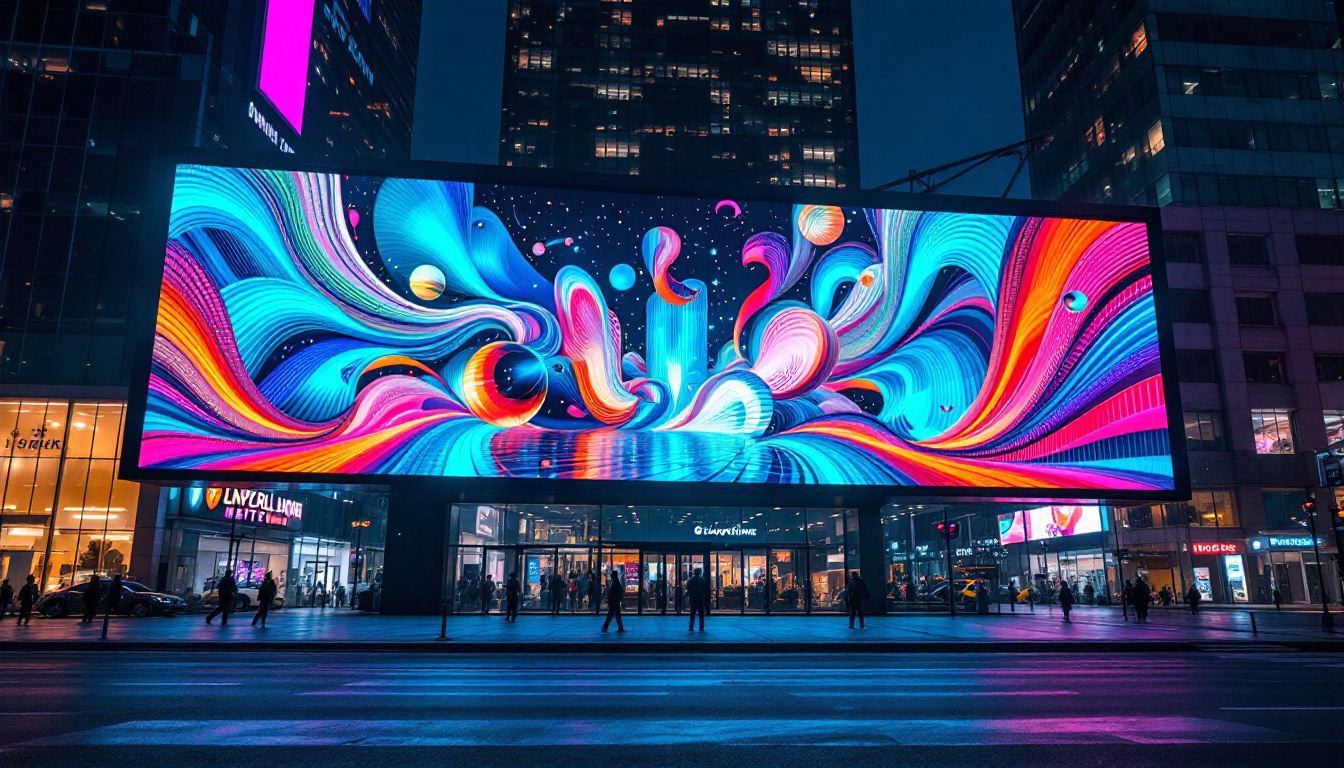
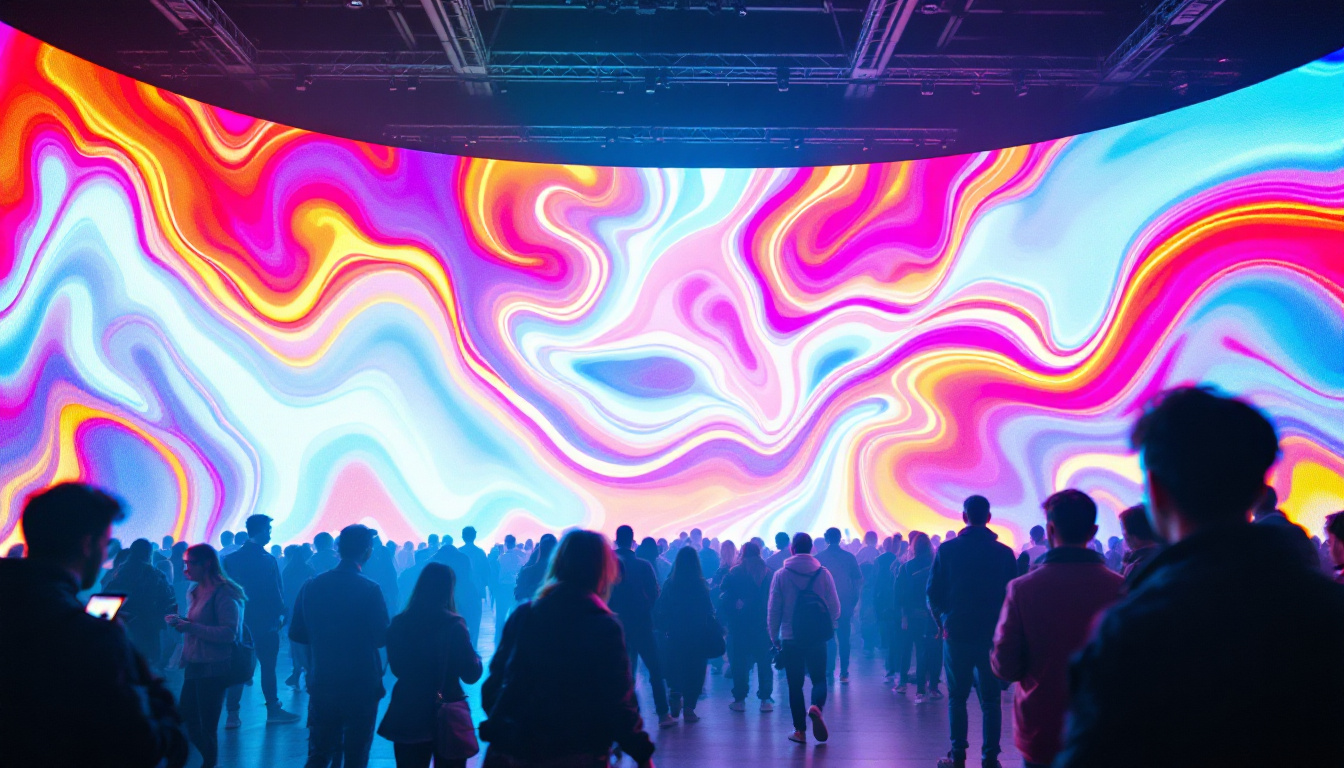
Music festivals and concerts frequently utilize massive LED backdrop stands to create immersive visual experiences. These displays can synchronize with lighting and sound systems to produce spectacular shows that complement the performance. The ability to display live camera feeds also helps connect performers with audiences in large venues.
Trade Shows and Exhibitions
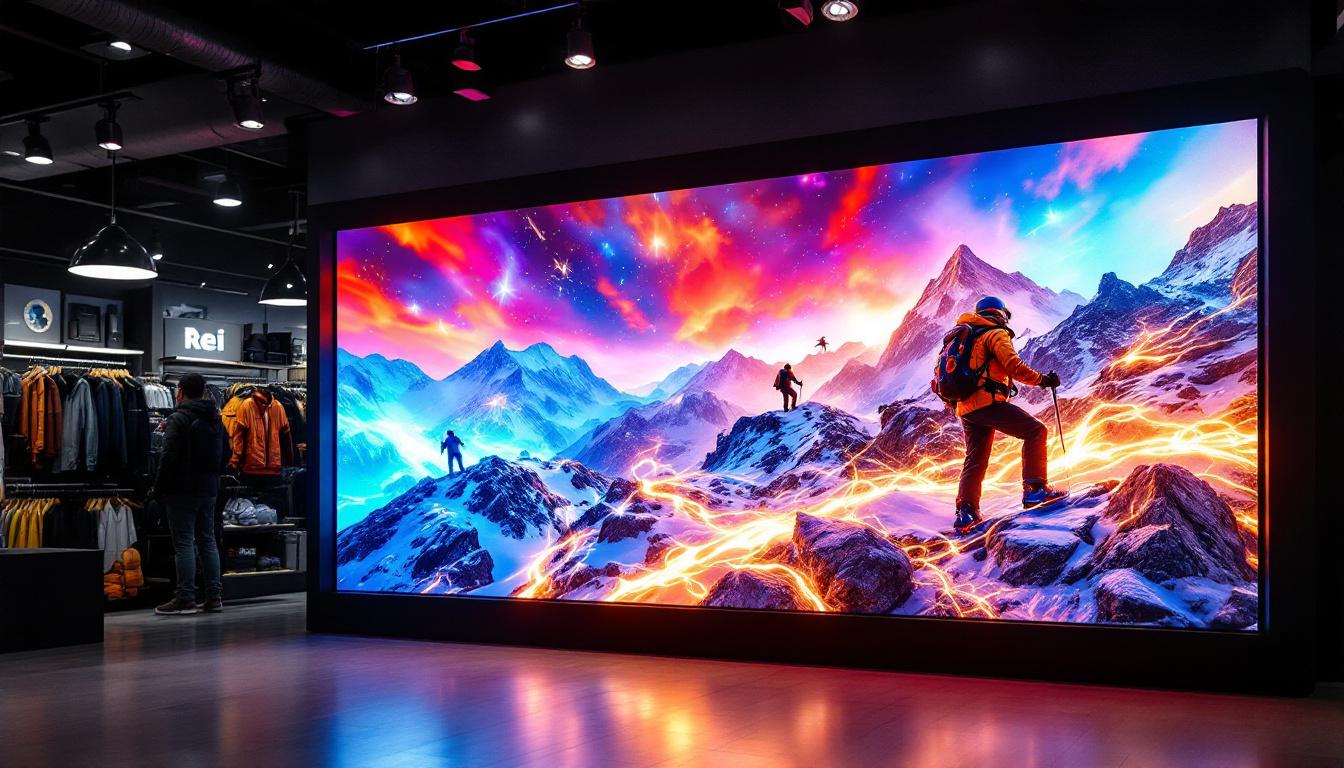
Trade show booths benefit from LED backdrops by attracting visitors with dynamic content. Moving images and animations can highlight product features and company messages more effectively than static posters. The modular nature of LED stands allows exhibitors to tailor the size and shape of their displays to fit booth dimensions.
Sports Events and Public Gatherings
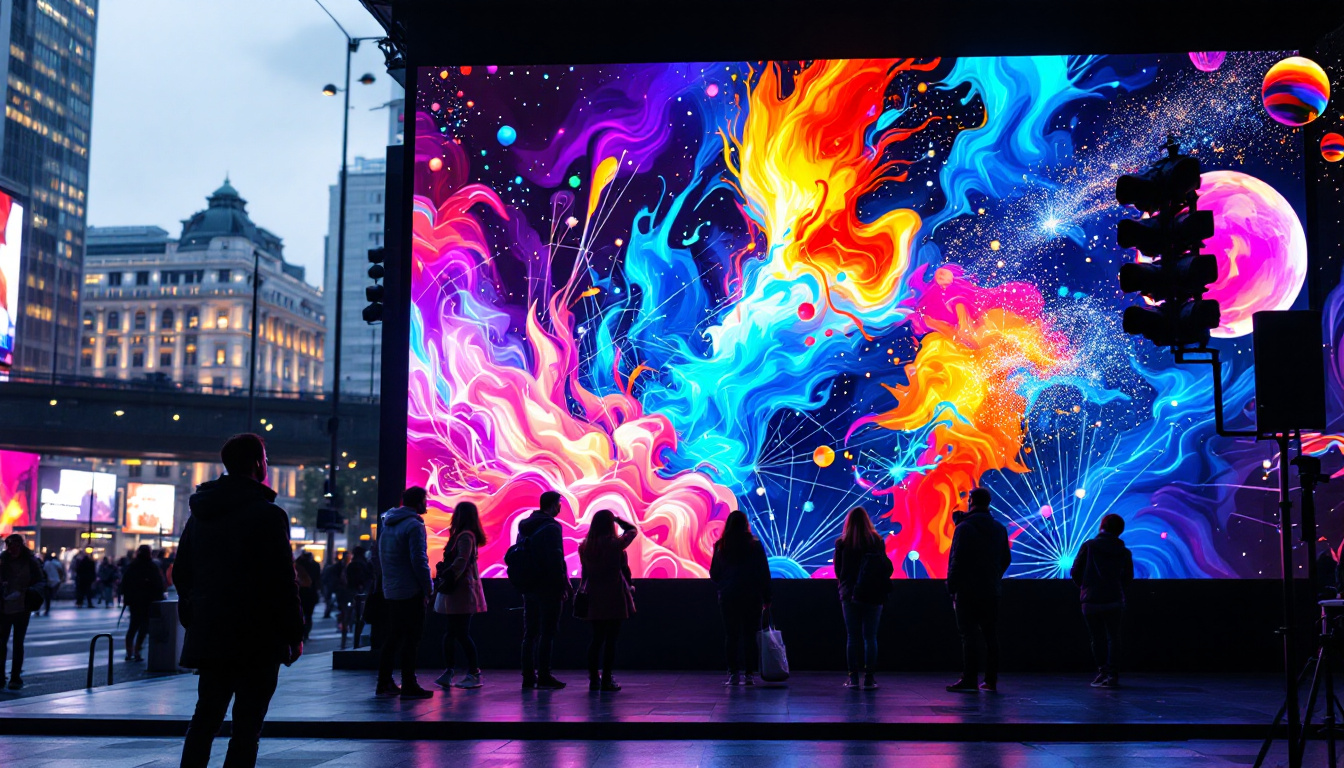
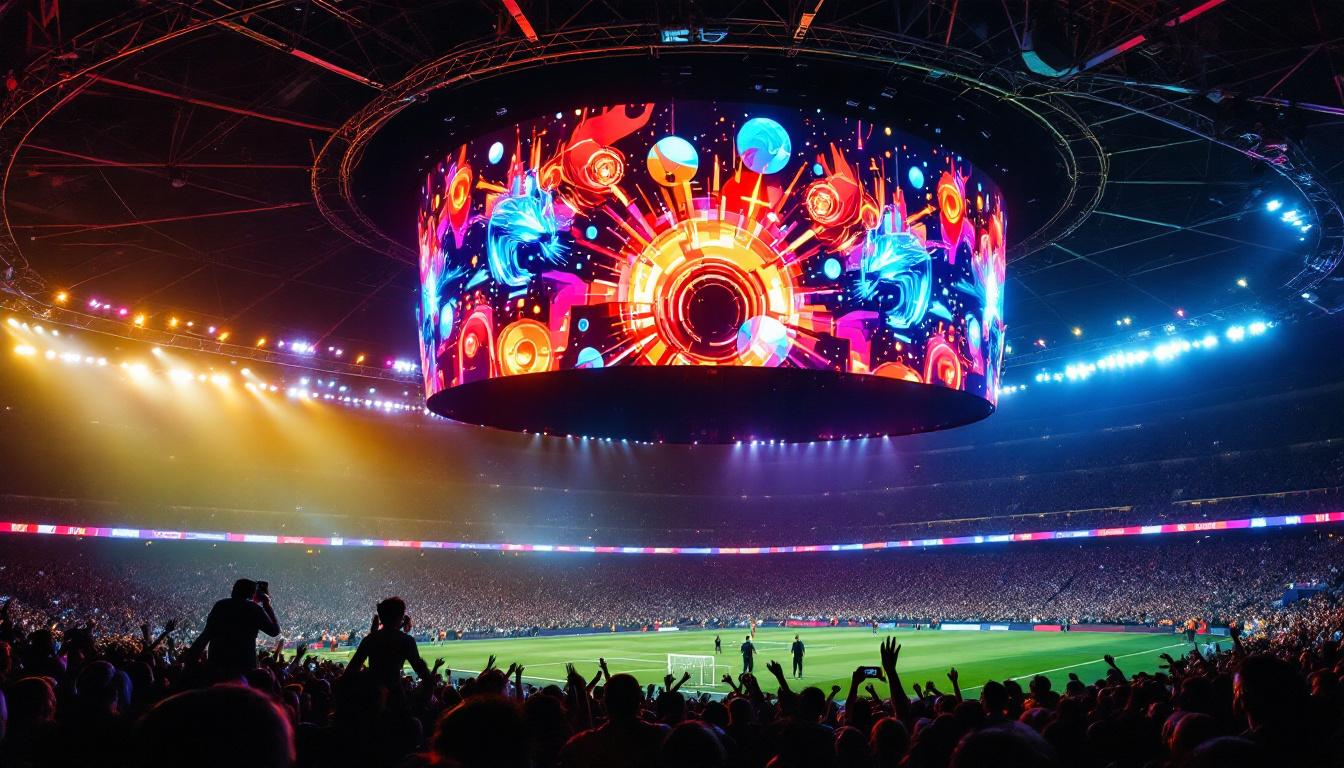
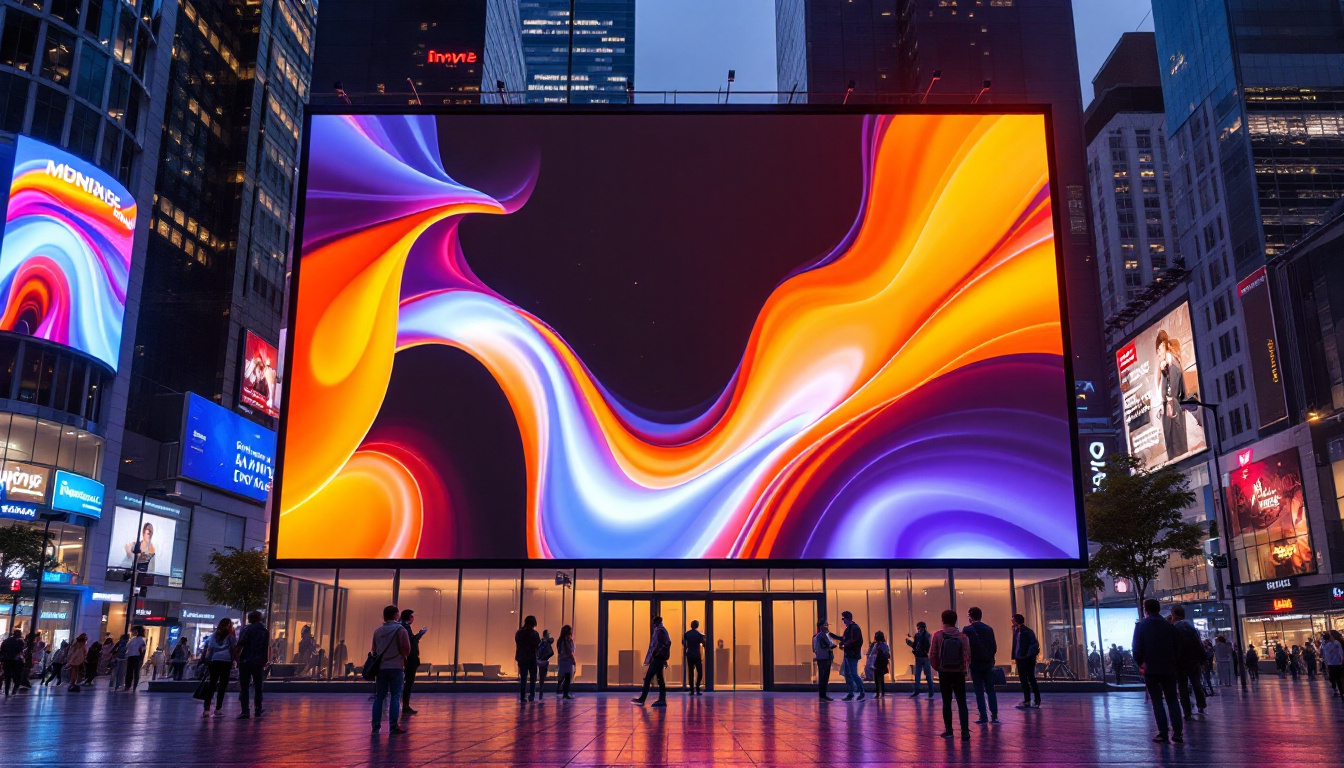
At large sporting events, LED backdrop stands serve as giant screens for live game broadcasts, replays, and advertisements. Their brightness ensures visibility even in daylight, making them invaluable for outdoor stadiums and fan zones. Additionally, LED walls can display sponsor logos and interactive content to enhance fan engagement.
Key Considerations When Choosing an LED Display Backdrop Stand
Resolution and Pixel Pitch
Determining the appropriate resolution and pixel pitch depends largely on the viewing distance and the type of content to be displayed. For events where the audience is close to the screen, a smaller pixel pitch (1.5mm to 3mm) is recommended to ensure sharp images. For larger venues with audiences farther away, a pixel pitch of 5mm to 10mm may suffice and can reduce costs.
Brightness and Contrast
Brightness is measured in nits, and for indoor events, typical LED displays range from 800 to 1,500 nits. Outdoor displays require higher brightness levels, often exceeding 5,000 nits, to combat sunlight glare. Contrast ratio also affects image quality, with higher contrast delivering deeper blacks and more vibrant colors.
Size and Configuration
The size of the LED backdrop should be proportional to the venue and audience size. Modular LED panels allow for custom configurations, but it’s important to plan the layout carefully to avoid visual distortion or seams. Additionally, consider the weight and structural support needed for the backdrop stand, especially for outdoor or suspended installations.
Connectivity and Content Management
Modern LED displays support various input sources, including HDMI, DVI, and network connections. A robust content management system (CMS) is essential for scheduling, controlling, and updating content seamlessly. Some systems also offer cloud-based management, enabling remote control and real-time content changes.
Budget and Rental vs. Purchase
LED display backdrop stands can represent a significant investment. For one-time or infrequent events, renting LED displays may be more cost-effective. Rental companies often provide technical support and installation services, reducing logistical challenges. For organizations hosting regular events, purchasing a system may offer long-term savings and greater control.
Installation and Maintenance Best Practices
Professional Installation
Proper installation is critical to ensure safety and optimal performance. LED backdrop stands require precise alignment of modules, secure mounting, and appropriate power supply arrangements. Hiring experienced technicians familiar with LED technology and event rigging standards can prevent costly errors and downtime.
Routine Maintenance
Regular cleaning and inspection help maintain image quality and extend the lifespan of LED modules. Dust, moisture, and physical damage can degrade performance over time. Many LED systems include diagnostic tools to identify faulty pixels or modules, allowing for timely repairs.
Transport and Storage
When moving LED display stands between venues, protective cases and careful handling are essential to prevent damage. Storing modules in climate-controlled environments helps avoid issues related to humidity and temperature fluctuations.
Future Trends in LED Display Backdrop Technology
Higher Resolution and Mini-LED
Advances in LED technology continue to push pixel pitches lower, enabling near-4K or even 8K resolution on large-format displays. Mini-LED technology, which uses smaller LEDs, offers improved brightness and contrast, enhancing image quality further.
Flexible and Transparent LED Displays
New form factors, such as flexible and transparent LED panels, are expanding creative possibilities. Flexible displays can curve around structures or be shaped into unique designs, while transparent LEDs allow for see-through effects, ideal for windows or layered stage setups.
Integration with Augmented Reality (AR) and Artificial Intelligence (AI)
Future LED backdrops may integrate AR elements to create immersive environments that blend physical and digital worlds. AI-driven content management systems could dynamically adjust visuals based on audience reactions or event flow, enhancing engagement and personalization.
Conclusion
LED display backdrop stands have become indispensable in modern event production, offering unmatched visual impact, flexibility, and reliability. Their ability to deliver bright, dynamic content tailored to diverse event types makes them a valuable asset for event planners, marketers, and production teams. By understanding the technology, benefits, and key considerations outlined in this article, stakeholders can make informed decisions to elevate their events and captivate audiences effectively.
As LED technology continues to evolve, staying abreast of new developments will ensure that event professionals leverage the best tools available to create memorable and impactful experiences.
Discover LumenMatrix LED Display Solutions
Ready to transform your next event with the visual power of LED display technology? Look no further than LumenMatrix, a pioneer in creating LED display modules that bring your brand to life. Whether you’re in need of an Indoor LED Wall Display for your corporate conference, an Outdoor LED Wall Display for a concert, or any of our other innovative solutions like Vehicle, Poster, Sports, Floor, Custom, All-in-One, or LED Transparent Displays, LumenMatrix has you covered. Elevate your event’s visual experience and ensure your message resonates with clarity and impact. Check out LumenMatrix LED Display Solutions today and see the difference for yourself.