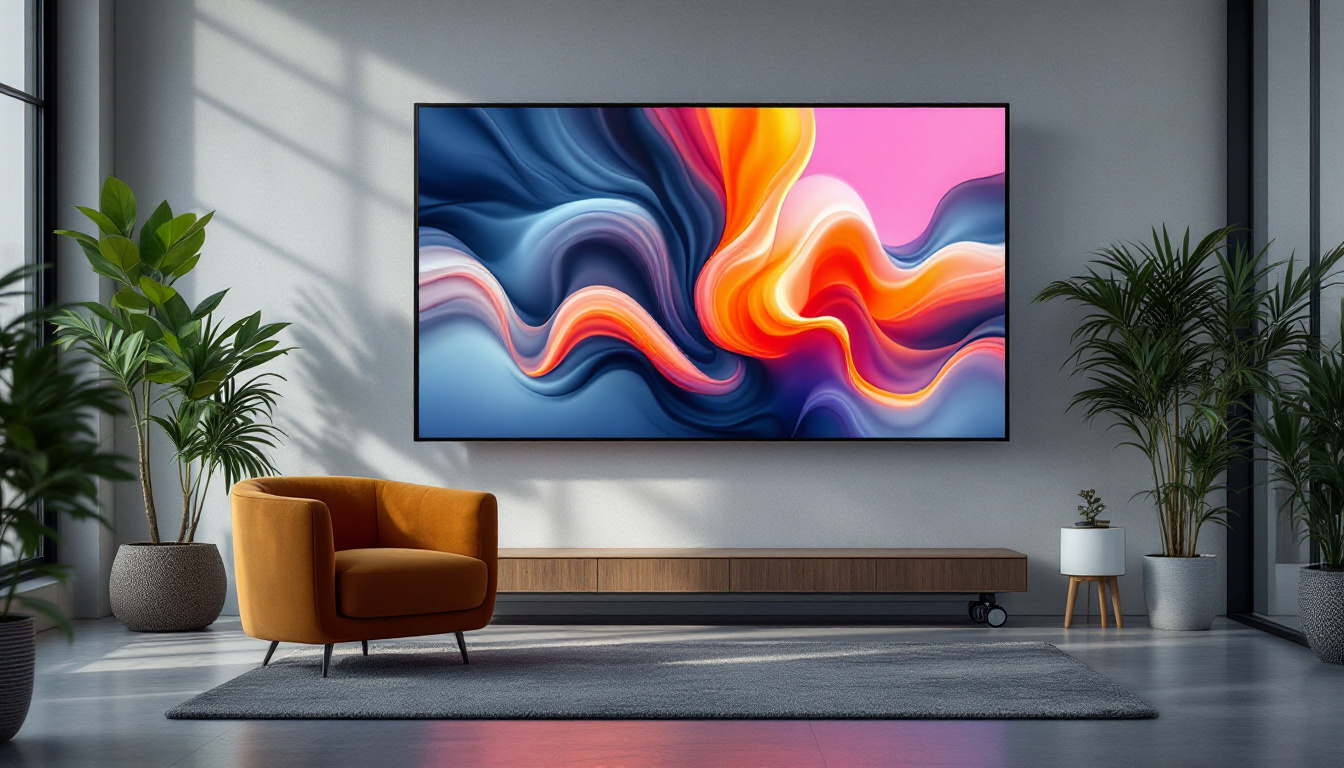
In recent years, LED technology has revolutionized the way we think about lighting and displays. Among the many innovations, flexible LED light panels stand out as a versatile and dynamic solution for a variety of applications, from advertising and entertainment to architectural design and wearable technology. This article delves into the world of flexible LED light panels, explaining their technology, benefits, applications, and future trends.
Understanding Flexible LED Light Panels
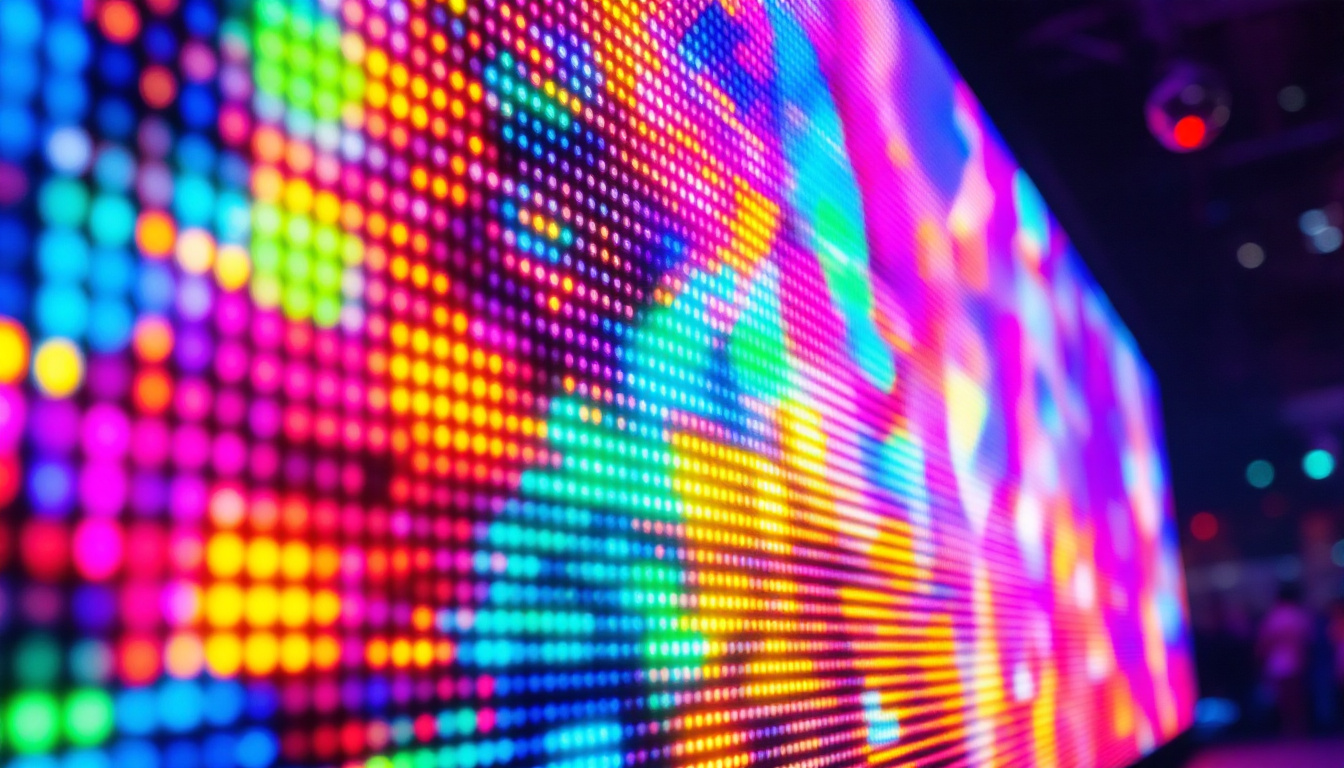
Flexible LED light panels are thin, bendable display surfaces composed of numerous tiny light-emitting diodes (LEDs) arranged in a matrix. Unlike traditional rigid LED displays, these panels can be curved, rolled, or shaped to fit unconventional surfaces without compromising image quality or brightness.
The flexibility is achieved through the use of advanced materials such as flexible printed circuit boards (FPCBs) and organic substrates, which allow the LEDs to maintain electrical connectivity even when bent. This innovation opens up new possibilities for creative display designs and installations. Artists and designers are increasingly leveraging these panels to create immersive environments, transforming spaces with dynamic lighting that can adapt to various themes and moods, making them popular in exhibitions, theaters, and even retail spaces.
How Flexible LED Panels Work
At the core of flexible LED panels are micro-LEDs or mini-LEDs, which are smaller than conventional LEDs, allowing for higher pixel density and finer image resolution. These LEDs are mounted on flexible circuits that can bend without breaking the electrical connections.
The panels are controlled by integrated circuits that manage color, brightness, and refresh rates, ensuring smooth video playback and vivid imagery. Power is supplied through flexible connectors, and the entire assembly is often encapsulated in a protective, transparent layer to shield it from environmental damage. This protective layer not only enhances durability but also contributes to the overall aesthetic appeal of the panels, as it can be designed to be nearly invisible or can incorporate special coatings to diffuse light more evenly. Additionally, the lightweight nature of these panels makes them easy to install and transport, further broadening their application in both temporary and permanent installations.
Key Advantages of Flexible LED Light Panels
The flexibility of these LED panels brings several significant benefits over traditional rigid LED displays, making them increasingly popular in various industries.
1. Design Versatility
One of the most compelling advantages is the ability to conform to curved or irregular surfaces. This allows designers and architects to integrate displays seamlessly into building facades, furniture, or even clothing. For example, a curved LED wall in a retail store can create an immersive shopping experience that captures customer attention more effectively than flat screens. Additionally, this design versatility extends to creative installations in art galleries and museums, where flexible LED panels can be used to create dynamic visual narratives that enhance the storytelling aspect of exhibits.
2. Lightweight and Thin Profile
Flexible LED panels are typically much lighter and thinner than their rigid counterparts. This makes installation easier and reduces structural load, which is particularly important in applications like stage design or portable displays where weight and space are critical considerations. The thin profile also allows for innovative applications such as wearable technology, where flexible LED panels can be integrated into clothing or accessories, enabling fashion designers to explore new dimensions of interactive and illuminated apparel.
3. Durability and Reliability
Thanks to their flexible substrates and protective coatings, these panels are more resistant to impact and vibration. This durability is essential in environments such as concerts, outdoor events, or transportation hubs where equipment is frequently moved or subjected to harsh conditions. Furthermore, the longevity of flexible LED panels means they can withstand the rigors of daily use without significant degradation in performance, making them a cost-effective solution for businesses that require reliable visual displays over time.
4. Energy Efficiency
LED technology is inherently energy-efficient, consuming less power than traditional lighting or display technologies like LCD or plasma. Flexible LED panels maintain this efficiency while offering high brightness and color accuracy, contributing to lower operational costs and reduced environmental impact. Moreover, their ability to be dimmed or programmed for specific lighting conditions further enhances their energy-saving capabilities, making them an ideal choice for sustainable design initiatives in both commercial and residential settings.
Applications of Flexible LED Light Panels
The unique properties of flexible LED panels have led to their adoption across a wide range of sectors. Their adaptability makes them suitable for both functional and decorative purposes.
Advertising and Digital Signage
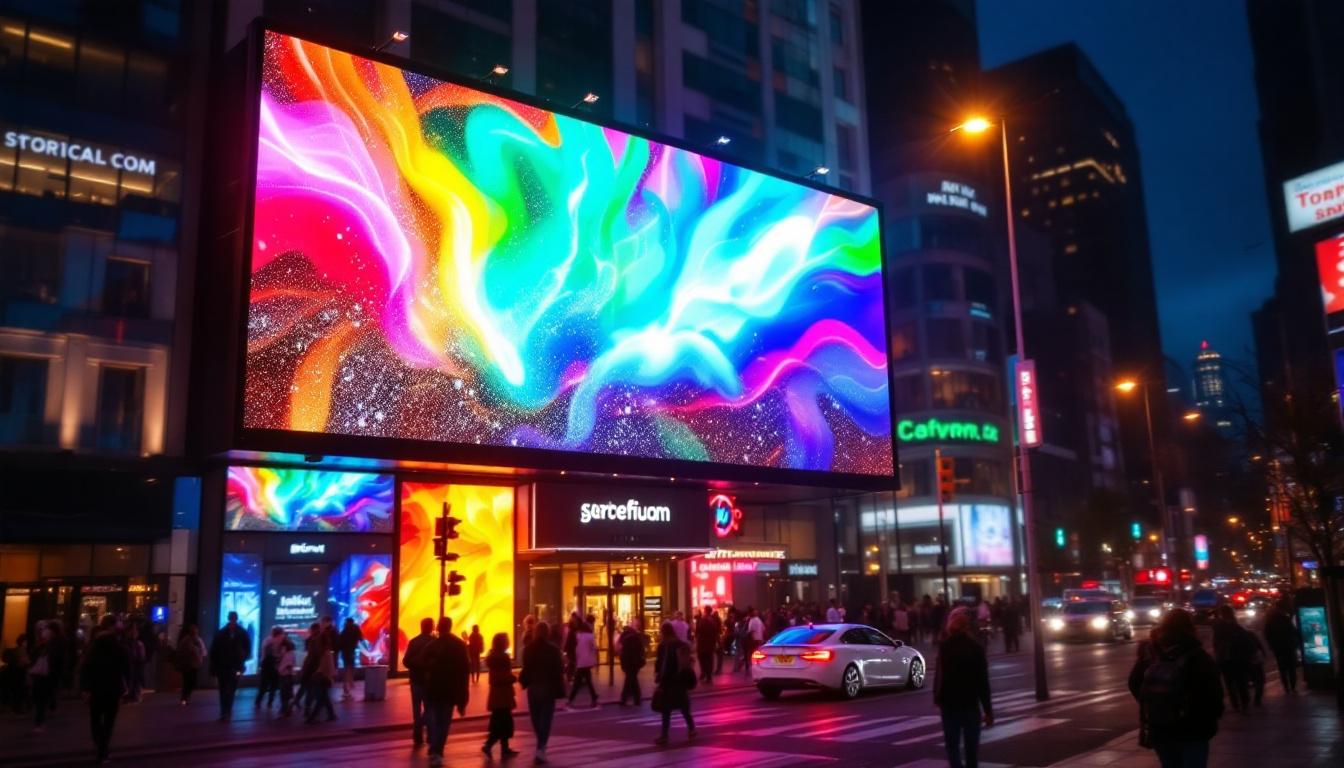
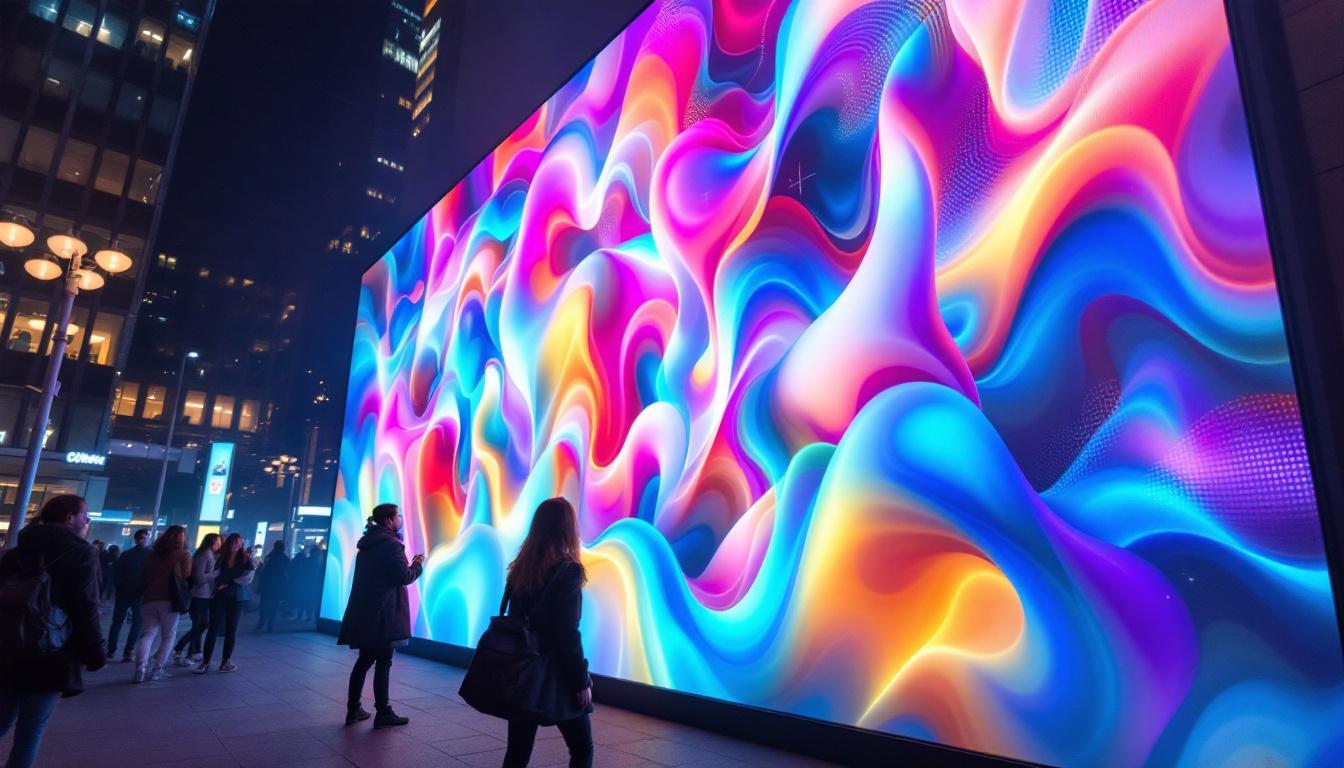
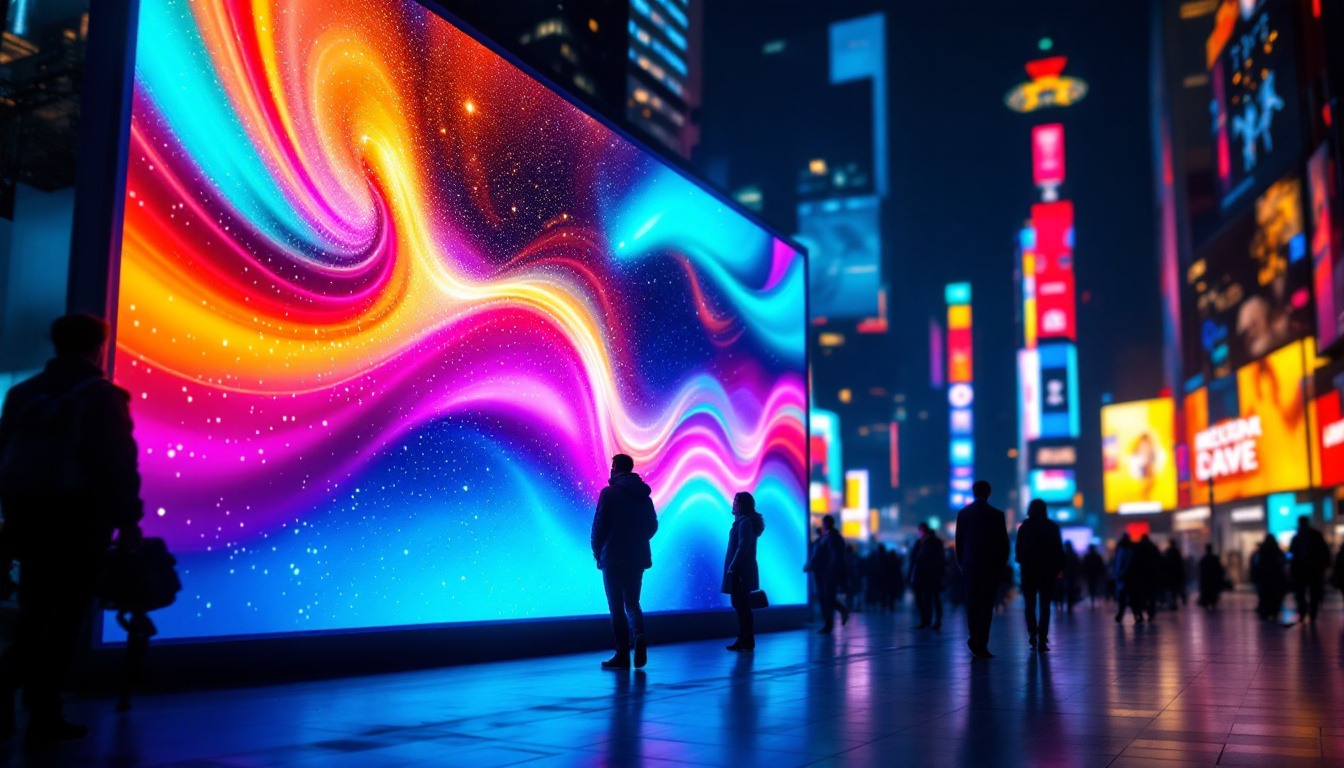
Flexible LED displays are transforming outdoor and indoor advertising. Their ability to wrap around columns, curve along walls, or even form cylindrical shapes allows brands to create eye-catching campaigns that stand out in crowded urban environments. For instance, Times Square in New York City features several curved LED installations that captivate millions of viewers daily. These displays not only attract attention but also provide advertisers with the ability to change content dynamically, allowing for real-time updates and targeted messaging that can resonate with diverse audiences. This flexibility in content delivery is particularly advantageous during special events or promotions, where timely information can significantly enhance consumer engagement.
Architectural Lighting and Interior Design
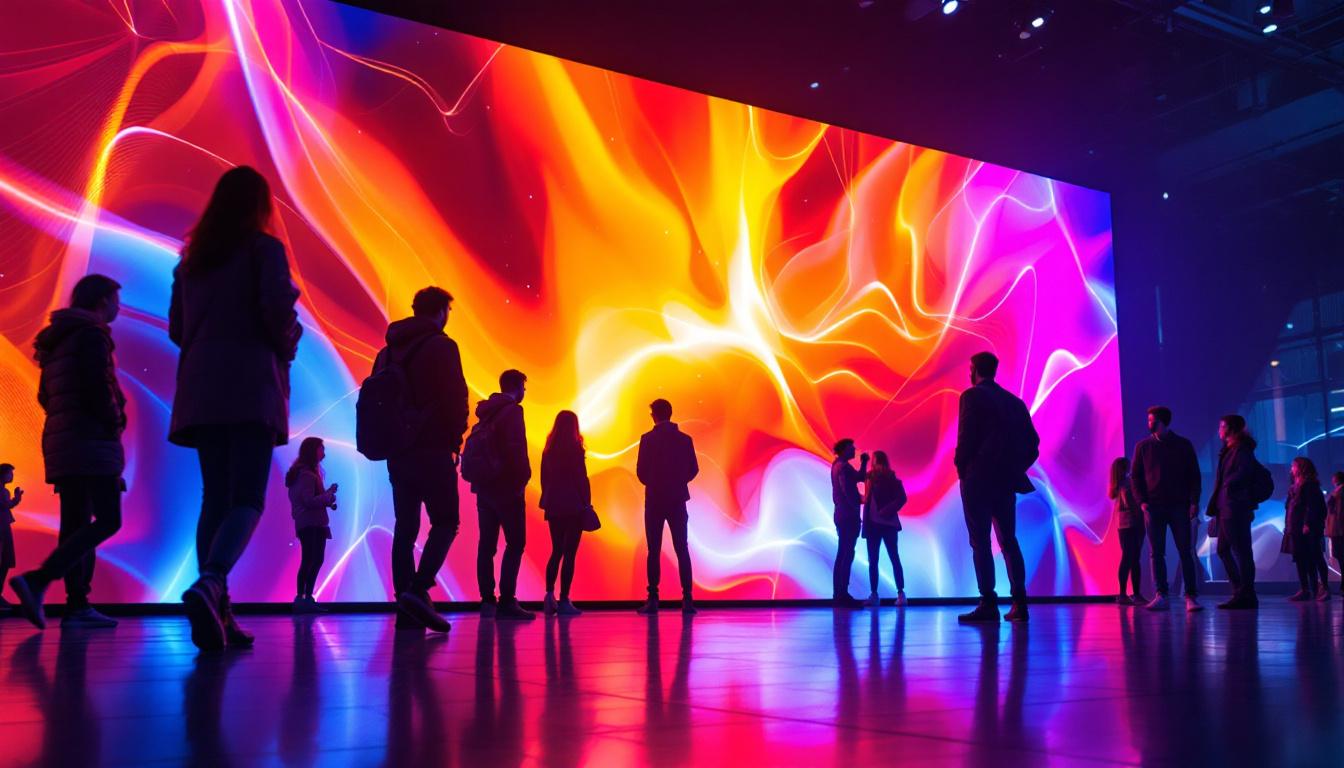
Architects and interior designers use flexible LED panels to enhance spaces with dynamic lighting effects. These panels can be integrated into ceilings, walls, or furniture to provide ambient lighting or interactive displays. Museums and galleries employ them to create immersive exhibits that respond to visitor movement or environmental changes. Additionally, the energy efficiency of LED technology allows for sustainable design practices, enabling designers to create stunning visual experiences without compromising on environmental responsibility. The versatility of these panels also means they can be customized in terms of color, brightness, and even patterns, allowing for a tailored approach that meets the specific aesthetic and functional needs of each space.
Entertainment and Stage Design
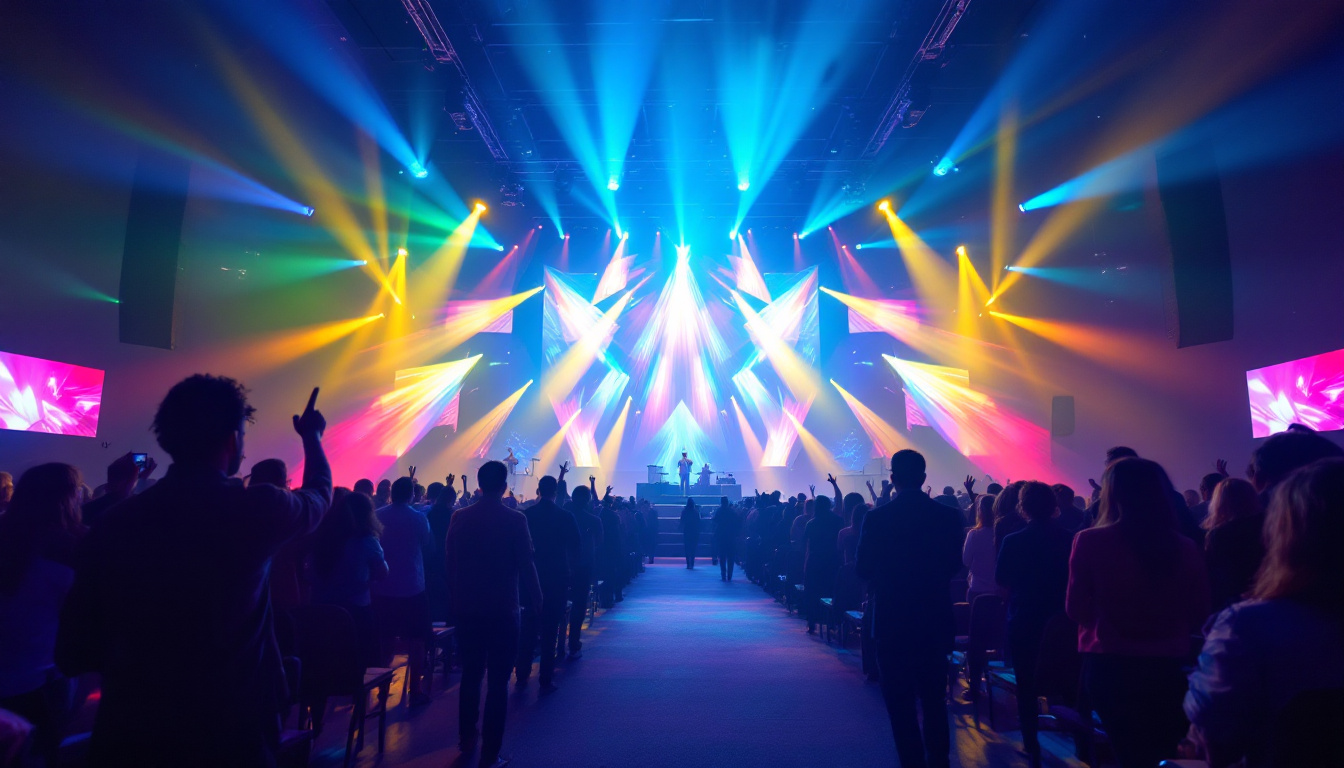
Concerts, theaters, and event productions benefit from the lightweight and flexible nature of LED panels. They enable designers to build complex, curved backdrops and dynamic stage elements that enhance visual storytelling. The ability to quickly assemble and disassemble these panels also reduces setup time and costs. Moreover, advancements in technology have led to the development of transparent LED panels, which can create stunning visual effects without obstructing sightlines, allowing for more creative stage designs. This innovation not only enhances the audience’s experience but also opens up new possibilities for integrating live performances with digital art, creating a seamless blend of reality and imagination.
Wearable Technology and Fashion
Innovations in flexible LED technology have paved the way for wearable displays integrated into clothing and accessories. Designers are experimenting with LED-embedded fabrics that change color or display patterns in real-time, opening new avenues for personal expression and interactive fashion. This trend is particularly popular at music festivals and fashion shows, where the ability to showcase dynamic designs can set trends and captivate audiences. Furthermore, as technology progresses, there is potential for these garments to interact with mobile devices, allowing wearers to customize their appearance on-the-go, making fashion not only a statement of style but also a medium of communication.
Automotive and Transportation
Flexible LED panels are increasingly used in automotive applications for interior ambient lighting, dashboard displays, and even exterior lighting elements that conform to vehicle contours. Public transportation systems utilize flexible LED signage for route information and advertising, benefiting from their durability and visibility. Additionally, as the automotive industry moves towards electric and autonomous vehicles, the integration of flexible LED technology can enhance safety features, such as adaptive lighting that adjusts based on driving conditions or the vehicle’s speed. This capability not only improves visibility but also contributes to a more aesthetically pleasing design, aligning with modern consumer expectations for both functionality and style in transportation.
Technical Considerations When Choosing Flexible LED Panels
Despite their advantages, selecting the right flexible LED panel requires careful consideration of several technical factors to ensure optimal performance and longevity.
Resolution and Pixel Pitch
Pixel pitch, the distance between the centers of adjacent LEDs, determines the display’s resolution and viewing distance. Smaller pixel pitches offer higher resolution but can increase cost. Choosing the appropriate pixel pitch depends on the intended viewing distance; for example, a panel with a 2.5mm pitch is suitable for close-up viewing, while 10mm or more is adequate for large outdoor displays viewed from afar.
Brightness and Color Accuracy
Brightness levels are crucial for visibility, especially in outdoor or brightly lit environments. Flexible LED panels typically offer brightness ranging from 1,000 to over 5,000 nits, with higher values ensuring clear visibility in daylight. Color accuracy and uniformity are also vital for applications like advertising and entertainment, where vivid and consistent colors enhance viewer engagement.
Durability and Environmental Resistance
Panels intended for outdoor use must have adequate protection against moisture, dust, and temperature fluctuations. Look for panels with IP65 or higher ratings to ensure they can withstand harsh weather conditions. Additionally, UV resistance is important to prevent color fading over time.
Control Systems and Connectivity
Flexible LED panels require compatible control systems that manage image processing, synchronization, and content delivery. Modern panels support various connectivity options, including HDMI, DVI, and wireless protocols, enabling seamless integration with existing AV infrastructure. Advanced control software allows for real-time content updates and remote management.
Future Trends in Flexible LED Technology
The flexible LED market continues to evolve rapidly, driven by advancements in materials science, manufacturing processes, and digital technology.
Micro-LED and Mini-LED Innovations
Micro-LED technology, which uses even smaller LEDs than traditional flexible panels, promises higher resolution, improved brightness, and lower power consumption. As production costs decrease, micro-LED flexible displays are expected to become more widespread, particularly in high-end applications like augmented reality (AR) and virtual reality (VR).
Integration with Smart Technologies
Flexible LED panels are increasingly being integrated with sensors, cameras, and IoT devices to create interactive environments. Smart displays can adjust brightness based on ambient light, respond to user gestures, or display personalized content, enhancing user engagement and energy efficiency.
Sustainability and Eco-Friendly Materials
Environmental concerns are driving research into biodegradable substrates and recyclable components for flexible LED panels. Manufacturers aim to reduce electronic waste and carbon footprints by developing panels that are easier to recycle and consume less energy during production and operation.
Conclusion
Flexible LED light panels represent a significant leap forward in display technology, offering unparalleled versatility, durability, and visual impact. Their ability to conform to diverse surfaces and deliver vibrant, high-resolution images makes them invaluable across industries, from advertising and entertainment to architecture and wearable tech.
As technology advances, flexible LED panels will become even more sophisticated, integrating seamlessly with smart systems and sustainable materials. For businesses and creatives looking to push the boundaries of visual communication, flexible LED light panels provide a compelling solution that blends innovation with practicality.
Discover LumenMatrix’s Innovative LED Display Solutions
Ready to elevate your visual communication with the versatility and vibrancy of flexible LED light panels? LumenMatrix is at the forefront of LED display technology, offering a wide array of solutions tailored to your needs. From captivating Indoor and Outdoor LED Wall Displays to dynamic Vehicle and Sports LED Displays, and even Custom and All-in-One LED solutions, our products are designed to make your brand stand out. Experience the future of digital signage with our LED Transparent and Floor Displays that promise to engage and captivate your audience. Don’t just share your message—make an impact with clarity and innovation. Check out LumenMatrix LED Display Solutions today and transform your space into a visual spectacle.