In the world of visual communication, LED displays have revolutionized the way businesses, event organizers, and advertisers capture attention. Among the most impressive and eye-catching installations are the colossal 100-foot LED lights—massive displays that can transform any space into a vibrant, dynamic canvas. This article delves into the technology, applications, and benefits of these large-scale LED displays, providing a comprehensive understanding of what makes them a powerful tool in today’s digital landscape.
Understanding 100-Foot LED Displays: What Are They?
When referring to “100-foot LED lights,” the term typically describes LED display panels or screens that span approximately 100 feet in length, sometimes combined with significant height to create a large visual surface. These installations are composed of thousands, or even millions, of individual LED modules that work together to produce bright, high-resolution images and videos visible from great distances.
Unlike traditional lighting or signage, LED displays use light-emitting diodes to create vibrant colors and dynamic content. This technology allows for unparalleled brightness and clarity, making it ideal for outdoor environments where sunlight and weather conditions can impact visibility.
How Do LED Displays Work?
LED displays consist of tiny diodes arranged in a grid. Each diode emits light when an electrical current passes through it. By controlling the intensity and color of each diode, the display can render images, text, and video. The diodes are grouped into pixels, typically made up of red, green, and blue LEDs, which combine to produce a full spectrum of colors.
The resolution and image quality of an LED display depend on the pixel pitch—the distance between the centers of adjacent pixels. Smaller pixel pitches mean higher resolution and sharper images but usually come at a higher cost. For a 100-foot display, pixel pitch is carefully selected to balance viewing distance, image clarity, and budget.
Applications of 100-Foot LED Displays
The sheer size and brightness of 100-foot LED displays make them suitable for a variety of high-impact applications. These displays are not only visually stunning but also versatile, serving multiple industries and purposes.
Outdoor Advertising and Billboards
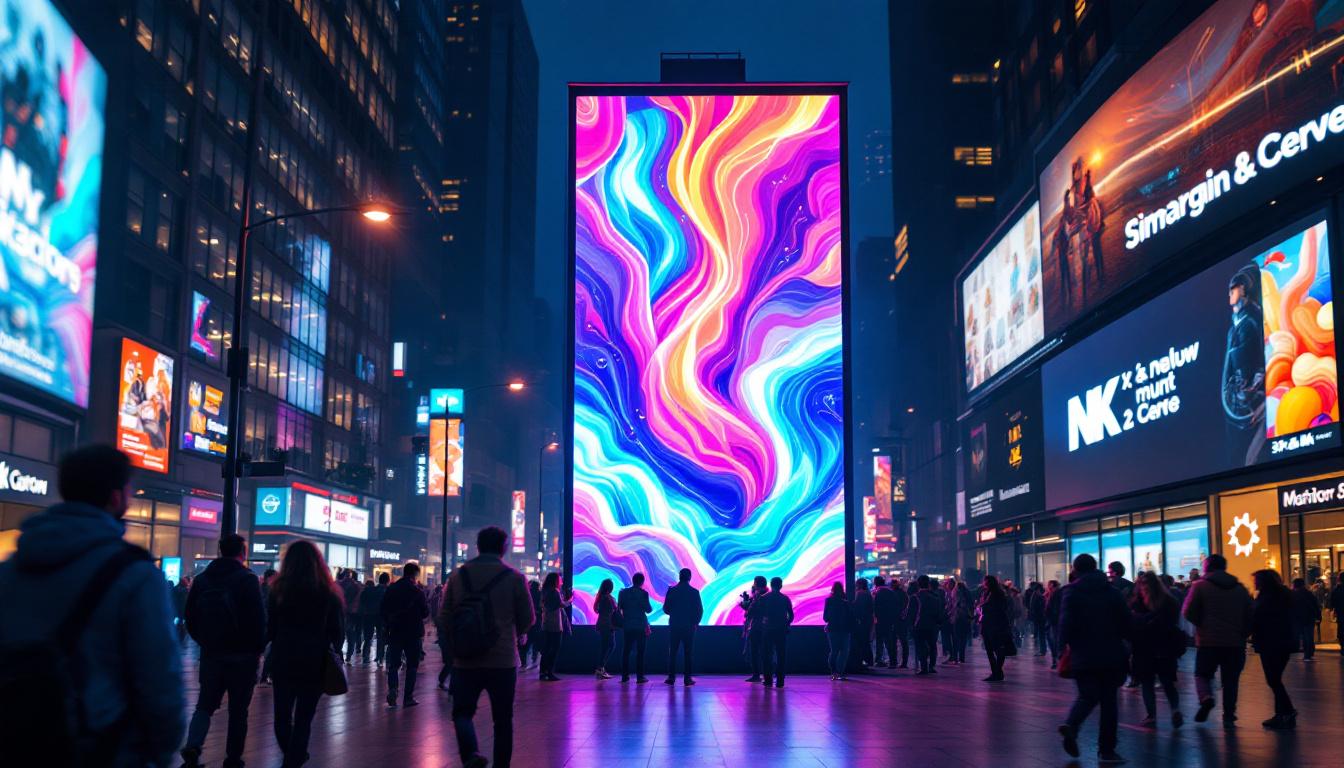
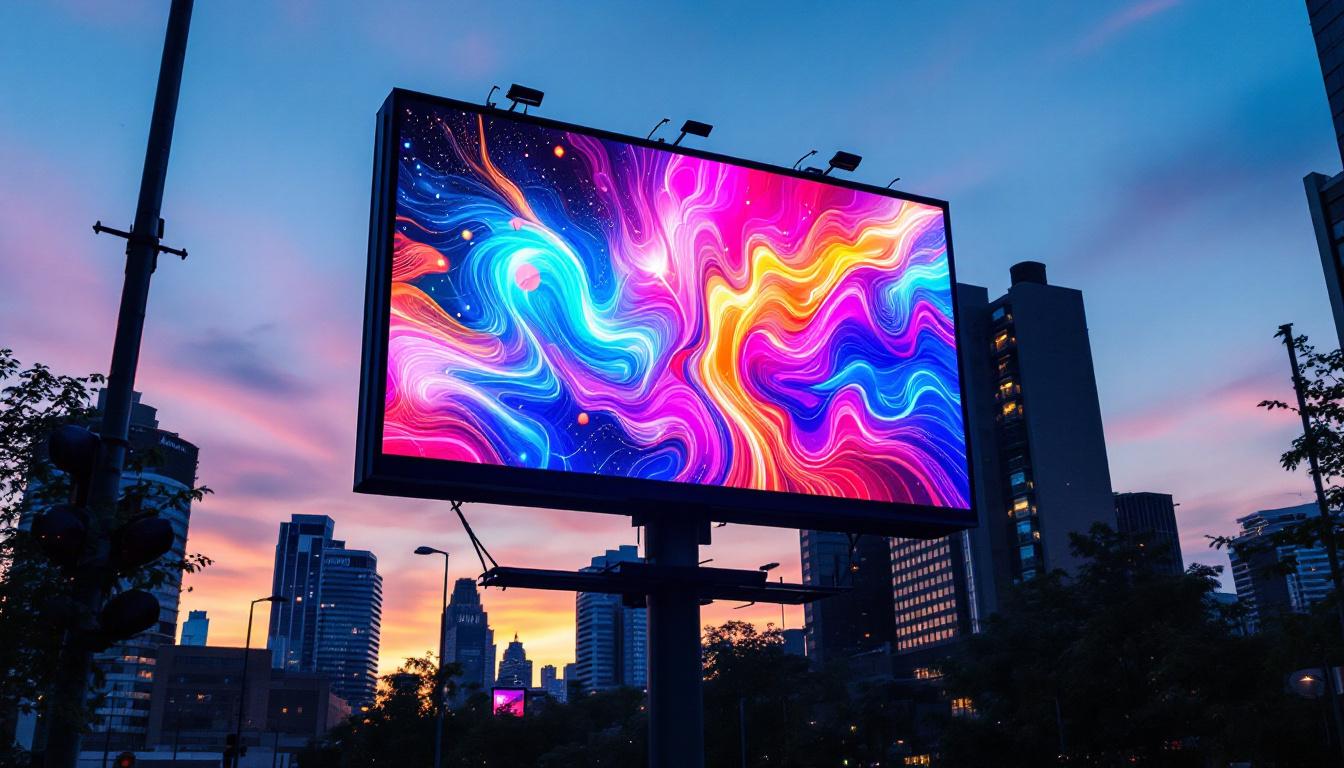
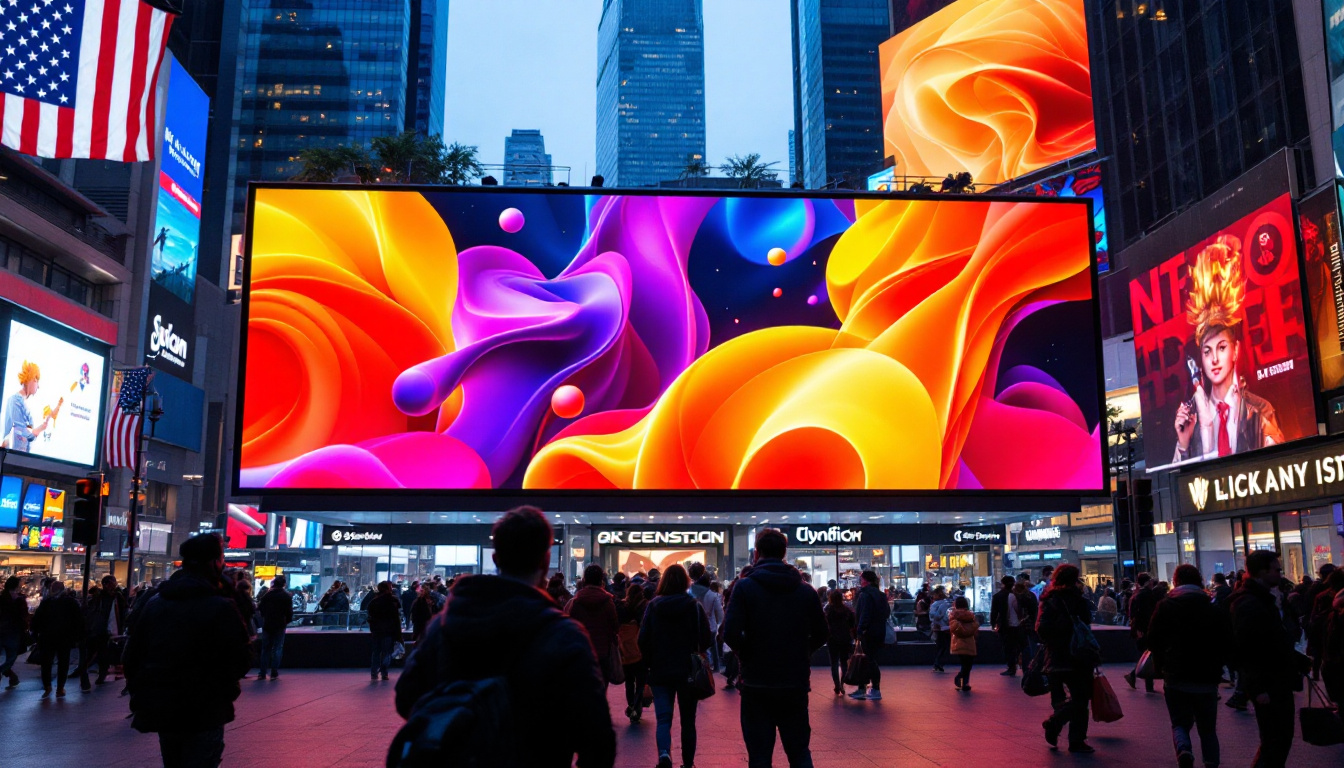
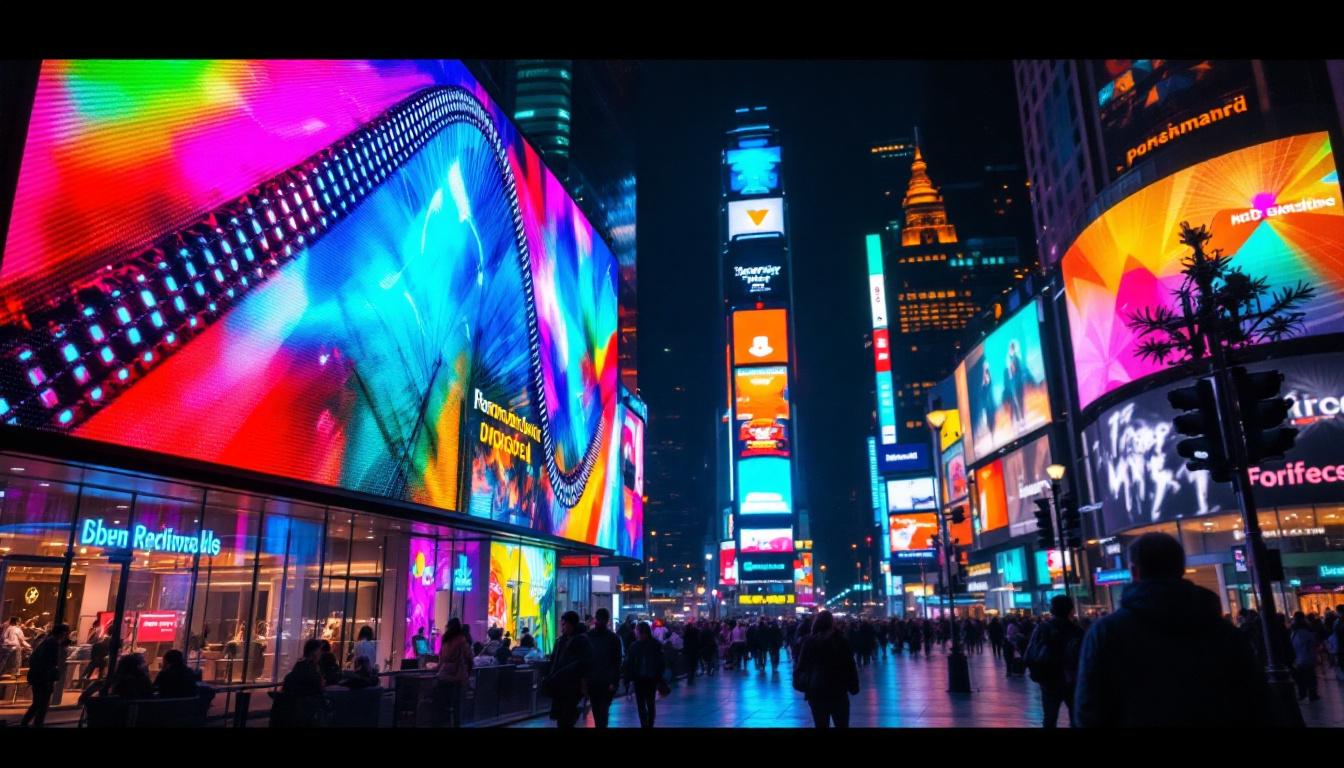
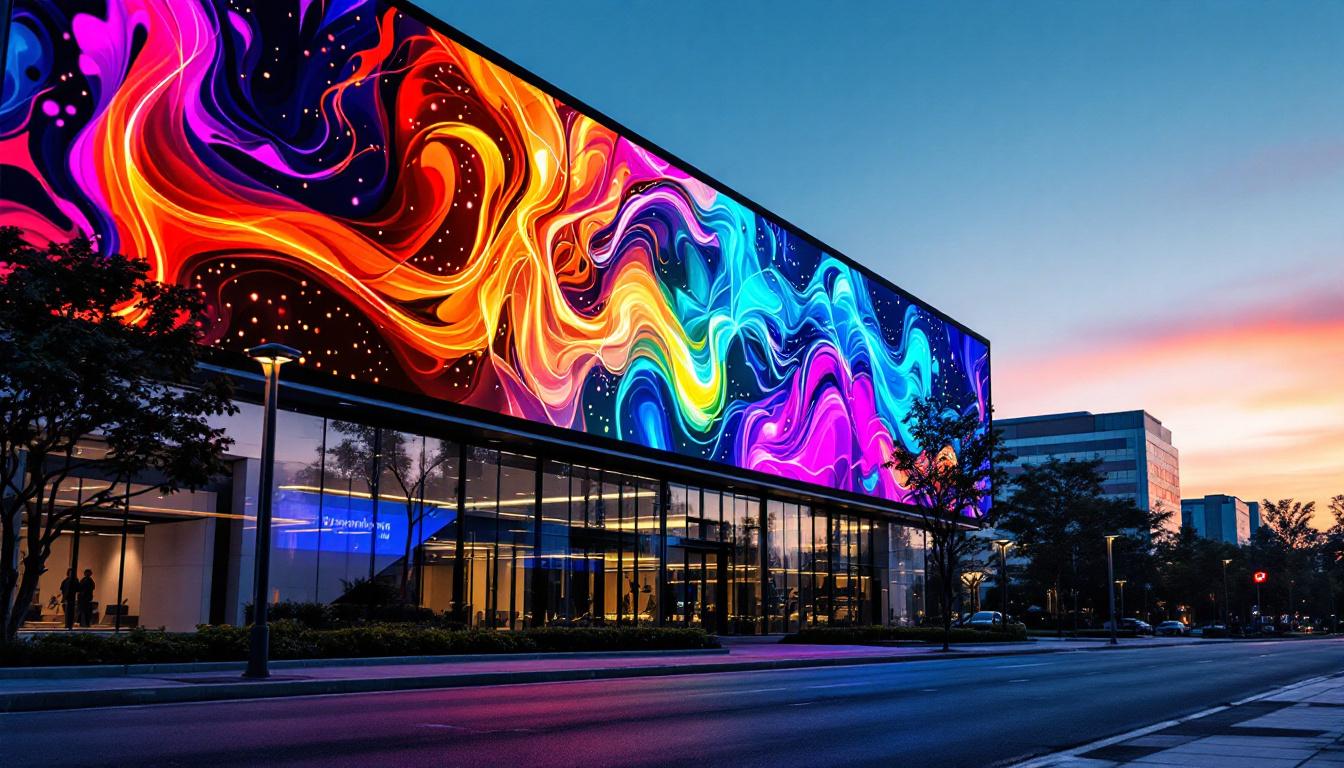
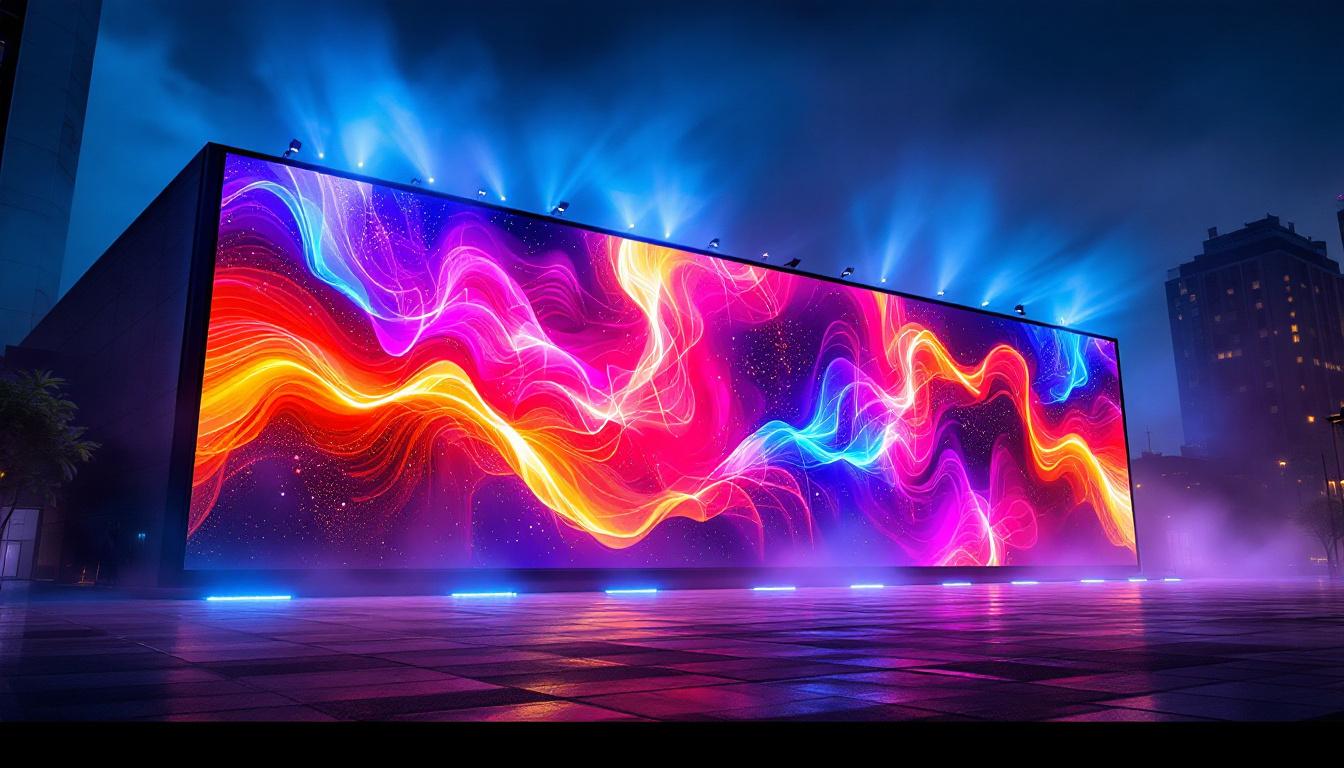
One of the most common uses of large LED displays is in outdoor advertising. Traditional billboards have been increasingly replaced or supplemented by LED screens that can show dynamic content, including videos, animations, and real-time updates. A 100-foot LED billboard can reach thousands of viewers daily, making it a valuable asset for brands aiming to maximize exposure.
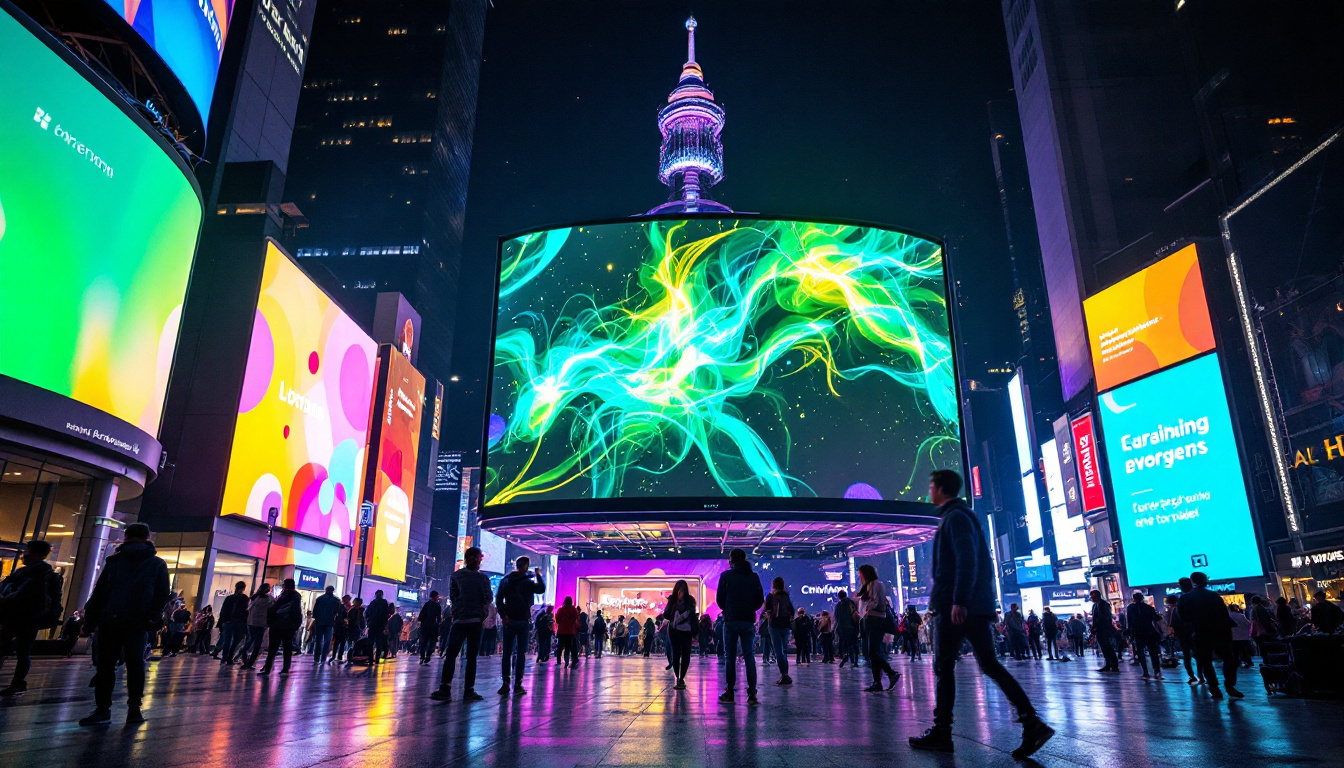
For example, Times Square in New York City is renowned for its massive LED billboards, some of which exceed 100 feet in length. These displays not only advertise products but also contribute to the iconic visual identity of the area.
Sports Arenas and Stadiums
Sports venues often utilize large LED displays to enhance the spectator experience. Scoreboards, instant replays, and live event coverage are displayed on giant LED screens that can stretch 100 feet or more. These displays allow fans to stay engaged and informed throughout the event, regardless of their seating location.
Major stadiums like the AT&T Stadium in Texas feature enormous LED displays that have become a central part of the entertainment experience, offering crystal-clear visuals and interactive content.
Concerts, Festivals, and Events
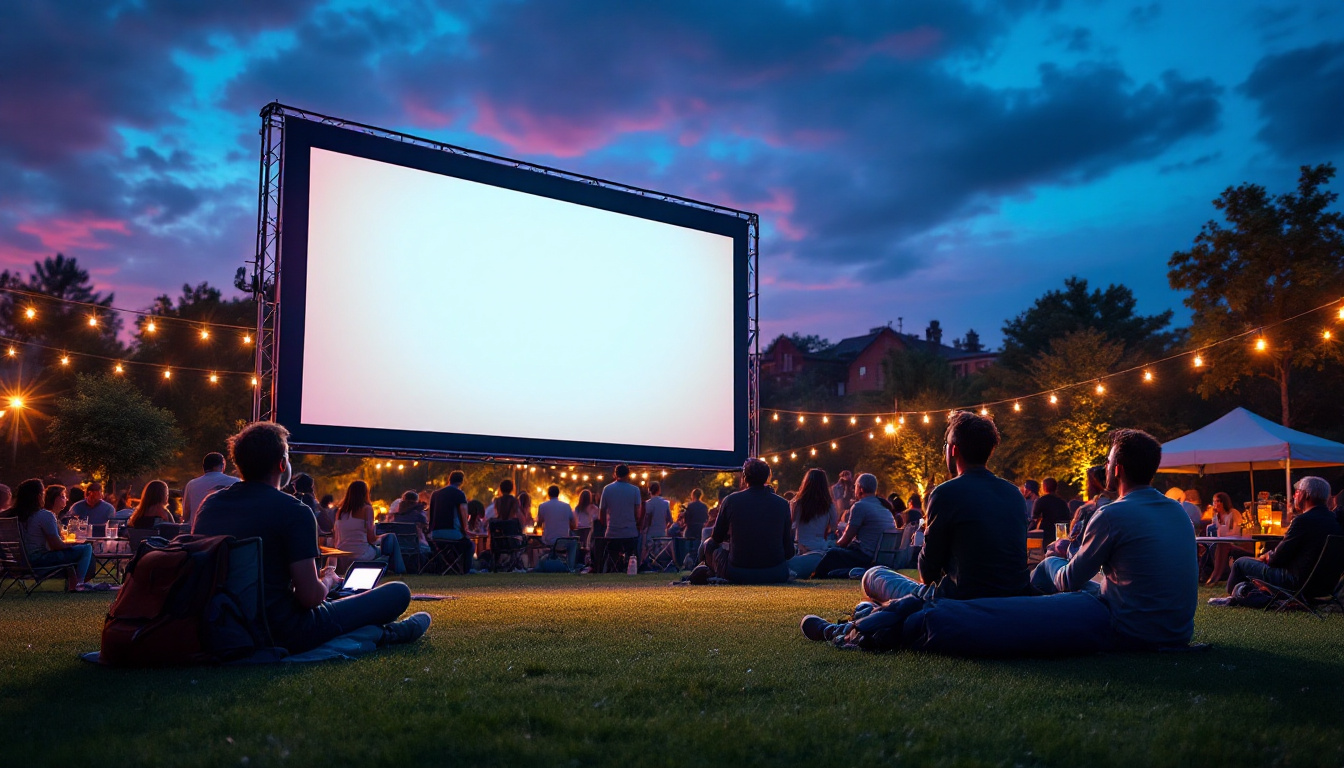
Live events benefit immensely from large LED displays, which provide visual effects, close-up views of performers, and immersive experiences for attendees. A 100-foot LED screen can serve as a backdrop on stage or be positioned around the venue to ensure everyone has a great view.
Music festivals and large-scale events often rely on these displays to project visuals that complement performances, enhancing the emotional and sensory impact of the event.
Corporate and Public Spaces
Beyond entertainment and advertising, large LED displays are increasingly used in corporate headquarters, public squares, and transportation hubs. They can display important announcements, news, weather updates, and interactive content, serving as a communication hub for communities and organizations.
Technical Considerations for 100-Foot LED Displays
Building and maintaining a 100-foot LED display requires careful planning and technical expertise. Several factors influence the design, installation, and operation of these massive screens.
Pixel Pitch and Resolution
As mentioned earlier, pixel pitch is critical in determining the display’s clarity. For a 100-foot display intended to be viewed from a distance of 50 feet or more, a pixel pitch of 10mm to 20mm is common. This ensures the image looks sharp without unnecessarily increasing costs.
However, if the display is intended for closer viewing, a smaller pixel pitch may be necessary, which increases the number of LEDs and the overall expense.
Brightness and Visibility
Outdoor LED displays must be bright enough to compete with sunlight. Modern LED modules can achieve brightness levels exceeding 5,000 nits, ensuring visibility even on the brightest days. Additionally, automatic brightness adjustment sensors help optimize visibility while conserving energy during nighttime or low-light conditions.
Durability and Weather Resistance
Given their outdoor placement, 100-foot LED displays must be robust and weatherproof. High-quality displays are rated with Ingress Protection (IP) standards—usually IP65 or higher—indicating resistance to dust and water. This ensures longevity and consistent performance despite rain, wind, or extreme temperatures.
Power Consumption and Energy Efficiency
Large LED displays consume significant power, but advances in LED technology have improved energy efficiency. Using LED modules with low power consumption and implementing intelligent control systems can reduce operational costs substantially.
Installation and Structural Support
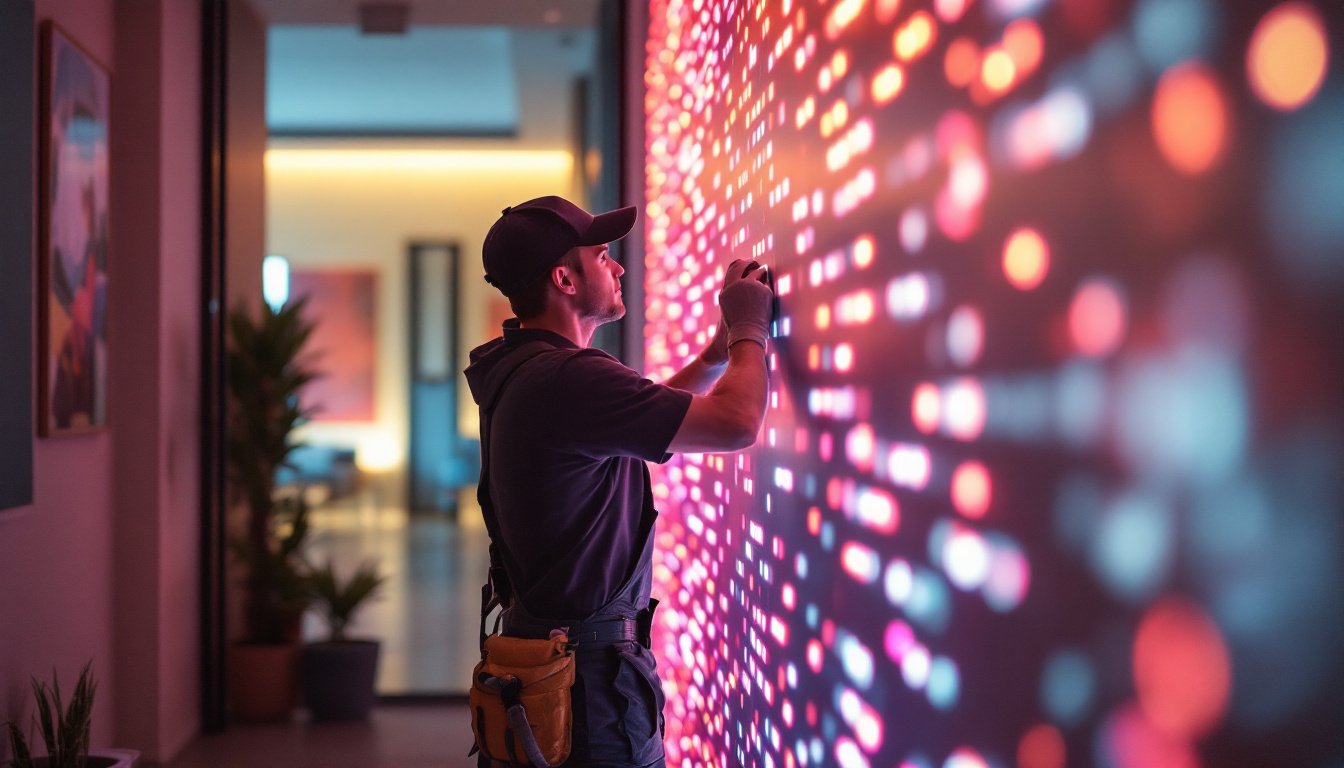
Installing a 100-foot LED display requires structural engineering to ensure safety and stability. The weight of the display, wind load, and mounting surface must be carefully evaluated. Often, custom steel frameworks or reinforced building facades are used to support the display securely.
Benefits of Using 100-Foot LED Displays
Investing in a large LED display offers numerous advantages that extend beyond mere size. These benefits make them a compelling choice for businesses and organizations looking to make a strong visual impact.
Dynamic and Flexible Content
Unlike static billboards or signs, LED displays allow for dynamic content that can be updated instantly. Advertisers can rotate messages, display videos, or even integrate live feeds and social media streams. This flexibility enables more engaging and timely communication.
High Visibility and Audience Reach
The sheer size and brightness of 100-foot LED displays ensure that messages are seen by a broad audience. This is particularly valuable in high-traffic areas, where capturing attention quickly is essential. Studies have shown that digital billboards can increase brand recall by up to 47% compared to traditional static signs.
Cost-Effectiveness Over Time
While the initial investment in large LED displays can be substantial, the ability to change content without printing new materials reduces ongoing costs. Additionally, LED technology’s energy efficiency and durability contribute to lower maintenance and operational expenses over the lifespan of the display.
Environmental Impact
LED displays are more environmentally friendly than many traditional lighting and signage options. They consume less power and do not require paper or vinyl materials for content updates, reducing waste. Furthermore, many LED modules are recyclable, supporting sustainability goals.
Challenges and Considerations
Despite their many advantages, large LED displays come with challenges that must be addressed to maximize their effectiveness.
Initial Cost and Investment
The upfront cost of designing, manufacturing, and installing a 100-foot LED display can be high. This includes not only the display panels but also structural support, electrical infrastructure, and content management systems. Organizations must carefully evaluate their budget and expected return on investment.
Content Creation and Management
Managing content for such a large and dynamic display requires specialized software and skilled personnel. Content must be designed to suit the display’s resolution and viewing distance, ensuring clarity and impact. Additionally, scheduling and updating content regularly is crucial to maintain audience engagement.
Regulatory and Zoning Restrictions
Many municipalities have regulations governing the size, brightness, and placement of outdoor digital signage. Obtaining permits and ensuring compliance can be a complex process, requiring coordination with local authorities.
Light Pollution and Community Impact
Large LED displays can contribute to light pollution, which may affect nearby residents or wildlife. Responsible design includes features like dimming controls and directional lighting to minimize negative impacts.
Future Trends in Large-Scale LED Displays
The LED display industry continues to evolve rapidly, with innovations that promise to enhance the capabilities and applications of 100-foot LED lights.
Higher Resolution and Miniaturization
Advances in LED technology are enabling smaller pixel pitches at larger scales, resulting in displays with ultra-high definition quality. This will allow for even more detailed and immersive visuals, expanding creative possibilities.
Integration with Smart Technologies
Future LED displays are expected to integrate more deeply with smart city infrastructure, IoT devices, and AI-driven content management. This will enable real-time, context-aware messaging tailored to audience demographics, weather conditions, or events.
Energy Harvesting and Sustainability
Emerging technologies may allow LED displays to incorporate solar panels or energy harvesting techniques to offset power consumption, making them more sustainable and cost-effective.
Flexible and Transparent Displays
Innovations in flexible and transparent LED panels could lead to new installation possibilities, such as wrapping displays around curved surfaces or embedding them into glass facades, further expanding the creative and functional scope of large-scale LED installations.
Conclusion
100-foot LED lights represent a pinnacle of visual communication technology, combining scale, brightness, and dynamic content capabilities to create unforgettable experiences. From advertising and entertainment to public information and corporate branding, these massive displays offer unparalleled opportunities to engage audiences in today’s fast-paced, visually driven world.
Understanding the technical aspects, benefits, and challenges of these displays is essential for anyone considering their use. As technology advances, the potential for large-scale LED displays will only grow, making them a vital component of modern visual strategy.
Whether illuminating a city skyline, energizing a sports crowd, or delivering a powerful advertising message, 100-foot LED displays are truly a spectacle of light and innovation.
Illuminate Your Vision with LumenMatrix
Ready to elevate your visual impact to new heights? Discover the innovative world of LumenMatrix, where our cutting-edge LED display solutions bring your brand to life. From the immersive Indoor LED Wall Display to the dynamic Outdoor LED Wall Display, and from the mobile versatility of Vehicle LED Displays to the sleek LED Poster Displays, we have the technology to transform any space. Engage your audience with our LED Sports Displays, dazzle them with Floor LED Displays, or create a unique experience with Custom LED Displays. Our All-in-One and LED Transparent Displays are designed to revolutionize visual communication. Don’t just take our word for it; check out LumenMatrix LED Display Solutions and see how we can help you share your message with unparalleled clarity and impact.