In today’s fast-evolving world of visual technology, choosing the right projector setup can be a daunting task. With a myriad of options available, including traditional projectors, LED displays, and hybrid systems, understanding the nuances is essential for making an informed purchase. This article delves into the key aspects of projectors for sale with screens, focusing particularly on LED display technology, to help you navigate the market with confidence.
Understanding Projectors and Their Screens
Projectors have long been a staple in both professional and home entertainment settings. They work by projecting light through a lens onto a screen, creating an enlarged image from a smaller source. However, the quality of this image depends not only on the projector itself but also on the screen and the technology behind the display.
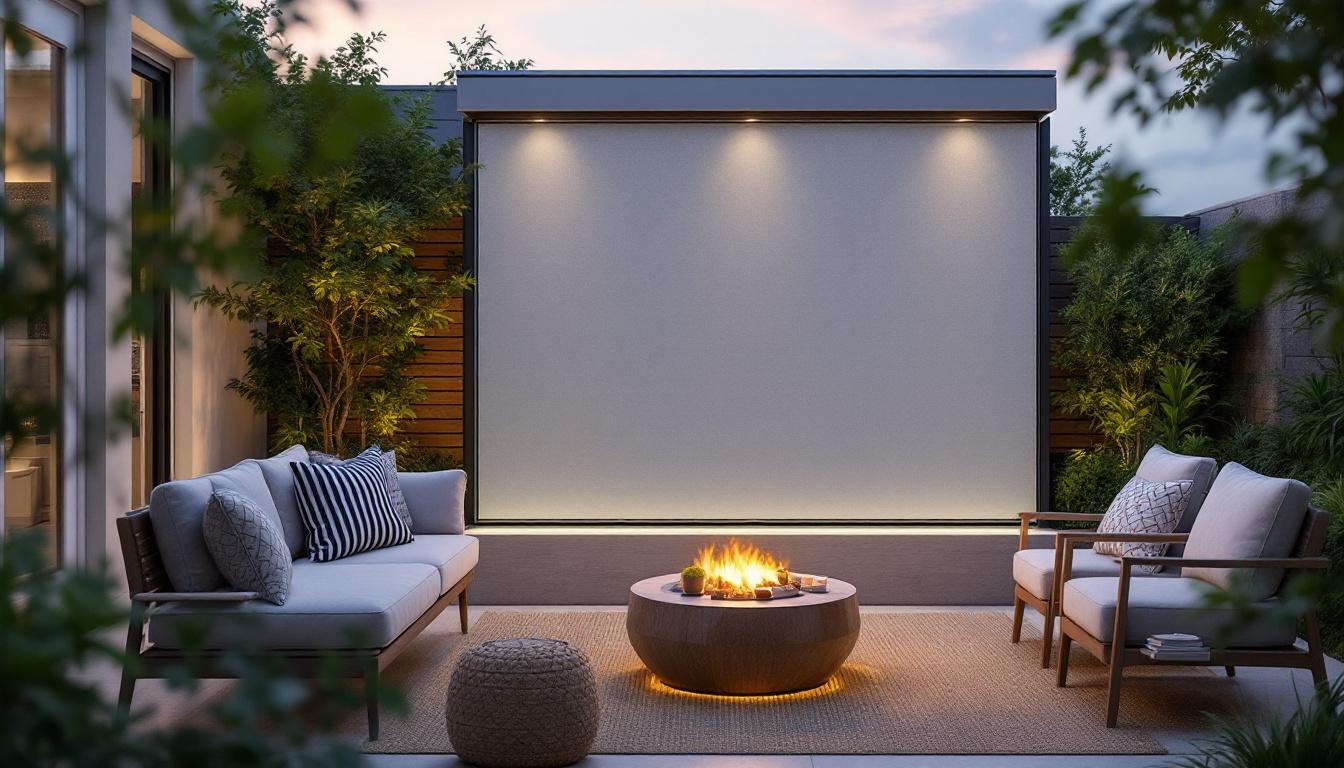
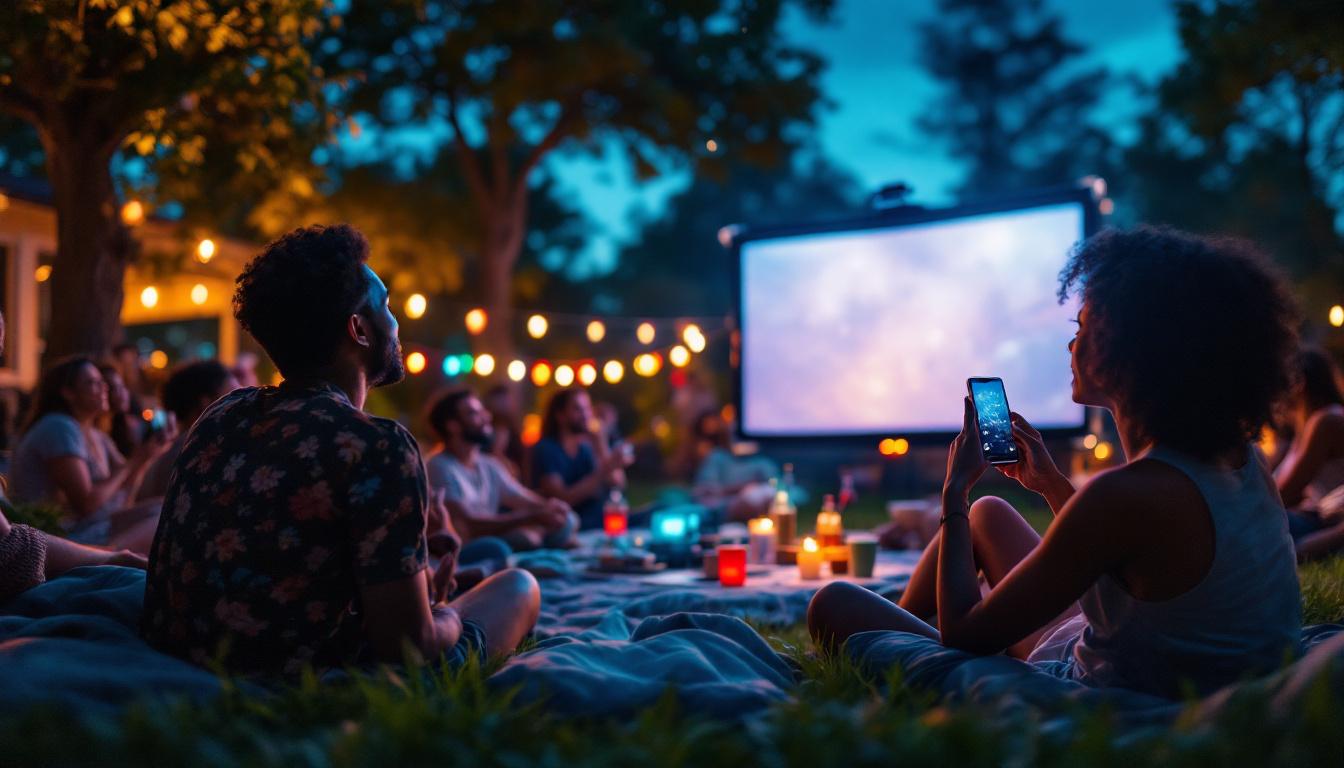
When purchasing a projector, many buyers consider bundled options that include a screen. This combination ensures compatibility and often simplifies setup. Screens come in various types, including fixed frame, pull-down, and portable models, each catering to different usage scenarios. The choice of screen material and gain factor can significantly influence image brightness and clarity. For instance, a high-gain screen can enhance brightness in well-lit rooms, making it a popular choice for business presentations, while a matte screen is often preferred for home theaters to reduce glare and enhance color accuracy.
While traditional projectors primarily use LCD or DLP technology, LED displays have recently gained traction as an alternative or complement to projection systems. Understanding how LED displays work in the context of projectors is crucial for anyone looking to invest in high-quality visual equipment. LED projectors, known for their longevity and energy efficiency, utilize light-emitting diodes to produce vibrant colors and deep blacks, often outperforming traditional lamp-based projectors in terms of color fidelity and maintenance costs. This technology has opened up new possibilities for portable projectors, allowing users to enjoy high-quality visuals on the go without the need for bulky equipment.
Moreover, the evolution of smart projectors has introduced features like wireless connectivity, built-in streaming capabilities, and integrated sound systems, making them more versatile than ever. These advancements allow users to easily connect their devices, stream content directly, and even control the projector through mobile apps. As a result, projectors are no longer confined to conference rooms or home theaters; they are becoming essential tools for educators, gamers, and casual viewers alike, transforming any space into a dynamic viewing environment. With the right combination of projector and screen, users can create an immersive experience that rivals traditional television setups.
What Is LED Display Technology?
The Basics of LED Displays
LED, or Light Emitting Diode, displays consist of an array of tiny light sources that emit light directly, unlike projectors that rely on reflected light. Each LED acts as a pixel, producing its own light and color. This direct emission results in vibrant colors, high contrast ratios, and excellent brightness levels. The technology behind LED displays has evolved significantly, with advancements in miniaturization and efficiency leading to the development of OLED (Organic Light Emitting Diode) displays, which offer even deeper blacks and enhanced color depth.
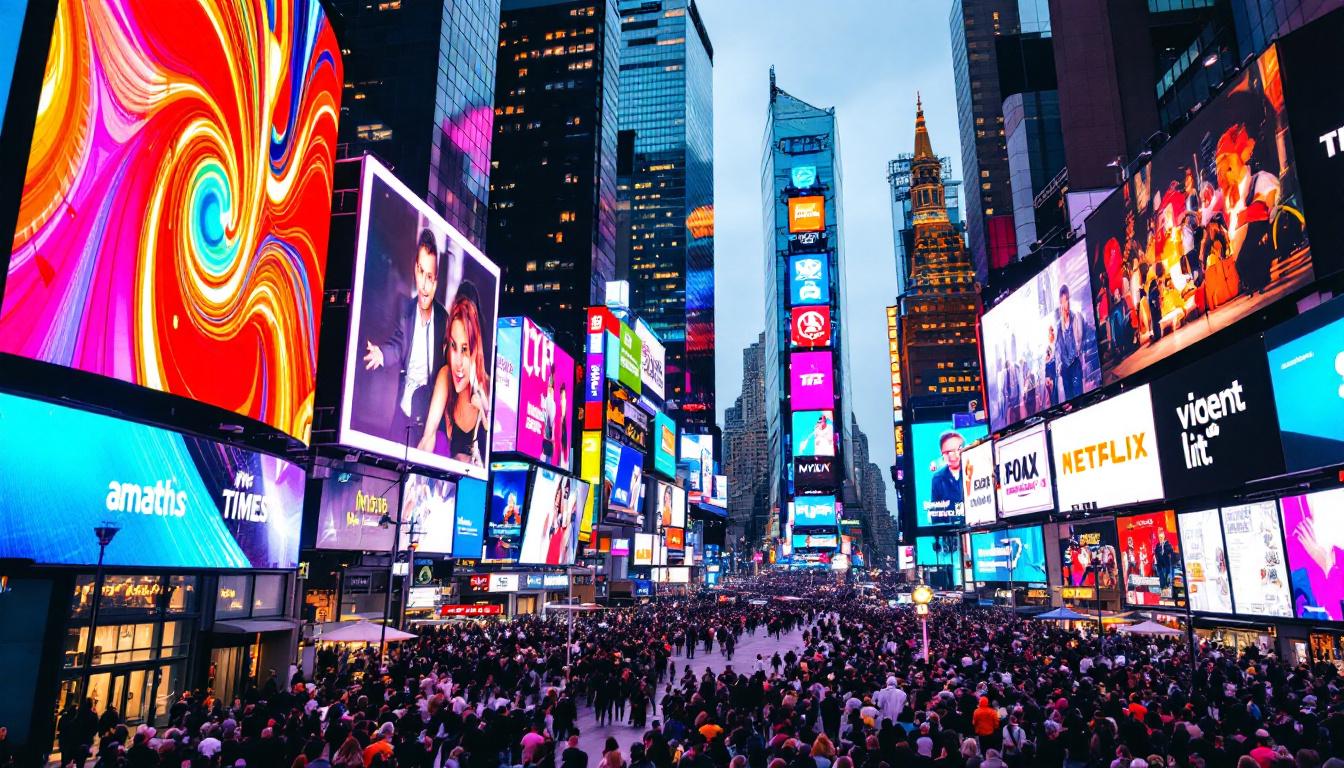
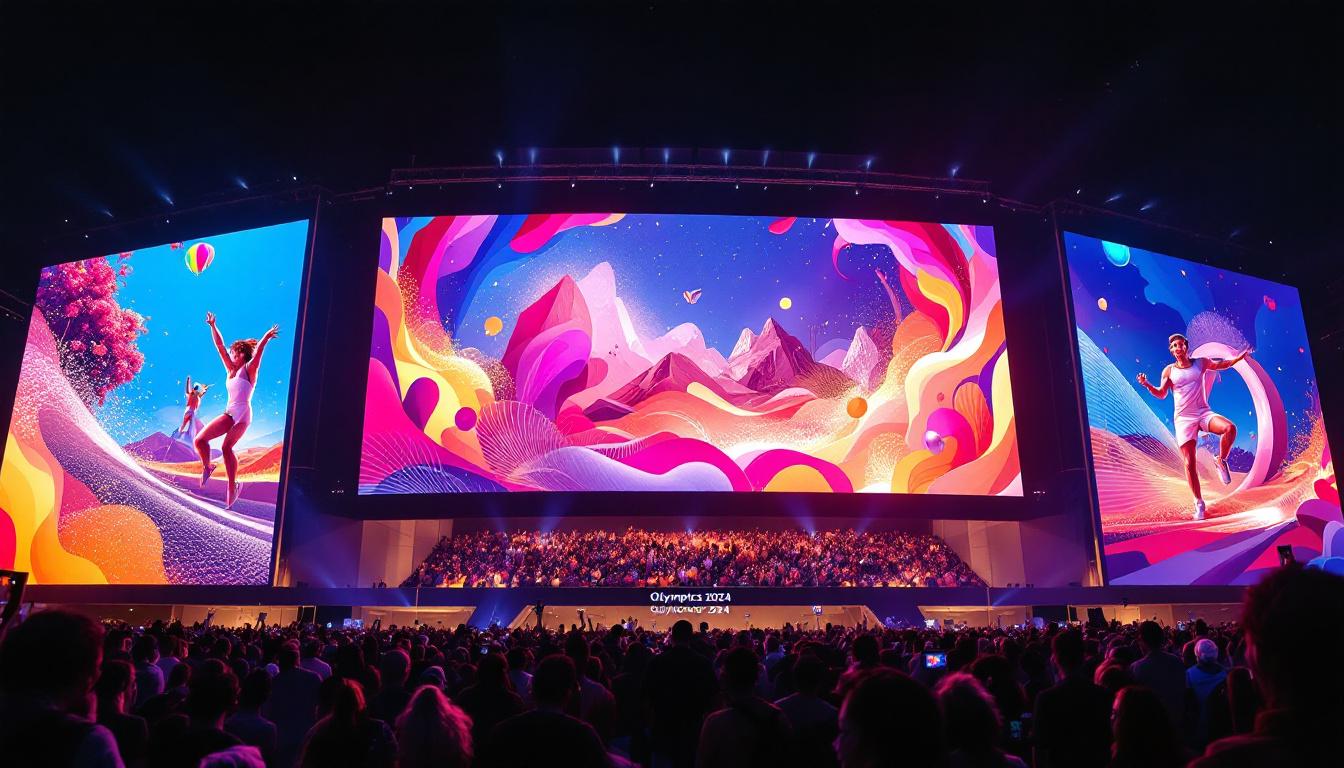
LED displays are commonly found in large-scale digital billboards, stadium screens, and increasingly in home theater setups where ultra-high brightness and color accuracy are desired. The modular nature of LED panels allows for flexible sizing and aspect ratios, making them adaptable to various environments. This flexibility is particularly beneficial for venues that require custom installations, such as concert halls or trade show booths, where the display can be tailored to fit unique spatial constraints and design aesthetics.
Advantages of LED Displays Over Traditional Projectors
One of the main advantages of LED displays is their ability to produce consistent brightness and color accuracy regardless of ambient lighting conditions. Unlike projectors, which can struggle in well-lit rooms, LED displays maintain visibility and vibrancy. This makes them ideal for outdoor applications, where sunlight can easily wash out projected images. Furthermore, the rapid response time of LED technology allows for smooth motion rendering, making them a preferred choice for dynamic content such as video games and live sports broadcasts.
Additionally, LED screens have a longer lifespan compared to traditional projector lamps, which typically require replacement every few thousand hours. LEDs can last upwards of 50,000 hours, reducing maintenance costs and downtime. This longevity not only benefits commercial users but also home consumers who wish to invest in a display that will remain functional and vibrant for years without the need for frequent replacements. Moreover, the energy efficiency of LED technology contributes to lower electricity bills, making them an environmentally friendly option as well.
Another benefit is the absence of shadows or distortion caused by external light sources or objects obstructing the projection path. This makes LED displays particularly suitable for interactive presentations, retail environments, and digital signage. In retail spaces, for example, LED displays can create engaging visual experiences that capture customer attention, while also providing the flexibility to change content quickly and easily. The ability to display high-definition video and graphics in real-time allows businesses to adapt their messaging to current promotions or events, enhancing customer engagement and driving sales.
Projector For Sale With Screen: Integrating LED Technology
Hybrid Solutions: Combining Projectors and LED Screens
Some modern setups combine projectors with LED screens to leverage the strengths of both technologies. For instance, a projector might be used for dynamic content projection, while an LED screen provides a bright, static background or supplementary visuals.
These hybrid systems are gaining popularity in event production, museums, and corporate environments where flexibility and visual impact are paramount. However, they require careful calibration to ensure seamless integration and color matching between the projector and LED display.
Buying Considerations for Projector and LED Screen Bundles
When purchasing a projector for sale with a screen that incorporates LED technology, several factors should be considered:
- Resolution: Ensure both the projector and LED screen support compatible resolutions for optimal image quality.
- Brightness: Check the lumens rating of the projector and the nit level of the LED screen to match your ambient lighting conditions.
- Screen Size and Aspect Ratio: Choose a screen size that fits your space and content needs, keeping aspect ratio consistency in mind.
- Connectivity: Look for versatile input options such as HDMI, DisplayPort, and wireless capabilities to accommodate various devices.
- Installation and Portability: Consider whether a fixed or portable setup is best suited for your environment.
By carefully evaluating these criteria, buyers can select a projector and screen combination that delivers exceptional performance and longevity.
Market Trends and Statistics in Projector and LED Display Sales
The global projector market has experienced steady growth, with a compound annual growth rate (CAGR) of approximately 5.8% projected between 2023 and 2028. This growth is driven by increasing demand in education, corporate sectors, and home entertainment.
Simultaneously, the LED display market is expanding rapidly, with a CAGR exceeding 10% in the same period. Innovations in mini-LED and micro-LED technologies are pushing the boundaries of display quality and energy efficiency.
According to recent industry reports, bundles that include projectors with screens—especially those featuring LED technology—are becoming more popular due to their convenience and improved visual performance. Consumers are willing to invest more upfront for systems that offer ease of use, durability, and superior image quality.
Practical Applications of LED Displays With Projectors
Corporate and Educational Settings
In corporate environments, LED displays combined with projectors enhance presentations by providing bright, clear visuals that engage audiences. Training rooms, conference halls, and auditoriums benefit from these setups, which facilitate better communication and information retention.
Educational institutions are also adopting LED-enhanced projection systems to create immersive learning experiences. The ability to display vivid images and videos in various lighting conditions supports diverse teaching methods and student engagement.
Home Theater and Entertainment
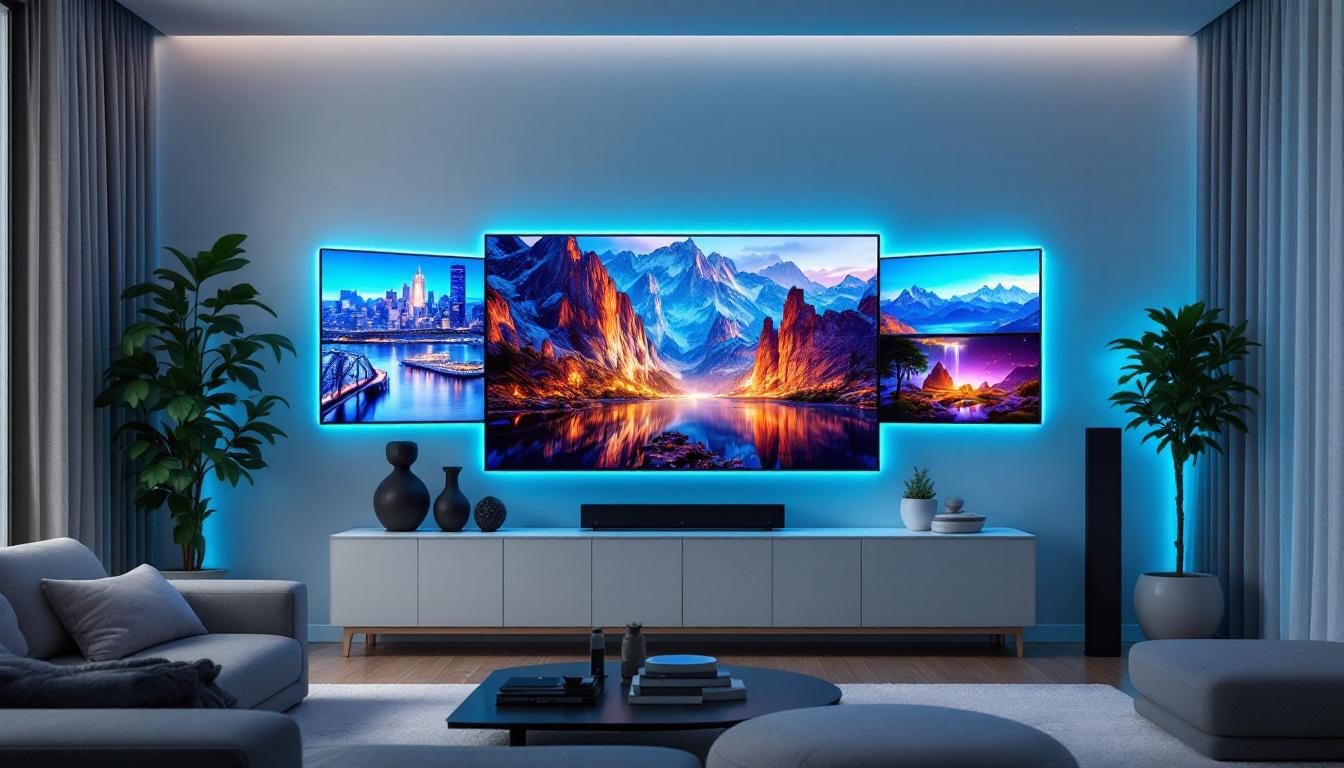
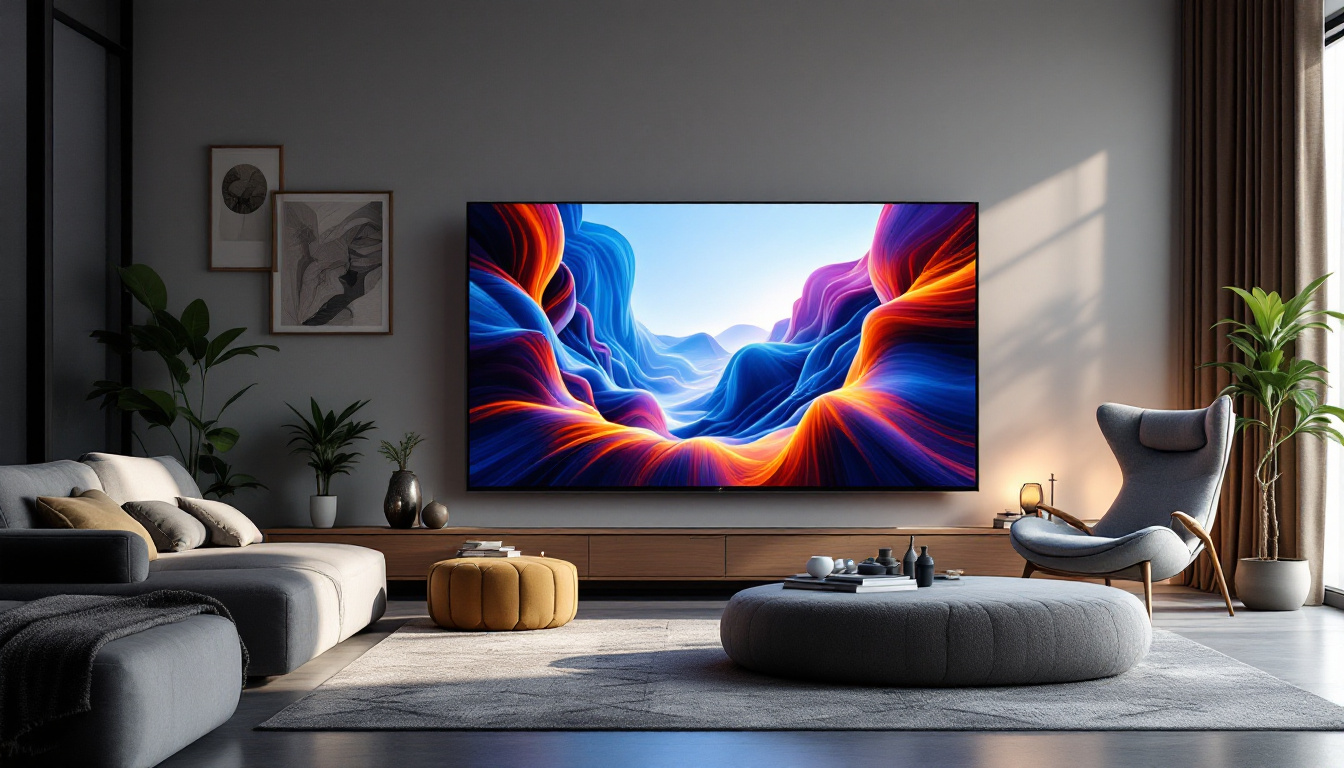
For home theater enthusiasts, LED displays offer an alternative to traditional projection screens, delivering cinema-quality images with rich colors and deep blacks. When paired with high-definition projectors, these systems can transform living rooms into immersive entertainment hubs.
Moreover, LED technology’s energy efficiency and long lifespan make it an attractive option for consumers seeking sustainable and low-maintenance solutions.
Events and Public Displays
Event organizers increasingly rely on LED screens for their reliability and visual impact. When combined with projectors, these displays can create dynamic environments that captivate audiences at concerts, trade shows, and exhibitions.
The modular design of LED panels allows for custom configurations that fit unique venue requirements, while projectors add flexibility in content delivery and spatial effects.
Maintenance and Longevity of LED Displays and Projectors
Proper maintenance is crucial to maximize the lifespan and performance of both projectors and LED screens. LED displays generally require less upkeep due to their solid-state nature, but regular cleaning and environmental control are still necessary to prevent dust accumulation and overheating.
Projectors, on the other hand, need periodic lamp replacements, filter cleaning, and alignment checks to maintain image quality. Investing in a projector-screen bundle from reputable manufacturers often includes support and warranty services that simplify maintenance.
Understanding the expected lifespan and maintenance needs of your chosen system helps in budgeting and ensures consistent performance over time.
Conclusion: Making an Informed Choice
Choosing a projector for sale with a screen that incorporates LED display technology requires a clear understanding of the differences and benefits of each component. LED displays offer superior brightness, color accuracy, and durability, making them an excellent choice for a wide range of applications.
When combined thoughtfully with projectors, these technologies can create versatile and impactful visual experiences. By considering factors such as resolution, brightness, screen type, and maintenance, buyers can select a setup tailored to their specific needs and environments.
As the market continues to evolve, staying informed about the latest advancements and trends will empower consumers and professionals alike to invest wisely in their visual technology solutions.
Discover LumenMatrix’s Advanced LED Display Solutions
Ready to elevate your visual experience with the latest in LED display technology? Look no further than LumenMatrix, a pioneer in crafting immersive LED display modules for a multitude of applications. Whether you’re interested in Indoor LED Wall Displays for your business, Outdoor LED Wall Displays for events, or any of our specialized solutions like Vehicle LED Displays, LED Sports Displays, or Custom LED Displays, LumenMatrix has you covered. Embrace the future of visual communication and captivate your audience like never before. Check out LumenMatrix LED Display Solutions today and see your vision come to life in brilliant color and clarity.