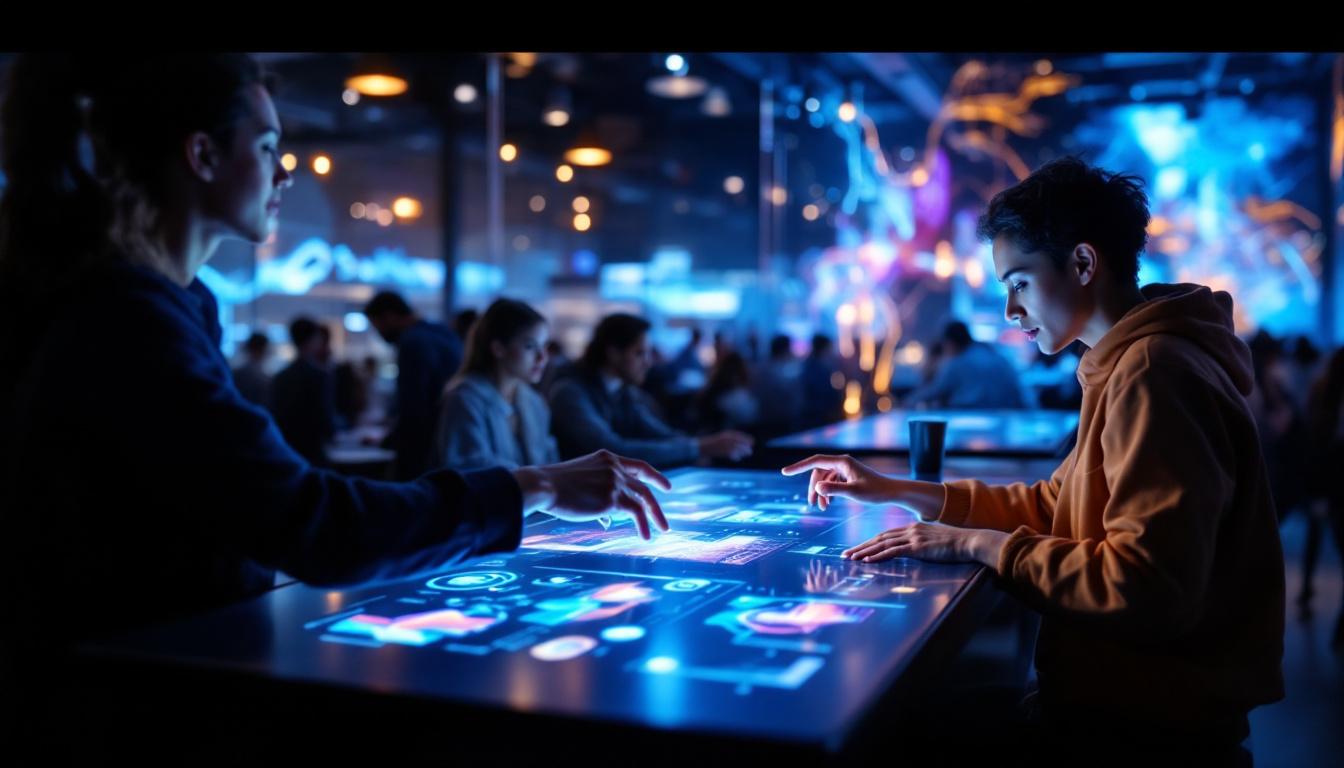
In today’s digital age, interactive displays have become an integral part of various industries, ranging from education and retail to corporate environments and entertainment. Among these, multi touch LED displays stand out for their vibrant visuals and intuitive user interaction. This article delves into the technology behind multi touch LED displays, exploring how they work, their advantages, applications, and what the future holds for this dynamic display technology.
Understanding Multi Touch Display Technology
Multi touch displays allow users to interact with a screen using multiple fingers or touch points simultaneously. Unlike traditional single-touch screens, which respond to only one touch at a time, multi touch technology enables gestures such as pinching, zooming, rotating, and swiping, creating a more natural and versatile user experience. This capability has transformed how we engage with devices, making tasks like navigating maps or manipulating images more intuitive and fluid.
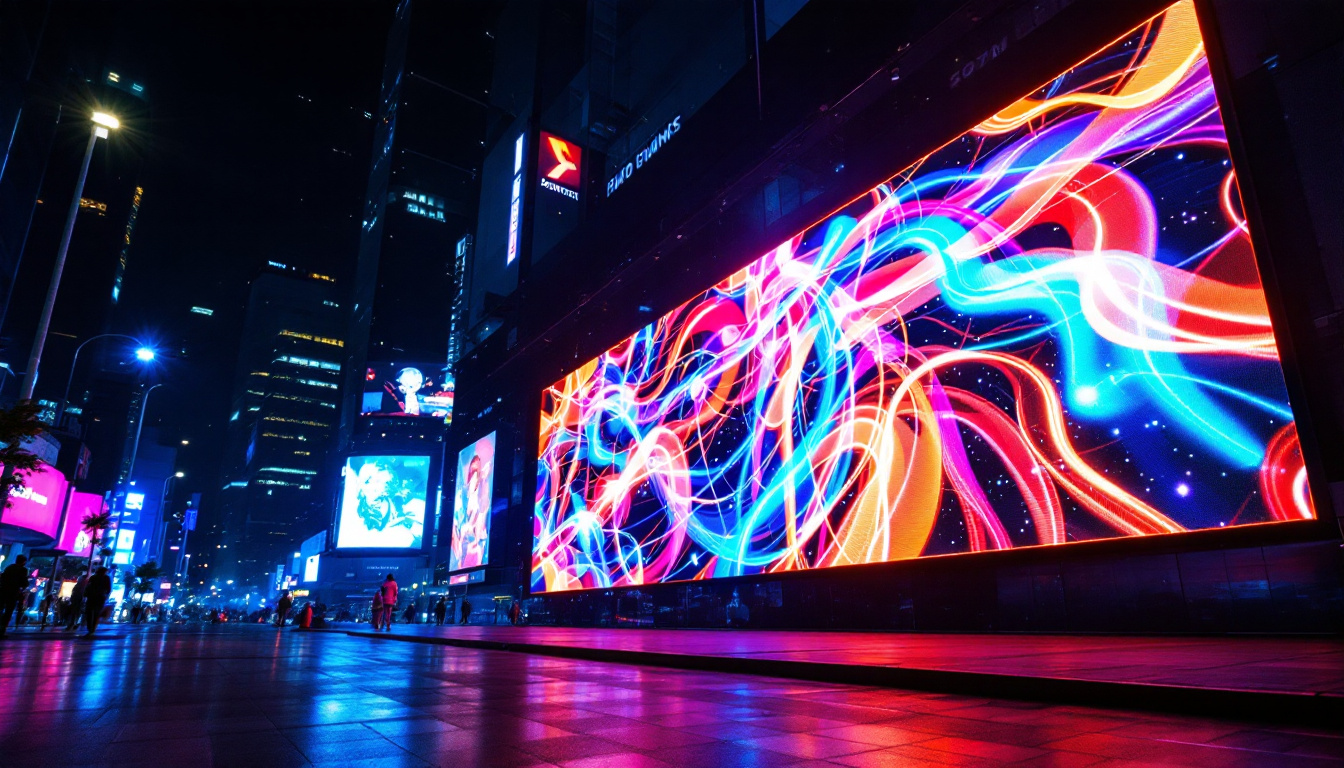
At the core of these displays is the LED (Light Emitting Diode) panel, which serves as the visual output. LED displays are known for their bright, high-contrast images and energy efficiency, making them ideal for both indoor and outdoor applications. The combination of vibrant colors and sharp details enhances not only personal devices but also public displays, such as kiosks and information boards, where clarity and visibility are paramount.
How Multi Touch Technology Works
There are several technologies used to enable multi touch capabilities, including capacitive, infrared, and optical sensing. Capacitive touchscreens are the most common in consumer devices, relying on the electrical properties of the human body to detect touch points. Infrared and optical technologies use sensors around the screen’s edges or cameras to detect touch without requiring direct contact with the display surface. This versatility allows for innovative applications, such as interactive whiteboards in educational settings or touch-enabled surfaces in retail environments, where customer engagement is key.
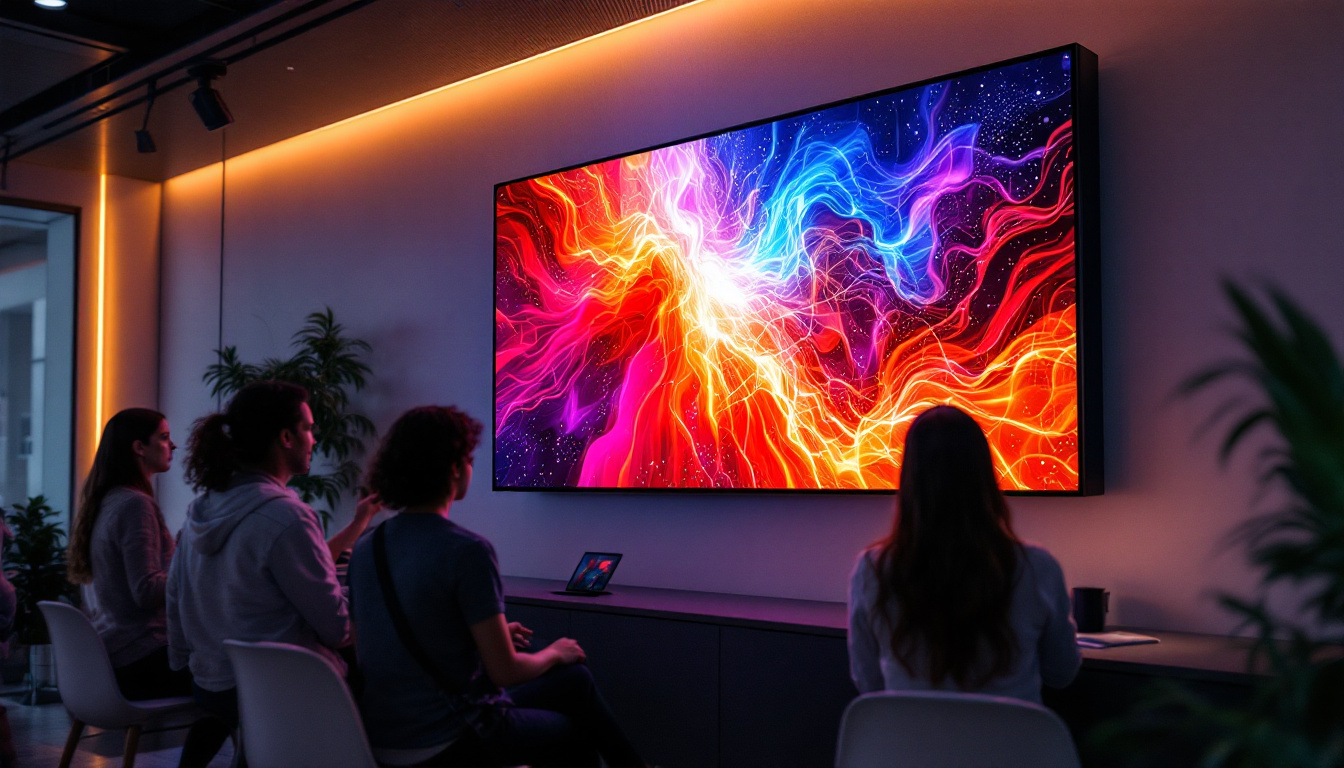
In multi touch LED displays, the touch technology is integrated with the LED panel to provide seamless interaction. When a user touches the screen, the system processes multiple simultaneous inputs, allowing complex gestures and multi-user interactions. This capability is particularly beneficial in collaborative environments, such as design studios or conference rooms, where multiple users can work together on a shared project, manipulating images or data in real-time.
LED Display Basics
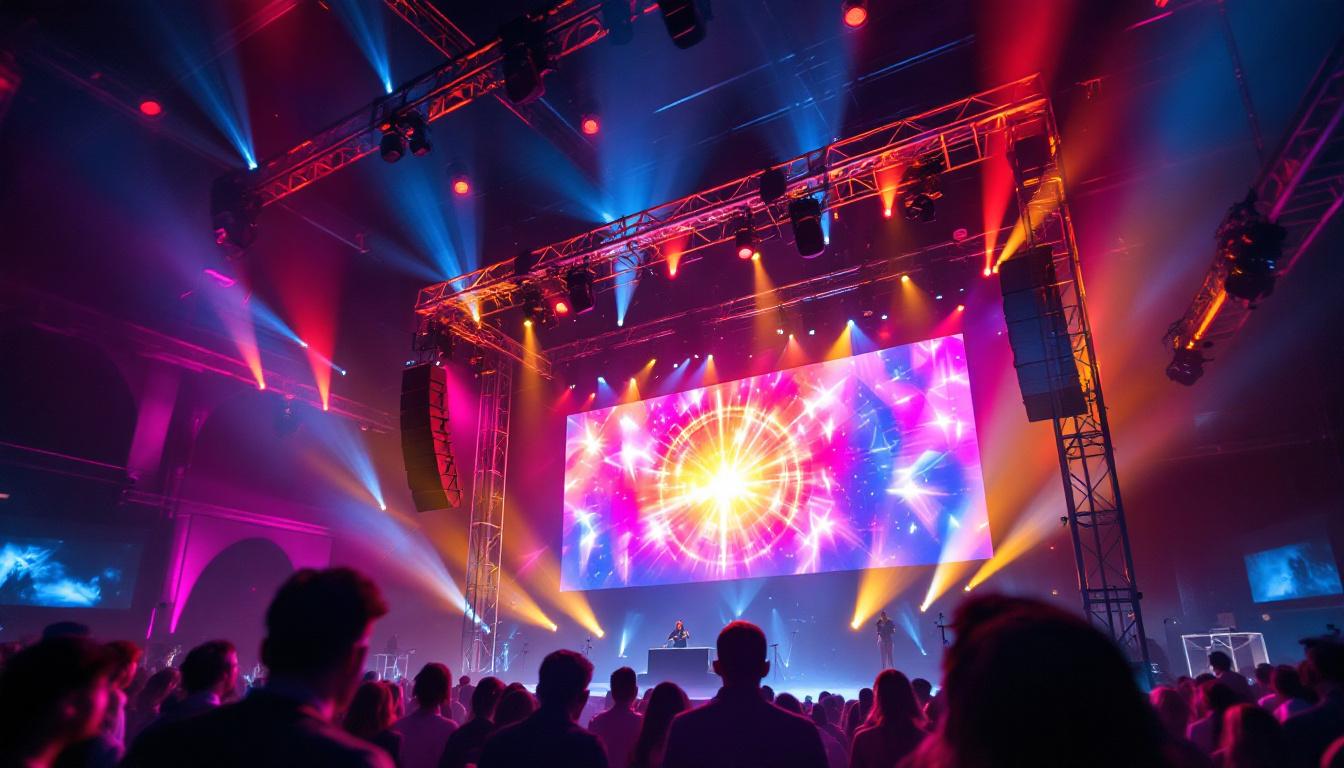
LED displays consist of an array of light-emitting diodes arranged to form images. These displays can be categorized into two main types: direct view LED (DVLED) and LED-backlit LCDs. DVLED displays use LEDs as individual pixels, offering superior brightness and color accuracy, while LED-backlit LCDs use LEDs to illuminate an LCD panel. The advancements in DVLED technology have led to thinner, lighter displays that are easier to install and maintain, making them a popular choice for large-scale installations like stadiums and concert venues.
For multi touch applications, DVLED displays are often preferred due to their superior visibility in various lighting conditions and their ability to produce vibrant, true-to-life colors. Additionally, the durability of LED technology means these displays can withstand heavy usage, making them ideal for environments where touch interactions are frequent. As the technology continues to evolve, we can expect even more enhancements in responsiveness and accuracy, further enriching the user experience across a wide range of applications, from gaming to professional presentations.
Advantages of Multi Touch LED Displays
The combination of multi touch capability with LED display technology offers several benefits that make these displays highly desirable across different sectors.
Enhanced User Interaction
Multi touch displays enable more natural and intuitive interaction. Users can manipulate content directly with their fingers, making tasks like zooming in on a map or rotating a 3D model effortless. This hands-on approach improves engagement and productivity, especially in collaborative environments. Furthermore, the ability to recognize multiple touch points simultaneously allows for a more dynamic interaction, where several users can engage with the display at once, facilitating teamwork and brainstorming sessions in educational and corporate settings.
Superior Visual Quality
LED displays provide bright, high-contrast images with excellent color reproduction. This ensures that content is easily visible even in brightly lit rooms or outdoor settings, which is crucial for retail signage, public information displays, and interactive kiosks. The advanced pixel technology used in LED displays also contributes to a wider viewing angle, allowing more people to enjoy the same high-quality visuals from various positions. This feature is particularly beneficial in venues like museums or galleries, where large groups of visitors may be viewing the same exhibit simultaneously.
Durability and Energy Efficiency
LED technology is known for its longevity and low power consumption compared to traditional display technologies. This makes multi touch LED displays cost-effective over their lifespan and suitable for continuous use in demanding environments. Additionally, many LED displays are designed to withstand harsh conditions, including extreme temperatures and humidity, making them ideal for outdoor applications such as sports events or concerts. Their robust construction often includes protective glass or coatings that prevent scratches and damage, ensuring that the displays maintain their aesthetic appeal and functionality over time.
Scalability and Flexibility
Multi touch LED displays come in various sizes, from small interactive kiosks to large video walls. Their modular design allows for customization to fit specific spatial and functional requirements, making them versatile tools for diverse applications. Businesses can easily scale their display solutions as their needs change, whether by adding more screens to create a larger visual impact or by integrating them into existing setups. This adaptability not only enhances the user experience but also allows organizations to stay ahead in a rapidly evolving technological landscape, ensuring they can meet the demands of their audience effectively.
Applications of Multi Touch LED Displays
The versatility of multi touch LED displays has led to their adoption in numerous fields. Below are some of the most impactful use cases.
Education and Training
Interactive whiteboards and smart displays equipped with multi touch LED technology have revolutionized classrooms and training centers. These displays facilitate collaborative learning by allowing multiple students to interact with content simultaneously, enhancing engagement and retention.
For example, in STEM education, students can manipulate virtual models or solve problems interactively, fostering a deeper understanding of complex concepts.
Retail and Advertising
Retail environments utilize multi touch LED displays for dynamic advertising and customer engagement. Interactive digital signage allows shoppers to browse product catalogs, customize orders, or access promotions directly on the screen.
Brands benefit from the ability to deliver personalized content and gather data on customer interactions, enabling more targeted marketing strategies.
Corporate and Conference Settings
In offices and conference rooms, multi touch LED displays support collaborative work by enabling multiple participants to interact with presentations, annotate documents, and brainstorm ideas in real time. This enhances communication and decision-making processes.
Healthcare and Medical Imaging
Multi touch LED displays are increasingly used in medical environments for diagnostic imaging and patient education. Radiologists and surgeons can manipulate high-resolution images with precision, improving diagnostic accuracy and treatment planning.
Entertainment and Gaming
The gaming industry leverages multi touch LED displays for immersive experiences, allowing players to interact with games using intuitive gestures. Additionally, museums and theme parks use these displays for interactive exhibits that engage visitors of all ages.
Choosing the Right Multi Touch LED Display
Selecting the ideal multi touch LED display depends on several factors related to the intended application and environment.
Screen Size and Resolution
The size of the display should match the viewing distance and the number of simultaneous users. Higher resolution screens provide sharper images, which is particularly important for detailed content such as medical images or design work.
Touch Technology Type
Choosing between capacitive, infrared, or optical touch technologies depends on factors like accuracy requirements, environmental conditions, and budget. Capacitive screens offer high precision but may be less effective in environments where gloves are worn, while infrared and optical systems can accommodate a wider range of input methods.
Brightness and Contrast
For outdoor or brightly lit indoor environments, displays with higher brightness levels (measured in nits) and strong contrast ratios ensure visibility. LED displays typically offer brightness levels ranging from 500 to over 2,000 nits, depending on the model.
Durability and Maintenance
Consider the display’s resistance to dust, moisture, and physical impact, especially for public or industrial use. Some multi touch LED displays come with protective glass or coatings to enhance durability.
Connectivity and Software Compatibility
Ensure the display supports the necessary input sources and is compatible with the software platforms intended for use. Many multi touch LED displays offer integration with popular operating systems and support for custom applications.
The Future of Multi Touch LED Displays
As technology advances, multi touch LED displays are expected to become even more sophisticated and widespread. Emerging trends include the integration of artificial intelligence (AI) to enable smarter interactions and gesture recognition beyond touch.
Flexible and transparent LED displays are also under development, which could lead to new form factors and applications, such as interactive windows or wearable displays. Additionally, improvements in energy efficiency and manufacturing processes will make these displays more accessible and environmentally friendly.
AI and Gesture Recognition
Future multi touch displays may incorporate AI to interpret complex gestures and contextual inputs, allowing for more natural and adaptive user interfaces. This could transform how users interact with digital content, making interfaces more intuitive and personalized.
Flexible and Transparent Displays
Research into flexible LED panels promises displays that can bend or fold without losing functionality. Transparent LED displays could be integrated into glass surfaces, creating new opportunities for augmented reality and seamless information overlays.
Environmental Sustainability
With growing emphasis on sustainability, manufacturers are focusing on reducing the environmental impact of LED displays through recyclable materials, lower power consumption, and longer product lifespans.
Conclusion
Multi touch LED displays represent a powerful convergence of visual technology and interactive capabilities. Their ability to deliver vibrant images combined with intuitive multi touch interaction makes them invaluable across education, retail, corporate, healthcare, and entertainment sectors.
Understanding the underlying technologies, advantages, and application scenarios helps organizations make informed decisions when integrating these displays into their environments. As innovation continues, multi touch LED displays will play an increasingly central role in shaping how people engage with digital content and each other.
Discover LumenMatrix’s Advanced LED Display Solutions
Ready to elevate your visual experience with the latest in multi touch LED display technology? LumenMatrix is at the forefront of innovation, offering a diverse range of LED display solutions tailored to meet your specific needs. From captivating Indoor and Outdoor LED Wall Displays to dynamic Vehicle and Sports LED Displays, our products are designed to enhance engagement and brand visibility. Explore our cutting-edge Floor, Custom, All-in-One, and Transparent LED Displays, and see how LumenMatrix is revolutionizing visual communication. Check out LumenMatrix LED Display Solutions today and transform your space into a vibrant hub of interaction and excitement.