In today’s digital age, LED displays have become ubiquitous — from home entertainment systems and digital billboards to corporate presentations and stadium screens. However, one crucial factor often overlooked by consumers and professionals alike is the optimal viewing distance. Understanding how far to sit or stand from an LED display can significantly enhance visual comfort, image clarity, and overall viewing experience.
This article explores the concept of screen viewing distance, explains the technology behind LED displays, and introduces the importance of a screen viewing distance calculator. Whether you are setting up a home theater or designing a large-scale LED installation, this comprehensive guide will help you make informed decisions for the best visual results.
Understanding LED Display Technology
What is an LED Display?
LED stands for Light Emitting Diode, a semiconductor device that emits light when an electric current passes through it. LED displays use an array of these tiny light sources to create images, videos, and animations. Unlike traditional LCD screens that rely on backlighting, LED displays produce their own light, resulting in brighter images, better contrast, and more vibrant colors. This intrinsic ability to emit light directly contributes to the energy efficiency of LED technology, making it a preferred choice for environmentally conscious consumers and businesses alike.
LED technology is versatile and scalable, making it suitable for various applications — from small smartphone screens to massive outdoor billboards. The modular nature of LED panels allows manufacturers to create displays of virtually any size and shape, which is why they are popular for both indoor and outdoor use. Additionally, advancements in LED technology have led to the development of flexible LED screens, which can be curved or shaped to fit unique architectural designs, further expanding their potential applications in creative advertising and immersive environments.
Types of LED Displays
There are primarily two types of LED displays: direct view LED and LED-backlit LCD. Direct view LED displays consist of individual LEDs that form the pixels, offering superior brightness and contrast. These are commonly used in large-scale installations such as stadium screens and digital signage. The high pixel density of direct view LEDs allows for stunning visual clarity even from a distance, making them ideal for capturing the attention of large crowds at events or in public spaces.
LED-backlit LCDs, on the other hand, use LEDs as a backlight behind an LCD panel. This technology is prevalent in consumer electronics like televisions and computer monitors. While they provide excellent image quality, they do not match the brightness and viewing angles of direct view LED displays. However, LED-backlit LCDs have evolved significantly, with features such as local dimming and HDR (High Dynamic Range) support, which enhance their performance and make them suitable for a wide range of viewing environments, from home theaters to professional editing suites. The continuous innovation in both types of displays ensures that consumers have access to cutting-edge technology that meets their diverse needs and preferences.
The Importance of Viewing Distance
Why Viewing Distance Matters
Viewing distance is the space between the viewer’s eyes and the screen. It plays a pivotal role in how the image is perceived. Sitting too close to an LED display can cause pixelation, where individual pixels become visible, reducing image quality. Conversely, sitting too far away can make details indistinguishable, diminishing the immersive experience.
Proper viewing distance ensures that the human eye perceives a seamless image, where pixels blend smoothly, and colors appear natural. It also reduces eye strain and fatigue, which is especially important for prolonged viewing sessions such as gaming, watching movies, or working on graphic design.
Factors Influencing Optimal Viewing Distance
Several factors determine the ideal viewing distance for an LED display:
- Screen Size: Larger screens generally require greater viewing distances to avoid overwhelming the viewer’s field of vision.
- Pixel Pitch: This is the distance between the centers of adjacent pixels, usually measured in millimeters. Smaller pixel pitch means higher resolution and closer viewing distances without visible pixelation.
- Resolution: Higher resolution displays can be viewed comfortably at closer distances because they have more pixels packed into the same screen area.
- Use Case: Viewing distance varies depending on whether the display is used for casual TV watching, professional editing, or advertising in public spaces.
How a Screen Viewing Distance Calculator Works
What is a Screen Viewing Distance Calculator?
A screen viewing distance calculator is an online or software tool that helps users determine the optimal distance to sit or stand from an LED display based on key parameters such as screen size, resolution, and pixel pitch. By inputting these values, the calculator provides a recommended minimum and maximum viewing distance range for the best visual experience.
This tool is invaluable for consumers setting up home entertainment systems, AV professionals designing conference rooms, or advertisers installing digital signage in public venues. It removes guesswork and ensures that displays are used to their full potential.
Calculating Viewing Distance: The Formula
While different calculators might use slightly varied approaches, a common formula to estimate optimal viewing distance is based on the screen’s pixel pitch and resolution. One widely accepted guideline is:
Optimal Viewing Distance (meters) = Pixel Pitch (mm) × 1000 / 3438
This formula derives from the angular resolution of the human eye, which can distinguish details as small as one arcminute (1/60th of a degree). The constant 3438 converts this angular measurement into linear distance.
Another practical rule of thumb is that the viewing distance should be approximately 1.5 to 3 times the diagonal screen size for general viewing. For example, a 55-inch LED TV would have an optimal viewing distance between 6.9 feet (2.1 meters) and 13.8 feet (4.2 meters).
Practical Applications of Viewing Distance Calculations
Home Theater and Living Room Setups
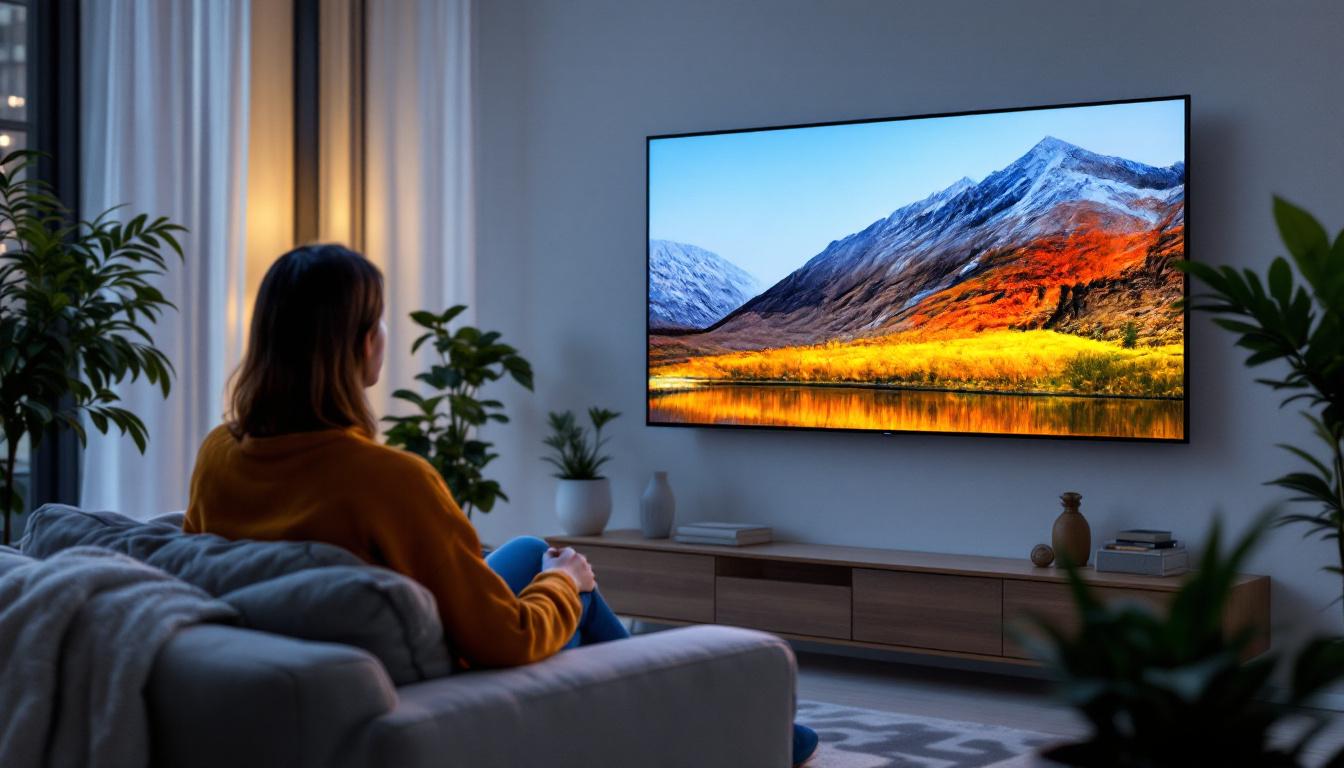
For home users, understanding viewing distance is essential to create an immersive yet comfortable environment. Sitting too close to a large LED TV can cause eye strain and make the pixels noticeable, while sitting too far reduces the impact of high-definition content.
For example, a 65-inch 4K LED TV with a pixel pitch of about 0.37 mm offers excellent detail at closer distances. Using a viewing distance calculator, the recommended distance might be around 5 to 8 feet (1.5 to 2.5 meters), allowing viewers to appreciate the ultra-high resolution without pixelation.
Commercial and Public Displays
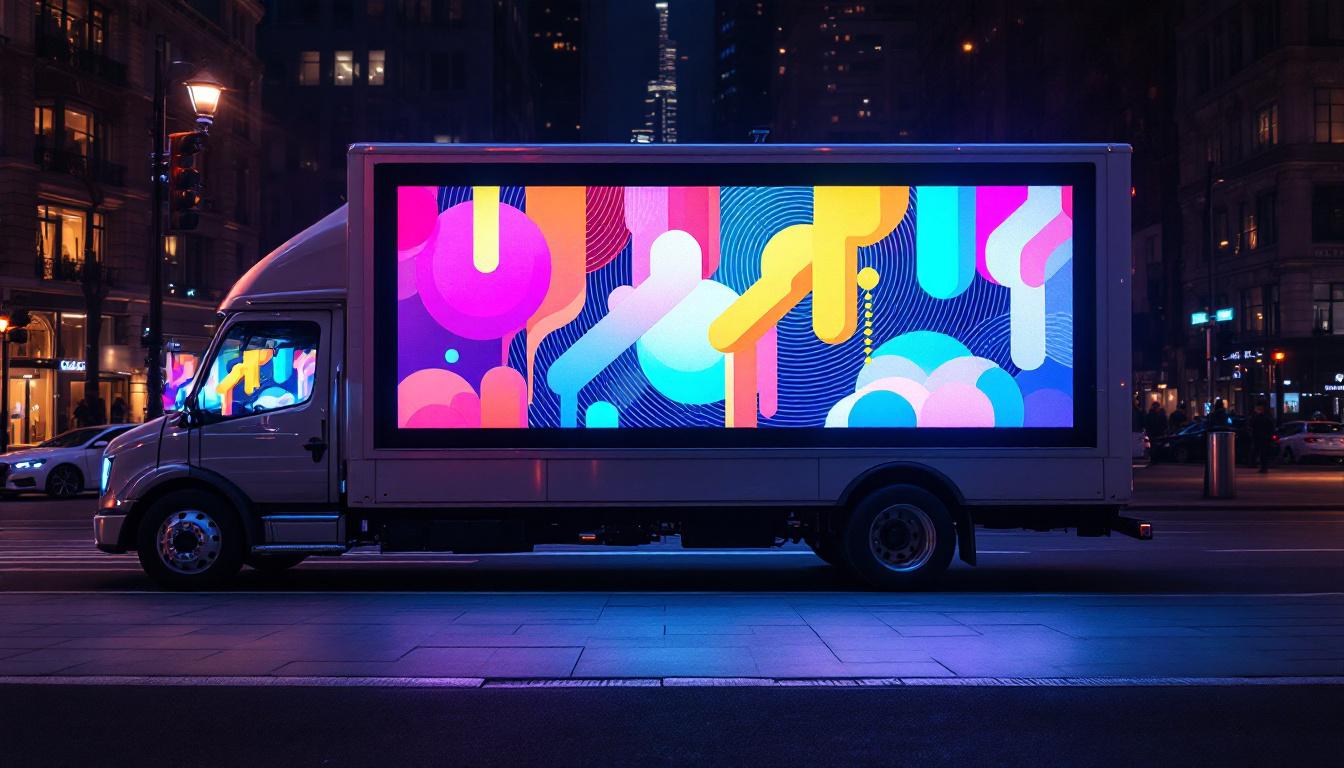
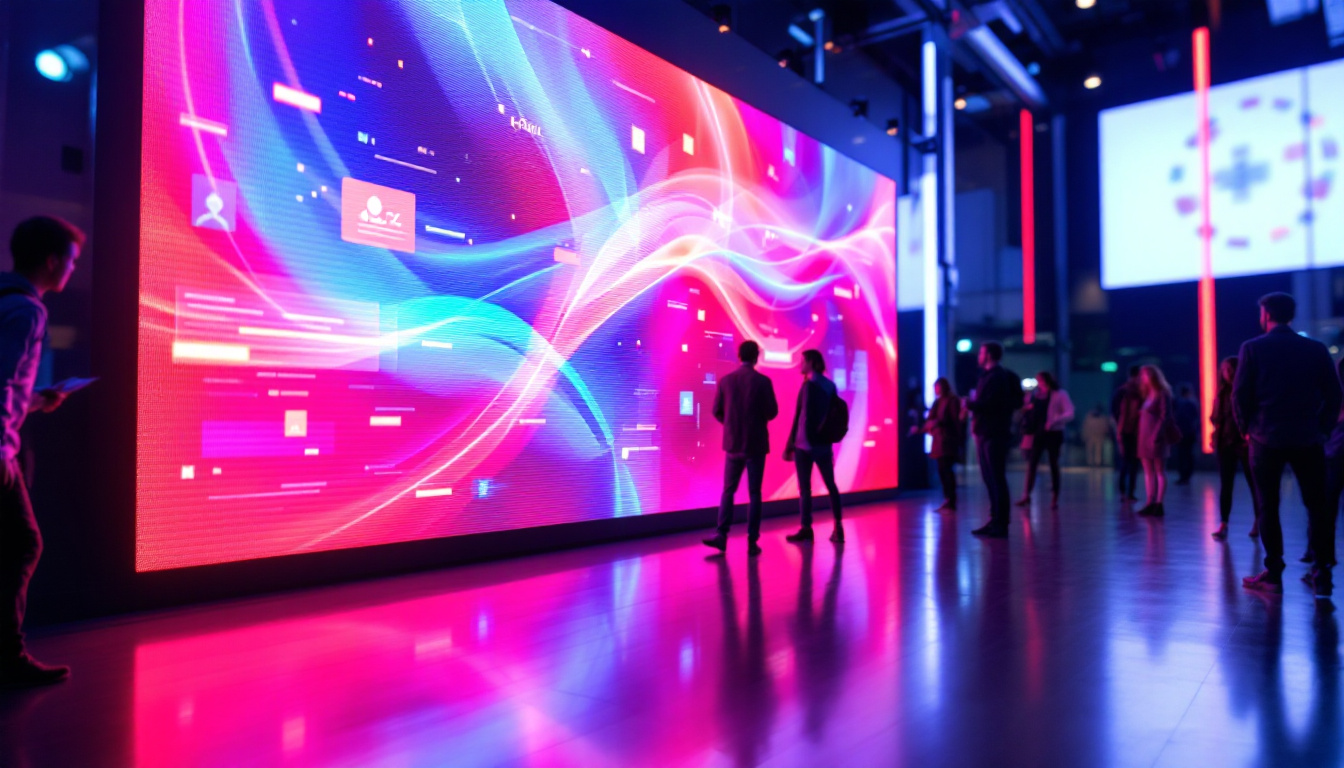
In commercial settings such as retail stores, airports, or stadiums, LED displays are often very large and viewed from varying distances. Calculating the optimal viewing distance helps designers select the appropriate pixel pitch and screen size to ensure legibility and impact.
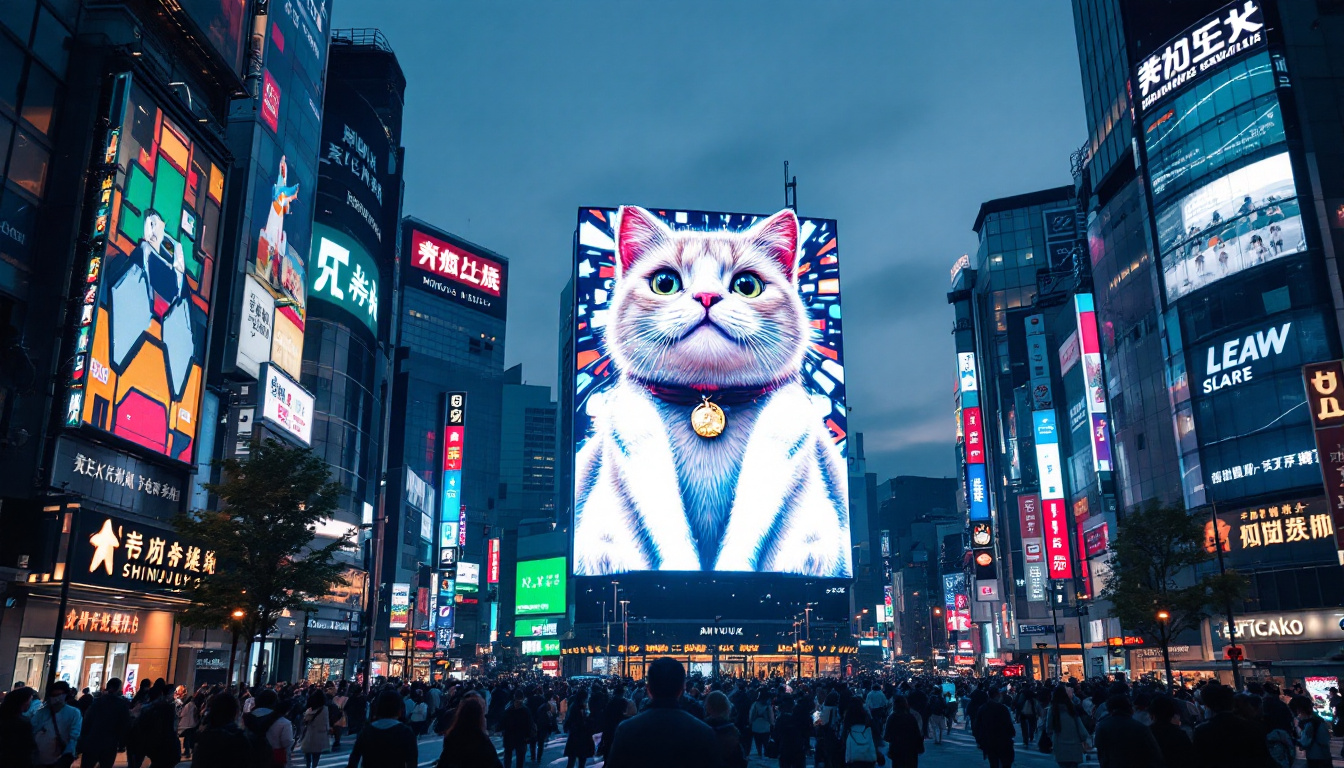
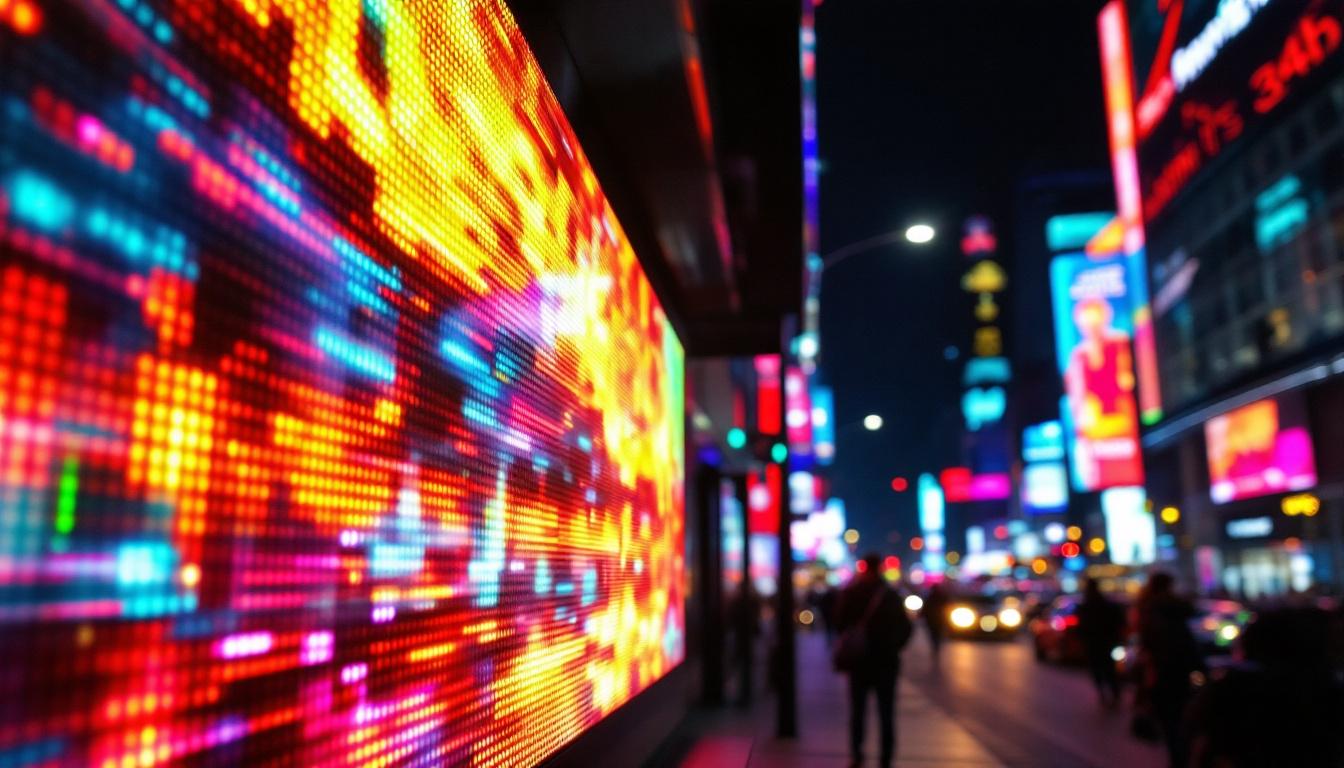
For instance, a digital billboard with a pixel pitch of 10 mm is designed to be viewed from at least 30 feet (9 meters) away. Closer than that, the image may appear grainy. Conversely, a display with a 2 mm pixel pitch can be viewed comfortably from just a few feet, making it suitable for indoor advertising or control rooms.
Professional Environments and Control Rooms
In environments like broadcast studios, control rooms, and conference centers, precise viewing distances are critical for accurate color grading, monitoring, and presentations. Professionals rely on high-resolution LED displays with fine pixel pitches and carefully calculated viewing distances to ensure every detail is visible and color fidelity is maintained.
Here, a screen viewing distance calculator helps optimize the setup, balancing the need for close inspection with ergonomic considerations to prevent fatigue during long working hours.
Tips for Choosing and Positioning LED Displays
Consider the Viewing Angle
LED displays typically offer wide viewing angles, but image quality can degrade if viewed from extreme angles. When positioning a display, ensure that the primary viewing area falls within the optimal angle range, usually between 160° to 180° horizontally and vertically for direct view LED screens.
Account for Ambient Lighting
Brightness and contrast are affected by ambient light conditions. LED displays perform well in bright environments due to their high luminance levels, but glare and reflections can still impact viewing comfort. Position screens to minimize direct light sources hitting the surface, and consider using anti-glare coatings or shades.
Use Adjustable Mounts
Flexibility in positioning can enhance the viewing experience. Adjustable mounts allow users to fine-tune the height, tilt, and distance of the LED display to suit different room layouts and viewer preferences.
Test Before Final Installation
Whenever possible, conduct a test viewing from various distances and angles before finalizing the installation. This hands-on approach helps verify the theoretical calculations and ensures the setup meets practical needs.
Future Trends in LED Display Viewing
Higher Resolutions and Smaller Pixel Pitch
As LED technology advances, pixel pitches are shrinking, enabling ultra-high-resolution displays that can be viewed comfortably at closer distances. MicroLED technology, for example, promises even finer pixel control and improved brightness, which will redefine optimal viewing distances in the near future.
Integration with Augmented Reality (AR) and Virtual Reality (VR)
The convergence of LED displays with AR and VR technologies is opening new possibilities for immersive experiences. In such cases, traditional viewing distance concepts may evolve as displays become part of wearable or mixed-reality environments.
Smart Viewing Distance Adjustments
Emerging smart display systems may incorporate sensors and AI to dynamically adjust brightness, contrast, and even recommend or enforce optimal viewing distances based on user behavior and environmental conditions.
Conclusion
Choosing the right viewing distance for an LED display is more than a matter of comfort; it directly impacts image quality, eye health, and the overall effectiveness of the display. By understanding LED technology, considering factors like pixel pitch and screen size, and utilizing screen viewing distance calculators, users can optimize their setups for any environment.
Whether for home entertainment, commercial advertising, or professional use, applying these principles ensures that LED displays deliver their full potential — vibrant, sharp, and visually engaging images that captivate audiences at the perfect distance.
Discover LumenMatrix LED Display Solutions
Ready to elevate your visual experience with the perfect LED display? LumenMatrix is at the forefront of LED technology, offering a wide range of innovative solutions tailored to your needs. From stunning Indoor and Outdoor LED Wall Displays to dynamic Vehicle and Sports LED Displays, our products are designed to captivate and engage. Explore our LED Poster Displays, Floor LEDs, Custom configurations, All-in-One solutions, and Transparent Displays to find the ideal match for your space. Embrace the future of visual communication with LumenMatrix and transform how you share your message. Check out LumenMatrix LED Display Solutions today and see the difference for yourself.