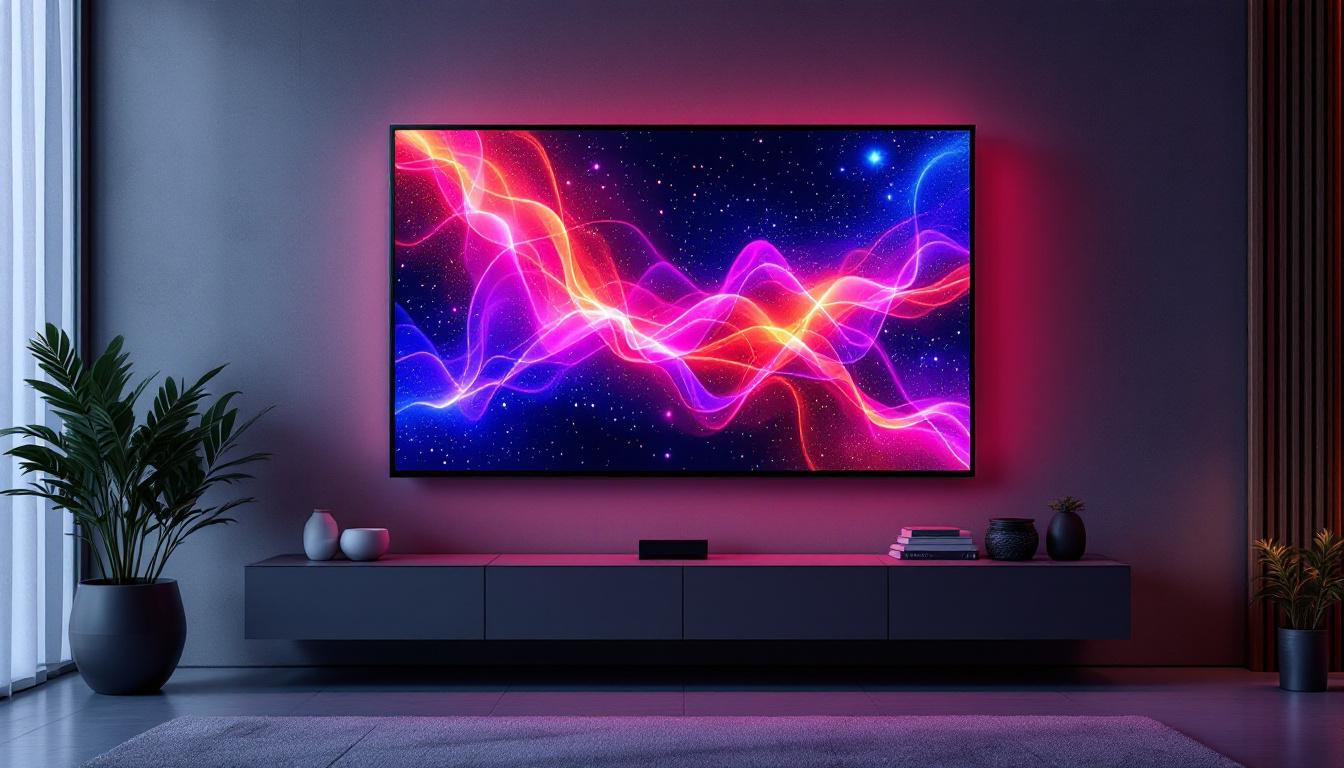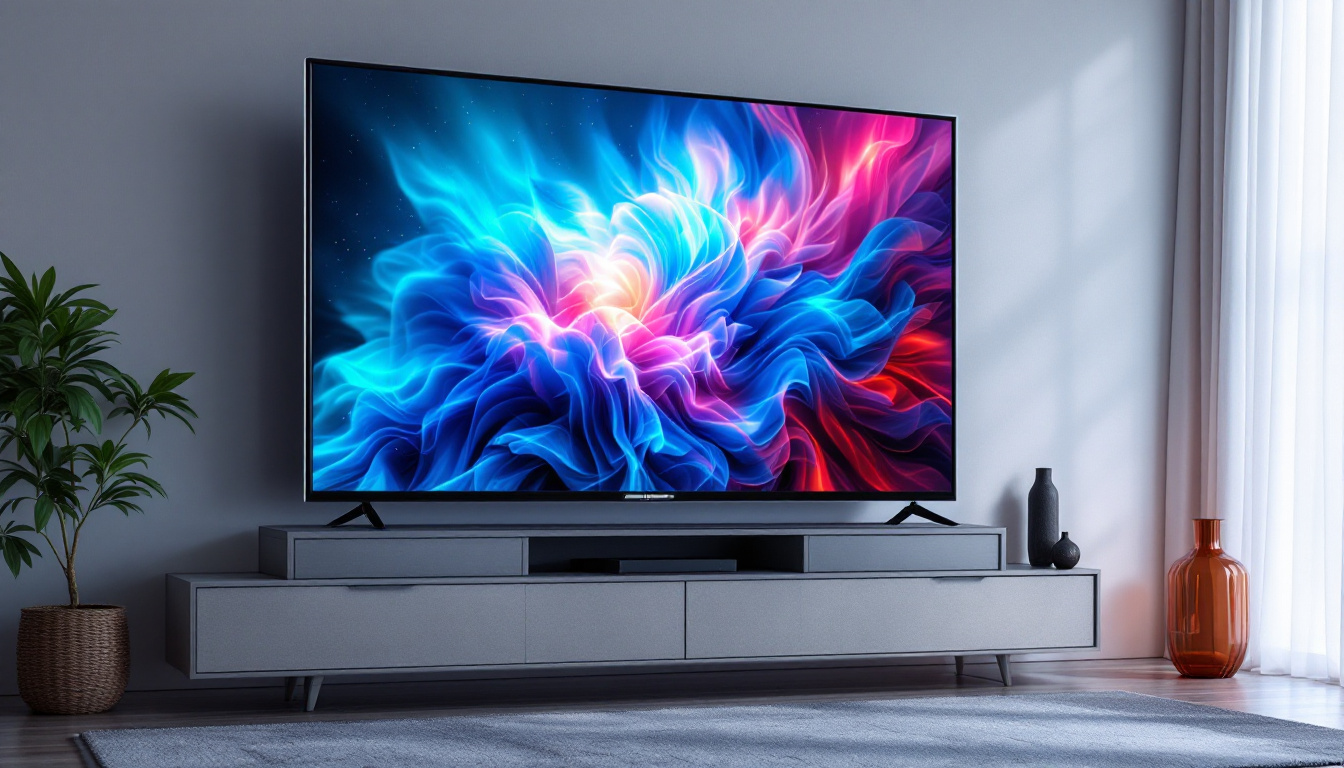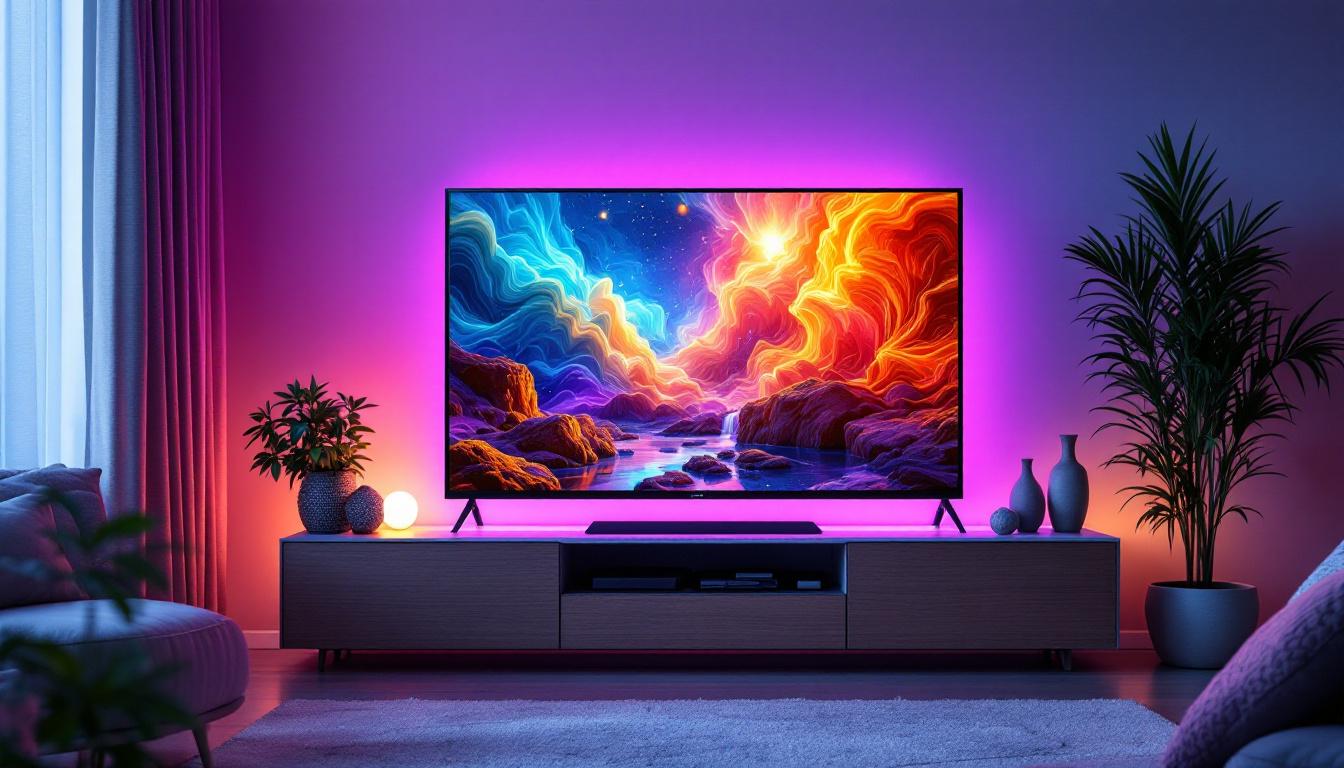
In today’s digital age, television technology has evolved rapidly, offering viewers a variety of display options that enhance picture quality, color accuracy, and overall viewing experience. Among these options, LED displays have become a dominant technology in the market. This article explores the fundamentals of LED displays, their role in monitor tuner TVs, and why understanding this technology is crucial for consumers seeking the best visual performance.
Understanding LED Display Technology
LED, or Light Emitting Diode, technology has revolutionized the way screens display images. Unlike traditional LCDs that rely on cold cathode fluorescent lamps (CCFLs) for backlighting, LED displays use light-emitting diodes to illuminate the screen. This shift has brought numerous advantages, including improved brightness, energy efficiency, and color reproduction.
LED displays come in various forms, primarily distinguished by how the LEDs are integrated into the screen. The two main types are Edge-Lit LED and Direct-Lit (or Full-Array) LED. Edge-Lit LED TVs position LEDs along the edges of the screen, using light guides to distribute illumination evenly. This design allows for thinner panels and often reduces manufacturing costs. Conversely, Direct-Lit LED TVs have an array of LEDs placed directly behind the screen, enabling better control over local dimming zones and enhancing contrast ratios.
How LED Displays Work in Monitor Tuner TVs
Monitor tuner TVs combine the functionality of a computer monitor with integrated TV tuners, allowing users to watch broadcast television without additional devices. The LED display in these TVs plays a critical role in delivering clear, vibrant images. The LED backlighting provides consistent illumination across the screen, which is essential for rendering high-definition broadcasts accurately.
In practical terms, the LED display ensures that colors are vivid and blacks are deep, which is particularly important when watching content with a wide dynamic range. The tuner’s ability to decode various broadcast signals, paired with the LED screen’s quality, results in a seamless viewing experience whether the content is live sports, movies, or news.
Advantages of LED Displays in Modern TVs
The transition to LED displays has brought several benefits that directly impact user experience. These advantages are not only technological but also practical, affecting energy consumption, device longevity, and picture quality.
Energy Efficiency and Environmental Impact
One of the most significant benefits of LED technology is its energy efficiency. LEDs consume considerably less power than CCFL backlights, which translates to lower electricity bills and a reduced environmental footprint. According to the U.S. Department of Energy, LED TVs can use up to 30-50% less energy than their CCFL counterparts.
This efficiency is particularly relevant for monitor tuner TVs, which are often used for extended periods. Reduced power consumption not only benefits the environment but also contributes to less heat generation, prolonging the lifespan of the television components.
Improved Picture Quality
LED displays offer superior picture quality compared to older technologies. With better brightness levels, LED TVs can produce more vivid images that are easier to see in well-lit rooms. The ability to implement local dimming in full-array LED TVs enhances contrast by dimming specific screen areas while keeping others bright, resulting in deeper blacks and more detailed shadows.
Color accuracy is another area where LED displays excel. Modern LED TVs often support wide color gamuts and high dynamic range (HDR) content, which deliver richer, more lifelike colors. This capability is essential for monitor tuner TVs that aim to provide a premium viewing experience without the need for external devices.
Types of LED Displays in Monitor Tuner TVs
Understanding the different types of LED displays helps consumers make informed decisions when purchasing a monitor tuner TV. Each type offers unique benefits and trade-offs depending on usage scenarios and budget.
Edge-Lit LED Displays
Edge-Lit LED TVs are popular due to their slim design and affordability. By placing LEDs along the edges of the screen, manufacturers can create thinner panels that fit well in modern living spaces. However, this design can sometimes lead to uneven brightness and less effective local dimming, which may affect contrast quality.
For users primarily watching television in moderately lit rooms or using the monitor tuner TV as a secondary display, edge-lit LEDs provide a good balance between performance and cost.
Direct-Lit and Full-Array LED Displays
Direct-Lit LED TVs position LEDs directly behind the screen, offering more uniform backlighting. Full-Array LED TVs take this a step further by dividing the backlight into multiple dimming zones. This local dimming capability significantly improves contrast and black levels, making these TVs ideal for dark-room viewing and high-definition content.
While generally more expensive, full-array LED TVs are preferred by enthusiasts and professionals who demand superior picture quality from their monitor tuner TVs.
Mini-LED and Micro-LED: The Next Generation
Emerging LED technologies such as Mini-LED and Micro-LED are pushing the boundaries of display performance. Mini-LEDs use thousands of tiny LEDs for backlighting, increasing the number of dimming zones and enhancing contrast and brightness control. Micro-LED technology integrates microscopic LEDs directly into the display surface, offering exceptional brightness, contrast, and color accuracy without the need for traditional backlighting.
While these technologies are currently premium options, their adoption is expected to grow, making them relevant considerations for future monitor tuner TV purchases.
Choosing the Right Monitor Tuner TV with LED Display
Selecting the ideal monitor tuner TV involves evaluating several factors beyond just the LED display type. Understanding these considerations ensures that the chosen device meets the viewer’s specific needs and preferences.
Screen Size and Resolution
Screen size is a critical factor that affects viewing comfort and immersion. Monitor tuner TVs are available in a range of sizes, from compact 24-inch models suitable for desks to large 55-inch or more for living rooms. The choice depends on the intended viewing distance and space constraints.
Resolution is equally important. Full HD (1080p) remains common, but 4K Ultra HD TVs are increasingly affordable and provide four times the pixel count, delivering sharper images and finer detail. For users who consume high-definition broadcasts or streaming content, opting for a 4K LED display is advisable.
Connectivity and Tuner Compatibility
Since monitor tuner TVs integrate broadcast reception, it is essential to verify tuner compatibility with local broadcast standards such as ATSC in North America, DVB-T in Europe, or ISDB-T in Japan. Ensuring the TV supports the appropriate tuner type guarantees access to free-to-air channels without additional equipment.
Additionally, the availability of HDMI, USB, and other input ports enhances the TV’s versatility, allowing users to connect gaming consoles, media players, or external storage devices.
Additional Features and Smart Capabilities
Modern monitor tuner TVs often come equipped with smart features, including built-in streaming apps, voice control, and screen mirroring. These capabilities add value by expanding entertainment options beyond traditional broadcast TV.
When selecting a monitor tuner TV, consider whether smart functionality is a priority. Some users may prefer a straightforward tuner TV without smart features to minimize complexity, while others may benefit from integrated streaming services.
Maintenance and Longevity of LED Monitor Tuner TVs
Proper care and maintenance extend the lifespan of LED monitor tuner TVs and preserve image quality over time. Understanding best practices can help users maximize their investment.
Optimal Usage Conditions
LED TVs perform best in environments with controlled lighting. Excessive ambient light can wash out the image, while prolonged exposure to direct sunlight may degrade the screen. Positioning the TV away from windows or using curtains can mitigate these effects.
Regularly adjusting brightness and contrast settings to suit room conditions not only improves viewing comfort but also reduces strain on the LED backlight, potentially extending its lifespan.
Cleaning and Handling
Cleaning the screen with a soft, lint-free cloth and avoiding harsh chemicals prevents damage to the delicate LED panel. It is advisable to power off the TV before cleaning to avoid electrical issues.
Handling the TV carefully during installation and transport reduces the risk of physical damage to the LED display and internal components.
Future Trends in LED Display Technology for Monitor Tuner TVs
The landscape of LED display technology continues to evolve, driven by consumer demand for higher quality and more immersive viewing experiences. Several trends are shaping the future of monitor tuner TVs.
Integration of AI and Machine Learning
Artificial intelligence is increasingly being integrated into display technology to optimize picture quality dynamically. AI algorithms can analyze content in real-time and adjust brightness, contrast, and color settings to enhance the viewing experience automatically.
This innovation promises to make LED monitor tuner TVs more adaptive and user-friendly, particularly for users who prefer hassle-free operation.
Advancements in HDR and Color Accuracy
High Dynamic Range (HDR) technology continues to improve, with standards like HDR10+, Dolby Vision, and HLG becoming more widespread. These advancements allow LED displays to render a broader range of colors and brightness levels, making images more realistic.
Future monitor tuner TVs will likely support multiple HDR formats, ensuring compatibility with diverse content sources and maximizing visual fidelity.
Eco-Friendly Manufacturing and Recycling
As environmental concerns grow, manufacturers are adopting sustainable practices in producing LED displays. This includes using recyclable materials, reducing hazardous substances, and improving energy efficiency throughout the product lifecycle.
Consumers can expect more eco-conscious options in the monitor tuner TV market, aligning with global efforts to reduce electronic waste and carbon footprints.
Conclusion
LED display technology has become the cornerstone of modern monitor tuner TVs, offering significant improvements in picture quality, energy efficiency, and design flexibility. Understanding the different types of LED displays, their advantages, and key features helps consumers make informed choices tailored to their viewing preferences and environments.
As technology advances, the integration of AI, enhanced HDR capabilities, and sustainable manufacturing will further elevate the performance and appeal of LED monitor tuner TVs. Whether for casual viewing, professional use, or entertainment, these devices continue to deliver exceptional value and visual excellence.
Discover LumenMatrix’s Advanced LED Display Solutions
Ready to experience the pinnacle of LED display technology in your monitor tuner TV? LumenMatrix is at the forefront of innovation, offering a wide array of LED display modules designed to transform your viewing experience. From the comfort of your living room to the excitement of an outdoor event, our solutions, including Indoor and Outdoor LED Wall Displays, Vehicle LED Displays, and more, cater to every need. Elevate your visual engagement and explore our cutting-edge solutions today. Check out LumenMatrix LED Display Solutions and see the difference for yourself.