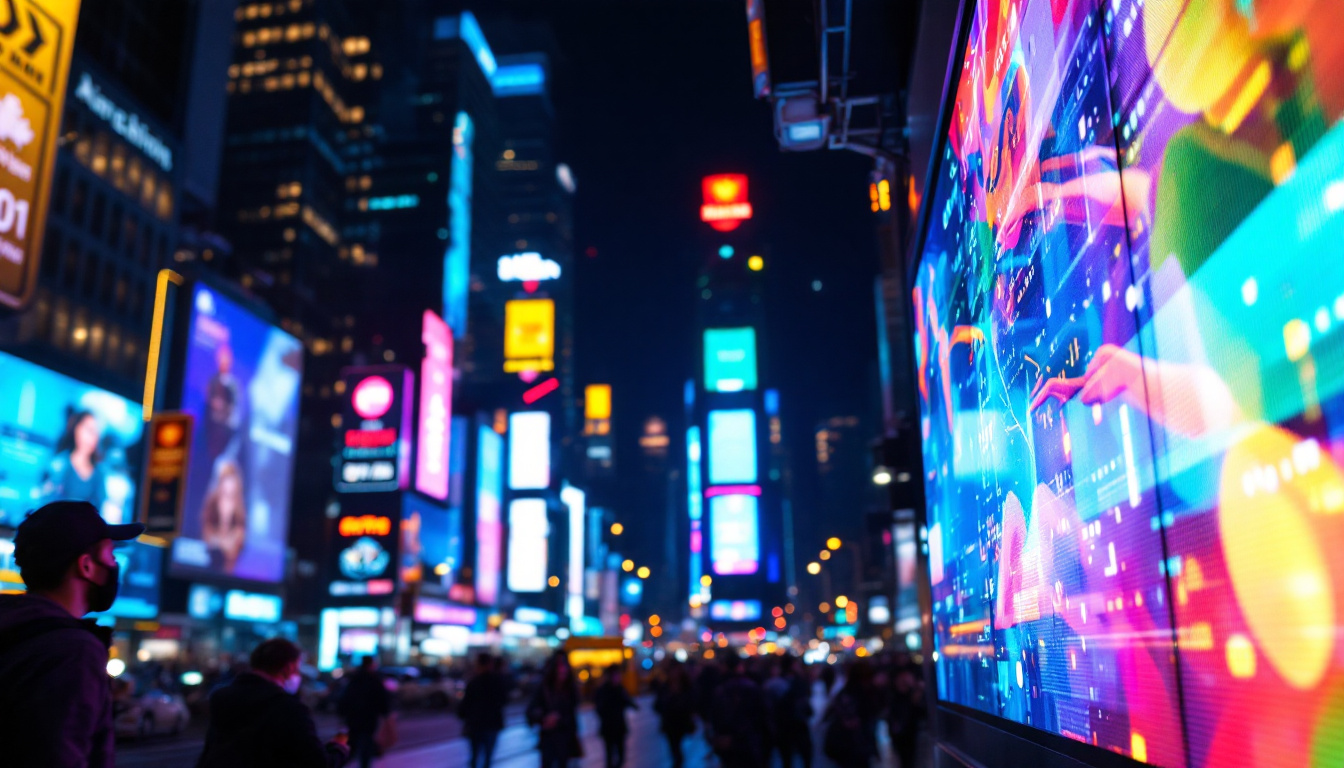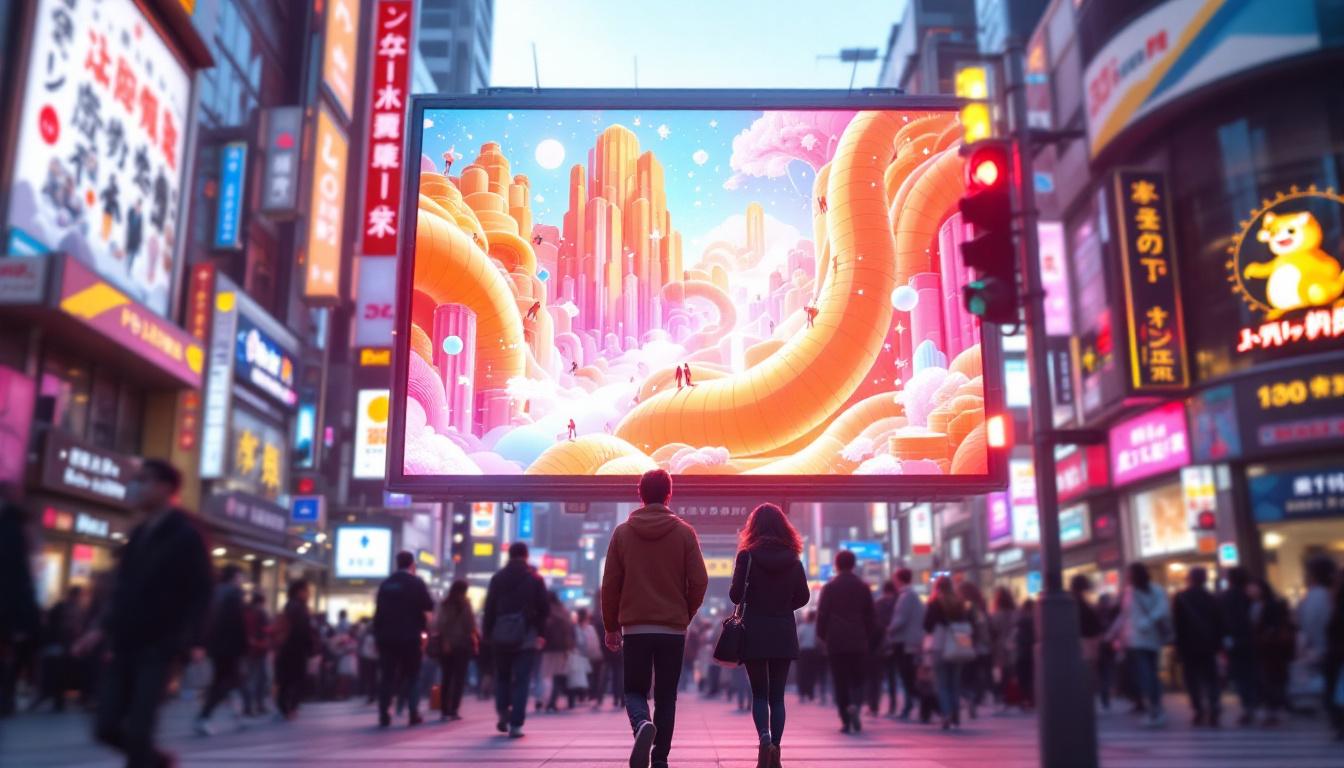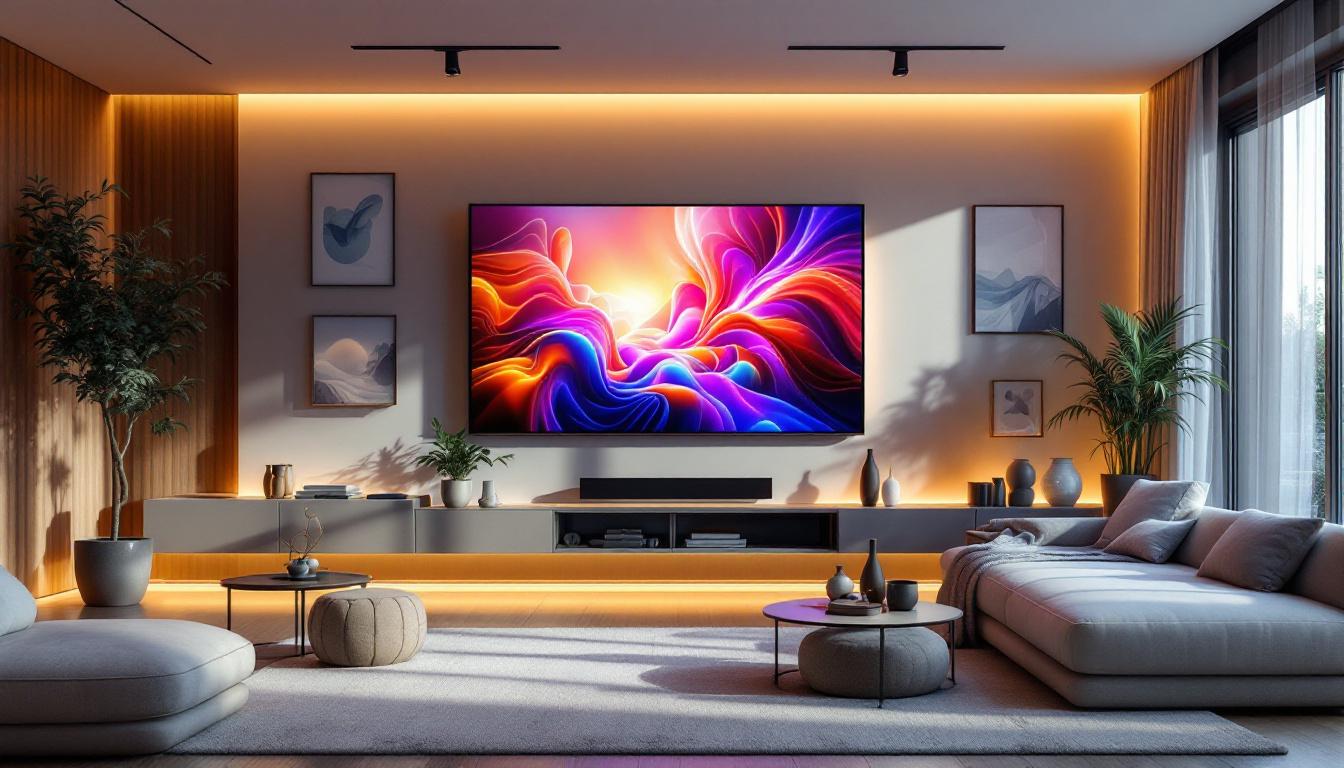
In the rapidly evolving world of electronics, LED displays have become a cornerstone technology, shaping how information is presented across countless applications. From the vivid billboards that light up cityscapes to the compact screens on wearable devices, LED displays offer versatility, efficiency, and stunning visual quality. This article delves into the fundamentals of LED display technology, exploring its types, working principles, advantages, and the future trends that continue to drive innovation.
Understanding LED Technology
What is an LED?
LED stands for Light Emitting Diode, a semiconductor device that emits light when an electric current passes through it. Unlike traditional incandescent bulbs, LEDs produce light through electroluminescence, a process where electrons recombine with holes in the semiconductor material, releasing energy in the form of photons. This mechanism allows LEDs to be highly energy-efficient, durable, and capable of producing bright, vibrant colors.
Since their commercial introduction in the 1960s, LEDs have undergone significant advancements. Early LEDs emitted only red light and were primarily used as indicator lights. Today, LEDs come in a full spectrum of colors, including white, and are integral to display technologies worldwide. The evolution of LED technology has also led to the development of organic LEDs (OLEDs) and quantum dot LEDs (QLEDs), which further enhance color range and display quality. These innovations have opened new avenues in the world of lighting and display, allowing for thinner, more flexible screens and improved energy efficiency.
How LEDs are Used in Displays
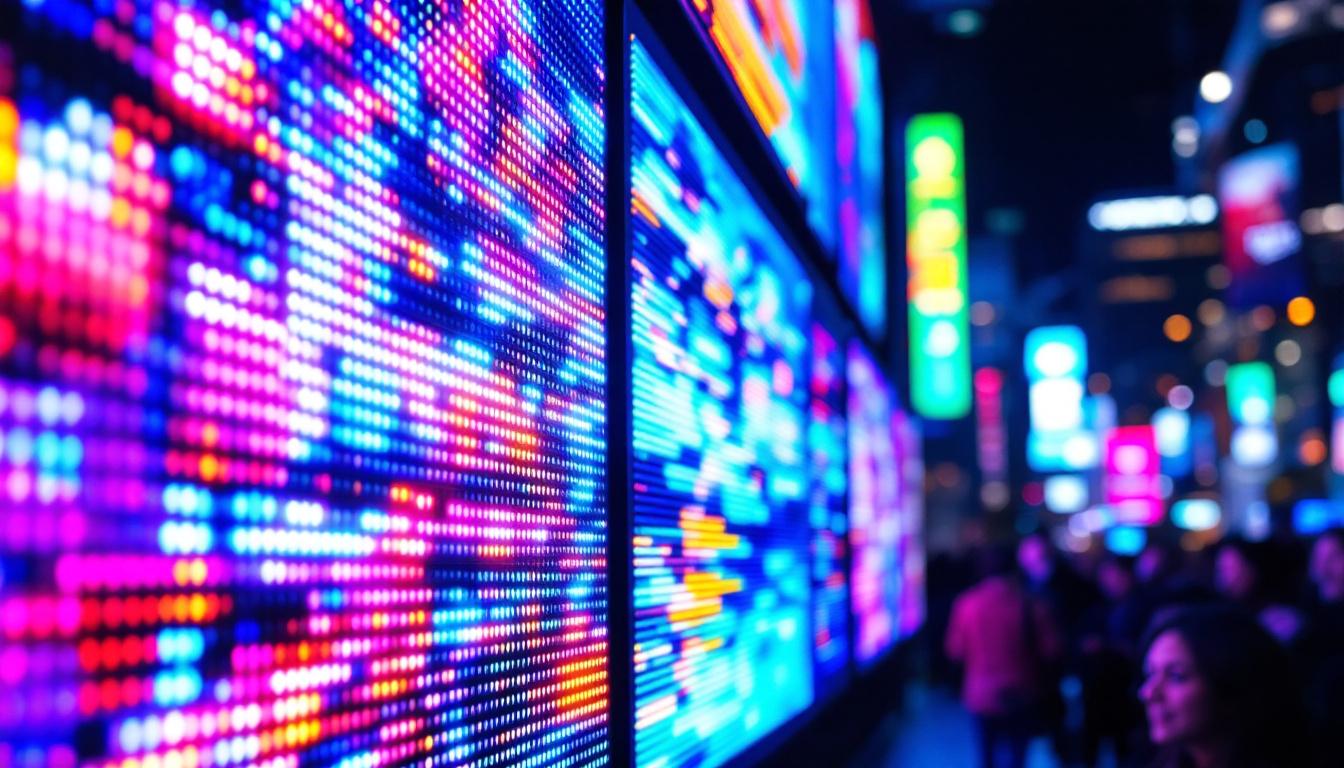
In LED displays, individual LEDs function as tiny pixels or subpixels, each capable of producing specific colors. By combining red, green, and blue LEDs in varying intensities, displays can render a wide range of colors through additive color mixing. This principle enables LED displays to achieve high color accuracy and brightness, making them ideal for both indoor and outdoor applications. The ability to control each pixel independently allows for dynamic content, such as video and animations, which can be displayed with remarkable clarity and detail.
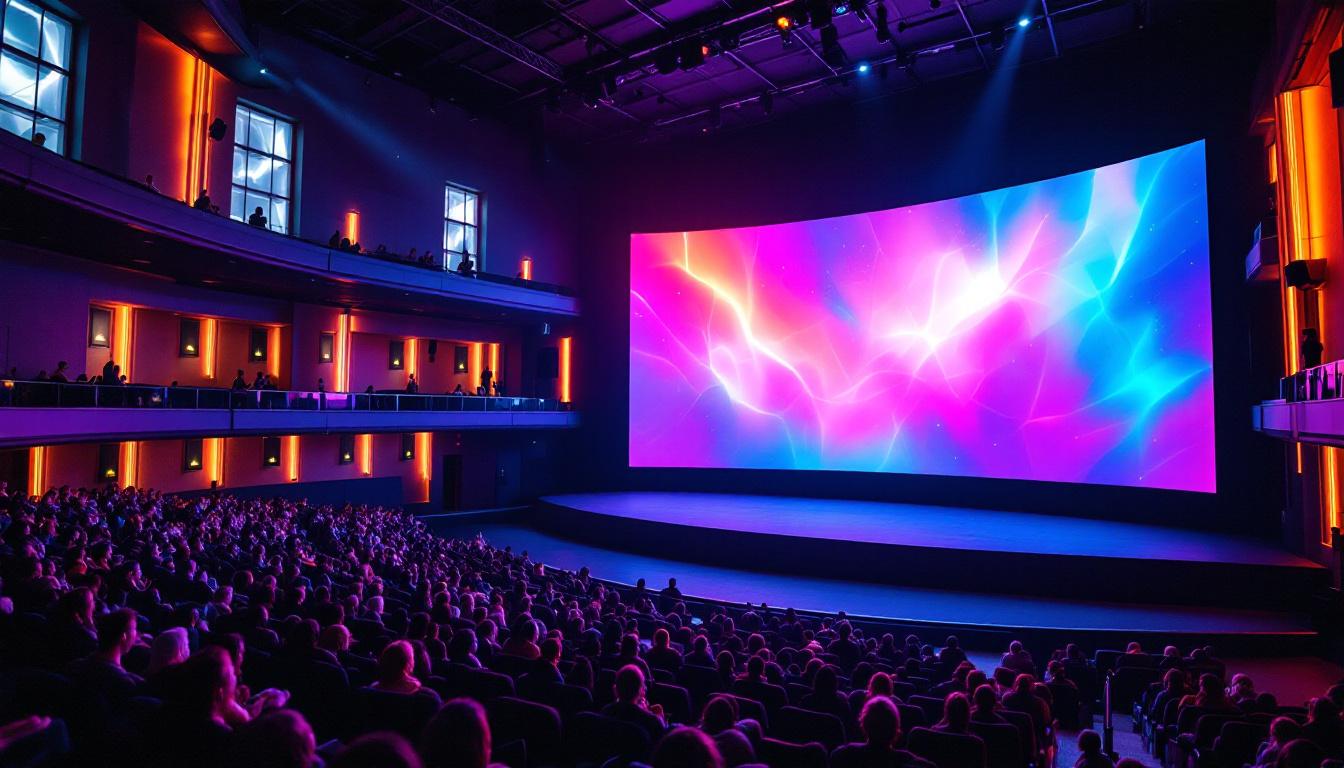
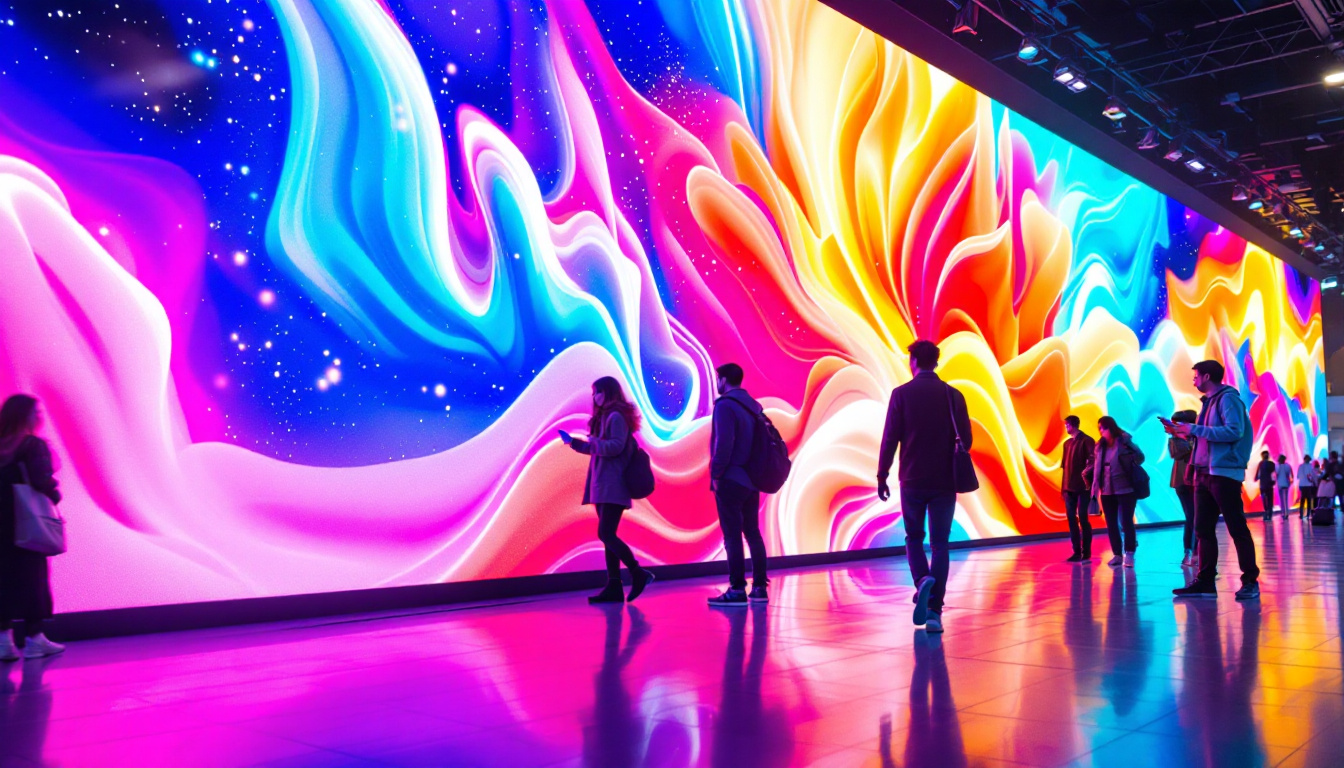
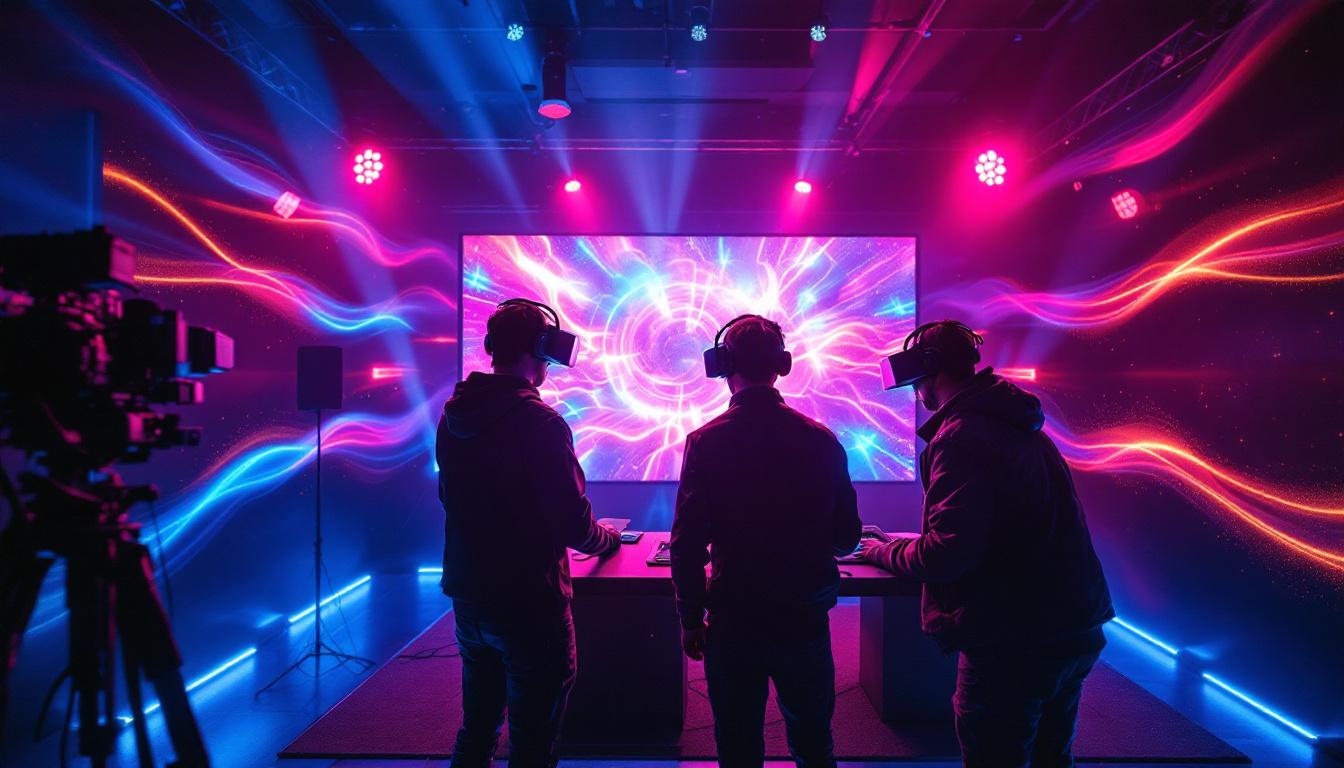
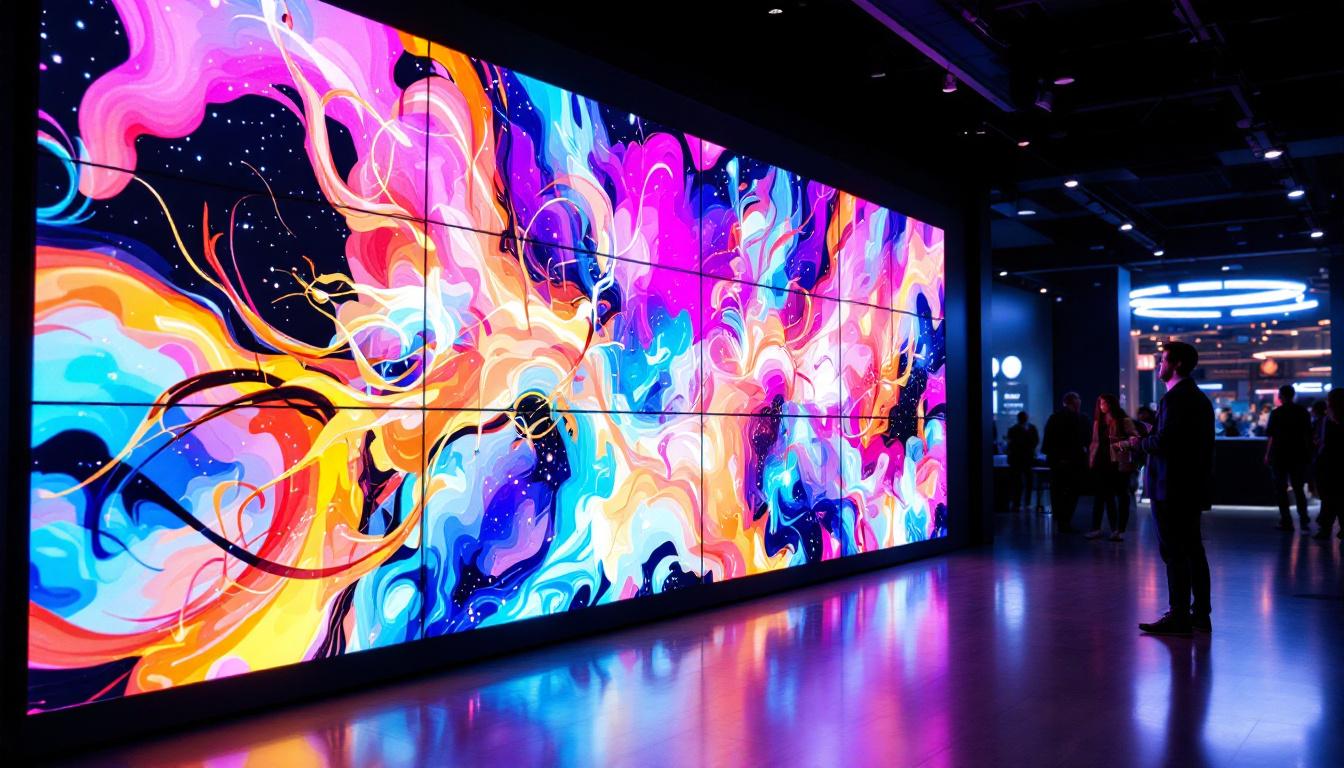
Moreover, LEDs can be arranged in various configurations, from simple single-color indicator panels to complex full-color video walls. The modular nature of LED technology allows for scalable display sizes and resolutions, tailored to specific use cases. For instance, in sports arenas, large LED screens are used to enhance the viewing experience, providing real-time statistics and replays. Additionally, the lightweight and thin design of LED panels makes them suitable for creative installations, such as digital art displays and immersive environments, where traditional display technologies would be impractical. The versatility of LED technology continues to inspire innovation in various fields, including advertising, education, and entertainment.
Types of LED Displays
Segment Displays
One of the earliest and simplest forms of LED displays is the segment display, commonly seen in digital clocks, calculators, and basic instrumentation. These displays use a limited number of LED segments arranged to form numerals or characters. The most familiar is the seven-segment display, which can represent digits 0 through 9 by illuminating specific segments.
While segment displays are cost-effective and easy to implement, their limited resolution restricts them to displaying basic information rather than detailed graphics or text.
Dot Matrix Displays
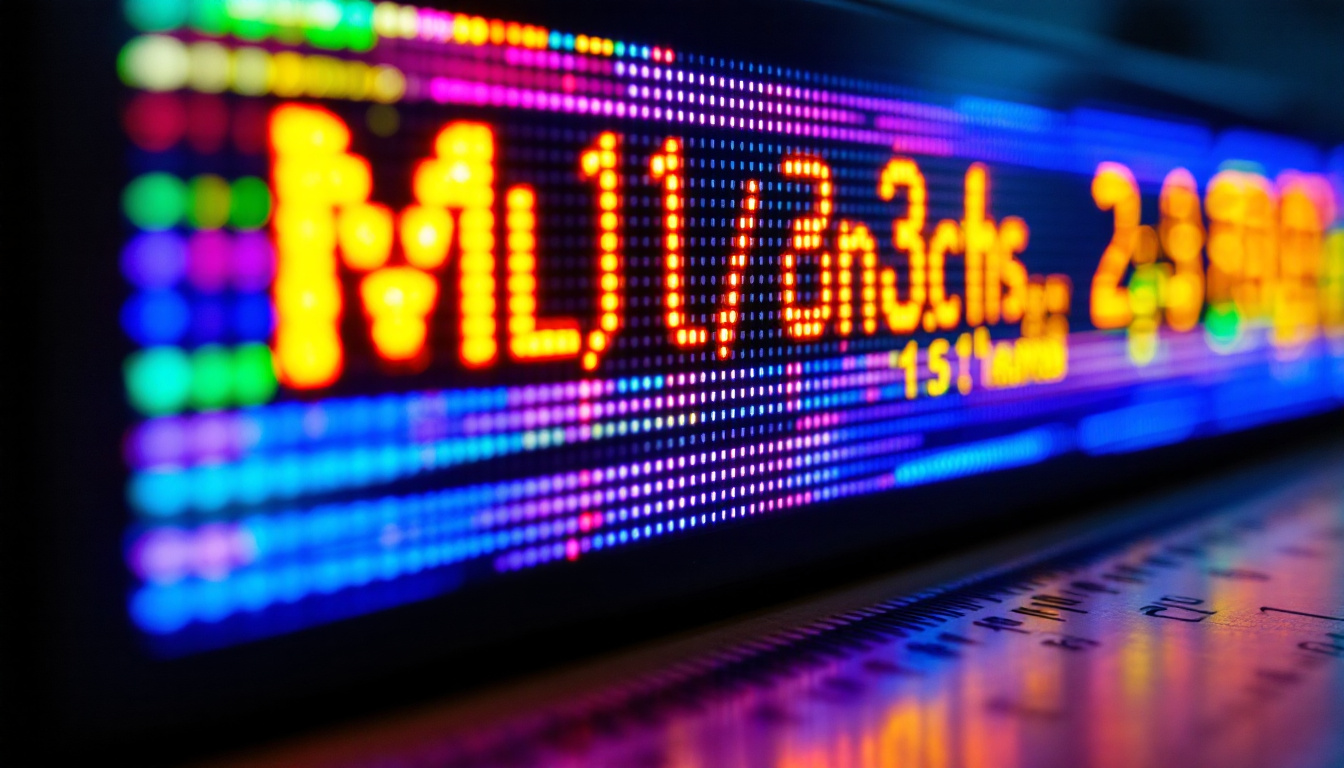
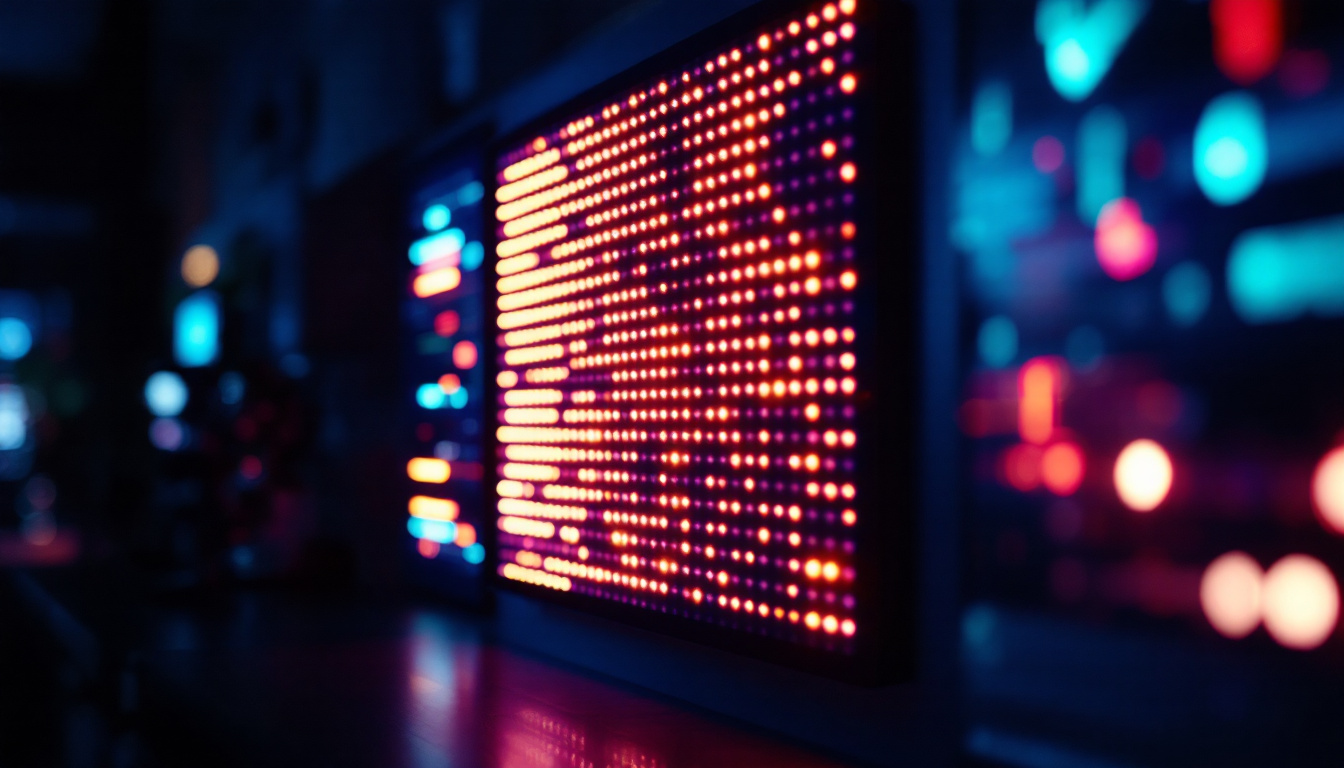
Dot matrix LED displays consist of a grid of individual LEDs arranged in rows and columns. By selectively illuminating LEDs within the matrix, these displays can render alphanumeric characters, symbols, and simple graphics. Common applications include public transit signs, scoreboards, and scrolling message boards.
Dot matrix displays offer greater flexibility than segment displays, allowing dynamic content updates and more complex visual information. However, their resolution and color capabilities vary depending on the density and type of LEDs used.
Full-Color LED Video Walls
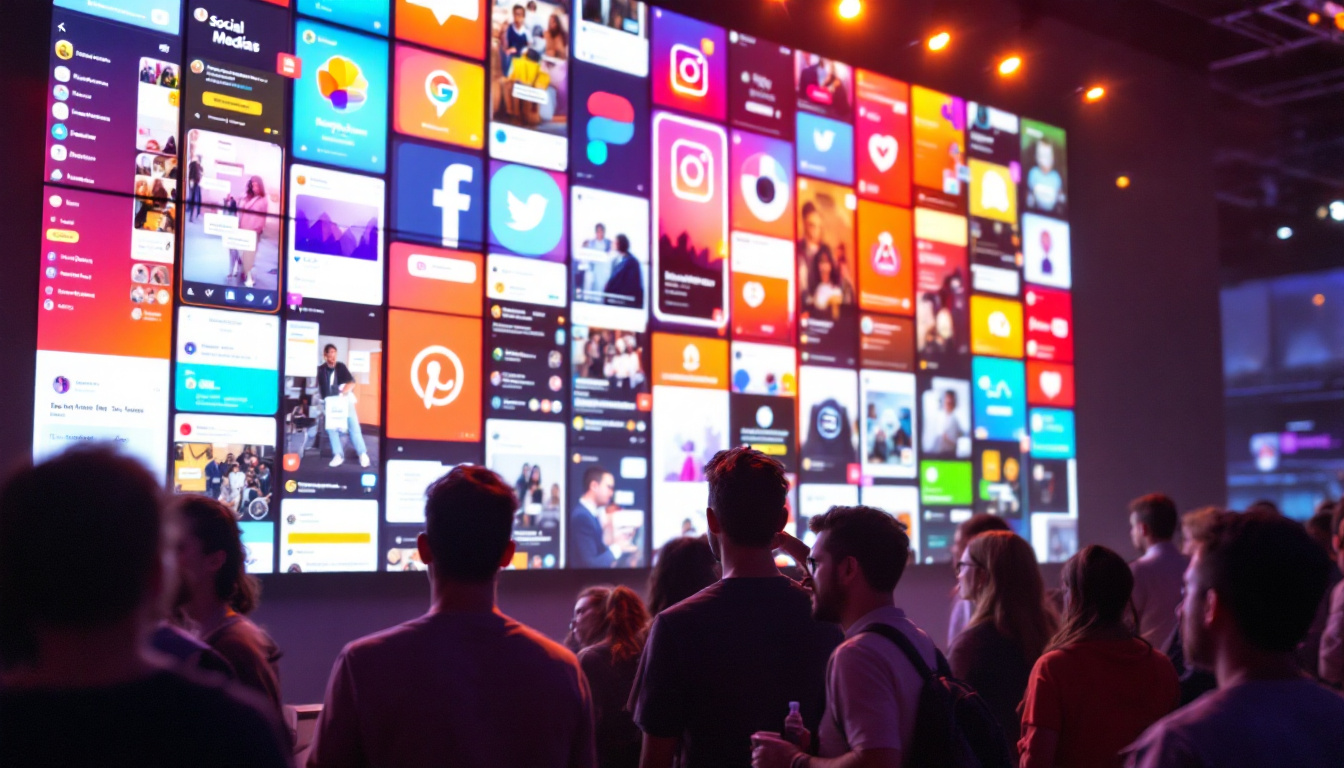
Full-color LED video walls represent the pinnacle of LED display technology. These displays use clusters of red, green, and blue LEDs, known as pixels, to create millions of colors and high-resolution images. They are widely employed in advertising, entertainment, sports arenas, and control rooms.
Modern LED video walls can achieve pixel pitches as small as 0.5 millimeters, enabling ultra-high-definition displays suitable for close viewing distances. Their brightness levels often exceed 1,000 nits, ensuring visibility even in direct sunlight. Additionally, these displays support high refresh rates and wide viewing angles, enhancing the overall visual experience.
How LED Displays Work: The Technical Perspective
Pixel Structure and Color Mixing
Each pixel in a full-color LED display comprises three subpixels: red, green, and blue. By varying the intensity of each subpixel through pulse-width modulation (PWM) or current control, the display can produce a broad spectrum of colors. This RGB color model is fundamental to most digital displays, replicating the way human vision perceives color.
Advanced LED displays may also incorporate additional colors, such as white or yellow, to enhance color accuracy and brightness efficiency. These configurations, known as RGBW or RGBA, help reduce power consumption and improve image quality.
Driving Circuits and Control Systems
LED displays require sophisticated driving circuits to manage the timing, intensity, and color of each LED. These circuits include LED drivers, multiplexers, and microcontrollers or FPGAs that process input signals and translate them into pixel data.
Multiplexing techniques reduce the number of control lines needed by scanning through rows or columns rapidly, creating the perception of a stable image. Modern LED controllers also incorporate error correction, brightness calibration, and temperature compensation to maintain consistent performance over time.
Brightness and Contrast Considerations
Brightness in LED displays is measured in nits (cd/m²), with typical indoor displays ranging from 300 to 1,000 nits, and outdoor displays often exceeding 5,000 nits to combat ambient sunlight. High brightness is crucial for readability and visual impact, especially in environments with variable lighting conditions.
Contrast ratio, the difference between the brightest and darkest parts of the display, affects image clarity and depth perception. LED displays inherently offer high contrast due to their ability to turn off individual LEDs completely, producing true blacks unlike backlit LCDs.
Advantages of LED Displays Over Other Technologies
Energy Efficiency and Longevity
LED displays consume significantly less power compared to traditional display technologies such as cathode ray tubes (CRTs) or plasma screens. Their solid-state nature means fewer components are subject to wear and tear, resulting in longer operational lifespans—often exceeding 100,000 hours under optimal conditions.
This efficiency translates into lower operating costs and reduced environmental impact, making LEDs a sustainable choice for large-scale installations.
Superior Visual Performance
LED displays excel in brightness, color gamut, and response time. Their ability to produce vivid colors and high contrast ratios enhances image quality, making them suitable for applications demanding visual precision, such as medical imaging, digital signage, and broadcast studios.
Additionally, LEDs have fast response times measured in nanoseconds, reducing motion blur and enabling smooth video playback—an important factor for dynamic content.
Design Flexibility and Scalability
The modular design of LED panels allows for flexible display sizes and shapes, including curved, flexible, and transparent configurations. This adaptability supports innovative architectural integrations and customized installations.
Scalability is another key advantage; LED displays can be built from small modules to massive video walls spanning hundreds of square meters, catering to diverse needs from wearable devices to stadium screens.
Applications of LED Displays in Modern Electronics
Advertising and Public Information
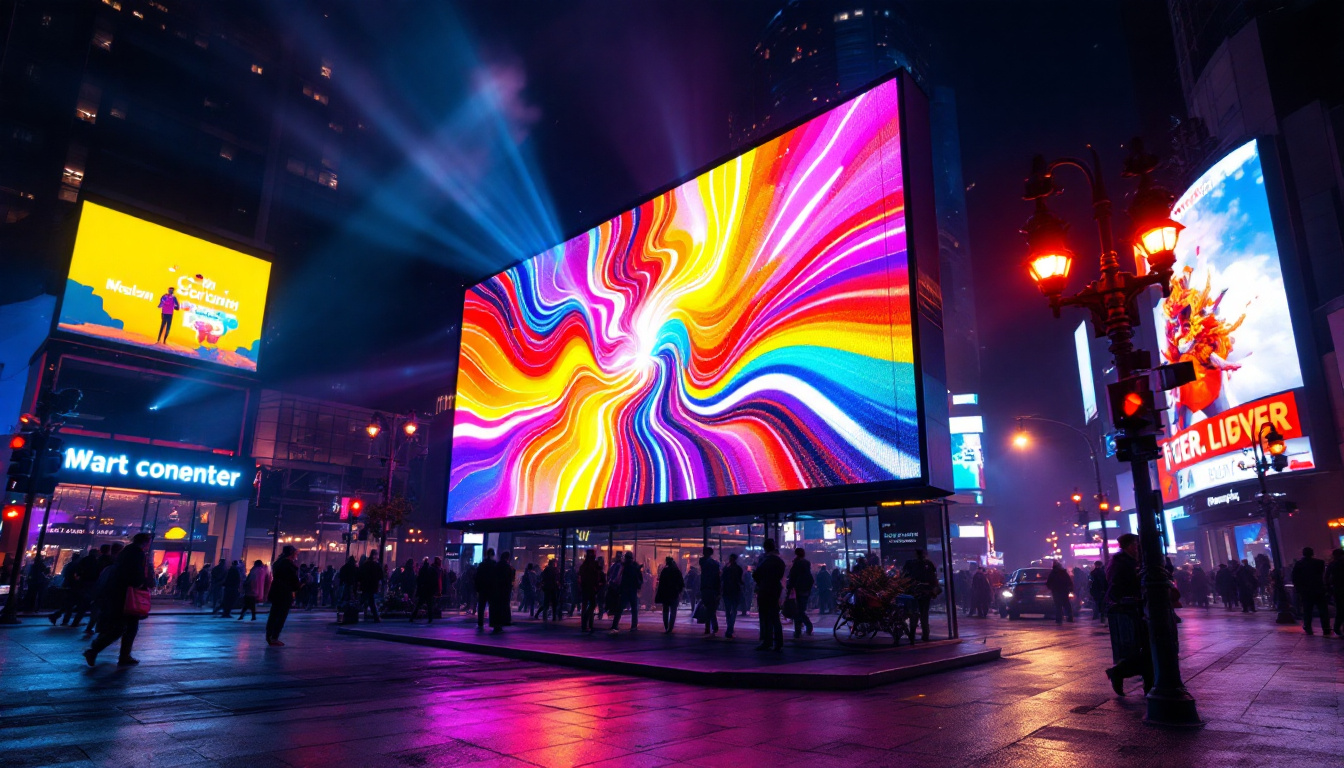
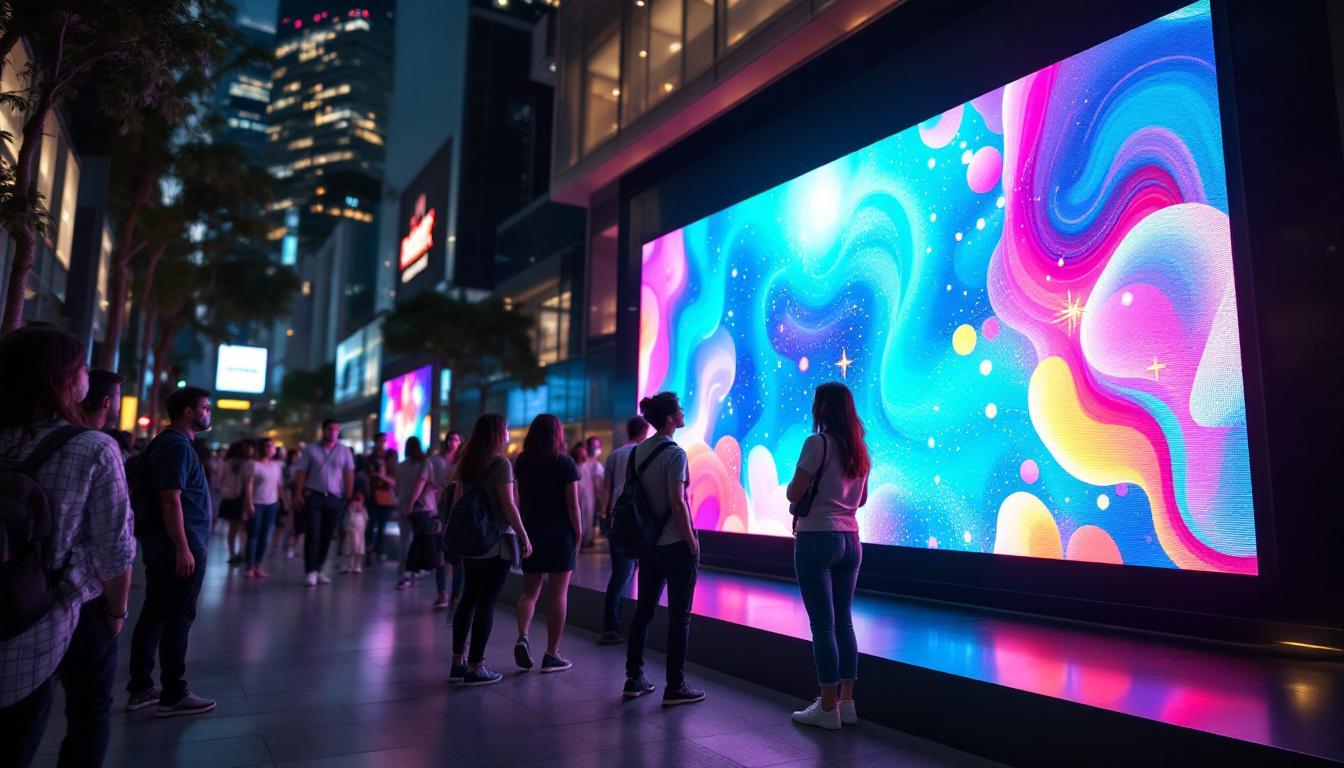
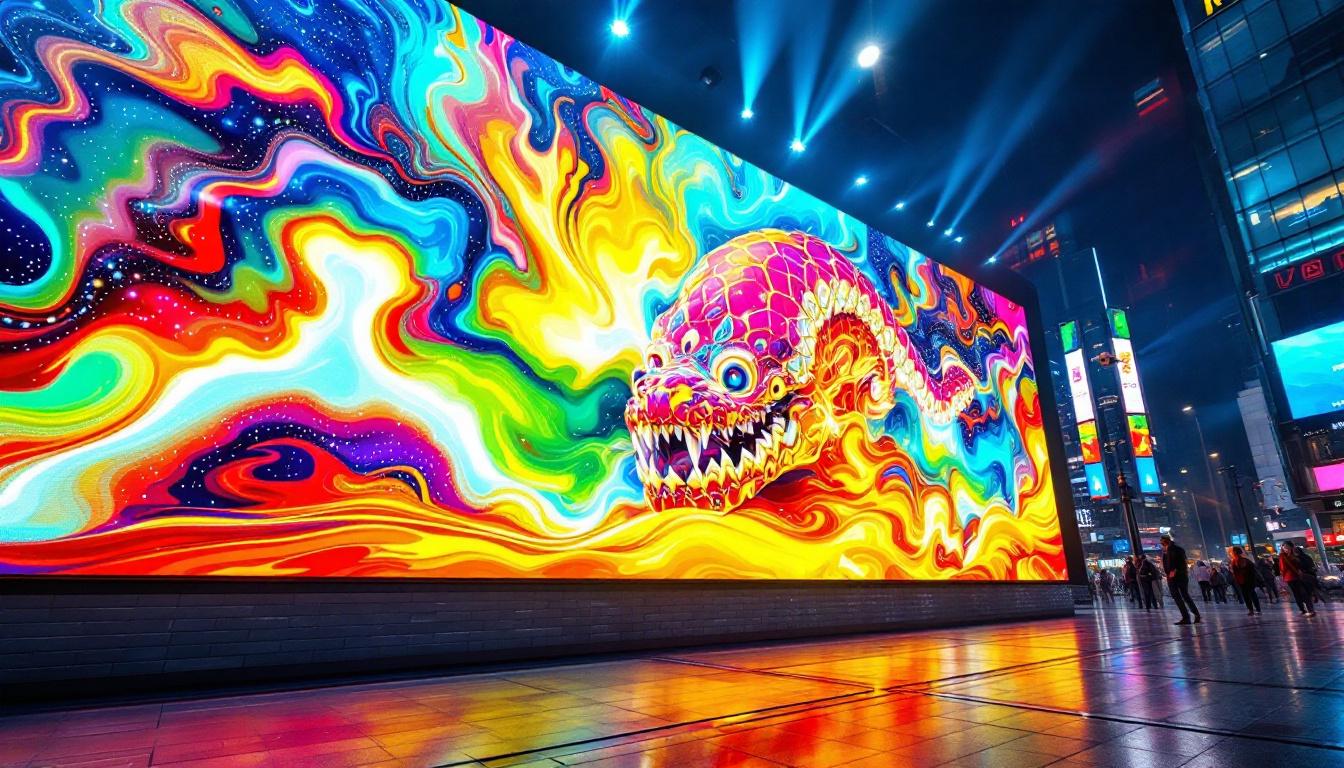
Outdoor LED billboards and digital signage have revolutionized advertising by enabling dynamic, eye-catching content that can be updated remotely in real time. According to recent market reports, the global digital signage market is expected to grow at a compound annual growth rate (CAGR) of over 8% through 2028, driven largely by LED technology advancements.
LED displays are also prevalent in public transportation hubs, airports, and stadiums, providing critical information such as schedules, directions, and emergency alerts with high visibility and reliability.
Consumer Electronics
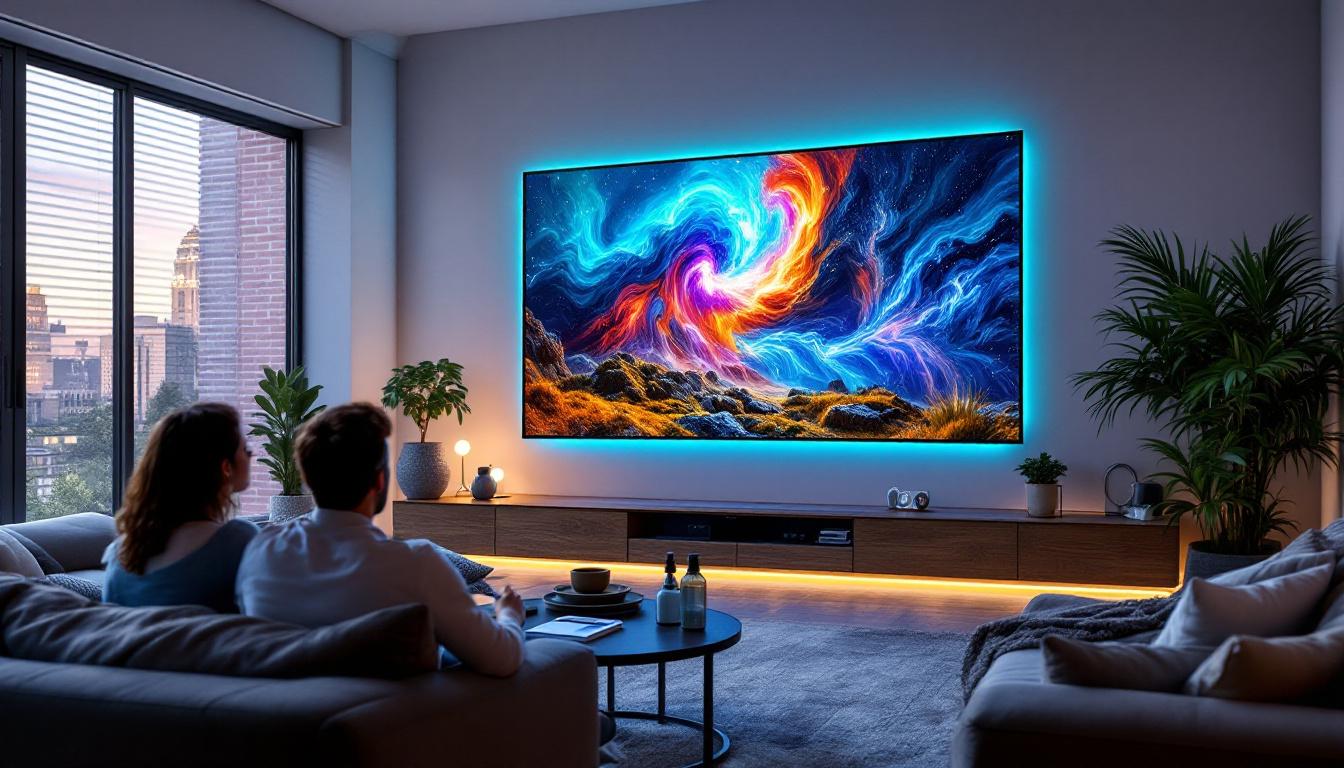
In consumer electronics, LEDs are ubiquitous—from smartphone screens and smartwatches to televisions and gaming monitors. OLED (Organic LED) technology, a variant of LED displays, has gained popularity for its superior contrast and flexibility, enabling ultra-thin and foldable devices.
LED backlighting in LCD panels further enhances brightness and color uniformity, contributing to the high-quality displays consumers expect today.
Industrial and Medical Applications
LED displays are integral to industrial control panels, instrumentation, and medical devices. Their reliability, brightness, and clarity ensure critical data is presented accurately and promptly, which is essential for safety and operational efficiency.
In medical imaging, high-resolution LED displays facilitate detailed visualization of scans and diagnostic images, improving patient outcomes through better analysis.
Challenges and Future Trends in LED Display Technology
Addressing Heat Dissipation
One of the ongoing challenges in LED display design is managing heat generated by densely packed LEDs. Excessive heat can reduce LED lifespan and degrade performance. Manufacturers employ heat sinks, advanced materials, and innovative cooling solutions to mitigate thermal issues.
Miniaturization and Pixel Density
As consumer demand for higher resolution and more compact displays grows, the industry is pushing the limits of pixel density. MicroLED technology, which uses microscopic LEDs as individual pixels, promises unprecedented brightness, efficiency, and lifespan while enabling ultra-high-definition displays in small form factors.
MicroLED is poised to compete with OLED in premium devices, though challenges in mass production and cost remain.
Integration with Smart Technologies
The future of LED displays is closely linked with smart technologies and the Internet of Things (IoT). Interactive LED displays with touch capabilities, embedded sensors, and AI-driven content management are becoming more common, enhancing user engagement and functionality.
Furthermore, advancements in flexible and transparent LED displays are opening new possibilities in wearable electronics, automotive HUDs (heads-up displays), and augmented reality interfaces.
Conclusion
LED display technology has transformed the electronics landscape by offering efficient, versatile, and high-performance solutions for visual communication. Understanding the underlying principles, types, and applications of LED displays provides valuable insight into why this technology continues to dominate various sectors.
As innovations like microLED and smart integration advance, LED displays are set to become even more integral to everyday life, delivering richer experiences and enabling new forms of interaction. For engineers, designers, and consumers alike, staying informed about LED technology is essential to harnessing its full potential in the years ahead.
Discover Cutting-Edge LED Displays with LumenMatrix
As you embrace the future of LED technology, consider LumenMatrix, a pioneer in crafting innovative LED display modules that bring your brand to life. Whether you’re looking for an Indoor LED Wall Display, a dynamic Outdoor LED Wall Display, or specialized solutions like Vehicle LED Displays, LED Sports Displays, or even Custom LED Displays, LumenMatrix offers a spectrum of options to captivate your audience. With a commitment to revolutionizing visual communication, LumenMatrix ensures your message is delivered with vibrancy and precision. Check out LumenMatrix LED Display Solutions today and experience the power of advanced LED technology.