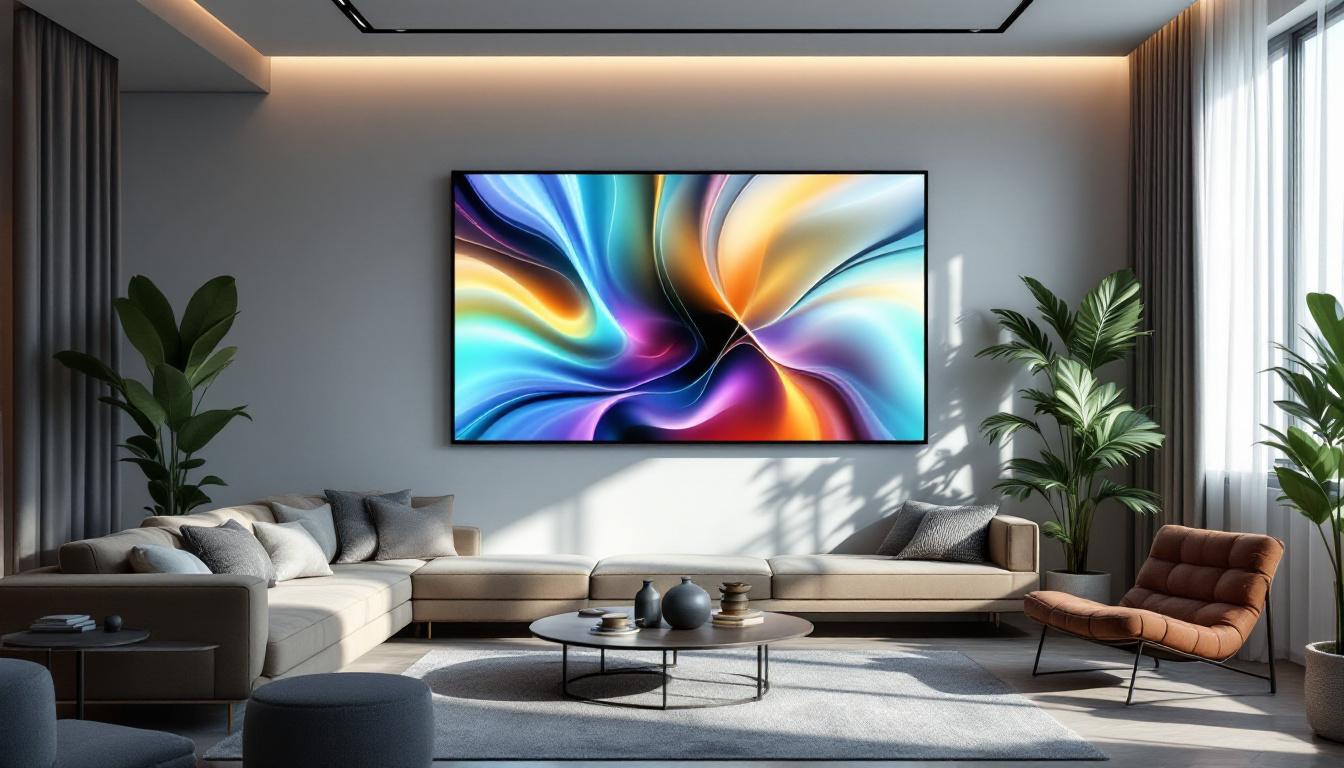
In today’s fast-paced and interconnected world, maintaining privacy within indoor spaces has become a significant concern for businesses, educational institutions, healthcare facilities, and even residential environments. As technology advances, innovative solutions like indoor privacy panels equipped with LED displays are gaining traction. These panels not only offer privacy but also integrate dynamic digital content, transforming traditional partitions into multifunctional assets.
This article explores the concept of indoor privacy panels with LED displays, their benefits, applications, and the technology behind them. By understanding these modern solutions, facility managers, designers, and decision-makers can make informed choices to enhance privacy, aesthetics, and functionality in their indoor environments.
What Are Indoor Privacy Panels with LED Displays?
Defining Indoor Privacy Panels
Indoor privacy panels are physical partitions designed to create secluded or semi-private areas within larger spaces. They are commonly used in offices, hospitals, schools, and public venues to reduce visual distractions, minimize noise, and establish boundaries without the need for permanent walls. Traditionally, these panels are made from materials like fabric, glass, wood, or acrylic. Their versatility allows them to blend seamlessly into various environments, providing both aesthetic appeal and functional benefits. For instance, in an open office layout, these panels can help delineate workstations, offering employees a sense of personal space while still fostering collaboration.
The Integration of LED Displays
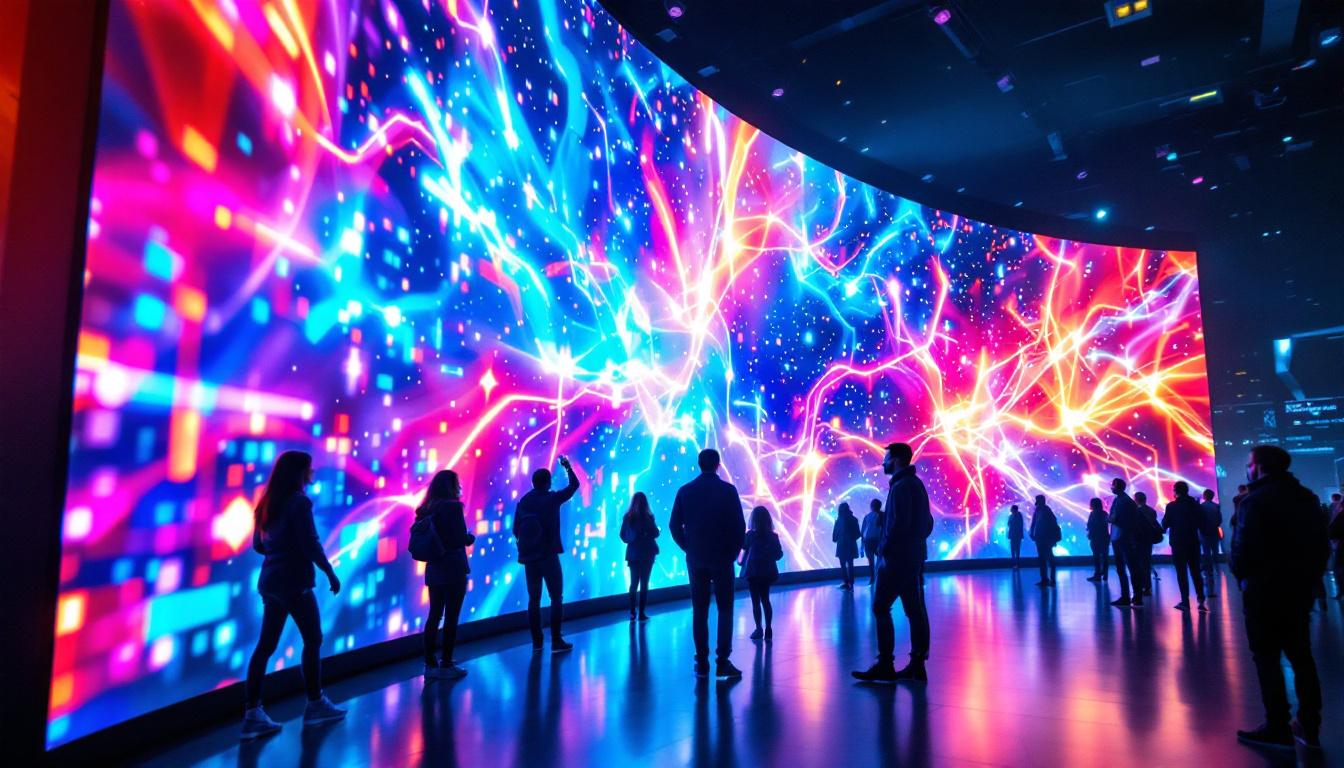
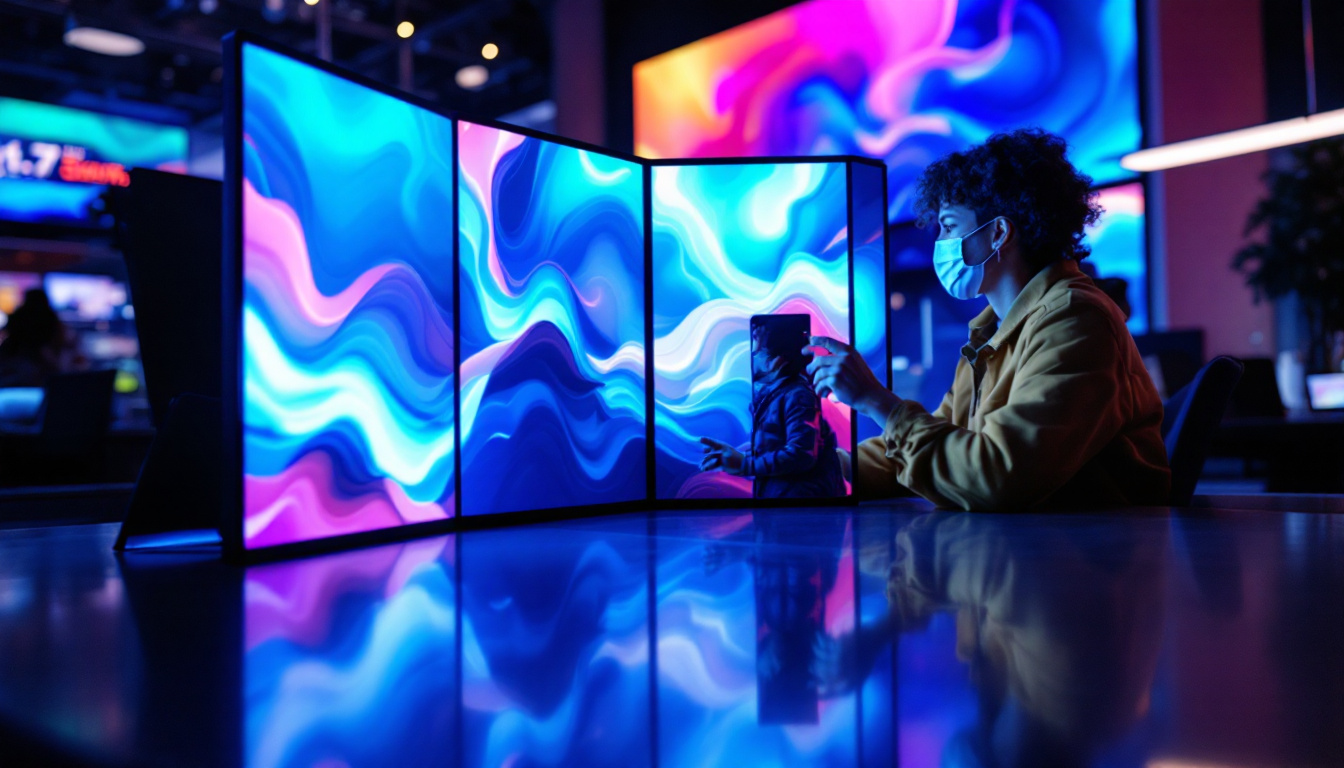
The integration of LED (Light Emitting Diode) displays into privacy panels marks a significant evolution. These panels incorporate thin, lightweight LED screens that can display high-resolution images, videos, or interactive content. This fusion of privacy and digital display technology allows spaces to be both functional and visually engaging. The dynamic nature of LED displays means that organizations can tailor content to suit different contexts, such as showcasing company branding during business hours and displaying art or calming visuals in healthcare settings. This adaptability enhances the overall atmosphere of a space, making it more inviting and stimulating.
Unlike conventional static partitions, LED privacy panels can dynamically change their appearance and purpose, providing not only seclusion but also communication, branding, or entertainment opportunities. For example, in a retail environment, these panels can be used to highlight promotions or new products, effectively transforming a simple divider into a powerful marketing tool. Additionally, in educational settings, they can serve as interactive learning aids, displaying relevant information or engaging students with multimedia presentations. This innovative approach not only maximizes the utility of the space but also encourages creativity and interaction among users.
How LED Technology Enhances Privacy Panels
High-Resolution and Brightness
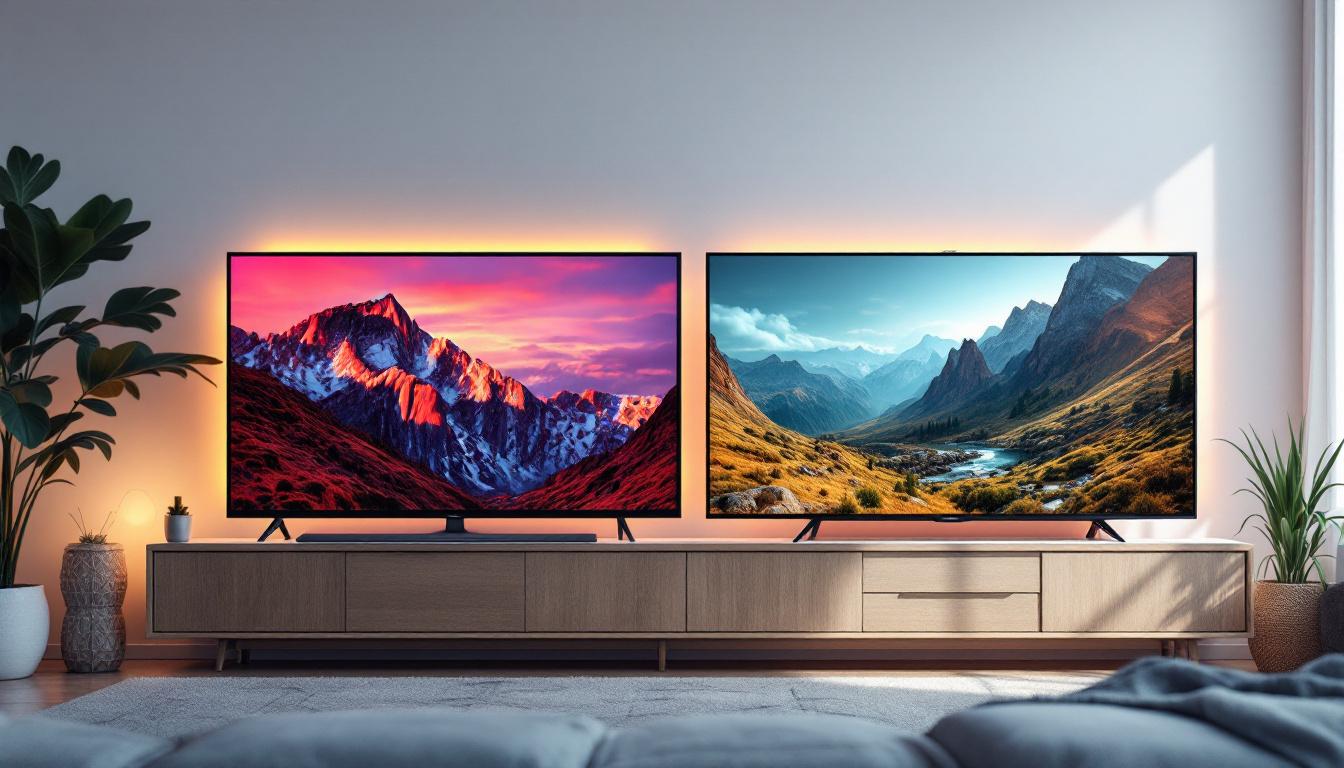
Modern LED displays offer exceptional brightness and clarity, even in well-lit indoor environments. This ensures that content displayed on the panels is vivid and easily visible without compromising the panel’s primary function as a privacy barrier. The high pixel density available in today’s LED modules enables sharp images and smooth video playback, which can be customized to suit the setting. Moreover, the ability to adjust brightness levels dynamically allows for optimal visibility at any time of day, enhancing the user experience in diverse lighting conditions. This adaptability makes LED privacy panels not only functional but also aesthetically pleasing, as they can be tailored to complement the interior design of various spaces.
Transparency and Opacity Control
Some LED privacy panels utilize transparent LED technology, allowing light to pass through while still displaying digital content. This feature is particularly useful in environments where natural light is essential, such as offices with large windows or atriums. The panels can switch between transparent and opaque modes, offering flexible privacy levels based on the time of day or activity. This capability not only enhances privacy but also fosters a sense of openness and connectivity within the space, allowing for a more collaborative atmosphere. Additionally, the seamless integration of these panels into architectural designs can transform ordinary spaces into dynamic environments that can adapt to the needs of the occupants.
Energy Efficiency and Longevity
LED technology is renowned for its energy efficiency compared to traditional lighting and display options. Indoor LED privacy panels consume relatively low power, making them cost-effective for continuous use. Additionally, LEDs have a long operational lifespan, often exceeding 50,000 hours, reducing maintenance and replacement costs. This longevity means that businesses can invest in LED privacy panels with confidence, knowing they will not only save on energy bills but also minimize disruptions caused by frequent replacements. Furthermore, the reduced heat output of LED panels contributes to a more comfortable indoor climate, as they do not contribute significantly to the overall temperature of the space, which can be particularly beneficial in tightly controlled environments like conference rooms or healthcare facilities.
Applications of Indoor Privacy Panels with LED Displays
Corporate Offices and Workspaces
In modern offices, open-plan layouts promote collaboration but can sometimes hinder concentration and privacy. LED privacy panels offer a versatile solution by creating semi-private zones that can be reconfigured as needed. They can display meeting schedules, company news, or motivational content, enhancing employee engagement while maintaining a professional atmosphere.
Healthcare Settings
Hospitals and clinics require privacy for patient comfort and confidentiality. Traditional curtains and partitions can be replaced or supplemented with LED privacy panels that offer hygienic, easy-to-clean surfaces. These panels can also display important health information, wayfinding directions, or calming visuals, improving patient experience and operational efficiency.
Educational Institutions
Schools and universities benefit from flexible learning environments. LED privacy panels can be used to create breakout spaces or study pods, displaying educational content or announcements. Their interactive capabilities can foster engagement and provide a modern aesthetic that appeals to students and staff alike.
Retail and Hospitality
In retail stores and hotels, privacy panels with LED displays can delineate spaces such as VIP lounges, fitting rooms, or dining areas. They offer opportunities for dynamic advertising, branding, or event information, creating immersive customer experiences that blend privacy with marketing.
Key Benefits of Using LED Privacy Panels Indoors
Enhanced Privacy Without Sacrificing Style
LED privacy panels combine functionality with design flexibility. They can be customized in size, shape, and display content to complement interior decor while providing effective visual separation. This allows businesses to maintain an open feel without compromising on privacy.
Dynamic Content for Communication and Branding
Unlike static partitions, LED panels can display changing content tailored to the audience or time of day. This dynamic capability supports internal communication, marketing campaigns, and branding efforts, making the panels a valuable tool beyond privacy.
Space Optimization and Flexibility
Many LED privacy panels are modular and mobile, enabling spaces to be reconfigured quickly for different purposes. This adaptability is particularly beneficial in multi-use environments where needs evolve frequently.
Improved Acoustics and Environmental Control
Some LED privacy panels incorporate sound-absorbing materials, helping to reduce noise pollution in busy indoor areas. This contributes to a more comfortable and productive environment, especially in open offices or public spaces.
Considerations When Choosing LED Privacy Panels
Display Resolution and Viewing Distance
Choosing the appropriate LED panel resolution depends on the typical viewing distance. Higher resolution panels are necessary for close-up viewing to ensure crisp images, while lower resolutions may suffice for panels viewed from afar. Understanding this balance helps optimize cost and performance.
Brightness and Ambient Lighting
The brightness of the LED display should be sufficient to remain visible under the ambient lighting conditions of the space. Panels with adjustable brightness settings offer greater versatility, allowing content to be clear without causing glare or discomfort.
Installation and Maintenance
Consider the ease of installation and ongoing maintenance. Lightweight, modular panels simplify setup and reconfiguration. Additionally, LED panels with front-access maintenance features reduce downtime and service costs.
Privacy Level and Transparency
Assess the required level of privacy. Transparent LED panels provide partial privacy while maintaining openness, whereas fully opaque panels offer complete visual separation. The choice depends on the specific needs of the environment.
Cost and Return on Investment
While LED privacy panels represent a higher upfront investment compared to traditional partitions, their multifunctionality and long-term benefits can justify the cost. Evaluating potential savings in space utilization, improved communication, and enhanced user experience is essential.
Future Trends in LED Privacy Panel Technology
Interactive and Touch-Enabled Panels
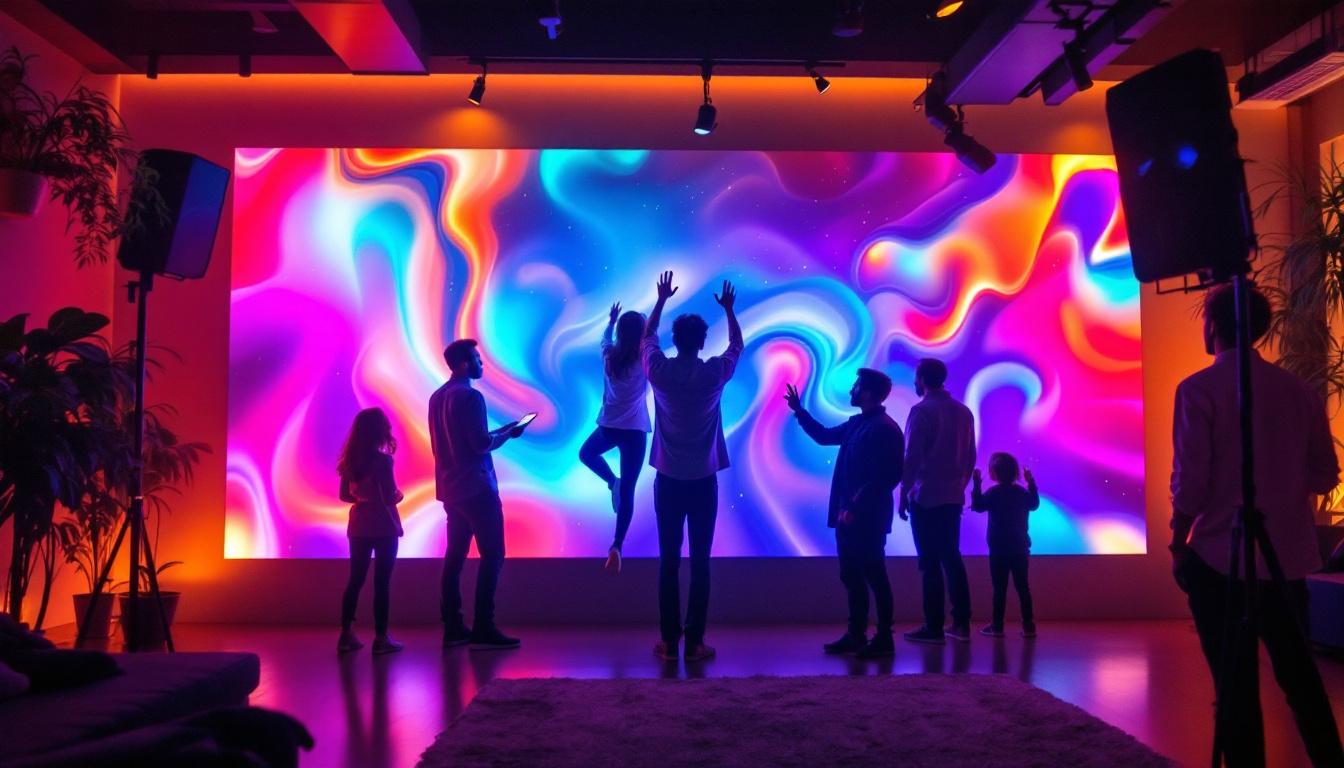
The integration of touch and gesture controls is becoming more common, transforming privacy panels into interactive information hubs. This technology supports collaboration, wayfinding, and personalized content delivery in real time.
Smart Integration with Building Systems
LED privacy panels are increasingly being integrated with smart building management systems. This enables automated adjustments of opacity, brightness, and displayed content based on occupancy, time, or environmental conditions, enhancing energy efficiency and user comfort.
Advanced Materials and Sustainability
Innovations in eco-friendly materials and energy-efficient LEDs are driving the development of sustainable privacy panels. Recyclable components and reduced power consumption align with growing environmental responsibility standards in commercial and residential design.
Conclusion
Indoor privacy panels with LED displays represent a sophisticated solution that addresses the modern demand for privacy, aesthetics, and digital engagement within indoor spaces. By combining physical separation with dynamic visual content, these panels offer versatility that traditional partitions cannot match.
As LED technology continues to evolve, the potential applications and benefits of these panels will expand, making them an increasingly attractive choice for a wide range of environments. Careful consideration of technical specifications, user needs, and budget will ensure that the selected LED privacy panels deliver maximum value and enhance the overall indoor experience.
For businesses and institutions aiming to create adaptable, stylish, and functional spaces, investing in LED-enabled indoor privacy panels is a forward-thinking step toward future-ready interiors.
Discover LumenMatrix’s Innovative LED Solutions
Ready to elevate your indoor spaces with cutting-edge LED privacy panels? Explore LumenMatrix’s comprehensive suite of LED display solutions, designed to transform your environment and captivate your audience. From Indoor LED Wall Displays to Custom LED Displays, our products are crafted to offer unparalleled visual impact and seamless integration. Embrace the future of visual communication with LumenMatrix and create an immersive experience that resonates. Check out LumenMatrix LED Display Solutions today and see the difference innovation can make.