In today’s digital age, LED displays are omnipresent—from smartphones and televisions to massive outdoor billboards and stadium screens. Their vibrant visuals and energy efficiency have revolutionized how information and entertainment are presented. However, understanding the brightness of these displays is crucial for manufacturers, designers, and consumers alike. Brightness affects visibility, energy consumption, and overall user experience. This article delves into the units of brightness used to describe LED displays, explaining what they mean, why they matter, and how to interpret them effectively.
Understanding Brightness in LED Displays
Brightness is a fundamental characteristic of any display technology, including LEDs (Light Emitting Diodes). It determines how well the screen can be seen under various lighting conditions, such as direct sunlight or dim indoor environments. However, brightness is not a singular concept; it involves several units and measurements that describe different aspects of light emission.
When discussing LED displays, brightness usually refers to the amount of light emitted per unit area, which affects the display’s visibility and clarity. The key is to understand the units used to quantify this brightness and what they represent in practical terms.
Nits: The Most Common Unit of Brightness
The term “nits” is the most widely used unit to describe display brightness. One nit equals one candela per square meter (cd/m²). A candela is a standard unit of luminous intensity, roughly equivalent to the light emitted by a common candle. Therefore, nits measure how much light a display emits over a given area.
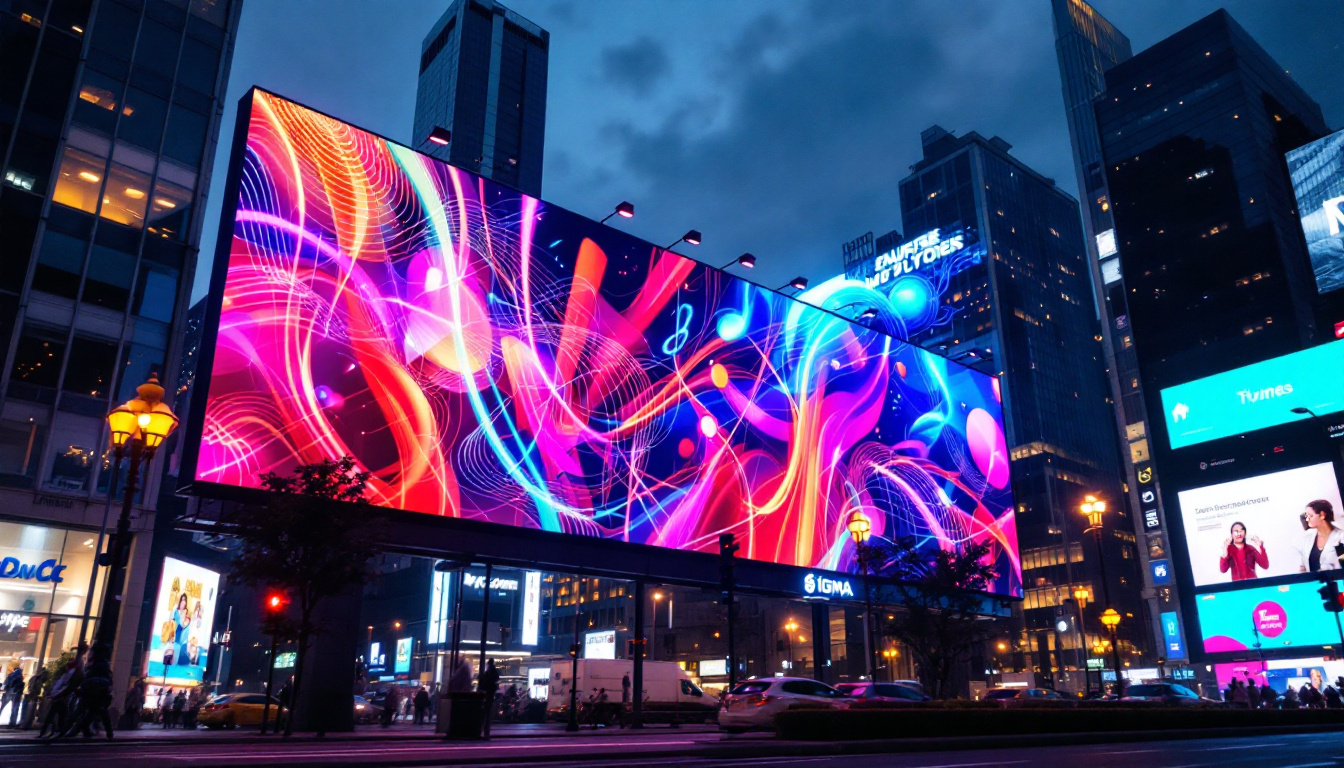
For example, a smartphone screen might have a brightness rating of 500 nits, meaning it emits 500 candelas per square meter. This level of brightness is sufficient for most indoor environments and moderate outdoor use. In contrast, outdoor LED billboards often exceed 5,000 nits to remain visible in direct sunlight.
Why Nits Matter for LED Displays
Nits provide a standardized way to compare the brightness of different displays. A higher nit value generally means better visibility, especially in bright environments. However, higher brightness also means higher power consumption and potentially more heat generation, which can affect the device’s longevity and comfort during use.
For manufacturers, balancing brightness with energy efficiency and heat management is a critical design challenge. For consumers, understanding nits helps in choosing devices suitable for their environment—for instance, a laptop with 300 nits might be fine indoors but struggle outdoors.
Other Units Related to LED Display Brightness
While nits are the primary unit for brightness, other measurements and concepts are also relevant for a comprehensive understanding of LED display performance.
Candelas and Lumens: Intensity and Total Light Output
The candela (cd) measures luminous intensity in a specific direction, while lumens (lm) measure total luminous flux or the total amount of visible light emitted by a source in all directions. For LED displays, candelas per square meter (nits) are more practical because they relate intensity to the display area.
However, understanding lumens can be useful when assessing the overall power of an LED light source, such as in LED projectors or lighting panels. For instance, a projector might be rated at 3,000 lumens, indicating its total light output, but this doesn’t directly translate to screen brightness without considering screen size and reflectivity.
Lux: Illuminance on a Surface
Lux (lx) measures illuminance, or how much light falls on a surface per square meter. It’s important for understanding how much ambient light a display must compete with. For example, direct sunlight can reach over 100,000 lux, which is why outdoor LED displays require very high brightness levels (measured in nits) to remain visible.
In indoor settings, typical office lighting ranges from 300 to 500 lux, which means lower brightness displays can still be effective. Knowing the ambient lux level helps in selecting the appropriate LED display brightness.
Contrast Ratio: Brightness Relative to Black Levels
Brightness alone does not determine display quality. Contrast ratio—the difference between the brightest white and the darkest black a display can produce—is equally important. A display with high brightness but poor contrast may appear washed out, especially in bright environments.
LED displays, particularly OLEDs, can achieve high contrast ratios because they can turn off individual pixels completely, producing deep blacks. Traditional LED-backlit LCDs rely on backlighting, which can limit contrast. Understanding both brightness and contrast ratio helps users assess display quality more holistically.
Brightness Levels Across Different LED Display Types
LED technology spans a broad range of display types, each with unique brightness requirements and standards. Here’s a breakdown of typical brightness levels for common LED display categories.
Smartphone and Tablet Screens
Modern smartphones and tablets typically offer brightness levels between 400 and 1,200 nits. High-end devices often feature peak brightness above 1,000 nits to improve outdoor visibility and support HDR (High Dynamic Range) content. For example, the latest flagship smartphones can reach up to 1,500 nits in HDR mode.
This range balances visibility with battery life and heat management. Users benefit from bright, vivid displays that remain readable in sunlight without excessive power drain.
Televisions and Computer Monitors
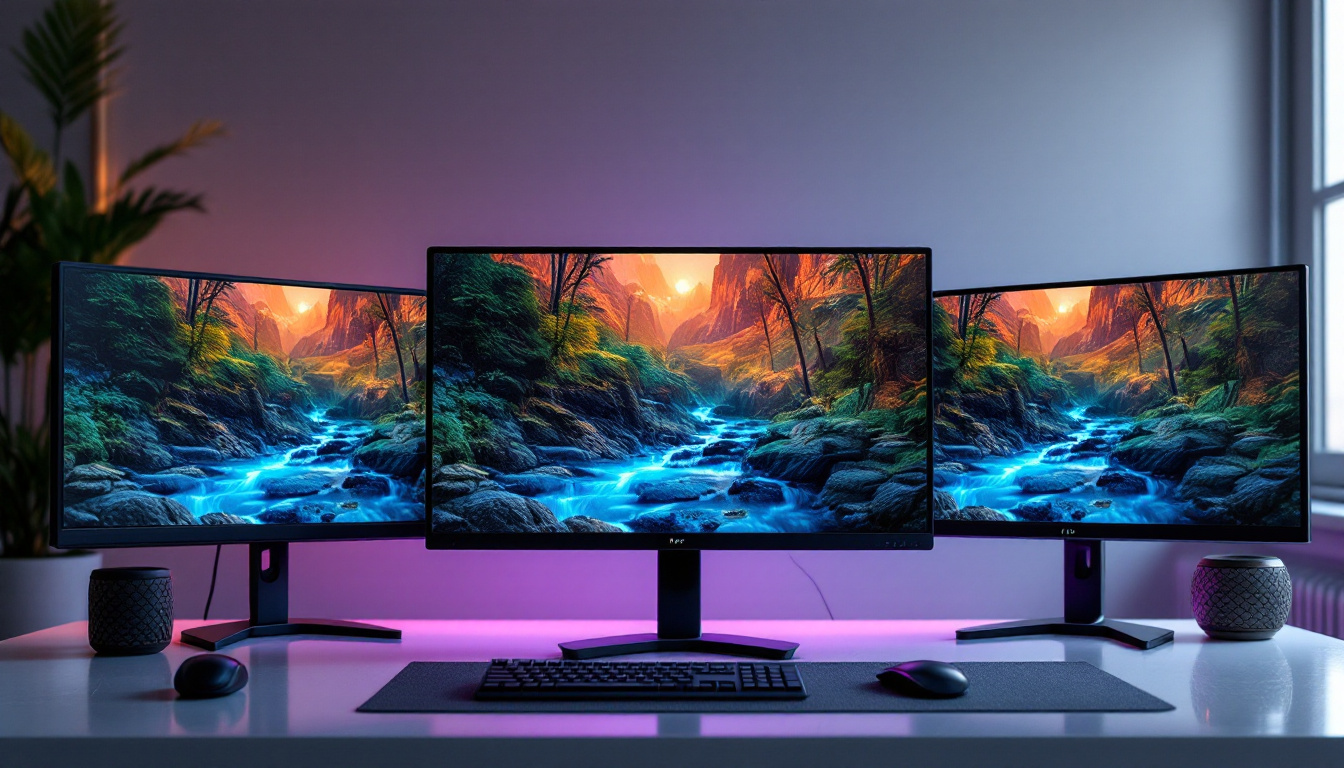
LED TVs and monitors usually have brightness ratings from 250 to 600 nits for standard models. Premium HDR TVs can exceed 1,000 nits to deliver enhanced contrast and color depth. For instance, many 4K HDR TVs target around 1,000 to 1,500 nits peak brightness.
Monitors designed for professional photo or video editing often emphasize color accuracy and contrast alongside brightness. Gaming monitors may prioritize higher brightness and faster refresh rates for immersive experiences.
Outdoor LED Billboards and Signage
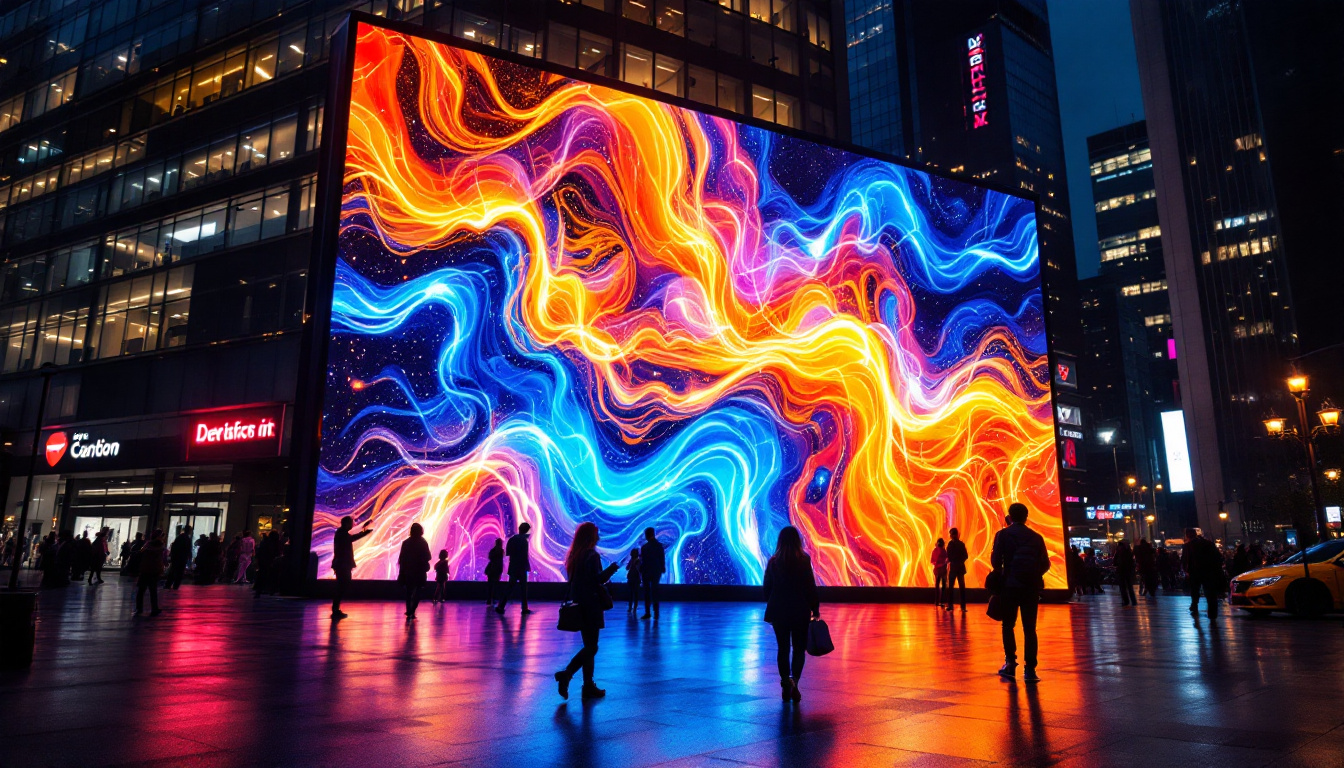
Outdoor LED displays must overcome intense ambient light, including direct sunlight. As a result, these displays typically feature brightness levels between 5,000 and 10,000 nits. Some specialized displays can reach up to 15,000 nits or more.
High brightness ensures visibility from long distances and under varying weather conditions. However, such displays require robust cooling systems and energy management to operate reliably.
Indoor LED Displays and Digital Signage
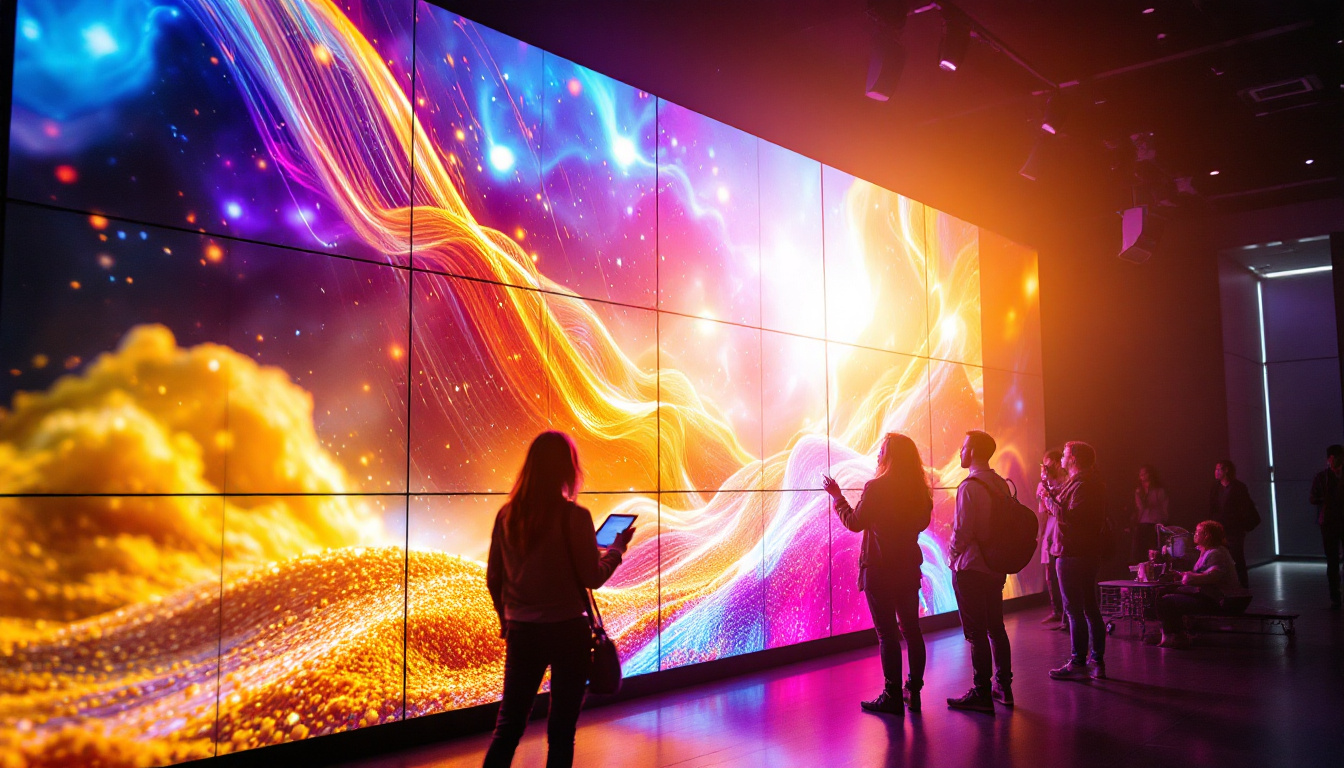
Indoor LED panels, such as those used in retail stores, airports, and conference venues, generally operate at 800 to 1,500 nits. This range provides bright, eye-catching visuals without overwhelming viewers or causing glare.
Indoor environments typically have controlled lighting, so extremely high brightness is unnecessary. Instead, these displays focus on color accuracy, resolution, and viewing angles.
Factors Influencing LED Display Brightness
Several technical and environmental factors affect the perceived and measured brightness of LED displays. Understanding these can help in selecting, designing, and optimizing LED screens.
LED Technology and Pixel Density
The type of LEDs used and their arrangement influence brightness. Smaller, densely packed LEDs can produce sharper images but may require more power to maintain high brightness levels. Advances in micro-LED technology promise higher brightness and energy efficiency by using microscopic LEDs as individual pixels.
Additionally, the quality of LED materials and manufacturing processes affects luminous efficiency and color reproduction.
Display Size and Viewing Distance
Larger displays need more powerful LEDs or higher brightness to maintain visibility at a distance. For example, a massive stadium screen must be bright enough to be seen clearly from hundreds of meters away, whereas a smartphone screen only needs to be visible at arm’s length.
Viewing distance also influences perceived brightness and contrast. Displays designed for close-up use can afford lower brightness levels compared to those intended for distant viewing.
Ambient Lighting Conditions
Ambient light dramatically impacts how bright a display needs to be. In bright sunlight, displays must be significantly brighter to remain legible. Conversely, in dark environments, excessive brightness can cause eye strain and reduce image quality.
Many modern devices include ambient light sensors that automatically adjust screen brightness to optimize visibility and comfort.
Power Consumption and Heat Management
Higher brightness levels require more electrical power, which generates heat. Efficient heat dissipation is essential to maintain performance and prevent damage. This is particularly critical for compact devices like smartphones and laptops.
Manufacturers often implement adaptive brightness controls and energy-saving modes to balance brightness with battery life and device longevity.
How to Choose the Right Brightness for Your LED Display
Selecting the appropriate brightness level depends on the intended use, environment, and user preferences. Here are some practical guidelines:
For Personal Devices
Smartphones, tablets, and laptops should offer at least 400-500 nits for comfortable indoor use and moderate outdoor visibility. Devices with peak brightness above 1,000 nits provide better performance in bright sunlight and support HDR content.
For Home Entertainment
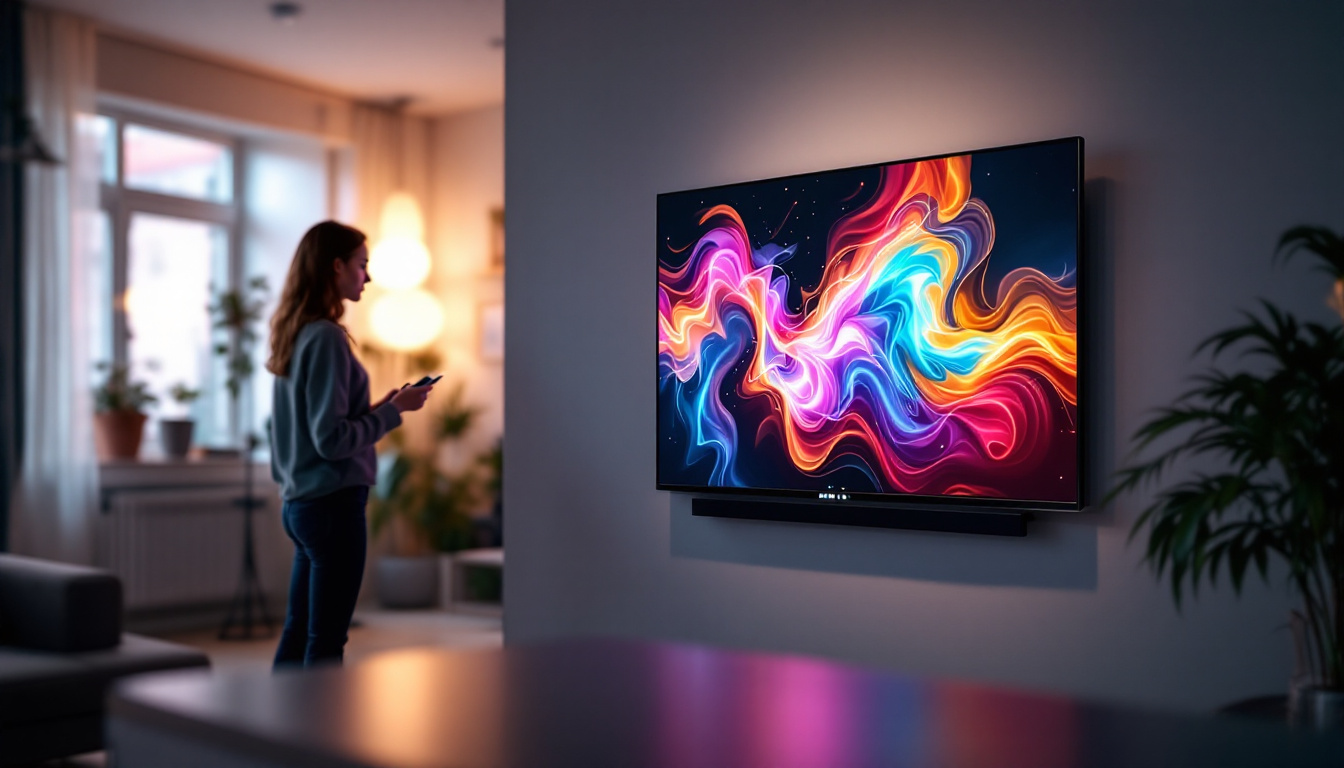
LED TVs with 300-600 nits are suitable for most living rooms. If the room has large windows or bright lighting, consider models with higher peak brightness and HDR support to enhance picture quality.
For Commercial and Outdoor Use
Outdoor LED displays require very high brightness—typically 5,000 nits or more—to compete with sunlight. Indoor commercial displays should have brightness levels tailored to ambient lighting, usually between 800 and 1,500 nits.
Balancing Brightness with Other Factors
Brightness is just one aspect of display quality. Contrast ratio, color accuracy, resolution, and viewing angles also play crucial roles. Additionally, consider power consumption and heat management, especially for portable or large-scale installations.
Future Trends in LED Display Brightness
LED display technology continues to evolve rapidly, promising brighter, more efficient, and more versatile screens.
Micro-LED and Mini-LED Innovations
Micro-LED displays use tiny LEDs as individual pixels, offering exceptional brightness, contrast, and energy efficiency. These displays can achieve brightness levels exceeding 2,000 nits with excellent color accuracy, making them ideal for high-end TVs, smartphones, and augmented reality devices.
Mini-LED backlighting improves traditional LCD displays by using thousands of small LEDs to provide more precise local dimming, enhancing contrast and brightness control.
Adaptive Brightness and AI Integration
Artificial intelligence and advanced sensors enable displays to adjust brightness dynamically based on ambient light, content type, and user preferences. This not only improves viewing comfort but also extends battery life and reduces energy consumption.
Energy Efficiency and Sustainability
As environmental concerns grow, manufacturers focus on creating LED displays that deliver high brightness with lower power usage. Innovations in LED materials and driving electronics contribute to greener, more sustainable display solutions.
Conclusion
Brightness is a critical factor in the performance and usability of LED displays. Understanding the units of brightness—primarily nits—and how they relate to real-world viewing conditions helps consumers and professionals make informed decisions. Whether selecting a smartphone, designing an outdoor billboard, or choosing a television, knowing how brightness interacts with contrast, ambient light, and power consumption ensures optimal display performance.
As LED technology advances, brighter, more efficient, and more adaptable displays will continue to enhance visual experiences across all sectors. Staying informed about brightness units and their implications remains essential for anyone involved with LED displays.
Illuminate Your Space with LumenMatrix
Now that you’re equipped with a deeper understanding of LED display brightness and its significance, it’s time to bring your knowledge into the light with LumenMatrix. As a pioneer in LED display technology, LumenMatrix offers an extensive array of solutions, from vibrant Indoor and Outdoor LED Wall Displays to dynamic Vehicle and Sports LED Displays. Whether you’re looking to captivate with a Floor LED Display, innovate with a Custom LED solution, or streamline with an All-in-One LED Display, LumenMatrix is committed to transforming your visual communication. Elevate your brand’s presence and create unforgettable experiences with our LED Transparent Displays. Don’t just take our word for it—check out LumenMatrix LED Display Solutions and see the difference for yourself.