In the world of live music performances, the pitch clicker is an essential tool that helps musicians stay in tune and maintain perfect pitch throughout their set. But beyond the traditional auditory cues, modern pitch clickers have evolved to incorporate LED displays, enhancing usability and precision. This article delves into the technology behind pitch clickers with LED displays, exploring how they work, their benefits, and why they are becoming increasingly popular among musicians and sound engineers alike.
What Is a Pitch Clicker?
A pitch clicker is a device used by musicians to generate a consistent reference pitch or metronome click that helps maintain timing and tuning during practice or live performances. Unlike a standard metronome, which focuses solely on rhythm, a pitch clicker provides an audible or visual pitch reference, often a specific note or frequency, allowing musicians to tune their instruments or voices accurately.
Traditionally, pitch clickers were simple devices producing a steady click sound or tone. However, with advancements in technology, modern pitch clickers now feature digital displays, including LED screens, which provide visual feedback alongside the auditory cues. This integration has significantly improved the functionality and ease of use for performers.
In addition to their primary function of providing pitch reference, many contemporary pitch clickers come equipped with a variety of features that cater to the diverse needs of musicians. For instance, some models allow users to customize the pitch range, enabling them to select different notes or frequencies that suit their specific instrument or vocal range. This versatility is particularly beneficial for ensembles where multiple instruments may require different tuning standards. Furthermore, advanced pitch clickers often include built-in tuners, allowing musicians to check their tuning in real-time, making them an invaluable tool for both practice and performance settings.
Moreover, the portability of modern pitch clickers has made them a favorite among musicians on the go. Compact and lightweight designs mean that they can easily fit into a gig bag or even a pocket, ensuring that musicians can have their tuning reference handy whenever they need it. Some pitch clickers even feature Bluetooth connectivity, allowing them to sync with mobile apps for additional functionality, such as recording practice sessions or accessing a library of reference pitches. This blend of convenience and technology has revolutionized how musicians approach their craft, making pitch clickers an essential part of their toolkit.
The Role of LED Displays in Pitch Clickers
Visual Feedback for Precision
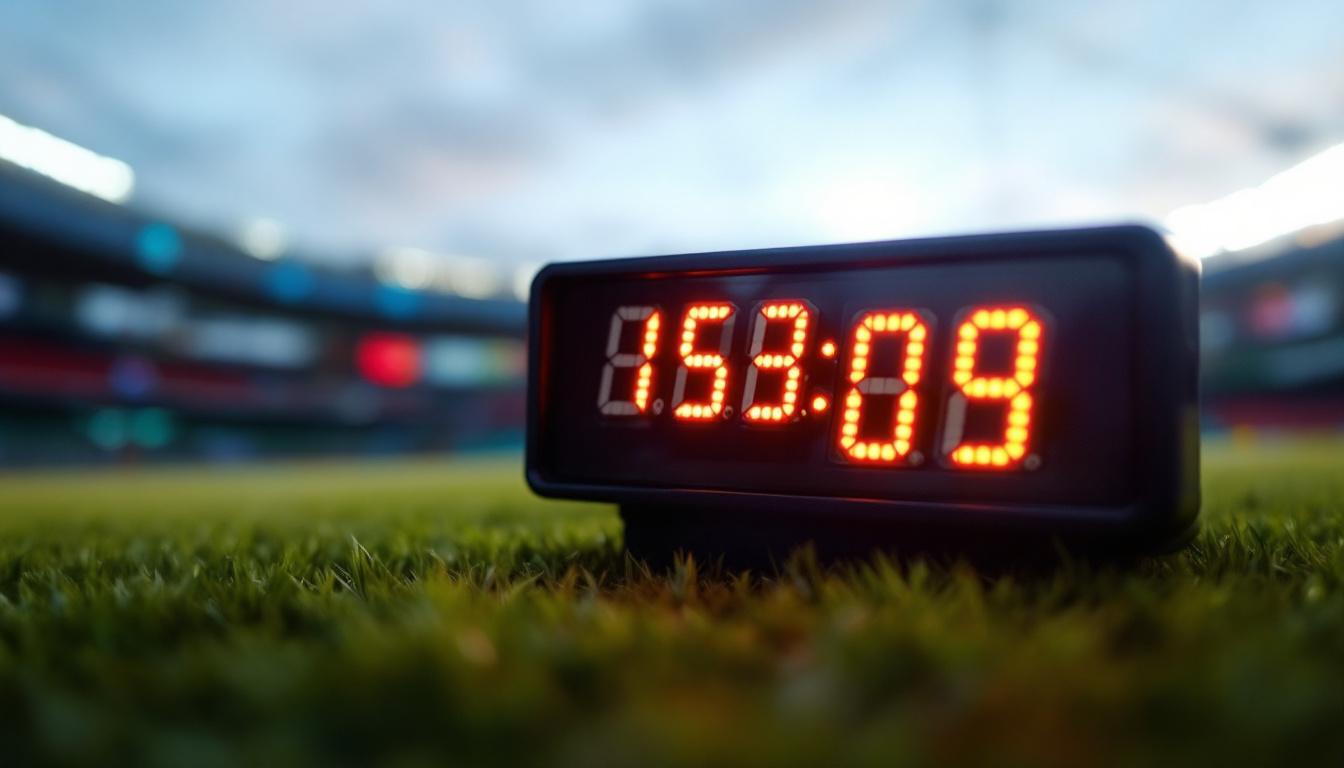
One of the primary advantages of incorporating an LED display into a pitch clicker is the provision of visual feedback. The LED display can show the exact pitch frequency, note name, or tuning status, allowing musicians to see at a glance whether they are in tune or need adjustment. This is particularly useful in noisy environments where auditory cues might be difficult to discern.
For example, a pitch clicker might display the note “A4” along with its frequency of 440 Hz, the standard tuning pitch. If a musician is tuning a guitar string, they can match the sound to the displayed pitch and confirm visually that they are on target. This dual sensory input—auditory and visual—enhances accuracy and reduces tuning time. Additionally, many modern LED displays come equipped with backlighting, which ensures visibility even in dimly lit settings, such as during live performances or rehearsals. This feature further empowers musicians to maintain their focus on their instrument without the distraction of searching for the right pitch in a less-than-ideal environment.
Enhanced Usability and Customization
LED displays also allow for more sophisticated user interfaces. Musicians can navigate through different tuning modes, select various reference pitches, or adjust the tempo of clicks with ease. Some pitch clickers feature multi-color LED displays that change color based on tuning accuracy—green for in tune, red for flat, and blue for sharp—providing immediate and intuitive feedback.
These features make LED-equipped pitch clickers versatile tools suitable for a wide range of instruments and musical styles. Whether tuning a violin, setting a tempo for a drum solo, or calibrating a synthesizer, the LED display simplifies the process and improves reliability. Furthermore, many advanced models offer customizable settings that allow musicians to save their preferred configurations, making it easy to switch between different instruments or performance styles without having to recalibrate each time. This level of personalization not only enhances the user experience but also fosters a deeper connection between the musician and their instrument, as they can fine-tune their setup to match their unique playing style and preferences.
How LED Pitch Clickers Work: Technology Behind the Scenes
Core Components
At the heart of an LED pitch clicker is a microcontroller that processes input signals and controls the output. The device typically includes a sound generator (often a piezo speaker), a frequency synthesizer, and an LED display module. The microcontroller generates precise frequencies based on user settings and drives the LED display to show relevant information.
Many pitch clickers use a quartz crystal oscillator to maintain timing accuracy. This component ensures that the generated pitch and clicks remain stable over time, which is crucial for professional musicians who rely on consistent tuning references.
Frequency Generation and Display
The frequency synthesizer within the pitch clicker produces the desired pitch by generating a waveform—usually a sine wave or square wave—at the selected frequency. This waveform is then output as an audible tone through the speaker. Simultaneously, the microcontroller updates the LED display to reflect the current pitch setting, often showing the note name and frequency in hertz (Hz).
Advanced models may include a built-in tuner function, where the device listens to the instrument’s sound via a microphone or input jack, analyzes the frequency, and displays tuning information on the LED screen. This real-time feedback loop helps musicians fine-tune their instruments with precision.
Benefits of Using LED Pitch Clickers for Musicians
Improved Accuracy and Efficiency
The combination of auditory and visual cues provided by LED pitch clickers significantly improves tuning accuracy. Musicians can quickly identify whether their instrument is sharp, flat, or perfectly in tune, reducing the time spent on adjustments. This efficiency is especially valuable during live performances where time is limited and precision is critical.
Better Performance in Challenging Environments
Live venues often present noisy and distracting conditions. Traditional pitch clickers relying solely on sound may be difficult to hear amidst crowd noise or amplified instruments. The LED display offers a silent, clear visual reference that performers can rely on without straining to hear.
Additionally, for musicians with hearing impairments or those performing in outdoor settings where sound may dissipate quickly, the visual feedback from an LED display ensures consistent tuning support.
Customization for Diverse Musical Needs
LED pitch clickers often come with programmable settings, allowing users to select different tuning standards (such as A=440 Hz or A=442 Hz), change the reference pitch, or adjust the tempo of clicks. This flexibility caters to various musical genres and personal preferences, making LED pitch clickers adaptable tools for any musician.
Popular Use Cases and Examples
Orchestral and Classical Music
In orchestras, precise tuning is paramount. Concertmasters and section leaders often use pitch clickers with LED displays to provide a clear and consistent tuning reference for the entire ensemble. The visual display helps musicians quickly align their instruments to the conductor’s pitch, ensuring a harmonious performance.
Contemporary Bands and Solo Performers
Modern bands and solo artists benefit from LED pitch clickers during rehearsals and live shows. Guitarists, vocalists, and keyboard players use these devices to maintain pitch integrity, especially when switching between instruments or tuning on stage. The LED display’s ease of use helps performers stay focused and confident.
Music Education
Educators incorporate LED pitch clickers into teaching environments to assist students in developing their ear training and tuning skills. The visual feedback accelerates learning by making abstract pitch concepts tangible and easy to understand. Students can see their tuning accuracy in real time, fostering better practice habits.
Choosing the Right LED Pitch Clicker
Key Features to Consider
When selecting an LED pitch clicker, consider the following features:
- Display Quality: Brightness, color options, and readability in various lighting conditions.
- Tuning Range: Ability to cover the necessary pitch range for your instrument(s).
- Sound Output: Volume and tone quality of the audible clicks or pitches.
- Portability: Size, weight, and battery life for on-the-go use.
- Additional Functions: Built-in tuner, metronome modes, tempo adjustment, and memory presets.
Price and Brand Reputation
LED pitch clickers vary widely in price, from affordable basic models to professional-grade devices with extensive features. Investing in a reputable brand ensures reliability, durability, and customer support. Reading user reviews and seeking recommendations from fellow musicians can guide the purchasing decision.
The Future of Pitch Clickers and LED Technology
As technology continues to advance, pitch clickers with LED displays are expected to integrate even more sophisticated features. Developments such as Bluetooth connectivity, smartphone app integration, and AI-driven tuning assistance are already emerging in the market.
These innovations will further enhance the musician’s experience by offering wireless control, personalized settings, and real-time analytics on tuning and timing performance. The LED display will remain a vital interface, providing clear and immediate feedback in an increasingly connected musical ecosystem.
Conclusion
Pitch clickers with LED displays represent a significant evolution in musical tuning and timing tools. By combining precise auditory signals with clear visual feedback, these devices offer musicians unparalleled accuracy, efficiency, and usability. Whether in a concert hall, recording studio, or classroom, LED pitch clickers help performers achieve their best sound with confidence and ease.
For musicians seeking to improve their tuning precision and streamline their workflow, investing in a pitch clicker equipped with an LED display is a smart choice. As technology continues to advance, these tools will only become more integral to the art of music performance and education.
Explore Cutting-Edge LED Display Solutions
Ready to elevate your live performance or teaching environment with the latest in LED display technology? LumenMatrix is at the forefront of creating immersive visual experiences that can transform your musical precision and audience engagement. From Indoor and Outdoor LED Wall Displays to Custom and All-in-One LED solutions, our products are designed to bring your vision to life with vibrancy and precision. Don’t miss the opportunity to discover how our LED displays can enhance your pitch clicker experience and beyond. Check out LumenMatrix LED Display Solutions today and step into the future of visual communication.