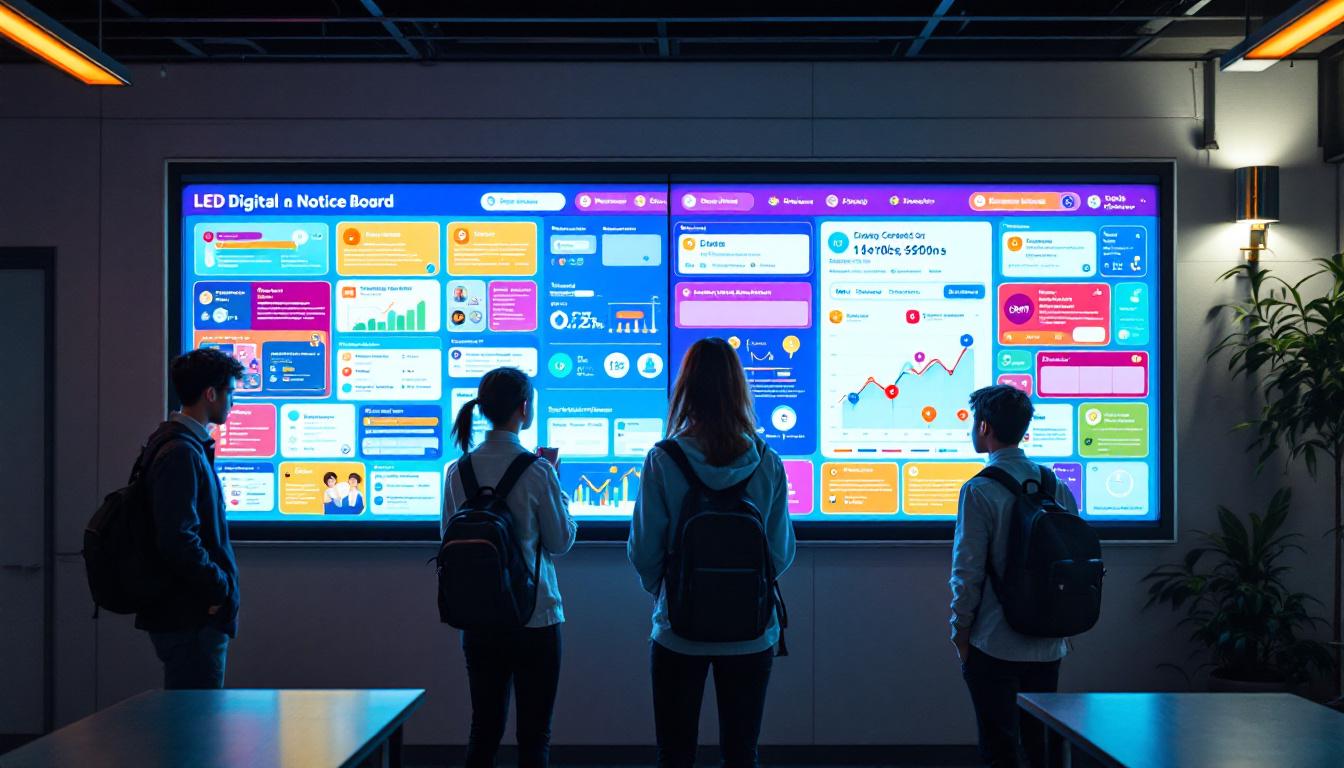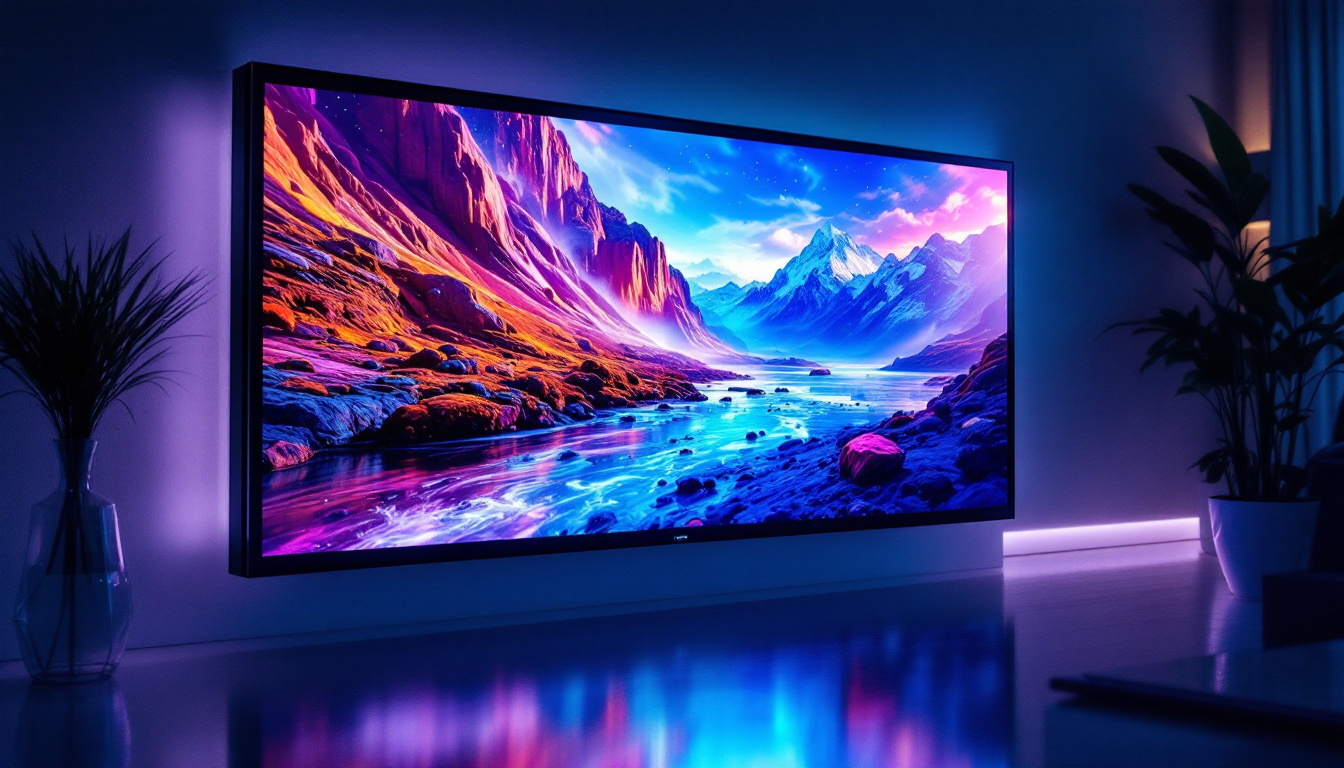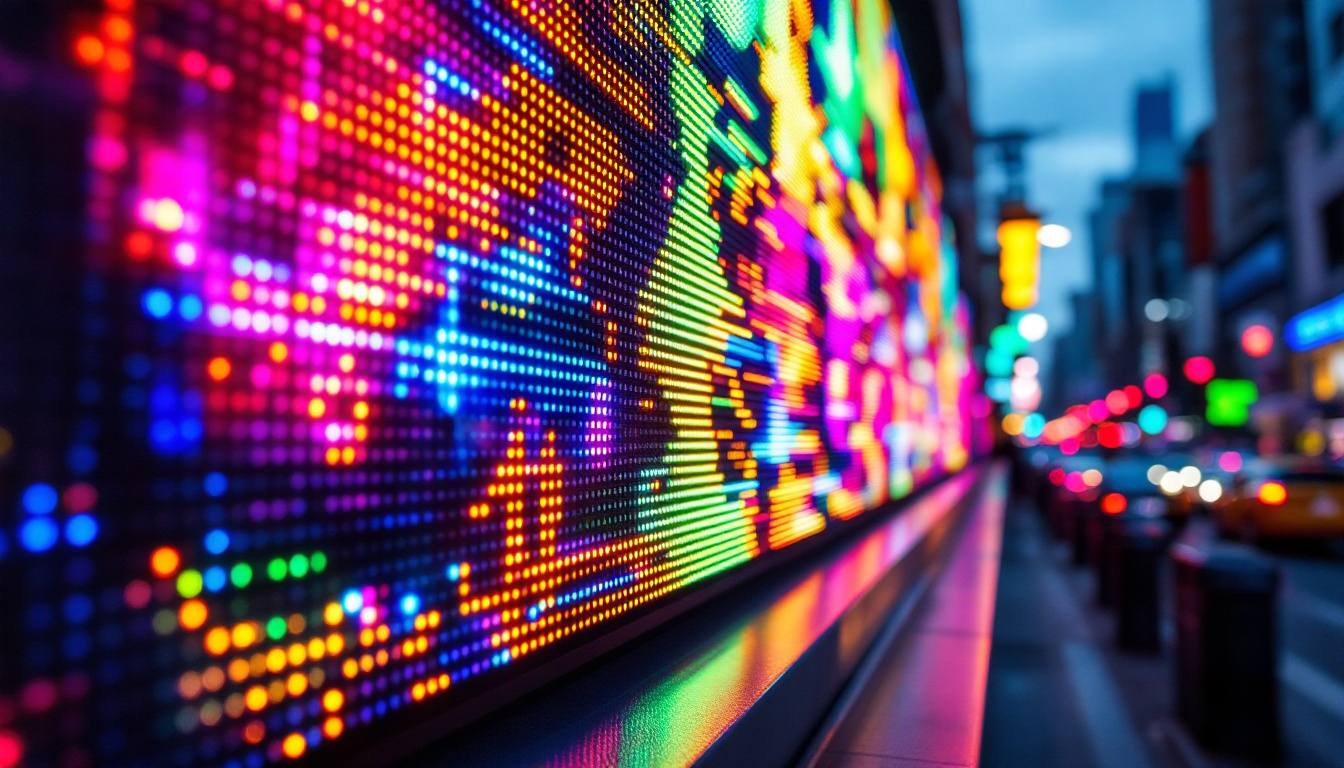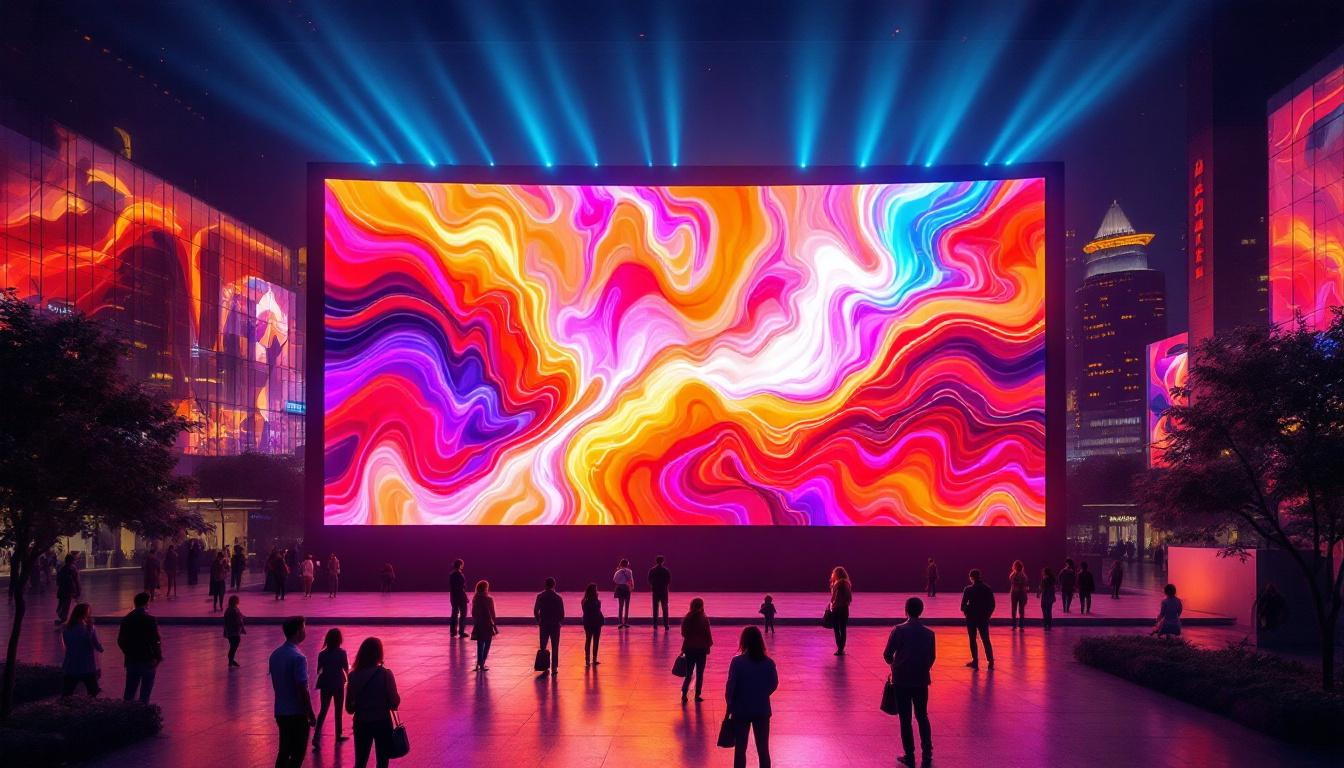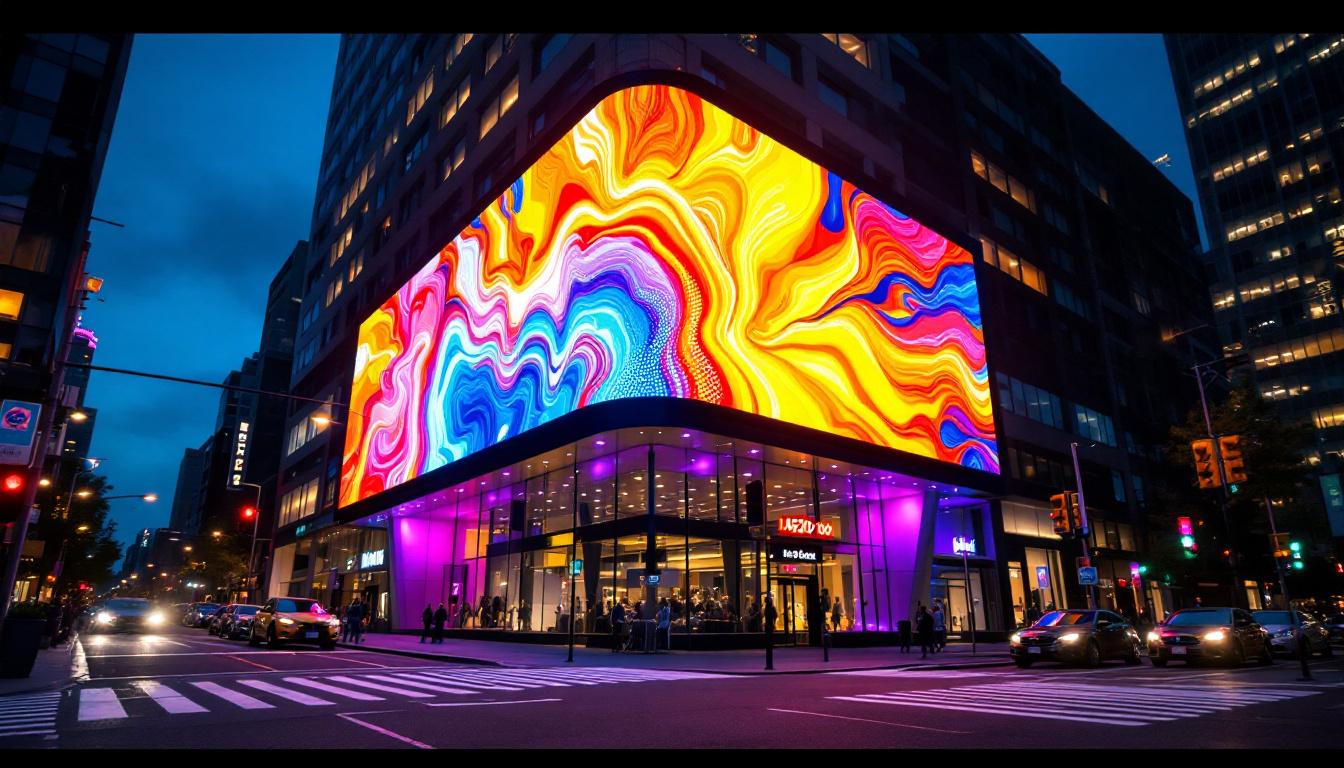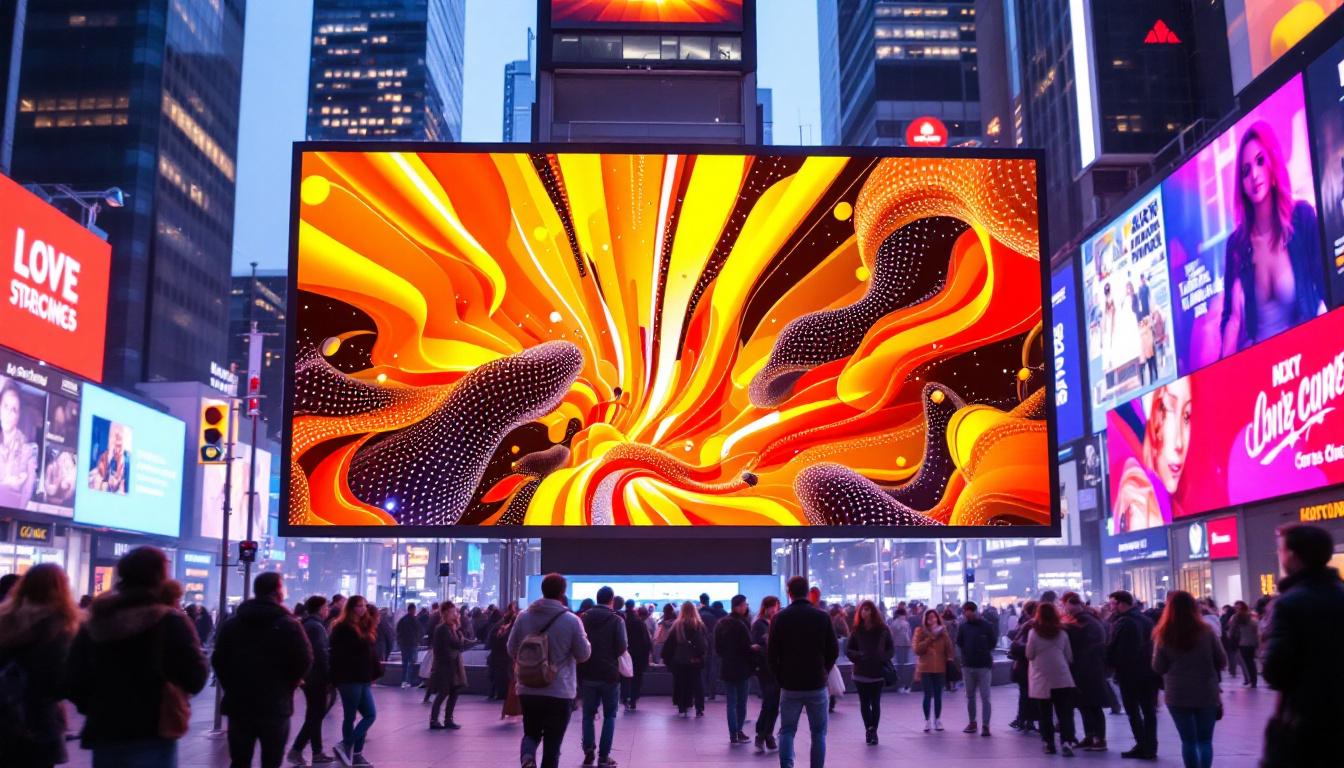
In the world of modern advertising, entertainment, and public information, LED displays have become a cornerstone technology. From the dazzling billboards in Times Square to the massive screens in sports stadiums, LED displays captivate audiences with their brightness, clarity, and versatility. This article delves into the technology behind LED displays, exploring how they work, their various applications, and why they are rapidly becoming the preferred choice for big screen bars and other large-format digital signage.
Understanding LED Display Technology
What is an LED Display?
LED stands for Light Emitting Diode, a semiconductor device that emits light when an electric current passes through it. An LED display is a flat panel display that uses an array of these tiny LEDs as pixels to produce images and videos. Unlike traditional LCD or plasma screens, LED displays can be scaled to very large sizes without losing brightness or image quality, making them ideal for big screen bars and outdoor advertising.
The core advantage of LED technology lies in its ability to produce vivid colors and high brightness levels while maintaining energy efficiency. This makes LED displays suitable for both indoor and outdoor environments, where lighting conditions can vary significantly. Furthermore, LED displays are known for their longevity; they can last up to 100,000 hours, significantly reducing the need for frequent replacements and maintenance compared to other display technologies.
How Do LED Displays Work?
Each pixel on an LED display consists of multiple LEDs, typically red, green, and blue (RGB). By varying the intensity of these three colors, the display can produce a broad spectrum of colors. This RGB color mixing is fundamental to creating lifelike images and videos. The precision in color representation is particularly beneficial in applications such as digital signage, where accurate branding colors are crucial for effective marketing.
LED displays are made up of modules or panels, which are combined to form the entire screen. The resolution of the display depends on the pixel pitch—the distance between the centers of two adjacent pixels. A smaller pixel pitch means higher resolution and sharper images, which is particularly important for close viewing distances. Additionally, advancements in technology have allowed for the development of flexible LED displays, enabling creative installations that can bend and shape according to design requirements, further enhancing their versatility in various environments.
Types of LED Displays
There are primarily two types of LED displays: direct view LED displays and LED-backlit LCDs. Direct view LED displays use LEDs as the actual pixels, while LED-backlit LCDs use LEDs to illuminate an LCD panel. The choice between these types often depends on the specific application and environment in which the display will be used.
For big screen bars and large outdoor installations, direct view LED displays are the preferred choice due to their superior brightness, durability, and scalability. These can be further categorized into:
- Indoor LED Displays: Designed for controlled lighting environments, these displays have a smaller pixel pitch (often below 2mm) to provide high resolution and sharp images. They are commonly used in venues such as theaters, conference rooms, and retail spaces, where clarity and detail are paramount.
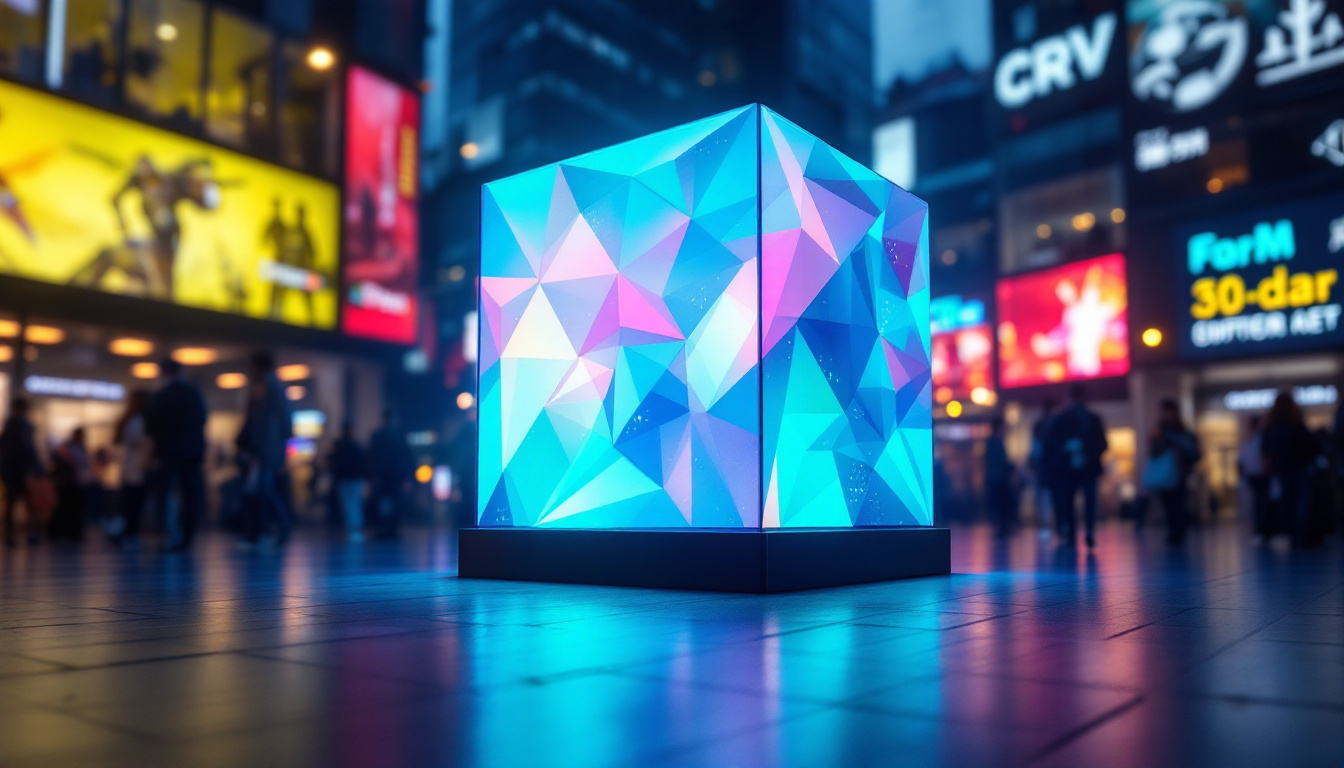
- Outdoor LED Displays: Built to withstand weather conditions, these displays have larger pixel pitches (typically 4mm to 20mm) and higher brightness levels to remain visible in daylight. They are often seen in stadiums, billboards, and public squares, where they can attract attention from a distance and in varying light conditions.
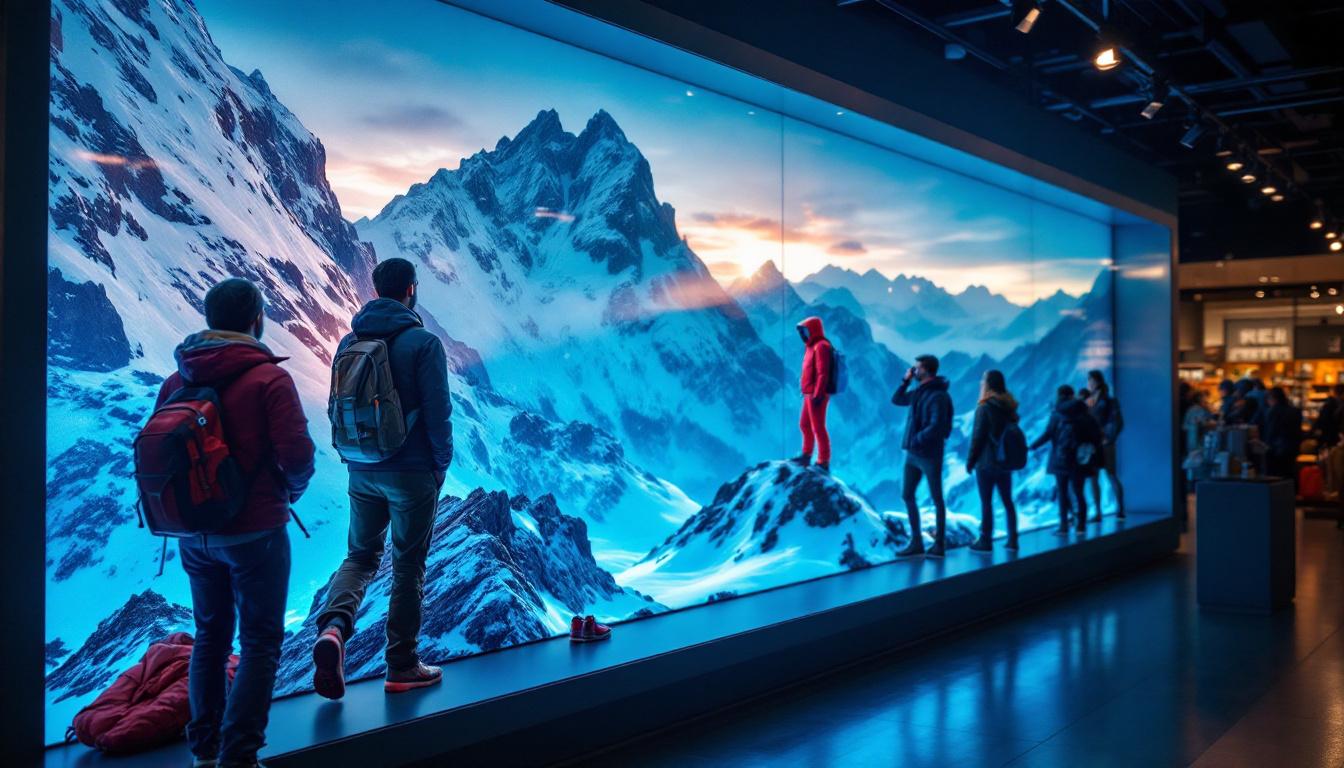
Moreover, the evolution of LED technology has led to the emergence of innovative display solutions such as transparent LED displays, which allow for a unique blend of digital content and physical spaces. These displays can be used in storefronts and exhibitions, providing an eye-catching way to showcase products without obstructing the view of the items behind them. As the technology continues to advance, we can expect even more exciting developments in the realm of LED displays, pushing the boundaries of what is possible in visual communication.
Applications of LED Displays in Big Screen Bars
Enhancing Customer Experience
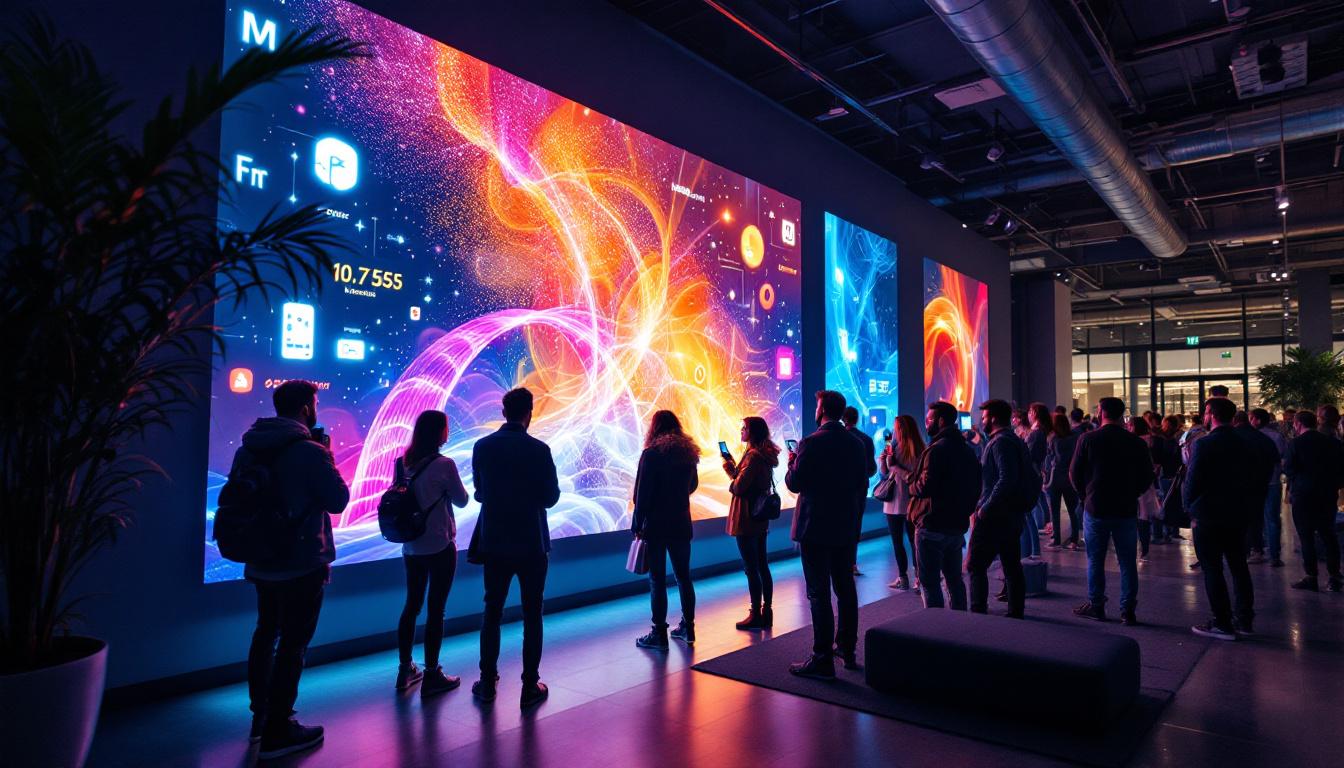
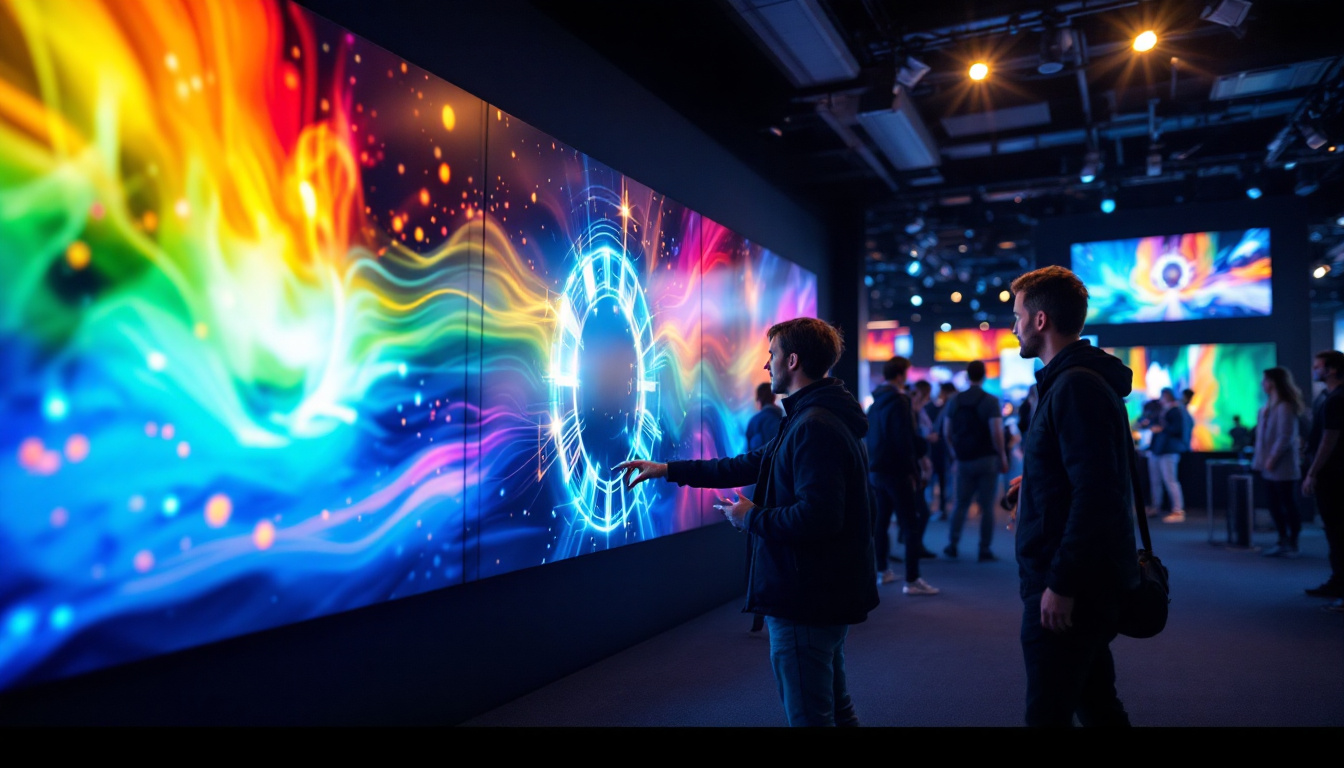
Big screen bars utilize LED displays to create immersive environments that enhance the customer experience. Whether broadcasting live sports, playing music videos, or displaying interactive content, LED screens provide vibrant visuals that engage patrons and encourage longer visits.
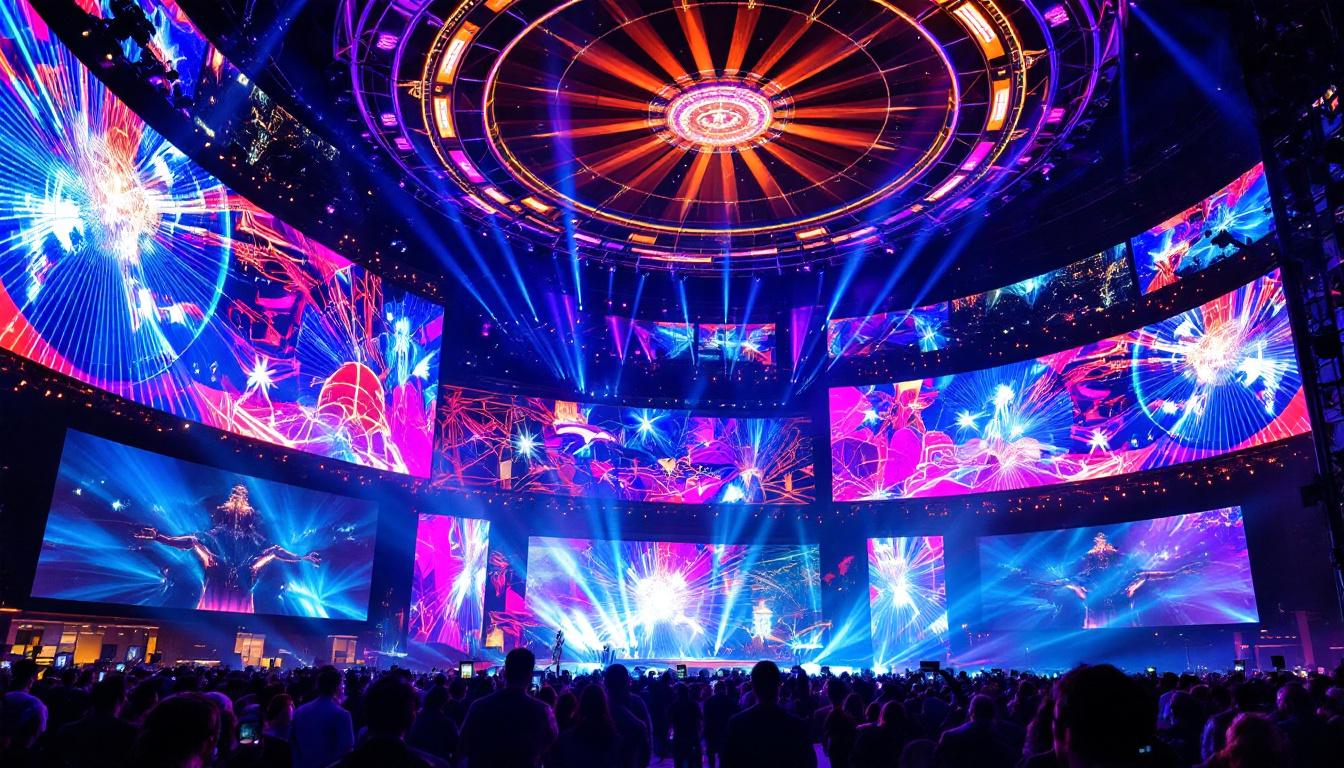
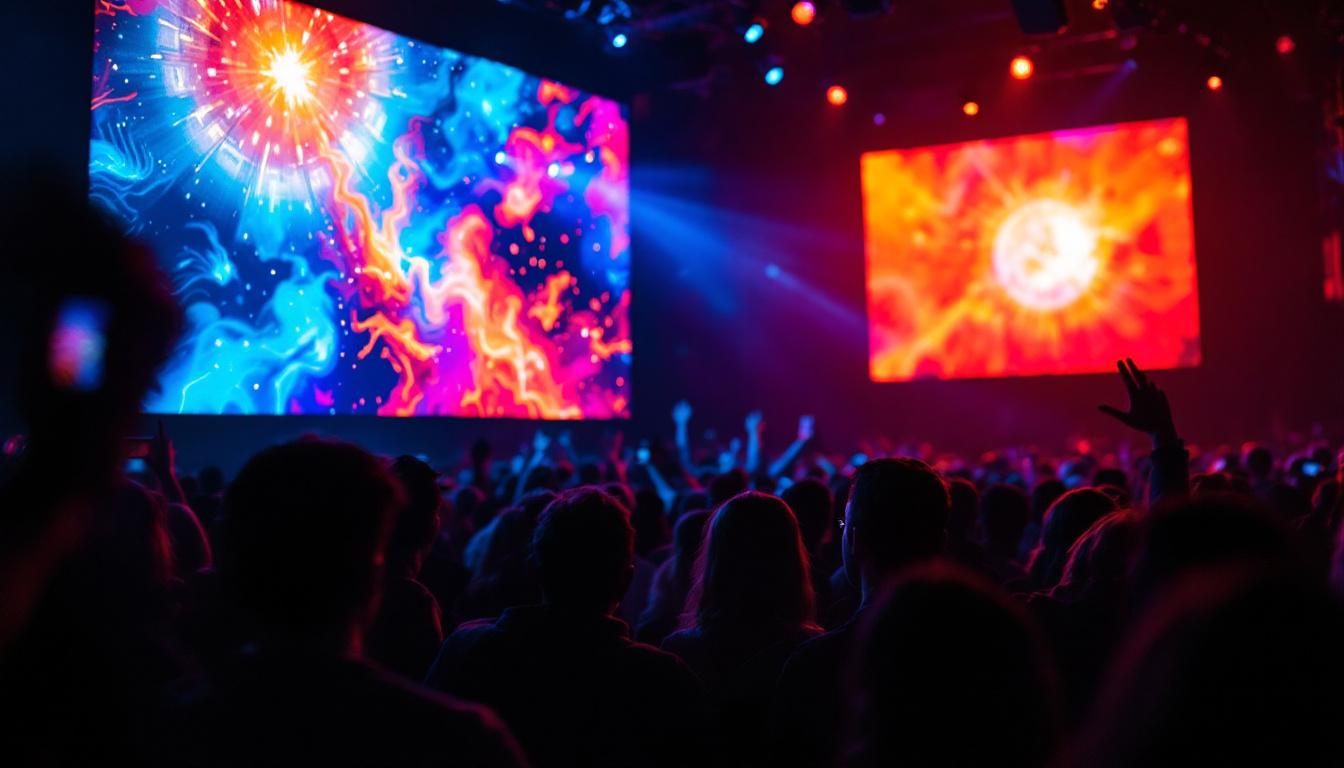
For example, during major sporting events like the FIFA World Cup or the Super Bowl, big screen bars equipped with large LED displays can attract large crowds eager to watch the action in high definition. The brightness and clarity of LED screens ensure that every seat in the bar has a good view, even in brightly lit or outdoor areas. Additionally, the ability to display multiple camera angles or instant replays adds a layer of excitement, allowing fans to catch every thrilling moment from various perspectives. This not only enhances the viewing experience but also fosters a sense of community among patrons as they cheer for their favorite teams together.
Advertising and Promotions
LED displays offer a dynamic platform for advertising within big screen bars. Bars can use these screens to promote upcoming events, special offers, or featured drinks in real time. The ability to update content instantly allows for timely and targeted messaging that can boost sales and customer engagement.
Moreover, LED displays can be integrated with social media feeds or interactive polls, creating a two-way communication channel between the bar and its patrons. This interactivity not only entertains but also builds brand loyalty. For instance, a bar might encourage customers to post photos on social media with a specific hashtag, which then gets displayed on the LED screen. This not only increases engagement but also creates a sense of belonging among patrons, as they see their contributions highlighted in real-time. Furthermore, the use of QR codes on the displays can facilitate easy access to menus or special promotions, enhancing the overall convenience for customers.
Versatility in Design and Placement
One of the key benefits of LED displays is their flexibility in design and placement. LED panels can be curved, shaped, or arranged in creative configurations to fit the aesthetic and spatial requirements of any bar. This adaptability allows for unique visual experiences that can become a signature feature of the venue.
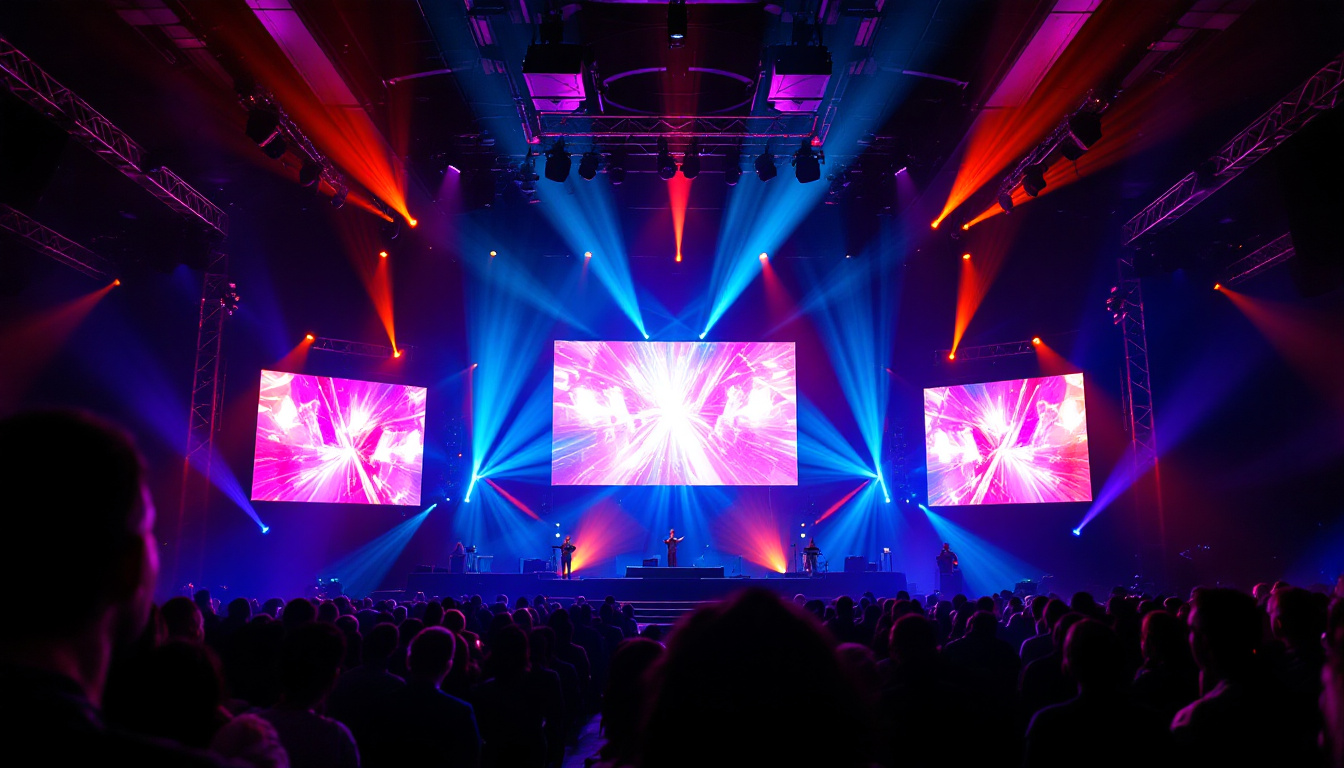
For instance, some big screen bars install LED walls behind the bar counter, while others use LED strips along the ceiling or floor to create ambient lighting effects synchronized with the displayed content. These innovative uses of LED technology contribute to a memorable atmosphere that sets the bar apart from competitors. Moreover, the integration of LED displays with sound systems can create a multi-sensory experience, where visuals and audio work in harmony to captivate patrons. This can be particularly effective during themed nights or live performances, where the combination of stunning visuals and electrifying sound can transform an ordinary night out into an unforgettable event. The flexibility of LED technology also allows bars to easily update their decor for seasonal themes or special occasions, ensuring that the ambiance remains fresh and appealing throughout the year.
Technical Considerations for Installing LED Displays in Bars
Choosing the Right Resolution and Pixel Pitch
When selecting an LED display for a big screen bar, resolution and pixel pitch are critical factors. The optimal pixel pitch depends largely on the typical viewing distance. For indoor bars where patrons are close to the screen, a smaller pixel pitch (1.5mm to 2.5mm) ensures crisp images. For outdoor or larger spaces, a pixel pitch of 4mm or more is usually sufficient.
Higher resolution displays provide better image quality but come at a higher cost. Balancing resolution with budget and space constraints is essential to maximize the return on investment.
Brightness and Contrast Requirements
Brightness is measured in nits, and for indoor bars, a brightness level of 800 to 1,500 nits is typically adequate. Outdoor screens require much higher brightness, often exceeding 5,000 nits, to remain visible under direct sunlight.
Contrast ratio also plays a significant role in image quality. LED displays generally offer excellent contrast ratios because LEDs can be turned off completely to produce true blacks, enhancing the overall viewing experience.
Durability and Maintenance
LED displays in bars must be durable enough to withstand environmental factors such as humidity, temperature fluctuations, and potential physical impacts. Outdoor LED displays are designed with weatherproof enclosures and protective coatings to ensure longevity.
Regular maintenance, including cleaning and calibration, is necessary to keep the display performing optimally. Many manufacturers offer service agreements and remote monitoring tools to detect issues early and minimize downtime.
Future Trends in LED Display Technology
MicroLED and MiniLED Innovations
Emerging technologies like MicroLED and MiniLED are set to revolutionize the LED display market. MicroLED displays use microscopic LEDs to create pixels, offering even higher brightness, better color accuracy, and longer lifespan compared to traditional LEDs.
MiniLED technology, which uses smaller LEDs as backlighting for LCD panels, provides improved contrast and brightness at a lower cost. Both technologies promise to enhance the visual experience in big screen bars and other venues.
Integration with Smart Technologies
LED displays are increasingly being integrated with smart technologies such as IoT (Internet of Things) and AI-driven content management systems. This integration allows for real-time data-driven content adjustments, personalized advertising, and enhanced interactivity.
For big screen bars, this means the ability to tailor content to customer demographics, current events, or even weather conditions, creating a more engaging and relevant experience.
Sustainability and Energy Efficiency
As environmental concerns grow, LED display manufacturers are focusing on sustainability. Advances in energy-efficient LEDs and power management systems reduce the carbon footprint of large displays. Additionally, many LED displays are now designed for easier recycling and longer service life, aligning with green initiatives.
Conclusion
LED displays have transformed the landscape of big screen bars by offering unmatched brightness, flexibility, and visual impact. Understanding the technology behind these displays, their applications, and the technical considerations involved is crucial for bar owners and event organizers looking to create engaging and memorable experiences.
With ongoing advancements in LED technology and integration with smart systems, the future of big screen bars looks brighter than ever. Investing in the right LED display not only elevates the ambiance but also drives customer engagement and business growth, making it a smart choice in today’s competitive entertainment market.
Discover LumenMatrix’s Innovative LED Solutions
Ready to elevate your big screen bar with the latest in LED display technology? LumenMatrix is at the forefront of creating immersive environments that captivate and engage. From Indoor and Outdoor LED Wall Displays to specialized solutions like Vehicle, Sports, and Floor LED Displays, our products are designed to transform your space and enhance your brand’s visibility. Experience the future of visual communication with our Custom, All-in-One, and Transparent LED Displays. Check out LumenMatrix LED Display Solutions and start creating unforgettable customer experiences today.