Wall cabinets have become an essential feature in modern homes and commercial spaces, offering both storage solutions and aesthetic appeal. With the rise of smart home technologies and innovative lighting options, integrating LED displays into wall cabinets is transforming how these fixtures function and look. This comprehensive guide will explore the process of installing wall cabinets with LED displays, highlighting key considerations, installation techniques, and the benefits of this cutting-edge technology.
Understanding Wall Cabinets and LED Displays
What Are Wall Cabinets?
Wall cabinets are storage units mounted on walls, typically found in kitchens, bathrooms, offices, and retail environments. Unlike base cabinets, wall cabinets are elevated off the floor, providing easy access to stored items while saving floor space. They come in various materials, sizes, and styles, ranging from traditional wood finishes to sleek modern designs.
In commercial settings, wall cabinets often serve dual purposes: storage and display. For example, in retail stores, they might showcase products, while in offices, they can store supplies and equipment. The versatility of wall cabinets makes them a popular choice for both residential and commercial applications.
What Is an LED Display?
LED (Light Emitting Diode) displays are screens that use LED technology to produce bright, energy-efficient lighting. These displays are widely used in advertising, signage, and increasingly in interior design due to their vivid colors, flexibility, and longevity. LED displays can be customized to fit various shapes and sizes, making them ideal for integration into cabinetry.
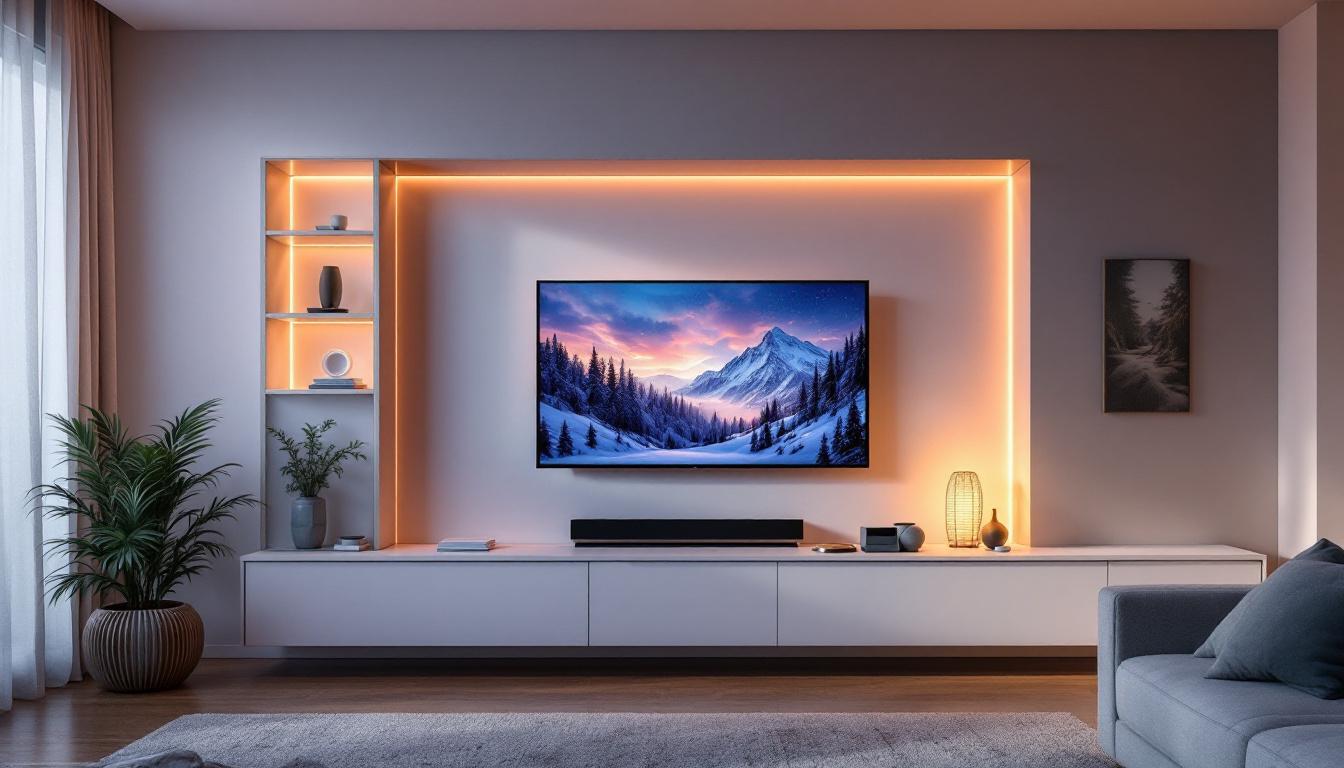
When incorporated into wall cabinets, LED displays can serve multiple functions: from backlighting shelves to creating dynamic visual effects or even displaying digital content such as images, videos, or notifications. This fusion of cabinetry and technology elevates the user experience and adds a modern touch to any space.
Benefits of Installing LED Displays in Wall Cabinets
Enhanced Aesthetics and Ambiance
One of the primary reasons to install LED displays in wall cabinets is the dramatic improvement in aesthetics. LED lighting can highlight cabinet contents, create mood lighting, or showcase decorative elements. For example, in a kitchen, LED-lit glass cabinets can make dishware and glassware stand out, adding elegance and sophistication.
Moreover, LED displays can be programmed to change colors or display patterns, allowing homeowners and businesses to customize the ambiance according to the occasion or time of day. This adaptability makes spaces more inviting and visually appealing.
Energy Efficiency and Longevity
LED technology is renowned for its energy efficiency. Compared to traditional incandescent or fluorescent lighting, LEDs consume significantly less power, reducing electricity bills and environmental impact. They also have a longer lifespan, often lasting over 50,000 hours, which means less frequent replacements and lower maintenance costs.
For commercial environments, where lighting may be used extensively throughout the day, these savings can be substantial. Additionally, LEDs generate less heat, which helps preserve cabinet materials and stored items.
Functional Advantages
Beyond aesthetics, LED displays in wall cabinets offer practical benefits. Illuminated cabinets improve visibility, making it easier to locate items, especially in dimly lit rooms or at night. This is particularly valuable in kitchens and bathrooms, where precise lighting can enhance safety and convenience.
In retail or office settings, LED displays can be used to present product information, promotional content, or digital signage, engaging customers and improving communication. The integration of smart controls allows users to adjust brightness, color, and display content remotely, adding to the convenience and functionality.
Planning Your Wall Cabinet Installation with LED Displays
Assessing Your Space and Needs
Before beginning installation, it is crucial to evaluate the space where the wall cabinets will be mounted. Measure the available wall area accurately, considering any obstacles such as electrical outlets, switches, or plumbing. Understanding the room’s lighting conditions and electrical infrastructure will inform decisions about LED placement and power requirements.
Consider the purpose of the cabinets and LED displays. Are they primarily for storage, display, or both? Will the LED display show static lighting or dynamic content? Answering these questions will help determine the type of LED technology and cabinet design that best fits your needs.
Choosing the Right Cabinets and LED Components
Select cabinets made from materials that complement LED integration. For instance, glass-front or open-shelf cabinets work well with backlighting, while solid wood cabinets may require inset LED panels or strips. Ensure the cabinet design allows for easy access to wiring and LED components for maintenance.
When selecting LED displays, consider factors such as brightness (measured in lumens), color temperature (warm, neutral, or cool), and control options (manual switches, remote controls, or smart home integration). High-quality LED strips or panels with dimming capabilities offer the most flexibility.
Electrical Considerations and Safety
Integrating LED displays requires careful attention to electrical safety. Verify that your home or building’s electrical system can support the additional load from the LEDs. It is advisable to use low-voltage LED systems (typically 12V or 24V) for safety and energy efficiency.
Plan the routing of power cables to avoid visible wires and ensure compliance with local electrical codes. If unsure, consult a licensed electrician to handle wiring and connections. Proper grounding and the use of certified LED drivers will prevent electrical hazards and extend the lifespan of your installation.
Step-by-Step Guide to Installing Wall Cabinets with LED Displays
Tools and Materials Needed
Before starting, gather the necessary tools and materials:
- Wall cabinets with LED-compatible design
- LED strips, panels, or display modules
- Power supply and LED drivers
- Measuring tape and level
- Drill and appropriate drill bits
- Screwdrivers and screws
- Wire connectors and electrical tape
- Stud finder
- Safety gear (gloves, goggles)
Step 1: Locate Wall Studs and Mark Placement
Use a stud finder to locate the studs behind the wall where the cabinets will be mounted. Mark the stud positions with a pencil. Cabinets must be securely anchored to studs to support their weight and contents safely.
Measure and mark the desired height for the bottom of the cabinets, ensuring they are level and aligned with other fixtures or countertops.
Step 2: Prepare Cabinets for LED Installation
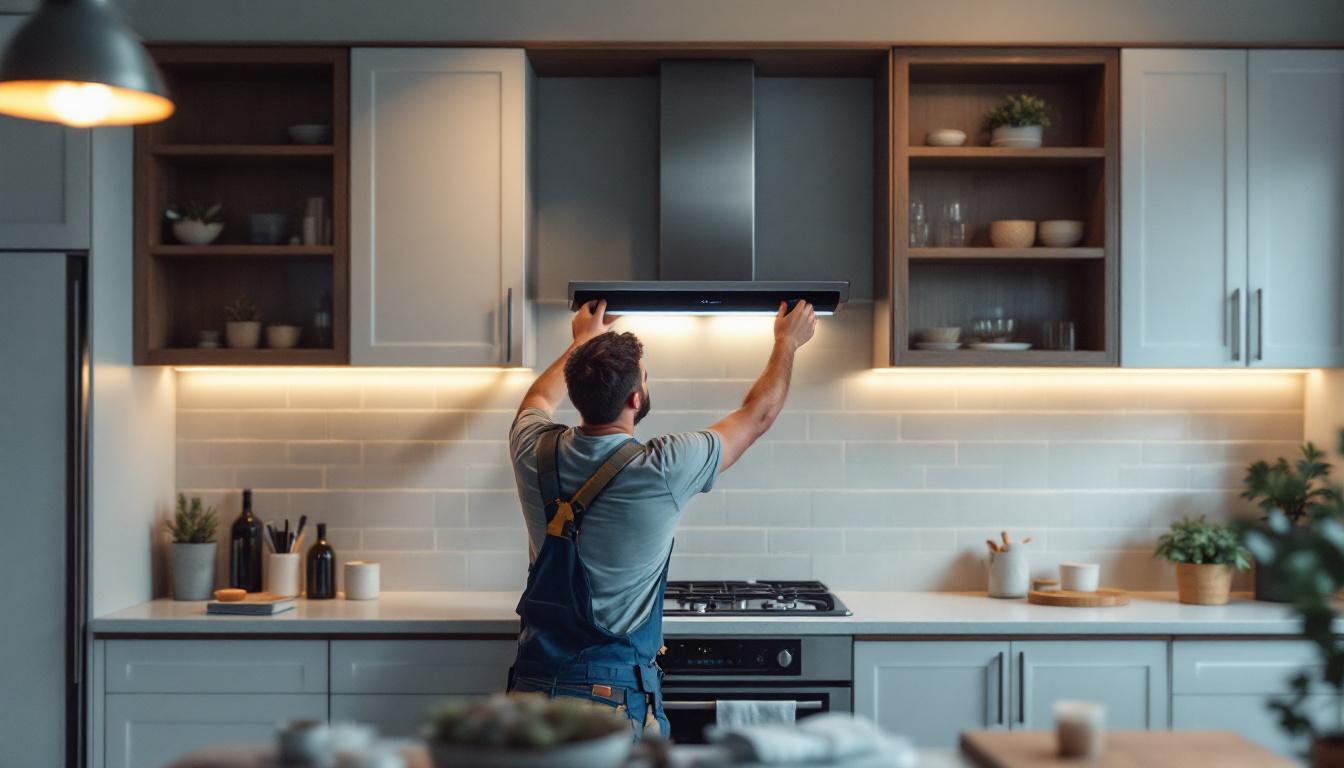
If the cabinets do not come pre-equipped with LED components, plan the installation of LED strips or panels. This may involve drilling small holes or channels to route wiring discreetly. Attach LED strips to the interior surfaces using adhesive backing or mounting clips, focusing on areas that will best illuminate the cabinet contents.
Test the LED components before mounting the cabinets to confirm proper function and brightness.
Step 3: Mount the Cabinets on the Wall
With assistance, lift the cabinet and align it with the marked stud locations. Use a level to ensure it is perfectly horizontal. Secure the cabinet to the wall studs using appropriate screws, typically 2.5 to 3 inches long, to provide strong anchorage.
For multiple cabinets, install them sequentially and use clamps or braces to hold them in place while fastening. Check alignment between cabinets to maintain a seamless appearance.
Step 4: Connect the LED Display Wiring
Route the LED wiring through the wall or along the back of the cabinets to the power supply. Use wire connectors and electrical tape to secure connections, ensuring they are insulated and safe. Connect the LED drivers to the power source, following manufacturer instructions.
Incorporate switches or smart controllers as desired. Test the LED display once all connections are made to verify operation and adjust brightness or color settings.
Step 5: Final Adjustments and Finishing Touches
Install cabinet doors, handles, and any additional hardware. Clean the cabinets and LED surfaces to remove fingerprints or dust. Adjust LED settings to achieve the desired lighting effect.
Consider adding diffusers or frosted glass panels to soften LED light and create a more uniform glow. This enhances visual comfort and cabinet appearance.
Common Challenges and Troubleshooting Tips
Uneven Lighting or Dark Spots
Uneven illumination can occur if LED strips are spaced too far apart or if the cabinet material obstructs light. To avoid this, use high-density LED strips and position them strategically along shelves or cabinet edges. Adding reflective backing or diffusers can help distribute light evenly.
Wiring Visibility and Cable Management
Visible wires can detract from the cabinet’s aesthetic. Conceal cables by routing them inside the cabinet walls or behind molding. Use cable clips or channels to keep wires organized and secure.
LED Flickering or Failure
Flickering may result from incompatible power supplies, loose connections, or voltage fluctuations. Ensure that LED drivers match the specifications of the LED components and that all connections are tight. If flickering persists, replace the driver or consult an electrician.
Heat Buildup
Although LEDs generate less heat than traditional bulbs, confined spaces can still accumulate warmth, potentially damaging cabinet materials or LEDs. Provide ventilation or use LEDs with built-in heat sinks to mitigate this issue.
Future Trends in Wall Cabinets and LED Integration
Smart Home Integration
The future of wall cabinets with LED displays lies in smart home connectivity. Integration with voice assistants, smartphone apps, and home automation systems allows users to control lighting, display content, and even monitor cabinet inventory remotely.
Imagine a kitchen cabinet that not only lights up your dishes but also displays recipes or nutritional information on an embedded LED screen. Such innovations are becoming increasingly accessible and affordable.
Customizable and Interactive Displays
Advancements in flexible LED panels and OLED technology are enabling fully customizable cabinet surfaces that can change appearance or display interactive content. Retail environments can benefit from dynamic product showcases, while residential users can personalize their space with art or ambient visuals.
Sustainable Materials and Energy Solutions
As sustainability becomes a priority, manufacturers are developing eco-friendly cabinet materials and energy-efficient LED systems powered by renewable sources such as solar panels. This trend aligns with global efforts to reduce carbon footprints and promote green building practices.
Conclusion
Installing wall cabinets with integrated LED displays offers a blend of functionality, style, and technological innovation. Whether enhancing a home kitchen, upgrading an office space, or creating an engaging retail environment, this combination elevates the utility and aesthetics of traditional cabinetry.
Successful installation requires careful planning, appropriate material selection, and attention to electrical safety. By understanding the benefits and challenges, homeowners and professionals can create stunning, energy-efficient spaces that meet modern demands.
As LED technology continues to evolve, the possibilities for wall cabinet design and functionality will expand, making this an exciting area for interior design and smart home development.
Discover the Future of Wall Cabinets with LumenMatrix
Ready to take your wall cabinet installations to the next level? LumenMatrix is at the forefront of LED display innovation, offering a wide array of solutions that can transform any space into a dynamic and interactive environment. From Indoor LED Wall Displays to Custom LED Displays and everything in between, our products are designed to integrate seamlessly with your cabinetry, providing not just lighting but an immersive visual experience. Elevate your space with the cutting-edge technology and creative possibilities our LED displays offer. Check out LumenMatrix LED Display Solutions today and see how we can help you create a captivating and energy-efficient space that stands out.