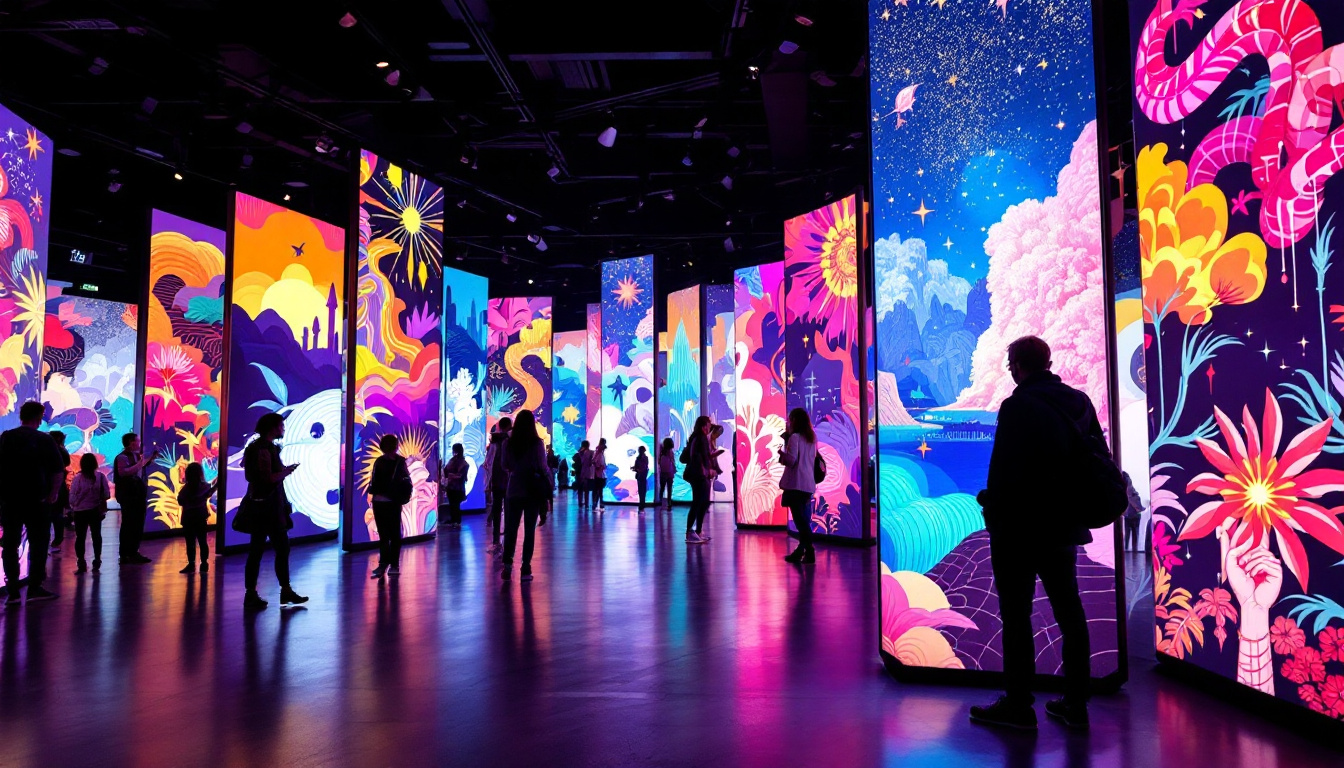
In the world of modern electrical and electronic installations, the role of an UPS contractor is pivotal, especially when it comes to integrating and maintaining LED display systems. LED displays have become ubiquitous—from advertising billboards and stadium screens to control room monitors and digital signage. Understanding how LED displays work, their benefits, and how UPS (Uninterruptible Power Supply) systems support their operation is essential for contractors and businesses alike.
What is an LED Display?
LED stands for Light Emitting Diode, a semiconductor device that emits light when an electric current passes through it. An LED display is essentially a matrix of these tiny diodes arranged to form images, text, or video content. Unlike traditional display technologies such as LCD or plasma, LED displays offer superior brightness, energy efficiency, and durability.
LED displays come in various forms, including:
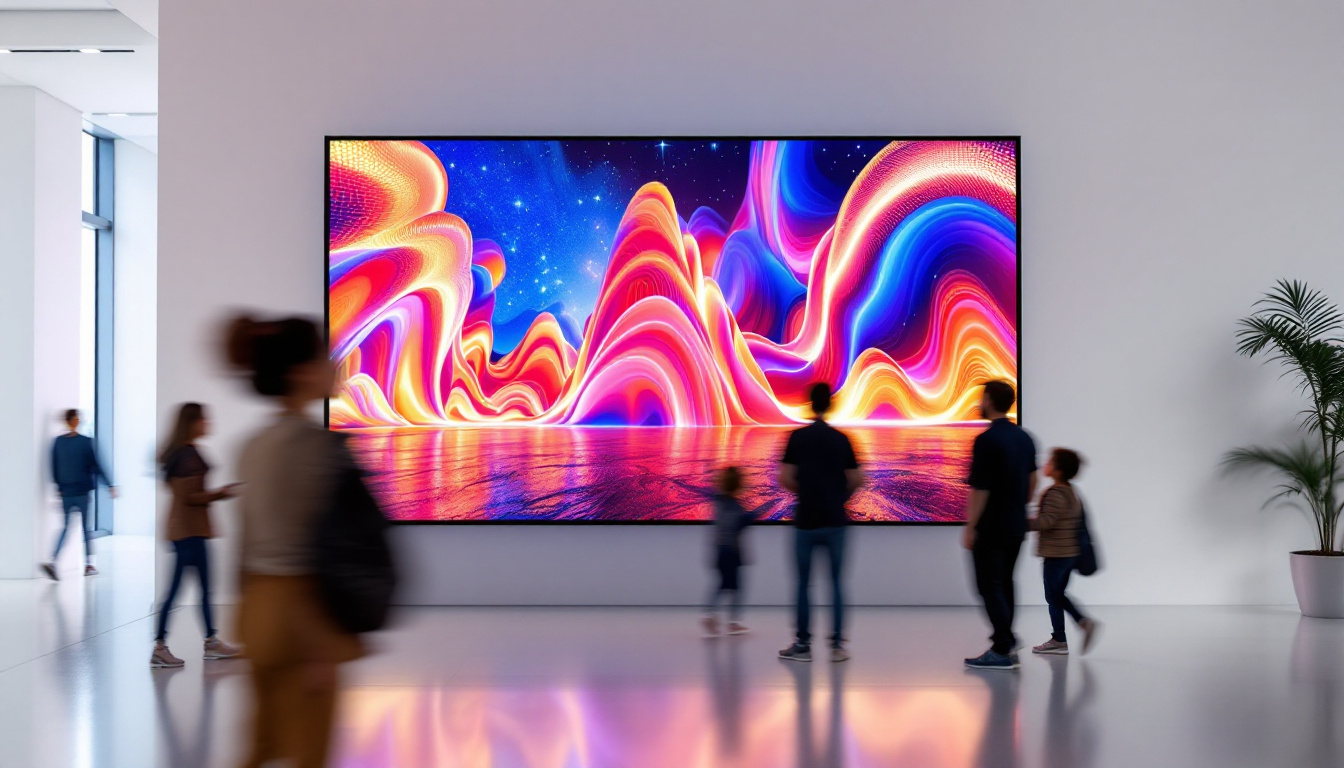
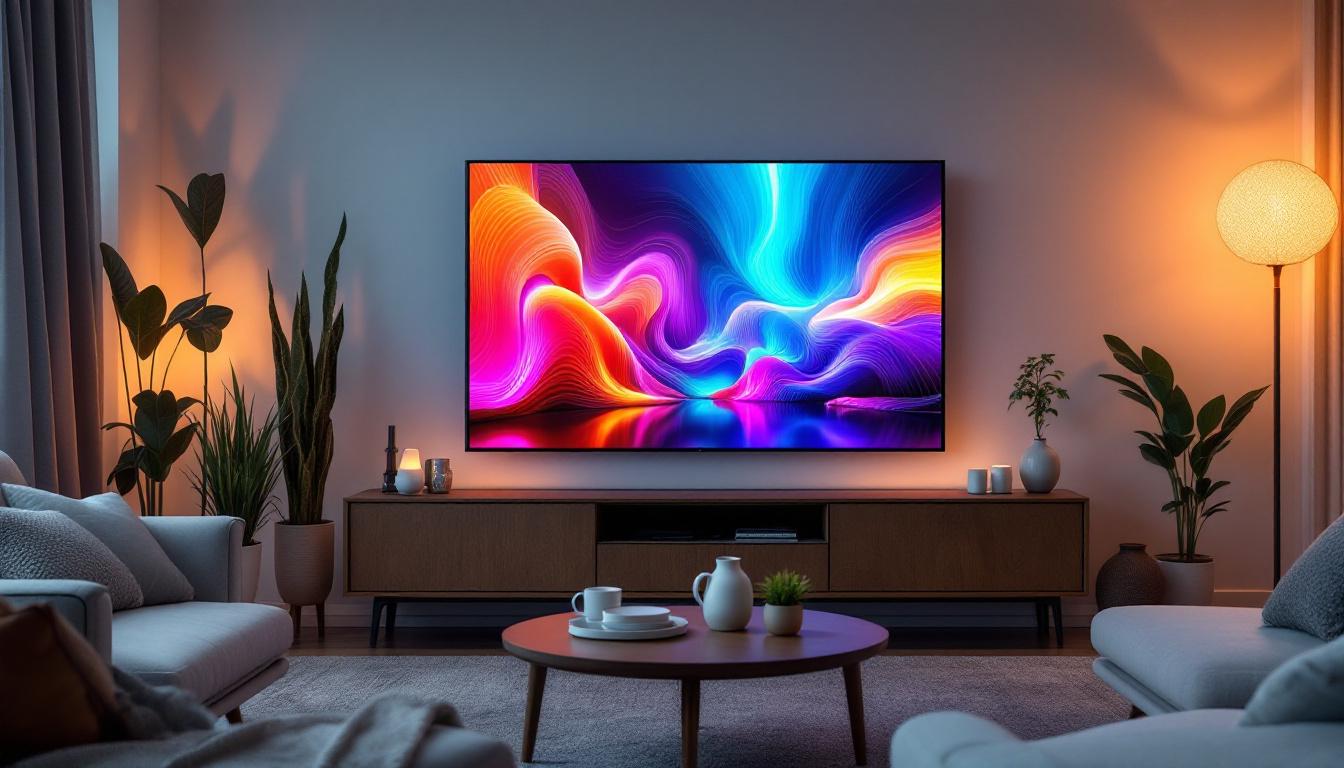
- Indoor LED Displays: Used in shopping malls, conference rooms, and retail stores where ambient lighting is controlled.
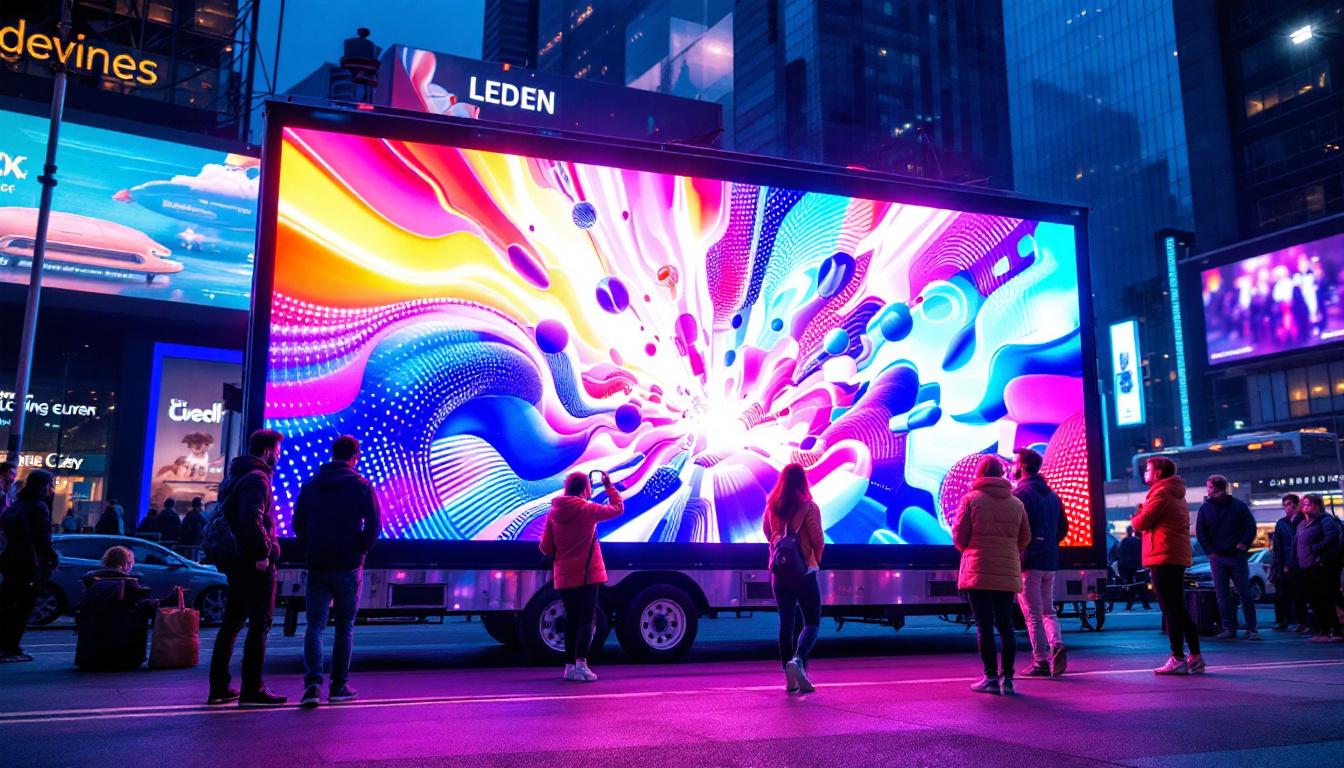
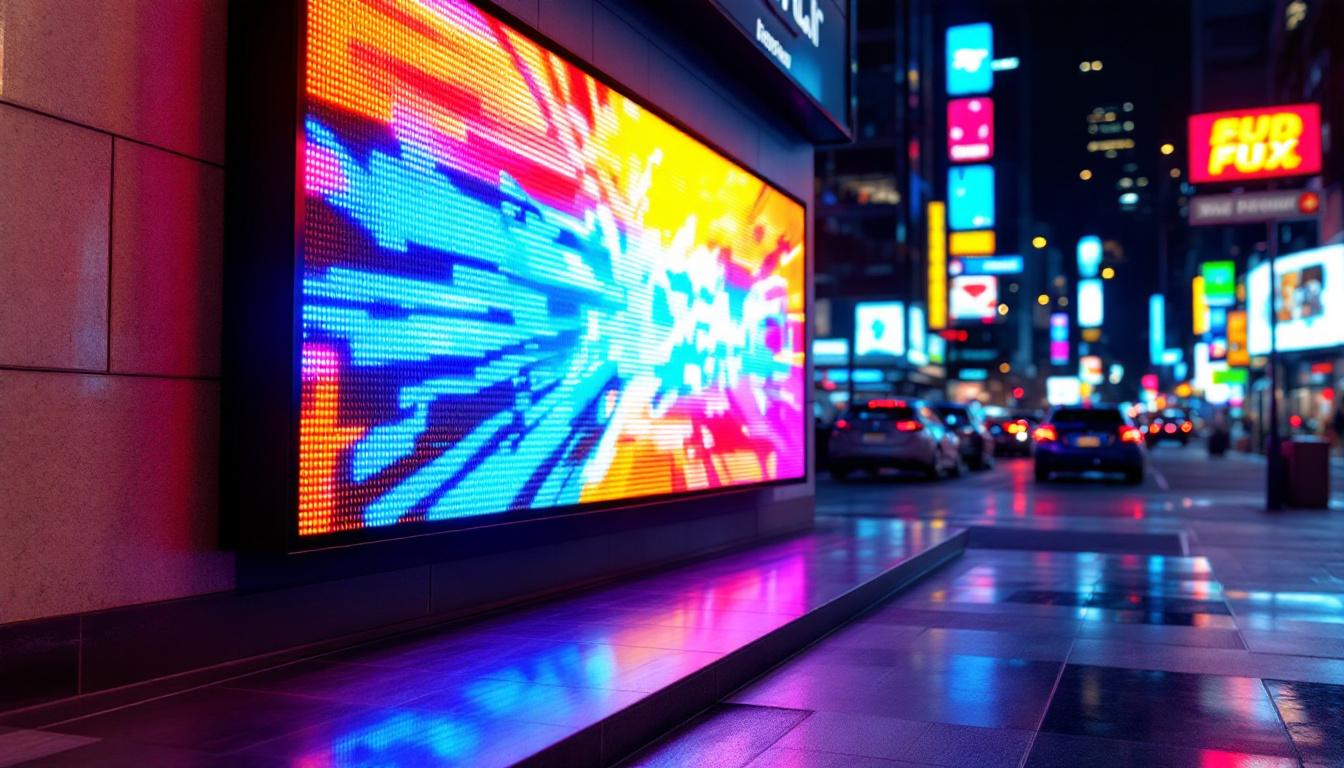
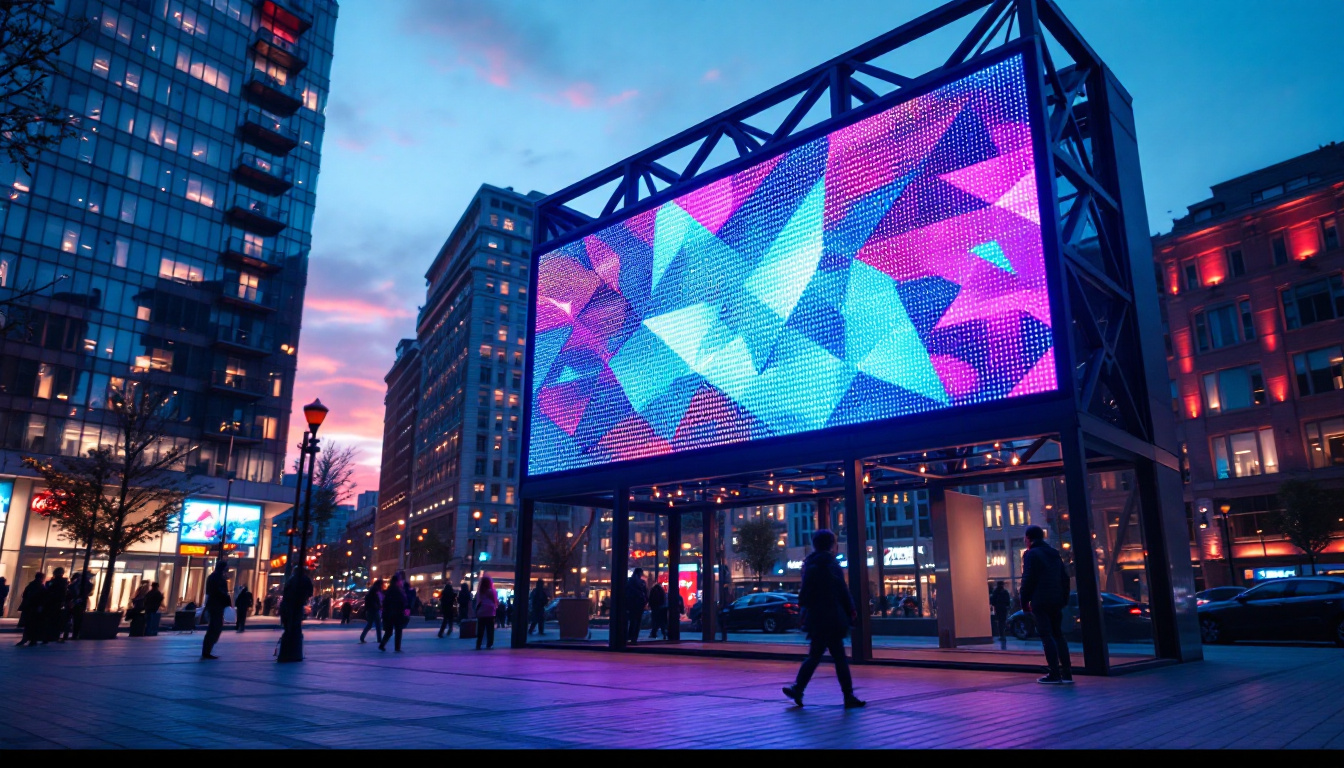
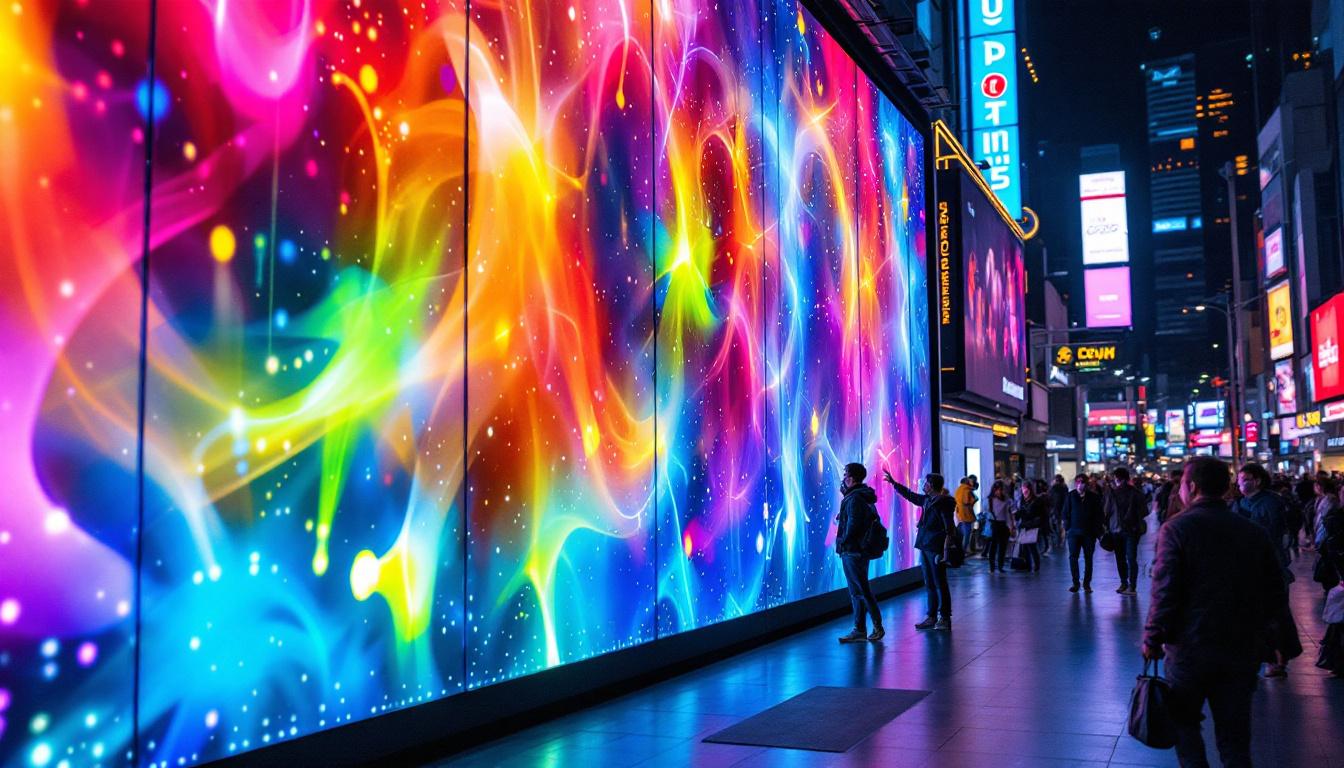
- Outdoor LED Displays: Designed to withstand weather conditions and provide high brightness for visibility even in direct sunlight.
- Flexible and Transparent LED Displays: Innovative types that can curve or allow light to pass through, expanding creative possibilities.
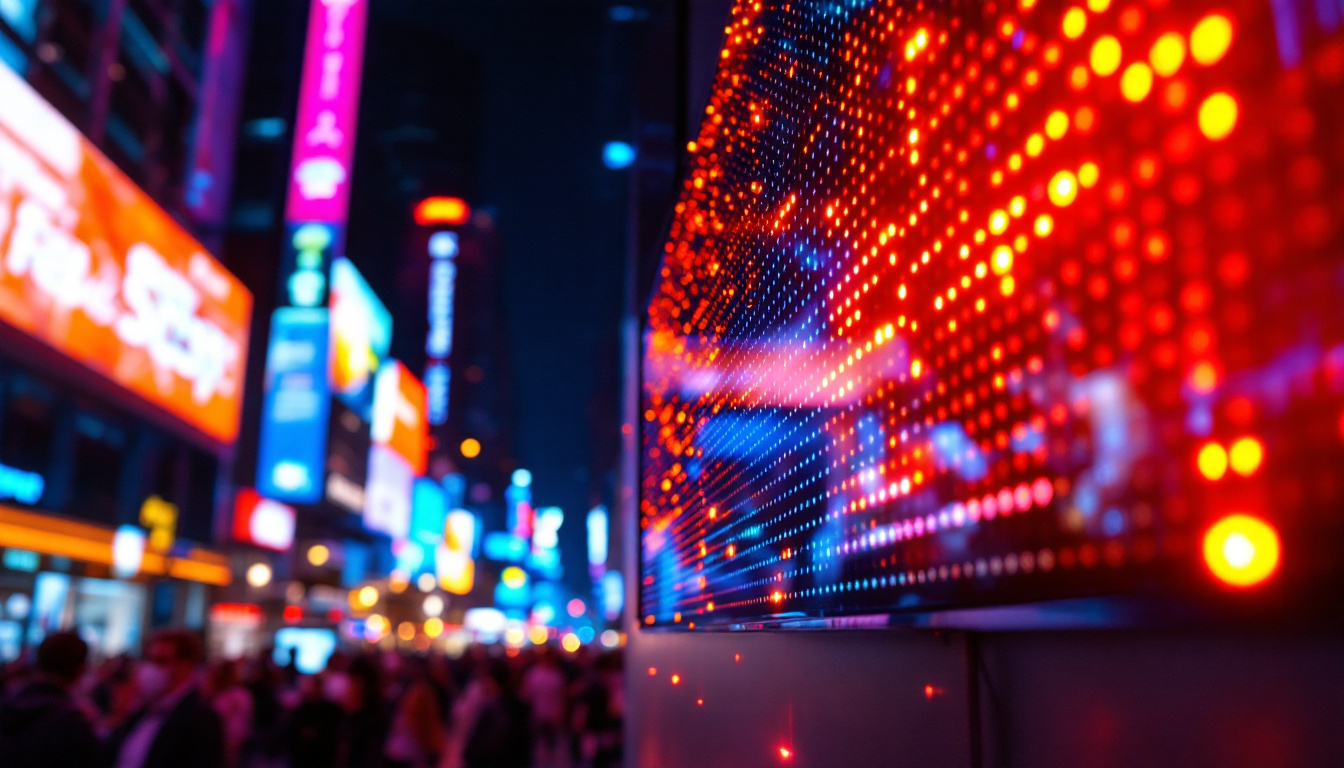
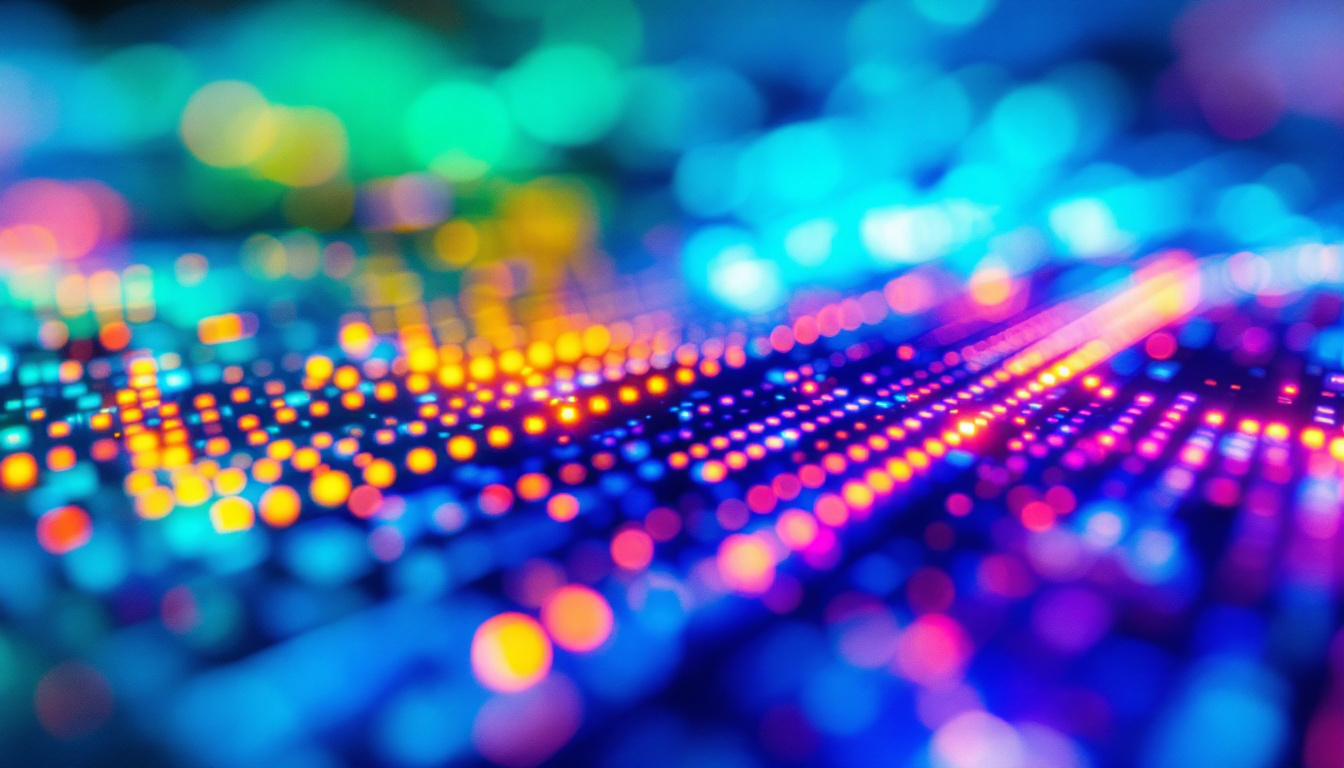
These displays are composed of thousands to millions of individual LEDs, each capable of producing red, green, and blue light. By controlling the intensity of these colors, the display can render a full spectrum of colors and dynamic images. This capability makes LED displays particularly popular in advertising, where vibrant visuals can capture attention and convey messages effectively.
In addition to their visual prowess, LED displays are also known for their longevity and low maintenance costs. Unlike traditional bulbs that may burn out quickly, LEDs can last tens of thousands of hours, significantly reducing replacement frequency and associated costs. Furthermore, they are more energy-efficient, consuming less power while delivering higher brightness levels, which is particularly beneficial for large-scale installations that operate continuously.
Moreover, the technology behind LED displays is constantly evolving. Recent advancements include the development of MicroLED and MiniLED technologies, which promise even finer pixel densities and improved color accuracy. These innovations are paving the way for new applications, such as immersive environments and augmented reality experiences, where the quality of the display can greatly enhance user engagement and interaction.
The Importance of LED Displays in Modern Installations
LED displays have revolutionized the way information and advertising are presented. Their high visibility and adaptability make them ideal for a wide range of applications:
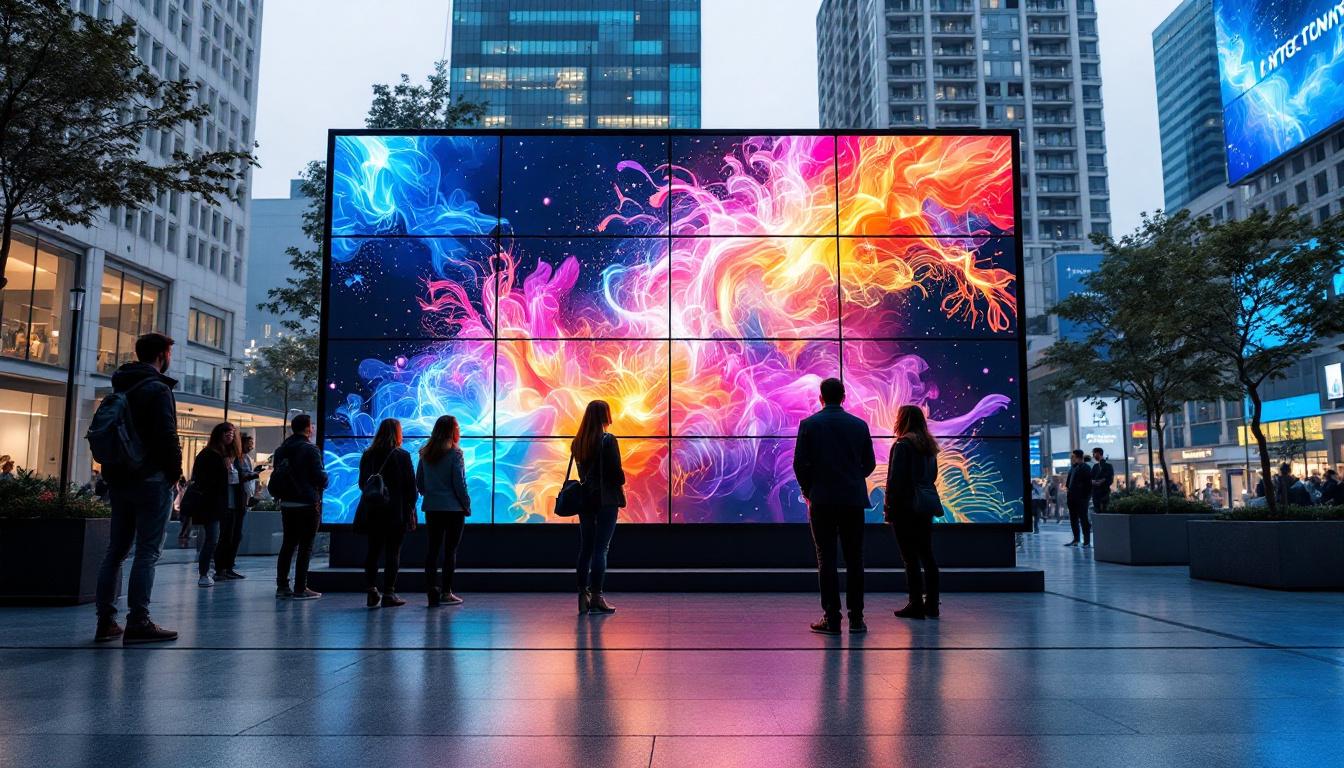
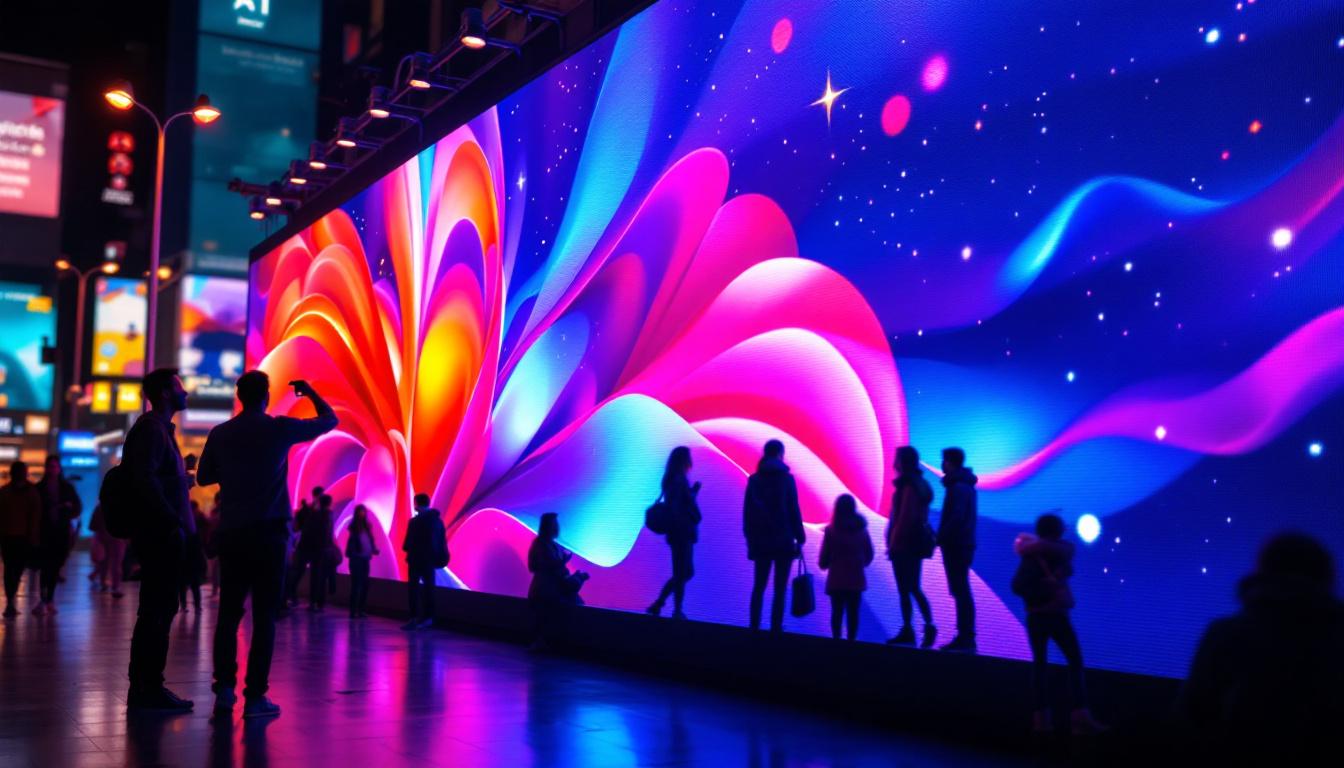
- Advertising and Marketing: Digital billboards and signage can be updated remotely and instantly, allowing for timely promotions.
- Public Information Systems: Airports, train stations, and city centers use LED displays to provide real-time updates and alerts.
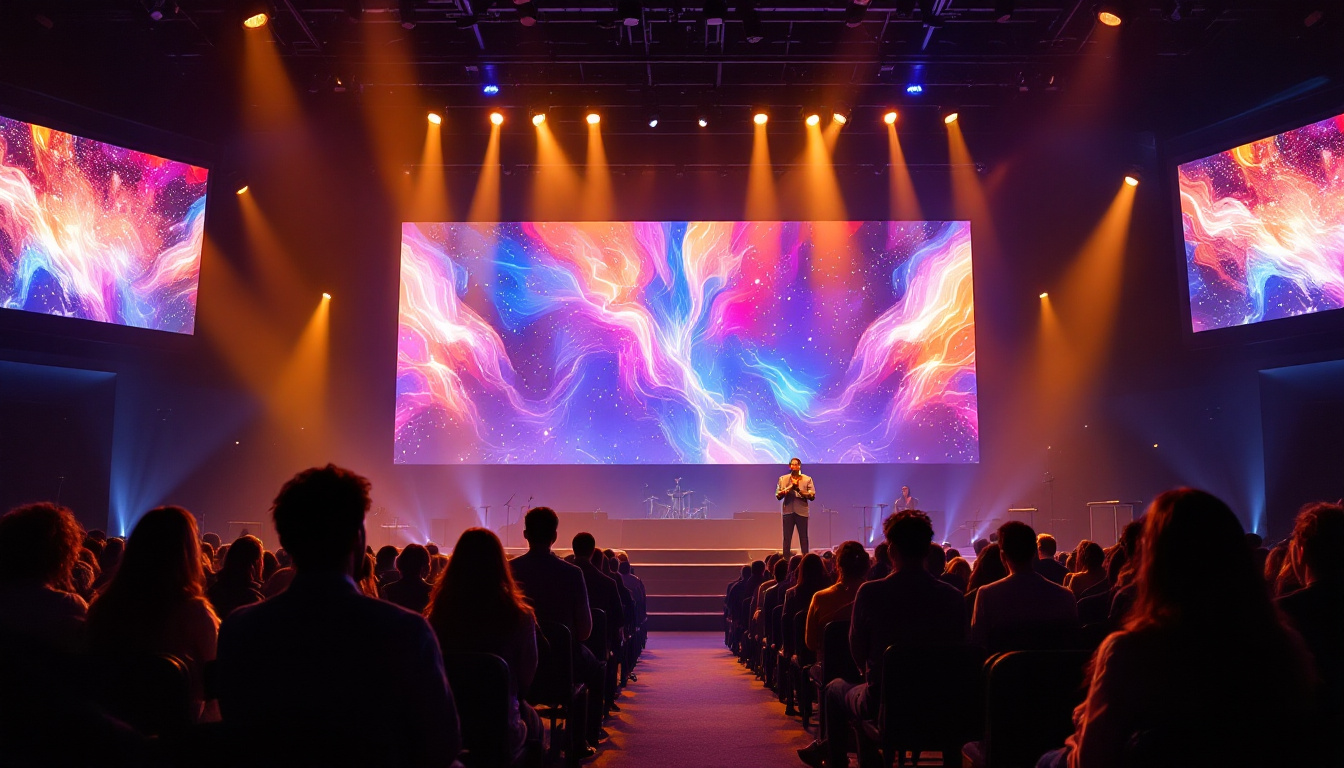
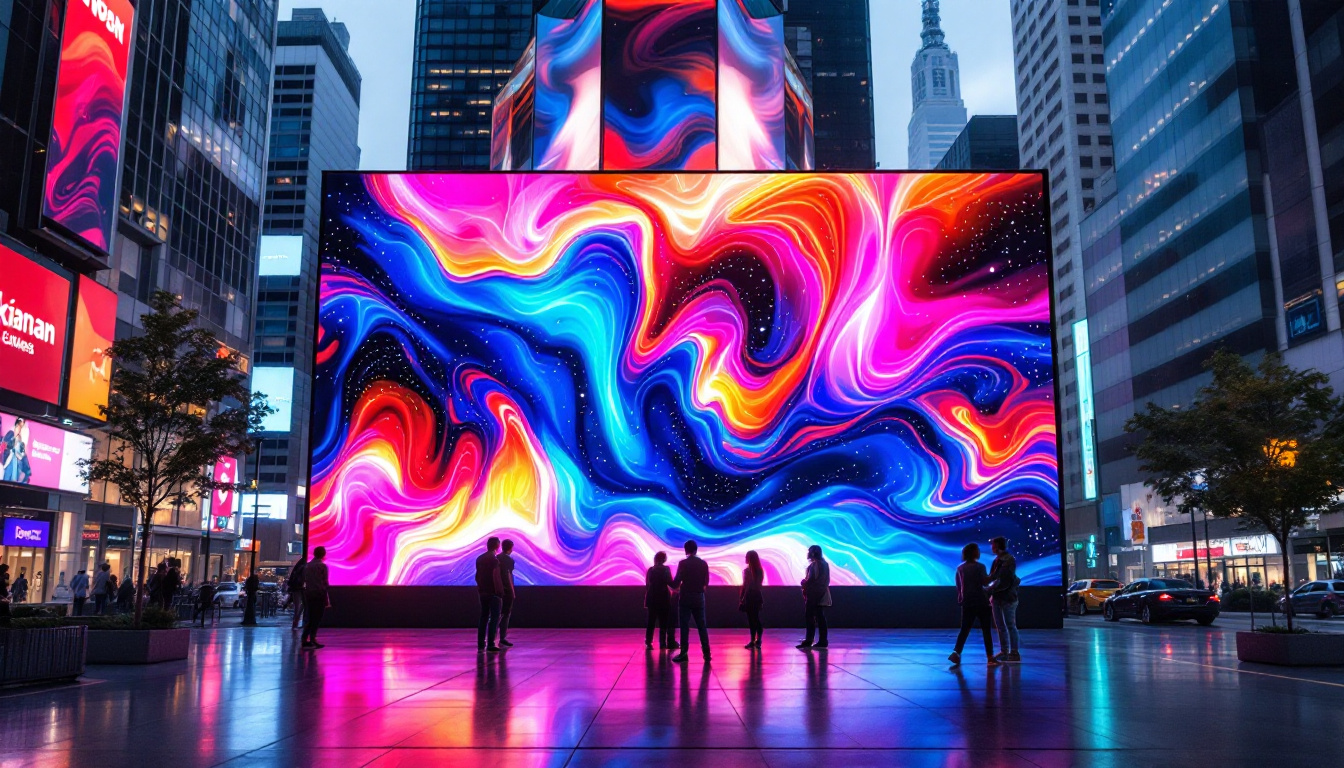
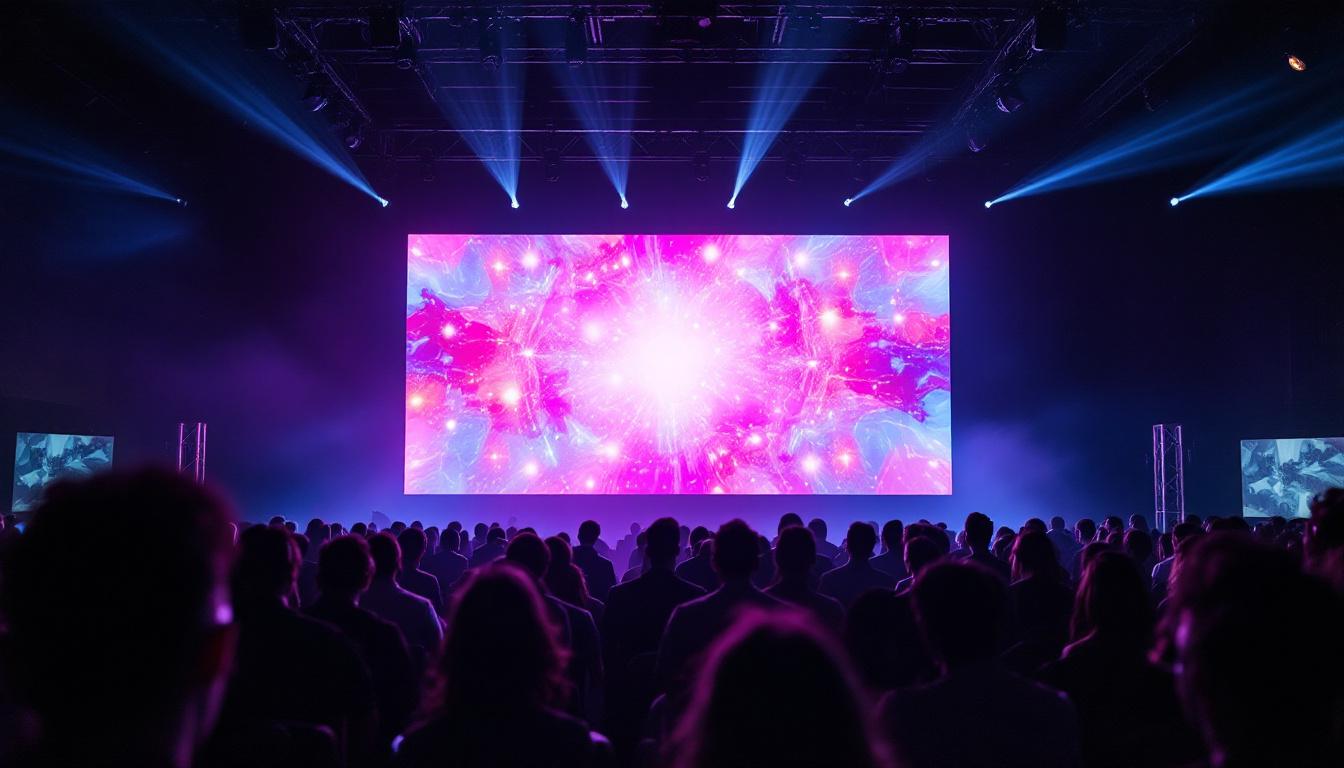
- Entertainment and Sports Venues: Large-scale LED screens enhance spectator experience with live feeds, scores, and interactive content.
- Corporate and Control Rooms: LED video walls enable data visualization and monitoring critical for decision-making.
For UPS contractors, understanding the specific requirements of these installations is crucial. LED displays often demand uninterrupted power to maintain image consistency and prevent damage to sensitive electronics.
Moreover, the energy efficiency of LED technology cannot be overstated. Unlike traditional lighting solutions, LED displays consume significantly less power, which not only reduces operational costs but also aligns with sustainability goals. This is particularly important in large installations where multiple screens are in use, as the cumulative energy savings can be substantial. Additionally, the longevity of LED displays means that they require less frequent replacement, further contributing to their cost-effectiveness and environmental friendliness.
Another noteworthy aspect of LED displays is their versatility in design and application. They can be configured in various shapes and sizes, from small screens in retail environments to massive video walls in stadiums. This flexibility allows businesses and organizations to tailor their visual communication strategies to their specific needs and audience. Furthermore, advancements in technology have led to the development of transparent and flexible LED displays, opening up new possibilities for creative installations in architecture and interior design, making them not just functional but also aesthetically pleasing.
How LED Displays Work: Technical Overview
Pixel Structure and Color Generation
Each pixel on an LED display consists of three sub-pixels: red, green, and blue LEDs. By adjusting the brightness of each sub-pixel, the display can produce millions of colors. This process is called additive color mixing.
The resolution of an LED display depends on the pixel pitch—the distance between the centers of two adjacent pixels. A smaller pixel pitch means higher resolution and sharper images, which is especially important for indoor displays viewed up close.
Driving and Control Systems
LED displays require complex driving circuits to control the timing and intensity of each LED. These systems include:
- LED Drivers: Electronic components that regulate the current supplied to LEDs, ensuring consistent brightness and color accuracy.
- Control Boards: Process input signals (video, images) and translate them into commands for the LED drivers.
- Power Supplies: Provide stable voltage and current to the entire display system.
Modern LED displays are often networked and controlled via software platforms, allowing for remote content management and diagnostics.
The Role of UPS Contractors in LED Display Installations
UPS contractors specialize in providing uninterruptible power supply solutions that protect critical electronic systems from power disturbances. For LED displays, this role is especially important because:
- Power Stability: LED displays are sensitive to voltage fluctuations and power outages, which can cause flickering, image distortion, or permanent damage.
- Continuous Operation: Many LED displays operate 24/7, especially in advertising and public information contexts, requiring reliable power backup.
- Data Integrity: Sudden power loss can corrupt content or disrupt control systems, leading to operational downtime.
UPS contractors assess the power requirements of LED display systems and design tailored UPS solutions that ensure seamless operation. This includes sizing the UPS correctly, integrating battery backup, and providing surge protection.
Types of UPS Systems Used for LED Displays
Several UPS configurations are commonly employed:
- Offline/Standby UPS: Provides basic backup power and surge protection, suitable for smaller or less critical displays.
- Line-Interactive UPS: Offers voltage regulation in addition to battery backup, ideal for environments with frequent voltage fluctuations.
- Online Double-Conversion UPS: Delivers the highest level of power quality by continuously converting power from AC to DC and back to AC, ensuring zero transfer time during outages—critical for large-scale or mission-critical LED installations.
Choosing the right UPS type depends on factors such as display size, location, power quality of the site, and budget considerations.
Key Considerations for UPS Contractors Working with LED Displays
Power Capacity and Load Analysis
Accurate load calculation is fundamental. LED displays can have varying power demands depending on size, brightness, and usage patterns. Contractors must account for:
- Peak power consumption during bright scenes or full-white displays.
- Power factor correction to optimize UPS efficiency.
- Additional equipment such as control servers, networking devices, and cooling systems.
Failing to properly size the UPS can lead to insufficient backup time or premature battery failure.
Environmental and Installation Factors
UPS systems and LED displays often share installation environments that can be challenging:
- Temperature and Humidity: Both UPS and LED components have optimal operating ranges. Contractors must ensure proper ventilation and climate control.
- Space Constraints: Especially in urban or indoor settings, space for UPS units and batteries may be limited.
- Accessibility for Maintenance: Regular maintenance is critical for UPS reliability and LED performance, so installation planning must consider ease of access.
Integration with Building Management Systems (BMS)
Modern installations often integrate UPS monitoring with BMS or network management systems. This allows real-time alerts for power issues, battery health, and load changes, enabling proactive maintenance and minimizing downtime.
Case Studies: Successful UPS and LED Display Integrations
Urban Digital Billboard in a High-Traffic Area
A major city installed a large outdoor LED billboard to promote tourism. The location experienced frequent voltage sags and occasional outages due to aging infrastructure. A UPS contractor designed a line-interactive UPS system with battery backup capable of sustaining the display for 30 minutes during outages. Additionally, surge protection was implemented to protect against lightning strikes. The result was uninterrupted advertising and reduced maintenance costs.
Control Room Video Wall for a Utility Company
A utility company upgraded its control room with a high-resolution LED video wall to monitor grid status. The contractor installed an online double-conversion UPS system with redundant power supplies to ensure zero downtime. Integration with the company’s BMS allowed operators to receive instant notifications of any power anomalies, ensuring rapid response and operational continuity.
Future Trends in LED Displays and UPS Technology
As LED technology advances, so too do the demands on power systems. Emerging trends include:
- MicroLED Displays: Offering higher brightness and efficiency, these displays will require precise power management.
- Energy Harvesting and Green UPS Solutions: Incorporating renewable energy sources and more efficient batteries to reduce environmental impact.
- IoT-Enabled UPS Systems: Enhanced connectivity for predictive maintenance and smart energy management.
UPS contractors must stay informed of these developments to provide cutting-edge solutions that meet evolving client needs.
Conclusion
LED displays are an integral part of today’s visual communication landscape, offering vibrant, dynamic content across a variety of settings. For these systems to perform reliably, especially in mission-critical applications, stable and uninterrupted power is essential. UPS contractors play a crucial role in ensuring that LED displays remain operational despite power disturbances, protecting both the technology and the investment behind it.
By understanding the technical aspects of LED displays, accurately assessing power requirements, and implementing appropriate UPS solutions, contractors can deliver installations that meet the highest standards of reliability and performance. As technology continues to evolve, the partnership between UPS providers and LED display integrators will only grow more important in shaping the future of digital visual communication.
Discover Cutting-Edge LED Display Solutions with LumenMatrix
Ready to elevate your visual communication strategy with the latest in LED display technology? Look no further than LumenMatrix, a pioneer in crafting LED display modules designed to maximize brand visibility and captivate audiences. From the versatility of Indoor and Outdoor LED Wall Displays to the innovation of Transparent and Custom LED solutions, LumenMatrix offers a comprehensive range of products to meet your unique needs. Whether it’s for advertising, information dissemination, or creating immersive experiences, our mission is to revolutionize your visual engagement. Check out LumenMatrix LED Display Solutions today and see how we can help you share your message with impact and precision.