Understanding the dimensions and specifications of LED displays is crucial for professionals in design, manufacturing, and installation industries. One common measurement that often arises is the conversion of millimeters to inches, particularly when dealing with pixel pitch in LED displays. This article explores the conversion of 1.2 mm to inches and delves into why this measurement matters in the context of LED display technology.
Understanding the Basics: What Does 1.2 mm Represent in LED Displays?
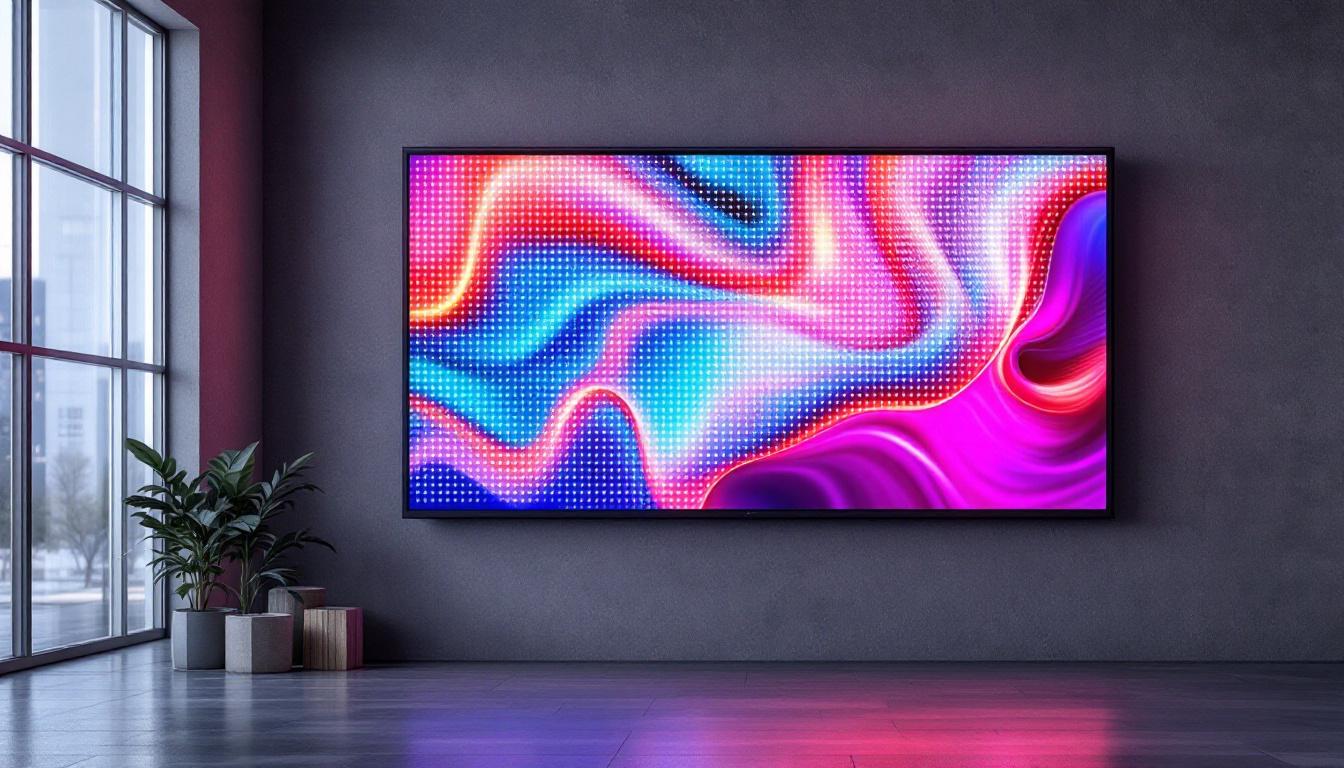
In LED display technology, the term “1.2 mm” typically refers to the pixel pitch — the distance from the center of one LED pixel to the center of the adjacent pixel. Pixel pitch is a critical specification that influences the display’s resolution, viewing distance, and overall image quality.
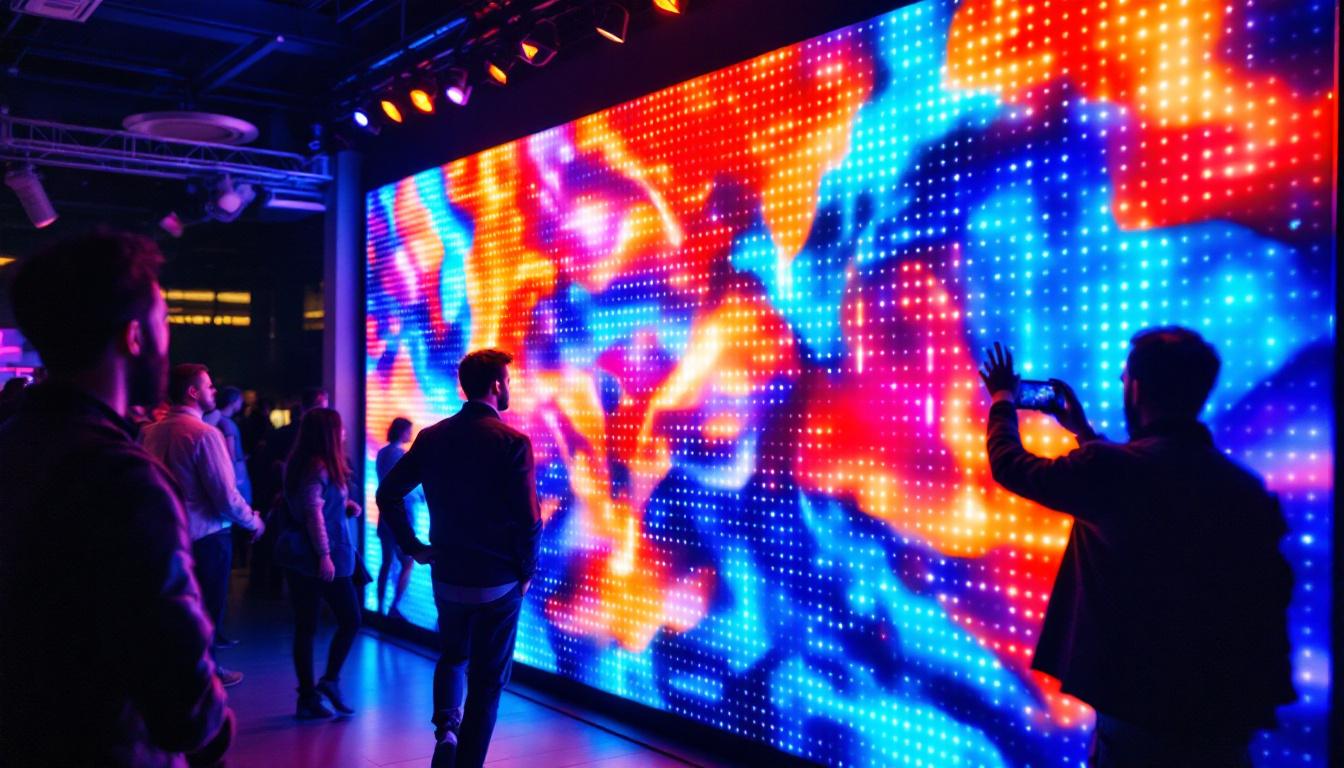
For example, a 1.2 mm pixel pitch indicates a very fine resolution, often used in indoor LED displays where viewers are close to the screen. This small pitch size allows for high-definition visuals, making it ideal for applications such as control rooms, broadcast studios, and retail environments.
Why Pixel Pitch Matters
Pixel pitch directly affects the clarity and sharpness of the image. The smaller the pixel pitch, the higher the pixel density, which translates to better image detail and smoother visuals. Conversely, larger pixel pitches are more suitable for outdoor displays viewed from greater distances, where ultra-fine detail is less critical.
Choosing the right pixel pitch is a balance between cost, resolution, and intended viewing distance. A 1.2 mm pitch LED display is generally more expensive due to the precision manufacturing required but provides unmatched clarity for close-range viewing.
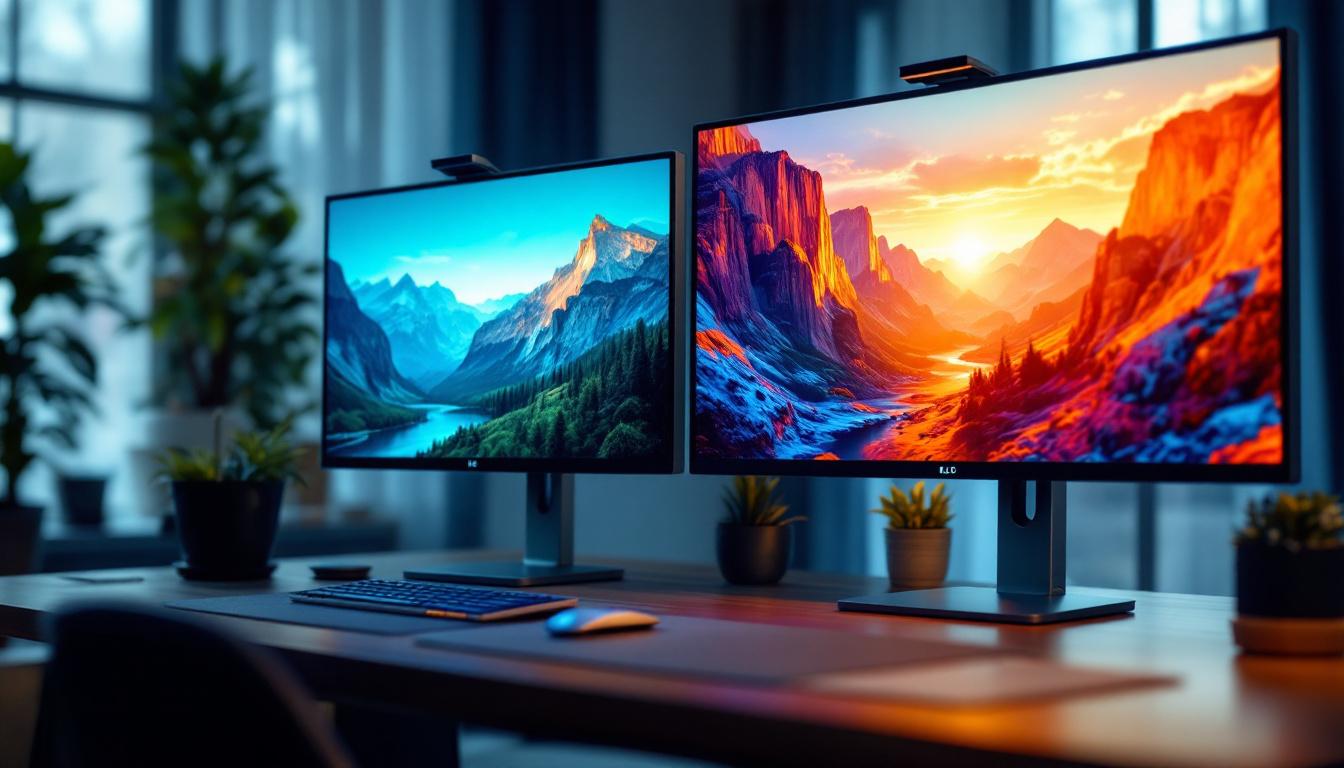
Moreover, the advancements in LED technology have led to improved color accuracy and brightness levels, which are essential for creating vibrant displays that catch the eye. With a 1.2 mm pixel pitch, the display can render images with a wide color gamut, ensuring that colors appear rich and true to life. This is particularly important in environments like art galleries or fashion shows, where the accurate representation of colors can significantly impact the viewer’s experience.
Additionally, the flexibility of LED displays with a 1.2 mm pixel pitch allows for various configurations and sizes, making them suitable for a range of applications. Whether it’s a large video wall in a corporate setting or a sleek, compact display in a retail store, these screens can be tailored to meet specific needs. The modular nature of LED technology also means that as demands change, the display can be easily updated or expanded, ensuring longevity and adaptability in a fast-paced digital world.
Converting 1.2 mm to Inches: The Exact Measurement
To understand the size in more familiar terms, converting millimeters to inches is often necessary. The standard conversion factor is:
1 millimeter = 0.0393701 inches
Using this, 1.2 mm converts to inches as follows:
1.2 mm × 0.0393701 = 0.0472441 inches
This means that a 1.2 mm pixel pitch corresponds to approximately 0.047 inches between the centers of adjacent pixels.
Contextualizing the Measurement
While 0.047 inches might seem minuscule, in LED display terms, it represents a very tight pixel arrangement. For perspective, standard indoor LED displays often have pixel pitches ranging from 1.5 mm to 3 mm, which convert to approximately 0.059 to 0.118 inches. Therefore, 1.2 mm is on the finer end of the spectrum.
This fine pitch allows for displays that can render images with exceptional detail and smooth gradients, essential in environments where viewers are just a few feet away from the screen. Such precision is particularly crucial in settings like art galleries or high-end retail environments, where the quality of visual presentation can significantly impact the viewer’s experience and perception of the displayed content.
Moreover, the advancements in LED technology have made it possible to produce displays with even tighter pixel pitches, such as 0.9 mm or even 0.7 mm, further enhancing image clarity and reducing the visible pixelation that can occur at closer viewing distances. As a result, the trend toward finer pixel pitches is not just about aesthetics; it also serves practical purposes in various applications, including digital signage, control rooms, and immersive environments, where clarity and detail are paramount.
Applications of 1.2 mm Pixel Pitch LED Displays
LED displays with a 1.2 mm pixel pitch are predominantly used in scenarios demanding high resolution and close viewing distances. Some of the most common applications include:
Broadcast and Control Rooms
In broadcast studios and control rooms, clarity and accuracy are paramount. Operators need to view detailed graphics, data, and video feeds without distortion or pixelation. The 1.2 mm pixel pitch provides the precision necessary for these environments, ensuring that every detail is crisp and legible. This level of detail is crucial during live broadcasts, where real-time decision-making is essential. Furthermore, these displays can be configured in various sizes and shapes, allowing for flexible setups that can adapt to the specific needs of the production team. The ability to seamlessly integrate with other broadcasting technologies enhances the overall workflow, making these displays an invaluable asset in the fast-paced world of media production.
Corporate and Retail Environments
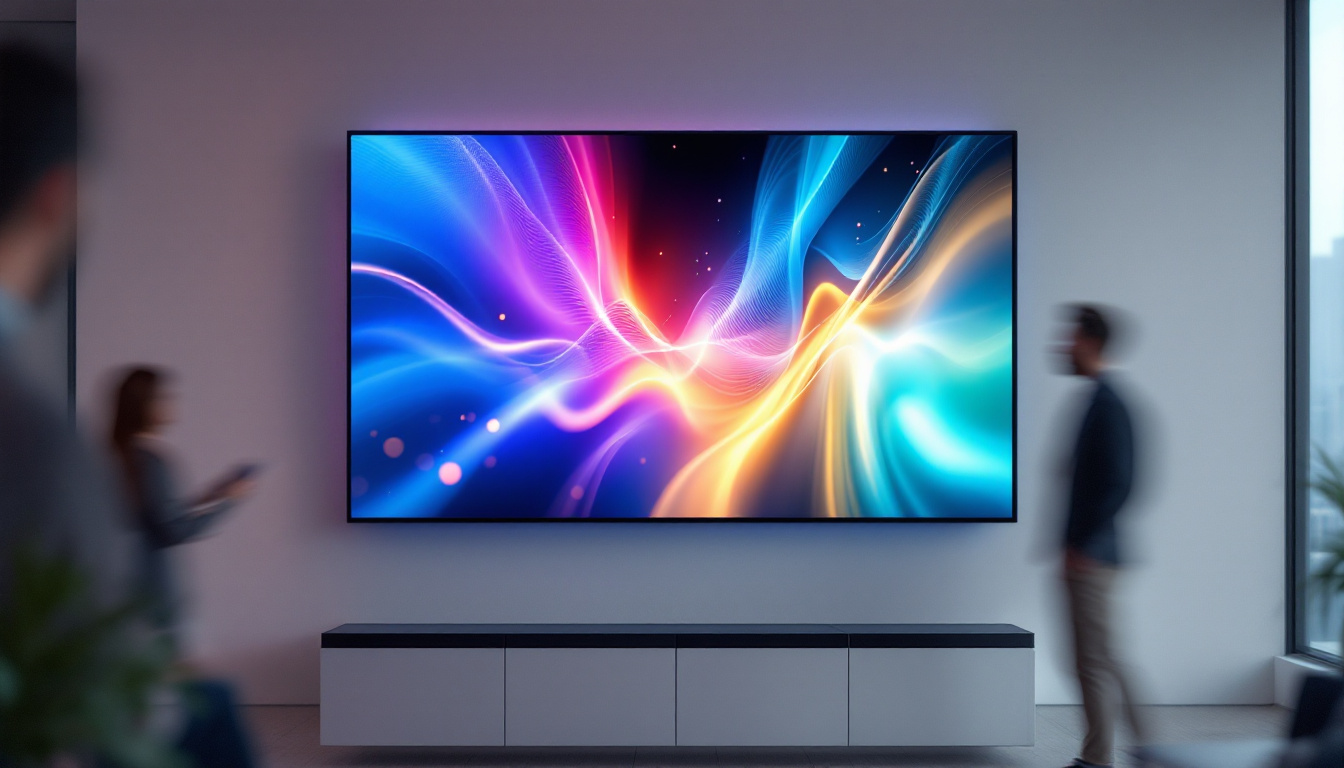
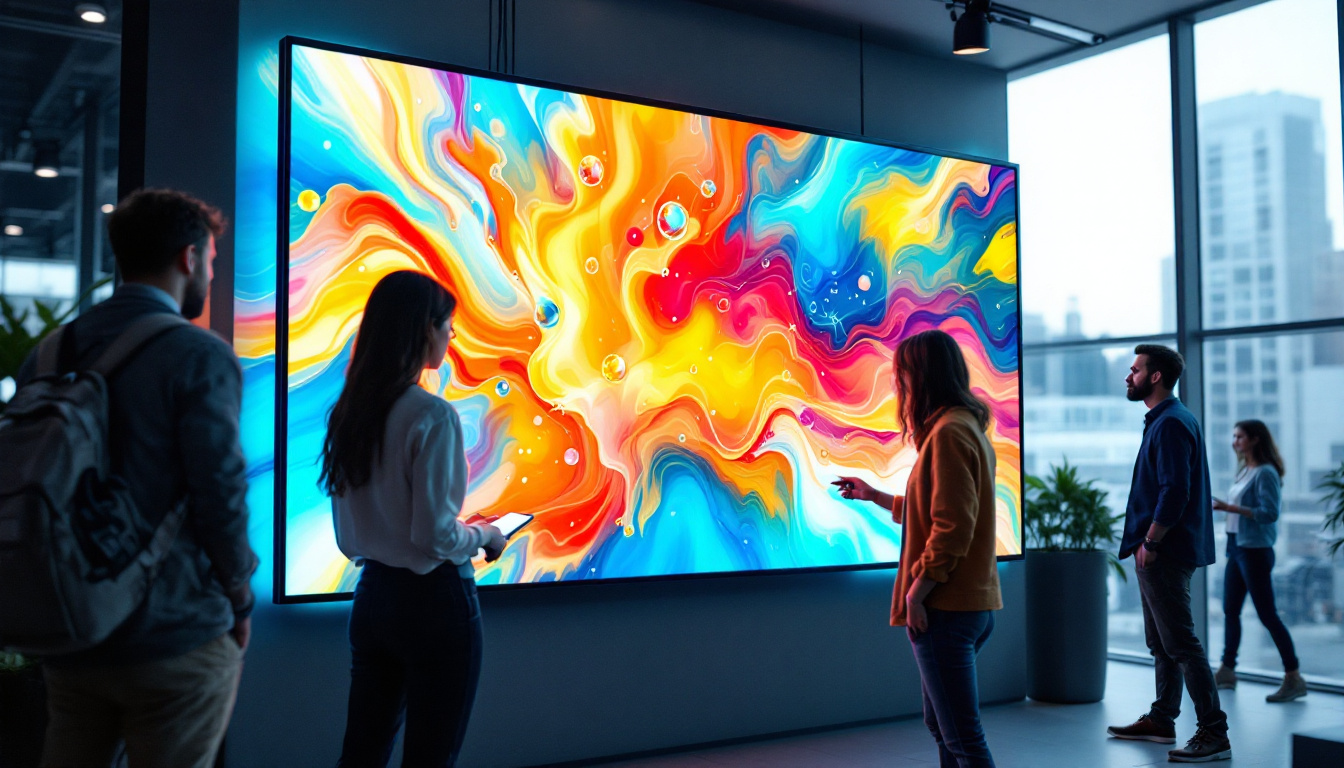
Corporate lobbies, conference rooms, and retail spaces benefit from high-resolution LED displays for presentations, advertisements, and interactive content. The 1.2 mm pitch allows these displays to function almost like giant high-definition monitors, enhancing the viewer experience and engagement. In retail environments, these displays can showcase dynamic content that captivates customers, driving foot traffic and increasing sales. Interactive features, such as touch capabilities or integration with mobile devices, can further enhance customer interaction, providing a personalized shopping experience. Additionally, in corporate settings, the ability to display multiple data streams simultaneously can facilitate more effective meetings and presentations, ensuring that all participants are on the same page and fostering collaboration.
Medical and Simulation Displays
Medical imaging and simulation require displays that can accurately render complex visuals. The fine pixel pitch of 1.2 mm LED displays supports these needs, enabling professionals to analyze detailed images with confidence. In surgical environments, for instance, these displays can be used to project high-resolution images of patient scans, allowing surgeons to make informed decisions in real time. Moreover, in educational settings, medical students can benefit from simulation displays that provide realistic scenarios for training purposes. The clarity and detail afforded by 1.2 mm pixel pitch technology not only enhance learning outcomes but also improve patient safety by ensuring that medical professionals have access to the most accurate visual information possible. This level of precision is becoming increasingly important as technology advances and the demand for high-quality medical imaging continues to grow.
Technical Considerations When Choosing a 1.2 mm LED Display
While the pixel pitch is a key factor, other technical aspects must be considered when selecting a 1.2 mm LED display to ensure it meets the project’s requirements.
Resolution and Screen Size
The total resolution of an LED display depends on both the pixel pitch and the physical dimensions of the screen. For instance, a larger screen with a 1.2 mm pitch will have more pixels and thus higher resolution than a smaller screen with the same pitch.
Designers must calculate the total pixel count to ensure the display can render the desired content at the required quality.
Brightness and Contrast
Indoor LED displays with fine pixel pitches typically have brightness levels ranging from 800 to 1,200 nits, sufficient for well-lit indoor environments. Contrast ratio is also important to consider, as it affects the depth and vibrancy of the image.
Viewing Distance
Optimal viewing distance for a 1.2 mm pixel pitch display is generally between 1 and 4 meters (approximately 3 to 13 feet). At distances closer than this, individual pixels may become distinguishable, while at greater distances, the benefits of the fine pitch are less noticeable.
Cost Implications of 1.2 mm Pixel Pitch LED Displays
High-resolution LED displays with small pixel pitches like 1.2 mm come with increased production and installation costs. The advanced manufacturing processes required to place LEDs so closely together and maintain uniform brightness and color accuracy contribute to the higher price.
For businesses and organizations, this investment is often justified by the superior image quality and enhanced audience engagement these displays provide. However, it is important to balance budget constraints with technical requirements.
Comparing Costs with Larger Pixel Pitches
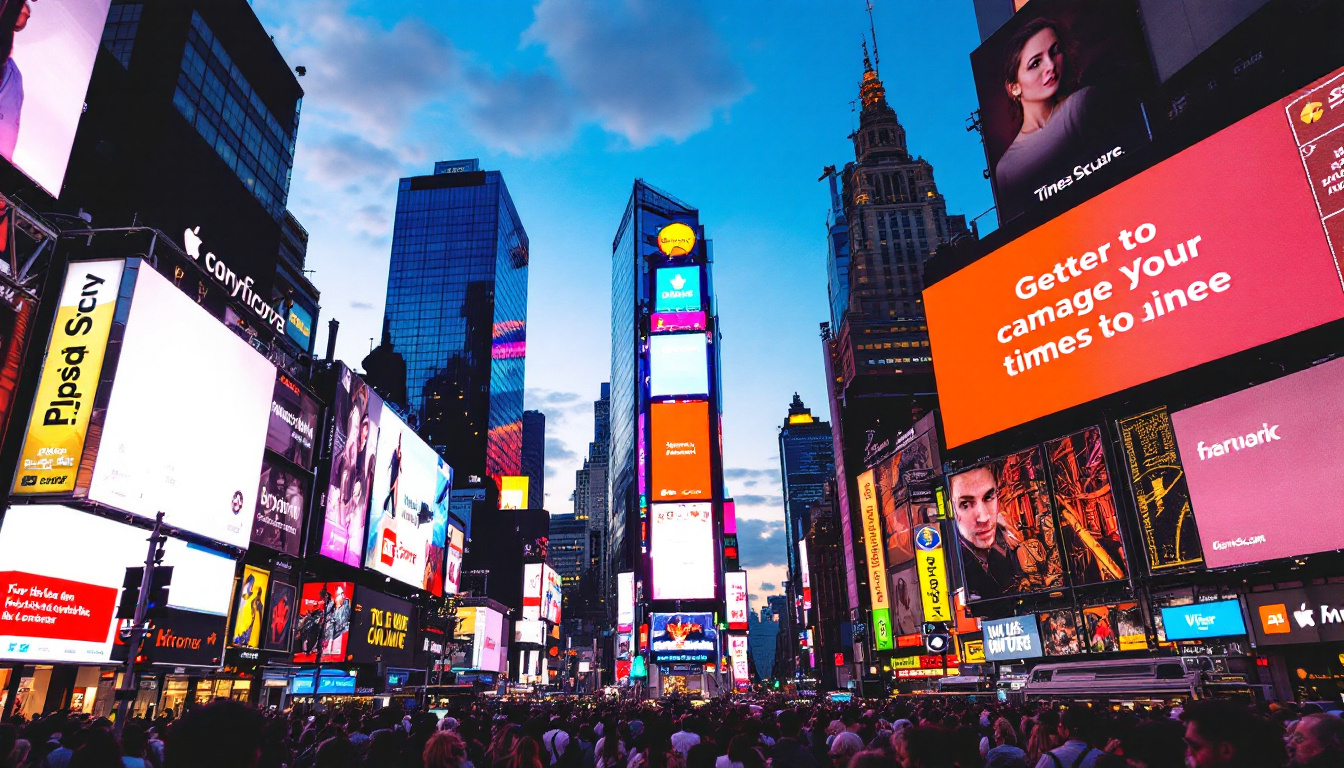
Displays with larger pixel pitches (e.g., 3 mm or 4 mm) are generally less expensive and easier to produce. They are suitable for applications where viewers are farther away, such as outdoor billboards or stadium screens. However, these displays cannot match the image clarity of a 1.2 mm pitch screen at close range.
Future Trends in LED Display Technology
The LED display industry continues to evolve rapidly, with ongoing advancements in pixel pitch reduction and display capabilities. Manufacturers are pushing the limits to create even finer pitches below 1 mm, promising even higher resolutions and better image quality.
Additionally, innovations such as microLED technology are emerging, which offer improved brightness, energy efficiency, and lifespan compared to traditional LED displays.
Impact on Design and User Experience
As pixel pitches become smaller, the potential applications for LED displays expand. Designers can create immersive environments with seamless visuals, enhancing user engagement in retail, entertainment, and professional settings.
Understanding the conversion between metric and imperial units, such as 1.2 mm to inches, remains essential for global collaboration and precise specification in this dynamic industry.
Conclusion
The conversion of 1.2 mm to approximately 0.047 inches highlights the precision involved in modern LED display technology. This small measurement represents a fine pixel pitch that enables high-resolution, close-range viewing experiences essential in many professional and commercial applications.
Choosing a 1.2 mm pixel pitch LED display involves considering factors such as resolution, viewing distance, brightness, and cost. As technology advances, these displays will continue to offer unparalleled image quality, driving innovation across various industries.
Discover the Future of Visual Displays with LumenMatrix
Ready to experience the ultimate in high-resolution LED display technology? LumenMatrix is at the forefront of innovation, offering a diverse range of LED display solutions tailored to your needs. From Indoor and Outdoor LED Wall Displays to specialized options like Vehicle, Sports, and Floor LED Displays, we have the cutting-edge technology to bring your visual communications to life. Embrace the revolution in digital signage with our Custom, All-in-One, and Transparent LED Displays, designed to captivate your audience and amplify your message. Don’t miss out on the opportunity to transform your space. Check out LumenMatrix LED Display Solutions today and see the difference precision and quality can make.