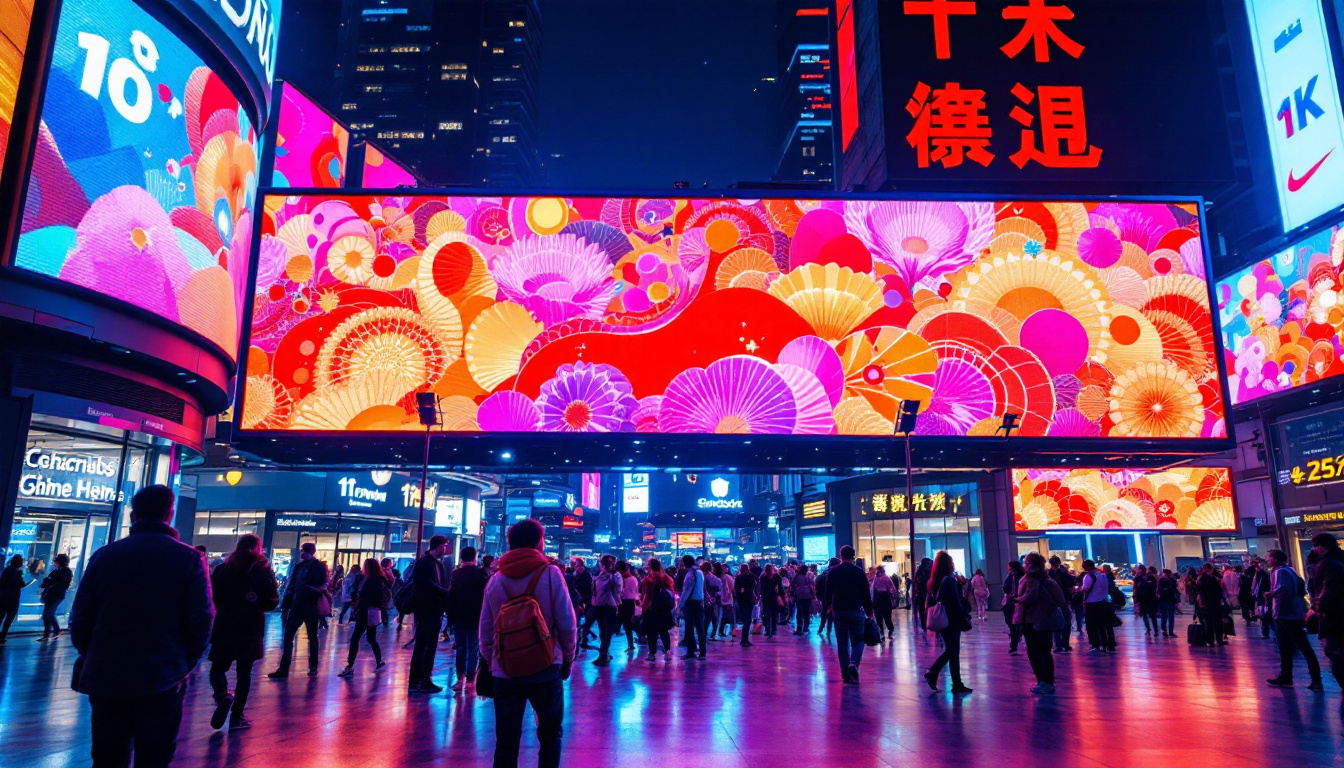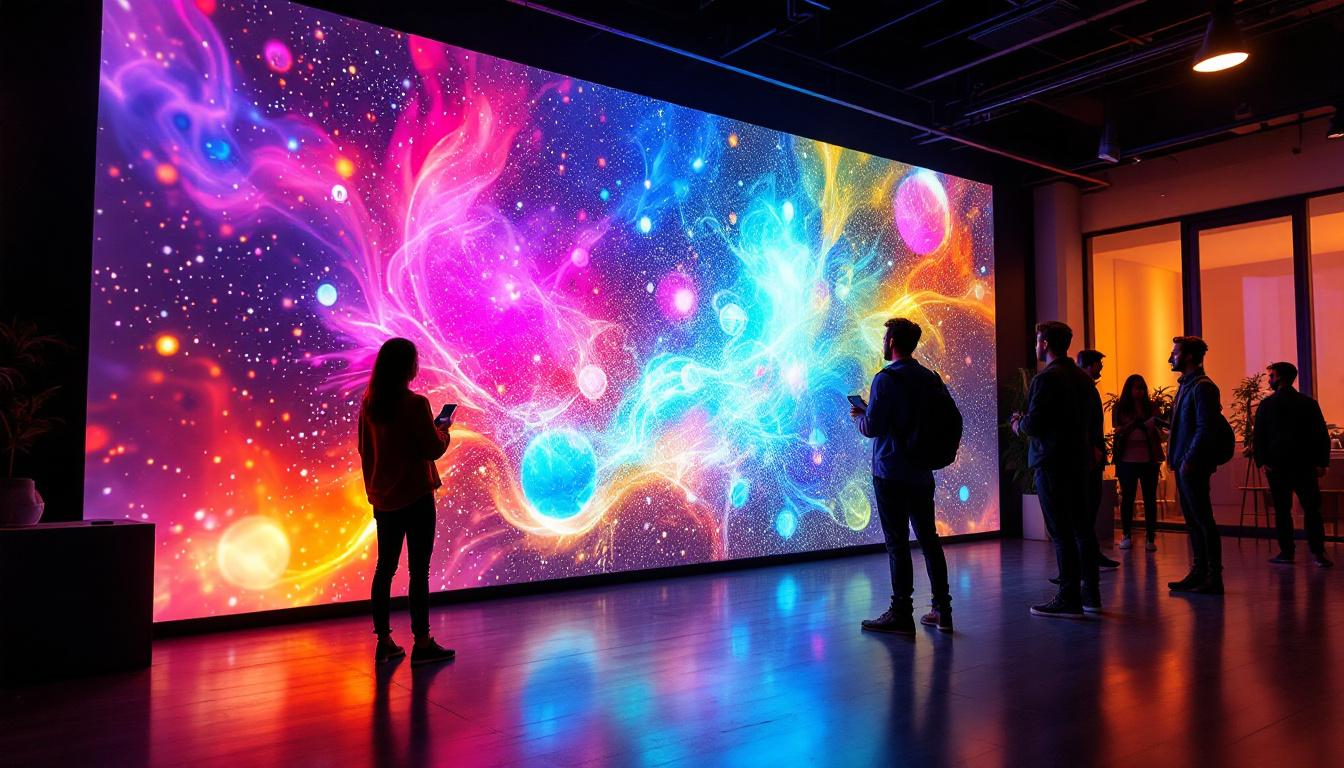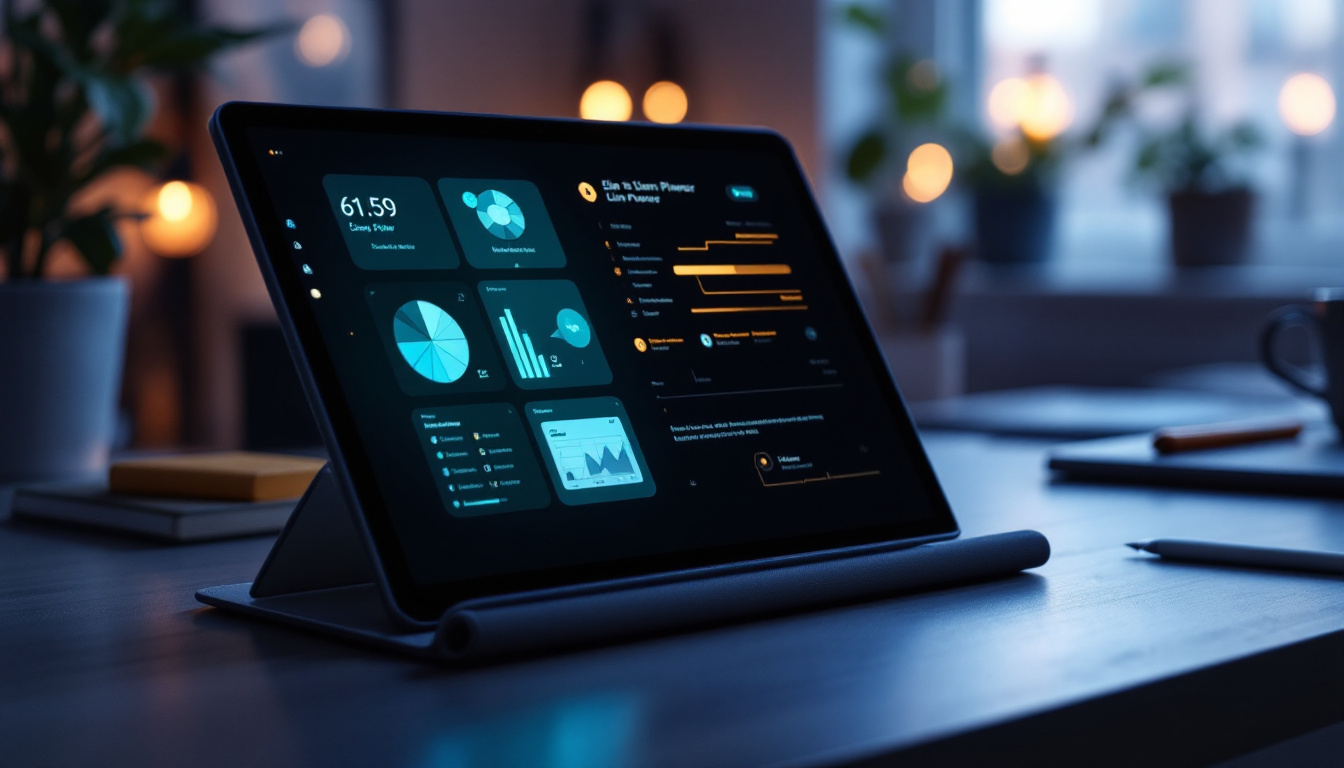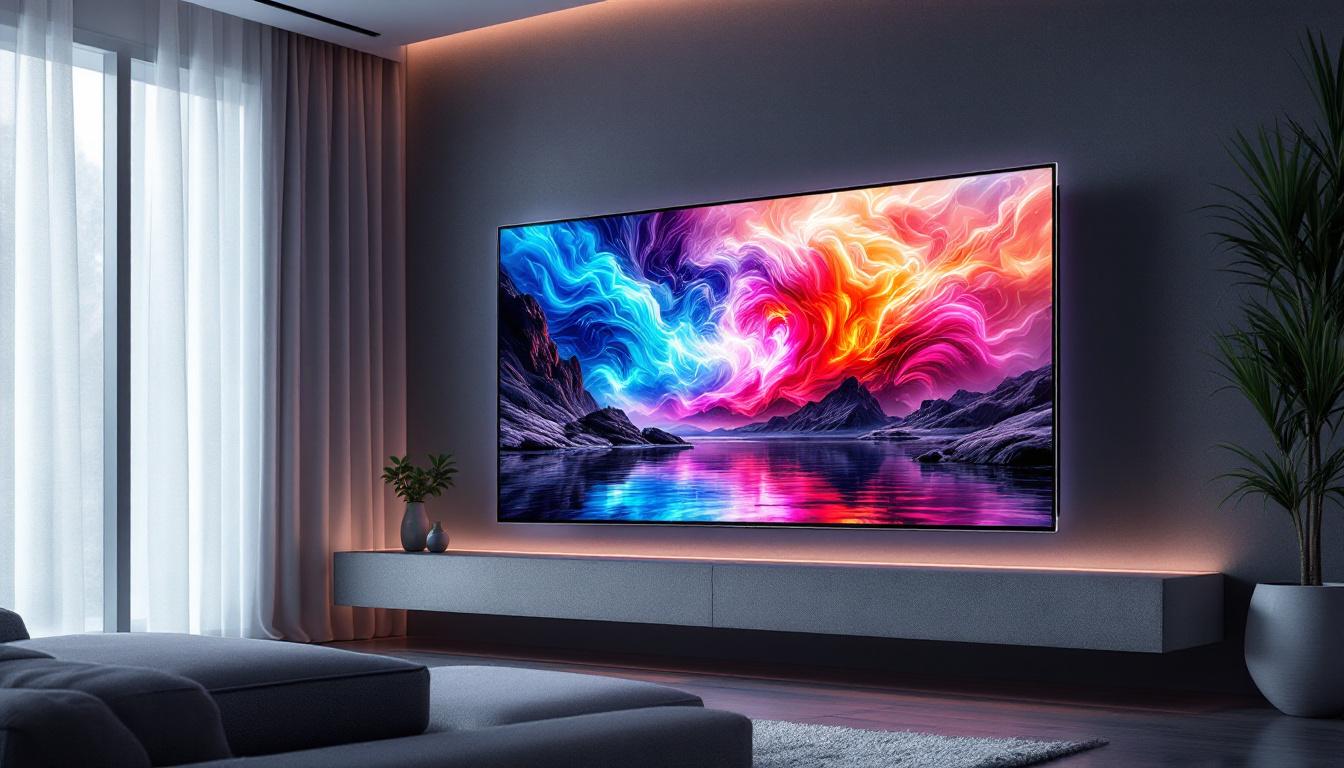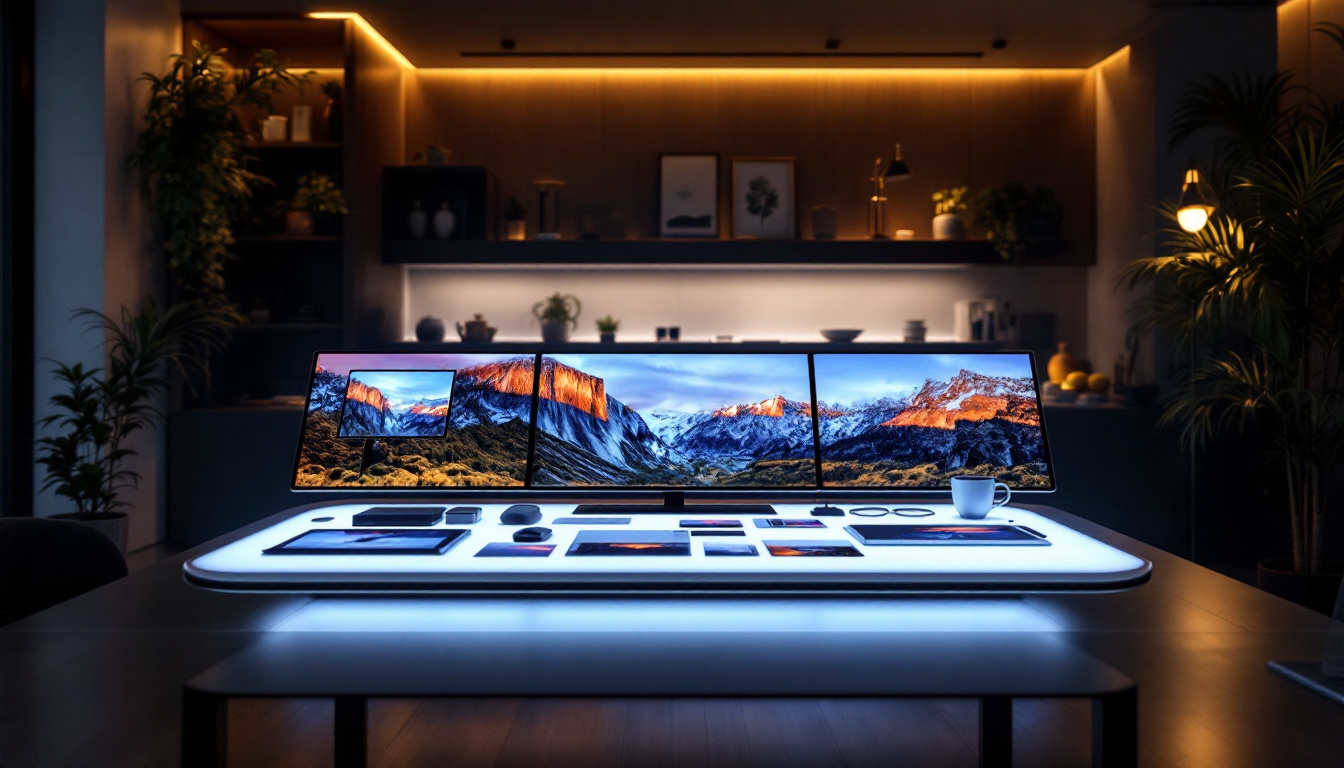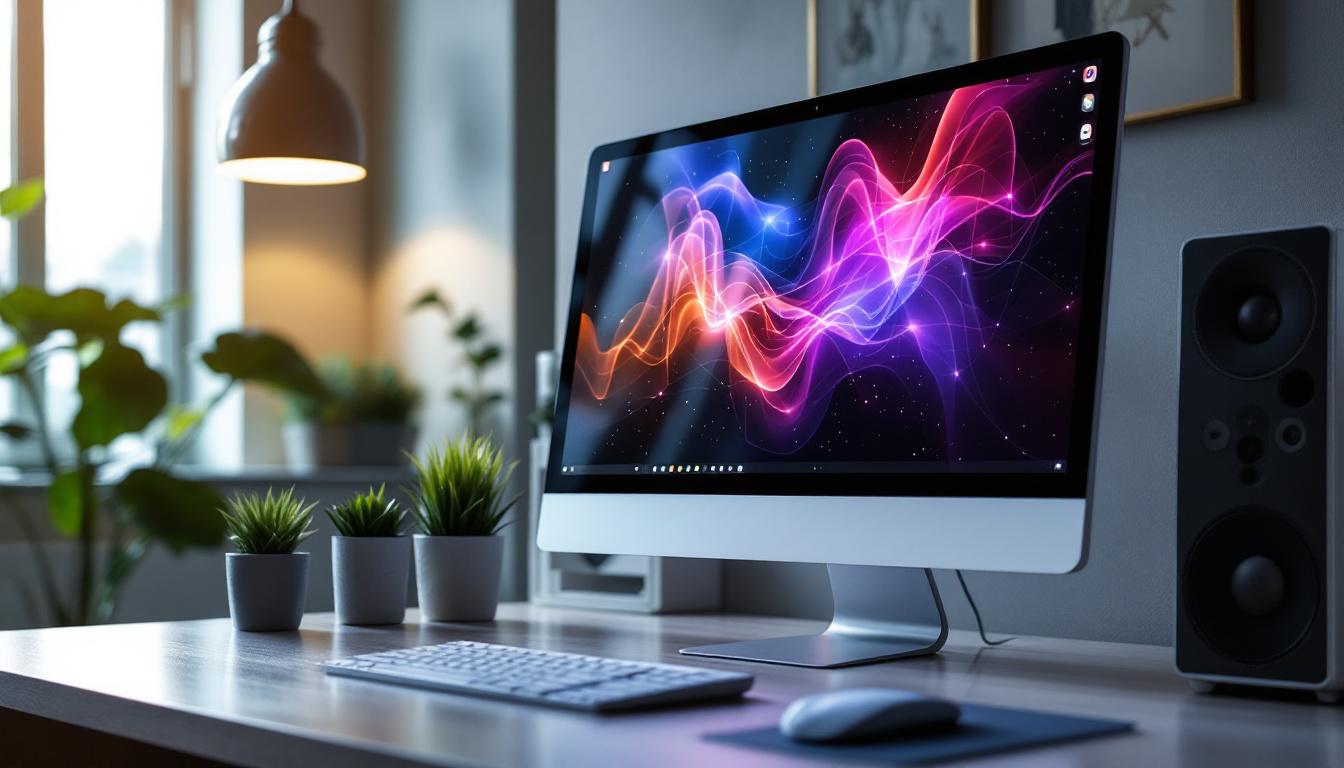
In today’s fast-evolving digital landscape, the demand for high-resolution displays with intuitive touch capabilities is soaring. Touch screen 4K monitors with LED displays have become a cornerstone in industries ranging from graphic design and video editing to education and retail. Understanding how these technologies work together not only helps consumers make informed decisions but also empowers professionals to leverage the full potential of their tools.
Understanding 4K Resolution and Its Impact
What Does 4K Mean?
4K resolution refers to a display resolution of approximately 3840 x 2160 pixels, which is four times the pixel count of Full HD (1920 x 1080). This increase in pixel density translates to sharper images, finer details, and a more immersive viewing experience. For professionals working with detailed visuals, such as photographers, video editors, and architects, 4K monitors provide a significant advantage by allowing precise work without the need for excessive zooming or panning. The clarity offered by 4K displays also enhances the enjoyment of high-definition content, making movies, video games, and streaming services more visually captivating. As more content becomes available in 4K, the demand for displays that can showcase this resolution continues to grow, pushing the boundaries of what is visually possible.
Why 4K Matters for Touch Screens
Integrating touch technology with 4K resolution enhances user interaction. The high pixel density ensures that touch inputs are registered with exceptional accuracy, which is crucial for tasks requiring precision, such as digital drawing or interactive presentations. Moreover, 4K touch screens support multi-touch gestures smoothly, enabling more natural and efficient workflows. This capability is particularly beneficial in collaborative environments, where multiple users can interact with the same screen simultaneously, facilitating brainstorming sessions and creative projects. Additionally, the vibrant colors and deep contrasts that 4K displays offer make them ideal for showcasing digital art, allowing artists to present their work in the best possible light. As industries increasingly adopt touch-enabled devices for training, education, and customer engagement, the role of 4K resolution in enhancing these experiences cannot be overstated.
LED Display Technology: The Backbone of Modern Monitors
How LED Displays Work
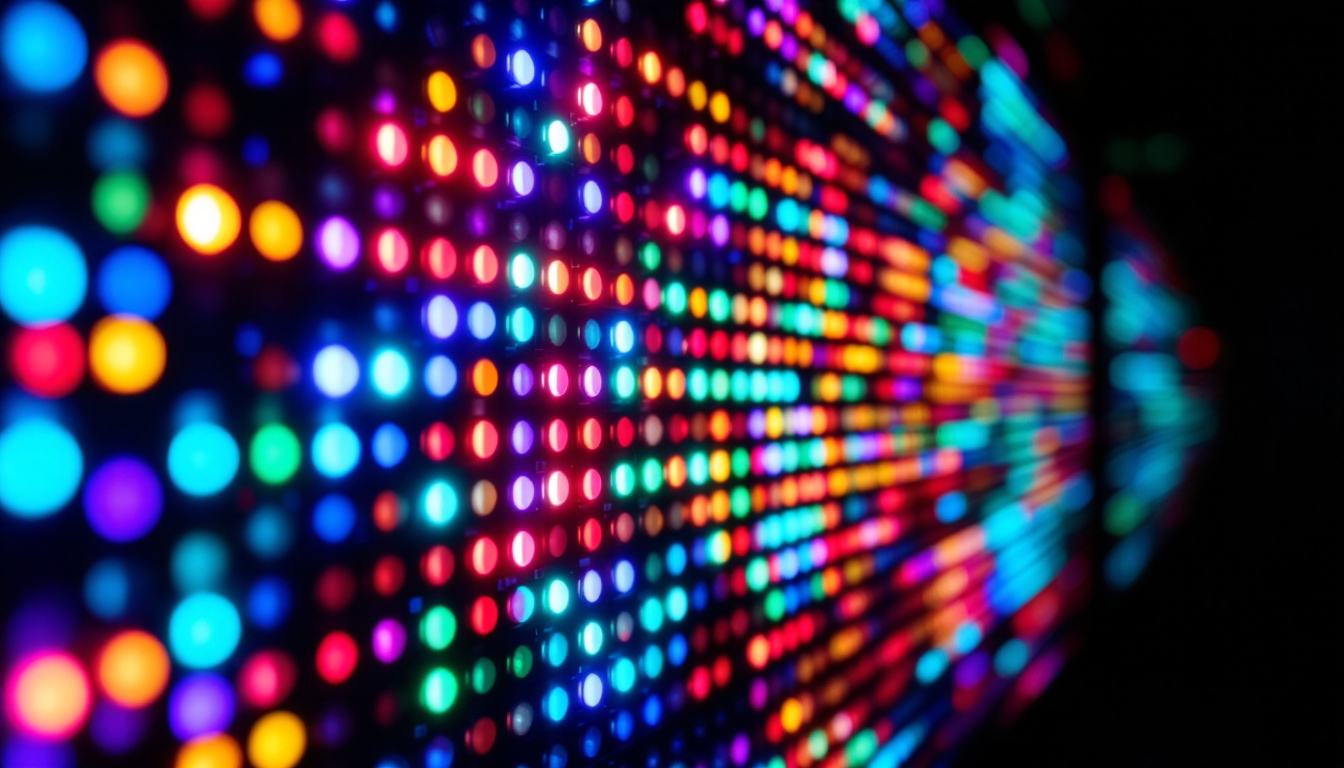
LED (Light Emitting Diode) displays use an array of tiny LEDs to illuminate the screen. Unlike older LCDs that rely on fluorescent backlights, LED displays offer better brightness, contrast, and energy efficiency. The LEDs can be arranged in different ways, such as edge-lit or full-array backlighting, each affecting the overall display quality.
Edge-lit LED displays position LEDs along the edges of the screen, allowing for thinner panels but sometimes resulting in uneven brightness. Full-array LED displays place LEDs behind the entire screen, providing more uniform lighting and better contrast, especially when paired with local dimming technology. This means that in scenes with both bright and dark elements, full-array displays can selectively dim certain zones, enhancing the viewing experience by making dark areas richer and more detailed.
Advantages of LED Displays in Touch Screen Monitors
LED technology enhances touch screen monitors by delivering vivid colors and deep blacks, which are essential for accurate color representation. This is particularly important in creative fields where color fidelity can impact the final product. Additionally, LED displays tend to have faster response times compared to traditional LCDs, reducing motion blur and improving the overall user experience during interactive tasks.
Moreover, the durability of LED displays contributes significantly to their appeal in touch screen applications. Unlike older technologies, LEDs are less prone to burn-in and can withstand prolonged use without degradation in quality. This resilience is crucial for environments such as retail or education, where displays may be in constant use. Furthermore, many LED touch screens are designed with anti-glare and anti-fingerprint coatings, which not only enhance visibility under various lighting conditions but also maintain a clean and professional appearance, reducing maintenance efforts for businesses.
The Integration of Touch Technology with 4K LED Monitors
Types of Touch Technologies Used
Several touch technologies are commonly integrated into 4K LED monitors, each with its own strengths:
- Capacitive Touch: The most popular technology in consumer devices, capacitive touch uses the electrical properties of the human body to detect touch. It supports multi-touch and offers high sensitivity and accuracy.
- Infrared (IR) Touch: IR touch uses an array of infrared LEDs and sensors around the screen edges to detect touch by interruption of the light beams. It works with any input device, including gloves or styluses, and is highly durable.
- Resistive Touch: This older technology relies on pressure applied to the screen layers. While less sensitive than capacitive or IR, resistive touch can be used with any object and is cost-effective.
For 4K monitors, capacitive and IR touch technologies are preferred due to their precision and ability to handle high-resolution input effectively.
Challenges in Combining Touch and 4K Displays
Integrating touch functionality with 4K resolution presents unique engineering challenges. The touch sensor layer must be thin enough to avoid interfering with the display’s clarity and brightness. Additionally, the system must process touch inputs rapidly to maintain responsiveness without lag, which requires robust hardware and optimized software drivers.
Manufacturers have addressed these issues by developing advanced touch controllers and using high-quality glass materials that minimize reflections and preserve image quality. These innovations ensure that the touch experience on 4K LED monitors is both smooth and visually stunning.
Applications and Benefits of Touch Screen 4K LED Monitors
Professional and Creative Workflows
For creative professionals, touch screen 4K monitors are transformative. Graphic designers and digital artists benefit from the ability to interact directly with their work using styluses or fingers, enabling more intuitive control over brush strokes and edits. The 4K resolution ensures that every detail is visible, which is critical for tasks like photo retouching or 3D modeling.
Video editors also gain from the combination of high resolution and touch input, allowing for precise timeline scrubbing and frame-by-frame adjustments. The improved color accuracy of LED displays ensures that the final output matches the intended look across different devices and platforms.
Education and Interactive Learning
In educational environments, touch screen 4K LED monitors facilitate interactive learning experiences. Teachers can use these monitors as digital whiteboards, enabling students to engage directly with content through touch. The high resolution makes text and images clear and readable even from a distance, enhancing classroom visibility.
Moreover, the durability and responsiveness of LED touch screens make them suitable for frequent use, while their energy efficiency helps schools reduce operational costs.
Retail and Public Displays
Retailers and businesses leverage touch screen 4K monitors for kiosks, product showcases, and interactive advertisements. The combination of vibrant LED displays and responsive touch input creates engaging customer experiences that can increase sales and brand loyalty.
Public information systems benefit from the clarity and durability of these monitors, providing accessible and easy-to-navigate interfaces for users in airports, museums, and other high-traffic areas.
Key Features to Consider When Choosing a Touch Screen 4K LED Monitor
Screen Size and Aspect Ratio
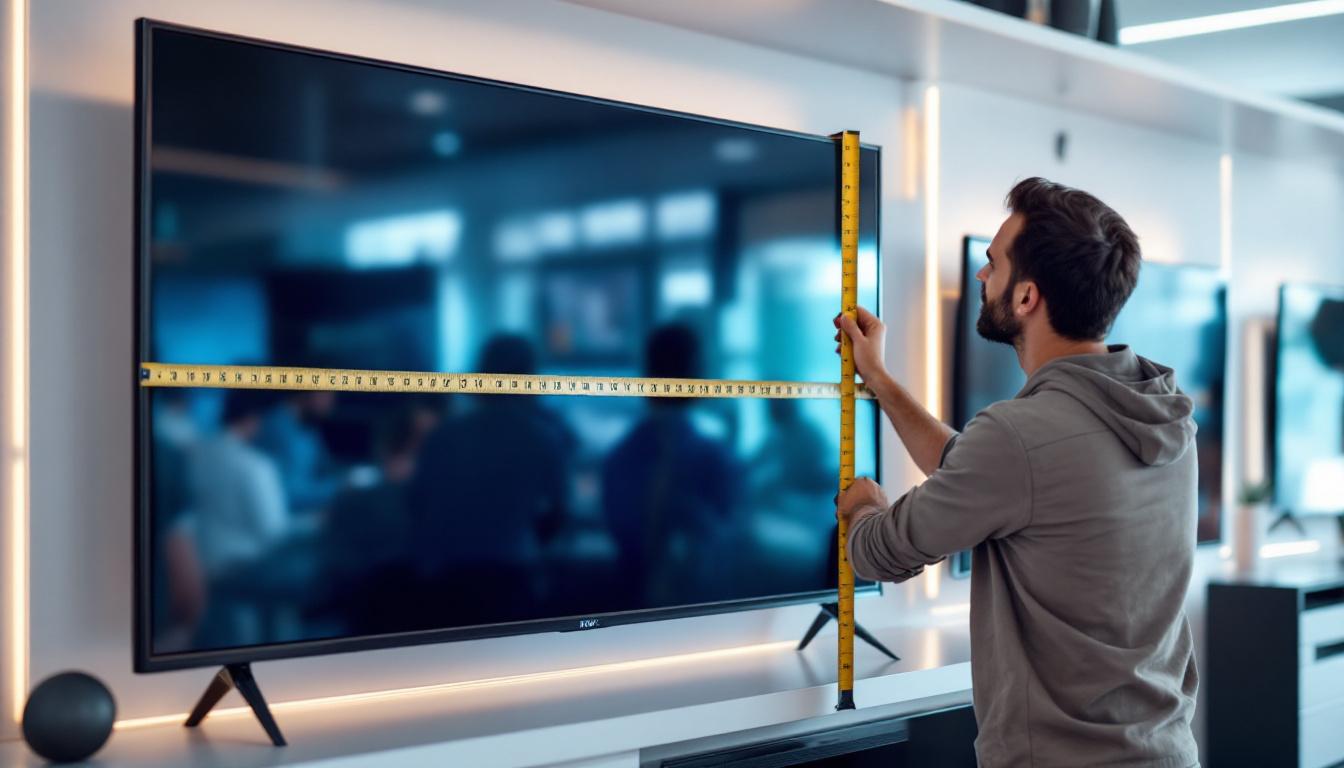
The ideal screen size depends on the intended use. For professional workstations, monitors between 27 and 32 inches strike a balance between workspace and desk footprint. Larger screens, such as 43 inches or more, are better suited for collaborative environments or public displays.
Most 4K monitors use a 16:9 aspect ratio, which is standard for multimedia content. However, some users may prefer ultrawide formats for enhanced multitasking capabilities.
Touch Responsiveness and Accuracy
High touch responsiveness ensures minimal lag between input and action, which is vital for precision tasks. Look for monitors with low latency and high touch point support—typically 10 or more simultaneous touch points—to enable complex gestures and multi-user interaction.
Color Accuracy and Calibration
Professional users should prioritize monitors with factory-calibrated color profiles and support for wide color gamuts such as Adobe RGB or DCI-P3. Some models offer hardware calibration tools to maintain color accuracy over time, an essential feature for color-critical applications.
Connectivity Options
Modern 4K touch screen monitors typically include multiple input options such as HDMI 2.0/2.1, DisplayPort 1.4, and USB-C with DisplayPort Alt Mode. USB-C connectivity is particularly valuable as it can deliver video, data, and power through a single cable, simplifying workspace setup.
Build Quality and Ergonomics
Adjustable stands that offer height, tilt, swivel, and pivot adjustments improve comfort during extended use. Additionally, monitors with anti-glare coatings and blue light filters help reduce eye strain.
Future Trends in Touch Screen 4K LED Monitor Technology
Advancements in OLED and MicroLED Displays
While LED-backlit LCDs currently dominate the market, emerging display technologies like OLED and MicroLED promise even better contrast ratios, faster response times, and thinner form factors. These technologies could soon be integrated with touch capabilities at 4K resolution, offering richer visual experiences.
Enhanced Multi-Touch and Gesture Recognition
Future touch screen monitors are expected to incorporate more sophisticated gesture recognition, including hover detection and pressure sensitivity, enabling new ways to interact with digital content. This will be particularly impactful in fields such as virtual reality, CAD design, and collaborative workspaces.
AI-Powered Display Optimization
Artificial intelligence is beginning to play a role in display technology, with monitors capable of adjusting brightness, contrast, and color settings dynamically based on ambient lighting and content type. Such features will enhance user comfort and visual performance without manual calibration.
Conclusion
Touch screen 4K monitors with LED displays represent a powerful convergence of high-resolution visuals and intuitive interaction. Their applications span creative industries, education, retail, and beyond, offering enhanced productivity and engagement. Understanding the underlying technologies and key features helps users select the right monitor to meet their specific needs.
As display technology continues to advance, these monitors will become even more capable, integrating next-generation features that redefine how people interact with digital content. Investing in a quality touch screen 4K LED monitor today is a step toward embracing the future of visual computing.
Discover the Future of Visual Display with LumenMatrix
Ready to elevate your visual experience with the latest in touch screen 4K LED technology? LumenMatrix is at the forefront of LED display innovation, offering a wide array of solutions tailored to meet your needs. From captivating Indoor LED Walls to dynamic Outdoor Displays and beyond, our mission is to transform your visual communication with unparalleled clarity and impact. Don’t just read about the future—be a part of it. Check out LumenMatrix LED Display Solutions today and see your world in a whole new light.