Transparent LED Video Wall: LED Display Explained
In recent years, the demand for innovative display technologies has surged, driven by the need for captivating visual experiences in retail, corporate, and entertainment environments. Among these innovations, the transparent LED video wall stands out as a revolutionary solution that combines high-quality digital imagery with see-through design. This article delves into the technology behind transparent LED video walls, exploring their benefits, applications, and how they compare to traditional LED displays.
What is a Transparent LED Video Wall?
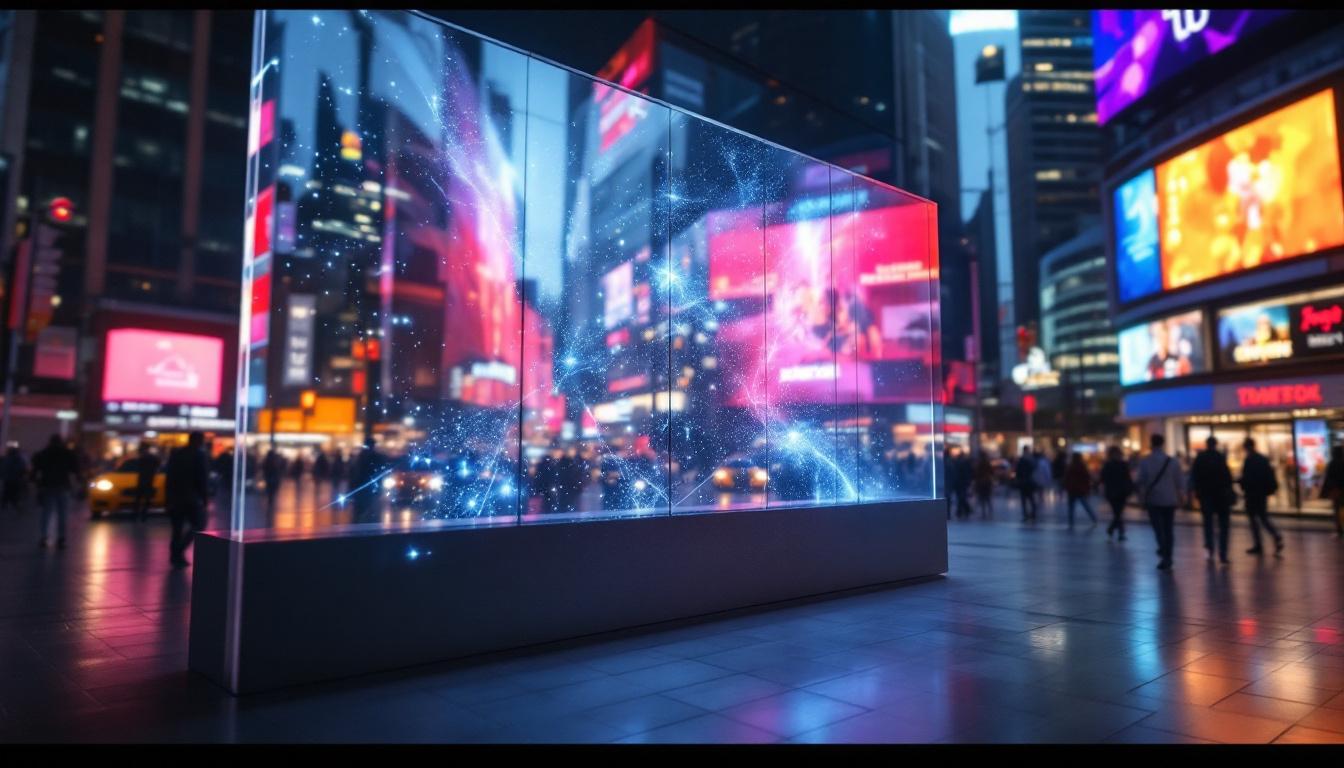
A transparent LED video wall is a type of digital display that allows viewers to see both the displayed content and what lies behind the screen. Unlike conventional LED screens, which are opaque and block any background view, transparent LED panels use a unique arrangement of LED diodes and gaps to create a semi-transparent effect. This design enables the display to showcase vibrant images and videos while maintaining visibility through the screen.
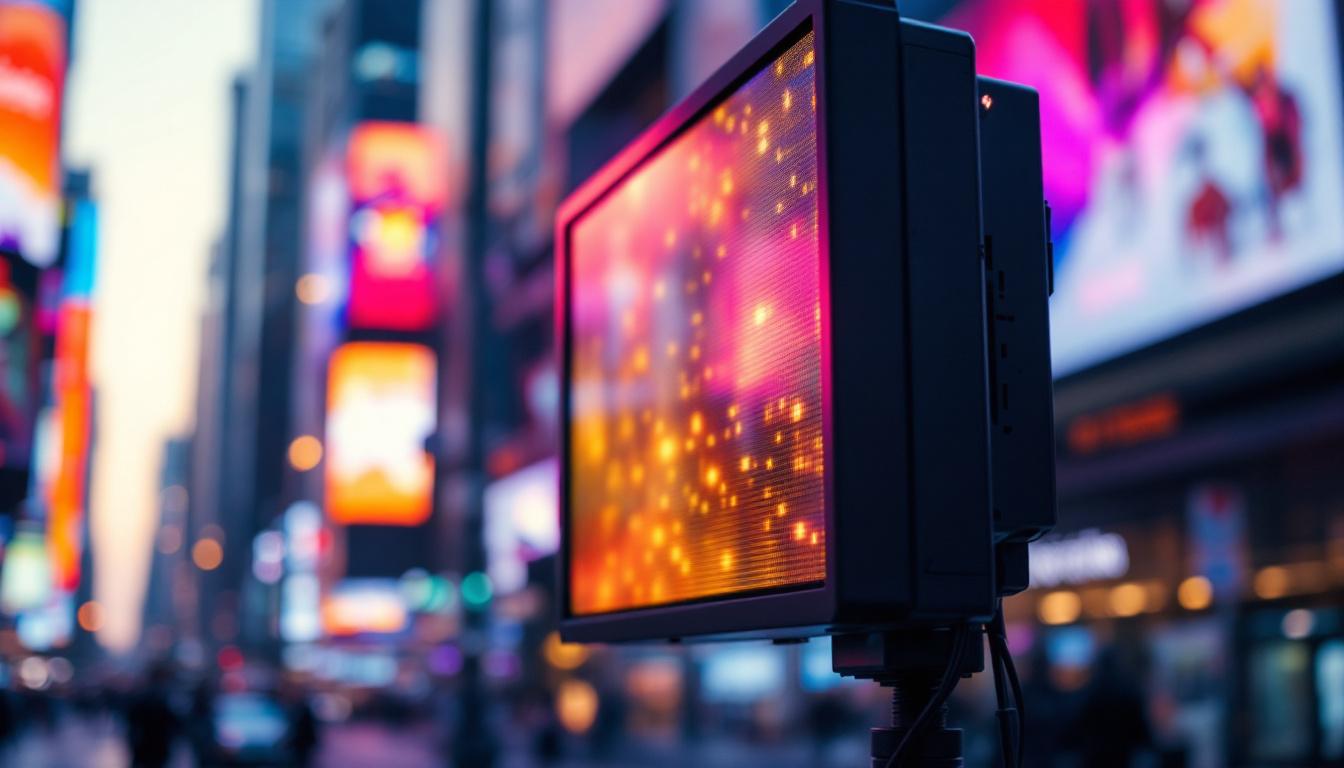
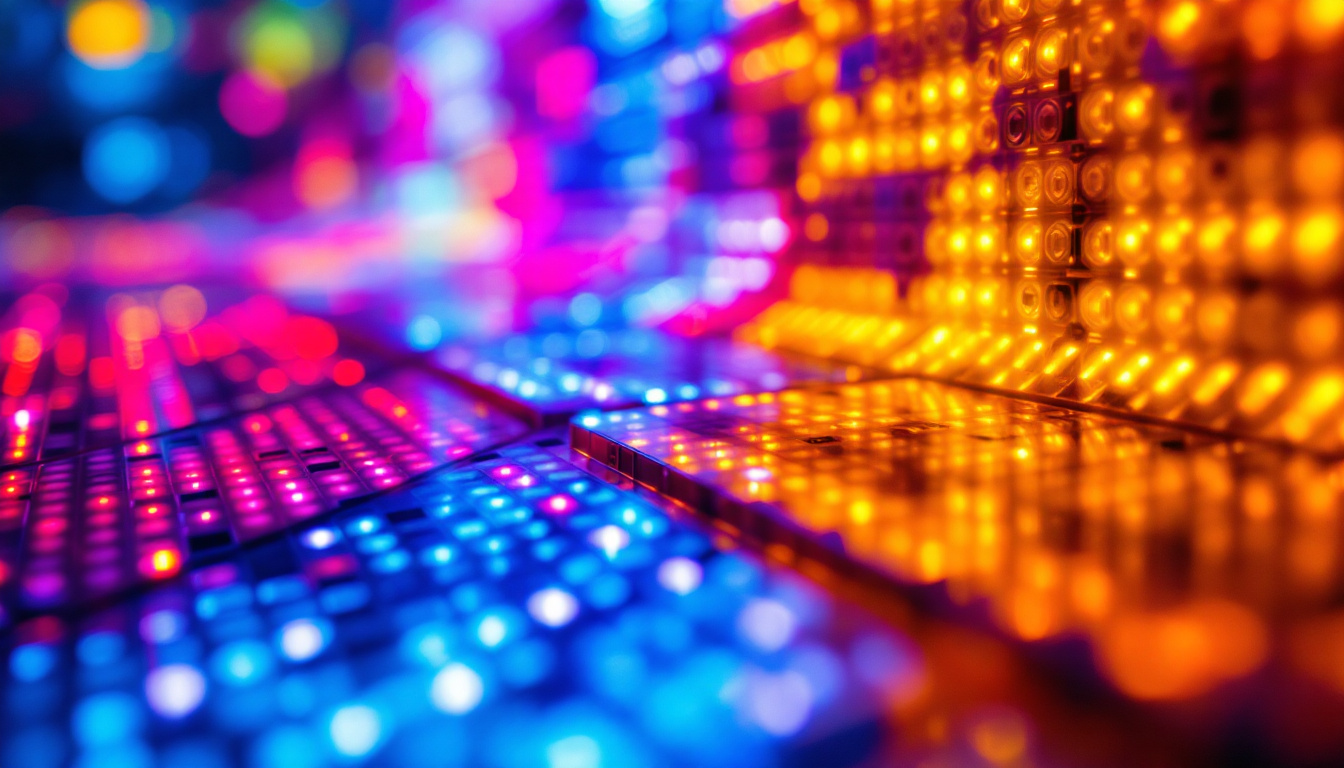
The core technology involves embedding LEDs on a transparent substrate, such as glass or acrylic, with precise spacing between the diodes. This spacing, often referred to as pixel pitch, determines the level of transparency and image resolution. For example, a pixel pitch of 10mm means there is a 10mm gap between each LED, allowing more light and visibility through the screen. Manufacturers balance pixel pitch to optimize both image clarity and transparency based on the intended application.
How Does It Work?
Transparent LED video walls operate by illuminating individual LEDs arranged in a grid pattern on a transparent panel. When these LEDs light up in specific sequences and colors, they form images or videos visible to the audience. The transparent nature comes from the gaps between the LEDs, which let ambient light pass through, making the screen partially see-through.
These displays typically use surface-mounted device (SMD) LEDs, which are small and efficient, allowing for a slim and lightweight panel design. The panels are modular, meaning they can be combined to create large-scale video walls of various sizes and shapes. The transparency level usually ranges from 40% to 90%, depending on the pixel pitch and panel design.
Advantages of Transparent LED Video Walls
Transparent LED video walls offer a range of benefits that make them an attractive choice for many industries. Their unique blend of visibility and digital display capabilities opens up new possibilities for creative and functional installations.
1. Enhanced Aesthetic Appeal
One of the most compelling advantages is the aesthetic enhancement these displays provide. Because they allow natural light and background visuals to pass through, transparent LED walls integrate seamlessly into modern architectural designs. This creates a futuristic and sleek look that can transform storefronts, office lobbies, and public spaces.
For example, luxury retail stores often use transparent LED video walls on their glass facades to showcase promotional content without obstructing the view of the products inside. This dual visibility attracts customers while maintaining an open and inviting atmosphere.
2. Space Efficiency and Versatility
Traditional LED video walls require significant space and often block natural light, which can be a limitation in environments where openness is essential. Transparent LED walls solve this problem by combining display functionality with transparency, allowing them to be installed on windows, glass partitions, or even as room dividers without compromising spatial openness.
This versatility makes them ideal for offices, airports, museums, and exhibition centers where space optimization and visual communication are critical.
3. Energy Efficiency and Brightness
Despite their transparency, these LED walls maintain high brightness levels suitable for both indoor and outdoor use. Modern transparent LED panels can reach brightness levels exceeding 3,000 nits, ensuring visibility even in direct sunlight. Additionally, the LEDs used are energy-efficient, consuming less power compared to traditional display technologies like LCD or projection screens.
This combination of brightness and energy efficiency reduces operational costs and supports sustainability goals.
Key Applications of Transparent LED Video Walls
The unique properties of transparent LED video walls have led to their adoption across various sectors. Understanding these applications helps illustrate their practical value and potential impact.
Retail and Advertising
Retail environments benefit greatly from transparent LED video walls by enhancing window displays and creating dynamic advertising platforms. Brands can display high-resolution promotional content while allowing passersby to see inside the store, blending marketing with product visibility.
For instance, flagship stores of global brands like Nike and Samsung have incorporated transparent LED video walls to create immersive shopping experiences that attract foot traffic and increase engagement.
Corporate and Commercial Spaces
In corporate settings, transparent LED walls serve as innovative communication tools in lobbies, conference rooms, and reception areas. They can display company branding, live data feeds, or interactive content without obstructing natural light or architectural features.
Moreover, these walls can act as partitions that maintain openness while providing digital signage capabilities, fostering a modern and collaborative office environment.
Entertainment and Events
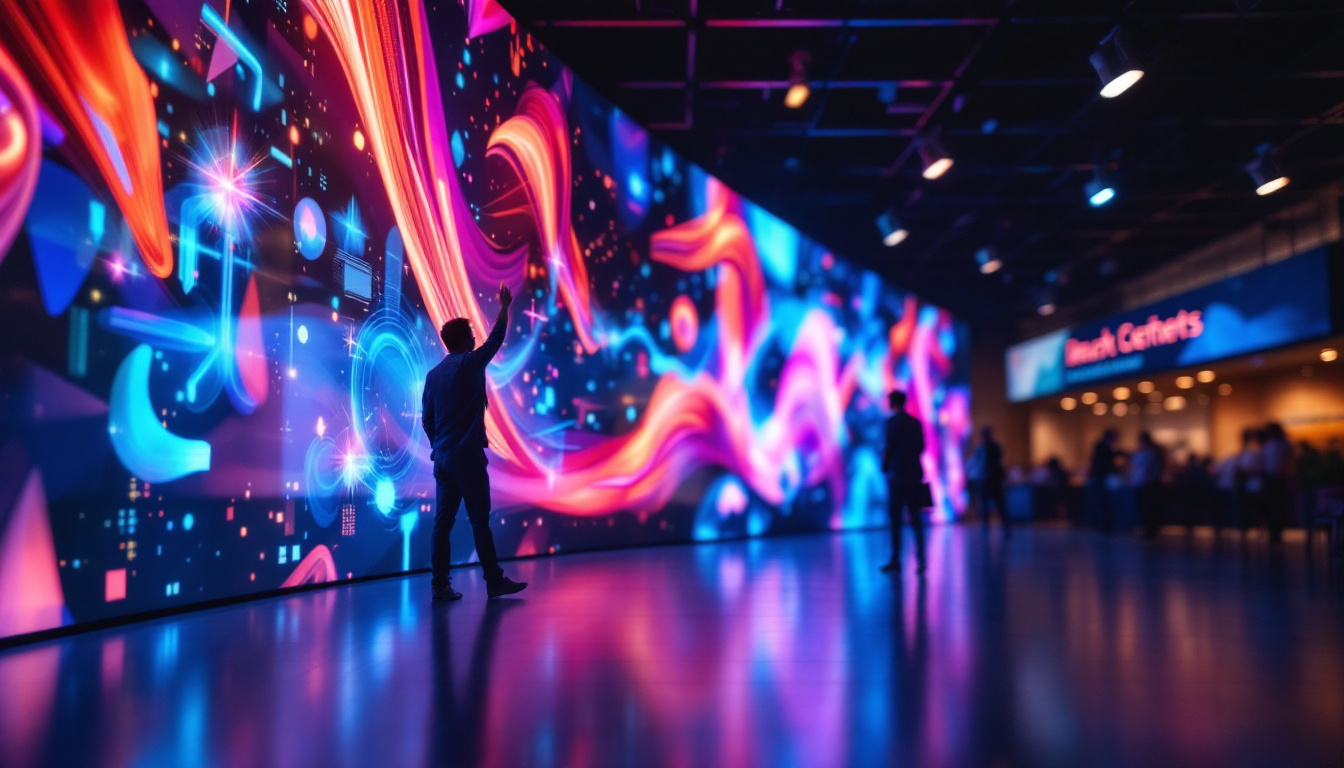
The entertainment industry leverages transparent LED video walls for concerts, exhibitions, and stage designs. Their ability to blend digital content with physical backgrounds creates captivating visual effects that enhance audience experiences.
For example, transparent LED panels can be used as see-through backdrops on stage, allowing performers to interact visually with digital content while maintaining visibility to the audience.
Transportation Hubs and Public Spaces
Airports, train stations, and other public venues use transparent LED walls to provide information, advertisements, and wayfinding assistance without disrupting the architectural flow or natural lighting. Their durability and brightness make them suitable for high-traffic areas.
Comparing Transparent LED Video Walls with Other Display Technologies
To fully appreciate the value of transparent LED video walls, it is important to compare them with alternative display technologies such as LCD glass, projection screens, and traditional LED walls.
Transparent LED vs. LCD Glass Displays
Transparent LCD glass displays also offer see-through capabilities but differ significantly in performance and application. LCD glass requires a backlight and often suffers from lower brightness and contrast levels compared to LED technology. Additionally, LCD panels tend to have a narrower viewing angle and consume more power.
Transparent LED walls, on the other hand, provide higher brightness, better color accuracy, and improved energy efficiency. They are also more scalable for large installations.
Transparent LED vs. Projection Screens
Projection-based transparent displays rely on projecting images onto glass or acrylic surfaces. While this can achieve transparency, the image quality is often dependent on ambient lighting conditions and projection angles. Projections can appear washed out in bright environments and require careful setup.
Transparent LED video walls provide consistent image quality regardless of lighting, with higher brightness and color vibrancy. They also offer more flexibility in installation locations.
Transparent LED vs. Traditional LED Video Walls
Traditional LED video walls are fully opaque and designed for maximum image quality and brightness. They are ideal for environments where blocking the background is not an issue. However, they do not offer the spatial and aesthetic benefits of transparency.
Transparent LED walls sacrifice some pixel density and resolution to achieve transparency but offer a unique combination of display and see-through capabilities that traditional LED walls cannot match.
Technical Considerations When Choosing a Transparent LED Video Wall
Selecting the right transparent LED video wall involves evaluating several technical factors to ensure the display meets the specific needs of the installation.
Pixel Pitch and Resolution
Pixel pitch is a critical specification that affects both image clarity and transparency. Smaller pixel pitches (e.g., 4-6mm) offer higher resolution but reduce transparency due to closer LED spacing. Larger pixel pitches (e.g., 10-20mm) increase transparency but lower image resolution.
The choice depends on viewing distance and content requirements. For example, retail window displays viewed from several meters away can use larger pixel pitches, while indoor corporate displays may require finer resolution.
Transparency Ratio
The transparency ratio indicates the percentage of light that can pass through the display. Higher transparency ratios (up to 90%) provide better see-through effects but may limit brightness and image density. Balancing transparency with visual impact is essential.
Brightness and Contrast
Brightness is measured in nits and determines visibility in various lighting conditions. Transparent LED walls typically range from 1,500 to 3,500 nits. Contrast ratio affects image depth and color vibrancy. Selecting a display with sufficient brightness and contrast for the installation environment ensures optimal performance.
Installation and Maintenance
Transparent LED panels are lightweight and modular, simplifying installation on glass surfaces or frames. However, considerations such as mounting hardware, power supply, and data connectivity must be planned carefully. Maintenance access is also important, especially for large-scale or outdoor installations.
The Future of Transparent LED Video Walls
As LED technology continues to advance, transparent LED video walls are expected to become even more versatile and widely adopted. Innovations in micro-LEDs and improved manufacturing techniques promise higher resolution, greater transparency, and lower power consumption.
Additionally, integration with interactive technologies such as touch sensors and augmented reality will enhance user engagement. The convergence of transparent LED displays with smart building systems could lead to dynamic environments that adapt content based on time of day, audience, or environmental conditions.
With the global digital signage market projected to grow at a compound annual growth rate (CAGR) of over 7% through 2028, transparent LED video walls are poised to play a significant role in shaping the future of visual communication.
Conclusion
Transparent LED video walls represent a transformative display technology that merges digital content with architectural transparency. Their ability to deliver bright, vivid images while maintaining visibility through the screen offers unique advantages in aesthetics, space utilization, and energy efficiency.
From retail storefronts and corporate environments to entertainment venues and public spaces, transparent LED video walls are redefining how businesses and organizations communicate visually. Understanding the technology, benefits, and technical considerations is essential for making informed decisions about incorporating these innovative displays into modern spaces.
As the technology evolves, transparent LED video walls will continue to unlock new creative possibilities and enhance the way people interact with digital content in physical environments.
Discover the Future of Visual Displays with LumenMatrix
Ready to elevate your space with the cutting-edge technology of transparent LED video walls? LumenMatrix, a pioneer in LED display innovation, offers an extensive range of solutions tailored to bring your visual communication to life. From engaging Indoor and Outdoor LED Wall Displays to dynamic Vehicle and Sports LED Displays, each product is designed to captivate your audience and amplify your message. Experience the transformative power of LED Transparent Displays and more. Check out LumenMatrix LED Display Solutions today and join the revolution in digital signage excellence.