Understanding measurements and their conversions is essential in many fields, from construction and engineering to digital display technology. One common conversion that often arises is between meters and feet. This article delves into the conversion of 1.5 meters into feet and explores how this measurement is relevant in the context of LED displays. By the end of this guide, readers will have a clear understanding of the metric-to-imperial conversion and how it applies to LED display technology, including pixel pitch, viewing distance, and optimal display size.
Understanding Metric to Imperial Conversion: 1.5 Meters in Feet
Before diving into LED displays, it’s important to clarify the conversion between meters and feet. The metric system, widely used around the world, measures length in meters, centimeters, and millimeters. The imperial system, more common in the United States, uses feet and inches. This difference can sometimes lead to confusion, especially in fields such as construction, engineering, and design, where precise measurements are crucial for safety and aesthetics.
How to Convert Meters to Feet
The conversion factor from meters to feet is approximately 3.28084. This means that one meter equals 3.28084 feet. To convert 1.5 meters to feet, multiply 1.5 by 3.28084:
1.5 meters × 3.28084 = 4.92126 feet
Rounded to two decimal places, 1.5 meters is approximately 4.92 feet. This conversion is useful in various practical applications, especially when specifying dimensions for physical installations such as LED displays. For instance, when designing a stage or a public space, knowing the exact size of the display in both metric and imperial units can help ensure that it fits seamlessly into the environment and meets the visual expectations of the audience.
Why Knowing This Conversion Matters
Many LED display manufacturers and installers operate internationally. While some countries use metric measurements, others rely on imperial units. Understanding conversions between these systems ensures accurate communication, precise installation, and correct sizing of displays. For example, a client specifying a display size of 1.5 meters needs to know that it equates to nearly 5 feet, which might be more intuitive for those accustomed to imperial units. Additionally, this knowledge can prevent costly errors during the installation process, where a miscalculation could lead to displays being too large or too small for their intended space.
Furthermore, in the realm of digital signage and advertising, the ability to convert measurements accurately can enhance the effectiveness of marketing strategies. Advertisers often need to present their ideas in both metric and imperial formats to cater to diverse audiences. By ensuring that the dimensions of LED displays are correctly understood in both systems, businesses can create more impactful visual content that resonates with viewers, regardless of their measurement preferences. This adaptability not only broadens the reach of marketing campaigns but also fosters a more inclusive approach to communication in a globalized market.
LED Display Basics: What Does Size Mean?
LED displays are composed of thousands of tiny light-emitting diodes arranged in a grid. The physical size of an LED display is a critical factor in its application, affecting visibility, resolution, and installation requirements. When discussing size, both the physical dimensions and the pixel pitch are important.
Physical Dimensions: Width, Height, and Diagonal
The physical size of an LED display is typically measured in meters or feet, indicating the width and height of the screen. For example, a display measuring 1.5 meters wide would be approximately 4.92 feet wide. This dimension helps determine where the display can be installed and how much space it will occupy.
In many cases, the diagonal measurement is also used, similar to televisions and monitors. Knowing the width and height allows for calculation of the diagonal size using the Pythagorean theorem, which can be useful for marketing or technical specifications. Additionally, the aspect ratio of the display, which is the ratio of width to height, plays a significant role in determining the best fit for various applications. Common aspect ratios include 16:9 for standard video content and 4:3 for traditional presentations, influencing not only the visual experience but also the compatibility with existing media formats.
Pixel Pitch: The Key to Resolution and Viewing Distance
Pixel pitch refers to the distance between the centers of two adjacent pixels, usually measured in millimeters. It directly impacts the resolution and clarity of the display. Smaller pixel pitches mean higher resolution and better image quality, especially at close viewing distances.
For example, an LED display with a 1.5 mm pixel pitch will have much finer detail than one with a 10 mm pixel pitch. This is crucial when deciding the appropriate display size and resolution for a given viewing environment. Furthermore, understanding pixel pitch is essential for optimizing the viewing experience in different scenarios, such as outdoor advertising, where viewers may be farther away, versus indoor environments, where a closer proximity is common. The choice of pixel pitch can significantly affect the overall performance and effectiveness of the display, making it a key consideration for designers and engineers alike. Additionally, advancements in technology have led to the development of ultra-fine pixel pitch displays, which are becoming increasingly popular for high-end applications, such as control rooms and immersive digital signage, where clarity and detail are paramount.
Why 1.5 Meters Matters in LED Displays
The dimension of 1.5 meters (approximately 4.92 feet) is a common size reference in LED display installations, especially for indoor displays or smaller outdoor screens. Understanding how this measurement fits into LED technology is essential for choosing the right display for a specific application.
Indoor LED Displays: Optimal Size and Viewing Distance
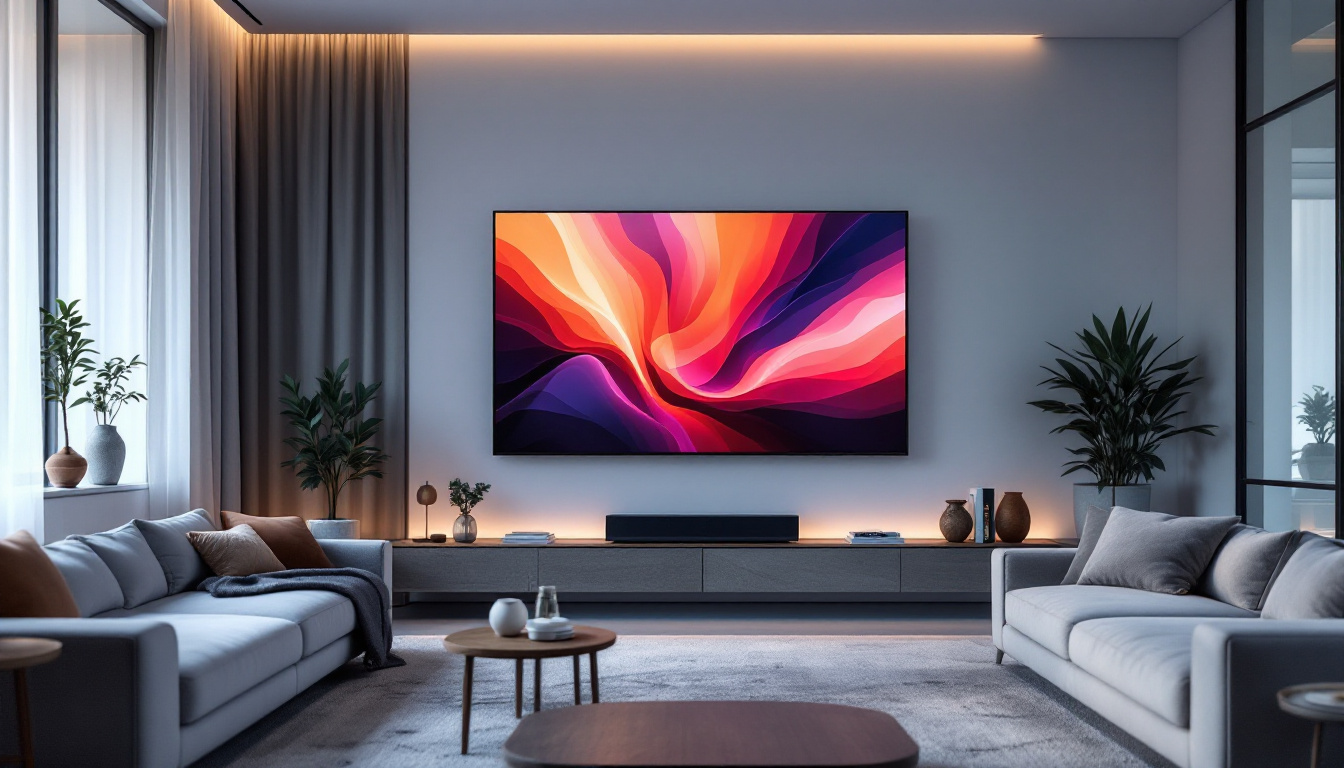
Indoor LED displays often require higher resolution due to closer viewing distances. A 1.5-meter-wide display with a fine pixel pitch (e.g., 1.5 mm to 2.5 mm) can deliver sharp images suitable for retail environments, conference rooms, or control centers.
For example, a 1.5-meter-wide LED wall in a corporate lobby might be designed with a 1.9 mm pixel pitch, providing excellent image quality for viewers standing a few feet away. The 1.5-meter width ensures the display fits comfortably within the space while delivering impactful visuals.
Outdoor LED Displays: Visibility and Size Considerations
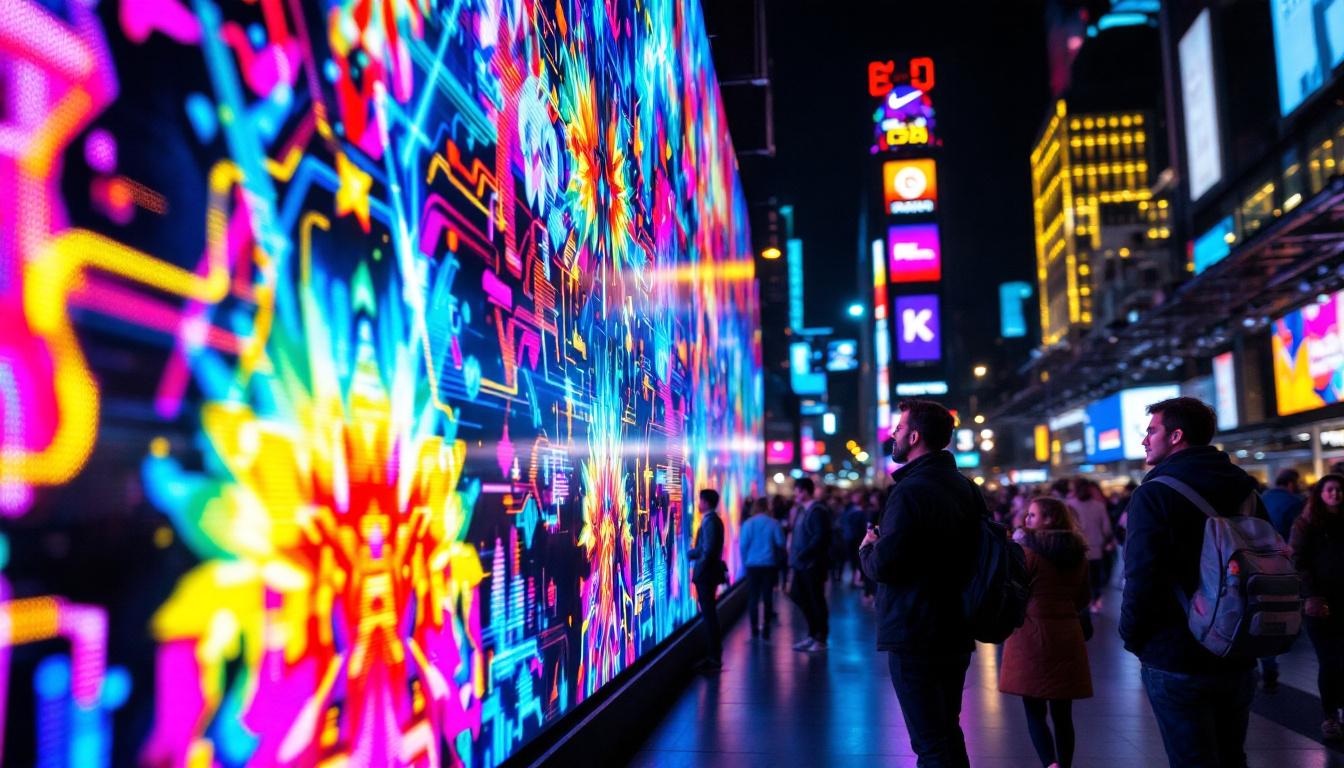
Outdoor LED displays typically have larger pixel pitches (e.g., 6 mm to 20 mm) because viewers are farther away. A 1.5-meter-wide outdoor display might be used for smaller signage or digital billboards in tight spaces.
In such cases, the 1.5-meter width equates to just under 5 feet, which is compact for outdoor advertising but sufficient for pedestrian areas or retail storefronts. The pixel pitch would be selected to ensure visibility from the expected viewing distance, balancing resolution and cost.
Calculating Viewing Distance Based on 1.5 Meters in Feet
One of the most critical factors in LED display design is determining the optimal viewing distance. This depends on the pixel pitch and the physical size of the display. The general rule is that the optimal viewing distance (in meters) is approximately 1 to 3 times the pixel pitch (in millimeters). Converting this to feet helps installers and clients visualize the ideal distance.
Example Calculation
Consider a 1.5-meter-wide LED display with a 3 mm pixel pitch. The optimal viewing distance would be:
3 mm × 1 to 3 = 3 mm to 9 mm (in meters, this is 3 to 9 meters)
Converting meters to feet (1 meter ≈ 3.28084 feet):
3 meters × 3.28084 = 9.84 feet
9 meters × 3.28084 = 29.53 feet
This means the display should ideally be viewed from about 10 to 30 feet away for the best image quality. Knowing that 1.5 meters equals approximately 4.92 feet helps contextualize the display size in relation to the viewing distance.
Why Viewing Distance Matters
Choosing the right viewing distance ensures that the LED display appears sharp and clear without visible pixelation. If viewers are too close to a display with a large pixel pitch, the image may look blocky. Conversely, if the pixel pitch is very fine but the display is viewed from too far away, the extra resolution may not be noticeable, increasing costs unnecessarily.
Practical Applications of 1.5 Meter LED Displays
Understanding the conversion of 1.5 meters to feet and its relevance to LED displays is not just academic; it has real-world implications across various industries.
Retail and Advertising
Retailers often install LED displays to attract customers and promote products. A 1.5-meter-wide display (about 5 feet) is a popular size for window displays or in-store signage. This size is large enough to catch attention but compact enough to fit in limited spaces.
By selecting an appropriate pixel pitch and understanding the viewing distance, retailers can maximize the impact of their digital signage, ensuring messages are clear and engaging.
Corporate and Event Venues
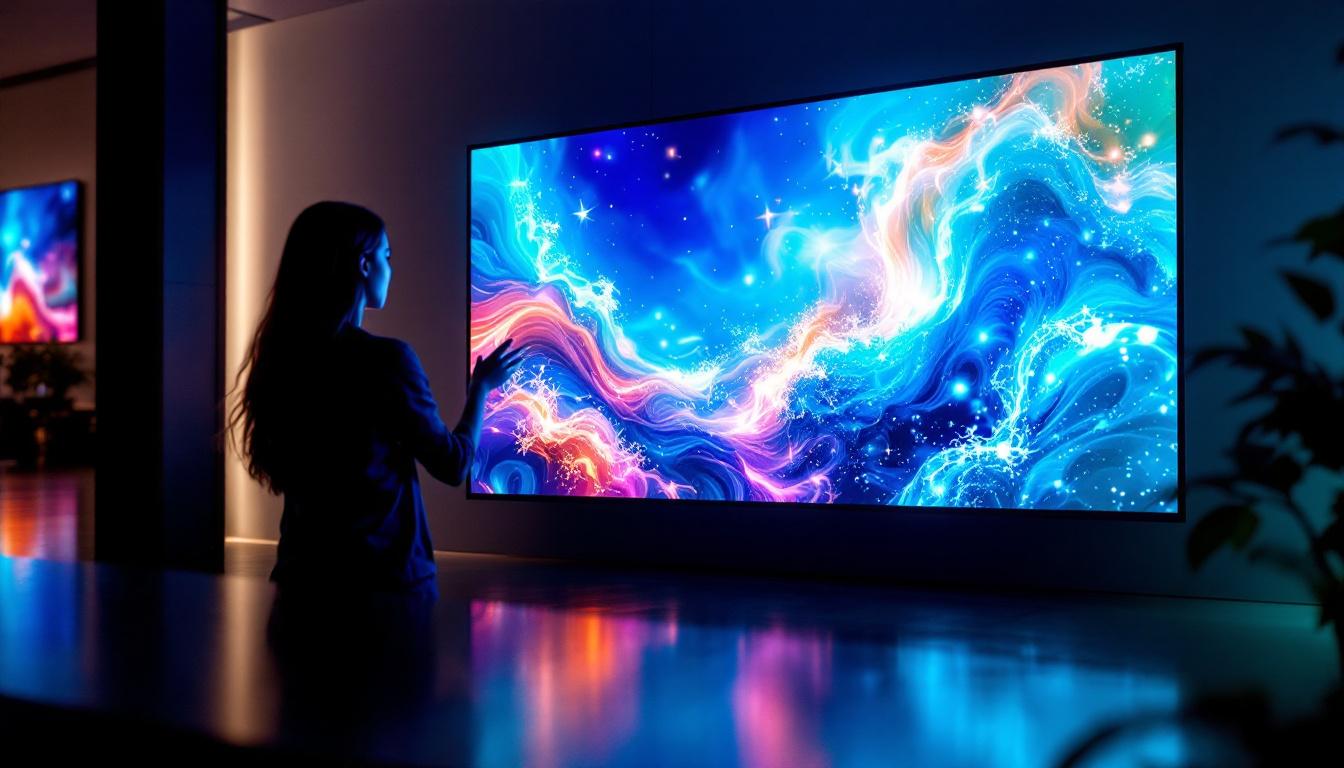
In corporate settings, LED displays measuring around 1.5 meters wide are frequently used for presentations, video walls, or informational displays. The size is ideal for conference rooms or lobbies where viewers are relatively close.
Event venues also benefit from modular LED panels that can be combined to create larger displays. Knowing that each panel might be 1.5 meters wide helps planners design scalable solutions that fit venue dimensions and audience needs.
Transportation and Public Spaces
LED displays in transportation hubs, such as airports or train stations, often use panels around 1.5 meters in width. These displays provide schedules, announcements, and advertisements. The size balances visibility with space constraints in busy environments.
Public spaces like parks or plazas may use similar-sized displays for information or event promotion, where the distance between the display and viewers varies widely.
Conclusion: Bridging Measurement and Technology
Converting 1.5 meters to feet (approximately 4.92 feet) is a simple yet crucial step in understanding and specifying LED displays. This conversion helps bridge communication across different measurement systems and ensures that LED display installations meet spatial and visual requirements.
LED display size, pixel pitch, and viewing distance are interrelated factors that determine the effectiveness of a digital screen. Whether for indoor retail signage, corporate presentations, or outdoor advertising, knowing how to interpret and apply measurements like 1.5 meters in feet empowers professionals to make informed decisions.
As LED technology continues to evolve, with increasingly fine pixel pitches and versatile form factors, mastering these fundamentals remains essential for achieving optimal display performance and viewer satisfaction.
Discover LumenMatrix LED Display Solutions
Ready to elevate your space with the precision and brilliance of LED technology? LumenMatrix is at the forefront of LED display innovation, offering a diverse range of solutions tailored to your unique needs. From captivating Indoor LED Wall Displays to dynamic Outdoor LED Wall Displays, and from versatile Vehicle LED Displays to sleek LED Poster Displays, our products are designed to transform your visual communication. Experience the power of LED Sports Displays, interactive Floor LED Displays, and the customization possibilities with Custom LED Displays. Embrace the future with our All-in-One LED Display and LED Transparent Display options. Don’t just share your message—make a lasting impression with clarity and impact. Check out LumenMatrix LED Display Solutions today and see how we can help you create unforgettable visual experiences.