In today’s fast-paced digital world, the demand for vibrant, energy-efficient, and versatile display technologies is higher than ever. Among these technologies, LED displays have emerged as a dominant force, transforming how businesses communicate with customers and audiences. From retail storefronts to stadiums, LED displays offer unparalleled brightness, color accuracy, and flexibility. This article delves deep into the world of LED displays, explaining their technology, applications, benefits, and what sales professionals need to know to effectively market and sell these devices.
Understanding LED Display Technology
What is an LED Display?
LED stands for Light Emitting Diode, a semiconductor device that emits light when an electric current passes through it. An LED display is a flat panel display that uses an array of these tiny LEDs as pixels to create images, videos, or text. Unlike traditional LCD or plasma displays, LED displays rely on direct light emission from each diode, which results in higher brightness and contrast levels. This technology not only enhances visual clarity but also allows for a wider color gamut, making images appear more vibrant and lifelike.
LED displays come in various forms, including indoor and outdoor screens, flexible panels, and transparent displays. The core technology involves arranging thousands—or even millions—of LEDs in a grid to produce vivid visuals that can be viewed from a distance or up close. Additionally, LED displays are known for their durability and longevity, often lasting tens of thousands of hours, which makes them a cost-effective solution for both commercial and residential applications. Their ability to operate in diverse environments, from bright sunlight to dimly lit rooms, further underscores their versatility.
Types of LED Displays
There are several types of LED displays, each suited to different environments and purposes:
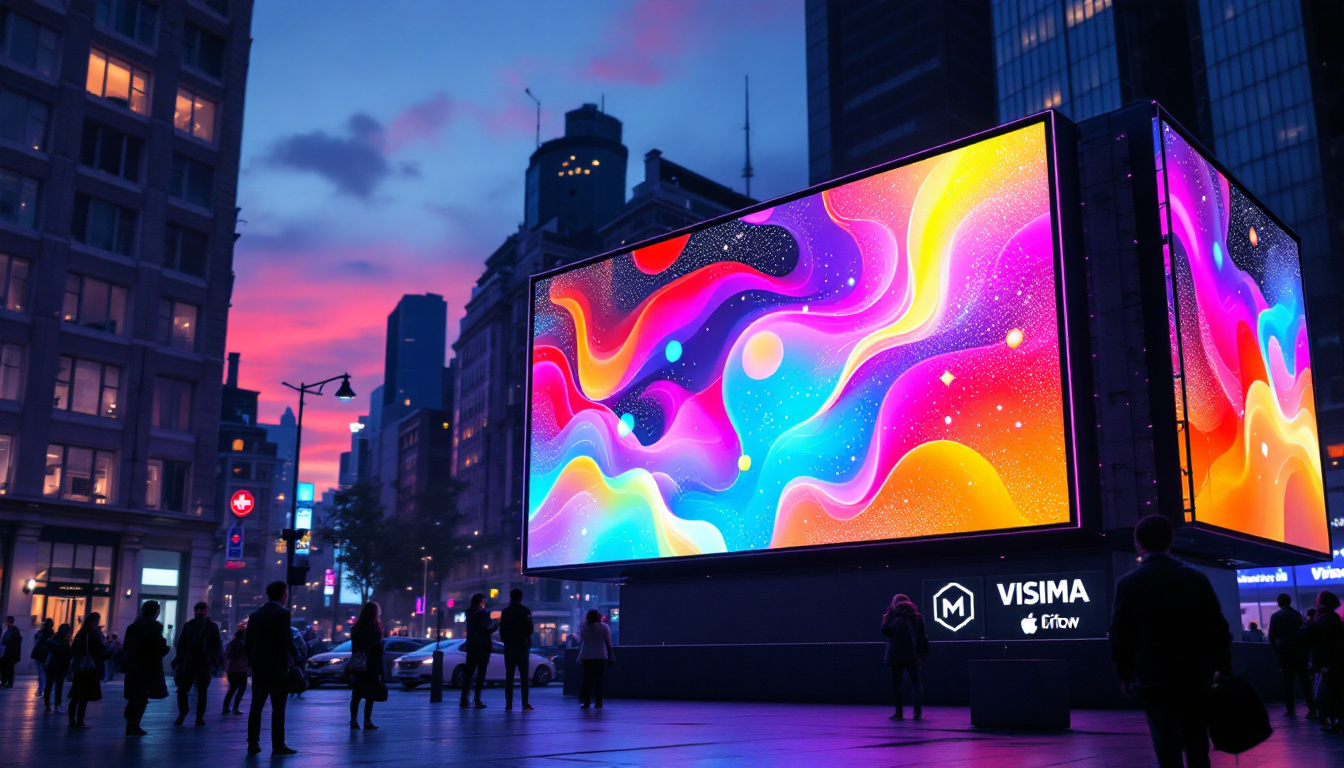
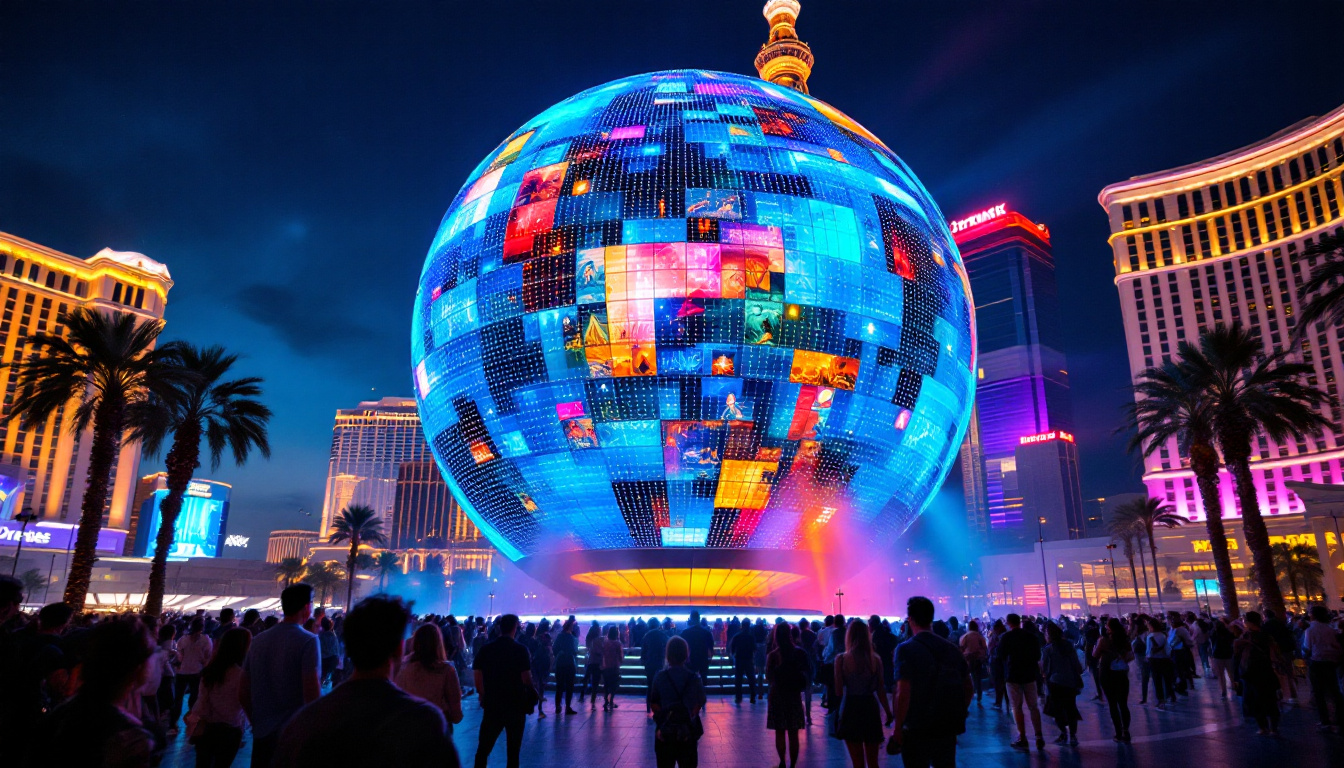
- Direct View LED (DVLED): This is the most common type, where LEDs themselves form the pixels. It is widely used for large outdoor billboards, stadium screens, and indoor video walls. The seamless integration of these displays allows for expansive visuals that captivate audiences and enhance advertising effectiveness.
- LED-backlit LCD: These displays use LEDs as a backlight behind an LCD panel. While not true LED displays, they benefit from LED technology for improved brightness and energy efficiency compared to traditional CCFL-backlit LCDs. This type is prevalent in televisions and computer monitors, providing users with a more dynamic viewing experience.
- MicroLED: An emerging technology featuring microscopic LEDs that offer superior brightness, contrast, and energy efficiency. MicroLED displays promise to revolutionize the market but are currently expensive and mainly used in high-end applications. Their potential for modular designs allows for unique configurations, enabling custom shapes and sizes that can fit various architectural needs.
In addition to these types, there’s also the concept of “smart” LED displays, which integrate advanced technologies such as sensors and connectivity features. These displays can adapt to their environment, adjusting brightness based on ambient light or displaying interactive content based on viewer engagement. Such innovations are paving the way for more immersive experiences in retail, entertainment, and public information systems, making LED displays not just a visual tool, but a dynamic medium for communication and interaction.
Key Features and Advantages of LED Displays
Brightness and Visibility
One of the standout features of LED displays is their exceptional brightness. Outdoor LED screens can reach brightness levels exceeding 5,000 nits, making them clearly visible even in direct sunlight. This capability is crucial for advertising billboards, traffic signs, and event screens, where visibility in all lighting conditions is essential.
Indoor LED displays also benefit from high brightness but are typically calibrated to avoid glare and eye strain. The ability to maintain vivid images regardless of ambient light conditions makes LED displays versatile for both commercial and entertainment settings.
Energy Efficiency and Longevity
Compared to older display technologies like plasma or fluorescent-backlit LCDs, LED displays consume significantly less power. This energy efficiency translates into lower operating costs, an important consideration for businesses running large screens 24/7.
Additionally, LEDs have a long operational lifespan, often exceeding 100,000 hours before noticeable brightness degradation occurs. This durability reduces maintenance costs and downtime, which is particularly valuable for mission-critical installations such as transportation hubs or control rooms.
Color Accuracy and Contrast
LED displays offer superior color reproduction and contrast ratios. Each LED can be finely controlled to emit precise color intensities, resulting in vibrant, true-to-life images. High contrast ratios ensure deep blacks and bright whites, enhancing the overall viewing experience.
This quality is especially important in retail environments where product visuals must be appealing and accurate, or in broadcast studios where image fidelity is paramount.
Applications of LED Displays in Sales and Marketing
Retail and Point of Sale
Retailers leverage LED displays to attract customers, showcase promotions, and create immersive shopping experiences. Digital signage using LED technology allows for dynamic content updates, enabling stores to tailor messages based on time of day, inventory levels, or customer demographics.
For example, fashion retailers use LED video walls to display runway footage or highlight new collections, while grocery stores might use LED price tags and shelf displays to promote discounts. The flexibility and brightness of LED displays make them ideal for grabbing attention in crowded retail spaces.
Outdoor Advertising and Billboards
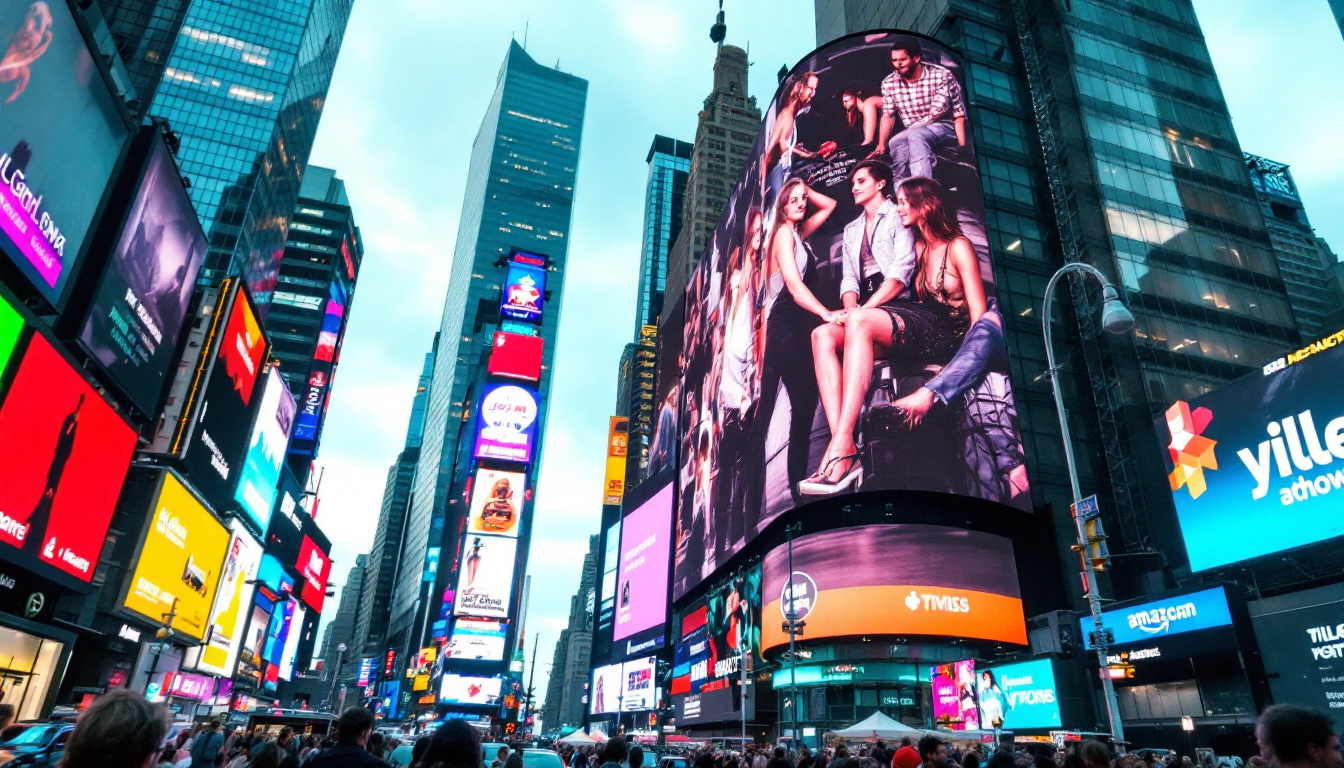
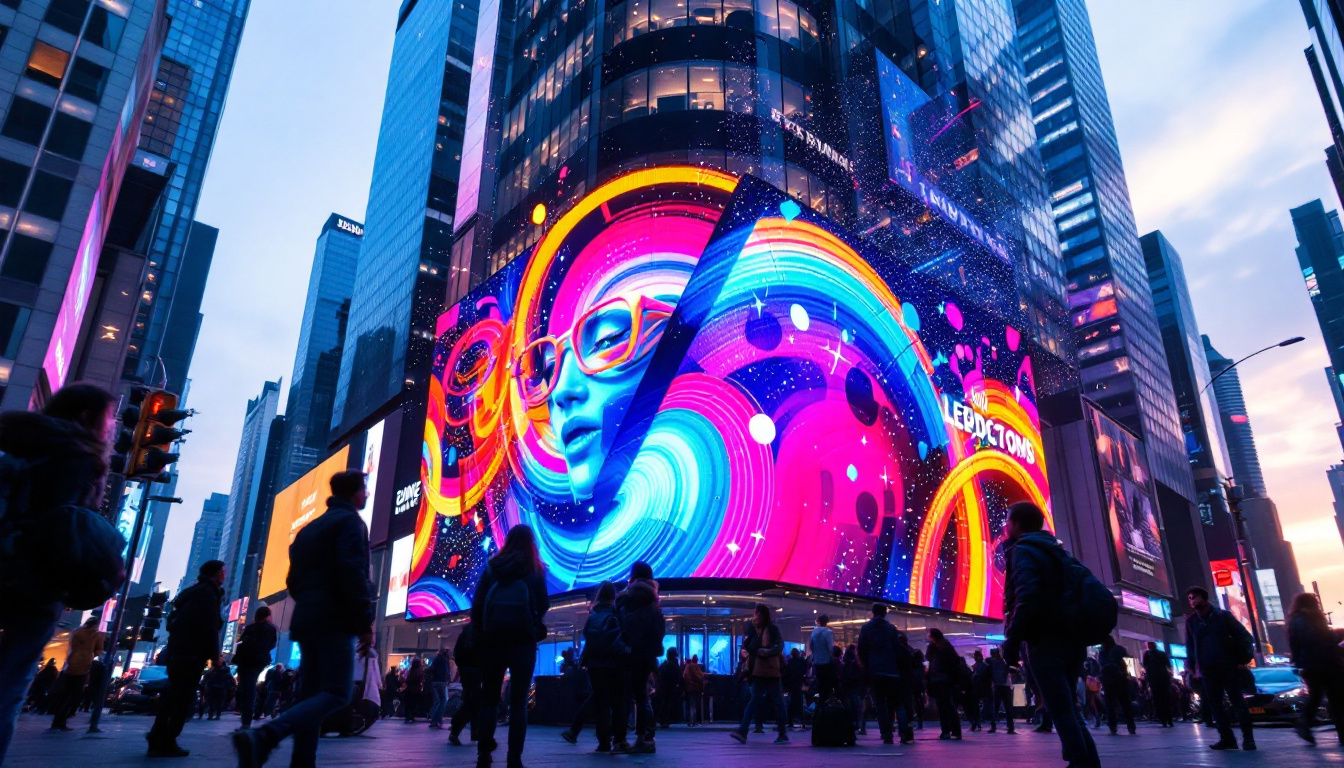
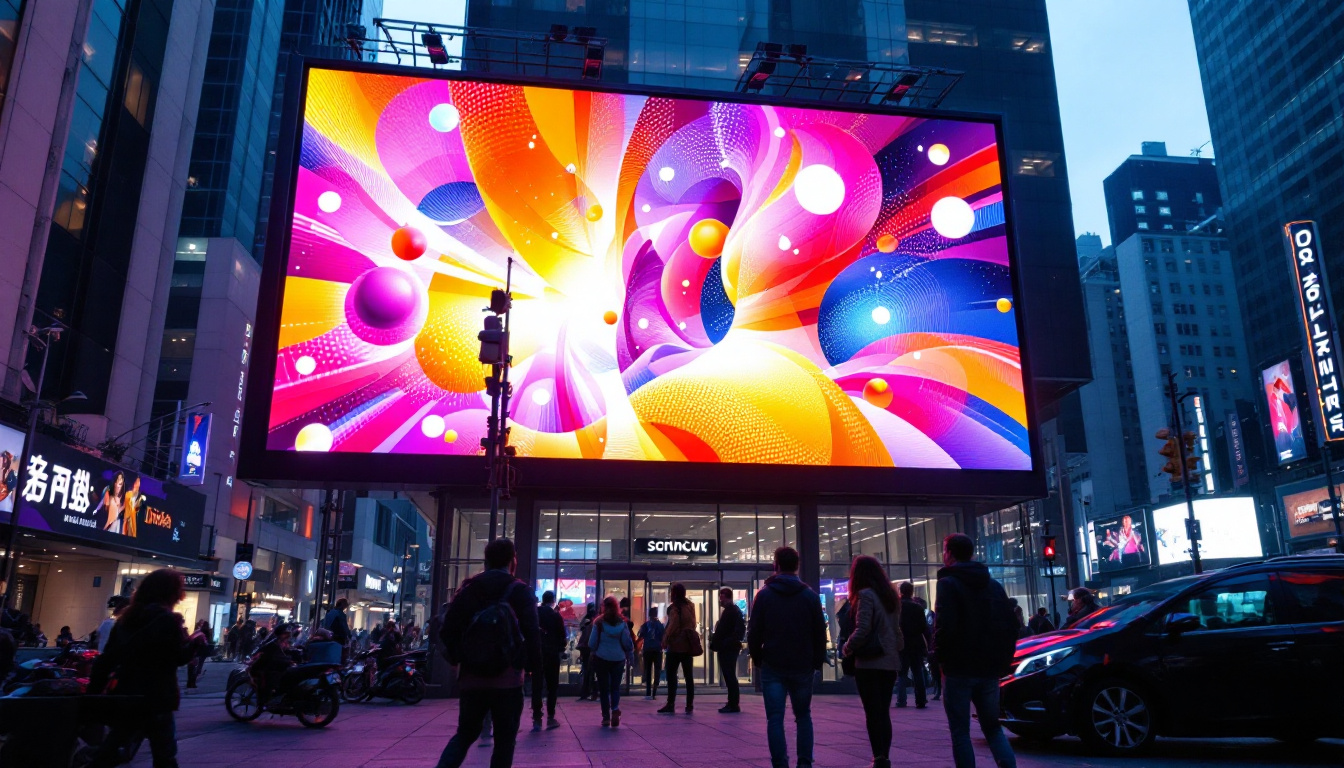
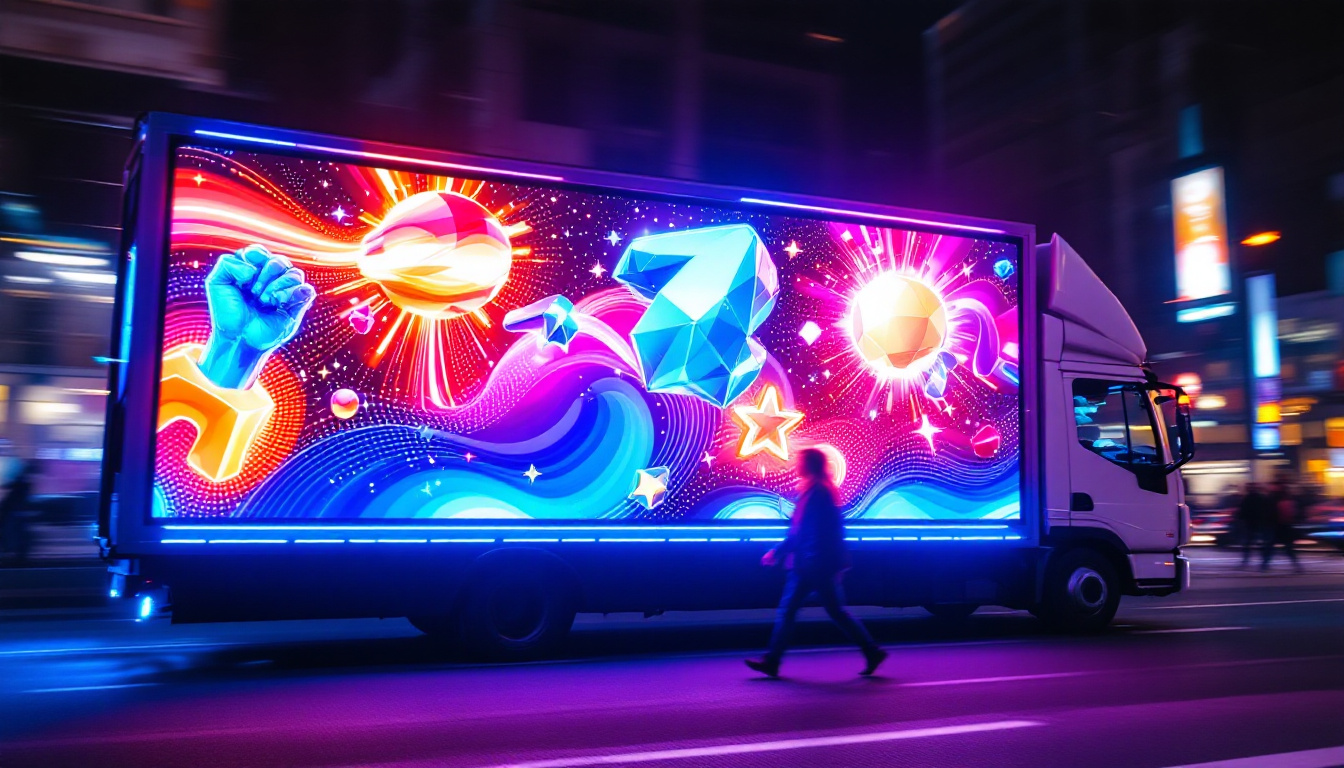
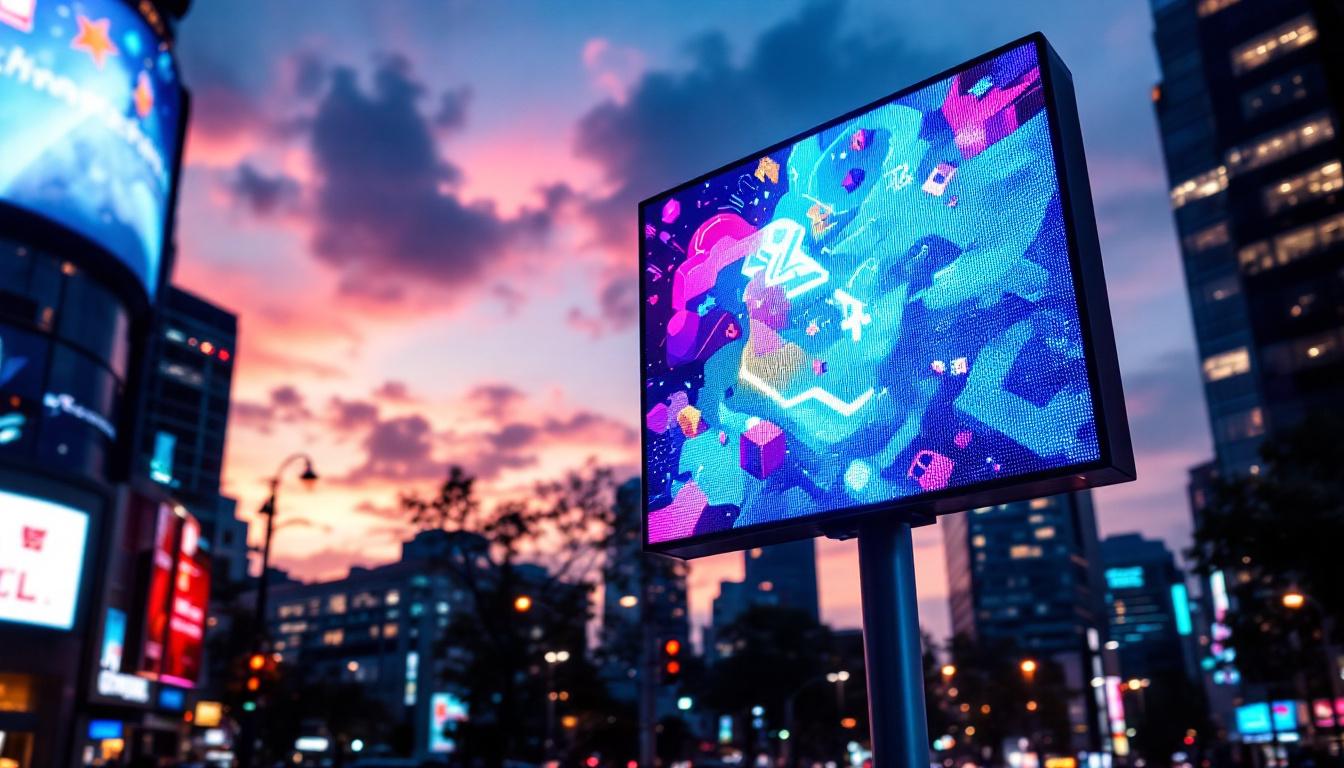
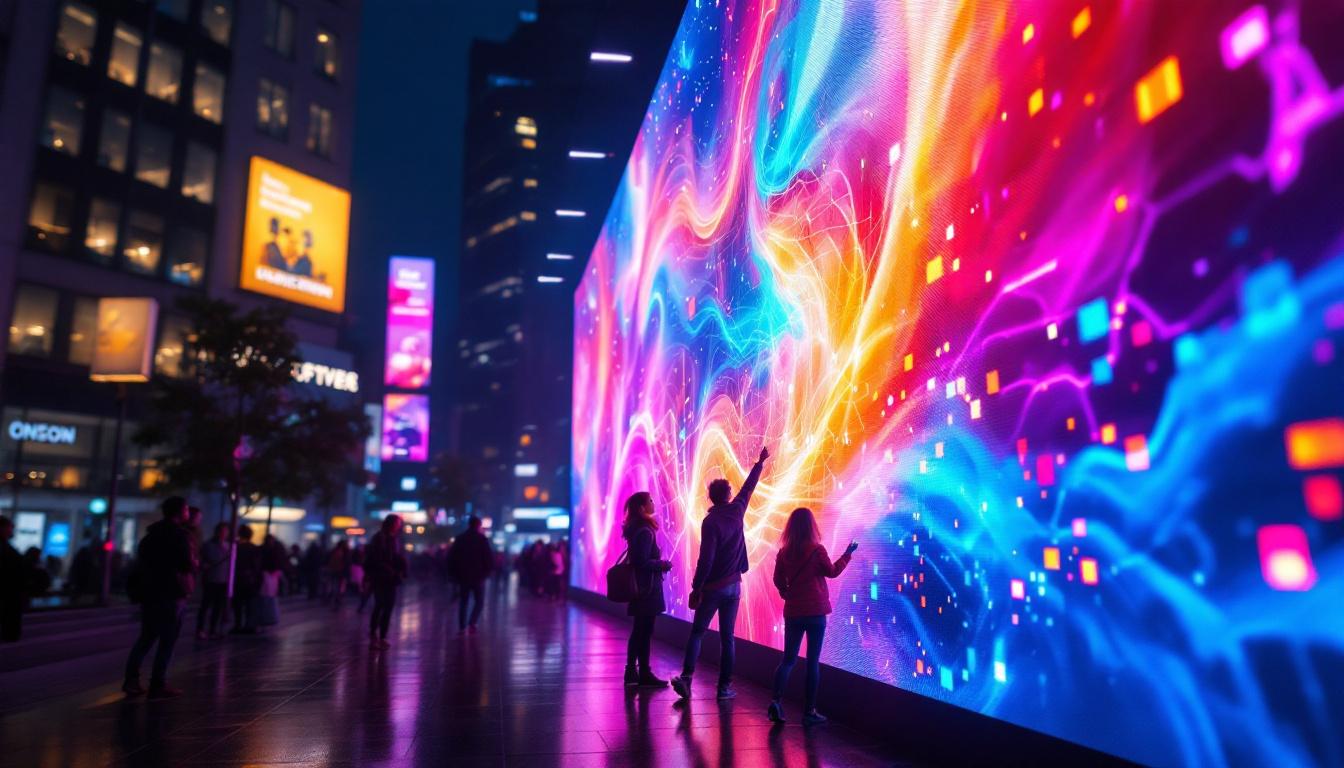
Outdoor advertising is one of the largest markets for LED displays. Traditional static billboards are increasingly being replaced by digital LED billboards that can rotate multiple ads, display animations, and respond to environmental factors like weather or traffic conditions.
According to the Digital Signage Federation, digital out-of-home advertising, including LED billboards, is projected to grow by over 15% annually, driven by the increasing effectiveness of dynamic content and real-time targeting. This growth underscores the importance of LED technology in modern advertising strategies.
Events, Sports, and Entertainment
LED displays are ubiquitous in sports arenas, concert venues, and public events. Their ability to deliver large-scale, high-definition visuals enhances audience engagement and provides real-time information such as scores, schedules, or advertisements.
For event organizers and marketers, LED displays offer a powerful tool to create memorable experiences and maximize sponsorship revenue. The modular nature of LED panels allows for custom sizes and shapes, accommodating unique venue requirements.
Factors to Consider When Selling LED Displays
Understanding Customer Needs
Successful sales of LED displays depend on a thorough understanding of the customer’s environment and objectives. Factors such as viewing distance, ambient lighting, content type, and installation location will influence the choice of pixel pitch, brightness, and screen size.
For instance, a retail store may require a high-resolution indoor LED display with a pixel pitch of 1.5mm or less for close-up viewing, while a highway billboard might prioritize brightness and durability with a pixel pitch of 10mm or more.
Cost and Return on Investment (ROI)
While LED displays can be a significant upfront investment, their long-term benefits often justify the cost. Sales professionals should emphasize energy savings, reduced maintenance, and increased revenue opportunities through enhanced customer engagement and advertising effectiveness.
Providing case studies or ROI calculators can help clients visualize the financial advantages. For example, a retailer that increased in-store sales by 20% after installing LED digital signage demonstrates the tangible impact of the technology.
Installation and Maintenance
Ease of installation and ongoing maintenance are critical selling points. Modular LED panels that allow for quick assembly and replacement minimize downtime and labor costs. Additionally, offering service agreements or training for in-house maintenance teams can add value and build customer trust.
Highlighting the durability of LED displays, including resistance to weather and vandalism for outdoor units, reassures clients about the longevity and reliability of their investment.
Emerging Trends in LED Display Technology
Mini-LED and MicroLED Innovations
Mini-LED and MicroLED technologies represent the next frontier in LED displays. Mini-LED uses thousands of tiny LEDs to provide more precise backlighting for LCD panels, enhancing contrast and color accuracy. MicroLED goes further by using microscopic LEDs as individual pixels, eliminating the need for backlighting altogether.
These advancements promise thinner, brighter, and more energy-efficient displays with superior image quality. Although currently more expensive, prices are expected to decline as production scales, making these technologies increasingly accessible for commercial use.
Interactive and Transparent LED Displays
Interactive LED displays integrate touch or gesture controls, enabling engaging customer experiences in retail, education, and corporate environments. Transparent LED displays allow viewers to see through the screen, blending digital content with physical surroundings—a feature gaining popularity in storefronts and museums.
These innovations open new possibilities for creative marketing and immersive storytelling, providing sales professionals with exciting options to offer clients.
Integration with IoT and AI
LED displays are increasingly integrated with Internet of Things (IoT) devices and artificial intelligence (AI) systems. This integration enables real-time content optimization based on audience analytics, environmental conditions, or inventory data.
For example, a smart LED billboard might change advertisements based on traffic flow or weather, maximizing relevance and impact. Such capabilities enhance the value proposition of LED displays and align with the growing demand for data-driven marketing solutions.
Conclusion
LED displays have revolutionized the way businesses communicate visually, offering unmatched brightness, flexibility, and efficiency. Understanding the technology, applications, and customer needs is essential for sales professionals aiming to succeed in this competitive market.
By highlighting the tangible benefits—such as improved visibility, energy savings, and enhanced customer engagement—and staying informed about emerging trends, sales teams can position LED displays as indispensable tools for modern marketing and communication strategies.
As LED technology continues to evolve, embracing innovations like MicroLED, interactive panels, and AI integration will open new avenues for growth and differentiation in the sales electronics landscape.
Discover LumenMatrix LED Display Solutions
Ready to elevate your visual communication strategy with the latest in LED display technology? Look no further than LumenMatrix, a pioneer in crafting LED display modules that bring your brand to life. Whether you’re seeking to dazzle with an Indoor LED Wall Display, make a statement with an Outdoor LED Wall Display, or innovate with Custom LED Displays and more, LumenMatrix has the solution to meet your needs. Experience the transformative power of LED displays and join the visual revolution today. Check out LumenMatrix LED Display Solutions and see how we can help you create unforgettable visual experiences.