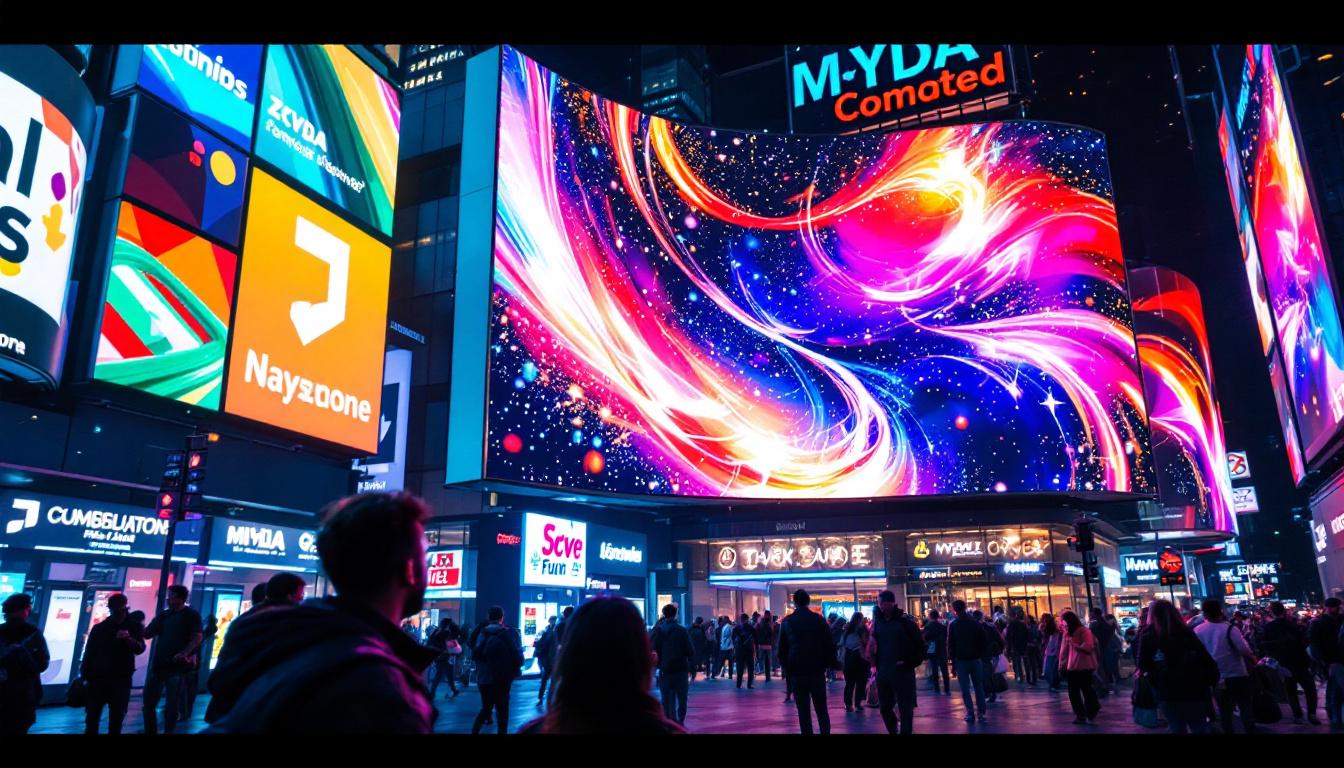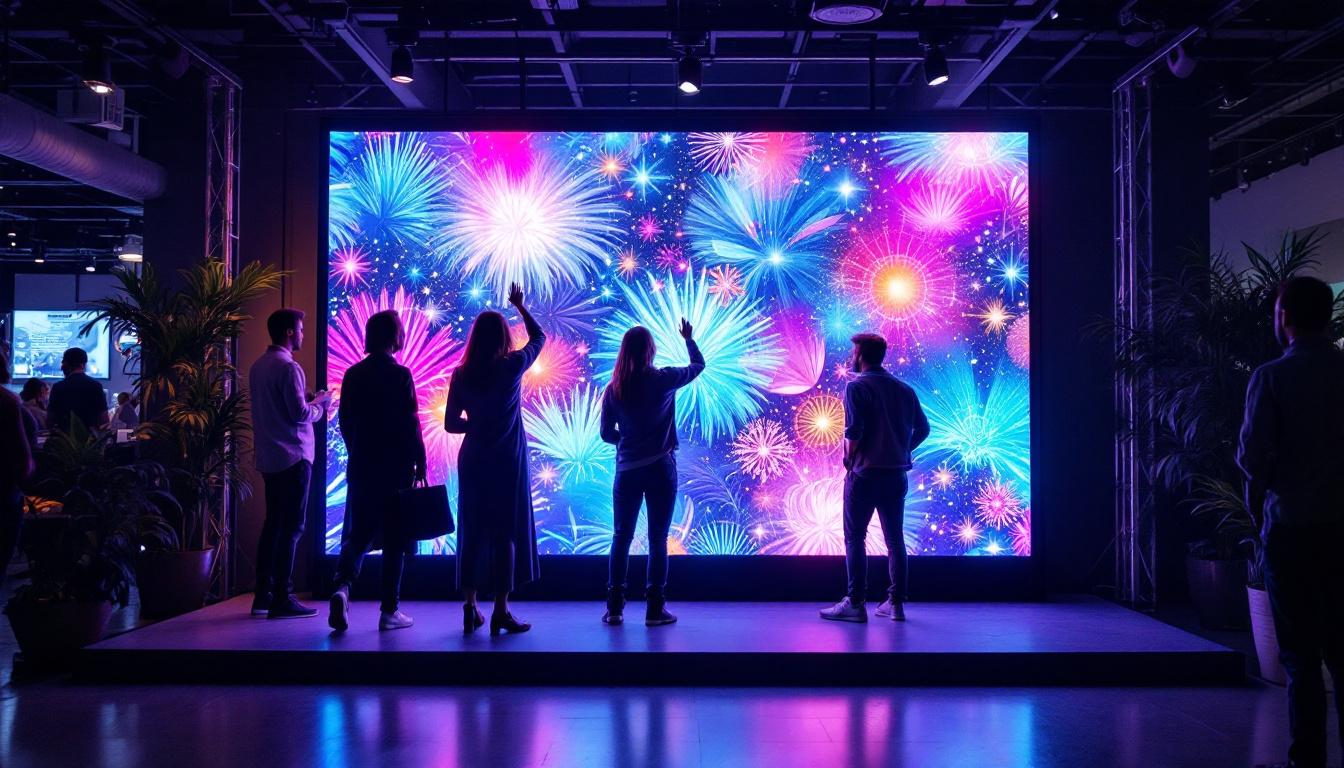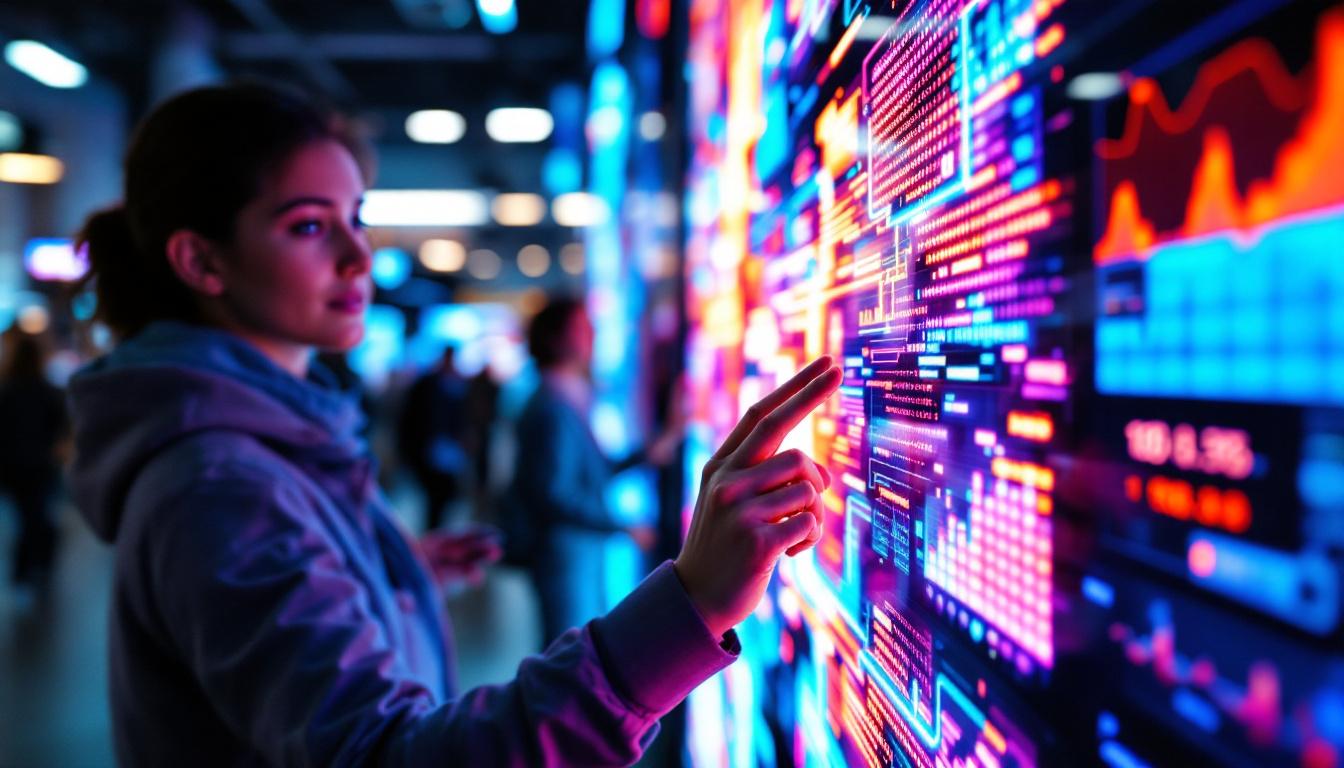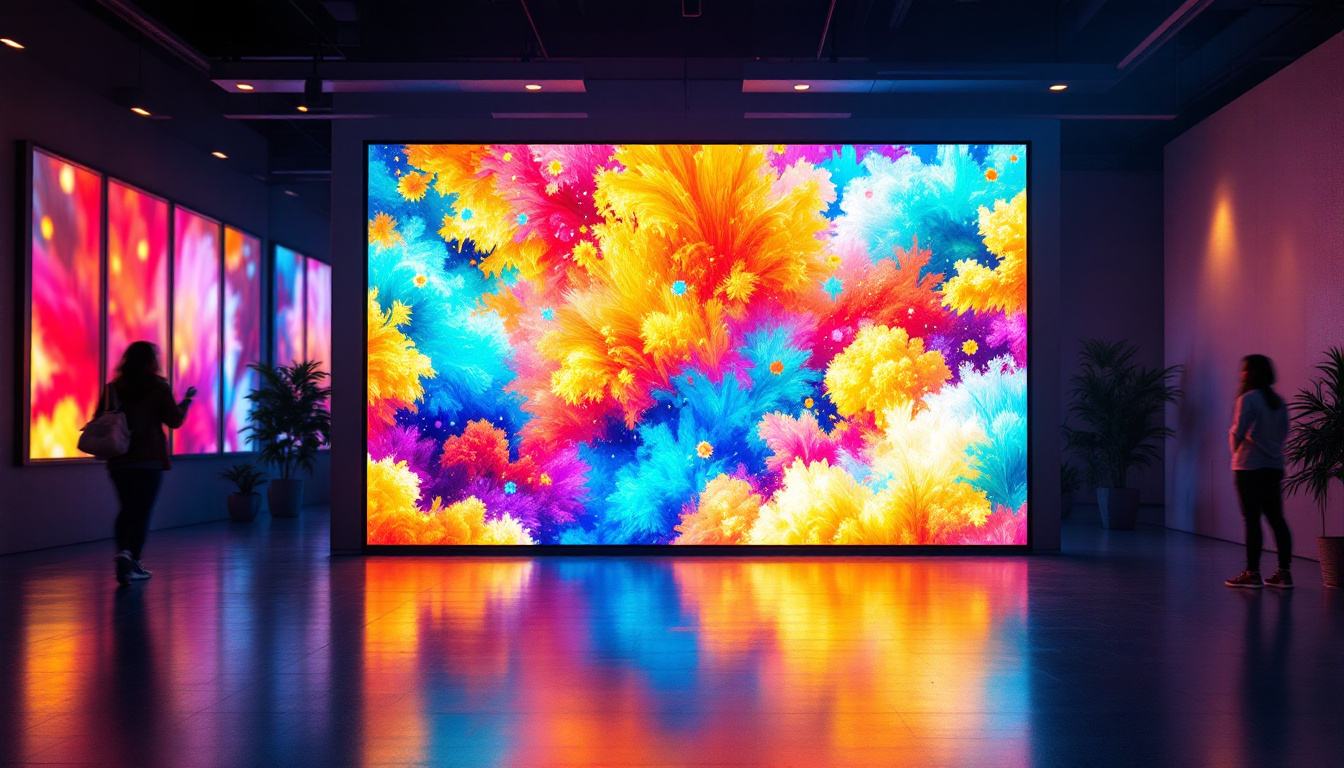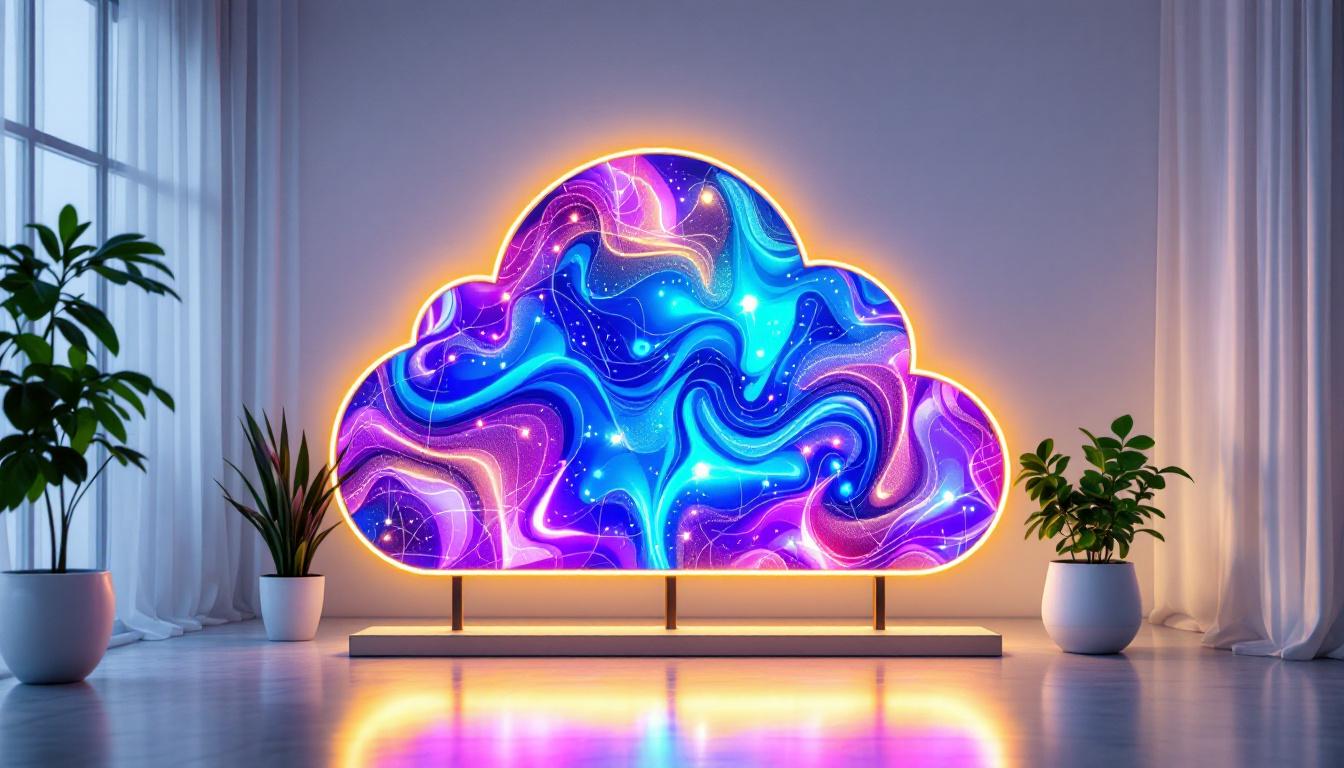
In the rapidly evolving world of digital signage and display technology, LED displays have emerged as a dominant force, transforming how information and visuals are presented across various industries. Among the innovative configurations within this domain is the concept of the “Led Lamp Cloud,” a term that may sound futuristic but is rooted in practical advancements in LED display technology. This article delves into what a Led Lamp Cloud is, how LED displays function, their applications, and why this technology continues to gain momentum globally.
Understanding LED Displays: The Foundation of Led Lamp Clouds
What Are LED Displays?
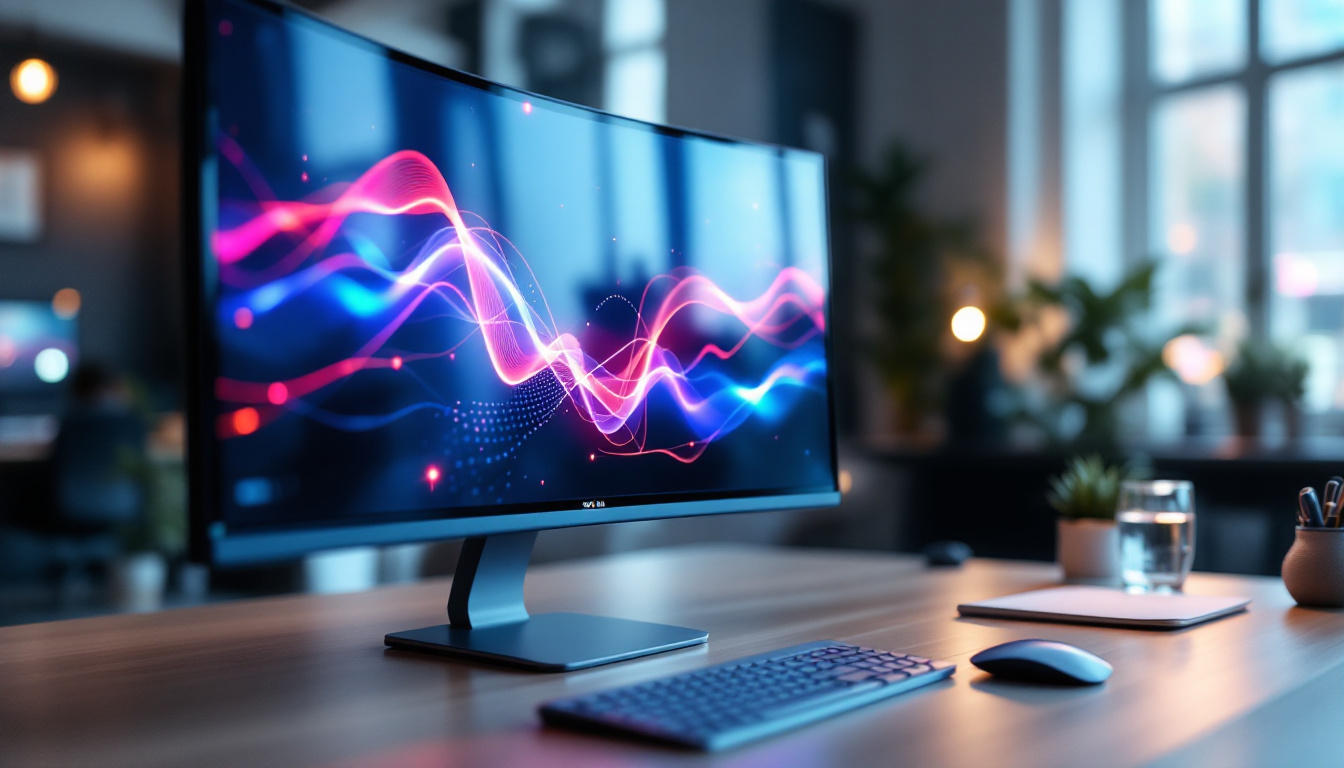
LED, or Light Emitting Diode, displays are screens composed of numerous tiny light sources that emit light when an electrical current passes through them. Unlike traditional LCD or plasma screens, LED displays use these diodes to create images with exceptional brightness, contrast, and energy efficiency. This technology has become the backbone of everything from smartphone screens to massive outdoor billboards.
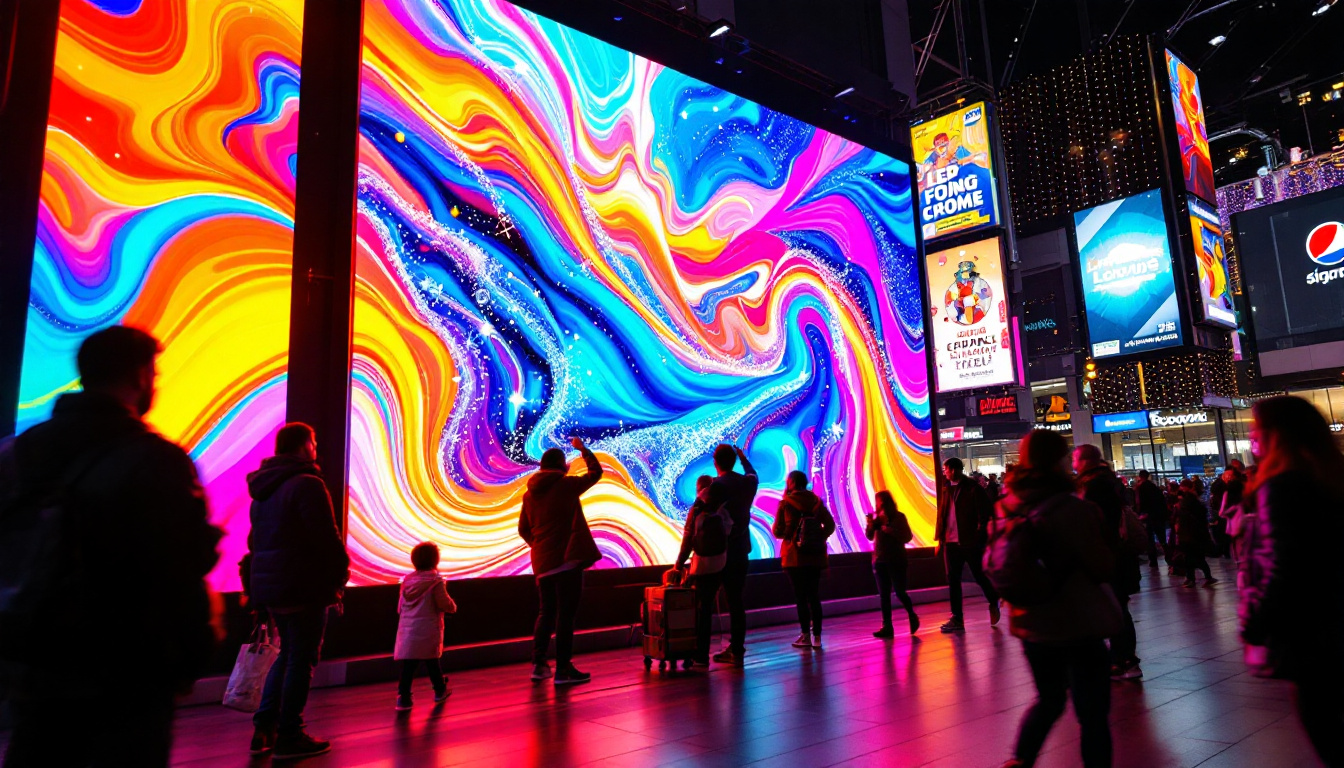
Typically, LED displays are made up of an array of individual LEDs arranged in a grid pattern. Each LED acts as a pixel or part of a pixel, and by controlling the intensity and color of each diode, the display can render images, videos, and text with remarkable clarity and vibrancy. The modular nature of LED panels allows for flexible sizing and shapes, making them highly adaptable for various uses. This adaptability has led to the proliferation of LED displays in public spaces, where they serve not only functional purposes, such as providing information, but also aesthetic ones, enhancing the visual landscape of urban environments.
The Concept of a Led Lamp Cloud
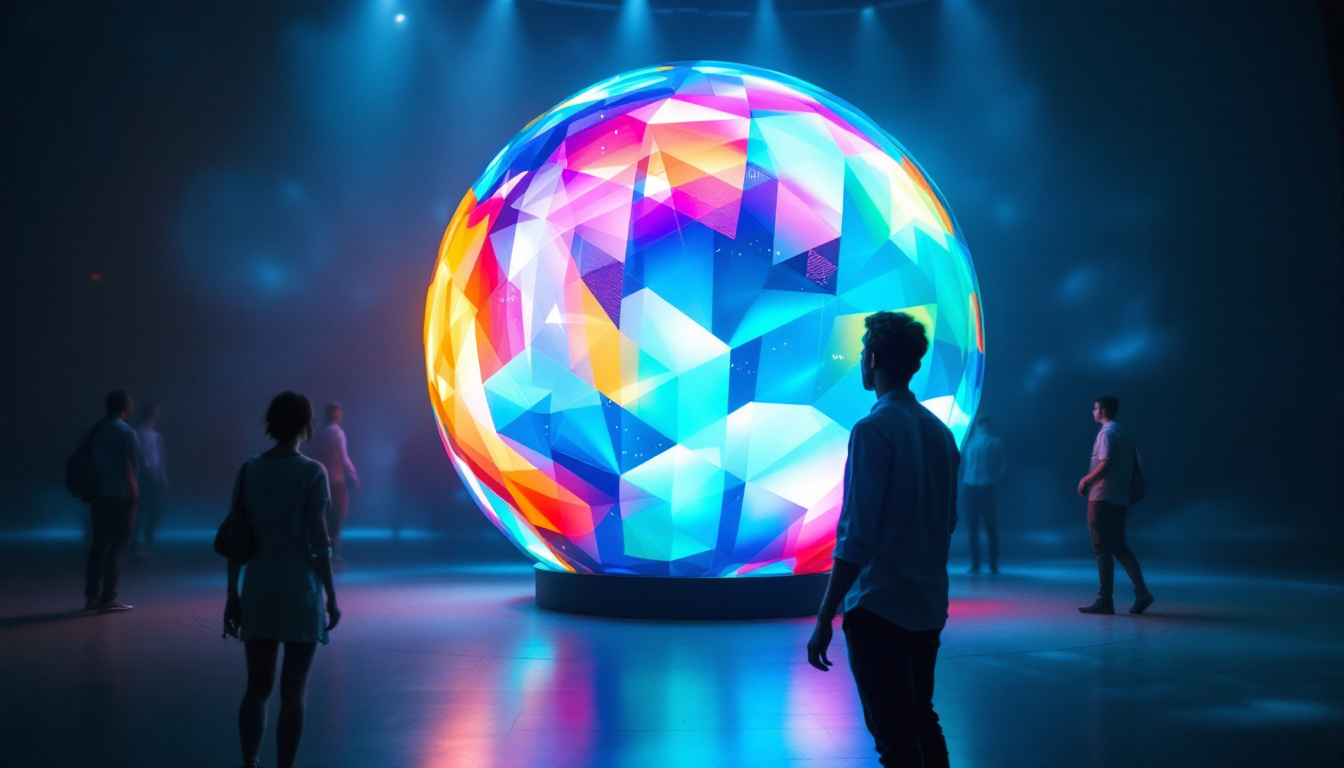
The term “Led Lamp Cloud” refers to a specialized LED display configuration where numerous LED lamps are suspended or arranged in a three-dimensional cloud-like formation. Instead of a flat screen, this setup creates a volumetric display that can be viewed from multiple angles, offering immersive visual experiences.
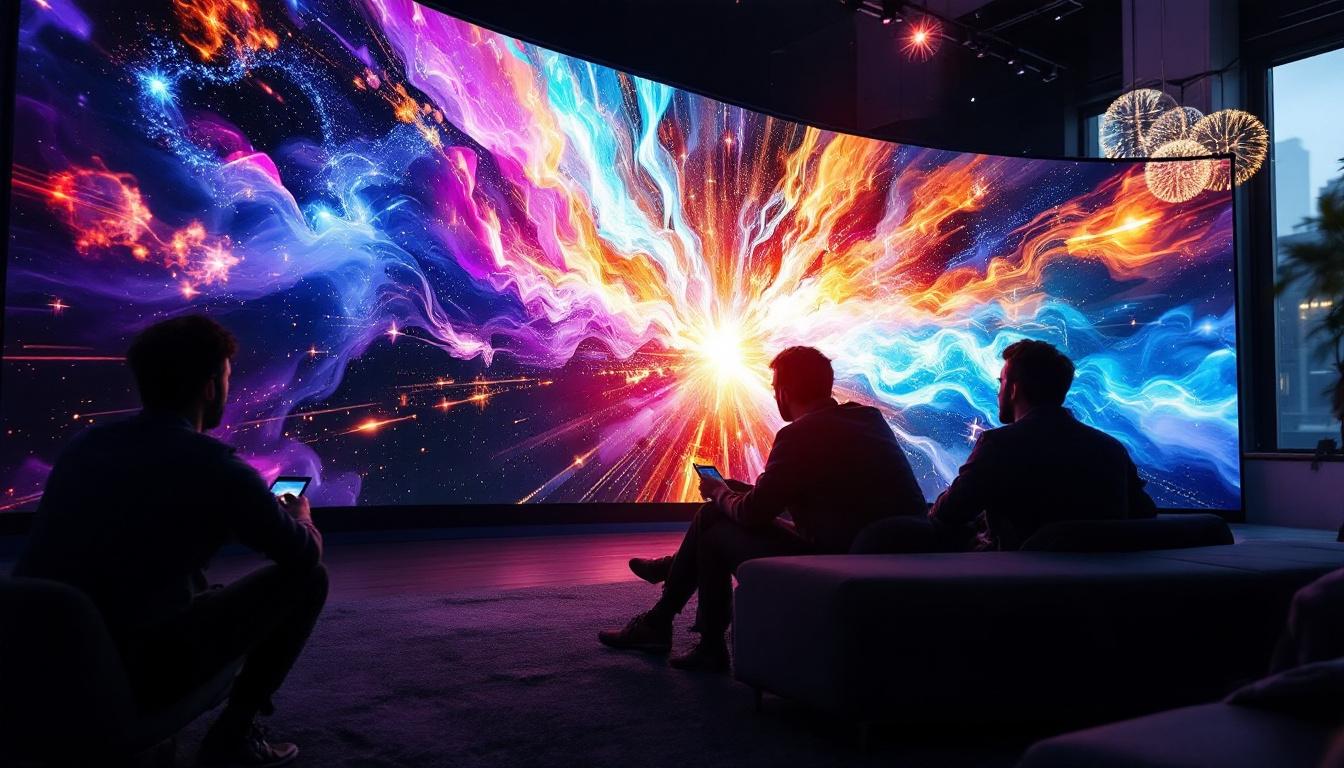
This cloud-like arrangement is not just a design choice but a technological innovation that leverages the properties of LEDs to create dynamic, spatial visuals. It is particularly popular in large-scale installations such as art exhibits, architectural lighting, and interactive advertising, where the goal is to captivate audiences with engaging and unconventional displays. The interplay of light and shadow in a Led Lamp Cloud can evoke emotions and provoke thought, transforming ordinary spaces into extraordinary experiences. Furthermore, the use of advanced control systems allows for synchronized animations and patterns, enabling artists and designers to push the boundaries of creativity and interactivity in their projects.
Moreover, the environmental benefits of LED technology cannot be overlooked. LED lamps consume significantly less energy compared to traditional lighting options, which makes them a sustainable choice for large installations. This energy efficiency not only reduces operational costs but also minimizes the carbon footprint associated with lighting. As cities and organizations increasingly prioritize sustainability, the adoption of LED Lamp Clouds is likely to rise, further blending art, technology, and environmental consciousness in public and private spaces alike.
Technical Aspects of Led Lamp Cloud Displays
How Do Led Lamp Clouds Work?
At its core, a Led Lamp Cloud consists of numerous individual LED modules or lamps suspended within a space, often connected by a network of cables or frameworks. Each lamp is independently controllable, allowing for complex patterns, animations, and color changes to be displayed simultaneously across the entire cloud.
Control systems use advanced software to synchronize the LEDs, managing brightness, color temperature, and timing. This synchronization is critical to ensure that the visual output is coherent and fluid, especially when displaying moving images or interactive content.
Key Components and Technologies
Several components are essential to the functionality of a Led Lamp Cloud:
- LED Modules: These are the individual light units, often high-brightness RGB LEDs capable of producing a wide color gamut.
- Suspension Framework: A structural system that holds the LED lamps in place, often designed to be minimalistic to enhance the floating cloud effect.
- Control Hardware: Includes processors and controllers that manage the LED signals and power supply.
- Software Interface: Enables designers and operators to program and customize the visual content displayed.
Additionally, advancements in wireless control and LED miniaturization have made it easier to create more intricate and responsive Led Lamp Clouds, expanding their potential applications.
Applications of Led Lamp Cloud Displays
Architectural and Interior Design
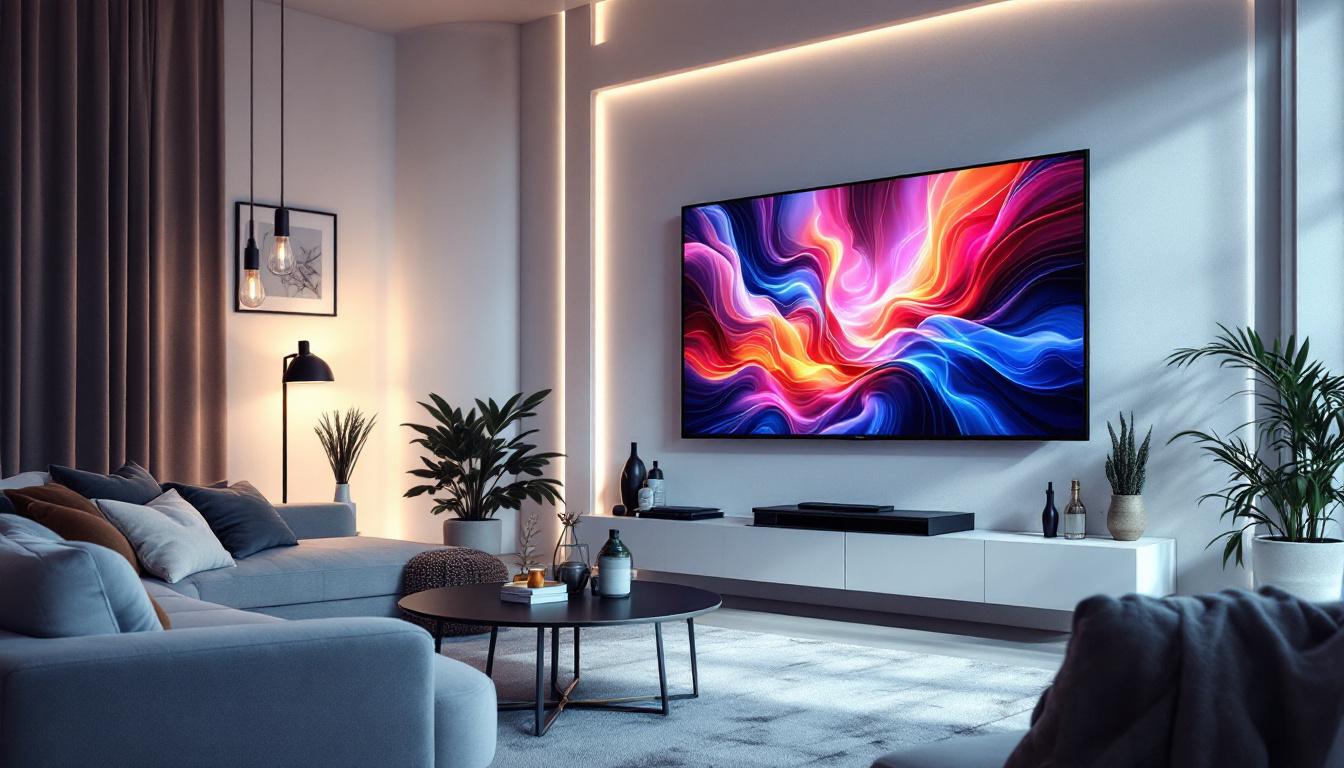
One of the most striking uses of Led Lamp Clouds is in architectural and interior design. Designers use these displays to create ambient lighting that doubles as a piece of art. For example, luxury hotels and corporate lobbies often feature Led Lamp Clouds as centerpiece installations, providing both illumination and a captivating visual element that enhances the space’s atmosphere.
These installations can be programmed to change colors and patterns throughout the day, aligning with branding or mood-setting objectives. The flexibility and scalability of Led Lamp Clouds make them ideal for custom projects where traditional lighting solutions fall short.
Advertising and Marketing
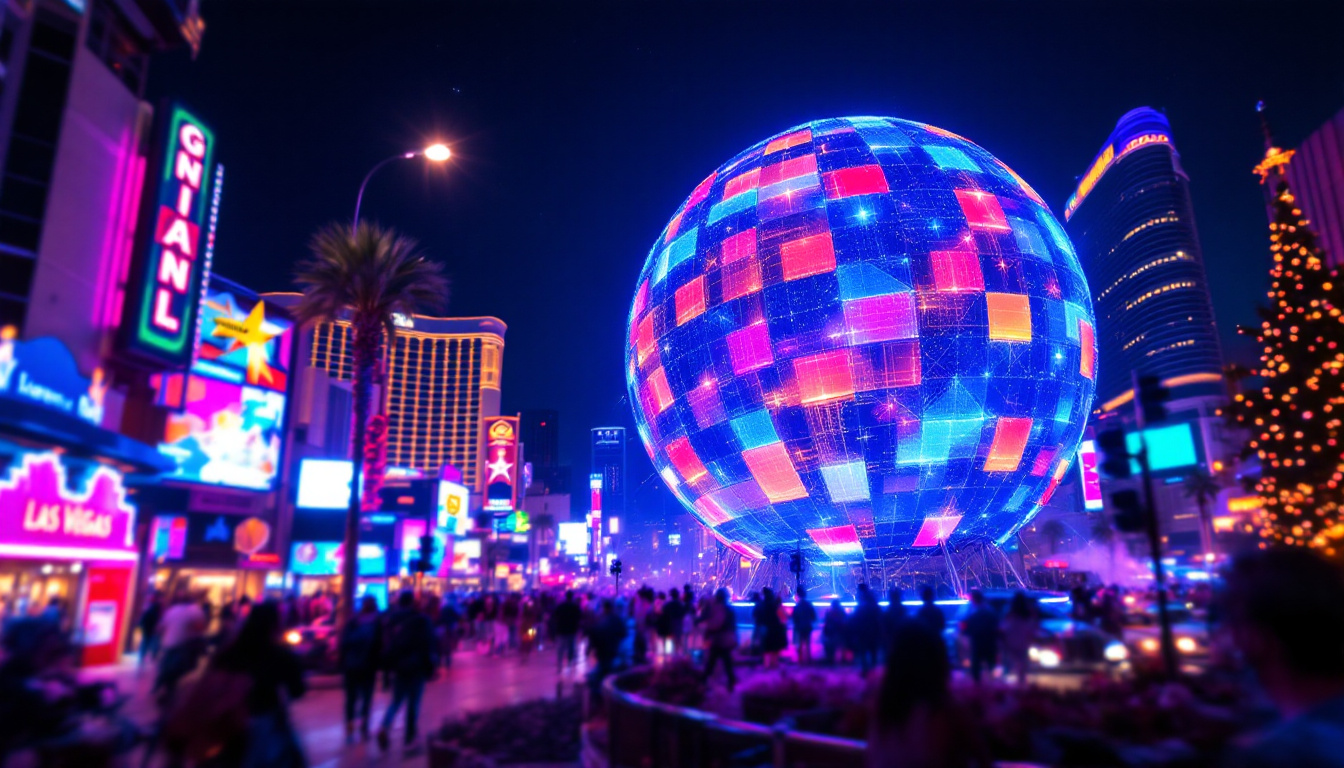
In the advertising world, capturing consumer attention is paramount. Led Lamp Clouds offer a novel way to display advertisements that stand out in crowded urban environments. Their three-dimensional form and dynamic lighting effects create memorable brand experiences that are difficult to ignore.
For instance, retail stores and event venues use Led Lamp Clouds to showcase promotional content or interactive displays. The ability to integrate sensors and respond to audience movement further enhances engagement, making these displays powerful tools for experiential marketing.
Entertainment and Events
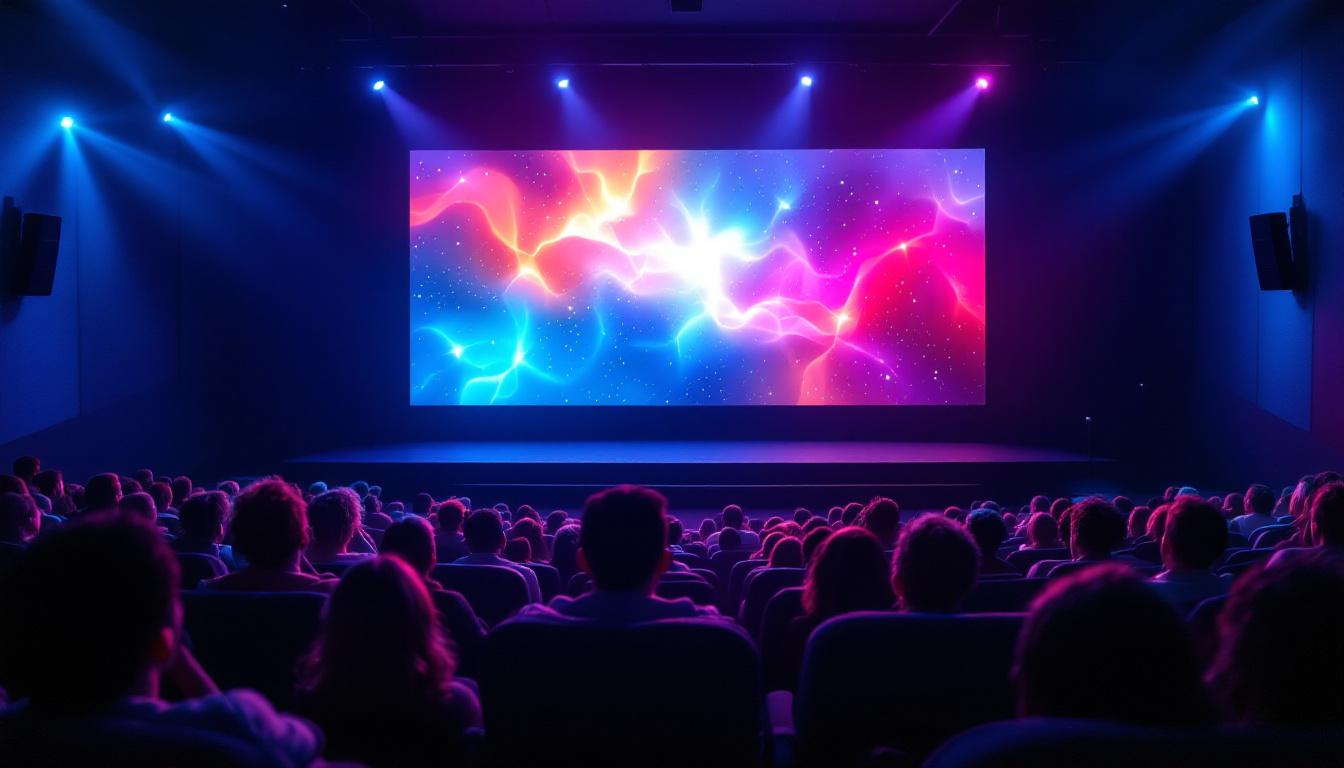
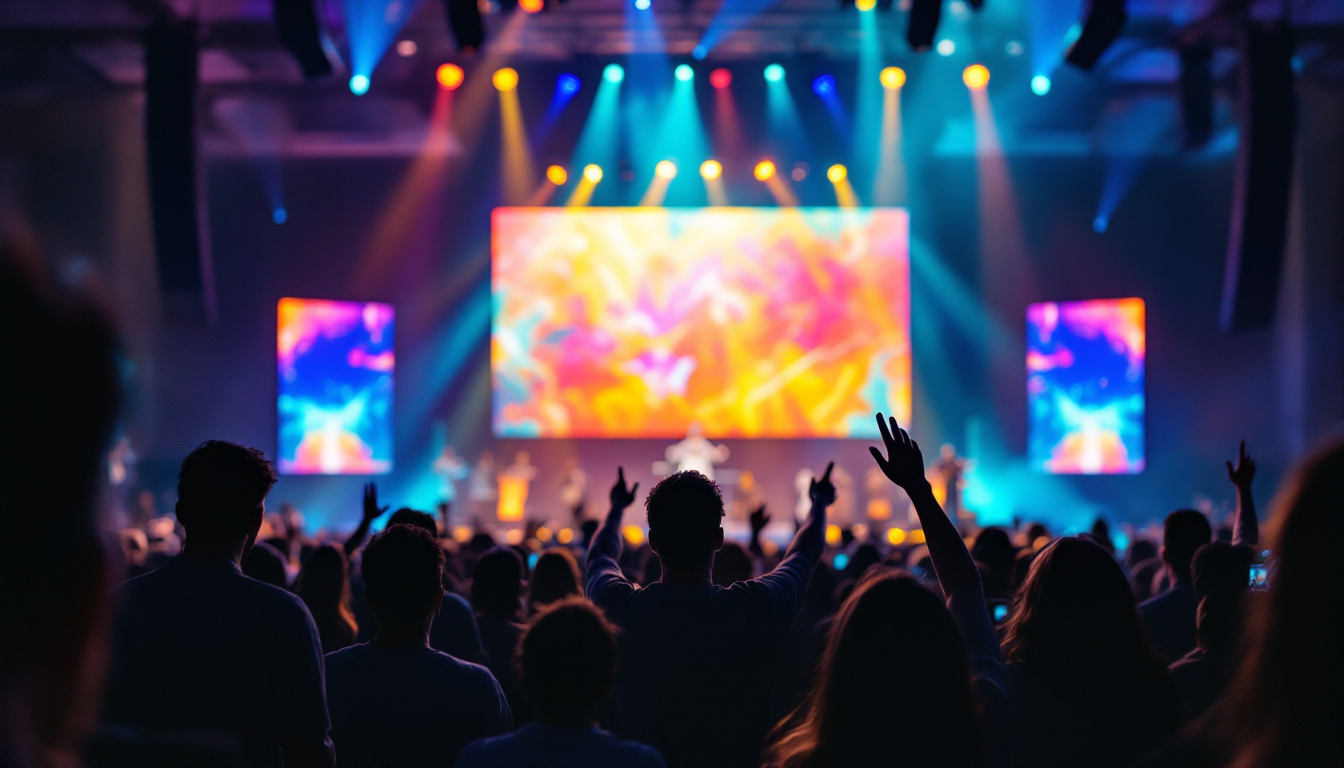
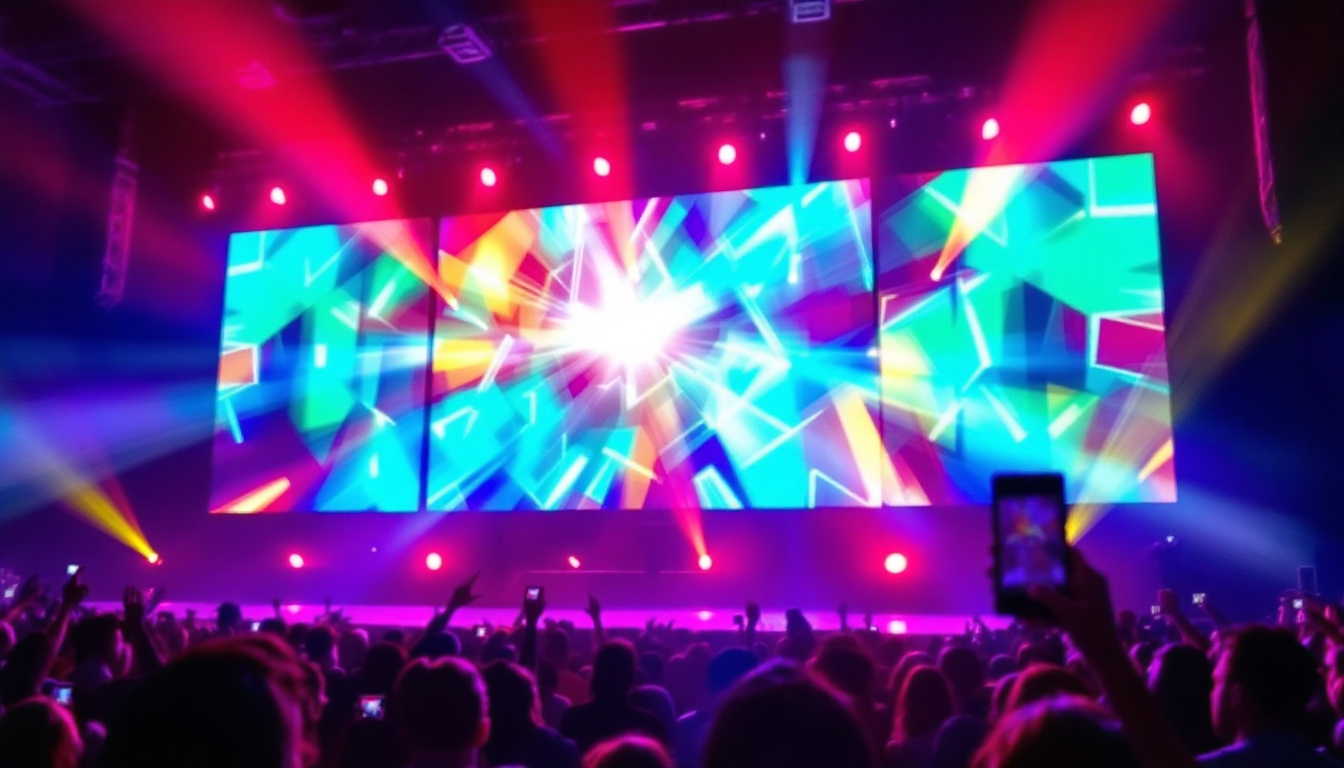
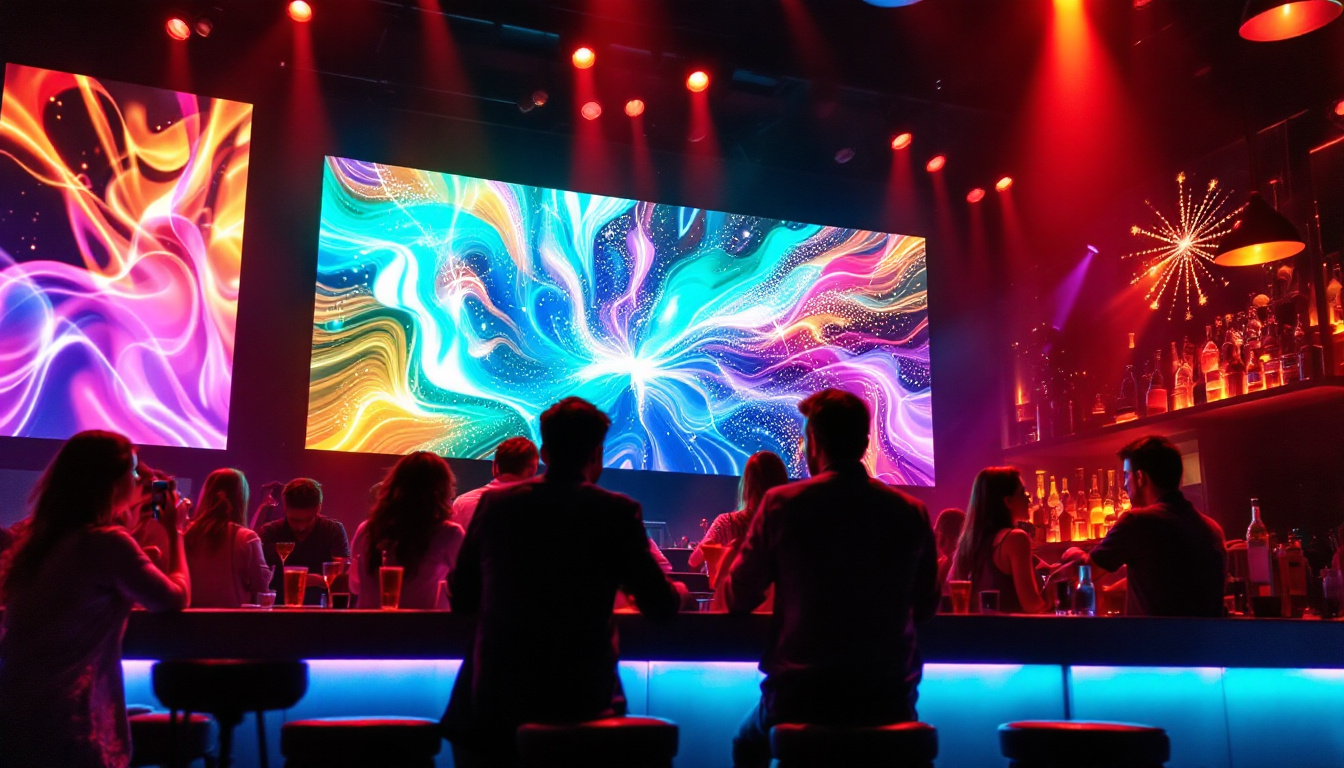
Concerts, festivals, and exhibitions increasingly incorporate Led Lamp Clouds to elevate the visual impact of performances and installations. The technology allows for immersive environments where light and space interact, creating unique sensory experiences for attendees.
By synchronizing the Led Lamp Cloud with music and other stage effects, event producers can craft compelling narratives and atmospheres that resonate emotionally with audiences. This application highlights the versatility of LED technology beyond traditional flat screens.
Advantages of Led Lamp Cloud Technology
Energy Efficiency and Longevity
LED technology is renowned for its energy efficiency, consuming significantly less power than incandescent or fluorescent lighting. Led Lamp Clouds inherit this benefit, making them sustainable choices for large-scale installations that operate for extended periods.
Moreover, LEDs have a long operational lifespan, often exceeding 50,000 hours. This durability reduces maintenance costs and downtime, which is especially important for commercial and public installations.
Customization and Flexibility
The modular nature of Led Lamp Clouds allows for extensive customization in terms of size, shape, and visual effects. This flexibility enables designers to tailor installations to specific environments and creative visions without being constrained by the limitations of traditional display formats.
Additionally, the ability to program dynamic content means that the same installation can serve multiple purposes over time, adapting to changing needs or campaigns.
High Visibility and Impact
LEDs produce bright, vivid colors that remain visible even in direct sunlight, making Led Lamp Clouds suitable for both indoor and outdoor applications. Their three-dimensional form adds depth and intrigue, increasing viewer engagement compared to conventional flat screens.
This high visibility is crucial for environments like retail spaces, public art, and event venues where attracting and holding attention is essential.
Challenges and Considerations
Cost and Installation Complexity
While the benefits of Led Lamp Clouds are significant, the initial investment can be substantial. The cost of high-quality LEDs, control systems, and custom suspension frameworks can add up quickly, especially for large or intricate installations.
Installation also requires specialized expertise to ensure safety, proper alignment, and optimal visual performance. This complexity may limit adoption to organizations with sufficient resources and technical support.
Maintenance and Durability Concerns
Despite the longevity of LEDs, maintaining a Led Lamp Cloud can be challenging due to the number of individual components and their spatial arrangement. Accessing and replacing faulty lamps or repairing wiring in suspended installations demands careful planning and skilled technicians.
Environmental factors such as humidity, temperature fluctuations, and physical impact must also be considered, particularly for outdoor or semi-exposed installations.
The Future of Led Lamp Clouds and LED Display Technology
Integration with Smart Technologies
The future of Led Lamp Clouds is closely tied to advancements in smart technology and the Internet of Things (IoT). Integrating sensors, cameras, and AI-driven software will enable these displays to become more interactive and responsive to their environment and audience behavior.
For example, a Led Lamp Cloud in a retail store could adjust its lighting and content based on customer demographics or foot traffic patterns, optimizing engagement and sales opportunities.
Advances in Miniaturization and Energy Efficiency
Ongoing research in LED materials and manufacturing techniques promises even smaller, more efficient LEDs with enhanced color accuracy and brightness. These improvements will allow for more intricate and visually stunning Led Lamp Clouds, as well as reduced energy consumption.
Such advancements will likely expand the use cases for this technology, making it accessible to a broader range of industries and applications.
Expanding Creative Possibilities
As software tools become more sophisticated, designers and artists will have greater freedom to experiment with Led Lamp Clouds, pushing the boundaries of what is possible in light art and digital displays. The fusion of technology and creativity will continue to drive innovation, leading to experiences that are not only visually impressive but also emotionally resonant.
Conclusion
Led Lamp Clouds represent a fascinating evolution in LED display technology, merging advanced lighting with spatial design to create immersive and impactful visual experiences. Their applications span architecture, advertising, entertainment, and beyond, offering unique advantages in energy efficiency, customization, and viewer engagement.
While challenges such as cost and maintenance remain, ongoing technological advancements and growing interest in experiential displays suggest that Led Lamp Clouds will become increasingly prevalent. As this technology matures, it promises to redefine how light and digital content interact within physical spaces, opening new horizons for creativity and communication.
Illuminate Your Space with LumenMatrix
Ready to elevate your environment with the cutting-edge technology of Led Lamp Clouds? Discover LumenMatrix’s comprehensive range of LED display solutions, from vibrant Indoor and Outdoor LED Wall Displays to dynamic Vehicle LED Displays and beyond. Each product is crafted to transform your space and captivate your audience, ensuring your message resonates with clarity and impact. Embrace the future of visual communication with LumenMatrix and check out LumenMatrix LED Display Solutions today.