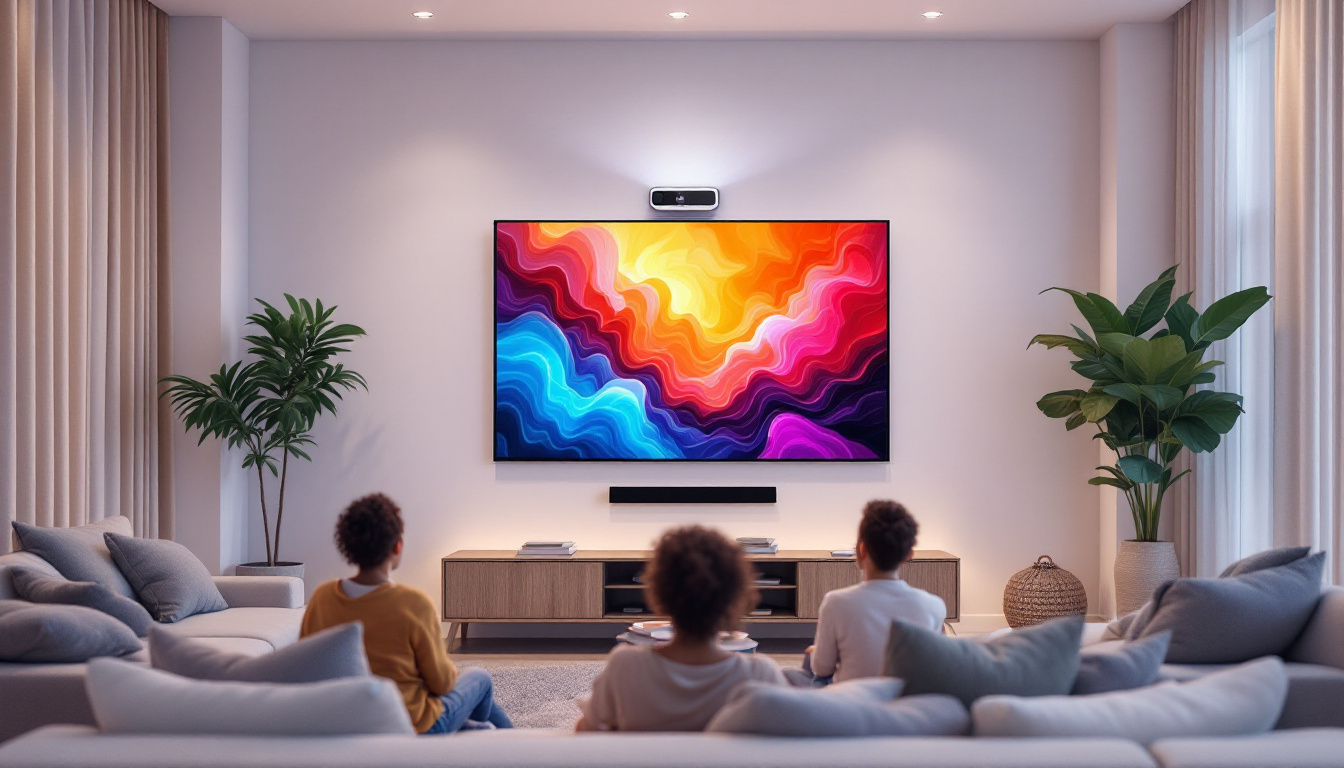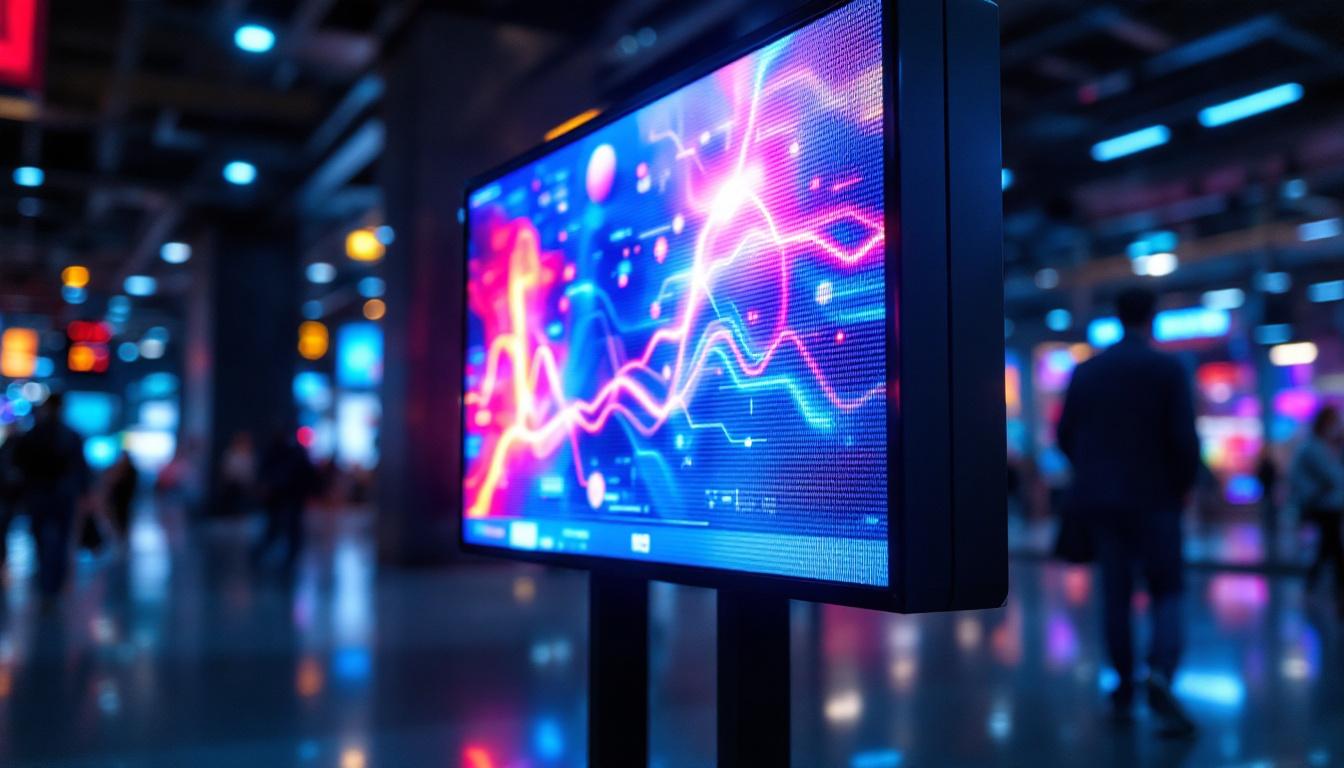
In today’s fast-paced digital world, display technology plays a crucial role in communication, advertising, and information dissemination. Among the many types of digital displays, LCD boards combined with LED technology have become increasingly popular due to their versatility, clarity, and energy efficiency. This article explores the fundamentals of digital LCD boards and LED displays, explaining their working principles, applications, and the latest advancements shaping the industry.
Understanding Digital LCD Boards
Liquid Crystal Display (LCD) technology has been a cornerstone of digital displays for decades. A digital LCD board typically consists of a flat panel that uses liquid crystals to modulate light and produce images or text. Unlike older display technologies such as cathode ray tubes (CRT), LCDs are thinner, lighter, and consume less power, making them ideal for a wide range of uses from consumer electronics to industrial control panels. Their versatility has led to widespread adoption in everything from smartphones and televisions to medical devices and automotive displays.
How LCD Technology Works
At the heart of an LCD is a layer of liquid crystals sandwiched between two polarized glass panels. These crystals do not emit light themselves but manipulate light passing through them. When an electric current is applied, the orientation of the liquid crystals changes, controlling the amount of light that passes through each pixel. This modulation creates the images or text seen on the screen. The precision with which these crystals can be aligned allows for the creation of vibrant colors and intricate designs, making LCDs a popular choice for high-definition displays.
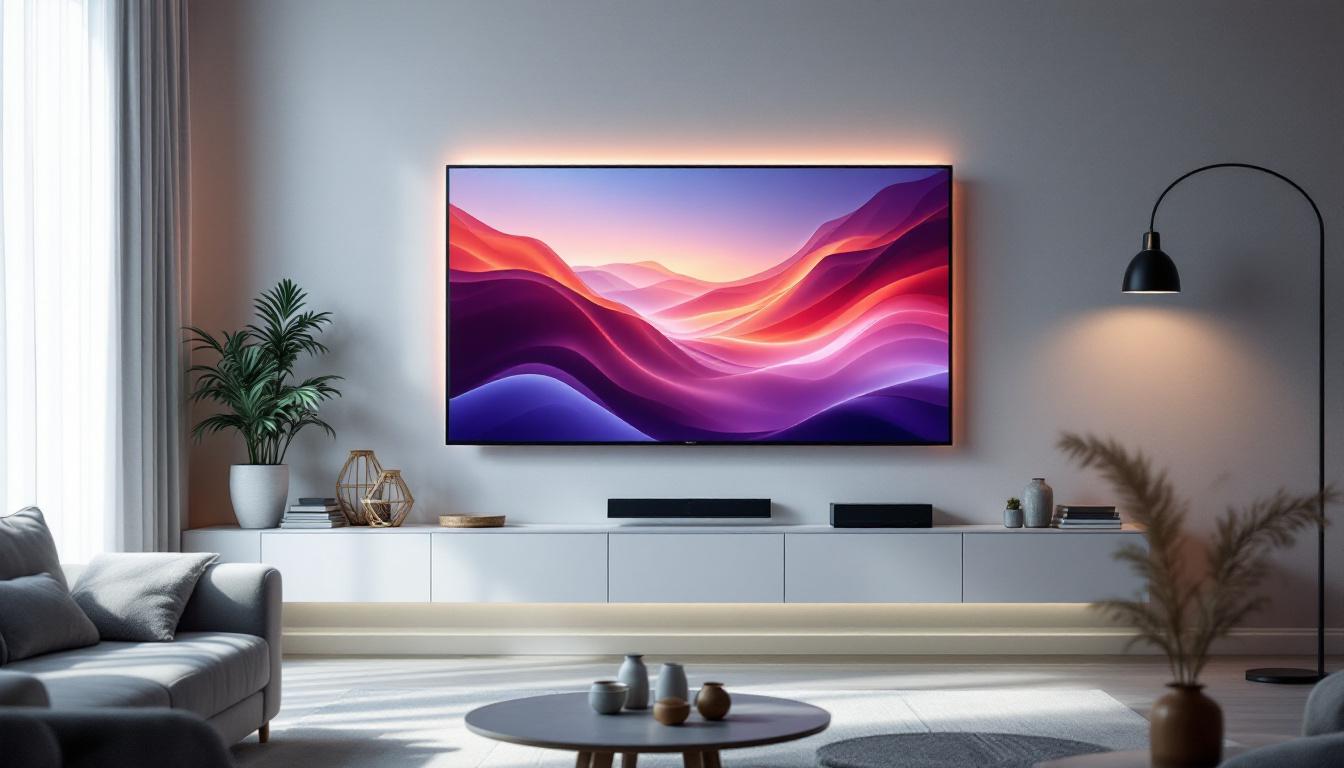
To illuminate the display, LCD boards rely on a backlight, which is often made up of LEDs. This backlighting is essential because liquid crystals can only control light; they cannot generate it. The combination of LCD technology with LED backlighting results in clearer, brighter displays with improved energy efficiency compared to older fluorescent backlights. Moreover, advancements in backlighting technology, such as local dimming and edge-lit designs, have further enhanced the contrast ratios and color accuracy of LCD screens, making them even more appealing for users seeking high-quality visual experiences.
Advantages of Digital LCD Boards
Digital LCD boards offer several benefits that make them a preferred choice for many applications:
- Energy Efficiency: LCDs with LED backlighting consume significantly less power than traditional display technologies, contributing to lower operational costs and environmental impact.
- High Resolution and Clarity: They provide sharp images and text, making them suitable for detailed graphics and fine print.
- Compact and Lightweight: Their slim profile allows for integration into various devices and environments without adding bulk.
- Durability: Modern LCD boards are designed to withstand various environmental conditions, including temperature fluctuations and vibrations.
In addition to these advantages, digital LCD boards also support a wide range of display sizes and formats, making them adaptable for various applications. From small screens in handheld devices to large format displays used in advertising and information kiosks, the scalability of LCD technology allows manufacturers to cater to diverse market needs. Furthermore, with the growing trend toward smart technology, many LCD boards are now equipped with touch-sensitive capabilities, enabling interactive displays that enhance user engagement and experience.
Another notable aspect of digital LCD boards is their ability to support multiple input sources. Many modern LCD displays come with various connectivity options, including HDMI, USB, and wireless capabilities, allowing users to easily connect different devices such as computers, gaming consoles, and streaming devices. This versatility not only simplifies the user experience but also broadens the scope of applications, from home entertainment systems to professional presentations and digital signage solutions.
LED Displays: Illuminating the Future
Light Emitting Diode (LED) technology has revolutionized the display industry, particularly in outdoor and large-format digital signage. LED displays use an array of tiny light-emitting diodes to create images, offering advantages such as brightness, color vibrancy, and long lifespan.
Types of LED Displays
LED displays come in several forms, each tailored to specific applications:
- Direct View LED Displays: These consist of individual LEDs arranged in a matrix to form pixels. They are commonly used in large outdoor screens, stadium displays, and billboards.
- LED-Backlit LCD Displays: As mentioned earlier, these use LEDs as a backlight source for LCD panels, improving brightness and color accuracy.
- MicroLED Displays: An emerging technology where microscopic LEDs serve as individual pixels, promising superior brightness, contrast, and energy efficiency compared to traditional LCD and OLED displays.
Benefits of LED Displays
LED displays are favored for several reasons:
- Brightness: LEDs can achieve extremely high brightness levels, making them visible even in direct sunlight.
- Color Accuracy and Range: LED displays can produce a wide color gamut with vivid and saturated colors.
- Longevity: LEDs have a long operational life, often exceeding 50,000 hours, reducing maintenance and replacement costs.
- Flexibility: LED modules can be configured into various shapes and sizes, accommodating creative and large-scale display solutions.
Integration of Digital LCD Boards and LED Technology
The fusion of LCD and LED technologies has led to the development of digital LCD boards with LED backlighting, combining the strengths of both. This integration enhances display performance, energy efficiency, and user experience.
LED Backlighting in LCD Boards
Traditional LCDs used cold cathode fluorescent lamps (CCFL) for backlighting, which were bulky and consumed more power. The shift to LED backlighting has brought several improvements:
- Slimmer Designs: LEDs are smaller and can be arranged in thinner layers, enabling ultra-slim display panels.
- Improved Brightness and Contrast: LED backlights provide brighter and more uniform illumination, enhancing image quality.
- Dynamic Dimming: Advanced LED backlighting supports local dimming, where specific screen areas are dimmed or brightened independently to improve contrast ratios.
- Color Temperature Control: LEDs allow for adjustable color temperatures, improving visual comfort and display accuracy.
Applications of Digital LCD Boards with LED Backlighting
This hybrid technology is widely used across various sectors:
- Consumer Electronics: Smartphones, tablets, laptops, and televisions benefit from LED-backlit LCDs for vibrant displays and longer battery life.
- Industrial and Medical Equipment: High-resolution LCD boards with LED backlighting provide clear and reliable interfaces for monitoring and diagnostics.
- Digital Signage: Indoor digital signage often uses LED-backlit LCDs to balance brightness and energy efficiency.
- Automotive Displays: Dashboard screens and infotainment systems rely on this technology for readability under varying lighting conditions.
Emerging Trends and Innovations in Display Technology
The display industry continues to evolve rapidly, driven by consumer demand for better image quality, energy efficiency, and innovative form factors. Several emerging trends are shaping the future of digital LCD boards and LED displays.
MicroLED: The Next Generation
MicroLED technology represents a significant leap forward, combining the self-emissive qualities of LEDs with the precision of micro-scale components. Unlike LCDs, MicroLED displays do not require backlighting, as each pixel emits its own light. This results in:
- Higher contrast ratios and true blacks, rivaling OLED displays.
- Greater brightness levels suitable for both indoor and outdoor use.
- Lower power consumption due to efficient light emission.
- Enhanced durability and longer lifespan without burn-in issues common in OLEDs.
While MicroLED displays are currently expensive and complex to manufacture, ongoing research and investment suggest they will become more accessible in the coming years.
Flexible and Transparent Displays
Advances in materials science have enabled the creation of flexible LCD and LED displays that can bend, fold, or roll. These displays open up new possibilities for wearable devices, foldable smartphones, and innovative advertising formats. Transparent LED displays are also gaining traction, allowing screens to be integrated into windows and glass surfaces without obstructing views.
Artificial Intelligence and Display Optimization
AI-driven algorithms are increasingly used to optimize display performance. These systems can adjust brightness, contrast, and color settings dynamically based on ambient light conditions and content type, enhancing visual comfort and reducing energy consumption. Additionally, AI can improve image processing for sharper and more lifelike visuals.
Choosing the Right Digital LCD Board and LED Display
For businesses and consumers looking to invest in digital display technology, understanding the key factors that influence performance and suitability is essential.
Key Considerations
- Resolution and Pixel Density: Higher resolution ensures clearer images, particularly important for detailed graphics and text.
- Brightness and Contrast: Depending on the environment (indoor vs. outdoor), displays need appropriate brightness levels and contrast ratios for visibility.
- Power Consumption: Energy-efficient displays reduce operating costs and environmental impact.
- Durability and Environmental Resistance: For outdoor or industrial use, displays must withstand weather, dust, and mechanical stress.
- Viewing Angles: Wide viewing angles ensure consistent image quality from different perspectives.
- Connectivity and Control: Compatibility with control systems and ease of content management are important for digital signage applications.
Industry Examples
Retailers often use LED-backlit LCD digital boards for in-store promotions due to their vibrant colors and energy efficiency. Meanwhile, transportation hubs rely on large direct-view LED displays for real-time information that remains visible in bright daylight. Medical facilities choose high-resolution LCD boards with LED backlighting for diagnostic imaging, where precision is critical.
Conclusion
Digital LCD boards combined with LED technology represent a powerful and versatile solution for modern display needs. Their ability to deliver high-quality visuals with energy efficiency and durability makes them indispensable across numerous industries. As innovations like MicroLED and flexible displays continue to mature, the future of digital display technology promises even greater possibilities for communication and interaction. Understanding the fundamentals and latest trends enables businesses and consumers to make informed decisions and leverage these technologies effectively.
Discover LumenMatrix’s Innovative LED Display Solutions
As you consider the vast potential and advancements in digital display technology, LumenMatrix stands at the forefront, ready to illuminate your brand’s message with our comprehensive range of LED display modules. From the vibrant Indoor LED Wall Display to the dynamic Outdoor LED Wall Display, and from the mobile versatility of Vehicle LED Displays to the interactive Floor LED Displays, our solutions are designed to captivate and engage your audience. Embrace the future of visual communication with LumenMatrix’s cutting-edge digital signage and LED display solutions. Check out LumenMatrix LED Display Solutions today and transform how you connect with your audience.