When it comes to large-format displays, understanding the dimensions and specifications is crucial for making informed decisions. One common measurement that often comes up is 136 inches, especially in the context of LED displays used for commercial, entertainment, or professional purposes. But what does 136 inches translate to in centimeters, and why does this matter? This article breaks down the conversion, explores the significance of LED display sizes, and explains the factors that influence display quality and suitability for various applications.
Converting 136 Inches to Centimeters
In many parts of the world, the metric system is the standard for measurement, making it essential to understand how imperial units like inches convert to centimeters. This is particularly important when sourcing or specifying LED displays internationally, as manufacturers and clients may use different measurement systems.
The Exact Conversion
One inch is defined as exactly 2.54 centimeters. Therefore, to convert 136 inches to centimeters, the calculation is straightforward:
136 inches × 2.54 cm/inch = 345.44 cm
This means a 136-inch display measures approximately 345.44 centimeters diagonally. This measurement is typically the diagonal length of the screen, which is the standard way to describe display sizes.
Why Diagonal Measurement Matters
Display sizes are almost universally given as diagonal measurements because it provides a consistent way to compare screens of different aspect ratios. For example, a 136-inch LED display might have different width and height dimensions depending on whether it is 16:9, 4:3, or another aspect ratio.
Knowing the diagonal in centimeters helps architects, designers, and buyers visualize the physical space the display will occupy and plan installations accordingly, especially when working with metric-based building plans.
Additionally, understanding the implications of size in different measurement systems can significantly affect the user experience. For instance, a larger display may enhance visibility in a large venue, but if the dimensions are not accurately communicated, it could lead to mismatched expectations and installation challenges. Furthermore, in industries such as advertising and broadcasting, where visual impact is crucial, the precise size of a display can influence how content is designed and presented, ensuring that it captures the audience’s attention effectively.
Moreover, when considering the installation of a 136-inch display, factors such as viewing distance and placement height become critical. A display that is too large for a given space may overwhelm viewers, while one that is too small may not deliver the intended impact. Therefore, converting measurements accurately is not just a matter of numbers; it’s about creating an optimal viewing experience that aligns with the intended use of the display, whether it be for a corporate presentation, a public advertisement, or an immersive entertainment setup.
Understanding LED Display Technology
LED displays have revolutionized the way content is presented in public spaces, from stadiums and concert venues to corporate lobbies and digital billboards. But what exactly is an LED display, and why is size such a critical factor?
What Is an LED Display?
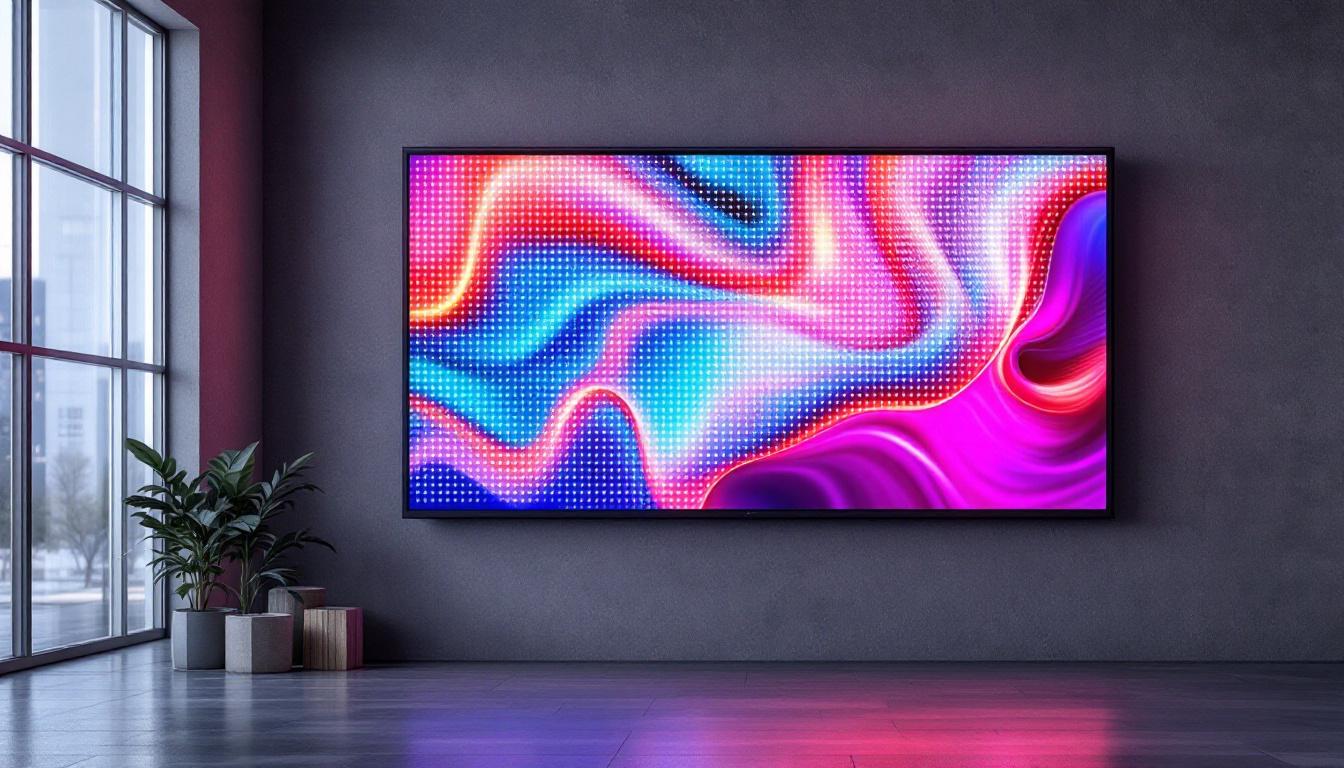
LED stands for Light Emitting Diode. An LED display is a flat panel display that uses an array of light-emitting diodes as pixels to create images. Unlike traditional LCD or plasma screens, LED displays can be made very large and bright, making them ideal for outdoor and large indoor environments.
LED displays come in two main types: direct view LED and LED-backlit LCD. Direct view LED displays use LEDs as the actual pixels, while LED-backlit LCDs use LEDs to illuminate an LCD panel. The 136-inch displays discussed here typically refer to direct view LED screens due to their size and brightness capabilities.
The Importance of Size in LED Displays
Size is a key consideration for LED displays because it directly impacts visibility, resolution, and installation requirements. A 136-inch LED display is considered very large, suitable for environments where viewers are at a distance, such as conference halls, theaters, or outdoor advertising.
Large displays like this allow for immersive viewing experiences and can accommodate high-resolution content that remains sharp even when viewed up close. However, increasing size also raises challenges related to pixel pitch, power consumption, and structural support.
Pixel Pitch and Resolution: The Quality Behind the Size
While size is important, the quality of an LED display depends heavily on pixel pitch and resolution. These factors determine how clear and detailed the image will be on a 136-inch screen.
What Is Pixel Pitch?
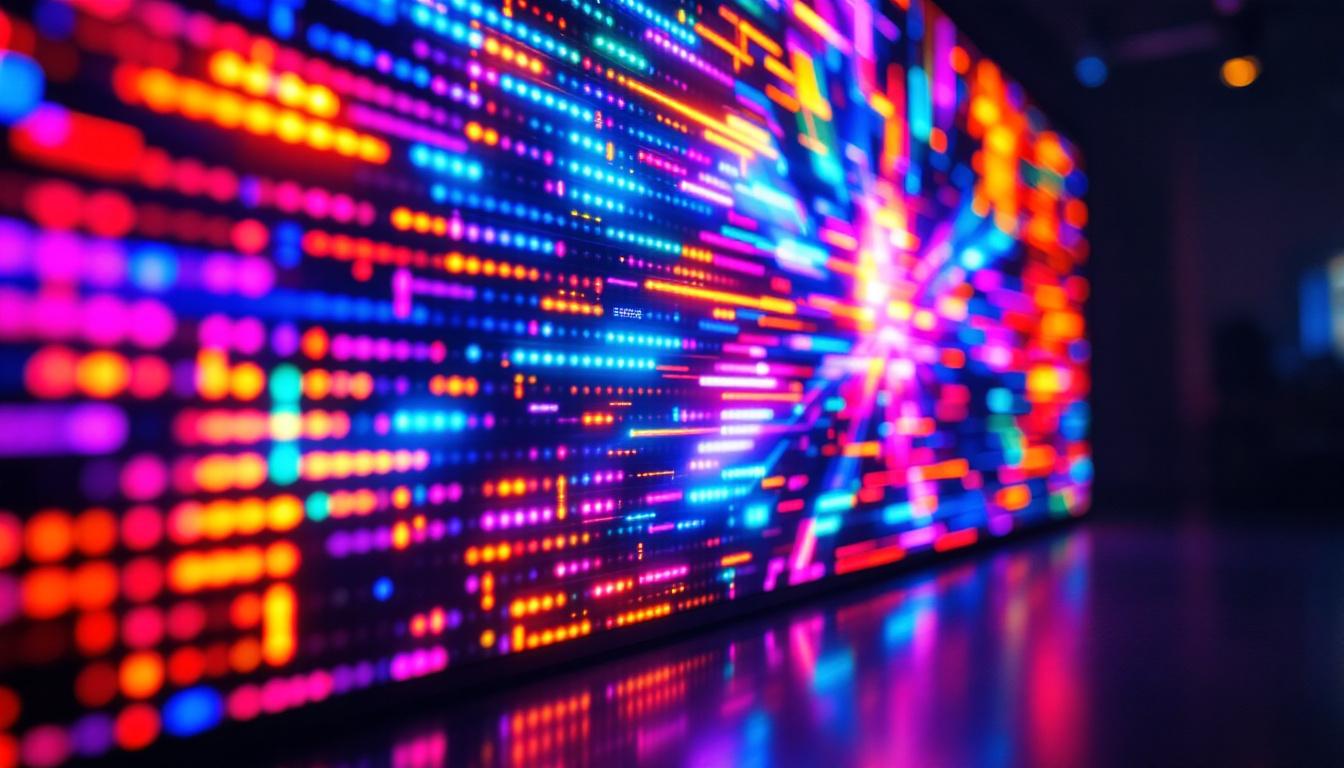
Pixel pitch refers to the distance between the centers of two adjacent pixels, usually measured in millimeters. A smaller pixel pitch means more pixels per unit area, resulting in higher resolution and sharper images.
For example, a 136-inch LED display with a 1.5 mm pixel pitch will have significantly higher image clarity than one with a 4 mm pixel pitch. The choice of pixel pitch depends on the typical viewing distance. Smaller pixel pitches are ideal for close-up viewing, while larger pitches are acceptable for displays viewed from farther away.
Resolution and Its Impact
Resolution is the total number of pixels on the display, usually expressed as width × height. Higher resolution means more detail and better image quality. For a 136-inch LED display, resolutions can vary widely depending on pixel pitch and panel configuration.
For instance, a 136-inch display with a 2 mm pixel pitch might have a resolution of approximately 1920 × 1080 pixels (Full HD), while one with a 1.2 mm pitch could reach 3840 × 2160 pixels (4K UHD). Choosing the right resolution is essential for ensuring that content looks crisp and professional.
Applications of 136-Inch LED Displays
Understanding the practical uses of a 136-inch LED display helps clarify why this size is popular and what benefits it offers across various industries.
Corporate and Conference Settings
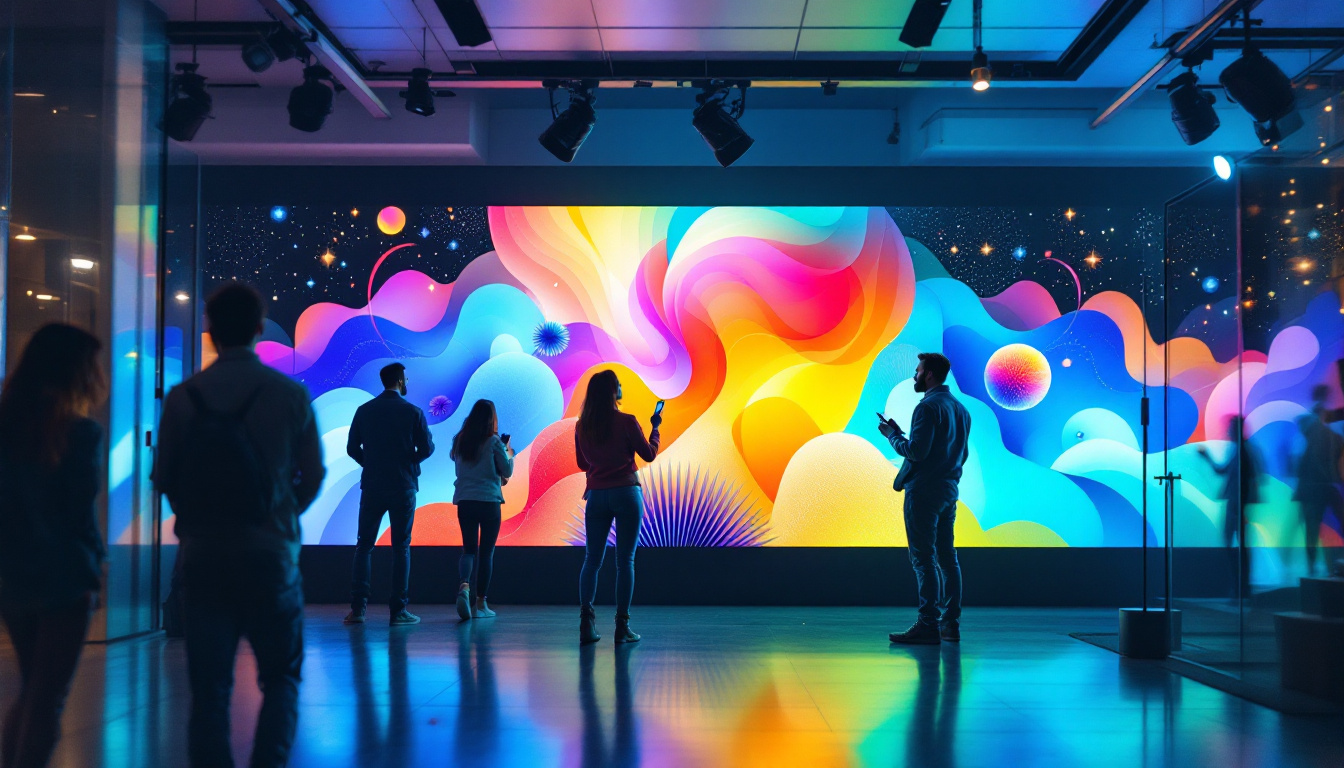
Large LED displays are increasingly common in corporate environments for presentations, video conferencing, and digital signage. A 136-inch screen provides ample space for detailed visuals, data dashboards, and multimedia content, enhancing communication and engagement during meetings and events.
The ability to display high-resolution content ensures that even complex charts and small text remain legible to audiences seated at varying distances.
Entertainment and Events
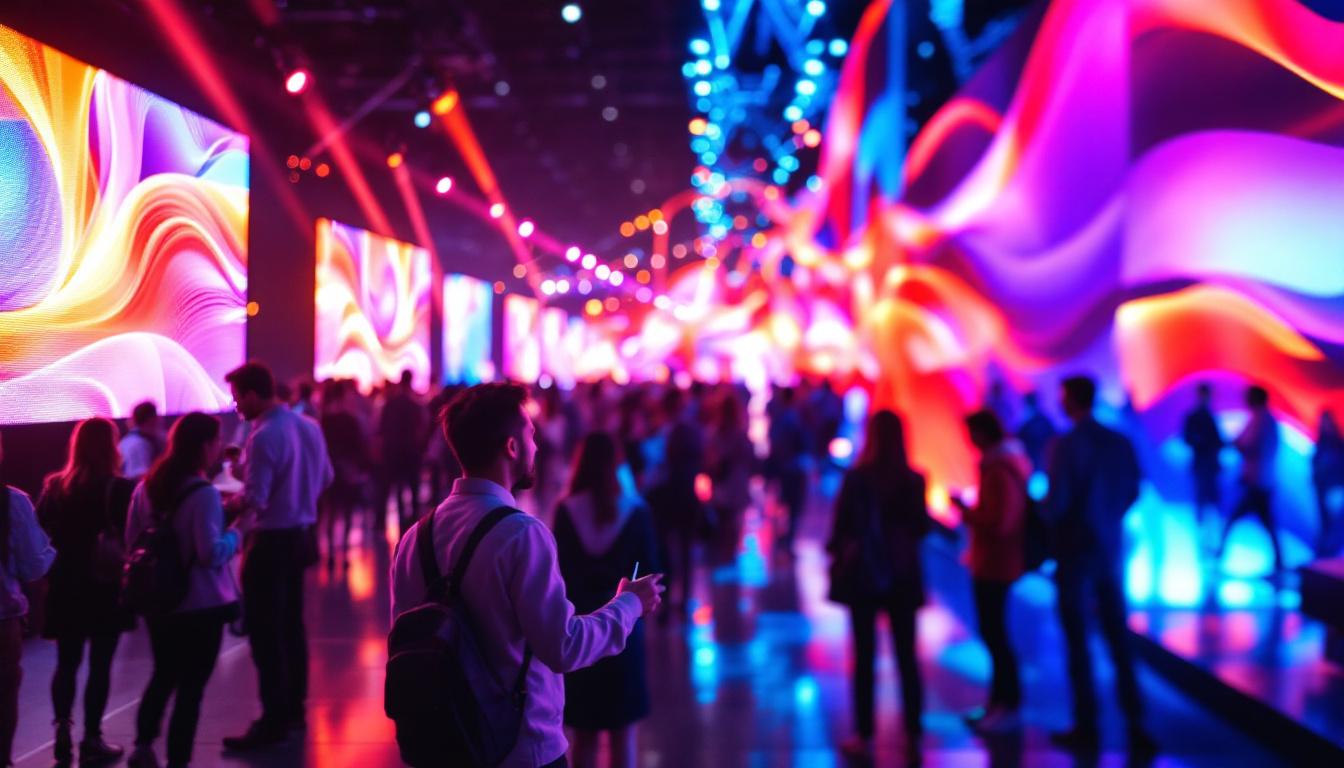
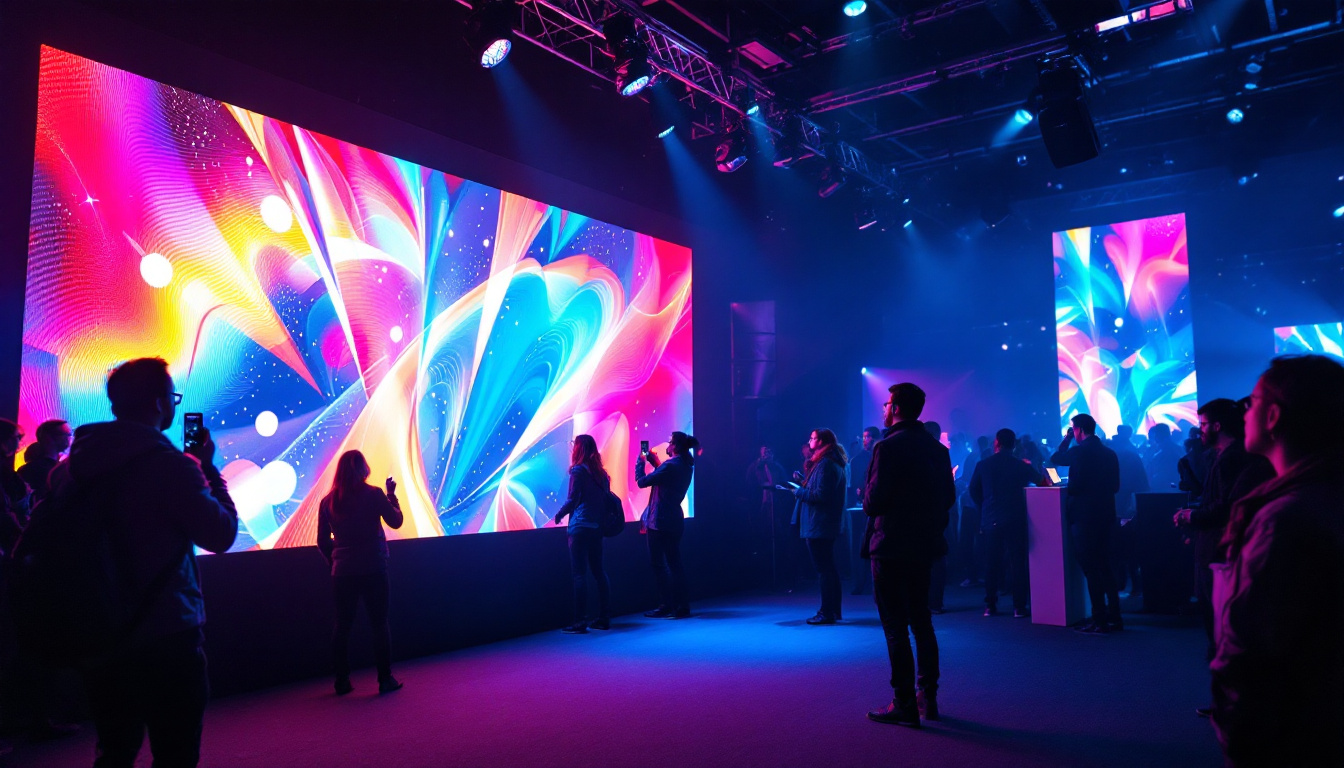
In theaters, concert venues, and sports arenas, 136-inch LED displays serve as focal points for live events, advertising, and interactive experiences. Their brightness and size make them visible even in brightly lit or outdoor environments, ensuring that every spectator has a clear view.
These displays can be used for live video feeds, dynamic advertising, or immersive visual effects, contributing to a memorable audience experience.
Retail and Advertising
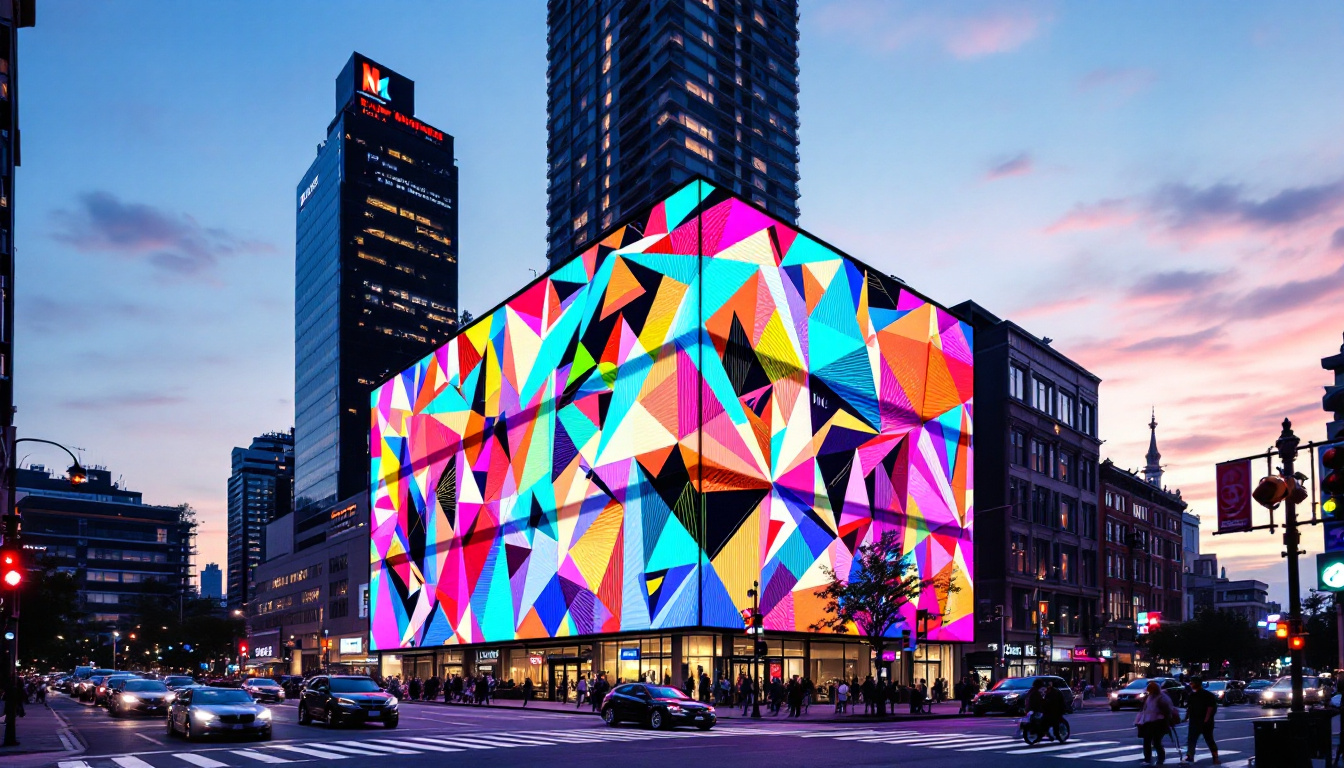
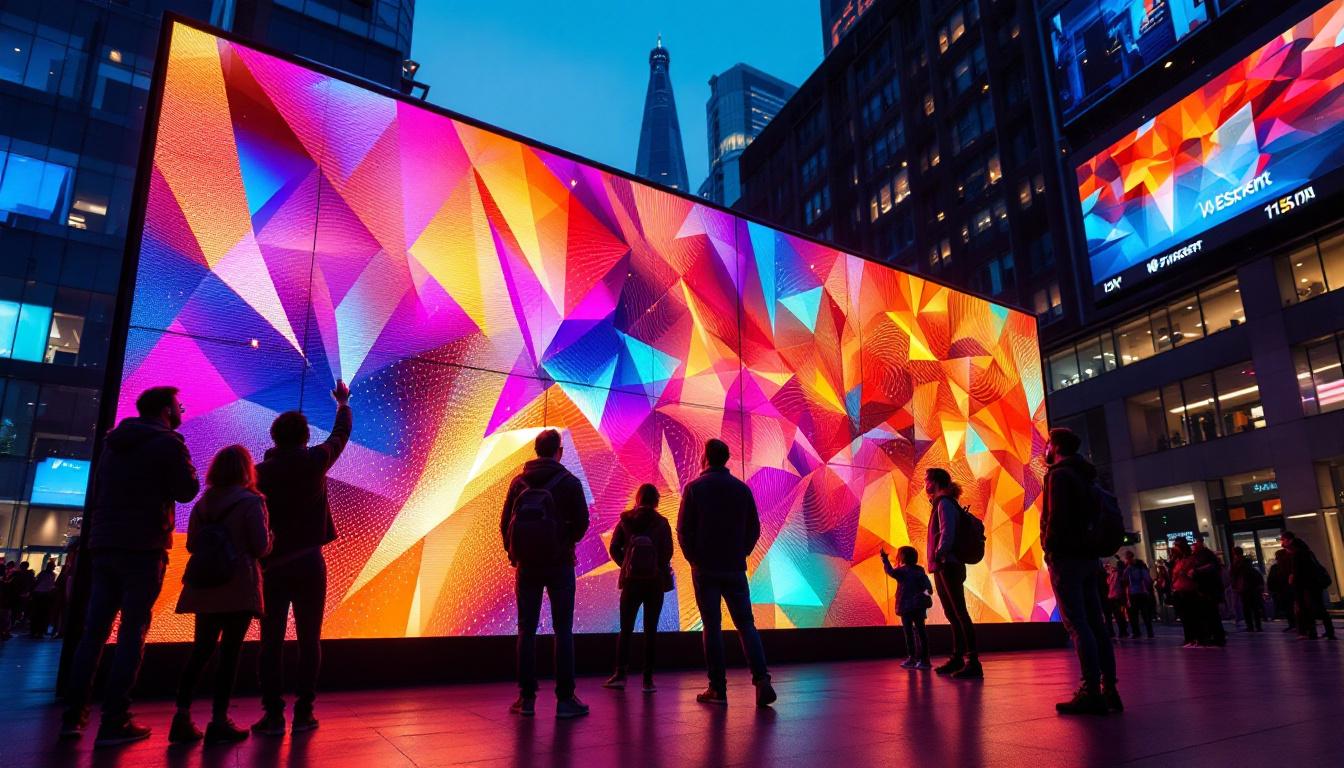
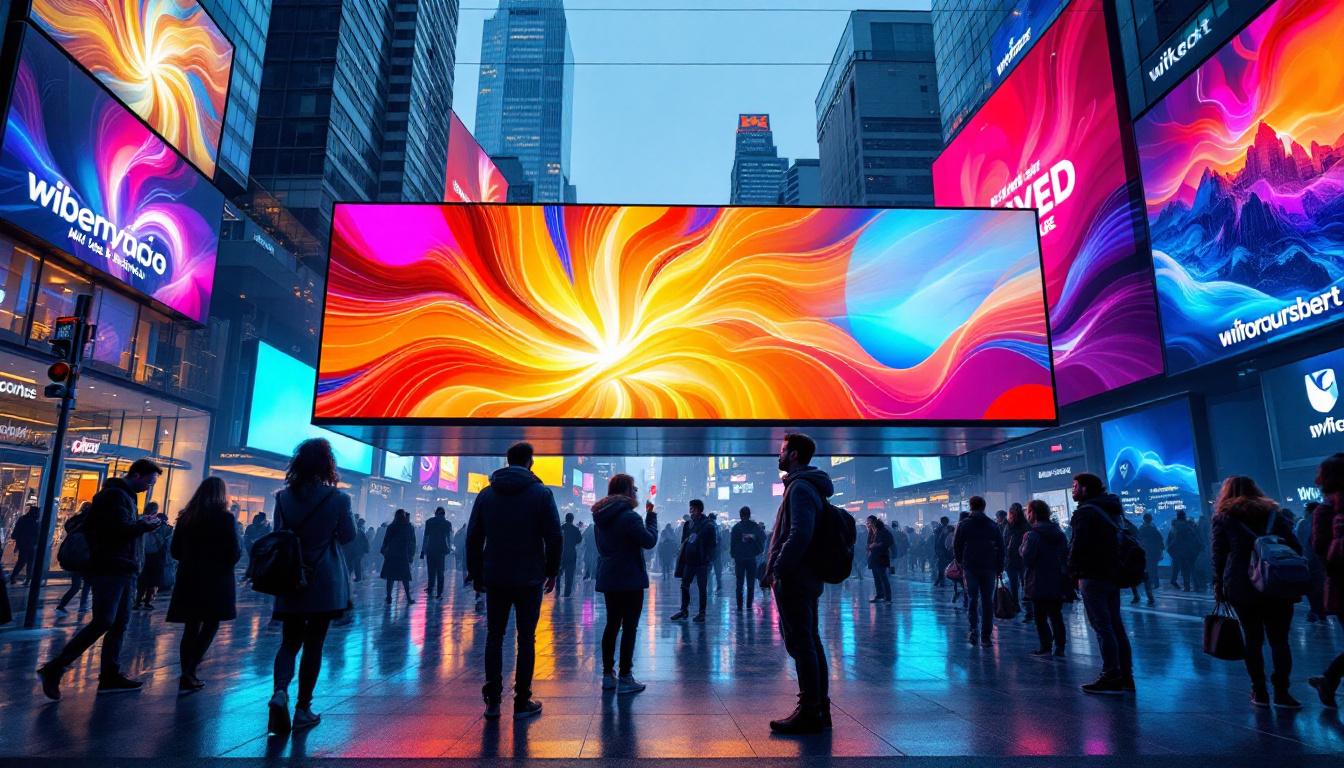
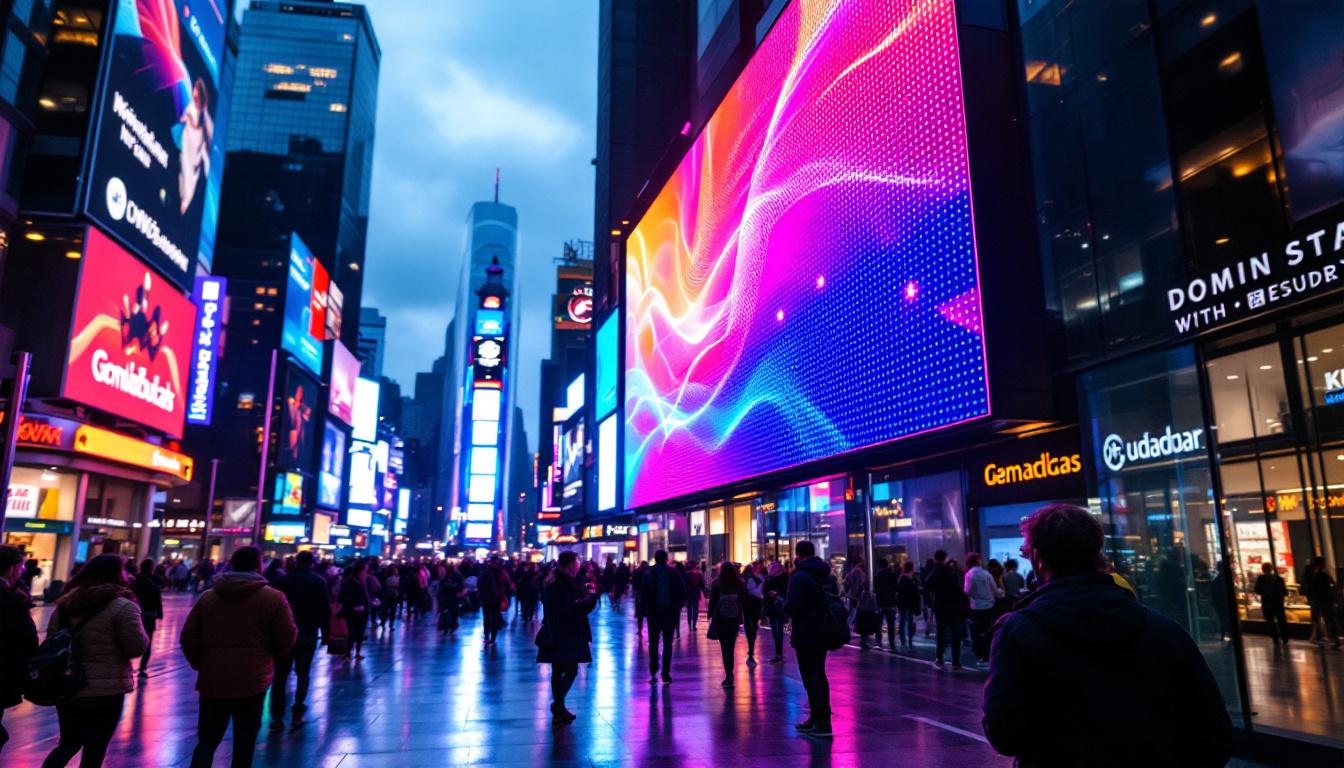
Retailers and advertisers use large LED displays to attract attention and convey promotional messages effectively. A 136-inch screen installed in a storefront or shopping mall can showcase vibrant, eye-catching content that draws customers in and boosts brand visibility.
With the ability to update content remotely and frequently, LED displays offer flexibility and immediacy that traditional signage cannot match.
Installation Considerations for 136-Inch LED Displays
Installing a large LED display like a 136-inch model involves several practical considerations to ensure optimal performance and longevity.
Space and Structural Requirements
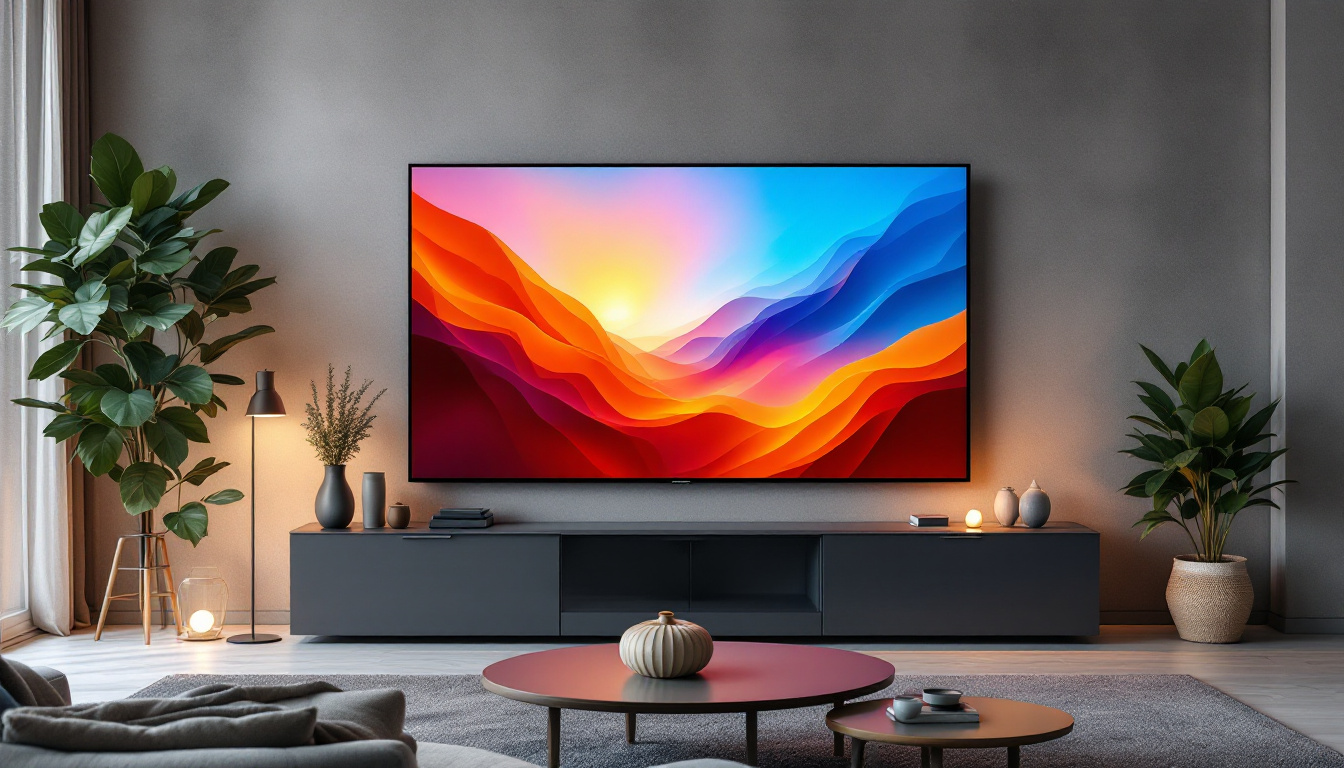
The physical dimensions of a 136-inch LED display, approximately 345 cm diagonally, mean it requires a substantial wall or support structure. The weight of the display and its components must be supported safely, often necessitating reinforced mounts or custom frames.
Additionally, the installation site must accommodate the display’s depth and provide adequate ventilation to prevent overheating.
Power and Connectivity
Large LED displays consume significant power, especially when operating at high brightness levels. Proper electrical infrastructure must be in place to handle the load safely and efficiently.
Connectivity options such as HDMI, DisplayPort, or specialized LED control systems are also critical. These ensure seamless integration with content sources and control software, enabling smooth operation and content management.
Maintenance and Accessibility
Regular maintenance is essential for preserving image quality and extending the lifespan of an LED display. This includes cleaning, inspecting for damaged pixels or modules, and updating firmware.
Designing the installation with accessibility in mind allows technicians to perform maintenance tasks without dismantling large portions of the display, reducing downtime and costs.
Future Trends in Large LED Displays
The technology behind LED displays continues to evolve rapidly, promising even more impressive capabilities for large-format screens like the 136-inch models.
Higher Resolutions and Smaller Pixel Pitches
Advancements in LED manufacturing allow for smaller pixel pitches, enabling ultra-high-definition displays at larger sizes. This trend means that future 136-inch LED displays will offer even sharper images suitable for close viewing environments such as control rooms or interactive exhibits.
Improved Energy Efficiency
New LED technologies focus on reducing power consumption without sacrificing brightness or color accuracy. Energy-efficient displays not only lower operating costs but also contribute to sustainability goals, which are increasingly important for businesses and public institutions.
Flexible and Transparent LED Displays
Emerging innovations include flexible LED panels that can curve or bend, and transparent LED displays that allow light to pass through. These features open up creative possibilities for architectural integration and dynamic advertising, expanding the use cases for large LED screens.
Conclusion
Understanding the conversion of 136 inches to centimeters—approximately 345.44 cm—provides a clear perspective on the physical scale of large LED displays. These displays combine impressive size with advanced technology to deliver bright, high-resolution images suitable for a wide range of applications, from corporate environments to entertainment and advertising.
When selecting a 136-inch LED display, it is essential to consider factors such as pixel pitch, resolution, installation requirements, and future technological trends. Doing so ensures that the investment meets both current needs and long-term expectations for quality and performance.
As LED technology continues to advance, large-format displays will become even more versatile, energy-efficient, and visually stunning, making them an indispensable tool in the modern visual communication landscape.
Explore Cutting-Edge LED Displays with LumenMatrix
Ready to elevate your space with a large-format LED display? LumenMatrix, a leader in innovative LED technology, offers a comprehensive range of solutions tailored to your unique needs. From Indoor and Outdoor LED Wall Displays to specialized options like Vehicle, Sports, and Floor LED Displays, LumenMatrix is committed to transforming your visual communication. Discover our Custom, All-in-One, and Transparent LED Displays that promise to captivate your audience and amplify your message. Check out LumenMatrix LED Display Solutions today and experience the future of digital signage.