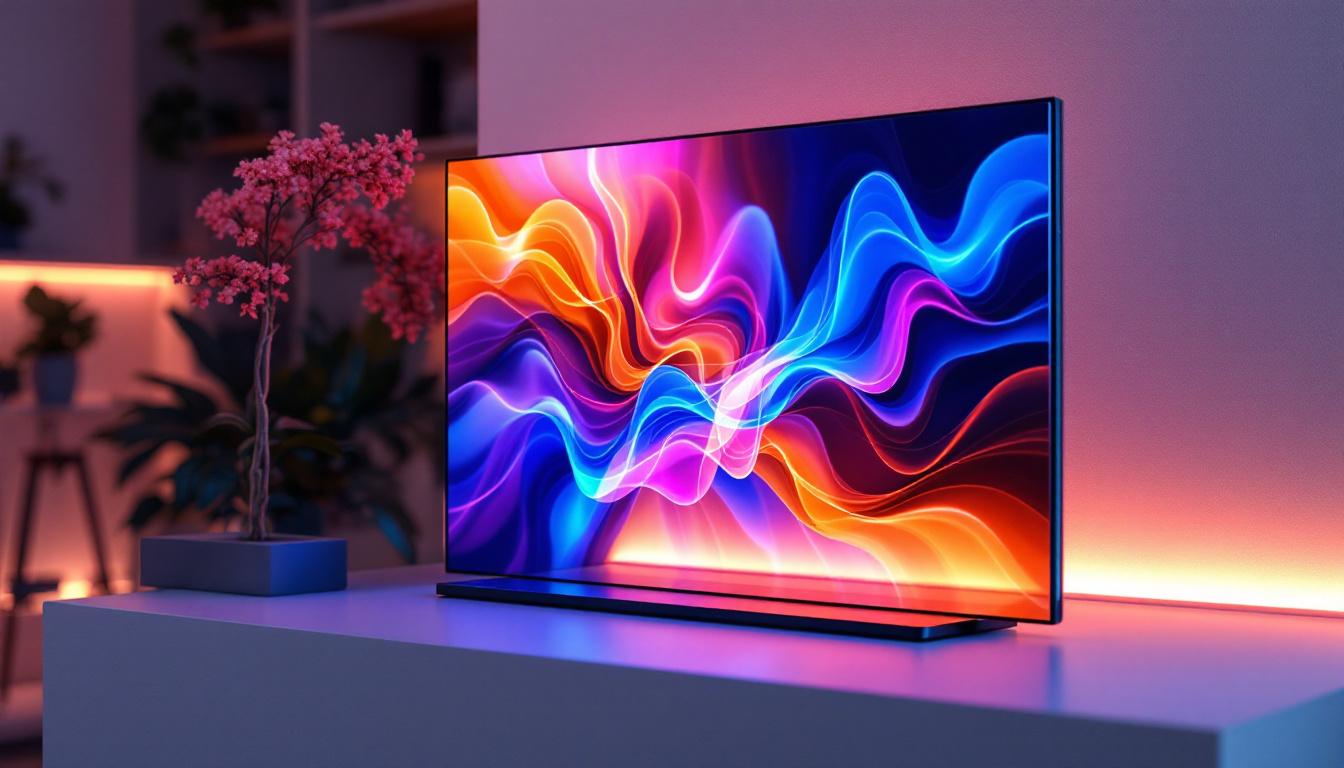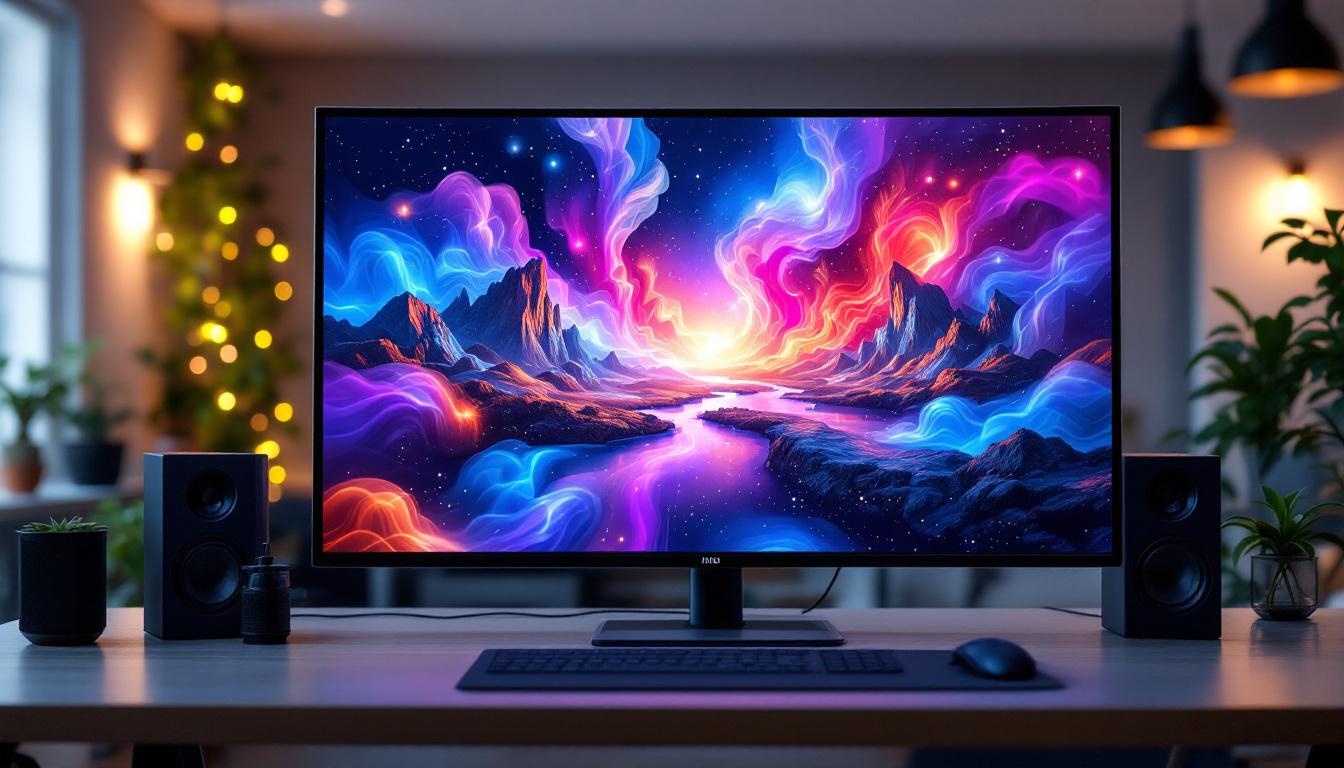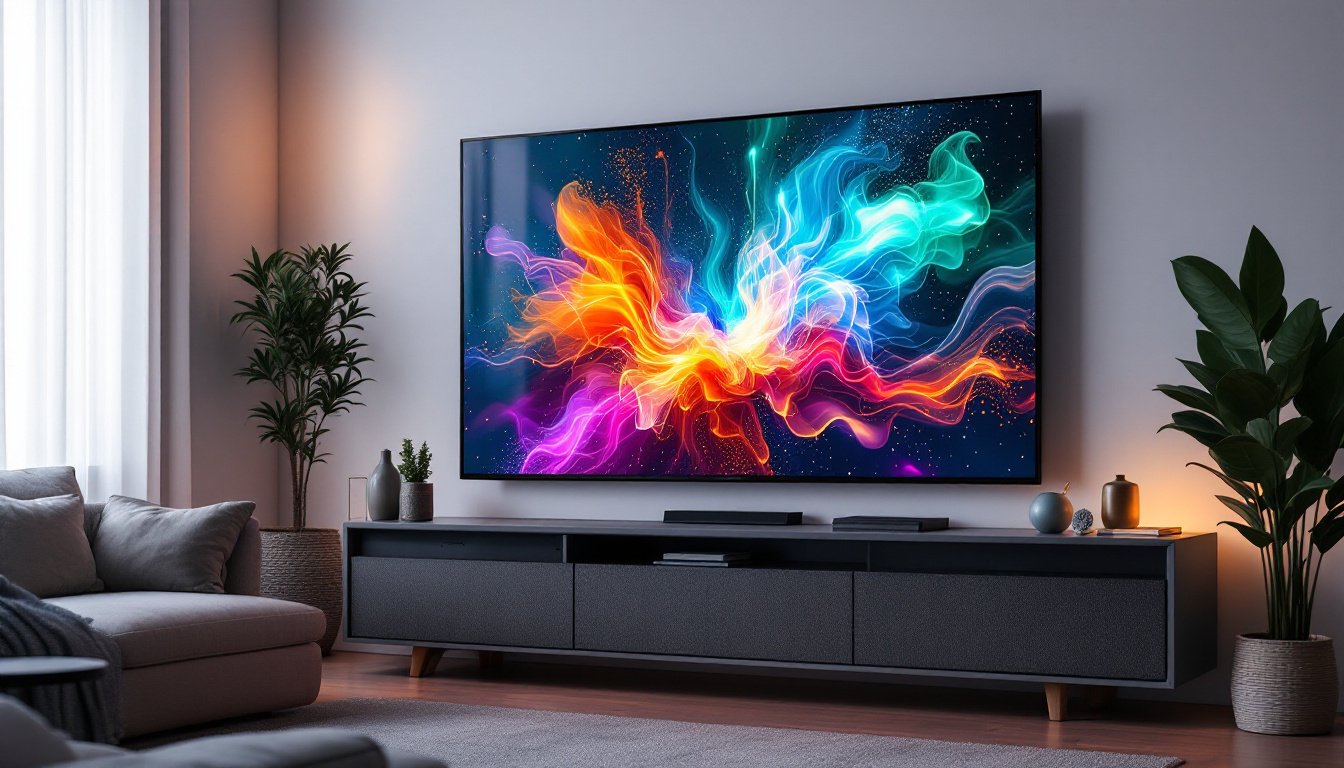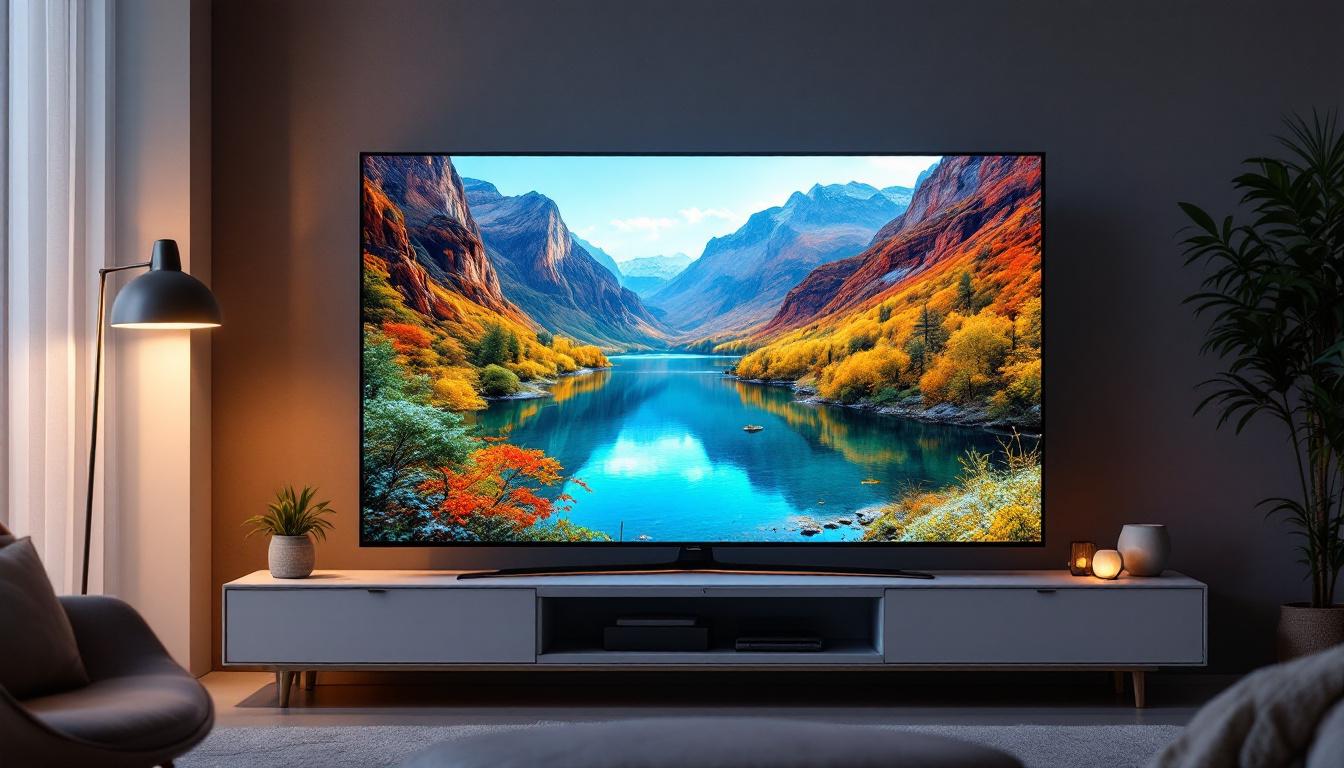
Choosing the right television or monitor can be a daunting task, especially with the myriad of options available in today’s market. Among these, the 46 inch flat screen LED display stands out as a popular choice for many consumers seeking a balance between size, picture quality, and price. This article delves into the technology behind 46 inch LED flat screens, their advantages, and what to consider before making a purchase.
Understanding LED Display Technology
LED, or Light Emitting Diode, technology has revolutionized the way flat screen displays are manufactured and experienced. Unlike traditional LCD screens that use fluorescent backlighting, LED displays employ light-emitting diodes to illuminate the screen, resulting in better brightness, contrast, and energy efficiency.
In a 46 inch flat screen LED display, thousands of tiny LEDs are arranged either directly behind the screen (direct LED) or around its edges (edge-lit LED). These LEDs light up the liquid crystals that form the image, allowing for vibrant colors and sharp images. The use of LEDs also enables thinner and lighter screens compared to older technologies. This shift not only enhances the aesthetic appeal of televisions but also allows for easier wall mounting and integration into modern living spaces.
Moreover, the energy efficiency of LED displays contributes to lower electricity bills and a reduced carbon footprint, making them a more environmentally friendly choice. As consumers become increasingly conscious of energy consumption, LED technology stands out as a sustainable option that meets both performance and ecological standards.
Types of LED Backlighting
There are two primary types of LED backlighting used in 46 inch flat screens: edge-lit and direct-lit (also known as full-array). Edge-lit LED displays place LEDs along the edges of the screen, using light guides to distribute illumination. This design allows for ultra-thin panels but can sometimes result in uneven brightness.
Direct-lit LED displays position LEDs uniformly behind the entire screen, offering more consistent brightness and better local dimming capabilities. Local dimming enhances contrast by dimming parts of the screen that should be dark while keeping bright areas illuminated. This feature significantly improves picture quality, especially in dark scenes. Additionally, direct-lit displays are often favored for their superior performance in high dynamic range (HDR) content, which demands precise control over brightness levels to showcase a wider range of colors and details.
As technology continues to evolve, manufacturers are also exploring advanced variations of LED backlighting, such as Mini-LED and Micro-LED technologies. Mini-LED utilizes smaller diodes that allow for more precise local dimming and improved color accuracy, while Micro-LED offers self-emissive properties similar to OLED, but with enhanced brightness and longevity. These innovations promise to push the boundaries of display technology even further, providing consumers with breathtaking visual experiences that were once thought to be unattainable.
Advantages of a 46 Inch LED Flat Screen
The 46 inch size hits a sweet spot for many users, offering a large enough viewing area for immersive experiences without overwhelming typical living spaces. When combined with LED technology, these displays provide several distinct advantages.
Superior Picture Quality
LED displays are known for their vibrant colors and high contrast ratios. The ability to control individual LEDs or zones on the screen allows for deeper blacks and brighter whites, enhancing the overall dynamic range. This makes LED displays particularly well-suited for watching movies, sports, and gaming.
Additionally, many 46 inch LED TVs come equipped with advanced image processing technologies such as HDR (High Dynamic Range), which further boosts color accuracy and detail in both bright and dark scenes. This means that whether you are watching a sun-drenched landscape or a dimly lit thriller, the nuances of the visuals are rendered with stunning clarity. Furthermore, technologies like local dimming can enhance the viewing experience by adjusting the brightness of specific areas of the screen, improving contrast and depth even further.
Energy Efficiency and Longevity
Compared to older LCD and plasma displays, LED screens consume significantly less power. This energy efficiency not only reduces electricity bills but also contributes to a smaller environmental footprint. For example, a typical 46 inch LED TV may consume around 70-100 watts during operation, whereas older plasma models of similar size could use twice as much.
LEDs also have a longer lifespan, often exceeding 60,000 hours of usage. This durability means fewer replacements and less electronic waste over time. Additionally, many manufacturers are now incorporating eco-friendly materials and practices in the production of LED TVs, further enhancing their appeal to environmentally conscious consumers. With the ability to last for years, a 46 inch LED TV can be a long-term investment in home entertainment, providing reliable performance for countless movie nights and gaming sessions.
Sleek Design and Versatility
The slim profile of LED displays allows for sleek, modern designs that blend seamlessly into any room décor. A 46 inch flat screen LED TV can be wall-mounted or placed on a stand, offering flexibility in setup. The lightweight nature of LED panels also makes installation easier compared to bulkier alternatives.
Moreover, many models come with customizable features such as interchangeable bezels or stands, allowing users to personalize their TV to match their unique style. With smart TV capabilities becoming increasingly common, these displays not only serve as a traditional television but also as a hub for streaming services, social media, and even smart home integration. This versatility ensures that a 46 inch LED TV can adapt to the evolving needs of its users, making it a practical choice for modern households.
Key Features to Consider When Buying a 46 Inch LED Display
While the size and LED technology provide a solid foundation, several other features influence the overall viewing experience and value of a 46 inch flat screen display. Understanding these can help consumers make informed decisions.
Resolution and Screen Quality
Resolution determines the sharpness of the image on the screen. Most 46 inch LED TVs today come with Full HD (1920×1080 pixels) or 4K Ultra HD (3840×2160 pixels) resolution. While Full HD is adequate for many viewing scenarios, 4K resolution offers four times the pixel count, resulting in crisper images and finer details.
For those planning to watch high-definition content or use the display for gaming, investing in a 4K model is advisable. Additionally, some 46 inch LED displays support HDR standards such as HDR10 or Dolby Vision, which enhance color and contrast further.
Refresh Rate and Response Time
The refresh rate, measured in Hertz (Hz), indicates how many times per second the screen updates its image. A higher refresh rate, such as 120Hz or 240Hz, results in smoother motion, which is particularly beneficial for fast-paced sports, action movies, and gaming.
Response time, usually measured in milliseconds (ms), refers to how quickly a pixel can change from one color to another. Lower response times reduce motion blur and ghosting effects. For a 46 inch LED TV, a response time under 8ms is generally considered good for most uses.
Smart TV Capabilities
Most modern 46 inch LED TVs come with built-in smart features, enabling access to streaming services, apps, and internet browsing without the need for external devices. Popular platforms include Android TV, Roku, and proprietary systems from manufacturers.
When evaluating smart features, consider the user interface, app availability, and update frequency. A responsive and intuitive smart TV experience enhances convenience and entertainment options.
Connectivity Options
Connectivity is essential for integrating the display with other devices such as gaming consoles, Blu-ray players, soundbars, and external storage. Look for multiple HDMI ports, USB inputs, and support for wireless connections like Wi-Fi and Bluetooth.
HDMI 2.1 ports are becoming more common and support features like higher bandwidth for 4K at 120Hz, variable refresh rate (VRR), and enhanced audio return channel (eARC), which are valuable for gamers and home theater enthusiasts.
Comparing 46 Inch LED Displays with Other Screen Sizes
While 46 inch LED displays are popular, it’s useful to understand how they compare with other common sizes to ensure the best fit for your space and viewing habits.
46 Inch vs. 43 Inch
The 43 inch size is slightly smaller and often more affordable, making it a good choice for bedrooms or smaller living rooms. However, the 46 inch offers a noticeably larger viewing area, which can enhance immersion, especially in living rooms where viewers sit a bit farther away.
46 Inch vs. 50 Inch and Larger
Moving up to 50 inches or larger screens provides an even more cinematic experience, but it also requires more space and a greater viewing distance to avoid pixelation and eye strain. For many average-sized rooms, 46 inches strikes a comfortable balance between size and usability.
Practical Tips for Setting Up a 46 Inch LED Flat Screen
Once a 46 inch LED display is selected, proper setup is crucial to maximize its performance and longevity.
Optimal Viewing Distance and Angle
Experts recommend sitting approximately 1.5 to 2.5 times the diagonal screen size away from the display. For a 46 inch screen, this translates to about 5.75 to 9.5 feet. This distance ensures a comfortable viewing experience without visible pixels or eye strain.
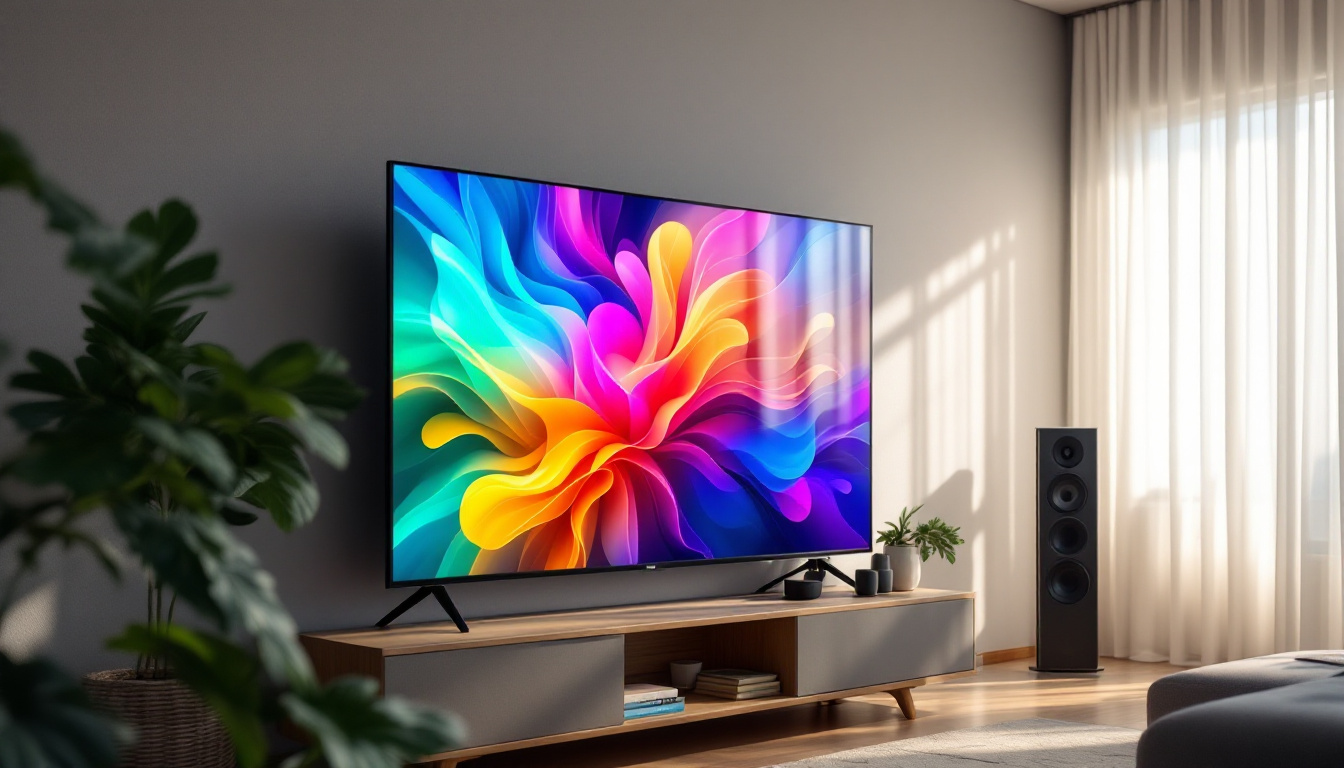
Position the screen at eye level and avoid glare from windows or lighting. Many LED TVs come with adjustable stands or wall mounts that facilitate ideal placement.
Calibration and Picture Settings
Out of the box, LED TVs often have overly bright or saturated settings. Calibrating brightness, contrast, color temperature, and sharpness can significantly improve picture quality. Many manufacturers include preset modes such as Cinema, Sports, or Game that can be fine-tuned to personal preference.
Maintaining Your LED Display
Keep the screen clean by gently wiping with a microfiber cloth and avoiding harsh chemicals. Ensure adequate ventilation around the TV to prevent overheating, which can degrade LED lifespan. Regular software updates can also enhance performance and fix bugs in smart TV systems.
Conclusion
The 46 inch flat screen LED display offers an excellent combination of size, picture quality, and modern features suitable for a wide range of users. Whether for a living room centerpiece, gaming setup, or home theater, understanding the technology and key specifications helps in making an informed choice.
With advancements in LED backlighting, resolution, and smart capabilities, these displays continue to deliver immersive and energy-efficient entertainment. Careful consideration of resolution, refresh rate, connectivity, and setup will ensure that the 46 inch LED display meets both current and future viewing needs.
Discover the Future of Visual Experience with LumenMatrix
Ready to elevate your viewing experience with the latest in LED display technology? LumenMatrix is at the forefront of innovation, offering a wide array of LED display solutions that bring your content to life. From immersive Indoor LED Wall Displays to dynamic Outdoor LED Wall Displays, and from versatile Vehicle LED Displays to engaging LED Sports Displays, our products are designed to captivate and communicate with unparalleled clarity. Embrace the future of visual storytelling with LumenMatrix’s cutting-edge LED displays. Check out LumenMatrix LED Display Solutions today and transform your space into a hub of engagement and impact.