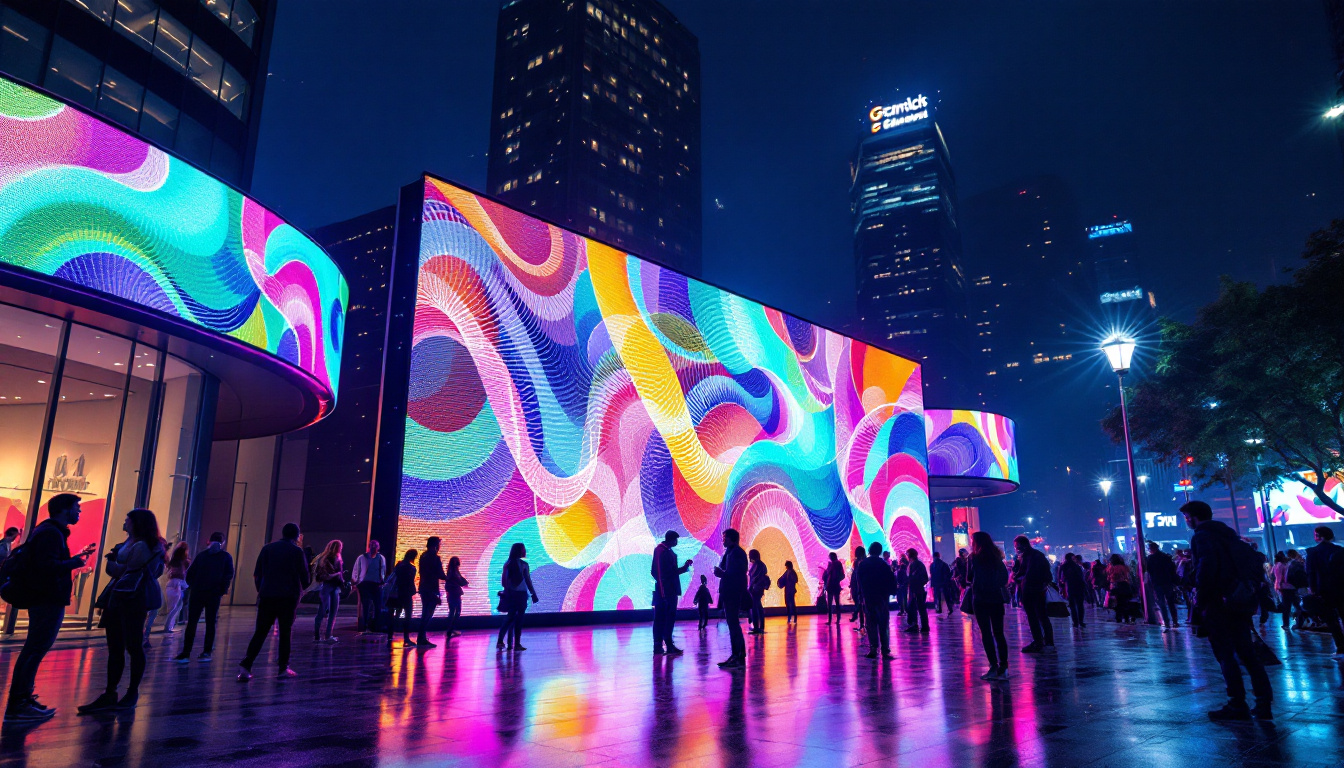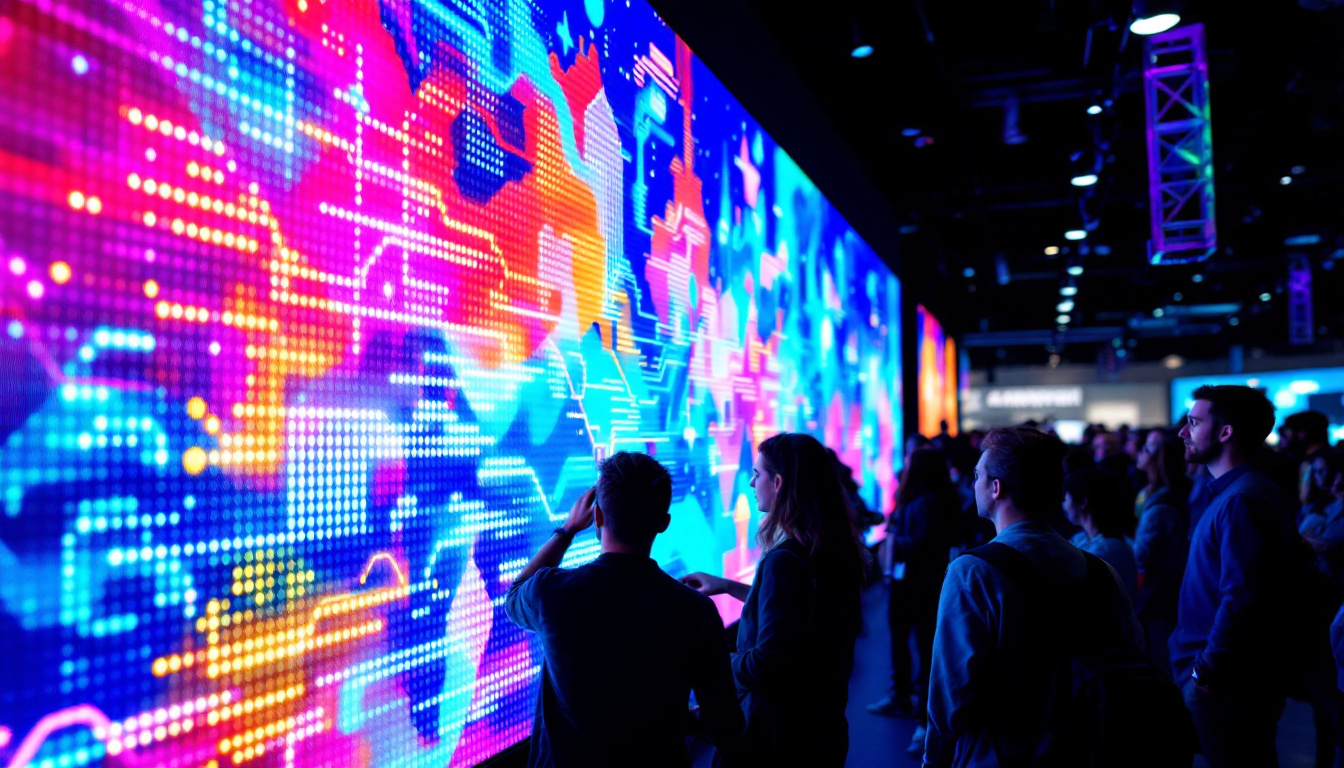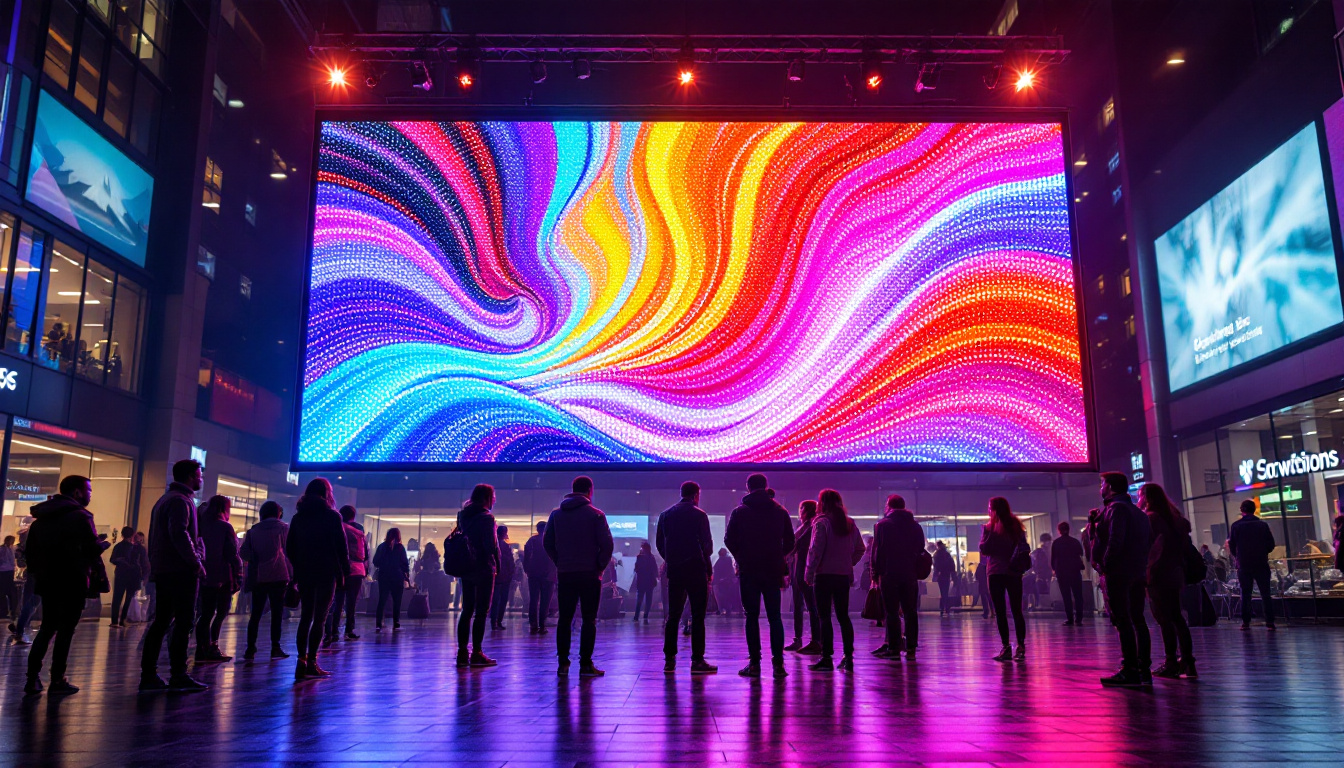
In the rapidly evolving world of digital signage and display technology, LED screens have emerged as a dominant force. From vibrant billboards in bustling city centers to dynamic indoor displays in retail stores, LED technology offers unparalleled brightness, flexibility, and durability. This article delves into the essentials of LED displays, exploring their types, advantages, applications, and what to consider when purchasing screens for sale.
Understanding LED Display Technology
What is an LED Display?
LED stands for Light Emitting Diode, a semiconductor device that emits light when an electric current passes through it. An LED display is a flat panel screen that uses an array of these diodes to create images, videos, or text. Unlike traditional LCD or plasma screens, LED displays are known for their high brightness, energy efficiency, and long lifespan. The ability of LED displays to produce vibrant colors and deep blacks makes them a popular choice for both commercial and residential applications.
LED displays can be categorized into two main types: direct-view LED and LED-backlit LCD. Direct-view LED screens consist of thousands of tiny LEDs that form the pixels directly, making them ideal for large-scale outdoor and indoor displays. These screens are often seen in stadiums, concert venues, and advertising billboards, where visibility from a distance is crucial. LED-backlit LCDs, on the other hand, use LEDs as a backlight source behind an LCD panel, common in consumer electronics like TVs and monitors. This type of display allows for thinner designs and is widely used in everyday devices, providing a balance between performance and cost.
How Do LED Displays Work?
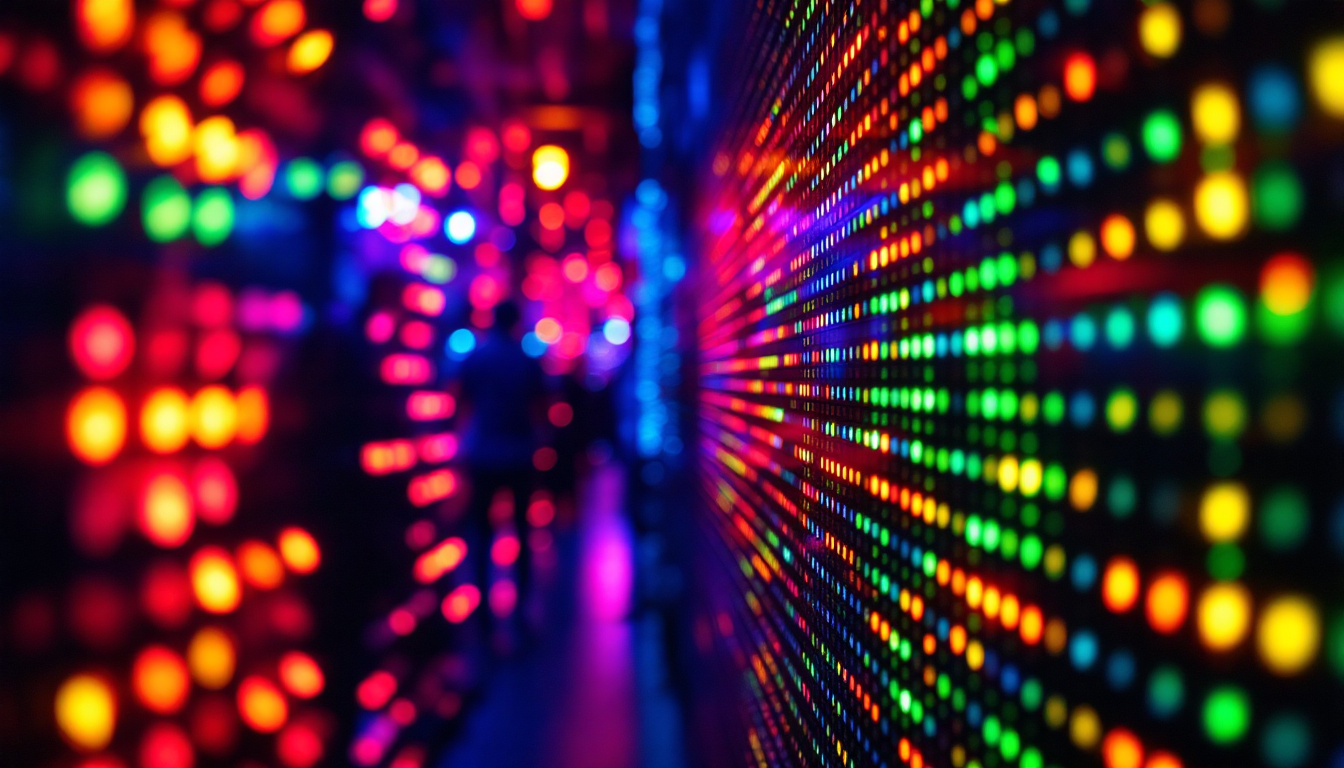
Each pixel in an LED display is made up of red, green, and blue (RGB) diodes. By adjusting the intensity of these diodes, the screen can produce a wide spectrum of colors. The pixels are arranged in a grid, and the display controller manages the light output to render images or video content. This pixel arrangement not only allows for impressive color reproduction but also enhances the viewing experience by providing high contrast ratios, which are essential for dynamic content.
Modern LED displays use advanced control systems that enable high refresh rates and fine color calibration, ensuring smooth motion and vivid visuals. This technology also supports various resolutions, from standard definition to ultra-high definition (4K and beyond), catering to different viewing distances and applications. Additionally, many LED displays are now equipped with smart technology, allowing for features such as touch interaction, internet connectivity, and integration with various multimedia platforms. This evolution in LED technology has broadened its use beyond traditional screens, paving the way for innovative applications in advertising, entertainment, and even art installations, where dynamic visuals can engage audiences in new and exciting ways.
Types of LED Displays Available for Sale
Indoor LED Displays
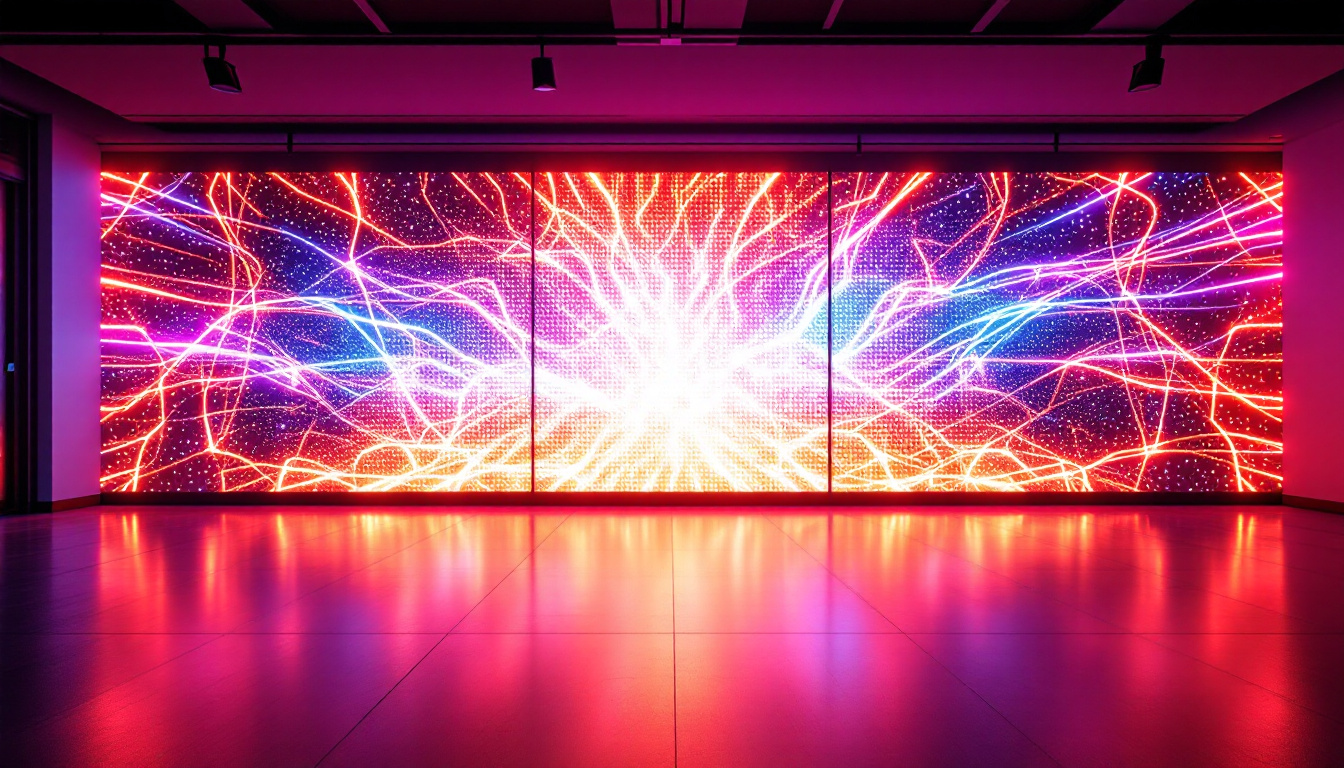
Indoor LED displays are designed for environments such as shopping malls, conference rooms, airports, and retail stores. These screens typically have a smaller pixel pitch — the distance between individual LEDs — which allows for higher resolution and sharper images at close viewing distances.
Because indoor environments have controlled lighting, these displays do not need to be as bright as outdoor models, usually ranging from 800 to 1,200 nits. They are also built with sleek, lightweight designs that blend seamlessly into interior spaces.
Outdoor LED Displays
Outdoor LED screens are engineered to withstand harsh environmental conditions, including rain, dust, and temperature fluctuations. They feature higher brightness levels, often exceeding 5,000 nits, to ensure visibility even in direct sunlight.
These displays have larger pixel pitches compared to indoor models, as viewers typically observe them from greater distances. Additionally, outdoor LED screens are equipped with protective coatings and robust enclosures to enhance durability and longevity.
Flexible and Transparent LED Displays
Innovations in LED technology have led to the development of flexible and transparent LED screens. Flexible LED displays can curve or bend, making them ideal for creative architectural installations or curved surfaces. Transparent LED displays allow light to pass through, enabling their use on glass windows or facades without obstructing views.
These cutting-edge displays open new possibilities for advertising and interior design, blending technology with aesthetics in unique ways.
Advantages of LED Displays Over Other Technologies
Superior Brightness and Visibility
One of the most significant benefits of LED displays is their exceptional brightness. With luminance levels far surpassing LCD or plasma screens, LEDs ensure content remains clear and vivid even under direct sunlight or brightly lit environments.
This makes LED displays particularly valuable for outdoor advertising, sporting events, and any setting where visibility is critical.
Energy Efficiency and Longevity
LED technology is inherently energy-efficient, consuming less power than traditional display technologies. This efficiency translates into lower operating costs, especially for large-scale installations that run continuously.
Moreover, LEDs have a longer operational life, often rated at 50,000 to 100,000 hours, reducing maintenance and replacement expenses over time.
High Durability and Weather Resistance
LED displays are built to endure various environmental challenges. Outdoor models come with IP-rated enclosures that protect against water, dust, and impact, ensuring reliable performance in diverse climates.
The robustness of LED screens makes them a cost-effective investment for businesses seeking long-term display solutions.
Flexibility in Size and Shape
LED modules can be assembled into virtually any size or shape, from small digital signs to massive video walls spanning hundreds of square meters. This modularity allows for tailored solutions that fit specific spatial and design requirements.
Additionally, the availability of flexible and transparent LED options further expands creative possibilities.
Key Applications of LED Displays
Advertising and Marketing
LED displays have revolutionized outdoor and indoor advertising. Their brightness and dynamic capabilities enable brands to deliver eye-catching messages that capture consumer attention effectively.
From Times Square’s iconic billboards to digital signage in shopping centers, LED screens play a pivotal role in modern marketing strategies.
Sports and Entertainment Venues
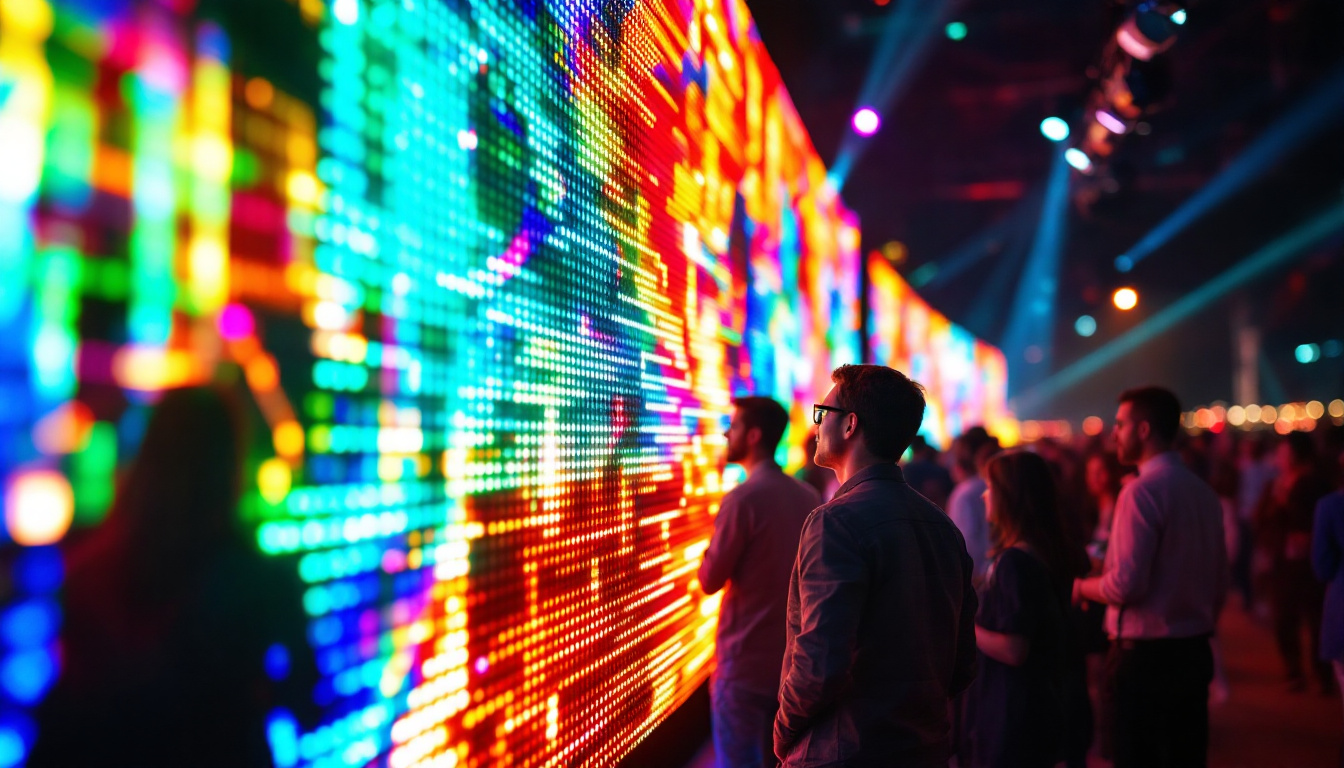
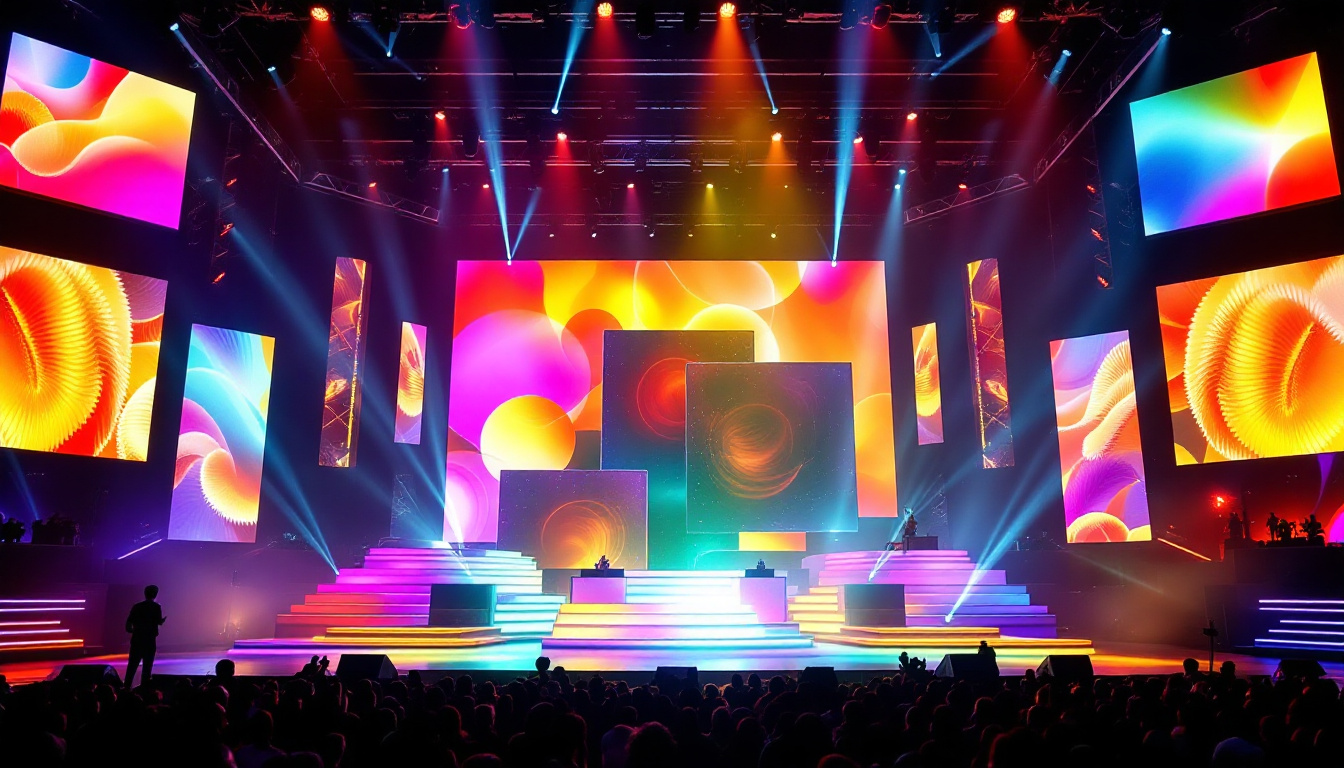
Stadiums and arenas utilize LED displays for scoreboards, live video feeds, and interactive fan experiences. The ability to display high-resolution content in large formats enhances event engagement and atmosphere.
Corporate and Educational Settings
In offices, conference rooms, and educational institutions, LED displays facilitate presentations, digital whiteboards, and information dissemination. Their clarity and responsiveness support effective communication and collaboration.
Transportation Hubs
Airports, train stations, and bus terminals use LED screens to provide real-time schedules, alerts, and wayfinding information. The reliability and visibility of LEDs ensure travelers receive timely updates.
Factors to Consider When Buying LED Screens for Sale
Pixel Pitch and Resolution
Pixel pitch is a critical specification that determines the display’s resolution and viewing distance suitability. A smaller pixel pitch means higher resolution and sharper images but typically comes at a higher cost.
For indoor applications where viewers are close to the screen, a pixel pitch of 1.2mm to 2.5mm is common. Outdoor displays, viewed from farther away, often have pixel pitches ranging from 4mm to 10mm or more.
Brightness and Contrast Ratio
Brightness, measured in nits, should be matched to the installation environment. Outdoor screens require higher brightness to combat sunlight glare, while indoor screens can operate at lower levels.
Contrast ratio affects how well the display renders dark and light areas, impacting image quality and readability.
Viewing Angle
A wide viewing angle ensures the content is visible from various positions without color distortion or brightness loss. This is particularly important in public spaces where audiences view the screen from multiple directions.
Durability and Weatherproofing
For outdoor installations, checking the IP rating is essential. An IP65 rating or higher indicates strong protection against dust and water ingress.
Additionally, consider the operating temperature range and whether the display includes cooling or heating systems for extreme climates.
Installation and Maintenance
Modular designs simplify installation and future maintenance. Look for LED screens with easy access to components, allowing for quick repairs or upgrades.
Also, assess the availability of technical support and warranty terms from the supplier.
Budget and Total Cost of Ownership
While upfront costs vary widely based on size, resolution, and features, it’s important to evaluate the total cost of ownership. Energy consumption, maintenance, and potential downtime can significantly impact long-term expenses.
Investing in quality LED displays from reputable manufacturers often pays off through reliability and performance.
Trends and Innovations in LED Display Technology
Mini and Micro LED Displays
The emergence of Mini LED and Micro LED technologies is pushing the boundaries of display performance. These technologies use smaller diodes, enabling even higher resolutions, improved contrast, and better energy efficiency.
Micro LED, in particular, promises to combine the best features of OLED and traditional LEDs without the drawbacks of burn-in or limited lifespan.
Interactive LED Screens
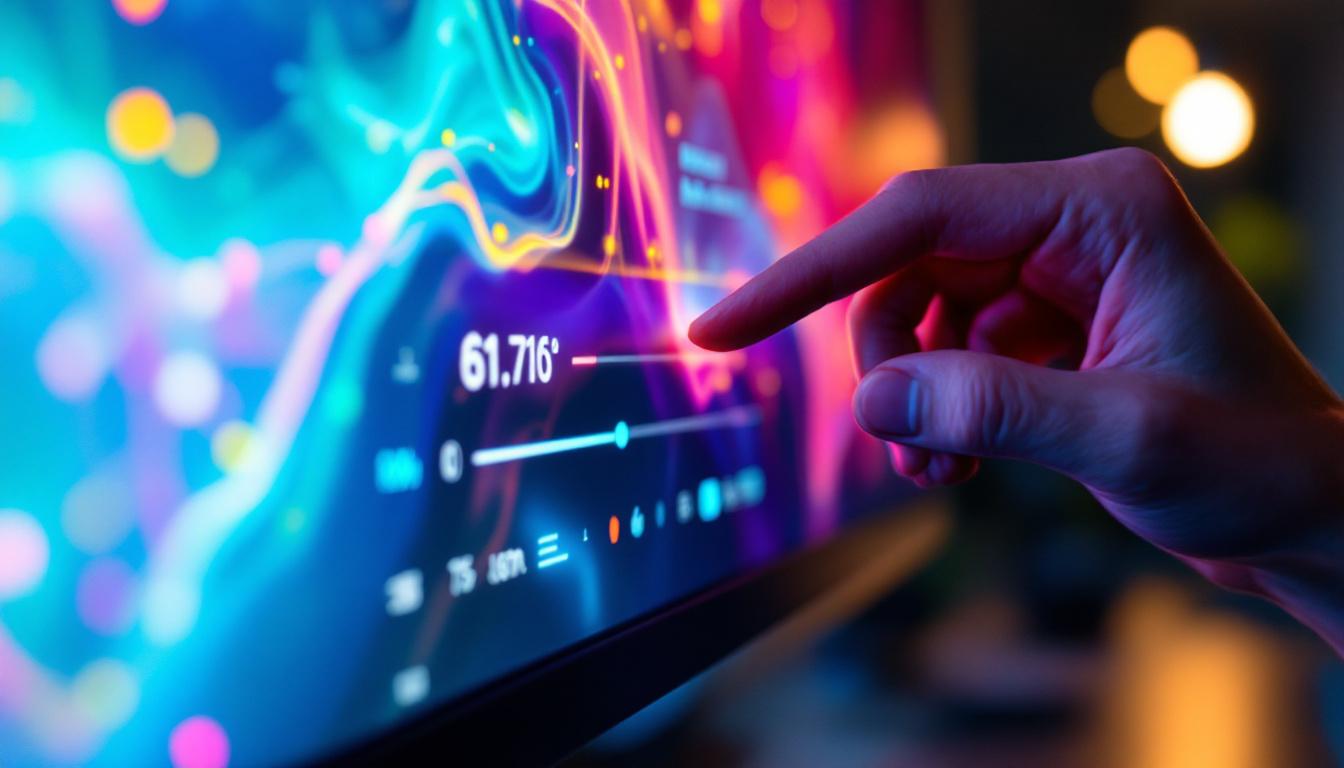
Touch-enabled LED displays are gaining traction in retail, education, and corporate environments. These interactive screens facilitate engagement through gestures, touch inputs, and integration with mobile devices.
AI and Content Management Integration
Advanced LED display systems now incorporate artificial intelligence to optimize content delivery based on audience demographics, time of day, or environmental conditions. Cloud-based content management platforms enable remote control and scheduling, enhancing operational efficiency.
Conclusion
LED displays have transformed the landscape of digital signage, offering unmatched brightness, versatility, and durability. Whether for advertising, entertainment, corporate communication, or public information, these screens provide compelling visual experiences that capture attention and convey messages effectively.
When selecting LED screens for sale, understanding the technical specifications, intended application, and environmental factors is crucial to making an informed decision. As technology continues to advance, LED displays will become even more integral to how businesses and organizations communicate in the digital age.
Investing in the right LED display not only enhances visual impact but also ensures long-term value through energy efficiency and robust performance.
Discover LumenMatrix LED Display Solutions
Ready to elevate your visual communication with cutting-edge LED technology? Look no further than LumenMatrix, a pioneer in crafting LED display modules that captivate and engage. Whether you’re in need of an Indoor LED Wall Display for your retail space, an Outdoor LED Wall Display for impactful advertising, or any of our specialized solutions like Vehicle, Sports, or Floor LED Displays, LumenMatrix has you covered. Embrace the future of digital signage with our Custom, All-in-One, and Transparent LED Displays, designed to bring your brand’s message to life with clarity and vibrancy. Check out LumenMatrix LED Display Solutions today and transform your space into a dynamic visual experience.