Large LCD Panel: LED Display Explained
In today’s digital age, large LCD panels have become a cornerstone of visual communication, from advertising billboards to corporate conference rooms and public information displays. Among the various technologies powering these screens, LED displays stand out for their brightness, energy efficiency, and versatility. This article delves into the intricacies of large LCD panels with LED backlighting, explaining how they work, their advantages, and why they have become the preferred choice for large-format displays.
Understanding Large LCD Panels
What is an LCD Panel?
LCD stands for Liquid Crystal Display. It is a flat-panel display technology that uses liquid crystals sandwiched between two layers of glass or plastic. These crystals do not emit light by themselves; instead, they manipulate light passing through them to create images. The liquid crystals align in response to electrical currents, controlling the amount of light that passes through each pixel.
Large LCD panels are essentially scaled-up versions of the screens found in smartphones, laptops, and televisions. They are designed to deliver clear, high-resolution images on a much bigger scale, often exceeding 50 inches diagonally. These panels are widely used in digital signage, video walls, and interactive kiosks. The versatility of large LCD panels makes them ideal for various applications, from corporate presentations to retail displays, where engaging visuals can capture customer attention and enhance the overall experience. Moreover, advancements in technology have led to the development of ultra-thin panels that can be seamlessly integrated into architectural designs, further expanding their use in modern environments.
The Role of LED Backlighting
One of the critical components of an LCD panel is its backlighting system. Since liquid crystals do not emit light, a light source behind the panel is necessary to illuminate the display. Traditionally, cold cathode fluorescent lamps (CCFLs) were used for backlighting, but they have largely been replaced by LED (Light Emitting Diode) backlights.
LED backlighting involves placing an array of LEDs behind or along the edges of the LCD panel. These LEDs provide the light that passes through the liquid crystals and color filters to produce the visible image. The shift to LED backlighting has significantly improved display brightness, contrast, energy efficiency, and lifespan. Additionally, LED technology allows for more precise control of brightness levels across different areas of the screen, enabling features like local dimming. This capability enhances the overall picture quality, especially in scenes with high contrast, where dark areas can appear deeper and more detailed. Furthermore, the reduced power consumption of LED backlighting contributes to lower operational costs, making large LCD panels a more sustainable choice for businesses and consumers alike.
How LED Displays Work in Large LCD Panels
Types of LED Backlighting
There are two primary methods of integrating LED backlighting in large LCD panels: edge-lit and direct-lit (or full-array) LED backlighting.
- Edge-Lit LED: LEDs are positioned along the edges of the panel, and light is distributed across the screen using light guides. This design allows for thinner displays and is cost-effective but may result in uneven brightness and less precise local dimming.
- Direct-Lit LED (Full-Array): LEDs are placed directly behind the entire panel in a grid pattern. This setup enables better control over brightness and contrast through local dimming zones, where specific areas of LEDs can be dimmed or brightened independently.
Local Dimming and Contrast Enhancement
Local dimming is a feature made possible by full-array LED backlighting. It enhances the contrast ratio by dimming LEDs in dark areas of the image while keeping bright areas illuminated. This results in deeper blacks and more vibrant colors, significantly improving picture quality, especially in high dynamic range (HDR) content.
For large LCD panels used in environments like control rooms or digital signage, superior contrast and color accuracy are crucial. Local dimming ensures that the display remains clear and legible, even under varying lighting conditions. Additionally, advancements in local dimming technology have led to the development of more sophisticated algorithms that can analyze the content being displayed in real-time, dynamically adjusting the brightness levels to optimize the viewing experience further. This capability is particularly beneficial in fast-paced video content, where rapid scene changes can challenge traditional backlighting methods.
Color Accuracy and Calibration
LED backlighting also contributes to better color reproduction. Modern large LCD panels often use RGB LED backlights or quantum dot technology to expand the color gamut beyond standard sRGB ranges. This allows for more vivid and lifelike images, which is essential for applications such as digital advertising, medical imaging, and professional video editing.
Manufacturers calibrate these displays to ensure color uniformity across the entire panel, which is particularly challenging in large-format screens. High-end models come with factory calibration and support for hardware calibration tools to maintain color accuracy over time. Furthermore, some displays are equipped with advanced features such as automatic calibration systems that utilize built-in sensors to continuously monitor and adjust color output, ensuring that the display remains true to its intended color profile even as environmental conditions change. This level of precision is vital in professional settings where color fidelity can impact decision-making, such as in graphic design studios or during live broadcasts.
Advantages of Large LED-Backlit LCD Panels
Brightness and Visibility
One of the most significant advantages of LED-backlit LCD panels is their high brightness levels. LEDs can produce intense illumination, making these displays easily visible even in brightly lit environments such as outdoor settings or well-lit retail spaces. Some large LED-backlit LCDs can reach brightness levels of 1,000 nits or more, ensuring clear visibility in direct sunlight. This capability is particularly beneficial for advertising and promotional displays, where capturing the attention of passersby is crucial. The ability to maintain visibility in varying light conditions enhances the effectiveness of digital signage, allowing brands to communicate their messages effectively at any time of day.
Energy Efficiency and Longevity
Compared to older CCFL backlighting, LED backlights consume less power, which translates to lower operating costs and reduced environmental impact. LEDs also have a longer lifespan, often rated at 50,000 hours or more, meaning the display can operate for years without significant degradation or the need for backlight replacement. This longevity not only reduces maintenance costs but also minimizes waste, aligning with sustainability goals that many businesses are striving to achieve. Furthermore, the lower energy consumption contributes to a smaller carbon footprint, making LED-backlit LCDs a more eco-friendly choice in the long run.
Thin and Lightweight Design
LED backlighting enables manufacturers to produce thinner and lighter panels. This is particularly important for large displays that need to be mounted on walls or integrated into digital signage structures. The reduced weight simplifies installation and maintenance, especially in commercial or public spaces. Additionally, the sleek design of these panels allows for more versatile applications, such as interactive kiosks or multi-screen setups that can enhance user experience in venues like museums or trade shows. The aesthetic appeal of slim displays also aligns well with modern architectural trends, creating an elegant visual integration within various environments.
Improved Color and Contrast Performance
As previously discussed, LED backlighting enhances color accuracy and contrast ratios, providing a more immersive and visually appealing experience. This is essential for applications where image quality directly impacts user engagement or critical decision-making, such as in broadcast studios or command centers. The ability to display a wider color gamut allows for more vibrant and lifelike images, which is particularly beneficial in fields like graphic design and video production, where color fidelity is paramount. Moreover, advancements in local dimming technology further improve contrast performance by allowing specific areas of the screen to be dimmed or brightened independently, resulting in deeper blacks and brighter highlights that enhance the overall viewing experience.
Applications of Large LED-Backlit LCD Panels
Digital Signage and Advertising
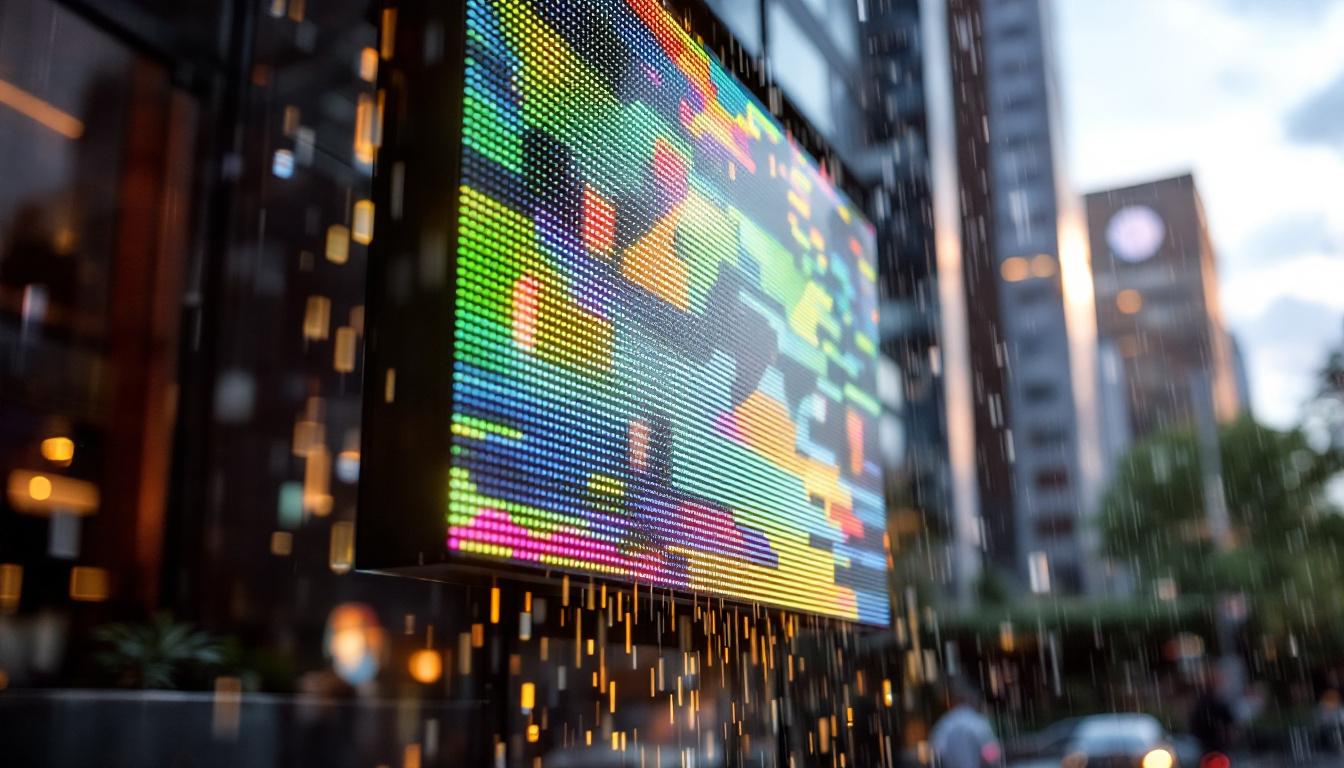
Large LED-backlit LCD panels dominate the digital signage market due to their brightness, reliability, and ability to display dynamic content. Retailers, shopping malls, airports, and transit stations use these displays to capture attention and convey information effectively. The high brightness ensures visibility even in outdoor or high-ambient-light environments.
Corporate and Educational Environments
In corporate boardrooms and educational institutions, large LCD panels with LED backlighting serve as essential tools for presentations, video conferencing, and interactive learning. Their sharp images and color fidelity make them suitable for detailed charts, videos, and collaborative work.
Broadcast and Control Rooms
Broadcast studios and control rooms rely on large, high-quality displays to monitor multiple video feeds and critical data streams. LED-backlit LCD panels offer the clarity and color accuracy needed for these demanding applications, ensuring operators can make timely and informed decisions.
Medical Imaging
In healthcare, large LCD panels with LED backlighting are used for diagnostic imaging and surgical displays. The precise color reproduction and high contrast levels help medical professionals interpret images accurately, which can be vital for patient outcomes.
Future Trends and Innovations
Mini-LED and Micro-LED Technologies
Emerging technologies like Mini-LED and Micro-LED are pushing the boundaries of LED backlighting. Mini-LED uses thousands of tiny LEDs as backlight sources, allowing for even finer local dimming zones and improved contrast. Micro-LED technology, still in development for large displays, promises self-emissive pixels that combine the best features of OLED and LED, including perfect blacks, high brightness, and long lifespan.
Integration with Smart Technologies
Large LCD panels are increasingly integrated with smart features such as touch interactivity, AI-based content management, and IoT connectivity. These enhancements make LED-backlit LCD panels even more versatile, allowing businesses to deliver personalized and dynamic content efficiently.
Sustainability and Eco-Friendly Designs
As environmental concerns grow, manufacturers are focusing on creating more sustainable large LCD panels. This includes using recyclable materials, reducing power consumption, and improving manufacturing processes to lower the carbon footprint of these displays.
Conclusion
Large LCD panels with LED backlighting represent a mature and continually evolving technology that meets the demanding needs of modern display applications. Their combination of brightness, energy efficiency, color accuracy, and design flexibility makes them indispensable in sectors ranging from advertising and corporate communications to healthcare and broadcasting.
Understanding the underlying technology of LED backlighting and its advantages helps businesses and consumers make informed decisions when selecting large-format displays. As innovations like Mini-LED and Micro-LED come to market, the future of large LCD panels promises even greater performance and versatility, solidifying their role in the visual communication landscape for years to come.
Explore Cutting-Edge LED Display Solutions with LumenMatrix
Ready to elevate your visual communication with the latest in LED display technology? LumenMatrix is at the forefront of innovation, offering a diverse range of LED display modules designed to make your brand stand out. From Indoor and Outdoor LED Wall Displays to specialized solutions like Vehicle LED Displays, LED Posters, and even Custom LED Displays, we have the tools to create immersive and engaging visual experiences. Discover how our mission-driven approach can transform your messaging and captivate your audience. Check out LumenMatrix LED Display Solutions today and step into the future of digital signage.