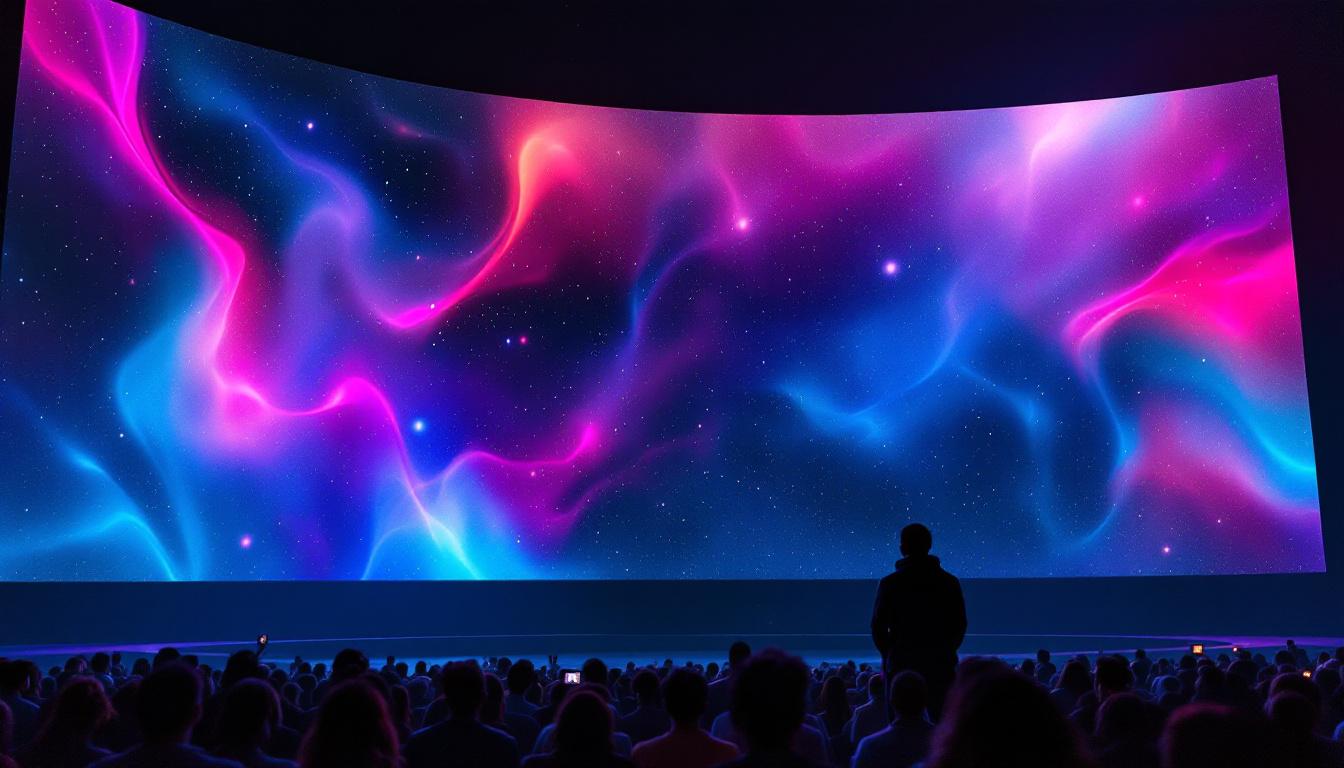
The cinematic experience has evolved dramatically over the past century, from grainy black-and-white films projected onto small screens to immersive, high-definition spectacles that captivate audiences worldwide. At the heart of this evolution lies the quest for bigger, brighter, and more vivid displays. Today, the world’s largest cinema screens are no longer limited by traditional projection technology; instead, they are powered by cutting-edge LED displays that redefine what it means to watch a movie.
This article delves into the fascinating world of LED cinema screens, exploring how they work, why they are revolutionizing the movie-going experience, and which installations currently hold the record for the largest screens on the planet.
The Rise of LED Technology in Cinemas
From Projection to LED: A Paradigm Shift
For decades, movie theaters relied on projection systems that cast images onto large white screens. While this method has served the industry well, it comes with inherent limitations, including dependence on ambient light conditions, screen reflectivity, and the degradation of image quality over time. In contrast, LED (Light Emitting Diode) technology offers a self-illuminating display, where each pixel emits its own light, resulting in unparalleled brightness, contrast, and color accuracy.
The transition to LED cinema screens marks a paradigm shift. Unlike traditional projectors that bounce light off a screen, LED displays create images directly, eliminating issues such as screen glare and shadow interference. This technology enables theaters to deliver brighter images that remain vibrant even in well-lit environments, enhancing visibility and immersion. Moreover, the compact nature of LED panels allows for innovative screen designs, such as curved or even flexible displays, which can create a more engaging viewing experience by wrapping the image around the audience and drawing them deeper into the film’s world.
Technical Advantages of LED Displays
LED screens bring several technical advantages to cinema settings. First, their brightness levels can reach up to 1,000 nits or more, significantly surpassing the typical 14-20 foot-lamberts brightness of traditional cinema projectors. This means images are clearer and more vivid, even in larger venues. The ability to maintain consistent brightness across the entire screen also means that audiences can enjoy the same high-quality visuals regardless of where they are seated, eliminating the common issue of dimmer images at the edges of projection screens.
Second, LED displays offer superior contrast ratios. Because LEDs can be turned off individually, true blacks can be achieved, enhancing the depth and realism of dark scenes. This is a critical factor in delivering the director’s intended visual narrative. In genres such as horror or thriller, where shadows play a significant role in storytelling, the ability to produce deep blacks can dramatically enhance the tension and atmosphere of the film. Furthermore, LED technology reduces the flicker that can sometimes accompany traditional projectors, leading to a more comfortable viewing experience, especially during long films.
Finally, LED screens boast exceptional color accuracy and a wider color gamut. This allows for richer and more lifelike colors, which is particularly important for movies that rely heavily on visual effects and color grading. The precision of LED technology ensures that filmmakers’ artistic intentions are preserved, making it possible for audiences to experience the film exactly as it was meant to be seen. Additionally, the longevity of LED technology means that theaters can maintain these high standards over time, as LED screens have a longer lifespan and require less frequent replacement compared to traditional projection systems, ultimately leading to cost savings for cinema operators.
World’s Largest Cinema LED Screens: Record-Breaking Installations
Samsung’s Onyx LED Screen: A New Standard
One of the most notable examples of LED cinema technology is Samsung’s Onyx LED screen, which debuted in 2018. The Onyx screen measures approximately 10.3 meters wide by 5.4 meters tall (about 34 by 18 feet), making it significantly larger than many traditional cinema screens. It quickly set a new standard for image quality in commercial theaters.
Samsung’s Onyx screens have been installed in numerous cinemas worldwide, including flagship locations in Los Angeles and London. These installations showcase the potential of LED technology to transform the movie-watching experience with stunning visuals and enhanced brightness.
IMAX’s Shift to LED: The Ultimate Immersive Experience
IMAX, a pioneer in large-format cinema, has also embraced LED technology. In 2021, IMAX unveiled its first commercial LED cinema screen at the TCL Chinese Theatre in Los Angeles. This screen measures an astounding 10.3 meters by 5.4 meters, matching Samsung’s Onyx dimensions but with proprietary IMAX enhancements.
IMAX’s LED screen offers a resolution of 4K and delivers up to 31 foot-lamberts of brightness, which is more than double that of traditional IMAX projection systems. The screen’s modular design allows for seamless assembly and maintenance, ensuring consistent performance.
The Largest LED Cinema Screen: The Kinepolis Madrid Giant
While Samsung and IMAX have made significant strides, the world’s largest LED cinema screen is currently found at Kinepolis Madrid in Spain. This colossal screen measures approximately 25 meters wide by 13 meters tall (82 by 43 feet), dwarfing most cinema screens globally.
The Kinepolis Madrid screen uses advanced LED technology to deliver 4K resolution and brightness levels that exceed conventional standards. It is designed to accommodate large audiences while maintaining exceptional image quality across the entire viewing area, ensuring every seat offers an immersive experience.
How LED Cinema Screens Work: A Closer Look
Modular LED Panels: Building Blocks of Giant Screens
Large LED cinema screens are constructed from numerous smaller modular panels. Each panel contains thousands of tiny LEDs arranged in a grid, which collectively form the pixels of the display. These panels are seamlessly connected to create a continuous, high-resolution image.
The modular nature of LED screens allows for flexible sizing and aspect ratios, enabling theaters to customize their screens according to the venue’s specifications. Additionally, this design facilitates easier maintenance, as individual panels can be replaced or repaired without dismantling the entire screen.
Pixel Pitch and Resolution
Pixel pitch—the distance between the centers of adjacent pixels—is a critical factor in LED screen quality. Smaller pixel pitches result in higher resolution and sharper images, especially important for cinema screens viewed at close to medium distances.
Modern cinema LED screens typically feature pixel pitches ranging from 1.2 mm to 2.5 mm, allowing for 4K or even 8K resolutions on large-format displays. This ensures that images remain crisp and detailed, even on massive screens.
Color Calibration and Processing
To achieve accurate and consistent color reproduction, LED cinema screens undergo rigorous calibration. Advanced color processing algorithms adjust brightness, contrast, and color balance in real-time, adapting to the content and ambient conditions.
These calibration processes are essential for maintaining the director’s artistic vision and ensuring that every frame looks as intended. The result is a cinematic experience that is both visually stunning and true to the source material.
Benefits of LED Cinema Screens for Audiences and Theaters
Enhanced Viewing Experience
For moviegoers, LED cinema screens offer a dramatically enhanced viewing experience. The increased brightness and contrast make images more vivid and lifelike, while the wider color gamut adds depth and realism. This is especially noticeable in 3D films, where LED screens reduce crosstalk and ghosting, improving image clarity and comfort.
Moreover, LED screens eliminate the flickering and light leakage associated with traditional projection, resulting in a smoother and more immersive experience.
Operational Advantages for Theaters
Theaters benefit from LED technology through reduced maintenance costs and increased energy efficiency. Unlike projectors that require frequent bulb replacements and calibration, LED screens have longer lifespans and lower power consumption.
Additionally, LED screens enable theaters to operate in a wider range of lighting conditions, allowing for more flexible scheduling and event hosting. This versatility can open new revenue streams, such as live broadcasts, esports events, and corporate presentations.
Environmental Impact
LED technology is also more environmentally friendly compared to traditional projection systems. The longer lifespan and lower energy consumption contribute to reduced carbon footprints for cinemas. As sustainability becomes a priority in the entertainment industry, LED cinema screens represent a forward-thinking choice.
Challenges and Future Trends in LED Cinema Displays
Initial Cost and Installation Complexity
Despite their advantages, LED cinema screens come with higher upfront costs compared to traditional projectors. The complexity of installation, including structural support and precise calibration, requires specialized expertise and investment.
However, as the technology matures and economies of scale improve, costs are expected to decrease, making LED screens more accessible to a broader range of theaters.
Advancements in MicroLED and Beyond
The future of cinema display technology lies in innovations such as MicroLED, which promises even higher resolution, brightness, and energy efficiency. MicroLED technology uses microscopic LEDs to create displays with exceptional image quality and durability.
Research is also ongoing into flexible and curved LED screens that can further enhance immersion by wrapping around the audience’s field of view. These advancements could redefine the cinematic experience in the coming decades.
Integration with Immersive Technologies
LED cinema screens are increasingly being integrated with immersive technologies like augmented reality (AR) and virtual reality (VR). Combining LED displays with spatial audio and interactive elements can create multi-sensory experiences that engage audiences on new levels.
This convergence of technologies will likely shape the future of entertainment, blending traditional cinema with interactive storytelling and live events.
Conclusion: The Future of Cinema is Bright with LED
The world’s largest cinema screens, powered by LED technology, represent a significant leap forward in the art and science of movie presentation. By delivering brighter, sharper, and more vibrant images, LED displays elevate the cinematic experience to unprecedented heights.
As more theaters adopt LED screens and the technology continues to advance, audiences can look forward to increasingly immersive and visually stunning films. The marriage of LED technology with innovative content and immersive experiences promises a bright future for cinemas worldwide, ensuring that the magic of the movies continues to captivate generations to come.
Experience the Future of Visual Entertainment with LumenMatrix
Ready to witness the unparalleled clarity and immersive experiences that LED technology brings to the silver screen? LumenMatrix is at the forefront of this revolution, offering a diverse range of LED display solutions tailored to meet the demands of modern cinemas and beyond. From Indoor and Outdoor LED Walls to Custom and All-in-One LED Displays, our products are designed to transform any space into a captivating visual spectacle. Don’t miss out on the opportunity to elevate your cinematic experience. Check out LumenMatrix LED Display Solutions today and be part of the future of visual storytelling.