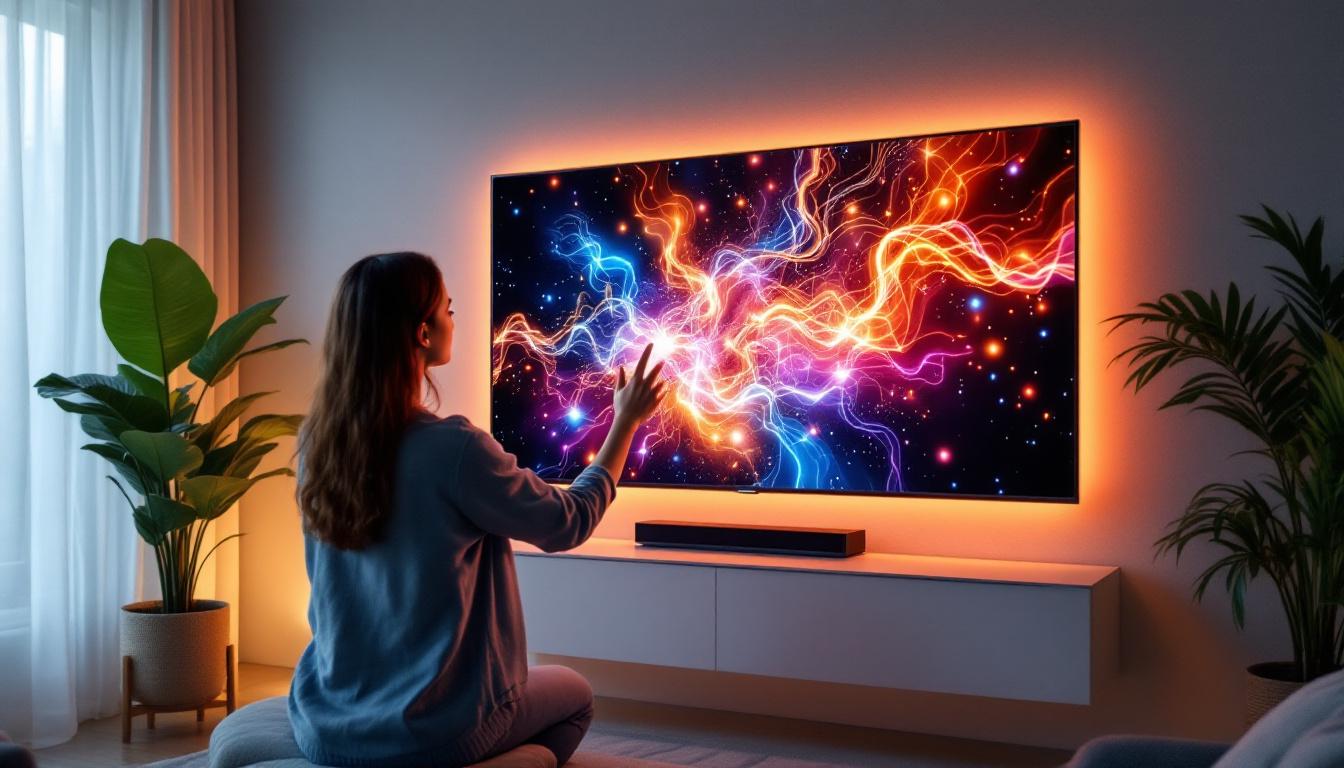
Interactive Touch Screen TV: LED Display Explained
In the rapidly evolving world of display technology, interactive touch screen TVs with LED displays have become a centerpiece of modern entertainment, education, and business environments. Combining vibrant visuals with intuitive touch capabilities, these devices are transforming how users engage with content. This article delves into the technology behind interactive touch screen TVs, focusing on LED displays, their benefits, applications, and what sets them apart from other display types.
Understanding LED Display Technology
What is an LED Display?
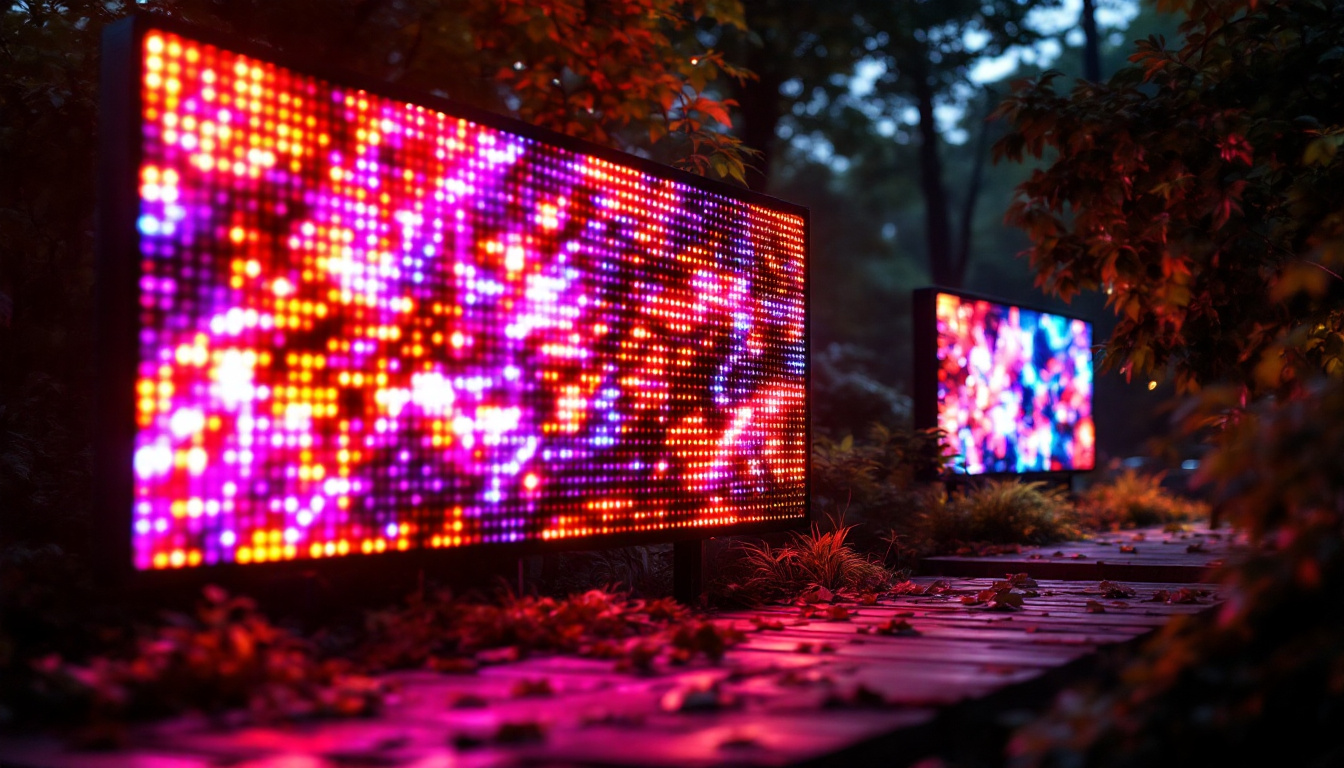
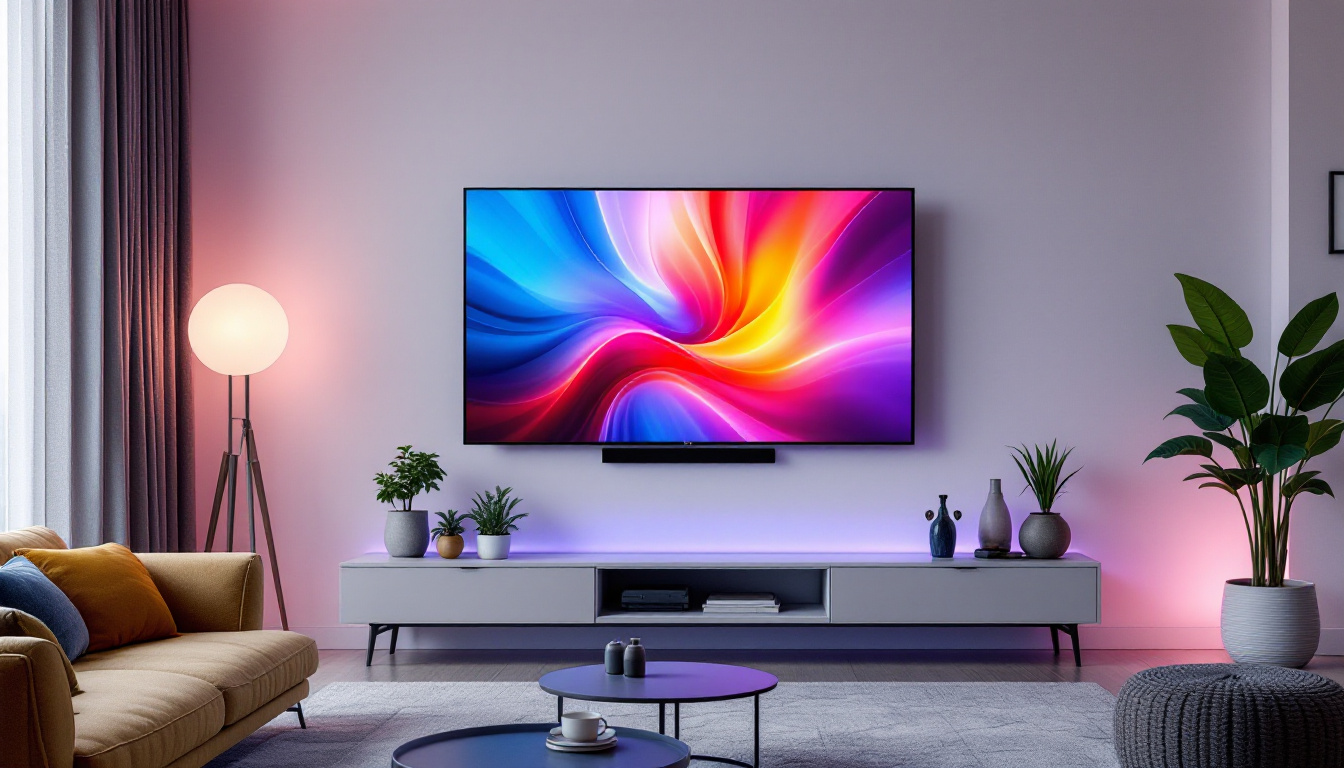
LED, or Light Emitting Diode, displays use a matrix of tiny light-emitting diodes as pixels to create images. Unlike traditional LCD screens that rely on a backlight, LED displays illuminate each pixel individually, resulting in higher brightness, better contrast, and more vivid colors. This technology has become the standard for many modern TVs due to its energy efficiency and superior picture quality.
LED displays come in various forms, including edge-lit, direct-lit, and full-array backlighting. Full-array LED TVs, for example, feature LEDs spread evenly behind the screen, allowing for precise local dimming and enhanced contrast ratios. This capability is crucial for delivering deep blacks and vibrant highlights, which significantly improve the viewing experience. Additionally, advancements in LED technology have led to the development of microLED displays, which utilize microscopic LEDs to create even more precise images and potentially revolutionize the way we view content by allowing for flexible screen designs and ultra-thin profiles.
How LED Displays Differ from Other Technologies
Compared to OLED (Organic Light Emitting Diode) and QLED (Quantum Dot LED) technologies, traditional LED displays offer a balanced combination of affordability and performance. OLEDs provide perfect blacks and wide viewing angles but often come at a higher price point and potential longevity concerns. QLEDs enhance color accuracy and brightness through quantum dot layers but still rely on LED backlighting. The competition among these technologies has driven innovation, resulting in features like HDR (High Dynamic Range) support, which enhances the overall viewing experience by expanding the range of colors and brightness levels displayed.
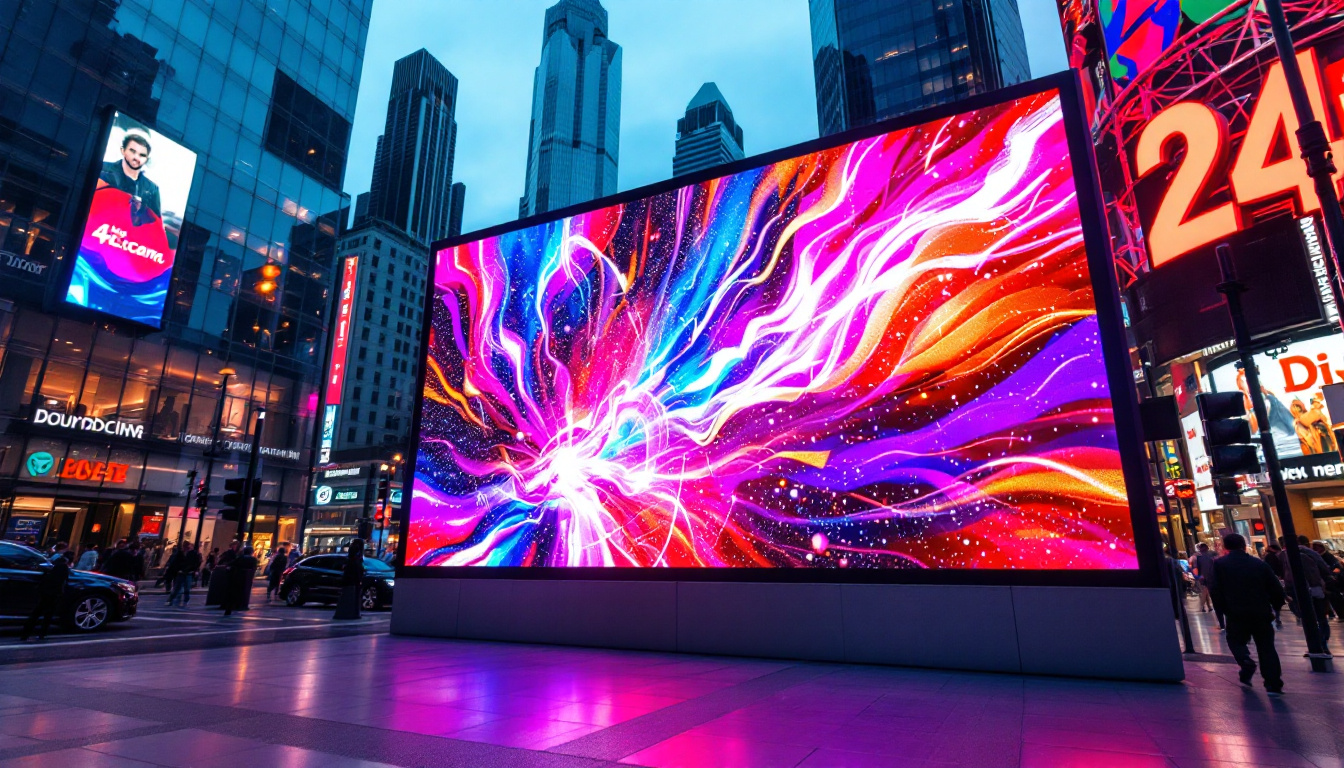
LED displays maintain a strong position in the market due to their durability, energy efficiency, and scalability. For interactive touch screen TVs, these factors are critical because the devices often require extended usage periods and responsiveness without sacrificing image quality. Furthermore, the versatility of LED technology allows it to be used in a wide range of applications beyond televisions, including digital signage, large-scale outdoor displays, and even in automotive lighting. As the demand for high-quality visual experiences continues to grow, LED technology is poised to adapt and evolve, ensuring it remains at the forefront of display innovation.
The Evolution of Interactive Touch Screen TVs
From Passive Viewing to Active Engagement
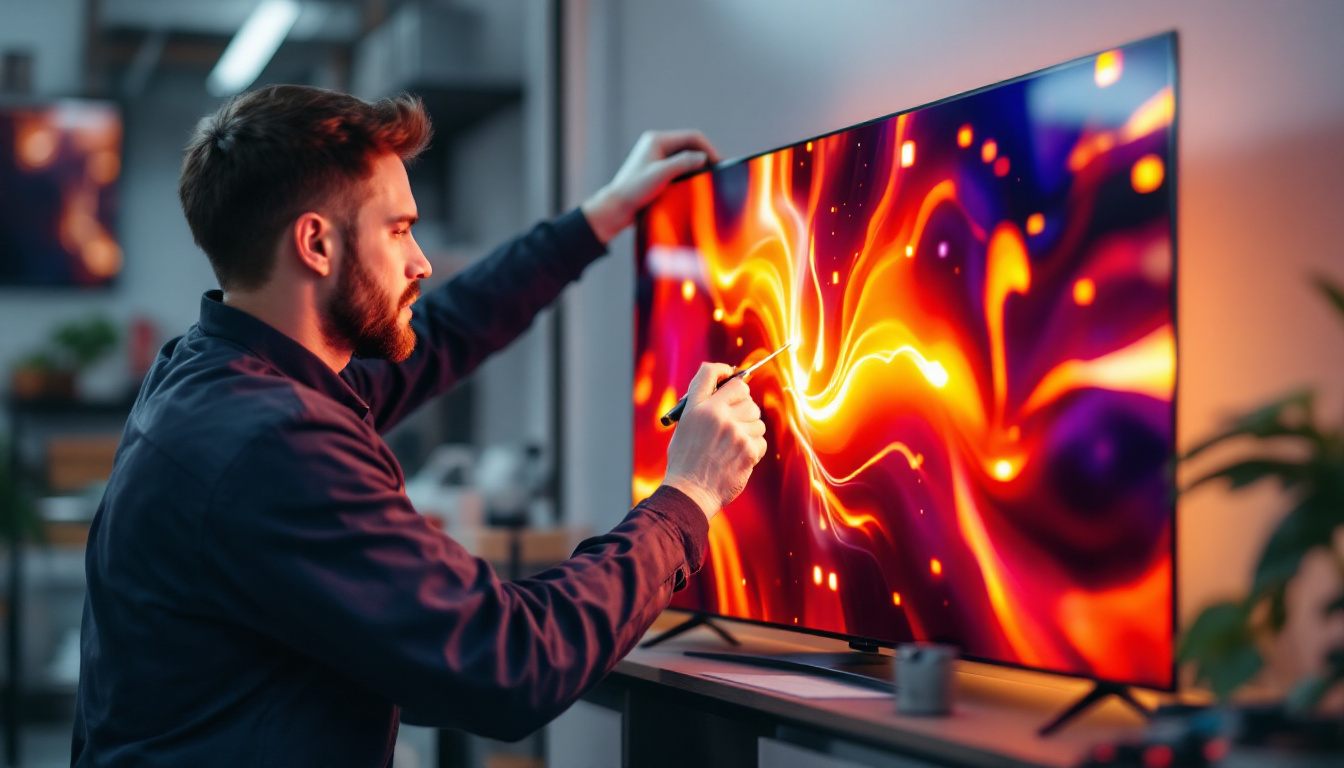
Traditional TVs have long been designed for passive content consumption, but interactive touch screen TVs have shifted this paradigm. By integrating touch-sensitive layers over LED panels, these devices allow users to interact directly with the screen, much like smartphones and tablets. This interactivity opens new possibilities for gaming, presentations, educational tools, and smart home control. Imagine a family gathered around the TV, not just watching a movie, but also engaging with interactive content that allows them to choose alternate storylines or answer trivia questions related to the film. This level of engagement transforms the viewing experience into an immersive event.
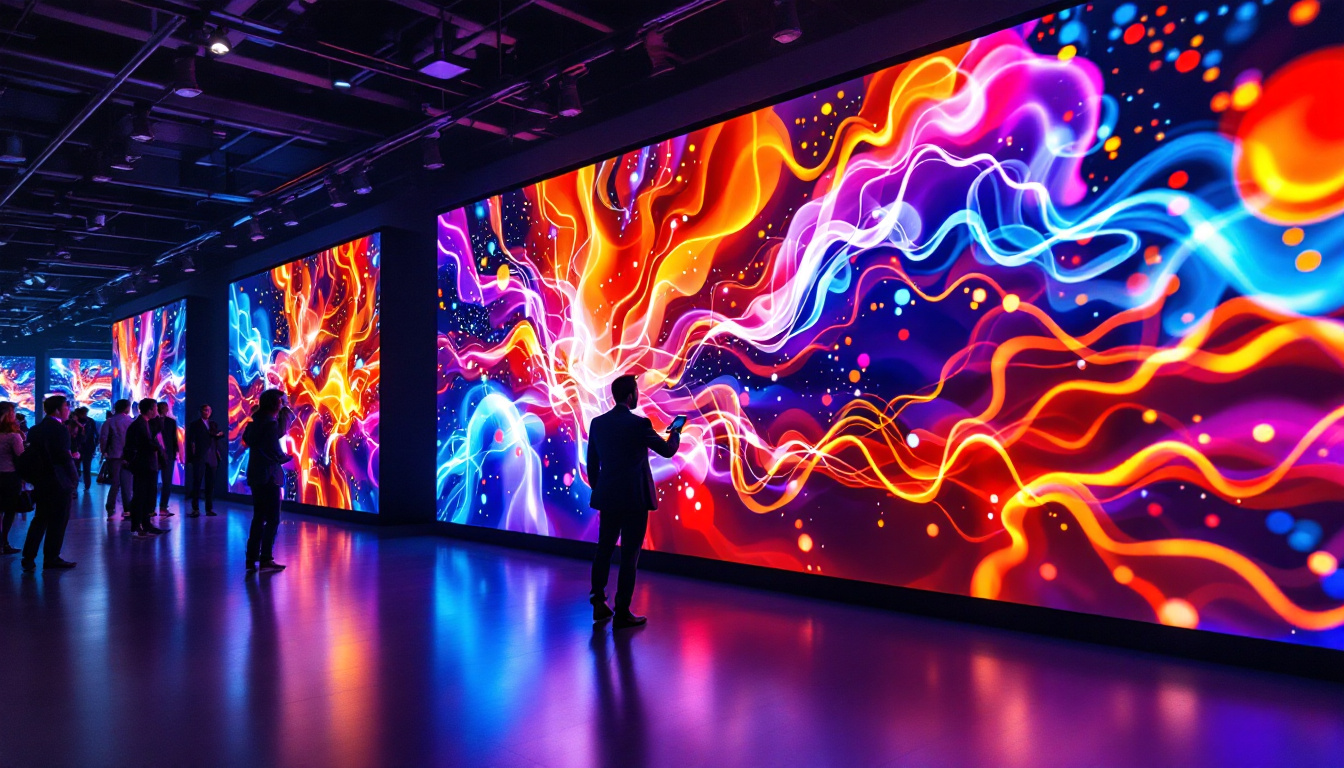
Recent advancements in capacitive and infrared touch technologies have enhanced the accuracy and responsiveness of touch screen TVs. Capacitive touch screens, which detect electrical signals from the human body, offer multi-touch capabilities and smooth gesture recognition. Infrared touch systems, on the other hand, use a grid of light beams to detect touch points, allowing for larger screen sizes without compromising sensitivity. These innovations have paved the way for applications in diverse fields, from interactive museum exhibits that allow visitors to explore artifacts in detail to corporate boardrooms where touch screens facilitate dynamic presentations and brainstorming sessions.
Key Features of Modern Interactive Touch Screen TVs
Modern interactive touch screen TVs combine several features that make them versatile and user-friendly:
- Multi-touch Support: Enables multiple users to interact simultaneously, ideal for collaborative environments.
- High Resolution: 4K and even 8K displays provide crisp visuals that enhance both entertainment and productivity.
- Smart Connectivity: Integration with Wi-Fi, Bluetooth, and smart home ecosystems allows seamless content sharing and device control.
- Built-in Software: Many models come with pre-installed applications for video conferencing, digital whiteboarding, and media streaming.
- Durability and Anti-glare Coatings: Designed for frequent touch use and varied lighting conditions.
Additionally, many modern interactive touch screen TVs are equipped with voice recognition technology, allowing users to navigate menus and control functions hands-free. This feature is particularly beneficial in smart home setups, where users can command their devices without needing to physically interact with the screen. Furthermore, advancements in artificial intelligence are enabling these TVs to learn user preferences over time, suggesting content based on viewing habits and even adjusting settings to optimize the viewing experience. As technology continues to advance, the potential for interactive touch screen TVs seems limitless, promising to redefine how we consume and interact with media.
Moreover, the integration of augmented reality (AR) capabilities is beginning to emerge in some models, allowing users to overlay digital information onto their physical environment. This could revolutionize educational content, enabling students to visualize complex scientific concepts or historical events right in their living rooms. As these technologies become more mainstream, we can expect to see a shift in how educational institutions and businesses utilize touch screen TVs, transforming them into powerful tools for learning and collaboration. The future of interactive touch screen TVs is not just about enhanced viewing experiences; it’s about creating a more connected and engaging world.
Benefits of LED-Based Interactive Touch Screen TVs
Enhanced Visual Experience
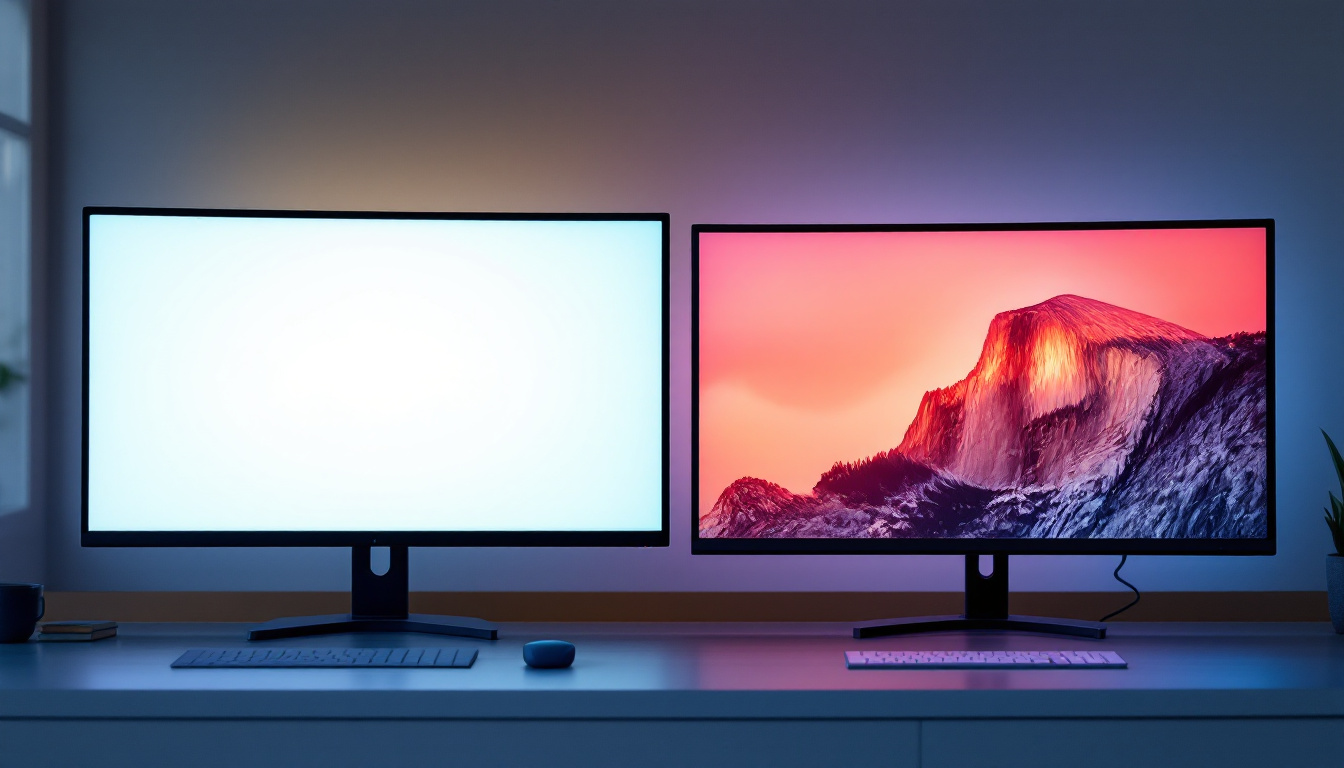
LED technology ensures that interactive touch screen TVs deliver bright, clear images with excellent color accuracy. This visual fidelity is essential for applications such as graphic design, medical imaging, and immersive gaming, where detail and color precision matter. The ability to display HDR (High Dynamic Range) content further enriches the viewing experience by expanding contrast and color ranges.
Improved User Interaction and Accessibility
Touch screen functionality transforms the TV from a passive device into an interactive hub. This is particularly beneficial in educational settings, where teachers and students can engage directly with digital content, making lessons more dynamic and accessible. In corporate environments, interactive TVs facilitate collaborative meetings, brainstorming sessions, and presentations, reducing reliance on external devices like projectors and whiteboards.
Moreover, touch screens can enhance accessibility for users with disabilities by supporting voice commands, gesture controls, and customizable interfaces.
Energy Efficiency and Longevity
LED displays consume less power compared to older LCD and plasma technologies, which translates into lower energy costs over time. Their solid-state nature also means fewer moving parts, reducing the risk of mechanical failure and extending the lifespan of the device. For businesses and institutions investing in interactive touch screen TVs, this reliability is a significant advantage.
Applications of Interactive Touch Screen TVs with LED Displays
Education and Training
Interactive touch screen TVs have revolutionized classroom dynamics by enabling interactive lessons, real-time quizzes, and multimedia presentations. According to a 2023 report by the Education Technology Association, schools that integrated interactive displays saw a 30% increase in student engagement and a 25% improvement in information retention.
Training programs in corporate and technical fields also benefit from these displays by providing hands-on simulations and collaborative problem-solving environments. The ability to annotate directly on the screen during sessions enhances comprehension and participation.
Corporate and Business Use
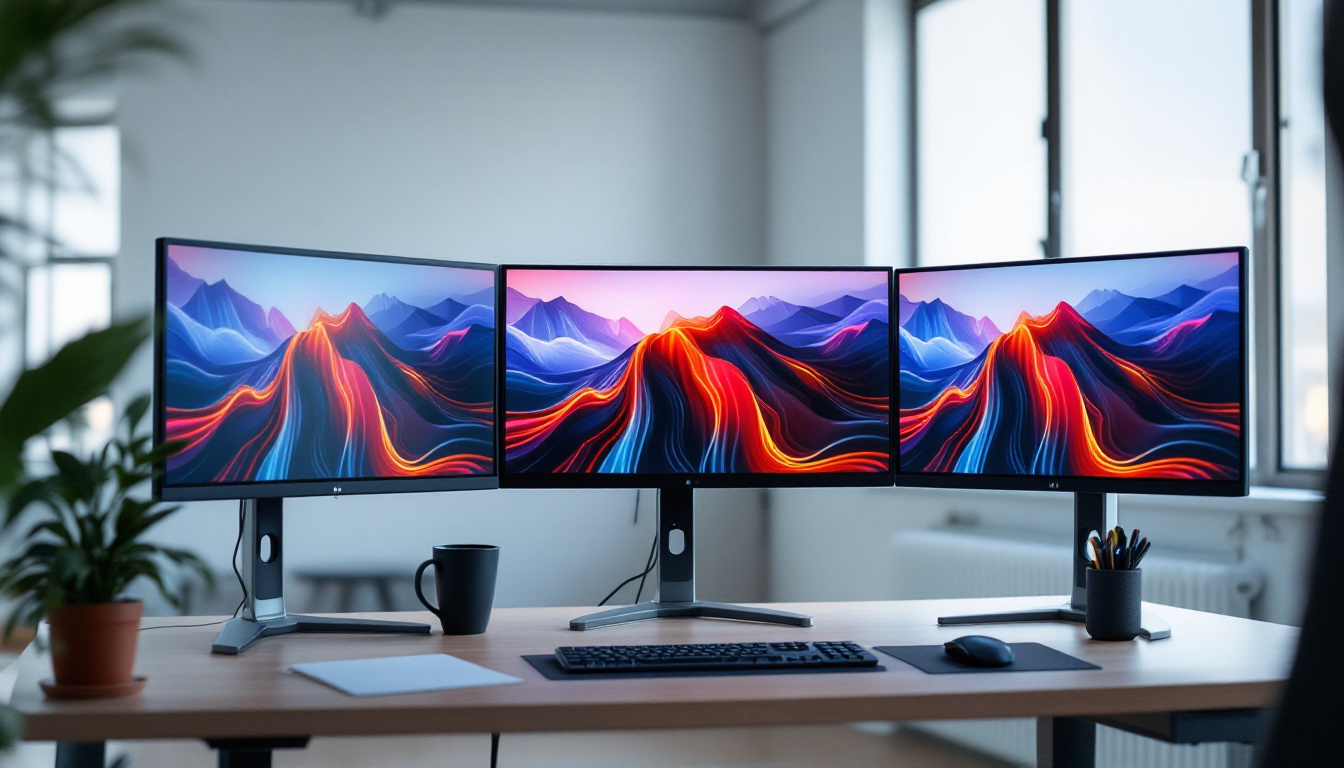
In business settings, interactive touch screen TVs streamline communication and collaboration. Video conferencing with integrated touch controls allows participants to share documents, highlight key points, and brainstorm visually. This reduces meeting times and improves decision-making efficiency.
Retail environments use interactive displays for digital signage, product demonstrations, and customer engagement. The tactile experience encourages customers to explore products and services more deeply, often leading to increased sales and brand loyalty.
Home Entertainment and Smart Living
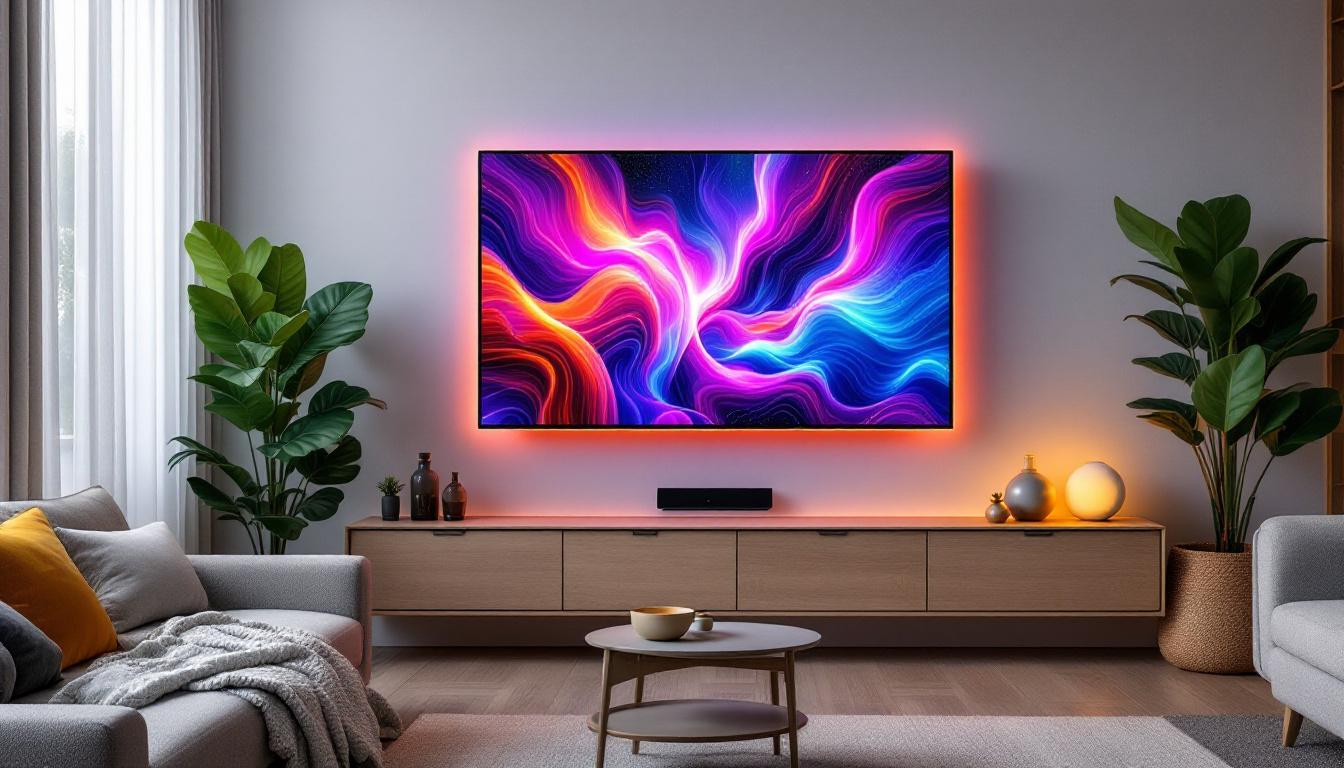
For consumers, interactive touch screen TVs offer a new level of control over entertainment and smart home devices. Users can navigate streaming platforms, control lighting and climate systems, and even play interactive games directly on the TV screen. The integration of voice assistants and gesture controls further enhances convenience.
As home theaters become more sophisticated, LED-based interactive TVs provide the visual quality and responsiveness needed for immersive experiences.
Choosing the Right Interactive Touch Screen TV
Key Considerations
When selecting an interactive touch screen TV, several factors should be taken into account to ensure it meets specific needs:
- Screen Size and Resolution: Larger screens with higher resolutions are preferable for detailed work and group viewing.
- Touch Technology: Capacitive touch screens offer smoother interaction, while infrared may be better for larger displays.
- Connectivity Options: Ensure compatibility with existing devices and networks, including HDMI, USB, Wi-Fi, and Bluetooth.
- Software Ecosystem: Check for pre-installed applications and compatibility with third-party software relevant to your use case.
- Durability and Warranty: Consider the build quality and manufacturer support, especially for commercial or educational use.
Future-Proofing Your Investment
Technology is advancing rapidly, so opting for models that support firmware updates and emerging standards can extend the device’s usability. Features like 8K resolution readiness, advanced AI integration, and modular components are becoming more common and may be worth considering for long-term investments.
Conclusion: The Impact of LED-Based Interactive Touch Screen TVs
Interactive touch screen TVs with LED displays represent a significant leap forward in display technology, merging stunning visuals with intuitive user interaction. Their versatility spans education, business, retail, and home entertainment, making them a valuable tool in today’s digital landscape.
By understanding the underlying LED technology, the evolution of touch capabilities, and the practical benefits these devices offer, consumers and organizations can make informed decisions that enhance engagement, productivity, and enjoyment. As LED technology continues to improve, the future of interactive displays promises even more exciting possibilities.
Discover the Future of Interactive Displays with LumenMatrix
Ready to elevate your space with the latest in LED display technology? LumenMatrix is at the forefront of innovation, offering a diverse range of LED display solutions tailored to meet your needs. From captivating Indoor LED Walls to dynamic Outdoor LED Displays, and from mobile Vehicle LED Displays to sleek LED Poster Displays, our products are designed to transform your visual communication and engagement. Experience the power of LED Sports Displays, interactive Floor LED Displays, and the versatility of Custom and All-in-One LED Display options. Don’t miss the chance to see through the lens of the future with our LED Transparent Displays. Check out LumenMatrix LED Display Solutions today and step into a world where your message shines with clarity and impact.