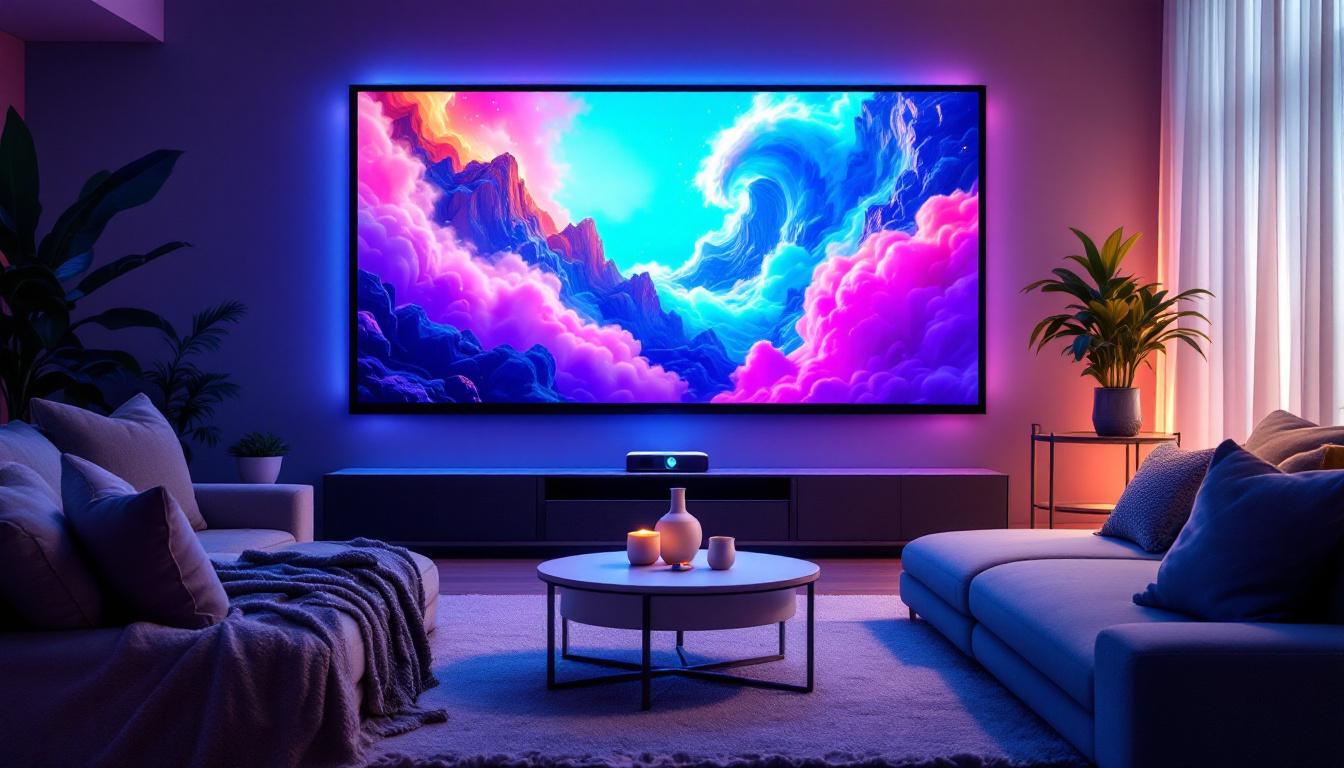
In recent years, the way we consume visual content indoors has evolved dramatically. From home theaters to corporate presentations, the demand for high-quality, reliable display solutions is higher than ever. Among the various options available, indoor projector screens and LED displays stand out as popular choices, each with unique advantages. This article delves into the world of indoor projector screens and LED displays, explaining their technology, benefits, and how to choose the right option for your space.
Understanding Indoor Projector Screens
What Is an Indoor Projector Screen?
An indoor projector screen is a specially designed surface onto which images are projected from a projector. These screens are engineered to optimize image quality by enhancing brightness, contrast, and color accuracy. Unlike simply projecting onto a wall, projector screens provide a smooth, uniform surface that minimizes distortions and improves viewing angles.
Indoor projector screens come in various types, including fixed-frame, retractable, motorized, and portable models. The choice depends on the intended use, room size, and budget. For example, fixed-frame screens are ideal for dedicated home theaters, while motorized screens suit multi-purpose rooms where the screen can be hidden when not in use. Additionally, portable screens are perfect for presentations on the go, allowing users to set up a professional viewing experience in any location, from conference rooms to outdoor events.
Key Features and Materials
The material of the screen plays a critical role in image quality. Most indoor projector screens use matte white or gray surfaces designed to reflect light evenly. Matte white screens are the most common and provide bright, vibrant images under controlled lighting conditions. Gray screens, on the other hand, improve contrast in rooms with ambient light by absorbing excess light and enhancing black levels. Furthermore, some screens are made with specialized materials that can enhance specific viewing experiences, such as 4K or 3D content, ensuring that every detail is captured with stunning clarity.
Another important feature is the screen gain, which measures the reflectivity of the screen surface. A gain of 1.0 means the screen reflects light evenly, while higher gain screens reflect more light, making images appear brighter. However, high gain screens can cause hotspots or uneven brightness, so selecting the right gain depends on your projector’s brightness and room lighting. Additionally, some screens come with advanced coatings that can reduce glare and improve viewing comfort, making them ideal for long movie nights or extended presentations. Understanding these features is essential for selecting the perfect screen that meets your specific viewing needs and enhances your overall experience.
Introduction to LED Displays for Indoor Use
What Is an LED Display?
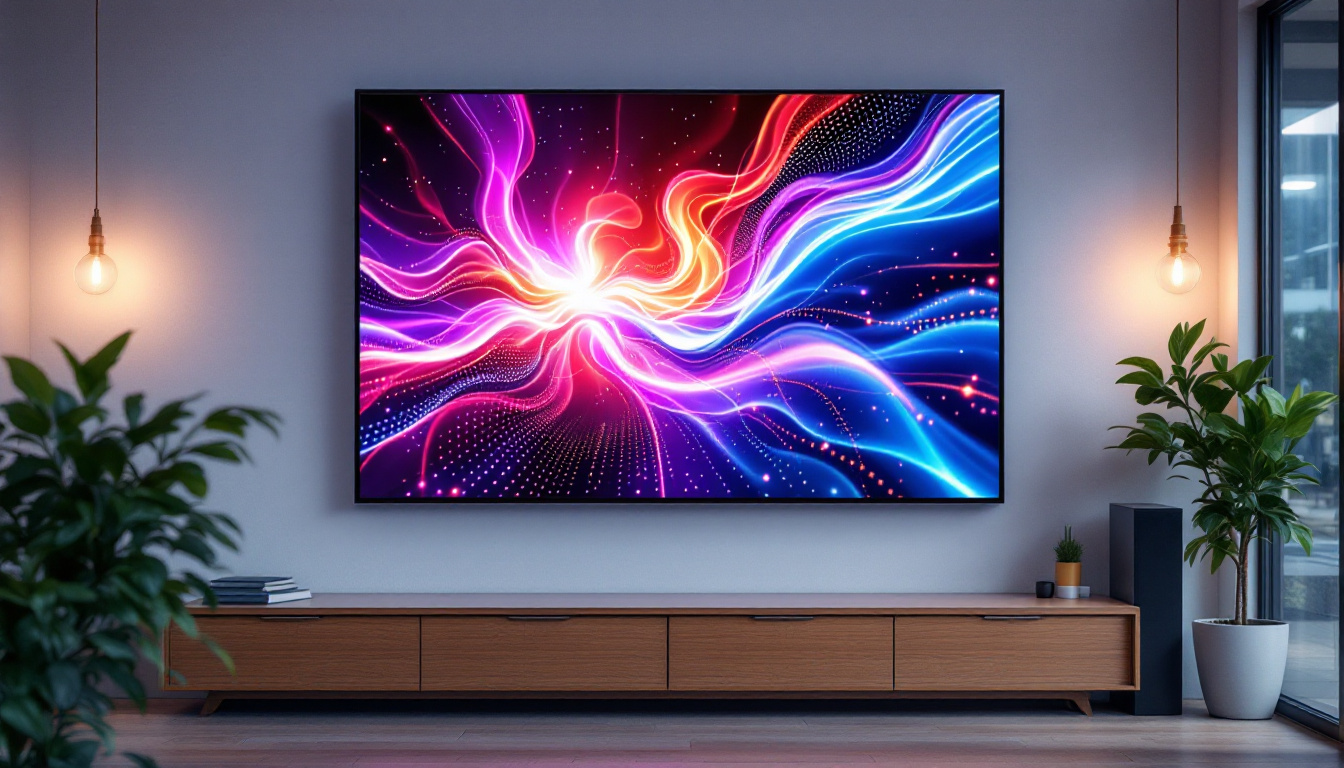
LED (Light Emitting Diode) displays are digital screens composed of thousands of tiny LEDs that emit light individually to form images. Unlike projector screens, LED displays are self-illuminating, meaning they do not require an external light source. This makes them incredibly bright and vibrant, suitable for a wide range of indoor applications from corporate conference rooms to digital signage and home entertainment.
Indoor LED displays vary in pixel pitch, which is the distance between individual LEDs. Smaller pixel pitch means higher resolution and sharper images, making these displays suitable for close-up viewing environments like meeting rooms or retail spaces. This adaptability allows businesses to tailor their visual experiences according to the specific needs of their audience, enhancing engagement and communication.
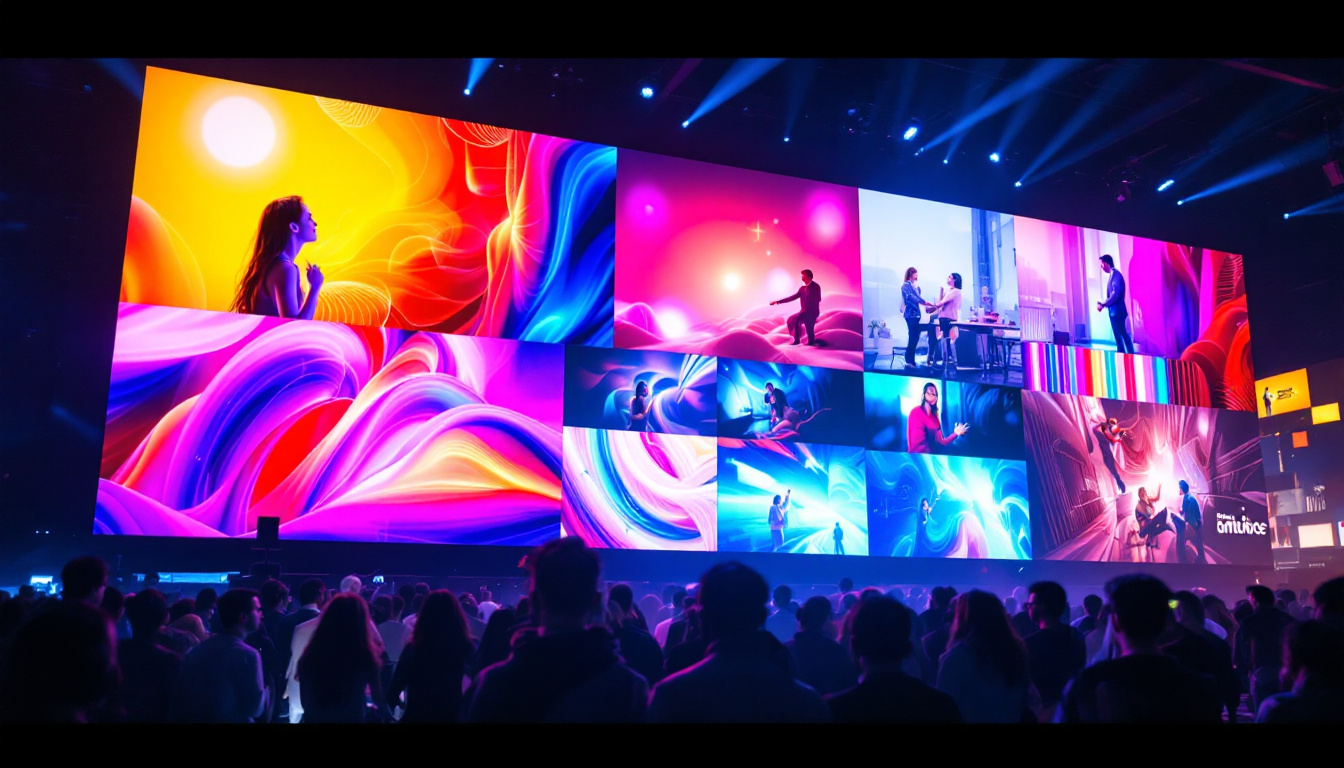
Moreover, the flexibility of LED displays extends beyond pixel pitch; they can be configured in various shapes and sizes, allowing for creative installations that can fit any space. Whether it’s a curved screen for an immersive experience or a large video wall for impactful presentations, the versatility of LED technology opens up endless possibilities for design and functionality.
Advantages of LED Displays Over Traditional Projector Screens
One of the most significant advantages of LED displays is their brightness. Indoor LED screens can reach brightness levels of 1,000 to 2,000 nits or more, far surpassing most projectors. This allows for clear visibility even in brightly lit rooms. The ability to maintain visibility in various lighting conditions makes LED displays ideal for environments where natural light cannot be controlled, such as retail stores or exhibition halls.
LED displays also offer superior contrast ratios and color accuracy. Because each pixel emits its own light, true blacks and vibrant colors are achievable without the light washout common in projector setups. Additionally, LED displays require less maintenance as they do not rely on bulbs or filters that degrade over time. This not only reduces operational costs but also minimizes downtime, ensuring that presentations and displays can run smoothly without unexpected interruptions.
Furthermore, LED technology is energy-efficient, consuming less power compared to traditional projectors, especially when displaying static images or videos. This efficiency not only contributes to lower electricity bills but also aligns with the growing demand for sustainable practices in business operations. As companies increasingly prioritize eco-friendly solutions, LED displays emerge as a smart choice that combines performance with environmental responsibility.
Comparing Indoor Projector Screens and LED Displays
Image Quality and Viewing Experience
Both indoor projector screens and LED displays can deliver impressive image quality, but they excel in different areas. Projector screens, especially when paired with high-end projectors, can produce cinematic experiences with large image sizes and natural color reproduction. However, their performance is highly dependent on ambient lighting conditions and projector quality.
LED displays provide consistent brightness and color regardless of room lighting, making them ideal for environments where controlling light is challenging. The pixel-level illumination also ensures sharp images and excellent contrast, enhancing readability and visual appeal. Furthermore, LED technology allows for deeper blacks and more vibrant colors, creating a more immersive viewing experience that can be particularly advantageous for video games and high-definition movies. In contrast, projectors can sometimes struggle with color accuracy in brightly lit rooms, leading to a less satisfying experience in such conditions.
Installation and Space Considerations
Projector screens typically require sufficient throw distance for the projector to cast a large image. This means the room must be deep enough to accommodate the projector placement and screen size. Additionally, projectors may require ceiling mounts or dedicated shelves, and cables need to be managed carefully. The flexibility of projector placement can be a double-edged sword; while it allows for various configurations, it can also complicate setup, especially in smaller spaces.
LED displays are more compact and can be mounted directly on walls or integrated into furniture, saving space. Their modular design allows for custom sizes and shapes, which is beneficial for unique interior layouts. However, LED displays can be heavier and may require professional installation. Moreover, the ability to create video walls using multiple LED panels can transform a space into a dynamic visual environment, making them a popular choice for businesses and creative installations. This adaptability can also enhance branding opportunities, as companies can showcase their logos or promotional content in eye-catching ways.
Cost and Maintenance
Initial costs for projector screens and projectors are generally lower than high-quality LED displays. Entry-level projectors and screens can be purchased for a few hundred dollars, whereas indoor LED displays typically start in the thousands, depending on size and resolution.
Maintenance costs also differ. Projectors require bulb replacements every few thousand hours and occasional filter cleaning. LED displays have longer lifespans, often exceeding 50,000 hours with minimal maintenance, but repairs can be costly if individual LEDs fail. Additionally, the evolving technology in LED displays means that while they may have a higher upfront cost, their longevity and lower energy consumption can lead to savings over time. This makes them a more sustainable option in the long run, appealing to environmentally conscious consumers and businesses alike. Furthermore, as technology advances, the price of LED displays is gradually decreasing, making them more accessible to a wider audience.
Choosing the Right Indoor Display Solution
Assessing Your Environment and Needs
When deciding between an indoor projector screen and an LED display, consider the environment where the display will be used. For rooms with controlled lighting and a desire for a large, cinematic image, a projector screen is often the best choice. Conversely, spaces with ambient light or where brightness and color consistency are critical may benefit more from an LED display.
Also, think about the primary use case. For example, home theaters, classrooms, and movie screening rooms typically favor projector screens. Meanwhile, conference rooms, retail spaces, and digital signage applications often lean toward LED displays for their clarity and impact.
Budget and Long-Term Investment
Budget constraints will influence the decision significantly. While projectors and screens can be a cost-effective solution upfront, consider the total cost of ownership, including maintenance and potential upgrades. LED displays have higher initial costs but offer durability and lower maintenance, potentially providing better value over time.
It’s also worth factoring in the cost of installation and any necessary room modifications. Professional installation for LED displays can add to the upfront cost, but it ensures optimal performance and longevity.
Future Trends in Indoor Display Technology
Advancements in LED Display Technology
LED technology continues to evolve rapidly. Innovations such as microLED and miniLED promise even higher resolutions, better energy efficiency, and thinner, lighter panels. These advancements will make LED displays more accessible and versatile for indoor use, potentially bridging the gap with projector-based solutions.
Additionally, smart LED displays with integrated content management systems and connectivity options are becoming more common, enabling dynamic and interactive presentations in corporate and retail environments.
Projector Screen Innovations
Projector technology is also advancing, with laser projectors offering brighter images, longer lifespans, and reduced maintenance compared to traditional lamp-based models. New screen materials with ambient light rejection capabilities allow projector screens to perform better in less controlled lighting conditions.
Hybrid solutions combining LED backlighting with projection are emerging, aiming to deliver the best of both worlds—high brightness and large image sizes with improved color and contrast.
Conclusion
Choosing between an indoor projector screen and an LED display depends on multiple factors, including room conditions, intended use, budget, and desired image quality. Projector screens remain a strong choice for immersive, large-format viewing in controlled environments, while LED displays excel in bright, versatile spaces requiring consistent, high-quality visuals.
Understanding the strengths and limitations of each technology empowers consumers and businesses to make informed decisions that enhance their visual experiences. As display technology continues to advance, the options for indoor visual solutions will only become more exciting and tailored to diverse needs.
Explore Cutting-Edge Visual Solutions with LumenMatrix
Ready to elevate your indoor visual experience with the latest in LED display technology? LumenMatrix is at the forefront of innovation, offering an extensive range of LED display solutions designed to captivate and engage your audience. From dynamic Indoor LED Wall Displays to versatile All-in-One LED Displays, our products are crafted to deliver unparalleled brand visibility and transformative visual communications. Discover how LumenMatrix can enhance your space and empower your message. Check out LumenMatrix LED Display Solutions today and step into the future of digital signage.