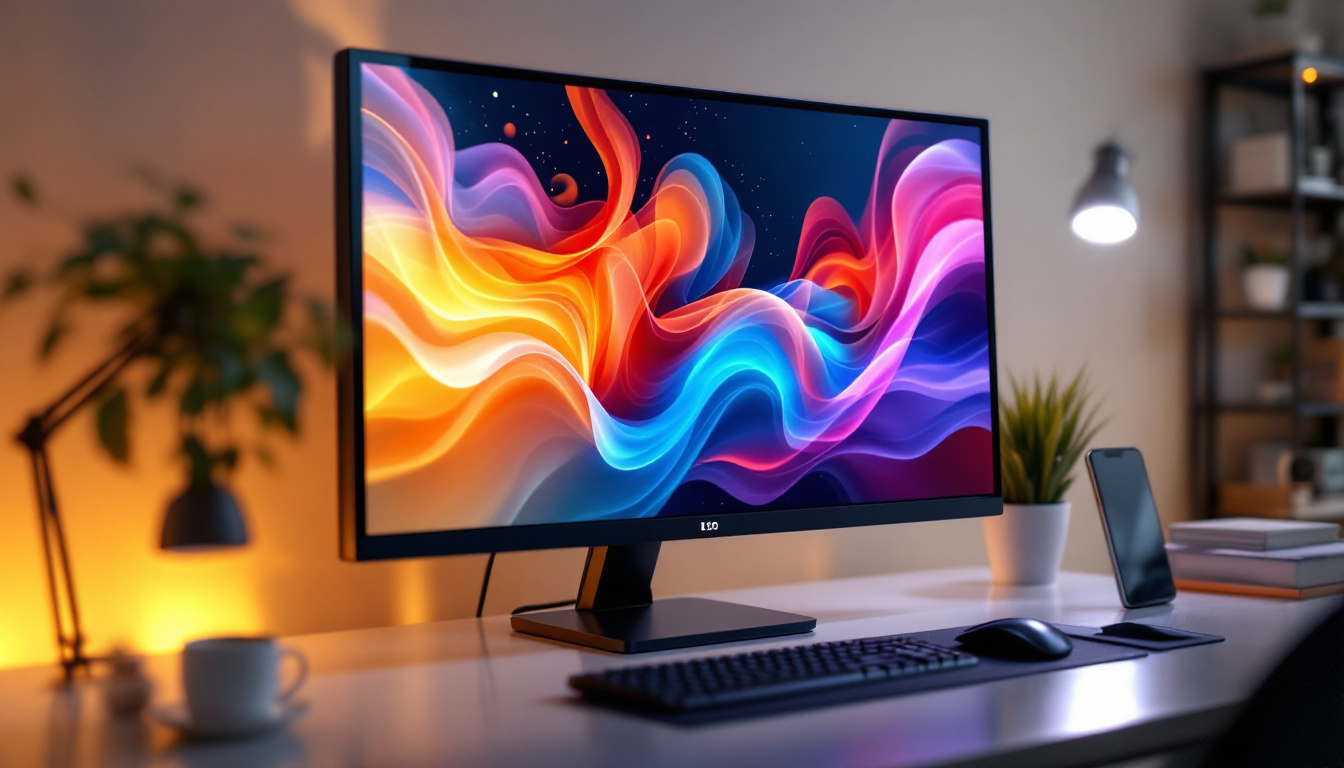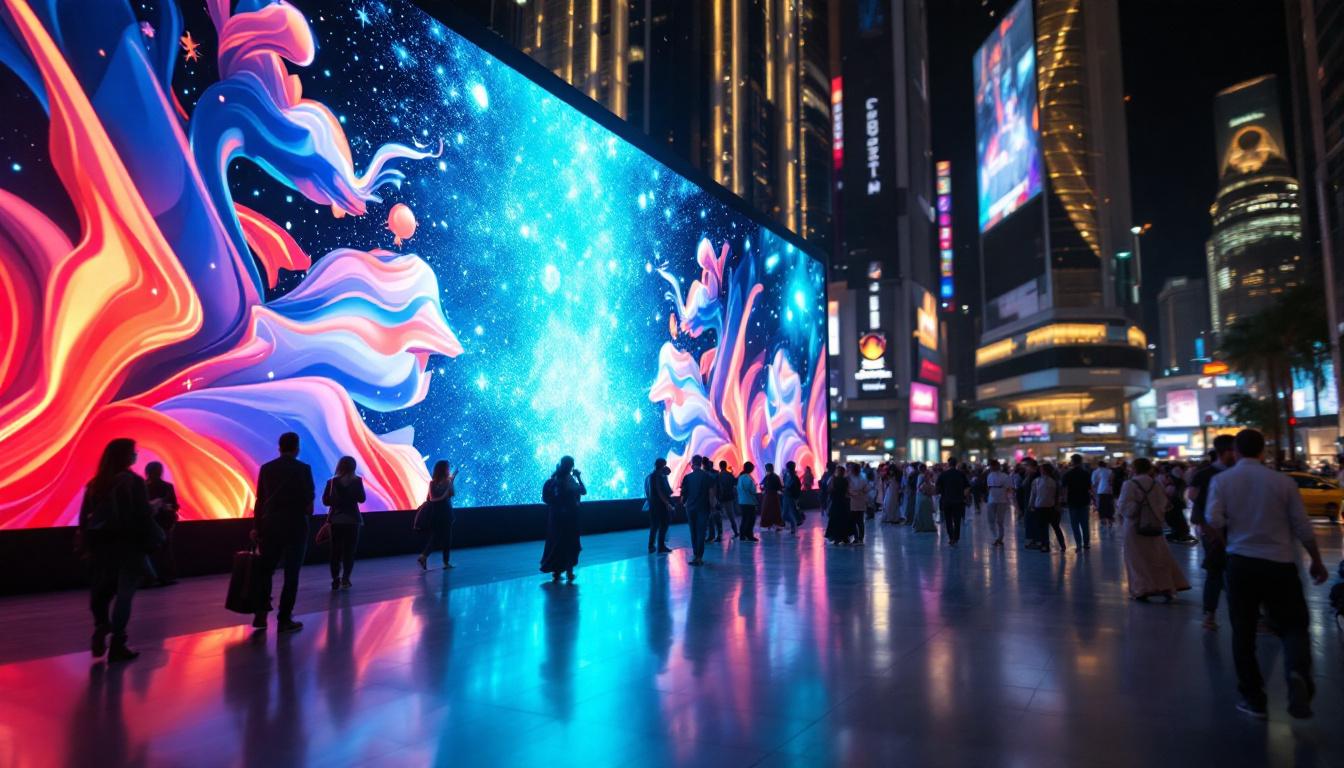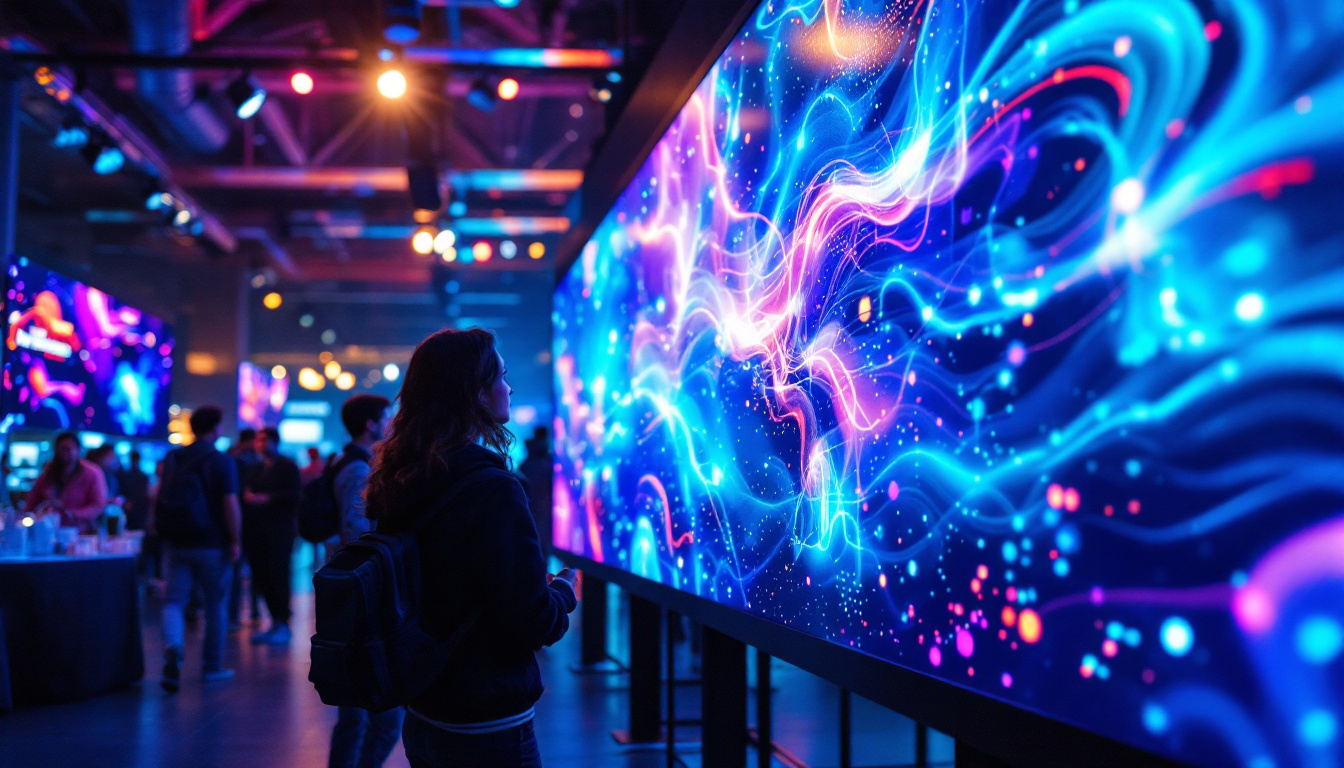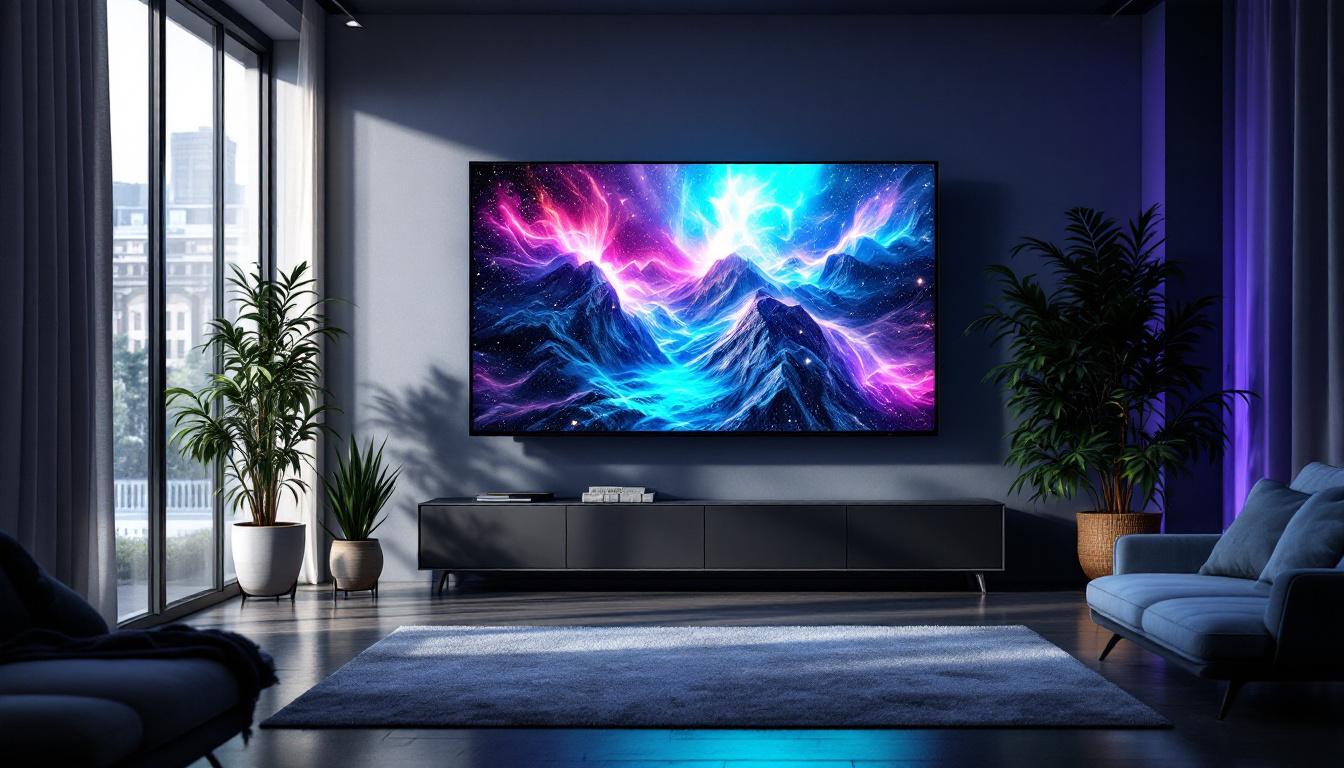
In today’s world of immersive entertainment and professional presentations, the quality and technology of your media room screen can make all the difference. LED displays have emerged as a leading choice for media rooms, offering vibrant colors, high contrast, and exceptional brightness. This article dives deep into the world of LED displays, explaining their technology, advantages, and why they are becoming the go-to solution for media rooms.
Understanding LED Display Technology
LED stands for Light Emitting Diode, a semiconductor device that emits light when an electric current passes through it. Unlike traditional LCD screens that rely on backlighting, LED displays use an array of tiny LEDs to produce images directly. This fundamental difference is key to why LED screens deliver superior picture quality. The efficiency of LED technology also contributes to lower energy consumption, making it an environmentally friendly choice for consumers and businesses alike. As a result, LED displays have become increasingly popular in various applications, from home entertainment systems to large-scale advertising billboards.
How LED Displays Work
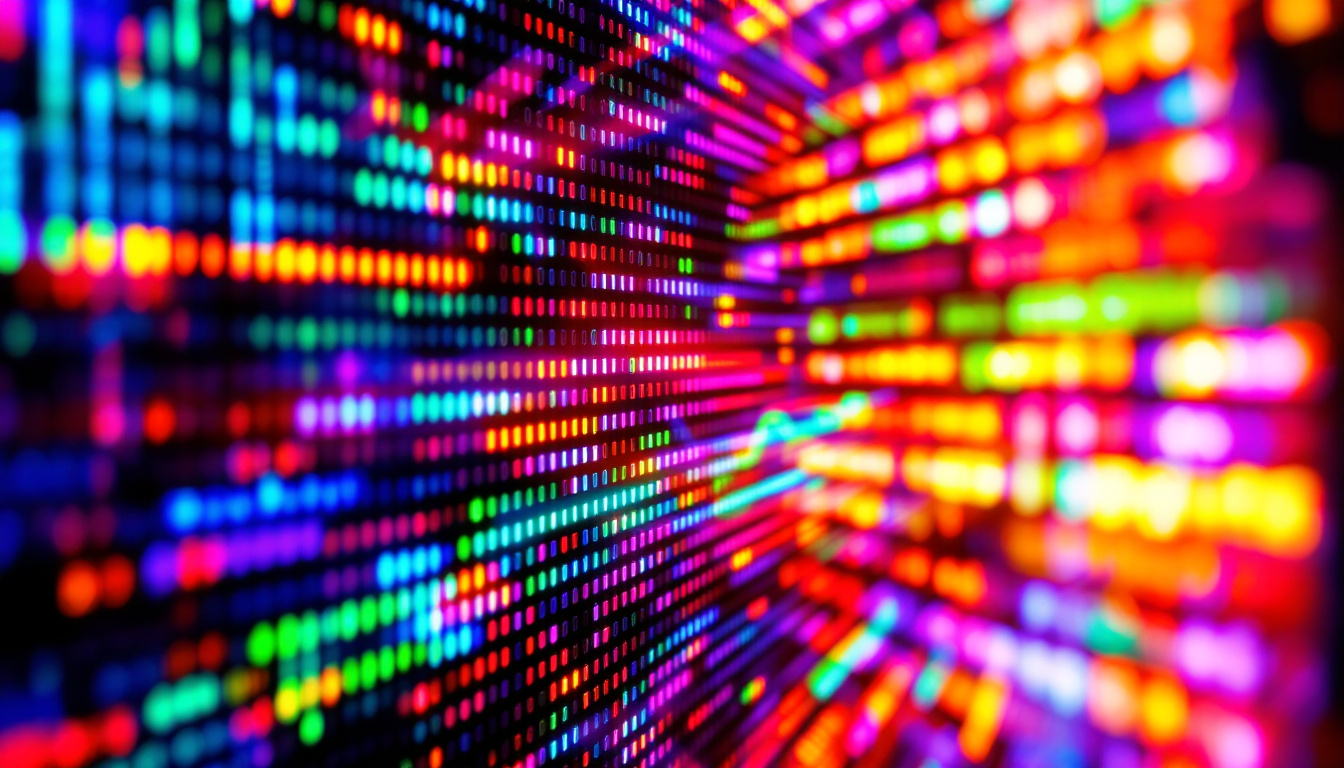
LED displays are composed of millions of individual diodes that emit light in red, green, and blue. By varying the intensity of these diodes, the display creates a full spectrum of colors. These diodes are arranged in pixels, and each pixel’s color and brightness can be controlled independently. This precise control results in sharper images, deeper blacks, and more vibrant colors compared to other display technologies. Furthermore, the rapid response time of LEDs allows for smooth motion rendering, making them ideal for fast-paced video content, such as sports and action films.
There are two primary types of LED displays used in media rooms: direct-view LED and LED-backlit LCD. Direct-view LED screens use LEDs as the actual pixels, while LED-backlit LCDs use LEDs as a backlight behind an LCD panel. Direct-view LED displays are generally preferred for high-end media rooms due to their superior contrast and brightness. Additionally, advancements in LED technology have led to the development of OLED (Organic Light Emitting Diode) displays, which offer even greater flexibility in design and improved viewing angles, further enhancing the viewing experience.
Key Components of an LED Display
Understanding the components helps in appreciating the technology behind LED displays:
- LED Modules: These are the building blocks of the screen, containing clusters of red, green, and blue LEDs.
- Driver ICs: Integrated circuits that control the brightness and color of each LED.
- Power Supply: Provides the necessary voltage and current to the LEDs.
- Control System: Processes the input video signal and translates it into commands for the LEDs.
In addition to these core components, LED displays often incorporate advanced technologies such as image processing algorithms and calibration systems to optimize performance. These enhancements ensure that the colors remain consistent across different viewing angles and lighting conditions, making the displays suitable for various environments. Furthermore, the modular design of LED displays allows for easy repairs and upgrades, which is particularly beneficial for large installations where downtime can be costly.
Another important aspect of LED display technology is its adaptability to different formats and sizes. From small screens used in smartphones to massive outdoor billboards, LED technology can be scaled to meet diverse needs. This versatility has led to innovative applications in industries such as entertainment, retail, and transportation, where dynamic visuals can capture attention and convey information effectively. As technology continues to evolve, we can expect even more exciting developments in the realm of LED displays, pushing the boundaries of what is possible in visual communication.
Advantages of LED Displays in Media Rooms
Choosing the right screen for a media room involves balancing picture quality, size, and cost. LED displays excel in many of these aspects, making them a popular choice for both residential and commercial media rooms.
Superior Picture Quality
One of the most compelling reasons to choose an LED display is the outstanding picture quality. Direct-view LED screens offer true blacks because individual LEDs can be turned off completely, unlike LCDs that rely on backlighting and can suffer from light bleed. This results in a contrast ratio that can exceed 1,000,000:1, delivering stunning depth and realism.
Additionally, LED displays provide wide color gamuts, often covering 90% or more of the DCI-P3 color space, which is the standard for digital cinema. This means colors appear more vivid and lifelike, enhancing the viewing experience for movies, sports, and gaming.
Brightness and Viewing Angles
LED displays can achieve much higher brightness levels than traditional screens, often exceeding 1,000 nits. This makes them ideal for media rooms with ambient light, where a dim screen would struggle to maintain image clarity.
Moreover, LED screens maintain consistent color and brightness even at wide viewing angles, often up to 160 degrees or more. This ensures that everyone in the room enjoys the same high-quality image, regardless of where they are seated.
Scalability and Customization
Another advantage of LED technology is its modular nature. LED screens are made up of panels that can be combined to create virtually any size or aspect ratio. This flexibility allows media room designers to tailor the screen to the room’s dimensions and seating arrangement perfectly.
For example, ultra-large LED walls can be created for commercial media rooms or home theaters that rival cinema screens. Additionally, curved or custom-shaped LED displays are possible, offering unique design possibilities that traditional projectors or TVs cannot match.
Comparing LED Displays with Other Media Room Screen Options
To fully appreciate the benefits of LED displays, it’s important to compare them with other common media room screen technologies such as OLED, LCD, and projection systems.
LED vs. OLED
OLED (Organic Light Emitting Diode) is another advanced display technology known for its excellent picture quality and perfect blacks. However, OLED screens are typically smaller and more expensive per square inch compared to LED walls. They are also more susceptible to burn-in, which can be a concern in media rooms with static UI elements or logos.
LED displays, especially direct-view LEDs, are better suited for larger installations and environments requiring high brightness. For media rooms that prioritize size and brightness, LED is often the preferred choice.
LED vs. LCD
LCD screens are widely available and generally more affordable, but they rely on LED backlighting and liquid crystals to create images. This setup limits their contrast ratio and brightness compared to direct-view LED displays.
LCDs also have narrower viewing angles and can suffer from motion blur, which affects fast-moving scenes in movies or sports. LED displays overcome these limitations, providing a more immersive and dynamic viewing experience.
LED vs. Projection Systems
Projection systems have long been a staple in media rooms due to their ability to create very large images at a relatively low cost. However, projectors require a darkened room and a suitable projection surface, and their image quality can degrade with ambient light.
LED displays offer a brighter, sharper image that is less affected by room lighting. They also require less maintenance—no bulbs to replace or alignment issues—and provide instant on/off capabilities. For media rooms where image quality and convenience are paramount, LED displays are increasingly preferred over projectors.
Practical Considerations for Installing LED Displays in Media Rooms
While LED displays offer many benefits, there are practical factors to consider when integrating them into a media room.
Room Size and Viewing Distance
The size of the LED screen should be proportional to the room and the typical viewing distance. A general guideline is that the screen width should be about one-third to one-half of the viewing distance. For example, if the seating is 10 feet away, a screen width of 4 to 5 feet is ideal.
LED displays can be custom-sized, so it’s important to work with a professional to determine the optimal dimensions for your space. Oversized screens can cause eye strain, while undersized screens may reduce immersion.
Installation and Maintenance
Direct-view LED displays require precise installation to ensure uniformity and alignment of the modules. Professional installers use specialized tools and software to calibrate color and brightness across the entire screen.
Maintenance is generally minimal but includes regular cleaning to prevent dust buildup and periodic calibration to maintain image quality. Unlike projectors, LED displays do not require bulb replacements, which reduces ongoing costs.
Cost Considerations
LED displays typically have a higher upfront cost compared to LCD TVs or projectors, especially for large custom installations. However, their longevity, lower maintenance costs, and superior performance often justify the investment.
For commercial media rooms or high-end home theaters, the enhanced viewing experience and flexibility offered by LED displays provide significant value. Additionally, prices have been steadily decreasing as LED technology advances and becomes more widespread.
Future Trends in LED Display Technology for Media Rooms
The LED display market continues to evolve rapidly, with innovations that promise even better performance and new applications for media rooms.
MicroLED and MiniLED Technologies
MicroLED and MiniLED are emerging variants that offer improvements in brightness, contrast, and energy efficiency. MicroLED, in particular, uses microscopic LEDs to create displays with exceptional resolution and color accuracy, rivaling OLED without the risk of burn-in.
These technologies are expected to become more affordable and accessible, potentially revolutionizing media room screens by combining the best features of LED and OLED displays.
Integration with Smart Home Systems
Modern LED displays are increasingly integrated with smart home ecosystems, allowing users to control screen settings, content sources, and ambient lighting through voice commands or mobile apps. This integration enhances convenience and allows for a more personalized media room experience.
Enhanced HDR and Color Standards
High Dynamic Range (HDR) technology continues to improve, and LED displays are at the forefront of delivering true HDR content with greater brightness and color depth. Future standards such as HDR10+ and Dolby Vision are becoming more widely supported, ensuring media rooms can showcase content as creators intended.
Conclusion: Why LED Displays Are the Future of Media Room Screens
LED displays represent a significant leap forward in media room screen technology. Their unparalleled picture quality, brightness, scalability, and durability make them an excellent choice for anyone looking to create an immersive viewing environment.
While the initial investment may be higher than traditional screens or projectors, the long-term benefits in performance and maintenance make LED displays a wise choice for both residential and commercial media rooms. As technology continues to advance, LED displays will only become more accessible and versatile, solidifying their position as the future standard for media room screens.
For those seeking the ultimate in visual experience, understanding and embracing LED display technology is essential. Whether for movie nights, gaming marathons, or professional presentations, LED screens deliver the clarity, color, and brightness that bring content to life.
Discover the Future of Visual Experience with LumenMatrix
Ready to elevate your media room with the latest in LED display technology? LumenMatrix is at the forefront of innovation, offering a wide array of LED display solutions tailored to your needs. From Indoor and Outdoor LED Walls to specialized options like Vehicle, Sports, and Floor LED Displays, our products are designed to create immersive environments that captivate and engage. Experience the future of visual communication with our Custom, All-in-One, and Transparent LED Displays. Check out LumenMatrix LED Display Solutions today and transform the way you share your message with the world.