4K LCD: LED Display Explained
In today’s rapidly evolving world of display technology, terms like 4K, LCD, and LED are often used interchangeably, yet they represent distinct concepts that collectively define the quality and performance of modern screens. Whether shopping for a new television, monitor, or digital signage, understanding how these technologies work together can help consumers make informed decisions. This article delves into the intricacies of 4K LCD LED displays, exploring their technical foundations, advantages, and practical applications.
Understanding 4K Resolution: What Does It Mean?
4K resolution has become a benchmark for high-definition displays, promising exceptional clarity and detail. But what exactly does 4K mean? The term “4K” refers to the horizontal pixel count of approximately 4,000 pixels. More precisely, the standard 4K UHD (Ultra High Definition) resolution is 3840 x 2160 pixels, which is four times the pixel count of Full HD (1920 x 1080 pixels).
This increase in pixel density results in sharper images, finer details, and a more immersive viewing experience. For instance, when watching a nature documentary or playing a video game, 4K resolution allows viewers to see textures, colors, and subtle nuances that would otherwise be lost on lower-resolution screens.
According to recent market research, the global 4K TV market is expected to grow at a compound annual growth rate (CAGR) of around 15% from 2023 to 2030, driven by increasing consumer demand for premium content and advancements in streaming technology. This growth underscores the importance of understanding 4K technology as it becomes the new standard for visual media.
Moreover, the transition to 4K is not just about the resolution itself; it also encompasses advancements in display technology such as High Dynamic Range (HDR), which enhances the contrast and color range of images. HDR allows for brighter highlights and deeper shadows, making scenes appear more lifelike. This combination of 4K resolution and HDR creates a viewing experience that is not only visually stunning but also more engaging, as it captures the full spectrum of light and color found in nature.
As more content creators produce films, series, and games specifically designed for 4K, the demand for compatible hardware is also on the rise. Streaming platforms like Netflix, Amazon Prime Video, and Disney+ are investing heavily in 4K content, offering a wide array of movies and shows that take full advantage of this technology. Additionally, gaming consoles such as the PlayStation 5 and Xbox Series X are equipped to deliver 4K gaming experiences, pushing the boundaries of what players can expect in terms of graphics and performance. This convergence of high-resolution content and capable hardware is paving the way for a new era of entertainment that promises to captivate audiences like never before.
LCD Technology: The Backbone of Modern Displays
What is LCD?
LCD stands for Liquid Crystal Display, a technology that has dominated the screen market for decades. Unlike older cathode ray tube (CRT) displays, LCDs use liquid crystals sandwiched between layers of glass or plastic to control light and produce images. These liquid crystals do not emit light themselves; instead, they manipulate light from a backlight to create the images seen on the screen.
The core advantage of LCDs lies in their ability to produce thin, lightweight, and energy-efficient displays. This has made them the preferred choice for everything from smartphones and laptops to televisions and digital signage.
How LCDs Work
At the heart of an LCD panel are millions of tiny liquid crystal molecules that align in response to an electric current. When the current passes through, the crystals twist and untwist to either block or allow light to pass through color filters, forming the pixels that make up the image. The backlight, typically made of LEDs, shines through these layers, illuminating the screen.
This method of image creation allows for precise control over color and brightness, contributing to the high-quality visuals associated with LCD screens. However, the quality of the backlight and the liquid crystals’ responsiveness play crucial roles in determining the display’s overall performance.
LED Backlighting: Enhancing LCD Displays
What Does LED Mean in LCD Displays?
While LCD refers to the panel technology, LED stands for Light Emitting Diode, which is the type of backlighting used in most modern LCD screens. Early LCDs used cold cathode fluorescent lamps (CCFL) for backlighting, which were bulkier and less energy-efficient. The transition to LED backlighting has revolutionized LCD displays by improving brightness, contrast, and energy consumption.
LED backlighting can be implemented in various configurations, such as edge-lit or full-array backlighting. Edge-lit LED displays position LEDs along the edges of the screen, allowing for thinner designs but sometimes at the expense of uniform brightness. Full-array LED backlighting places LEDs directly behind the screen, enabling local dimming where specific zones can be dimmed or brightened independently, enhancing contrast and black levels.
Advantages of LED-Backlit LCDs
LED backlighting offers several advantages over older technologies:
- Improved Energy Efficiency: LEDs consume less power than CCFLs, contributing to longer device battery life and lower electricity costs.
- Better Brightness and Contrast: LED backlights can achieve higher brightness levels and support dynamic contrast ratios, making images more vivid.
- Thinner and Lighter Designs: LEDs are smaller and generate less heat, allowing manufacturers to produce slimmer and more lightweight displays.
- Environmental Benefits: LEDs do not contain mercury, unlike CCFLs, making them more environmentally friendly and easier to recycle.
Combining 4K, LCD, and LED: What Does It Mean for Consumers?
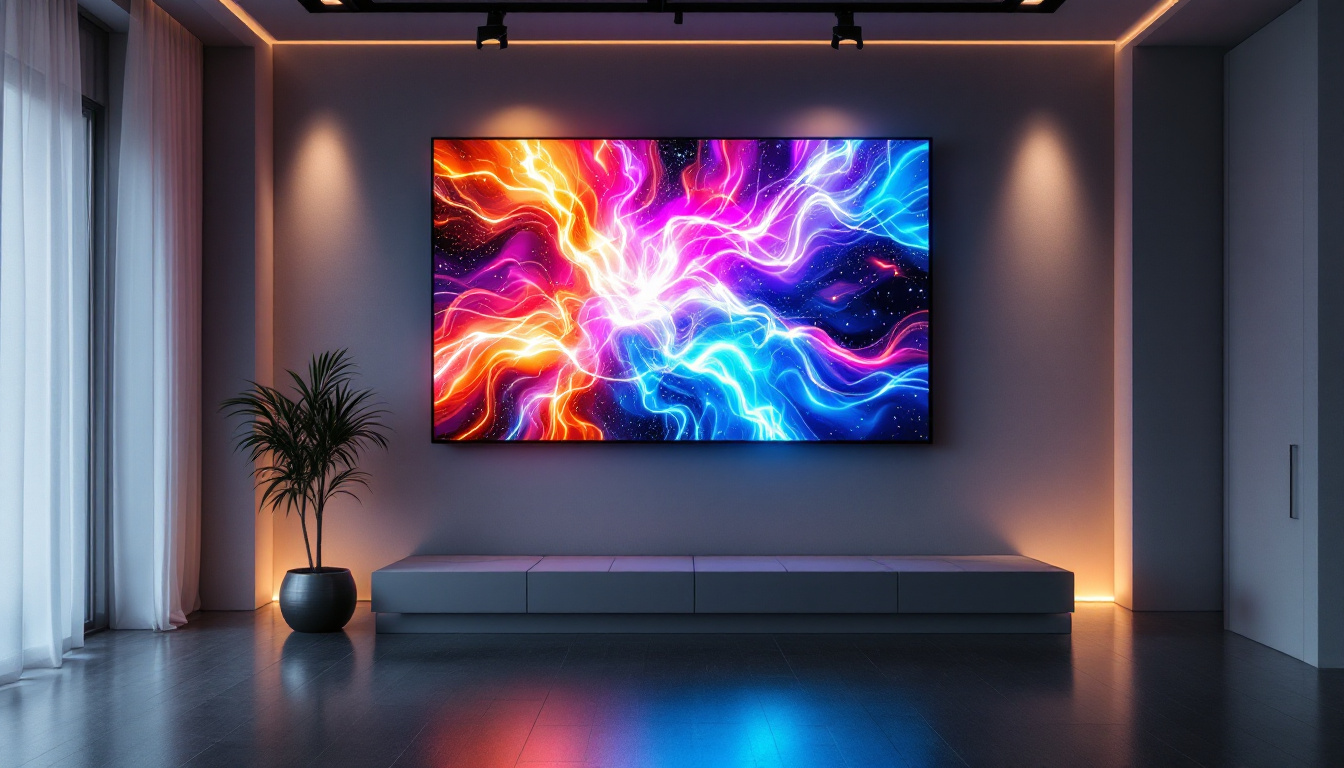
When a display is marketed as a “4K LCD LED,” it essentially means it uses an LCD panel with LED backlighting and supports a 4K resolution. This combination has become the industry standard for high-end televisions, monitors, and other display devices.
For consumers, this means access to screens that deliver ultra-high-definition images with excellent brightness, color accuracy, and energy efficiency. The synergy between 4K resolution, LCD technology, and LED backlighting ensures that users experience sharp, vibrant visuals whether they are watching movies, editing photos, gaming, or working on detailed tasks.
Applications Across Different Sectors
The versatility of 4K LCD LED displays extends beyond home entertainment. In professional environments such as graphic design, video production, and medical imaging, the high resolution and color fidelity are critical for precision work. Additionally, digital signage and advertising benefit from the eye-catching clarity and brightness of these displays, even in brightly lit environments.
In the gaming industry, 4K LCD LED monitors provide gamers with immersive experiences, especially when paired with high refresh rates and low response times. Furthermore, the affordability and widespread availability of these displays have made them accessible to a broad audience, fueling their popularity.
Key Factors to Consider When Choosing a 4K LCD LED Display
Panel Type and Quality
Not all LCD panels are created equal. The most common types include Twisted Nematic (TN), In-Plane Switching (IPS), and Vertical Alignment (VA). IPS panels generally offer better color accuracy and viewing angles, making them ideal for creative professionals and general consumers seeking superior image quality.
VA panels typically provide higher contrast ratios and deeper blacks, which can enhance movie watching and gaming experiences. TN panels, while often more affordable and faster in response times, tend to have narrower viewing angles and less accurate colors.
Backlighting and Local Dimming
As discussed, LED backlighting can be edge-lit or full-array. Full-array with local dimming is preferable for those who prioritize contrast and black levels, as it allows parts of the screen to dim independently, reducing light bleed and enhancing picture quality.
Refresh Rate and Response Time
For gamers and fast-paced video content, refresh rate and response time are crucial. A higher refresh rate (120Hz or above) results in smoother motion, while a lower response time reduces motion blur and ghosting. While these factors are not exclusive to 4K LCD LED displays, they significantly impact the overall viewing experience.
HDR Support
High Dynamic Range (HDR) technology complements 4K resolution by expanding the range of colors and brightness levels a display can produce. Many modern 4K LCD LED displays support HDR formats such as HDR10 or Dolby Vision, providing more lifelike images with enhanced contrast and color depth.
The Future of 4K LCD LED Displays
As technology continues to advance, 4K LCD LED displays are expected to become even more sophisticated. Innovations such as mini-LED and micro-LED backlighting promise to further improve brightness, contrast, and energy efficiency. Mini-LED technology uses thousands of tiny LEDs for backlighting, enabling more precise local dimming zones and better picture quality.
Additionally, the integration of AI-driven image processing and improved color calibration techniques will enhance the viewing experience, making displays smarter and more adaptable to different content types and ambient lighting conditions.
While 8K resolution is already emerging in the market, 4K remains the sweet spot for most consumers due to its balance between image quality, content availability, and price. As streaming services and gaming platforms continue to adopt 4K as a standard, the demand for high-quality 4K LCD LED displays will only grow.
Conclusion
Understanding the relationship between 4K resolution, LCD technology, and LED backlighting is essential for anyone looking to purchase a modern display device. Each component plays a vital role in delivering the stunning visuals and efficient performance that consumers expect today.
4K LCD LED displays combine the sharpness of ultra-high-definition resolution with the reliability and efficiency of LCD panels and LED backlighting. This synergy results in vibrant, detailed images suitable for a wide range of applications, from home entertainment to professional use.
As display technology continues to evolve, staying informed about these key concepts will empower consumers to choose devices that best meet their needs, ensuring an optimal viewing experience for years to come.
Discover LumenMatrix’s Advanced LED Display Solutions
Ready to experience the ultimate in display technology? LumenMatrix offers an extensive range of innovative LED display solutions that bring your visual content to life. From vibrant Indoor LED Walls to dynamic Outdoor LED Displays, and from sleek LED Posters to immersive LED Sports and Floor Displays, our products are designed to captivate and engage. Embrace the future of visual communication with our Custom, All-in-One, and Transparent LED Displays, crafted to deliver your message with unparalleled clarity and impact. Check out LumenMatrix LED Display Solutions today and transform how you connect with your audience.