In recent years, transparent LED film has emerged as a groundbreaking technology in the digital display industry. Combining high visibility with sleek design, these displays are revolutionizing advertising, retail, architecture, and event production. However, understanding the pricing dynamics and technical aspects of transparent LED film can be challenging for businesses and consumers alike. This article delves into the essentials of transparent LED film, explaining how it works, what factors influence its price, and why it might be the right investment for your display needs.
What Is Transparent LED Film?
Transparent LED film is a flexible, lightweight display technology that integrates tiny LED lights into a transparent substrate. Unlike traditional LED screens, which are opaque and bulky, transparent LED film allows light to pass through, enabling the display to blend seamlessly with glass surfaces such as windows or showcases. This unique feature makes it ideal for applications where maintaining natural light and visibility is crucial.
The film is typically installed on glass panels in storefronts, office buildings, or exhibition booths. When powered on, the embedded LEDs create vivid images or video content without obstructing the view behind the glass. This dual functionality of visibility and digital display is what sets transparent LED film apart from conventional LED screens.
How Does Transparent LED Film Work?
The technology behind transparent LED film involves embedding ultra-small LED modules in a flexible, transparent film. These LEDs are arranged in a grid pattern with spaces between them, allowing light and vision to pass through the gaps. The pixel pitch—the distance between each LED—determines the resolution and transparency level. A smaller pixel pitch means higher resolution but less transparency, while a larger pitch increases transparency but reduces image sharpness.
The film connects to a control system that manages the content displayed, similar to traditional LED displays. Because it is thin and flexible, it can be cut to size and applied to various glass surfaces without the need for heavy mounting structures.
Factors Influencing Transparent LED Film Price
Pricing for transparent LED film varies widely based on several technical and market factors. Understanding these elements can help buyers make informed decisions tailored to their budget and display requirements.
1. Pixel Pitch and Resolution
Pixel pitch is one of the most significant factors affecting price. High-resolution films with a pixel pitch of 2.5mm to 3.9mm provide crisp, detailed images suitable for close viewing but come at a premium. Conversely, films with a pixel pitch of 6mm or more are more affordable and maintain higher transparency but are better suited for displays viewed from a distance.
For example, a 2.5mm pitch transparent LED film can cost upwards of $1,000 per square meter, whereas a 6mm pitch option might be priced closer to $400–$600 per square meter. This difference reflects the complexity of manufacturing and the density of LEDs required.
2. Size and Customization
The overall size of the transparent LED film needed will directly impact the total cost. Larger installations require more material and more complex installation processes, increasing labor costs. Additionally, custom shapes or sizes tailored to specific architectural features may add to the price due to specialized cutting and handling.
Some manufacturers offer modular panels that can be easily combined for larger displays, which can reduce costs by simplifying installation and maintenance.
3. Transparency Level
Transparency is a key selling point of these films, but higher transparency levels generally mean fewer LEDs per square meter, which can lower the price. However, achieving very high transparency while maintaining acceptable image quality requires advanced technology, which can increase costs.
Typical transparency rates range from 40% to 85%, with higher transparency films being more suitable for applications where maintaining natural light and visibility is critical, such as retail windows or museum displays.
4. Brightness and Viewing Environment
Brightness is crucial for ensuring visibility in various lighting conditions. Transparent LED films designed for outdoor use or brightly lit environments feature higher brightness levels, often exceeding 3,000 nits. These models tend to be more expensive due to the enhanced LED components and power requirements.
Indoor films, with brightness levels around 800 to 1,500 nits, are generally less costly but may not perform well in direct sunlight or brightly lit areas.
5. Installation and Maintenance Costs
While the material cost is significant, installation and ongoing maintenance also contribute to the overall expense. Transparent LED film requires professional installation to ensure proper adhesion, electrical connections, and calibration. Complex installations on curved or irregular surfaces can increase labor costs.
Maintenance involves periodic cleaning and occasional repairs, especially in high-traffic or outdoor environments. Some films come with warranties and service packages, which can affect the upfront price but provide long-term value.
6. Brand and Technology Provider
Reputable manufacturers with proven technology, certifications, and customer support often command higher prices. Established brands invest in research and development to improve durability, color accuracy, and energy efficiency, which can justify premium pricing.
Conversely, lower-cost options from lesser-known suppliers may save money initially but could involve trade-offs in quality, lifespan, and technical support.
Applications of Transparent LED Film
Transparent LED film is versatile and can be adapted to a wide range of industries and environments. Understanding its applications helps clarify why the technology is gaining traction despite its cost.
Retail and Advertising
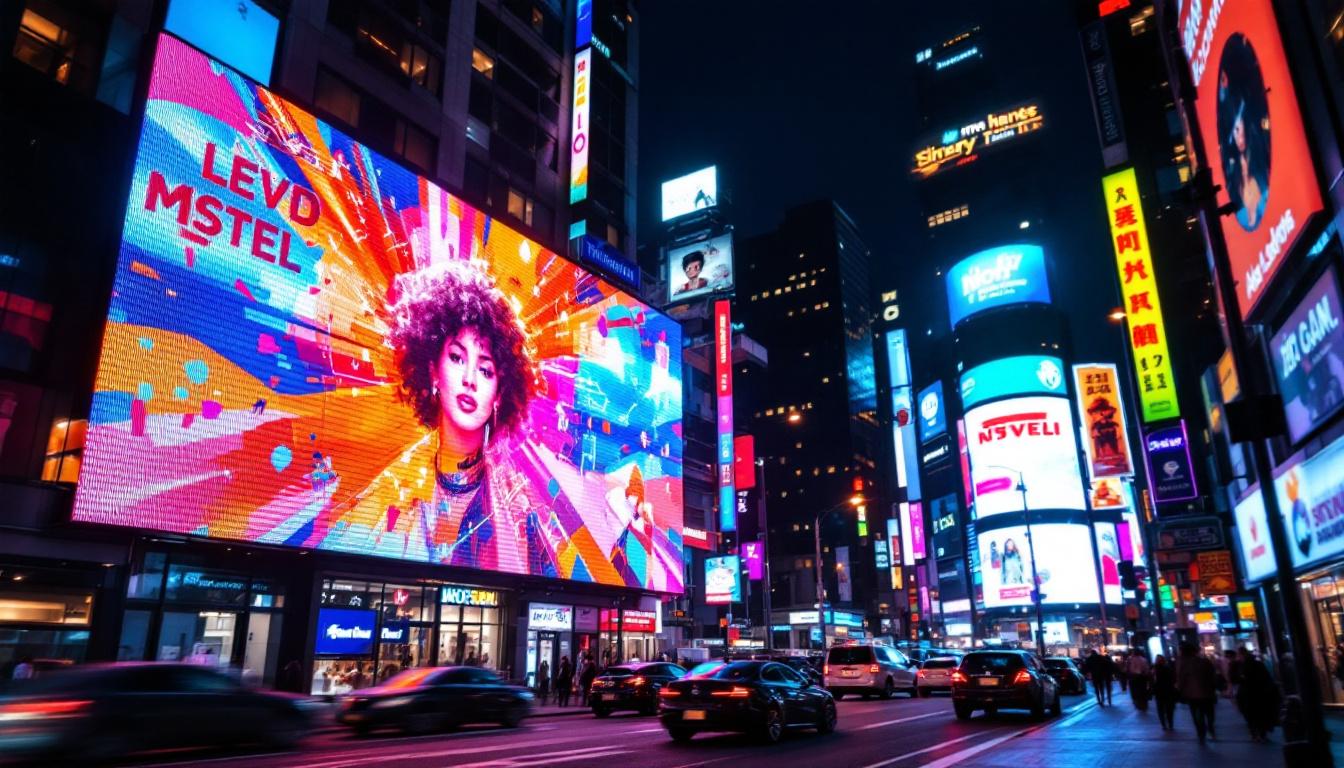
Retailers use transparent LED film to transform storefront windows into dynamic advertising platforms without blocking natural light or the view inside the store. This creates eye-catching promotions that engage passersby while maintaining an open, inviting atmosphere.
Brands can update content remotely and frequently, allowing for timely campaigns and interactive displays. The ability to maintain transparency also helps comply with local regulations that restrict opaque signage on windows.
Corporate and Architectural Displays
In corporate environments, transparent LED film is used for building facades, conference rooms, and lobbies to display branding, information, or artistic visuals. Architects appreciate the film’s minimalistic design, which integrates digital content without compromising aesthetic or structural elements.
Some landmark buildings have incorporated transparent LED films into their glass exteriors, creating stunning visual effects that enhance the urban landscape.
Events and Exhibitions
Event organizers and exhibition designers leverage transparent LED film for temporary installations that require quick setup and teardown. The lightweight and flexible nature of the film makes it ideal for trade shows, concerts, and product launches, where immersive digital experiences are essential.
The film’s transparency allows for creative layering of visuals over physical objects or performers, adding depth and engagement.
Museums and Galleries
Museums use transparent LED film to provide interactive information displays while preserving the visibility of artifacts behind glass cases. This technology enables digital storytelling without obstructing the visitor’s view, enhancing educational experiences.
Comparing Transparent LED Film to Other Display Technologies
When considering transparent LED film, it is helpful to compare it with alternative display options to understand its unique advantages and limitations.
Traditional LED Screens
Conventional LED screens offer high brightness and resolution but are opaque and bulky. They require dedicated mounting structures and often block natural light, making them less suitable for window installations or architectural integration.
Transparent LED film, by contrast, offers a sleek, lightweight alternative that preserves visibility and daylight, though it may have lower resolution and brightness compared to high-end traditional LED panels.
LCD Transparent Displays
Transparent LCDs provide clear images and can be integrated into glass surfaces, but they typically have lower brightness and narrower viewing angles. Additionally, LCD technology is generally more expensive and less flexible in size and shape compared to LED film.
LED film’s modularity and higher brightness levels make it preferable for many commercial applications requiring daylight visibility.
Projection Systems
Projection onto transparent surfaces is another option for see-through displays. However, projection systems require controlled lighting environments, have limited brightness outdoors, and involve bulky equipment. Transparent LED film offers a more compact and brighter solution without the need for external projectors.
Estimating the Cost: What to Expect When Purchasing Transparent LED Film
To provide a clearer picture of pricing, here is an overview of typical costs associated with transparent LED film installations as of 2024.
Material Costs
Transparent LED film prices generally range from $400 to $1,200 per square meter, depending on pixel pitch, brightness, and transparency. For example:
- 6mm pitch, 70% transparency, indoor use: approximately $400–$600/m²
- 4mm pitch, 60% transparency, indoor/outdoor use: approximately $700–$900/m²
- 2.5mm pitch, 50% transparency, high brightness outdoor: approximately $1,000–$1,200/m²
Installation Costs
Professional installation can add 20% to 40% on top of material costs, depending on the complexity of the site, surface preparation, and electrical work required. Installation on curved or irregular glass surfaces will increase labor charges.
Additional Expenses
Other costs may include control systems, content management software, warranties, and maintenance contracts. These can vary widely based on vendor and project scope but should be factored into the total budget.
Conclusion: Is Transparent LED Film Worth the Investment?
Transparent LED film represents a cutting-edge solution for businesses and organizations looking to combine digital display capabilities with architectural elegance and transparency. While the initial investment can be significant, the benefits of enhanced customer engagement, innovative branding, and flexible installation often justify the cost.
When considering transparent LED film, it is essential to evaluate your specific application, desired resolution, transparency level, and environmental conditions. Partnering with reputable suppliers and professional installers ensures optimal performance and long-term value.
As technology advances and production scales up, prices are expected to become more competitive, making transparent LED film an increasingly accessible option for a wide range of industries.
Discover the Future of Visual Engagement with LumenMatrix
Ready to elevate your space with the sleek sophistication of transparent LED film? LumenMatrix is at the forefront of LED display innovation, offering a diverse range of solutions tailored to your unique needs. From mesmerizing Indoor LED Walls to vibrant Outdoor Displays and beyond, our mission is to transform your visual communication with unparalleled clarity and impact. Don’t miss the opportunity to captivate your audience. Check out LumenMatrix LED Display Solutions today and step into the future of digital signage.