Modern vehicles increasingly rely on digital technology to communicate vital information to drivers. Among these technologies, LED displays have become a standard feature in many cars, trucks, and motorcycles. For Oregon drivers, understanding the LED display is essential not only for safety but also for compliance with state regulations and efficient vehicle operation.
This comprehensive guide will explore the various aspects of LED displays found in vehicles, focusing on their functions, meanings, and practical tips for Oregon drivers. Whether you’re a new driver preparing for your license or an experienced motorist seeking to refresh your knowledge, this manual will clarify the often complex symbols and messages presented on your vehicle’s LED display.
What is an LED Display in Vehicles?
LED, or Light Emitting Diode, displays are electronic screens that use light-emitting diodes to present information. Unlike traditional analog gauges, LED displays offer a dynamic, clear, and highly visible interface for drivers to monitor their vehicle’s status.
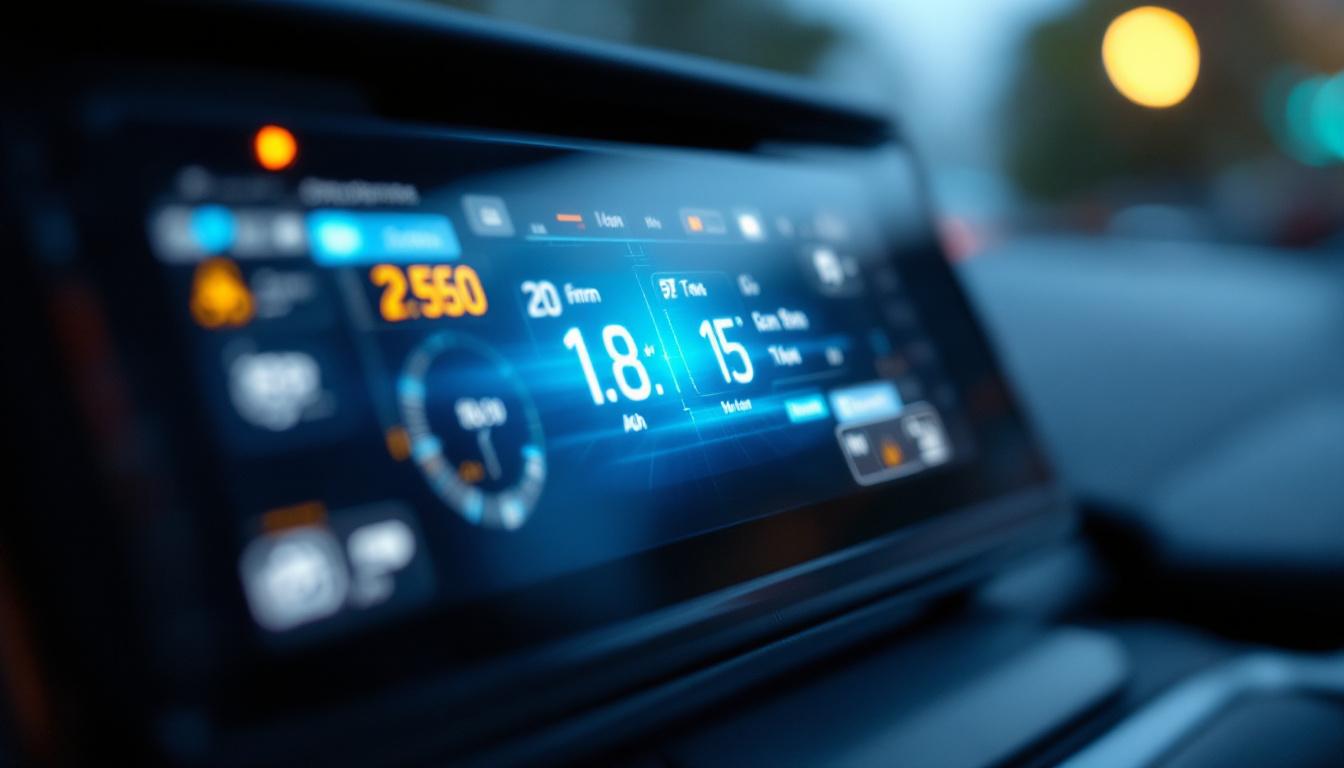
In Oregon, vehicles manufactured in the last decade commonly feature LED displays integrated into the dashboard or instrument cluster. These displays can show a range of data, including speed, fuel level, engine warnings, and navigation prompts. Their brightness and clarity make them particularly useful in varying lighting conditions, from bright daylight to nighttime driving. Furthermore, the integration of LED technology has allowed for more sophisticated features such as touch sensitivity and customizable interfaces, which enhance the overall user experience.
Many modern vehicles also utilize LED displays to provide real-time feedback on driving performance, such as fuel efficiency and maintenance alerts. This capability not only helps drivers make informed decisions while on the road but also promotes safer driving habits. Additionally, as vehicles become increasingly connected, LED displays can seamlessly integrate with smartphone applications, allowing drivers to receive notifications and access navigation tools directly from their dashboards.
Advantages of LED Displays
LED displays provide several benefits over older display technologies:
- Enhanced Visibility: LEDs offer bright, sharp illumination that is easy to read in all lighting conditions.
- Energy Efficiency: LED technology consumes less power, which is beneficial for overall vehicle energy management.
- Durability: LEDs have a longer lifespan and are less prone to failure compared to incandescent bulbs.
- Customization: Many LED displays can be programmed to show different types of information depending on driver preferences or vehicle mode.
Moreover, the adaptability of LED displays extends to their design, enabling manufacturers to create sleek, modern aesthetics that complement the interior of the vehicle. With the ability to change colors and display animations, these screens can enhance the driving experience by providing visual cues that align with the vehicle’s performance or alert the driver to critical information. As technology continues to evolve, we can expect even more innovative uses for LED displays in vehicles, potentially incorporating augmented reality features that overlay important information directly onto the windshield.
Common LED Display Indicators and Their Meanings
Understanding the symbols and messages on your vehicle’s LED display is crucial for safe driving. Oregon’s Department of Transportation recommends that all drivers familiarize themselves with these indicators to avoid unexpected breakdowns or safety hazards.
Below is a detailed explanation of some of the most common LED indicators you may encounter:
1. Check Engine Light
The check engine light is one of the most recognized LED indicators. It typically appears as an outline of an engine or the words “Check Engine.” When illuminated, it signals that the vehicle’s onboard diagnostics system has detected a problem related to emissions, engine performance, or other critical systems.
In Oregon, if this light comes on while driving, it is advisable to have the vehicle inspected as soon as possible. Ignoring this warning can lead to more severe engine damage or failed emissions tests, which are mandatory in many Oregon counties. It’s also worth noting that the check engine light can illuminate for various reasons, ranging from a loose gas cap to more serious issues like a faulty catalytic converter. Therefore, having a professional diagnostic test performed can help pinpoint the exact cause and prevent further complications.
2. Battery Warning Light
This indicator looks like a battery symbol and warns of a potential issue with the vehicle’s charging system. It may mean the alternator is malfunctioning, the battery is failing, or there is a problem with the electrical connections.
Oregon drivers should address this warning promptly to avoid being stranded due to a dead battery. Regular battery checks during vehicle maintenance can prevent this issue. Additionally, extreme temperatures can affect battery performance, so it’s essential to monitor the battery’s health, especially during the hot summers and cold winters that Oregon experiences. A proactive approach, such as replacing an aging battery before it fails, can save drivers from inconvenient breakdowns.
3. Oil Pressure Warning
Represented by an oil can symbol, this light indicates low oil pressure, which can cause severe engine damage if not addressed immediately. If this LED illuminates, it’s critical to stop driving and check oil levels or seek professional assistance.
In Oregon, where many drivers rely on their vehicles for outdoor adventures, maintaining adequate oil levels is essential for ensuring engine health. Regular oil changes and checks can help prevent this warning light from appearing. Furthermore, understanding the type of oil your vehicle requires and adhering to the manufacturer’s recommendations can significantly enhance engine performance and longevity.
4. Tire Pressure Monitoring System (TPMS) Light
The TPMS light, often shown as an exclamation mark inside a tire shape, alerts drivers to low tire pressure. Maintaining proper tire pressure is essential for safety, fuel efficiency, and tire longevity. Oregon’s diverse terrain and weather conditions make tire maintenance particularly important.
In addition to checking tire pressure regularly, it’s advisable to inspect tires for uneven wear and damage, especially if you frequently drive on rugged or unpaved roads. Oregon’s scenic byways and coastal routes can present unique challenges for tires, so being vigilant about tire condition can enhance safety and performance. Moreover, seasonal changes can affect tire pressure, so adjusting your tire pressure with the changing weather can contribute to better handling and fuel efficiency.
5. Seat Belt Reminder
This LED icon reminds drivers and passengers to fasten their seat belts. Oregon law mandates seat belt use for all vehicle occupants, and this reminder helps ensure compliance and safety.
Beyond legal requirements, wearing a seat belt significantly reduces the risk of injury in the event of an accident. Studies have shown that seat belts can save lives and prevent serious injuries, making it imperative for all passengers to buckle up, regardless of their seating position in the vehicle. Furthermore, educating young passengers about the importance of seat belt use can instill good habits that promote safety for years to come.
How to Respond to LED Display Warnings
Recognizing LED warnings is only the first step; knowing how to respond is equally important. Here are practical guidelines for Oregon drivers:
Routine Checks and Maintenance
Many LED warnings can be prevented through regular vehicle maintenance. Oregon drivers should adhere to their vehicle’s recommended service schedule, including oil changes, tire rotations, brake inspections, and battery tests.
Additionally, before long trips, especially in rural or mountainous regions of Oregon, a quick check of all LED indicators can help avoid roadside emergencies.
Immediate Actions for Critical Warnings
If a critical LED warning such as the oil pressure or battery light appears while driving, it is safest to pull over at the earliest safe opportunity. Continuing to drive with these warnings can cause costly damage or compromise safety.
For less urgent indicators like the check engine light, scheduling a diagnostic check with a certified mechanic is recommended. Oregon has numerous certified service centers equipped with advanced diagnostic tools to interpret LED display codes accurately.
Using the Owner’s Manual
Every vehicle comes with an owner’s manual that provides specific details about the LED display indicators and their meanings. Oregon drivers should keep their manuals accessible and refer to them when unfamiliar symbols appear.
LED Displays and Oregon Driving Regulations
Oregon’s driving laws and regulations intersect with vehicle technology in several ways. Understanding how LED displays relate to these rules can help drivers stay compliant and avoid penalties.
Emissions Testing and the Check Engine Light
Oregon requires emissions testing in certain counties, including Multnomah, Lane, and Clackamas. A lit check engine light typically results in automatic test failure. Drivers must resolve the underlying issue before passing the test.
This policy underscores the importance of paying attention to LED warnings and addressing them promptly to maintain vehicle registration and legal operation on Oregon roads.
Seat Belt Use Enforcement
The seat belt reminder LED supports Oregon’s primary seat belt law, which allows law enforcement to stop and cite drivers solely for not wearing seat belts. This law applies to all occupants, making the LED reminder a critical safety feature.
Distracted Driving Considerations
While LED displays provide valuable information, Oregon law emphasizes minimizing distractions while driving. Drivers should familiarize themselves with their vehicle’s LED indicators before hitting the road and avoid prolonged focus on the display while driving.
Future Trends: LED Displays and Vehicle Technology in Oregon
Vehicle technology continues to evolve rapidly, with LED displays playing an integral role in this transformation. Oregon drivers can expect several emerging trends in the near future:
Integration with Advanced Driver Assistance Systems (ADAS)
Modern vehicles increasingly integrate LED displays with ADAS features such as lane departure warnings, adaptive cruise control, and collision avoidance systems. These systems use LED indicators to alert drivers to potential hazards, enhancing safety on Oregon’s highways and city streets.
Customization and Personalization
Future LED displays will offer greater customization options, allowing drivers to select which information is prioritized. This personalization can improve driving comfort and efficiency, particularly for commercial drivers who spend long hours on Oregon’s roads.
Connectivity and Smart Displays
LED displays are becoming smarter, connecting with smartphones, GPS, and cloud services to provide real-time traffic updates, weather alerts, and vehicle diagnostics. This connectivity aligns with Oregon’s push toward smarter transportation infrastructure and eco-friendly driving practices.
Conclusion
Understanding the LED display in your vehicle is essential for safe and efficient driving in Oregon. These displays provide critical information about your vehicle’s status, alert you to potential problems, and help ensure compliance with state regulations.
By familiarizing yourself with common LED indicators, responding appropriately to warnings, and staying informed about emerging vehicle technologies, you can enhance your driving experience and maintain your vehicle’s health. Whether navigating Portland’s urban streets or Oregon’s scenic highways, the LED display is a valuable tool that every driver should master.
For more detailed information, always consult your vehicle’s owner’s manual and stay updated with Oregon Department of Transportation resources.
Explore Advanced LED Display Solutions with LumenMatrix
As you seek to master your vehicle’s LED display and stay ahead of the curve in Oregon’s evolving driving landscape, LumenMatrix stands ready to elevate your experience. Our commitment to innovation in LED display technology ensures that you have access to the most advanced solutions, from vehicle LED displays that enhance your dashboard’s functionality to captivating outdoor and indoor displays that transform any space. Discover how LumenMatrix can enhance your brand visibility and create immersive visual experiences. Check out LumenMatrix LED Display Solutions today and drive into the future with confidence.