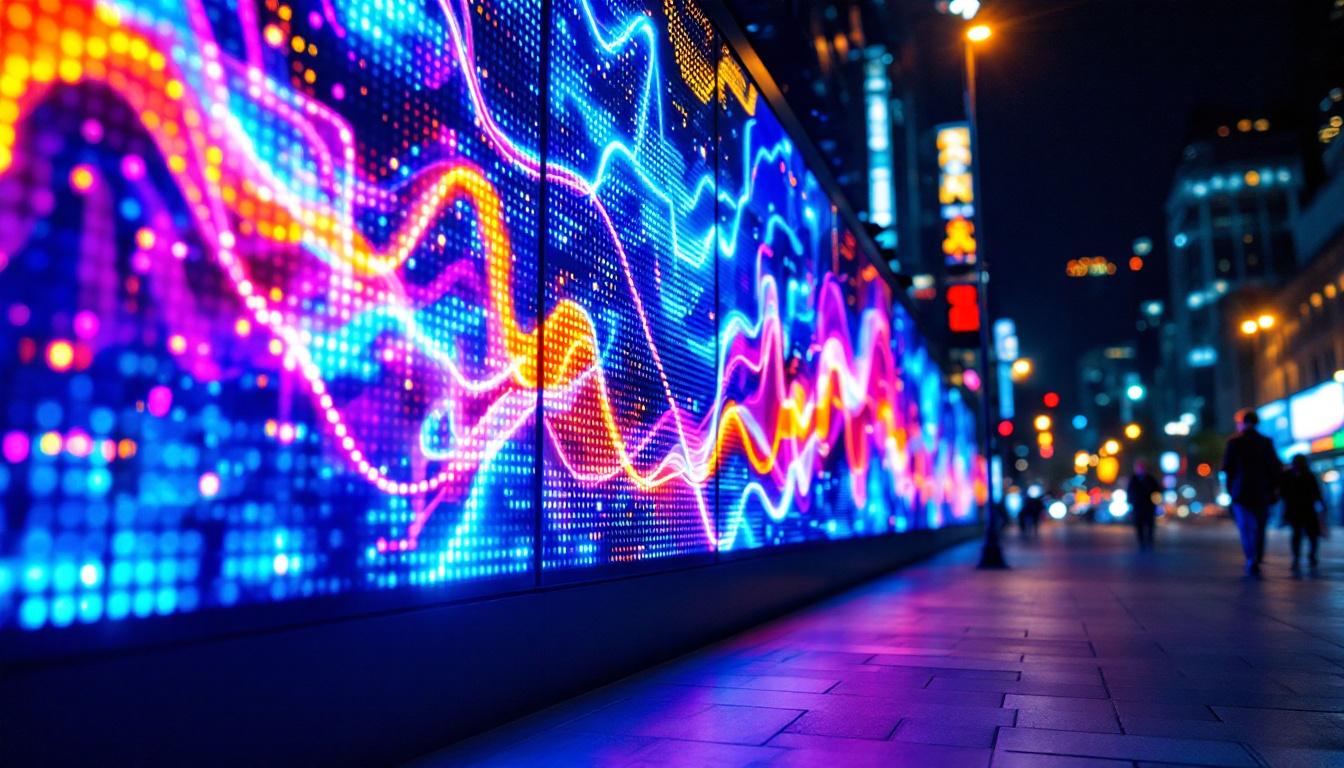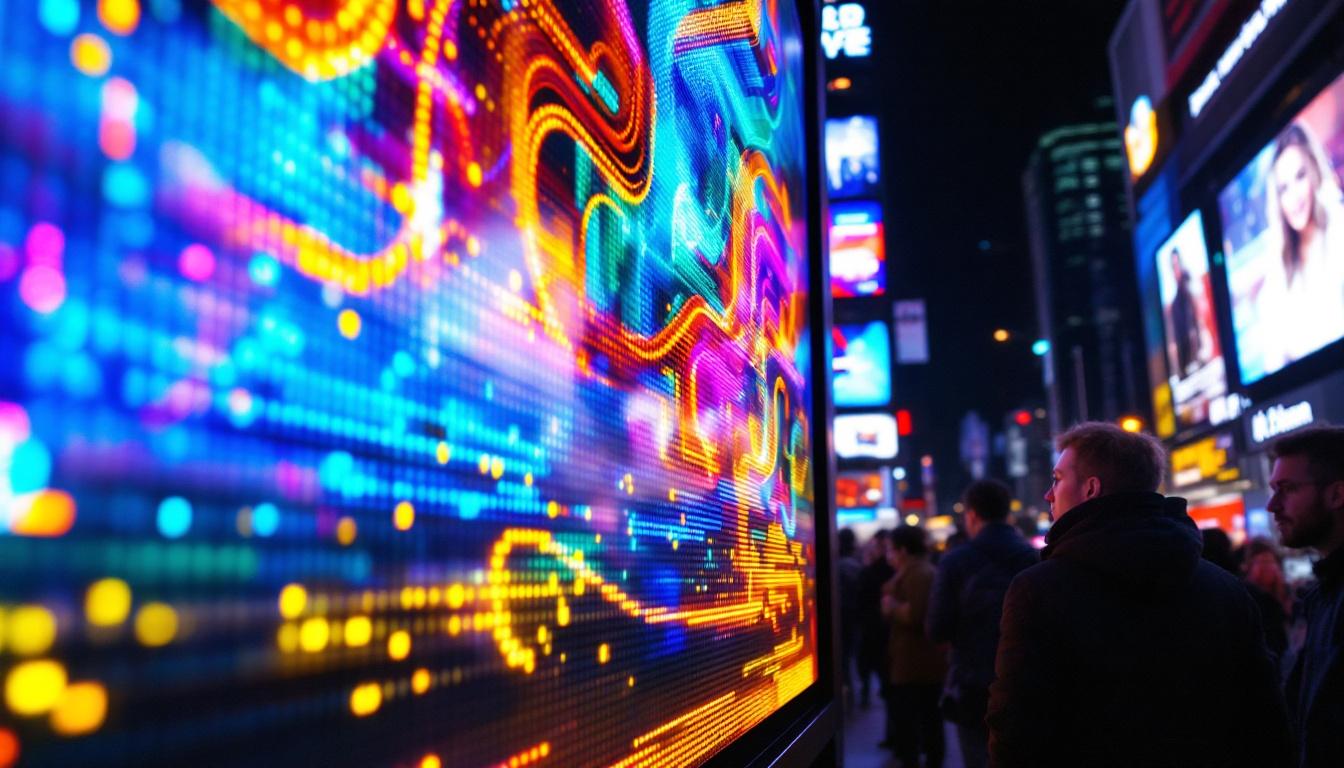
In the evolving world of visual communication and interior design, LED displays have become a pivotal element, especially when integrated into wall corners. The fusion of technology and architectural design has opened new avenues for creativity, functionality, and immersive experiences. This article delves into the intricacies of wall corner LED displays, exploring their design principles, technological aspects, applications, and future trends.
Understanding Wall Corner LED Displays
LED displays, or light-emitting diode screens, are widely recognized for their brightness, energy efficiency, and versatility. When these displays are designed to fit into wall corners, they present unique opportunities and challenges that differ from traditional flat-panel installations.
What Makes Wall Corner LED Displays Unique?
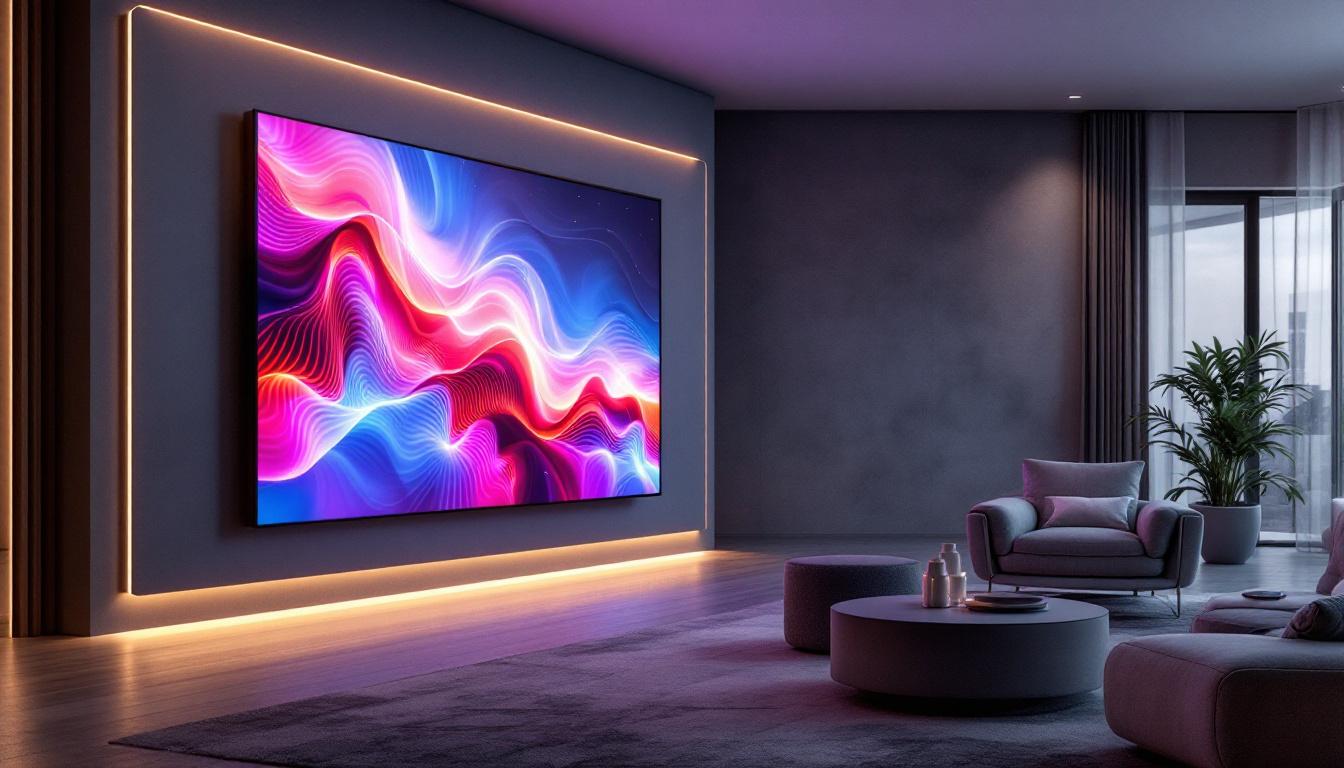
Unlike standard flat LED screens, wall corner LED displays are engineered to wrap around or fit precisely into the intersection of two walls. This design requires specialized hardware and software to ensure seamless image continuity and optimal viewing angles. The corner installation transforms a previously underutilized space into a dynamic visual canvas, enhancing spatial aesthetics and engagement.
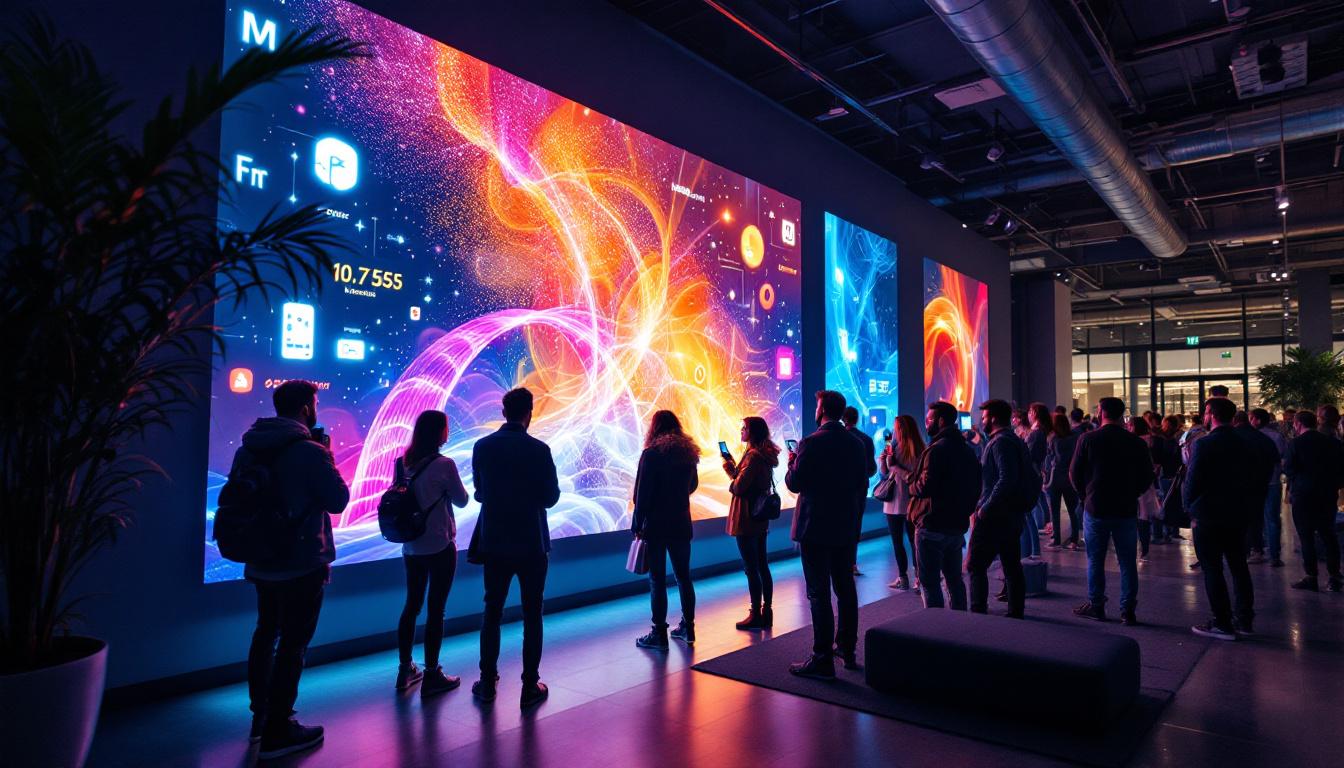
One of the key characteristics of wall corner LED displays is their ability to create immersive environments. By extending visuals around a corner, these displays can envelop viewers, making them ideal for environments where impact and immersion are critical, such as retail spaces, museums, and corporate lobbies. For instance, a retail store can use a corner display to showcase a product launch, capturing the attention of customers from multiple angles and creating a memorable shopping experience. Similarly, museums can utilize these displays to provide interactive exhibits that draw visitors into a narrative, enriching their understanding of the subject matter.
Technical Considerations in Wall Corner LED Design
Designing LED displays for corners involves addressing several technical factors. The most prominent challenge is ensuring that the display’s pixels align perfectly around the corner without distortion or gaps. This requires precision engineering of the LED modules and mounting structures.
Additionally, the pixel pitch—the distance between the centers of two adjacent pixels—must be carefully selected. Smaller pixel pitches offer higher resolution and clarity, which is essential for close-up viewing in indoor environments. For wall corners, pixel pitches typically range from 1.5mm to 4mm, balancing resolution and cost. The choice of pixel pitch can significantly affect the overall visual impact; for example, a venue hosting high-profile events may opt for a finer pixel pitch to ensure that every detail is crisp and clear, thereby elevating the viewer’s experience.
Another consideration is the viewing angle. LED displays naturally have wide viewing angles, but the corner configuration demands that the screen be visible from multiple perspectives. Advanced LED panels use technologies like micro-lens arrays to enhance brightness and uniformity across different angles, ensuring consistent image quality. Moreover, the integration of smart technology allows for real-time adjustments based on ambient light conditions, further optimizing visibility. This adaptability is particularly beneficial in environments where lighting can vary dramatically, such as theaters or conference centers.
Design Principles for Effective Wall Corner LED Displays
Successful wall corner LED display design is more than just technical execution; it involves thoughtful integration of aesthetics, user experience, and environmental context.
Seamless Visual Continuity
One of the primary goals in corner LED design is achieving seamless visual continuity. This means that images and videos should flow naturally around the corner without visible breaks or distortions. Achieving this requires precise calibration and alignment of LED modules, as well as sophisticated content mapping techniques.
Content creators must also consider the unique geometry of the corner. For example, video content can be designed with split-screen or wrap-around effects to exploit the corner’s 3D space, enhancing storytelling and engagement. Additionally, the use of motion graphics can draw viewers’ attention, making the corner display a focal point in the environment. By incorporating dynamic elements that respond to viewer interactions or environmental changes, designers can create an immersive experience that captivates audiences and encourages longer engagement with the content.
Optimizing for Ambient Lighting
Ambient lighting conditions significantly impact the effectiveness of LED displays. Wall corners can sometimes be shadowed or have uneven lighting, which may affect visibility. Therefore, designing an LED display for such a space requires careful assessment of lighting conditions.
High-brightness LED panels, often exceeding 1000 nits, are preferred for environments with substantial ambient light. Additionally, integrating ambient light sensors can allow the display to adjust brightness dynamically, preserving image quality while reducing energy consumption. Beyond brightness, color accuracy is also crucial; thus, utilizing color calibration tools can ensure that the display maintains vivid and true-to-life colors, regardless of the lighting conditions. This attention to detail not only enhances the visual appeal but also ensures that the intended message is communicated effectively, regardless of the time of day or surrounding light sources.
Structural and Installation Considerations
The physical installation of wall corner LED displays demands robust structural support. The weight and dimensions of the LED modules, combined with the need for precise alignment, necessitate custom mounting solutions. These often include adjustable brackets and modular frames that can be fine-tuned during installation.
Furthermore, cable management and ventilation are critical. LED displays generate heat, and inadequate ventilation can reduce lifespan and performance. Proper airflow design and heat dissipation mechanisms ensure longevity and reliability. Additionally, considering the accessibility of the installation area is vital for maintenance purposes. Designers should plan for easy access to the display for routine checks and repairs, potentially incorporating features like removable panels or service doors. This foresight not only minimizes downtime but also enhances the overall user experience by ensuring that the display remains in optimal working condition, ready to engage viewers at all times.
Applications of Wall Corner LED Displays
The versatility of wall corner LED displays has led to their adoption across various sectors, each leveraging the unique advantages of corner installations.
Retail and Advertising
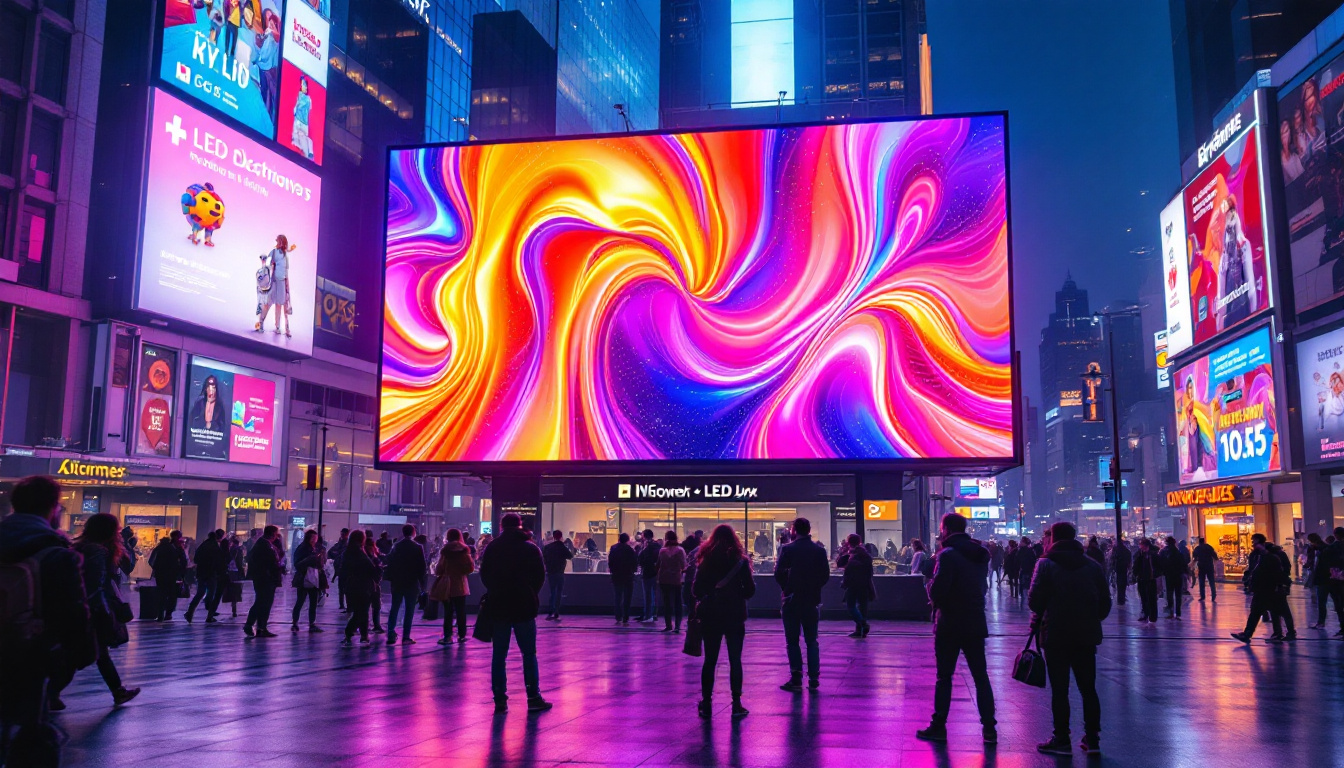
Retail environments benefit immensely from corner LED displays by maximizing advertising space and creating eye-catching visual experiences. For instance, flagship stores often use corner displays to showcase dynamic promotions, product launches, or brand storytelling, capturing customer attention from multiple angles.
Studies indicate that digital signage can increase customer engagement by up to 30%, and corner displays amplify this effect by offering more immersive content delivery. The ability to display 3D-like visuals or interactive content around a corner can significantly enhance brand recall and sales.
Corporate and Public Spaces
In corporate lobbies and public spaces such as airports or convention centers, wall corner LED displays serve as information hubs and aesthetic focal points. They provide real-time updates, wayfinding assistance, and promotional content, all while contributing to a modern and sophisticated environment.
For example, a corner display in a corporate lobby can welcome visitors with branded visuals that wrap around the space, creating a memorable first impression. Similarly, in public transit hubs, corner displays can present schedules and alerts in a format that is visible from multiple vantage points.
Museums and Entertainment Venues
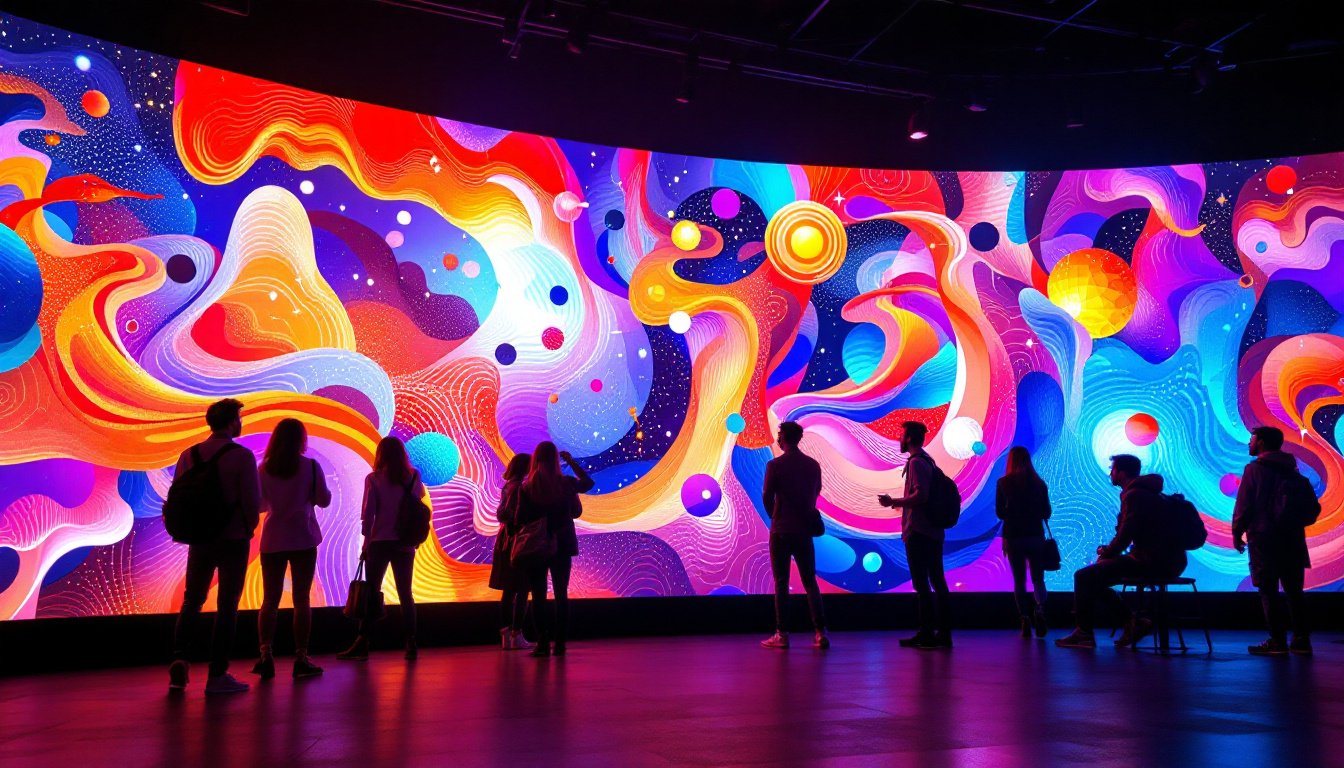
Museums and entertainment venues use wall corner LED displays to craft immersive exhibitions and experiences. By extending visuals around corners, curators can guide visitors through narratives and interactive installations that feel more engaging and lifelike.
Entertainment venues, including theaters and concert halls, use corner LED displays to enhance stage backdrops and audience engagement. The dynamic nature of LED technology allows for rapid content changes, supporting diverse programming and events.
Future Trends in Wall Corner LED Display Technology
The future of wall corner LED displays is shaped by ongoing advancements in display technology, content creation, and integration with emerging digital ecosystems.
Flexible and Curved LED Panels
One of the most exciting developments is the emergence of flexible and curved LED panels. These allow for even more creative corner installations that go beyond right angles, enabling smooth, rounded corners and complex architectural forms.
Flexible LED technology uses bendable substrates and innovative pixel arrangements, making it possible to wrap displays around irregular surfaces. This trend is anticipated to revolutionize interior design by merging digital content with organic architectural shapes.
Higher Resolution and Miniaturization
As LED technology advances, pixel pitches continue to shrink, pushing resolutions higher and enabling ultra-fine detail. MicroLED displays, which use microscopic LEDs as individual pixels, promise exceptional brightness, contrast, and energy efficiency.
For wall corner applications, these improvements mean clearer images even at close viewing distances, expanding their use in environments like luxury retail and high-end exhibitions where detail is paramount.
Integration with Smart Building Systems
Wall corner LED displays are increasingly being integrated into smart building ecosystems. This integration allows for automated content management based on occupancy, time of day, or environmental factors.
For example, a corner display in a smart office could switch from corporate messaging during work hours to ambient art or wayfinding information after hours. The use of AI-driven content optimization and IoT connectivity will make these displays more responsive and personalized.
Conclusion
Wall corner LED displays represent a fascinating intersection of technology, design, and user experience. Their ability to transform architectural corners into vibrant, immersive visual spaces offers significant advantages across retail, corporate, cultural, and entertainment sectors.
Understanding the technical nuances, design principles, and application contexts is crucial for leveraging the full potential of these displays. As LED technology continues to evolve, wall corner installations will become even more versatile, high-resolution, and integrated into the digital fabric of modern environments.
For designers, architects, and marketers, embracing wall corner LED displays means unlocking new dimensions of creativity and engagement, turning previously overlooked spaces into dynamic storytelling platforms.
Discover the Future of LED Displays with LumenMatrix
Ready to elevate your space with the latest in LED display technology? LumenMatrix is at the forefront of creating immersive and dynamic environments through innovative LED solutions. From captivating Indoor LED Wall Displays to versatile Custom LED Displays, our products are designed to transform your visual storytelling and engage your audience like never before. Check out LumenMatrix LED Display Solutions today and step into the future of digital signage.