Creating a lattice privacy screen is a popular way to enhance outdoor spaces, providing both aesthetic appeal and functional privacy. When combined with modern LED display technology, these screens can transform from simple barriers into dynamic, interactive features that elevate the ambiance and usability of any setting. This article explores the step-by-step process of making a lattice privacy screen integrated with LED displays, explaining the benefits, materials, and technical considerations involved.
Understanding the Purpose and Benefits of a Lattice Privacy Screen
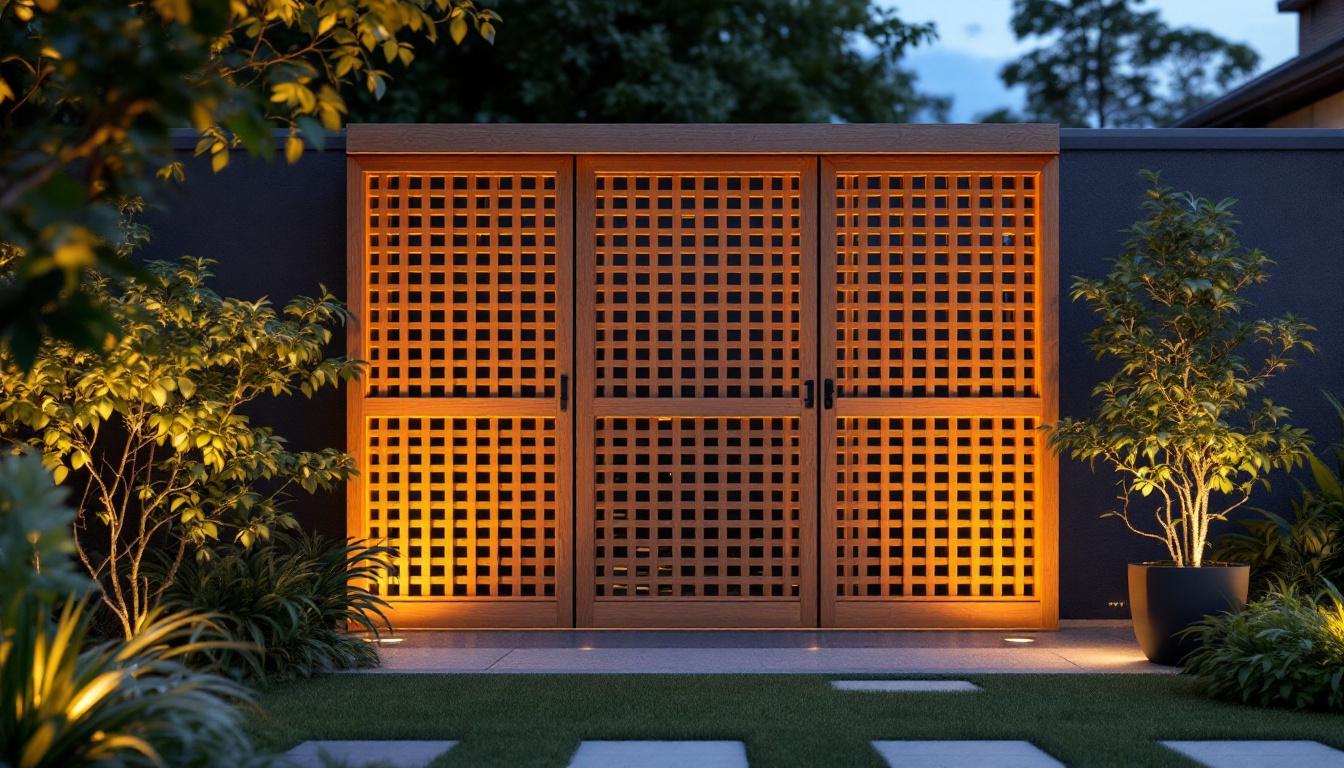
Lattice privacy screens have long been favored for their ability to offer seclusion without completely blocking light or airflow. Traditionally made from wood or vinyl, these screens create a patterned barrier that can shield outdoor areas from neighbors or street view while maintaining an open, airy feel. The intricate designs of lattice can also add an aesthetic appeal to gardens and patios, enhancing the overall landscape while serving a practical purpose. Homeowners often find that these screens can be easily integrated into existing outdoor decor, providing a seamless transition between functionality and style.
Incorporating LED displays into lattice screens introduces a new dimension of functionality. LED technology allows the screen to serve as a digital canvas, capable of displaying customizable lighting effects, information, or even advertisements. This fusion of privacy and technology is particularly popular in commercial settings such as restaurants, event spaces, and retail environments, where ambiance and branding are crucial. The ability to change the display based on events, seasons, or promotions can significantly enhance customer engagement and create a dynamic atmosphere that draws in patrons.
Key Advantages of Combining Lattice Screens with LED Displays
1. Enhanced Privacy and Ambiance: The lattice structure provides physical privacy, while LED lighting can create mood-enhancing effects that shift throughout the day or night. This combination allows for a versatile outdoor space that can transform from a serene retreat during the day to a vibrant social hub at night, making it ideal for gatherings and celebrations.
2. Energy Efficiency: Modern LEDs consume minimal power compared to traditional lighting, making them an eco-friendly option for continuous use. This energy efficiency not only reduces electricity bills but also contributes to a more sustainable environment, appealing to the growing number of consumers who prioritize eco-conscious choices in their home and business designs.
3. Customization: LED displays can be programmed to show a variety of colors, patterns, or messages, allowing for personalized or seasonal designs. This level of customization means that businesses can easily adapt their displays to reflect current trends or special occasions, enhancing their marketing efforts and creating a unique identity that resonates with their audience.
4. Durability: High-quality LEDs and weather-resistant lattice materials ensure longevity even in outdoor environments. This durability means that once installed, these screens require minimal maintenance, allowing owners to enjoy their benefits without the worry of frequent repairs or replacements. Additionally, the combination of robust materials can withstand various weather conditions, ensuring that the aesthetic and functional qualities remain intact over time.
5. Versatility in Design: Lattice privacy screens with integrated LED displays can be designed in various shapes and sizes, making them suitable for different spaces, from small balconies to expansive gardens. This versatility allows homeowners and business owners alike to tailor their installations to fit their specific needs, whether they are looking to create an intimate dining area or a grand outdoor event space.
6. Increased Property Value: The addition of a well-designed lattice privacy screen with LED capabilities can enhance the overall appeal of a property. Potential buyers often appreciate the blend of privacy and modern technology, viewing it as a valuable feature that sets a property apart from others on the market. This can be particularly beneficial in competitive real estate markets, where unique features can make a significant difference in attracting buyers.
Materials and Tools Needed for Building a Lattice Privacy Screen with LED Display
Before beginning construction, it’s essential to gather the right materials and tools to ensure a smooth process and a durable final product.
Materials
- Lattice Panels: Choose from wood (cedar or redwood for natural resistance to decay), vinyl, or composite materials depending on budget and desired aesthetic.
- LED Strip Lights or LED Modules: Weatherproof, outdoor-rated LED strips are ideal. Opt for RGB LEDs if color-changing effects are desired.
- Power Supply: A suitable outdoor-rated power adapter or transformer compatible with the LED system.
- Controller: A programmable LED controller or smart home integration device to manage lighting effects.
- Mounting Hardware: Screws, brackets, and clips designed for outdoor use.
- Weatherproof Enclosure: To protect electrical components and wiring from moisture.
- Electrical Wiring and Connectors: Outdoor-rated cables and waterproof connectors.
- Sealant or Paint: For finishing wooden lattice and protecting it against the elements.
Tools
- Power drill and drill bits
- Screwdrivers
- Wire strippers and cutters
- Measuring tape and level
- Paintbrush or sprayer (if painting or sealing)
- Safety gear: gloves, goggles
Step-by-Step Guide to Building the Lattice Privacy Screen with LED Display
Step 1: Planning and Design
Begin by determining the size and location of the lattice screen. Measure the area where the screen will be installed to ensure the panels fit perfectly. Consider the height needed for adequate privacy and whether the screen will be freestanding or attached to an existing structure.
Next, plan the LED layout. Decide whether the LEDs will be mounted behind the lattice for a subtle glow or integrated within the lattice pattern for more direct illumination. Sketching your design helps visualize the final look and guides wiring placement.
Step 2: Preparing the Lattice Panels
If using wooden lattice panels, sand any rough edges and apply a weather-resistant sealant or paint to protect against moisture and UV damage. Allow sufficient drying time before proceeding.
For vinyl or composite panels, cleaning the surface to remove dust and oils ensures better adhesion of LED mounting hardware.
Step 3: Installing the LED Lights
Attach the LED strips or modules according to your design. Use mounting clips or adhesive backing designed for outdoor use. When placing LED strips behind the lattice, ensure they are evenly spaced to create a uniform glow. If integrating LEDs within the lattice, secure them carefully to avoid damage during assembly.
Pay close attention to the direction of the LED strips and the location of the power supply to minimize visible wiring. Use waterproof connectors for all electrical connections to prevent corrosion and short circuits.
Step 4: Wiring and Electrical Setup
Run the wiring from the LED strips to the power supply and controller. Conceal wires along the frame or behind the lattice to maintain a clean appearance. Connect the LED controller to the power supply, and program it according to your desired lighting effects.
It is highly recommended to consult or hire a licensed electrician for this step, especially if you are unfamiliar with outdoor electrical installations. Safety and compliance with local electrical codes are paramount.
Step 5: Installing the Lattice Screen
Secure the lattice panels in place using appropriate mounting hardware. For freestanding screens, sturdy posts anchored into the ground provide stability. If attaching to an existing structure, use brackets or screws designed for the surface material.
Double-check that the screen is level and firmly installed to withstand wind and weather conditions.
Step 6: Testing and Final Adjustments
Power on the LED system and test all lighting functions. Adjust brightness, color, and patterns as needed to achieve the desired effect. Make sure all connections are secure and weatherproofed.
Perform a final inspection to ensure the lattice screen is both visually appealing and structurally sound.
LED Display Technology: How It Works in a Lattice Privacy Screen
Light Emitting Diodes (LEDs) are semiconductor devices that emit light when an electric current passes through them. Their efficiency, durability, and versatility make them ideal for outdoor lighting applications like lattice privacy screens.
Types of LEDs Suitable for Outdoor Lattice Screens
LED Strip Lights: Flexible circuit boards populated with surface-mounted LEDs. These strips can be cut to length and are often waterproofed with silicone or epoxy coatings.
LED Modules: Individual LED units mounted on small circuit boards, typically used for more precise lighting patterns or higher brightness requirements.
Controlling LED Displays
Modern LED systems often include controllers that allow users to adjust colors, brightness, and patterns remotely via smartphone apps or dedicated remotes. Some advanced setups integrate with smart home systems, enabling automation based on time of day, weather, or events.
For lattice privacy screens, this means the lighting can be tailored to different moods or functions—soft ambient lighting for evenings, vibrant colors for parties, or subtle illumination for safety.
Maintenance Tips for Longevity and Performance
Proper maintenance extends the life of your lattice privacy screen and LED display, ensuring it remains an attractive and functional feature.
Routine Cleaning
Dust and debris can accumulate on the lattice and LED surfaces, diminishing light output and appearance. Clean the lattice panels with mild soap and water periodically. Use a soft cloth or brush to gently clean LED strips, avoiding abrasive materials that could damage the waterproof coating.
Inspecting Electrical Components
Regularly check wiring, connectors, and the power supply for signs of wear or damage. Replace any compromised components promptly to prevent electrical hazards.
Protecting Against Weather
Ensure all seals and enclosures remain intact. Consider applying additional protective coatings to wooden lattice panels annually to guard against moisture and UV exposure.
Real-World Applications and Inspiration
Many businesses and homeowners have embraced lattice privacy screens with LED displays for their unique blend of privacy, style, and technology.
Restaurants use them to create intimate outdoor dining areas with customizable lighting that enhances the dining experience. Event venues incorporate LED lattice screens as dynamic backdrops that can change appearance throughout an event. Residential users enjoy the ability to personalize their outdoor spaces with seasonal colors or festive displays.
According to a 2023 survey by the Outdoor Living Association, over 40% of homeowners upgrading their patios included some form of integrated lighting, with LED technology leading the trend due to its flexibility and energy efficiency.
Conclusion
Building a lattice privacy screen with an integrated LED display is an excellent way to combine functionality with modern technology. By carefully selecting materials, planning the design, and following proper installation and maintenance practices, you can create a durable, attractive feature that enhances privacy and adds dynamic lighting to any outdoor space.
Whether for residential or commercial use, this fusion of traditional lattice design and cutting-edge LED technology offers endless possibilities for customization and ambiance, making it a worthwhile investment for enhancing your environment.
Discover the Perfect LED Display for Your Lattice Privacy Screen
Ready to elevate your outdoor space with a customizable lattice privacy screen featuring the latest in LED display technology? Look no further than LumenMatrix, your partner in creating visually stunning environments. From vibrant outdoor wall displays to innovative custom solutions, LumenMatrix offers a wide range of LED display modules designed to bring your vision to life. Experience the future of visual communication and make your space a testament to cutting-edge design. Check out LumenMatrix LED Display Solutions today and transform your environment into a dynamic and engaging experience.