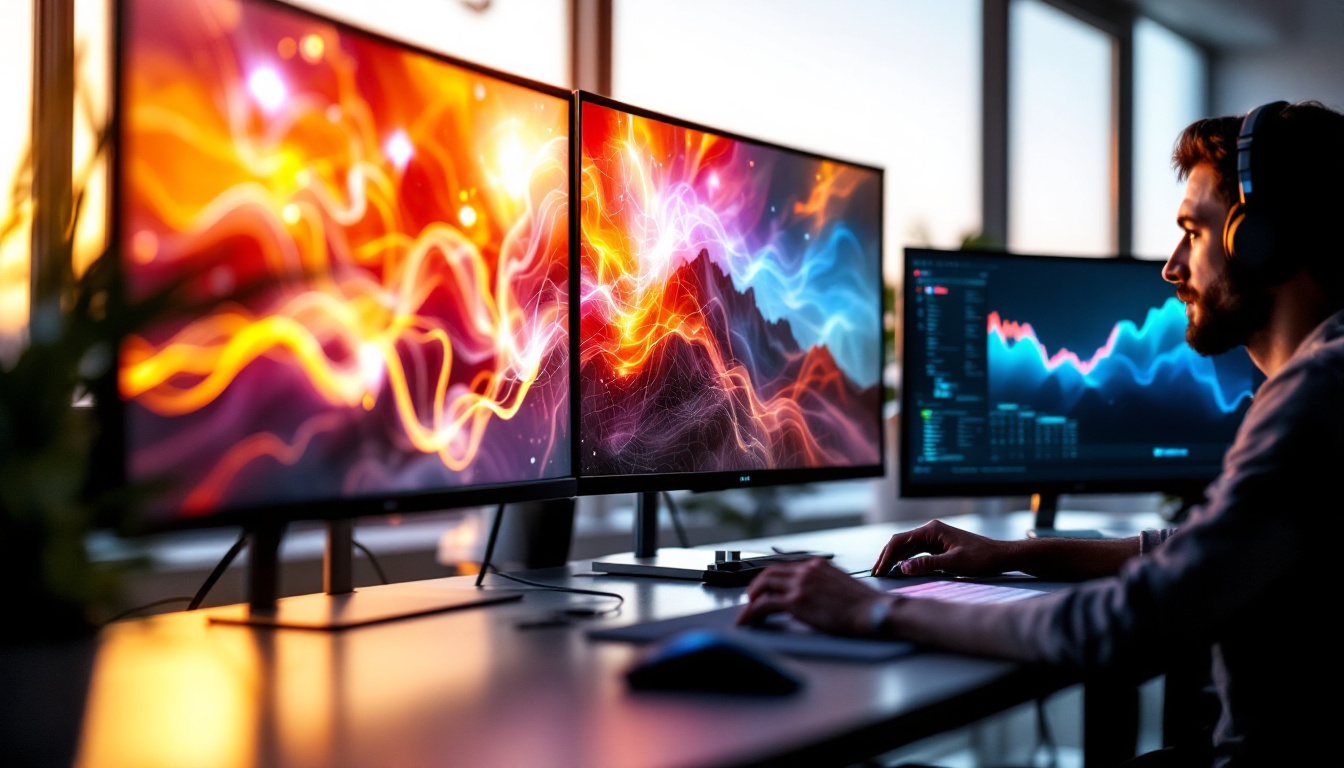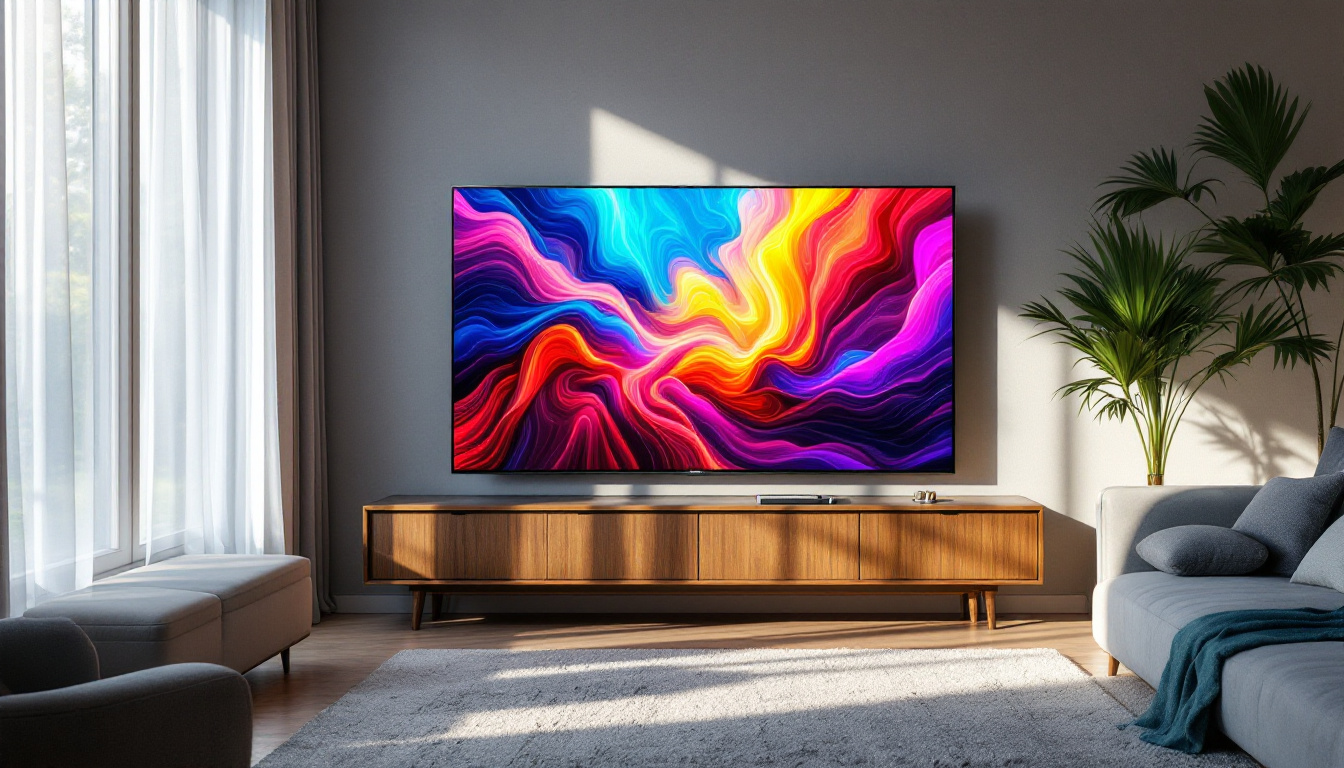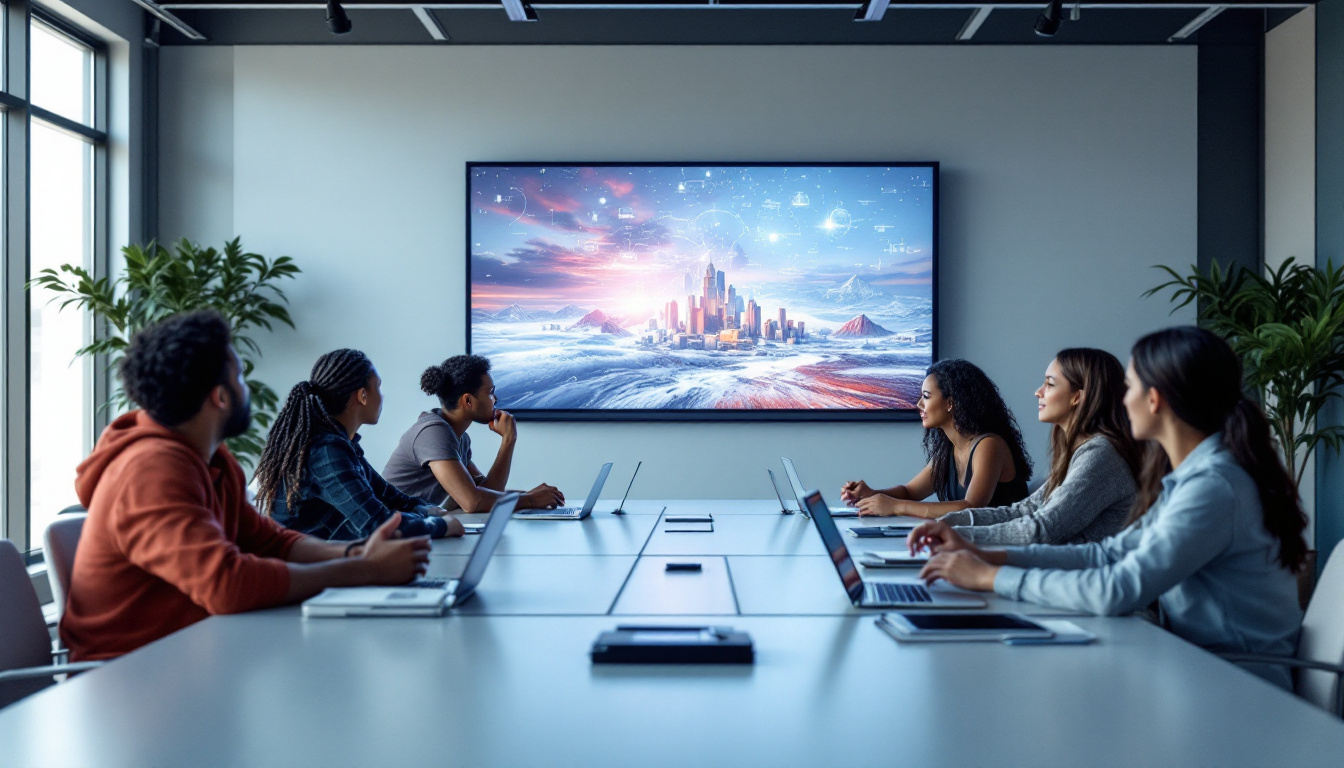
Control rooms serve as the nerve centers for critical operations across industries such as utilities, transportation, emergency services, manufacturing, and security. At the heart of these environments are the monitors that display vital information, enabling operators to make informed decisions swiftly and accurately. Among the various display technologies available, LED displays have become increasingly prevalent due to their superior performance and versatility.
This article delves into the world of control room monitors with a focus on LED display technology. It explains how LED displays work, their advantages in control room environments, key features to consider when selecting monitors, and practical examples of their application. Whether you are an operations manager, a systems integrator, or a technology enthusiast, this comprehensive overview will help you understand why LED displays are often the preferred choice for control rooms.
Understanding LED Display Technology
What is an LED Display?
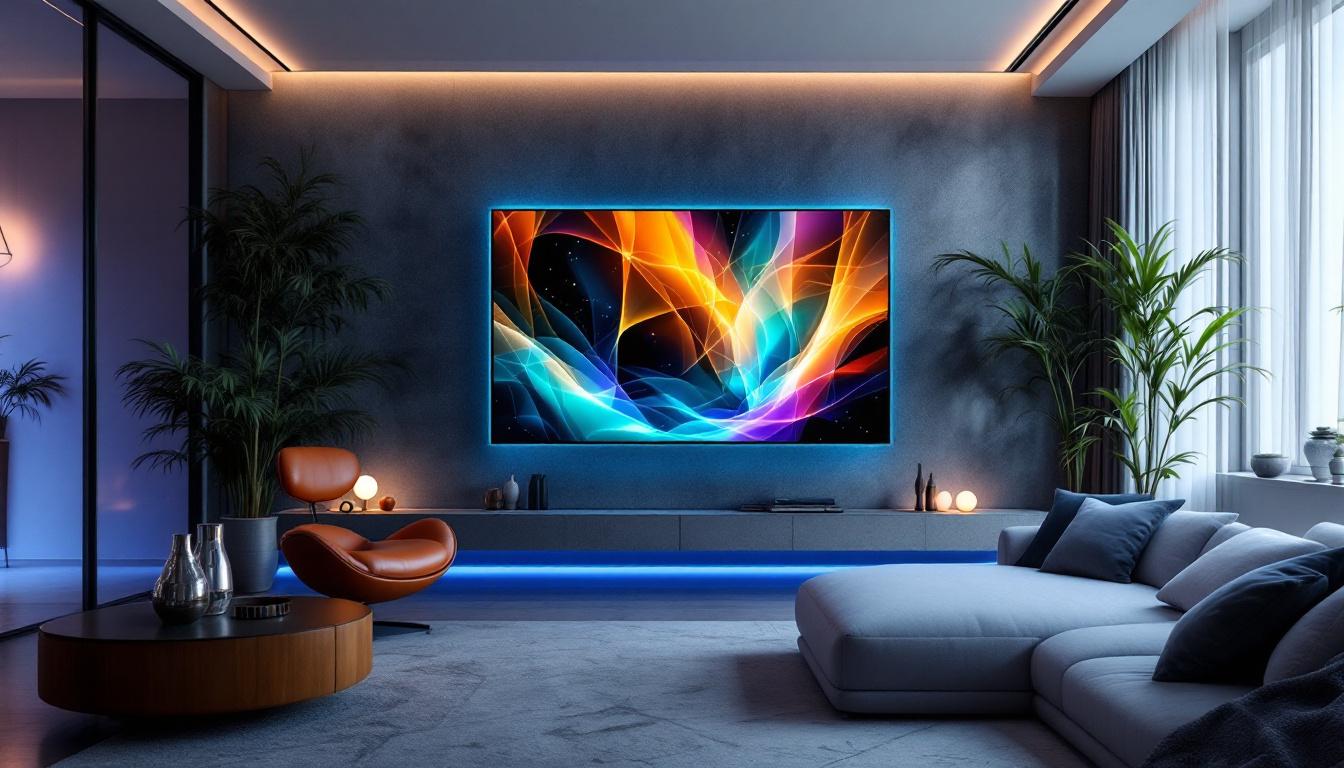
LED stands for Light Emitting Diode, a semiconductor device that emits light when an electric current passes through it. LED displays use an array of these tiny diodes to form images, text, or video. Unlike traditional LCDs that rely on backlighting, LED displays generate their own light, which leads to improved brightness, contrast, and energy efficiency. This self-illuminating property not only enhances visibility in various lighting conditions but also contributes to a more vibrant color palette, making LED displays ideal for environments where clarity and detail are paramount.
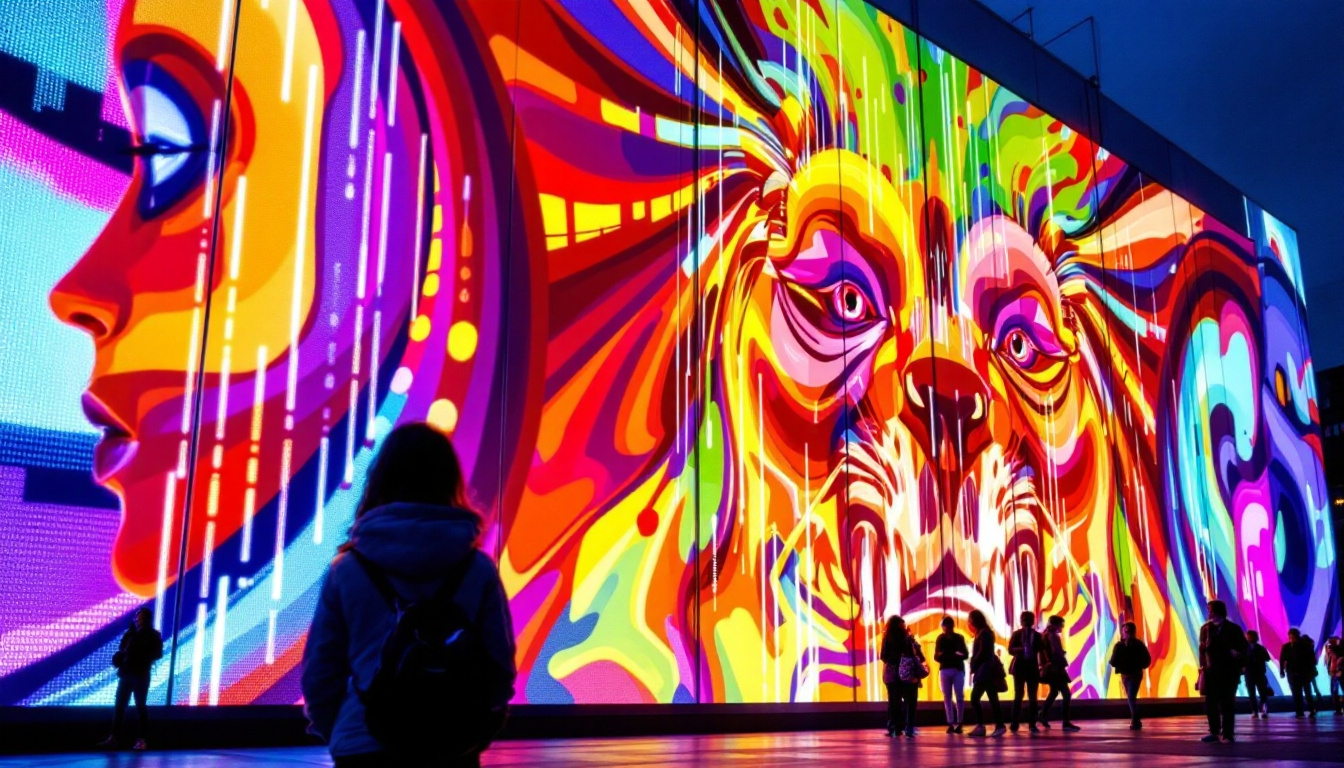
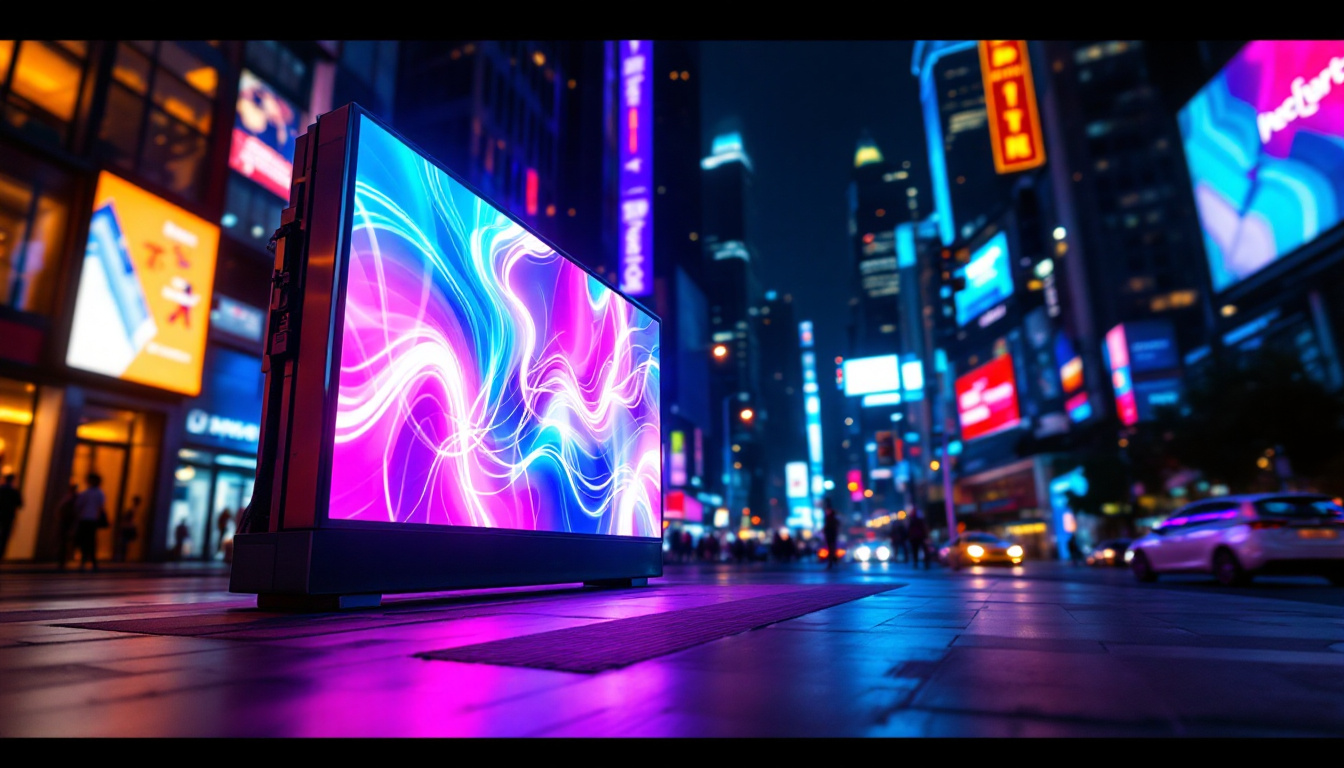
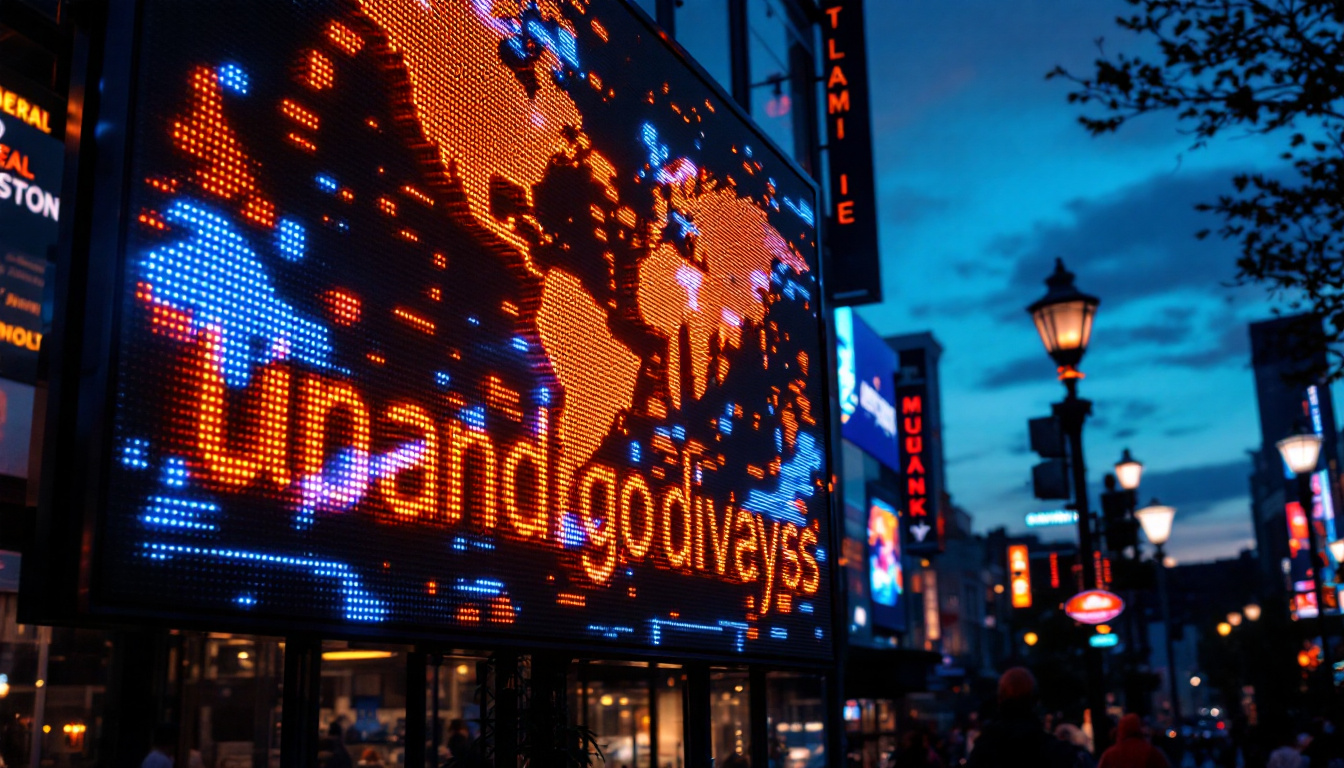
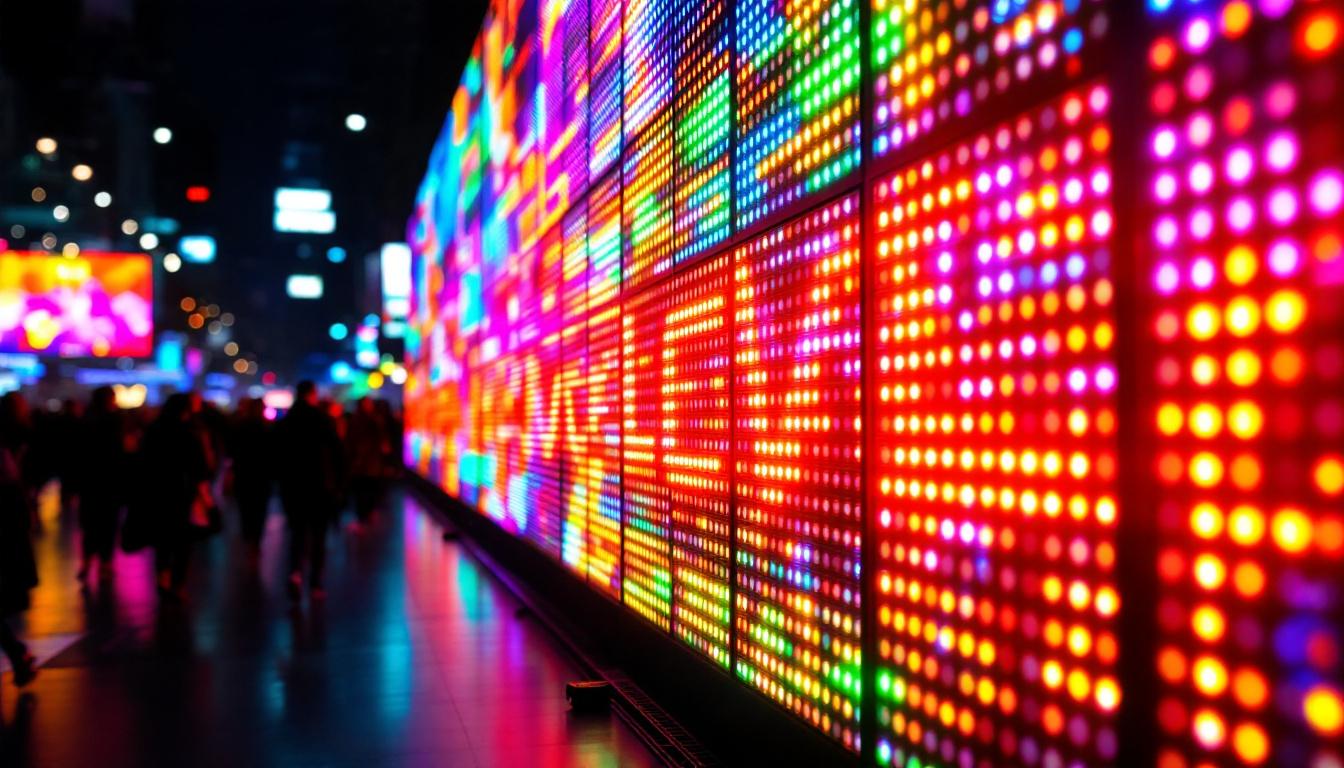
There are two main types of LED displays used in control rooms: direct-view LED and LED-backlit LCD. Direct-view LED displays consist entirely of LEDs that produce the image, commonly found in large video walls. These displays can be scaled to enormous sizes, making them suitable for stadiums, airports, and other large venues. LED-backlit LCD monitors, on the other hand, use LEDs as a backlight source behind an LCD panel, offering a slimmer profile suitable for desktop or rack-mounted monitors. The versatility of these two types allows for a wide range of applications, from high-end broadcasting to corporate environments, where space and aesthetic considerations are equally important.
How LED Displays Work
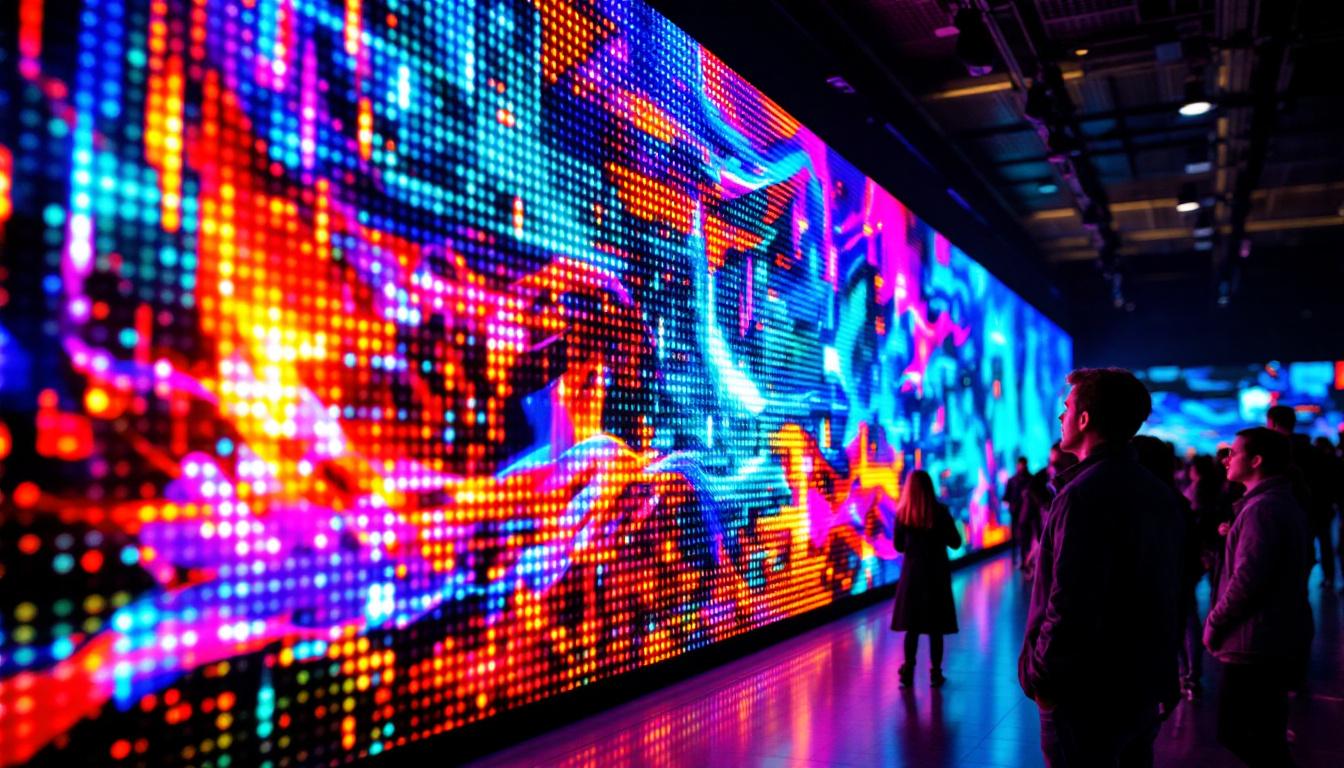
In direct-view LED displays, each pixel is made up of multiple LEDs, typically red, green, and blue (RGB). By adjusting the intensity of each color diode, the display can produce a wide spectrum of colors. This pixel-level control allows for high resolution and vivid images, which is crucial for displaying complex data and graphics in control rooms. Moreover, the modular nature of direct-view LED technology enables easy repairs and upgrades, ensuring longevity and adaptability in rapidly changing technological landscapes.
LED-backlit LCDs use an array of LEDs behind a liquid crystal display panel. The liquid crystals modulate the light to create images. This design improves brightness and color accuracy compared to older CCFL (cold cathode fluorescent lamp) backlighting, while maintaining the sharpness and responsiveness needed for control room applications. Additionally, advancements in LED technology have led to features such as local dimming, which enhances contrast by allowing specific areas of the display to be dimmed or brightened independently. This capability not only enhances the viewing experience but also reduces energy consumption, making LED-backlit LCDs a more sustainable choice for organizations looking to minimize their environmental impact.
Advantages of LED Displays in Control Rooms
Enhanced Visibility and Image Quality
Control rooms often operate 24/7, requiring displays that remain clear and readable under various lighting conditions. LED displays offer superior brightness levels, often exceeding 1000 nits, which ensures visibility even in brightly lit environments. Their high contrast ratios enhance the differentiation of colors and details, which is essential for monitoring complex data streams such as surveillance feeds, system alerts, and operational dashboards.
Moreover, LED displays provide wide viewing angles, allowing multiple operators to view the screens simultaneously without color distortion or loss of clarity. This is particularly important in collaborative control room settings where teams need to share situational awareness. The ability to maintain image integrity from various vantage points ensures that all team members can make informed decisions based on the same visual information, thereby streamlining communication and enhancing overall operational efficiency.
Additionally, the rapid refresh rates of LED displays minimize motion blur, making them ideal for environments where real-time data is critical. For instance, in security monitoring, the ability to clearly see fast-moving objects can be the difference between a timely response and a missed opportunity. This level of detail not only aids in immediate decision-making but also contributes to long-term data analysis, as operators can review recorded footage with clarity and precision.
Energy Efficiency and Longevity
Energy consumption is a critical consideration for control rooms that run continuously. LED technology is more energy-efficient than traditional display technologies, reducing operational costs and environmental impact. For example, LED-backlit LCD monitors can consume up to 40% less power than CCFL-backlit counterparts. This efficiency not only lowers electricity bills but also contributes to a more sustainable operational model, aligning with corporate social responsibility goals.
In addition to efficiency, LEDs have a longer lifespan, often rated between 50,000 to 100,000 hours. This durability minimizes maintenance downtime and replacement costs, ensuring that control rooms maintain uninterrupted operations. The long life of LED displays also means that organizations can allocate resources more effectively, focusing on critical tasks rather than routine equipment replacements. Furthermore, the reduced frequency of disposal contributes to less electronic waste, promoting a greener approach to technology usage.
Flexibility and Scalability
LED displays are highly adaptable to various control room configurations. Direct-view LED video walls can be constructed in virtually any size or shape, from small clusters to massive panoramic walls spanning multiple meters. This scalability allows organizations to tailor their visual environment to specific operational needs. For instance, a command center managing city infrastructure might require a large, immersive display to monitor multiple feeds at once, while a smaller facility might benefit from a compact setup that still delivers high performance.
Furthermore, modular LED panels enable easy maintenance and upgrades. If a section of the video wall malfunctions, it can be replaced without dismantling the entire display. This modularity also supports future expansion, making LED displays a future-proof investment. As technology evolves, control rooms can easily integrate new features or larger displays, ensuring they remain at the forefront of operational capabilities. This adaptability not only enhances the user experience but also protects the initial investment, making LED displays a smart choice for any forward-thinking organization.
Key Features to Consider When Selecting LED Control Room Monitors
Resolution and Pixel Pitch
Resolution defines the number of pixels displayed on the screen, directly impacting image clarity and detail. Pixel pitch, measured in millimeters, refers to the distance between the centers of adjacent pixels. A smaller pixel pitch means higher pixel density and sharper images, which is crucial for displaying intricate data and fine details.
For control rooms, selecting the right resolution and pixel pitch depends on viewing distance and the type of content displayed. For example, a video wall with a pixel pitch of 1.5mm to 2.5mm is ideal for close-up viewing, while larger pixel pitches (3mm to 6mm) may suffice for walls viewed from several meters away.
Color Accuracy and Calibration
Accurate color reproduction is essential for control rooms that rely on color-coded data and alerts. LED displays should support color calibration to maintain consistent and precise colors over time. Professional-grade monitors often include built-in calibration tools or compatibility with external calibration devices to ensure reliable color fidelity.
Refresh Rate and Response Time
High refresh rates (typically 60Hz or higher) and low response times reduce motion blur and latency, which is vital for real-time monitoring scenarios such as security surveillance or traffic control. LED displays generally excel in these areas compared to other technologies, providing smooth and responsive visuals.
Connectivity and Integration
Control room displays must integrate seamlessly with various data sources and control systems. Monitors equipped with multiple input options—such as HDMI, DisplayPort, DVI, and network interfaces—offer greater flexibility. Additionally, compatibility with video wall processors and control software ensures efficient content management and display customization.
Durability and Environmental Considerations
Control rooms can be subject to varying environmental conditions, including temperature fluctuations, dust, and electromagnetic interference. Selecting LED monitors with robust build quality, appropriate IP ratings for dust and moisture resistance, and certifications for electromagnetic compatibility helps ensure reliable operation.
Applications of LED Displays in Control Rooms
Utility and Energy Management
In power plants and grid control centers, LED video walls provide operators with real-time data on energy production, consumption, and grid stability. The high brightness and resolution enable clear visualization of complex network diagrams and performance metrics, facilitating rapid response to outages or anomalies.
Transportation and Traffic Control
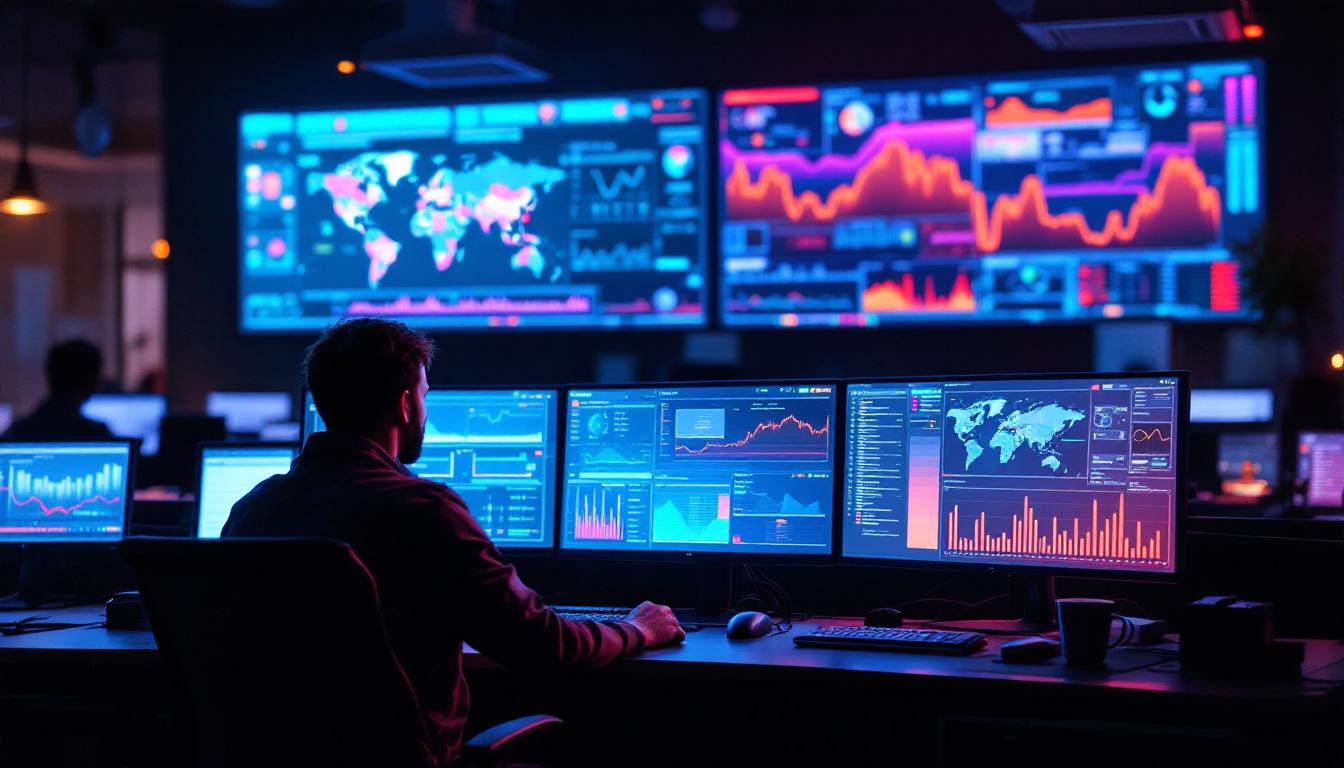
Transportation control rooms use LED displays to monitor traffic flow, public transit systems, and infrastructure status. Large-format LED video walls allow operators to view multiple camera feeds, digital maps, and alert systems simultaneously, enhancing situational awareness and decision-making.
Emergency and Security Operations
Emergency response centers rely on LED displays to coordinate resources during crises. The ability to display multiple video streams, GIS data, and communication channels in a centralized, high-visibility format improves coordination and response times. Security operations centers similarly benefit from LED displays for surveillance and threat monitoring.
Manufacturing and Process Control
In industrial environments, LED monitors display critical process parameters, production metrics, and safety alerts. Their durability and clarity help operators maintain optimal production efficiency and quickly address any operational issues.
Future Trends in LED Control Room Displays
MicroLED and MiniLED Technologies
Emerging LED technologies such as MicroLED and MiniLED promise even greater brightness, contrast, and energy efficiency. MicroLED displays, composed of microscopic LEDs, offer near-perfect color accuracy and virtually infinite contrast ratios. These advancements could redefine visual performance standards in control rooms.
Integration with AI and Analytics
As control rooms incorporate artificial intelligence and advanced analytics, LED displays will play a key role in visualizing complex data insights. Interactive and touch-enabled LED walls may enable operators to manipulate data directly on the display, enhancing situational awareness and decision-making.
Enhanced Ergonomics and User Experience
Future LED control room monitors will likely focus on reducing eye strain and improving operator comfort through adaptive brightness, blue light filtering, and customizable display layouts. These features contribute to sustained operator performance during long shifts.
Conclusion
LED display technology has transformed control room monitoring by offering unparalleled brightness, clarity, energy efficiency, and flexibility. Whether through large-scale video walls or high-resolution desktop monitors, LED displays enhance the ability of operators to monitor, analyze, and respond to critical information in real time.
When selecting LED control room monitors, it is vital to consider factors such as resolution, color accuracy, refresh rate, connectivity, and environmental durability to ensure the display meets the specific operational demands. As LED technology continues to evolve, control rooms will benefit from even more advanced visualization capabilities, ultimately supporting safer, more efficient, and more effective operations across industries.
Discover LumenMatrix’s Advanced LED Solutions
Ready to elevate your control room’s capabilities with the latest in LED display technology? LumenMatrix specializes in a wide array of innovative LED solutions, from Indoor and Outdoor LED Wall Displays to specialized formats like Vehicle, Sports, and Floor LED Displays. Our mission is to revolutionize your visual communication, ensuring your operations are not just efficient, but truly captivating. Check out LumenMatrix LED Display Solutions today and experience the future of control room monitors.