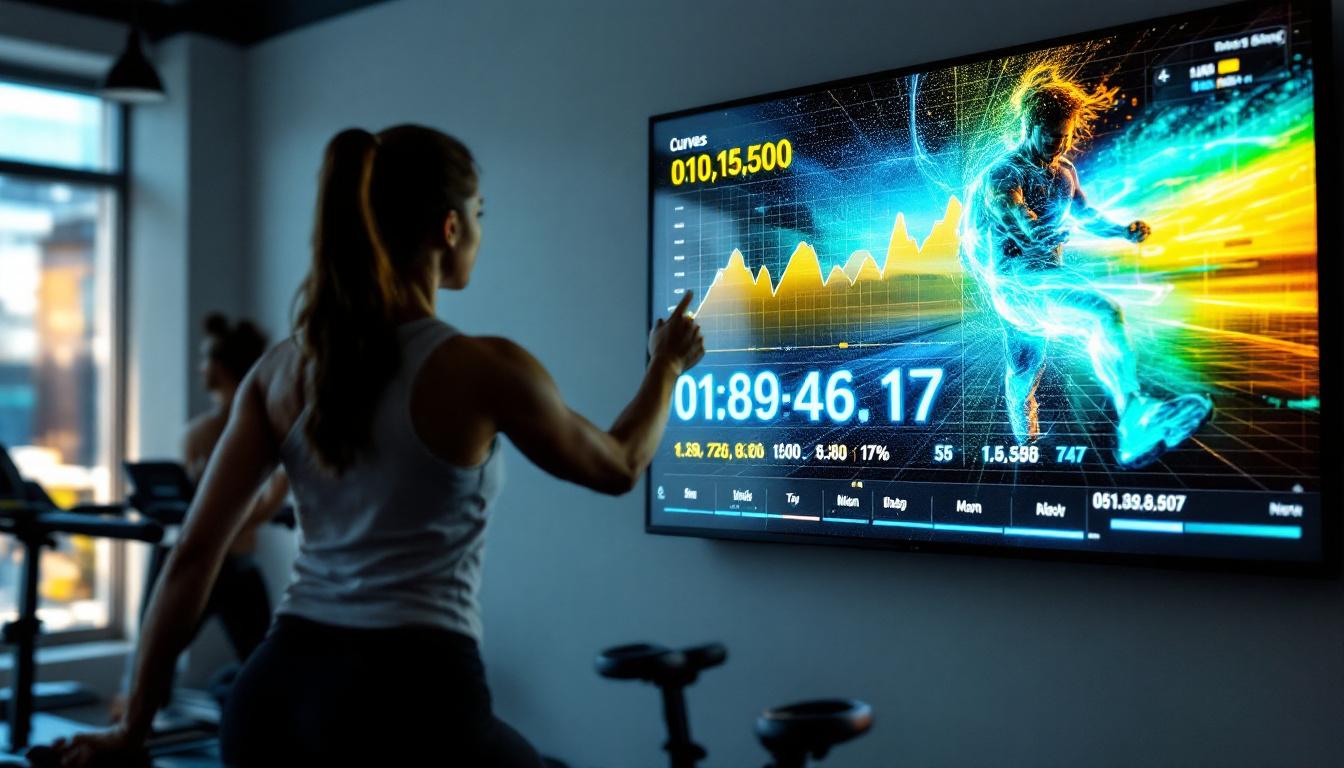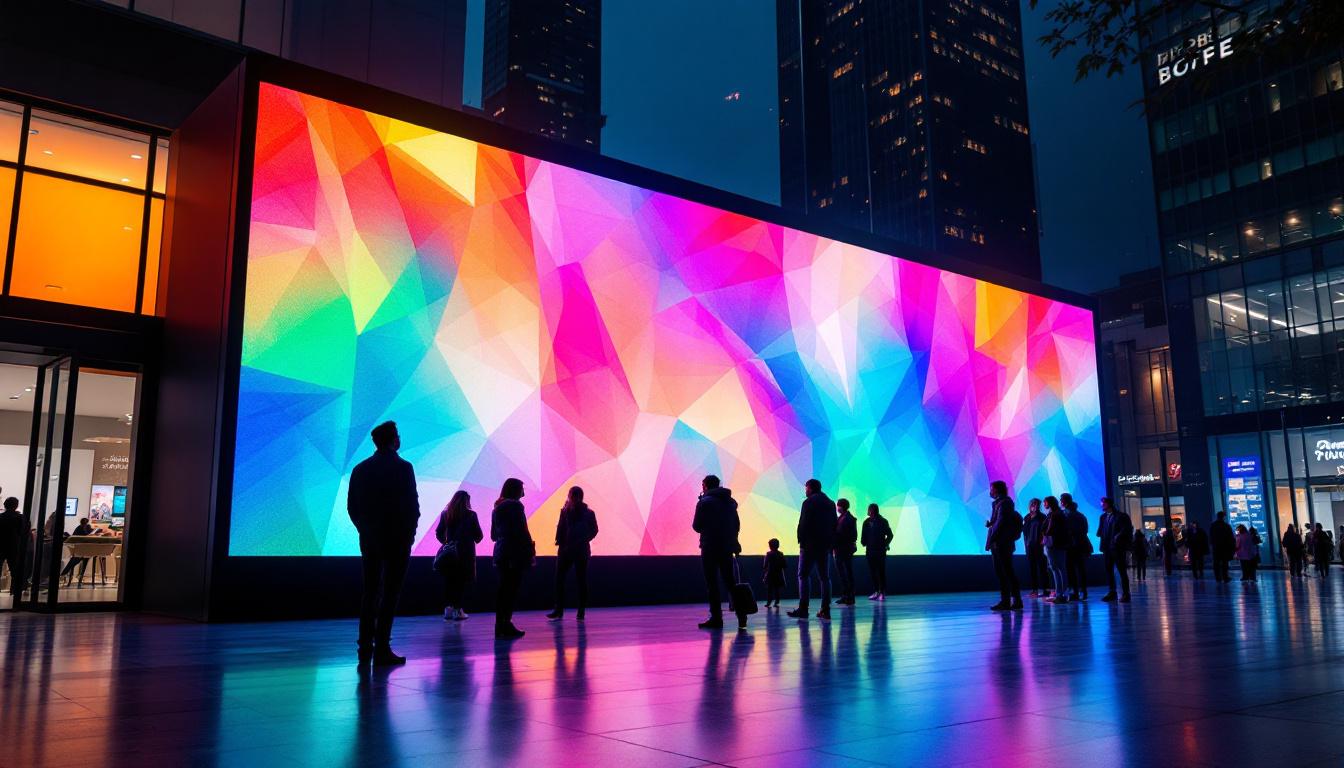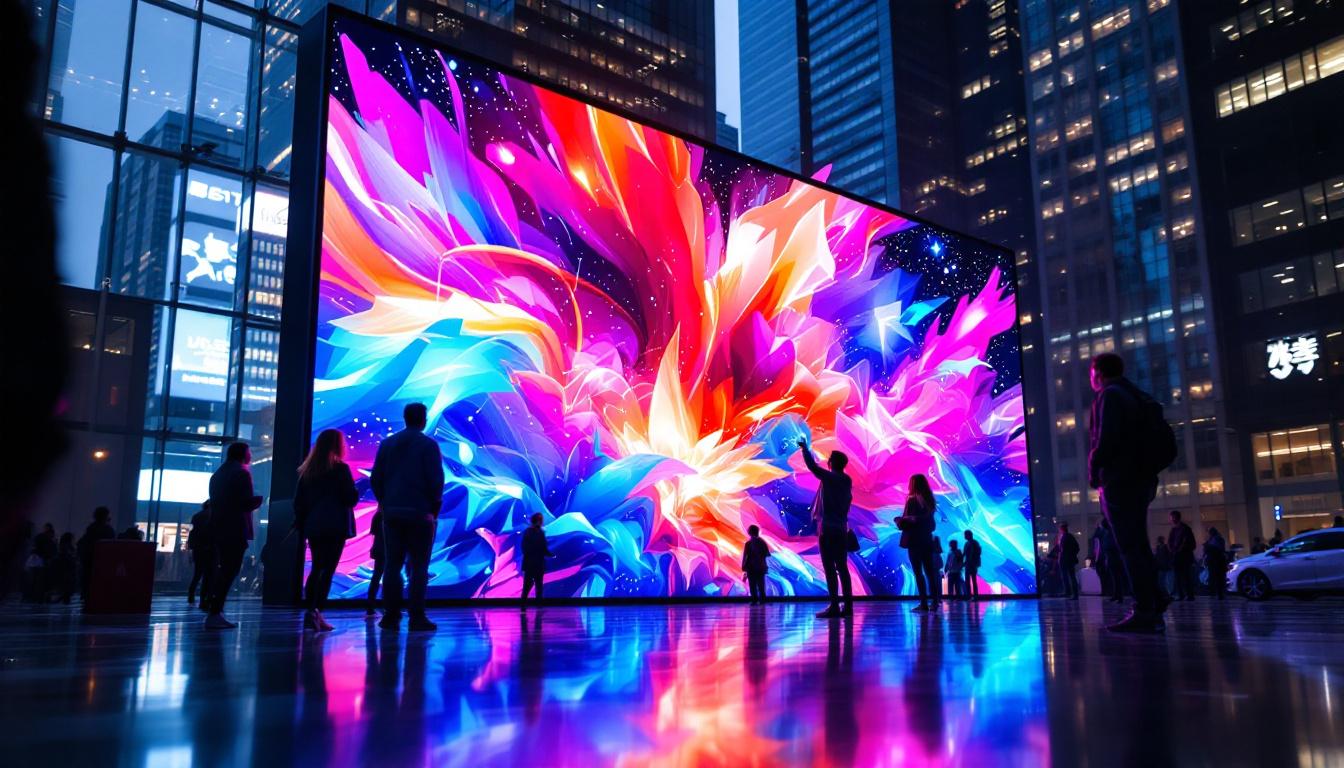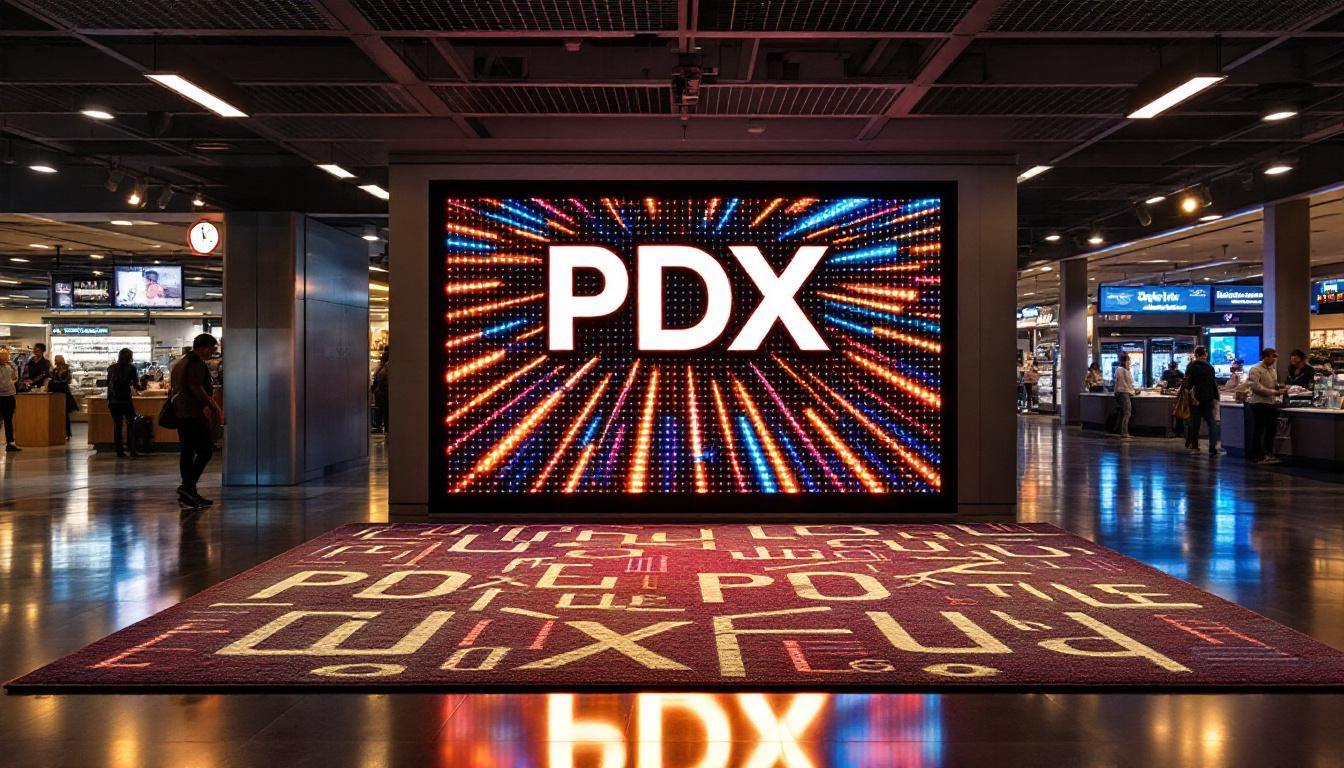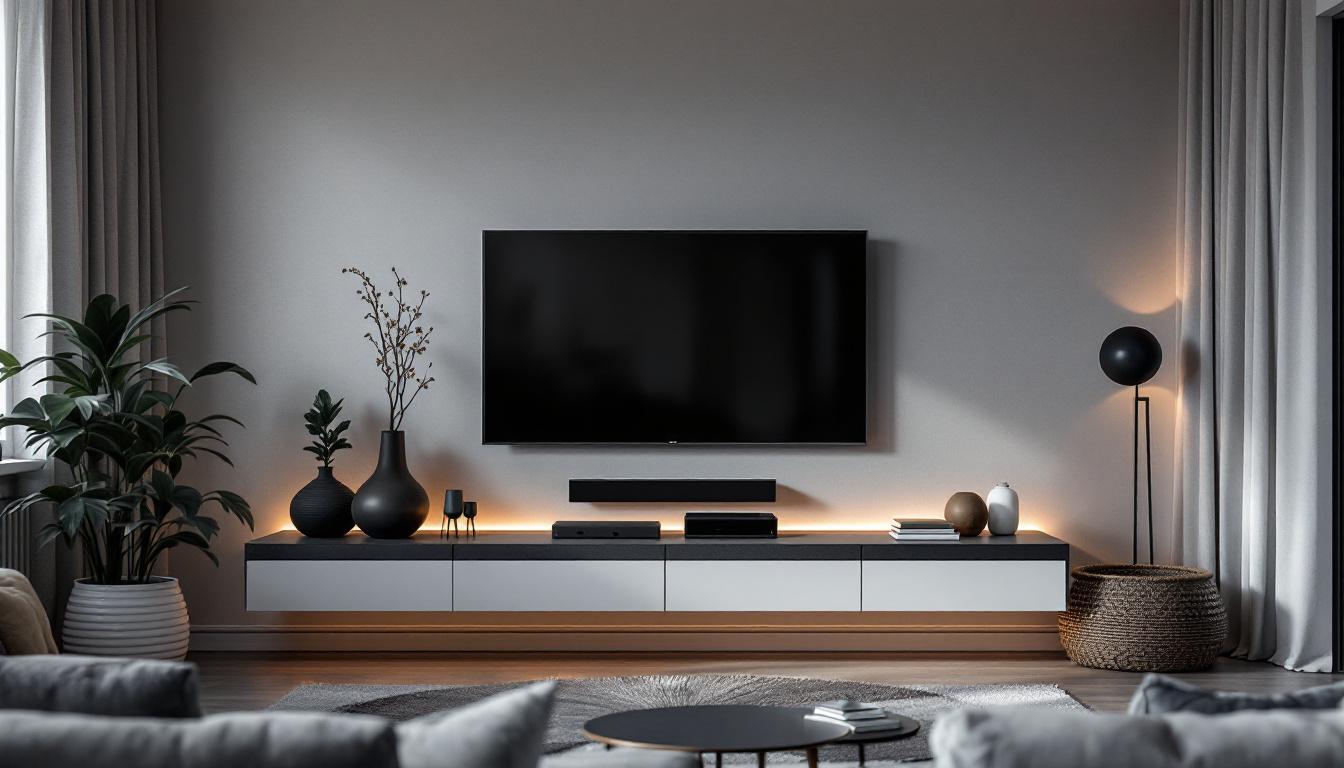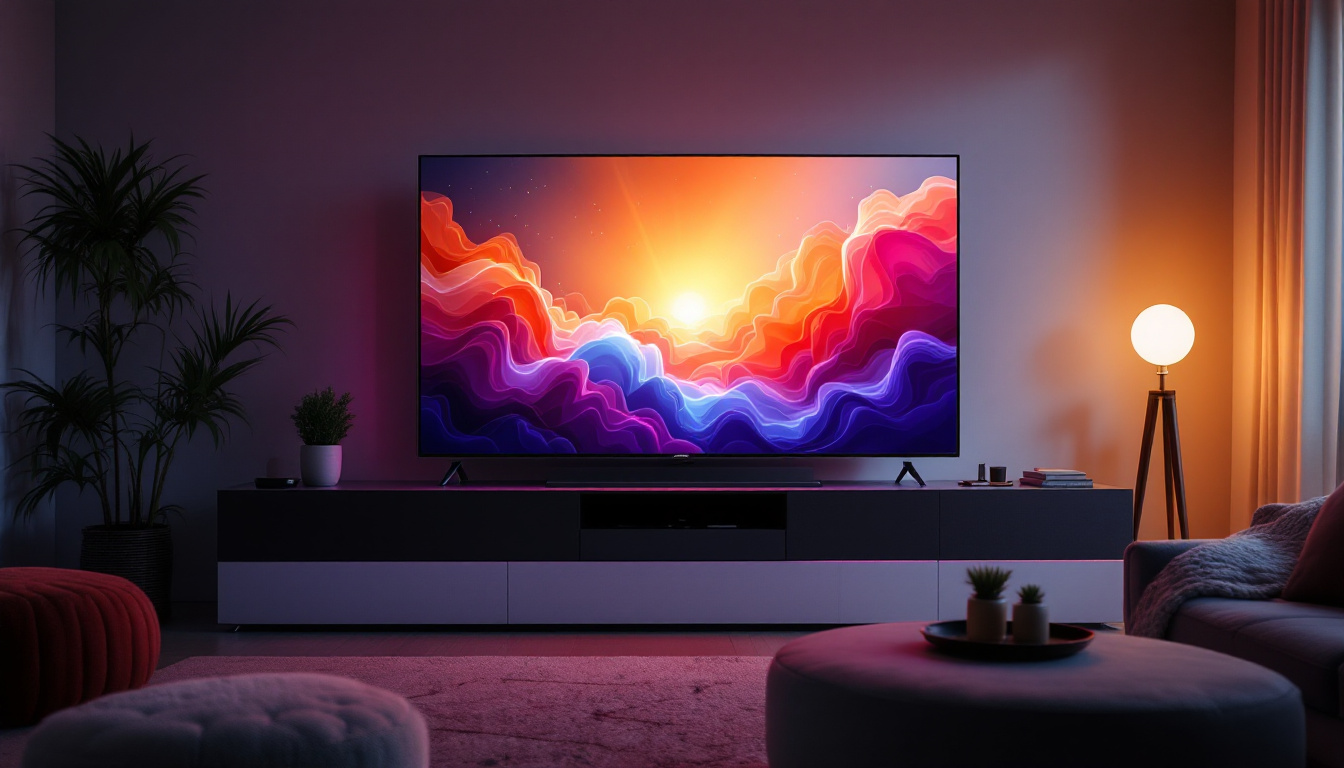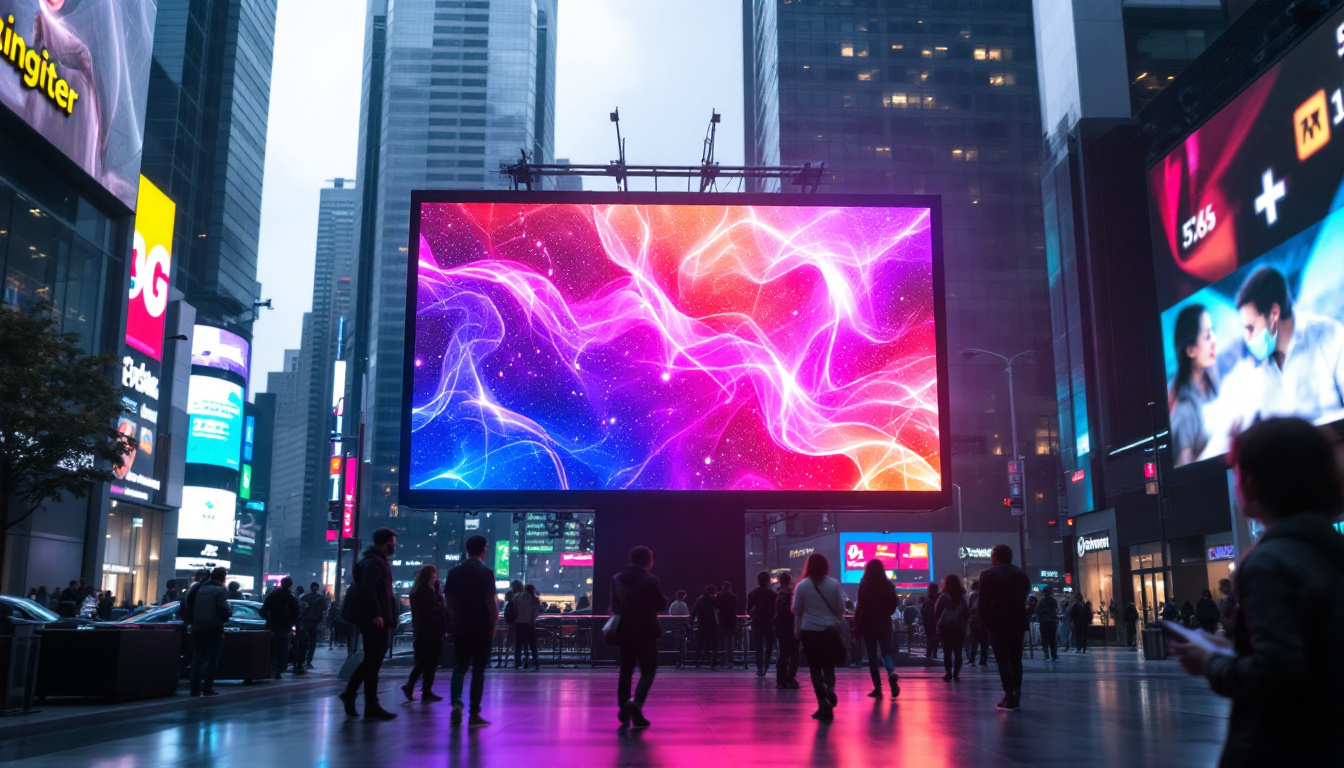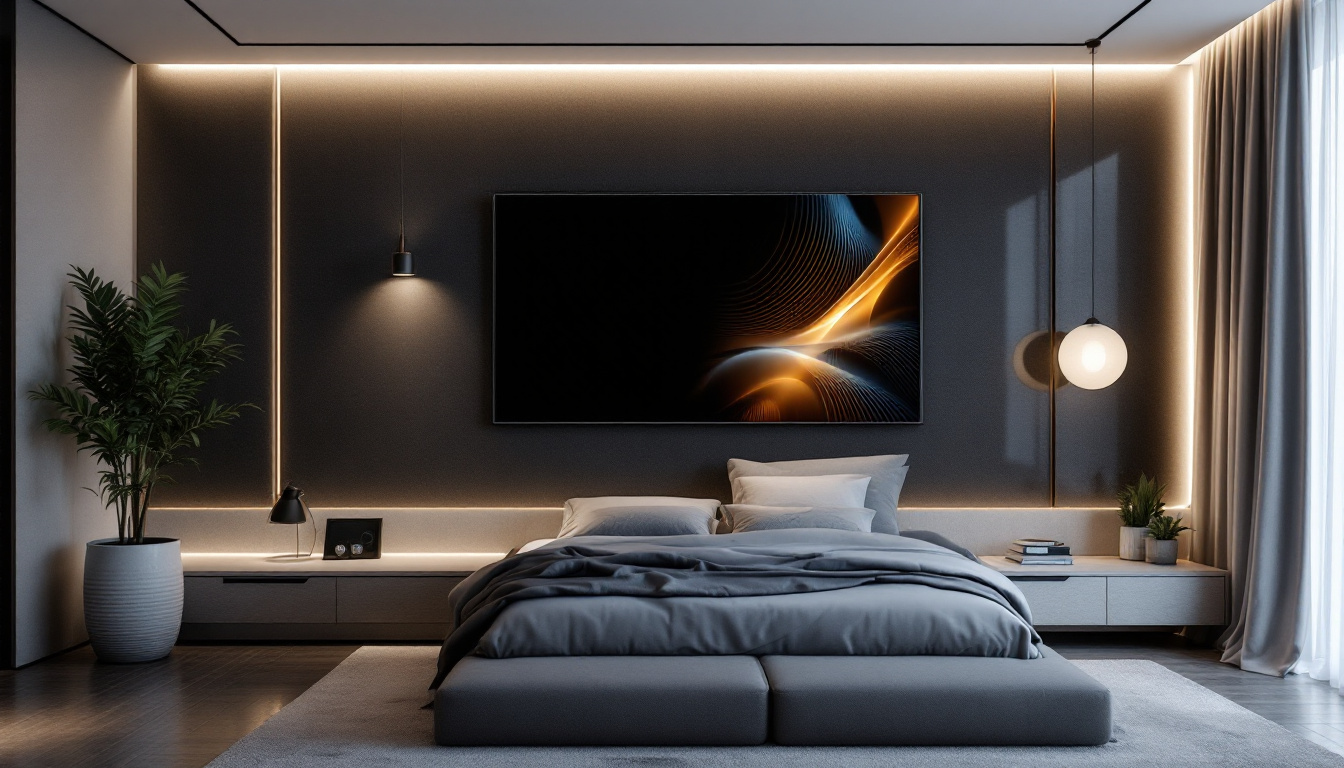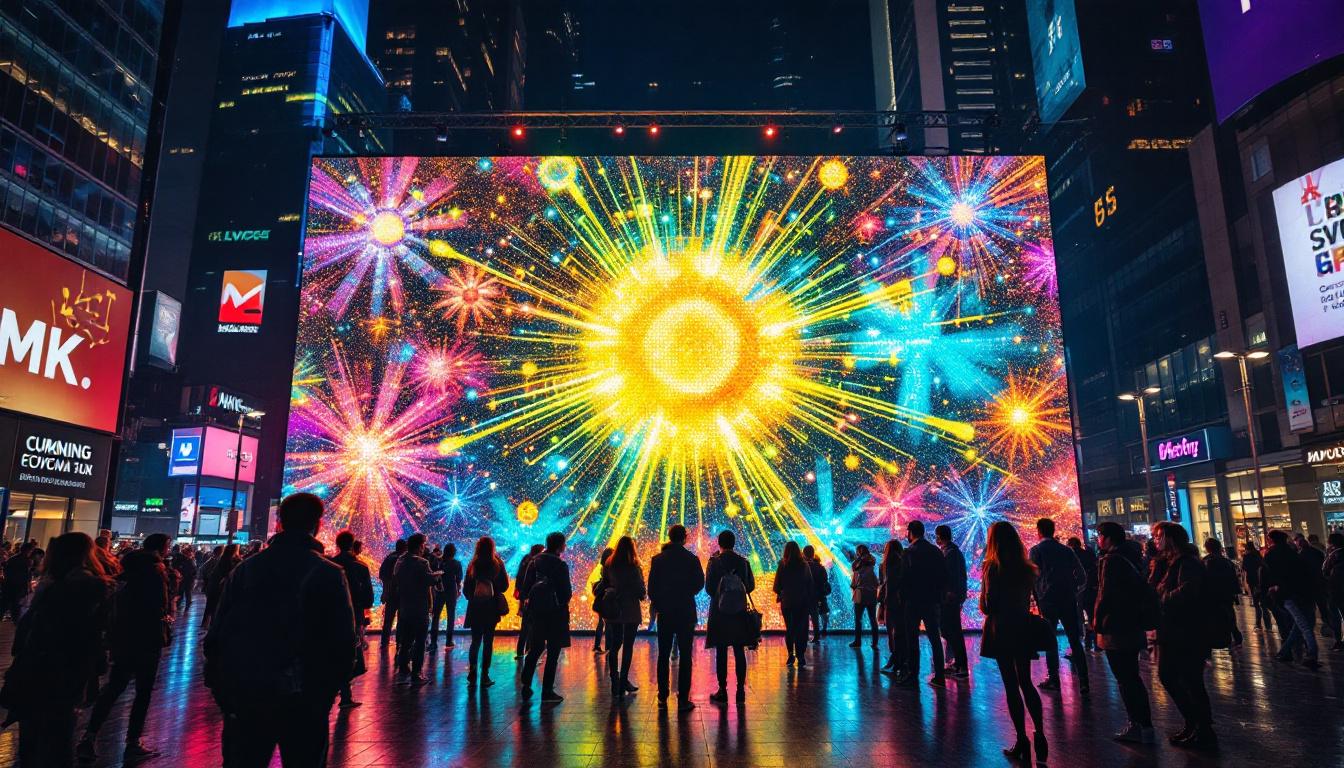
In an era defined by digital transformation, LED displays have become ubiquitous, shaping the way information is communicated across industries. From vibrant billboards in Times Square to the high-definition screens in stadiums and retail environments, LED technology powers some of the most dynamic visual experiences worldwide. But what exactly makes LED displays so versatile and effective? This article delves into the fundamentals of LED displays, exploring their technology, types, applications, and the future trends that are set to redefine visual communication.
Understanding LED Display Technology
What is an LED Display?
LED stands for Light Emitting Diode, a semiconductor device that emits light when an electric current passes through it. An LED display is essentially a flat panel that uses an array of these tiny LEDs as pixels to create images, videos, and text. Unlike traditional LCD or plasma screens, LED displays emit their own light, which results in higher brightness, better contrast, and vibrant colors.
The core advantage of LED technology lies in its efficiency and flexibility. LEDs consume less power compared to other lighting technologies and have a longer lifespan, often exceeding 100,000 hours. This makes LED displays not only cost-effective over time but also environmentally friendly.
How Do LED Displays Work?
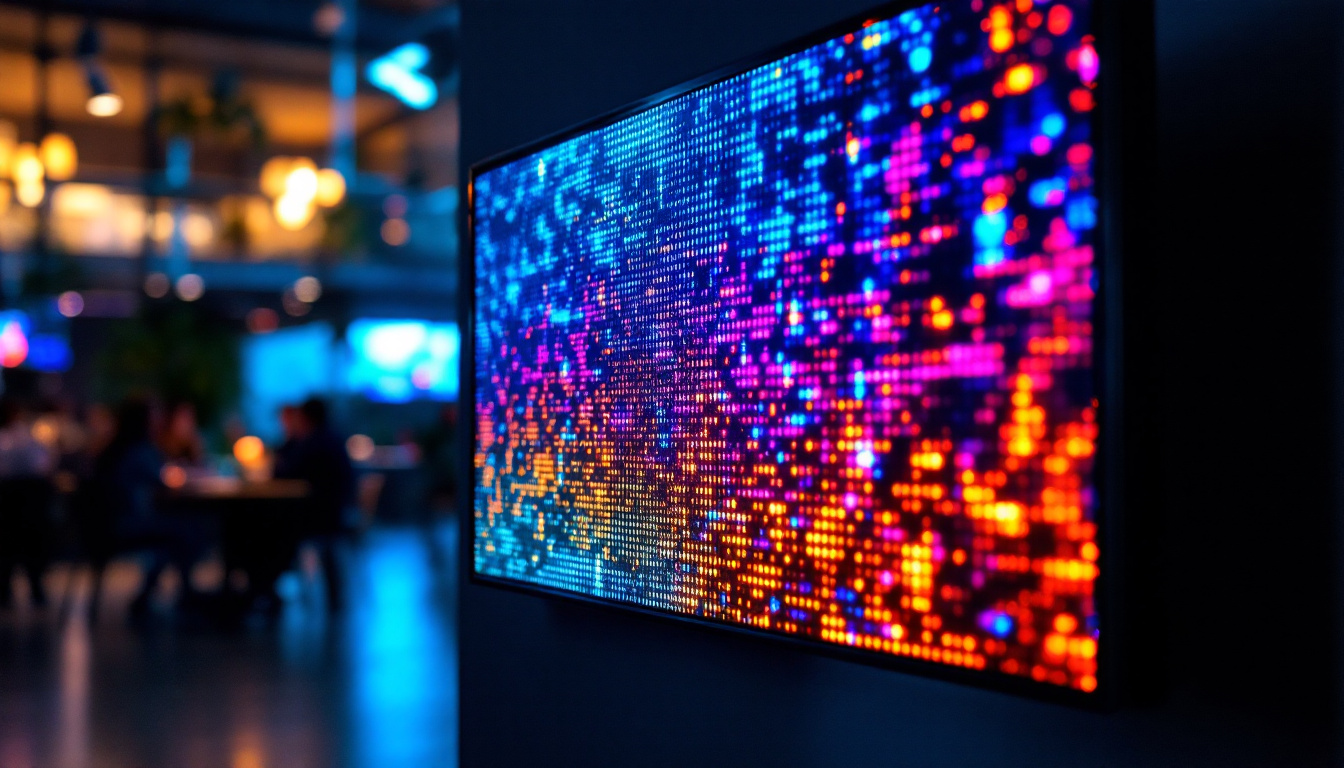
At the heart of an LED display is the pixel, which is made up of one or more LEDs. These LEDs can be monochromatic, typically red, green, or blue, or they can be combined to form full-color pixels. By adjusting the intensity of each LED within a pixel, the display can produce a wide spectrum of colors.
The LEDs are arranged in a grid and controlled by a driver circuit that manages the current supplied to each diode. This control enables the display to render images with varying brightness levels and colors. Modern LED displays use advanced control systems to handle high refresh rates and resolutions, ensuring smooth video playback and sharp imagery.
Types of LED Displays
Indoor vs. Outdoor LED Displays
One of the primary distinctions in LED displays is their intended environment. Indoor LED displays are designed for controlled lighting conditions, such as shopping malls, conference rooms, and broadcast studios. These displays typically have a higher pixel density, resulting in sharper images and finer detail at close viewing distances. Their brightness levels are moderate to prevent eye strain in indoor settings, usually ranging between 800 to 1,500 nits.
Outdoor LED displays, on the other hand, must contend with variable weather and ambient light conditions, including direct sunlight. To maintain visibility, outdoor LEDs are much brighter, often exceeding 5,000 nits. They are also built to be weatherproof, with protective coatings and sealed enclosures to resist moisture, dust, and temperature extremes.
Direct View LED vs. LED Backlit LCD
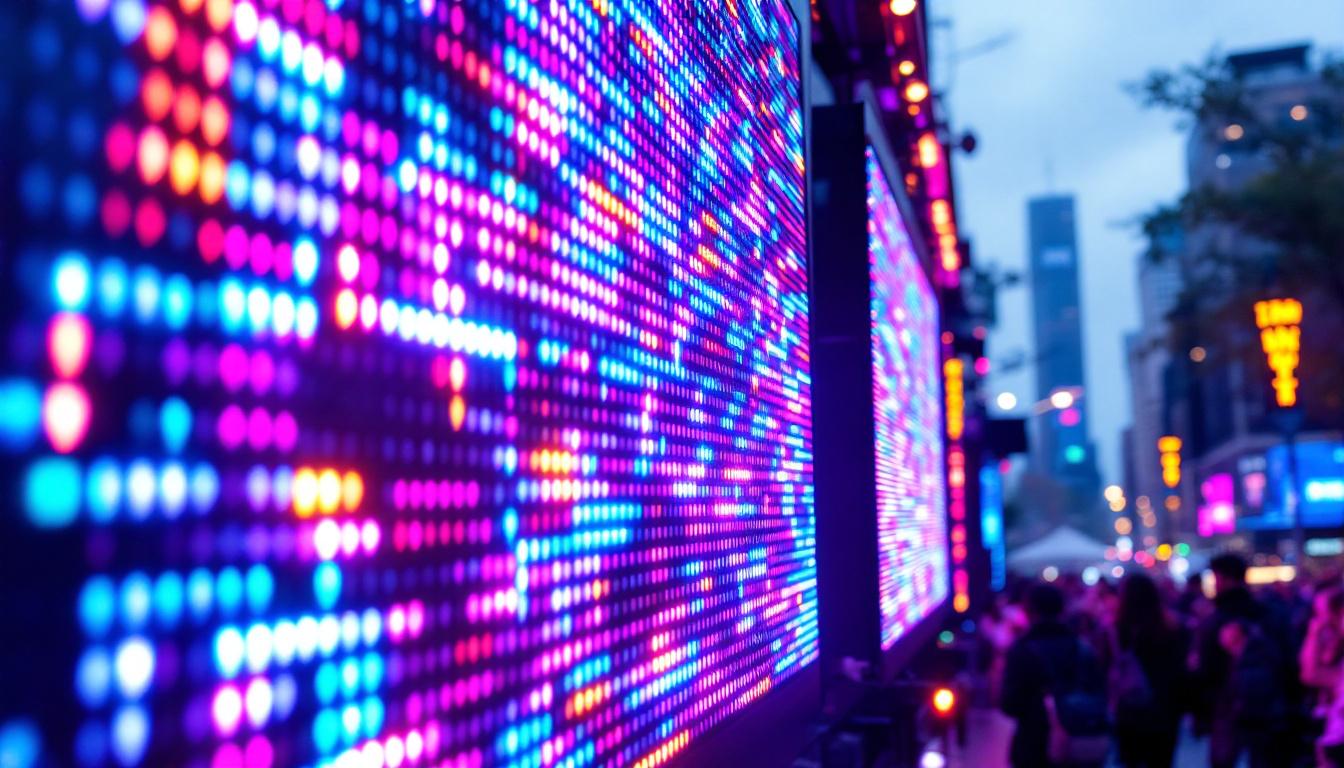
Direct View LED (DVLED) displays use LEDs as the actual pixels that form the image, offering superior brightness and contrast. This technology is ideal for large-scale installations such as stadium screens, digital billboards, and stage backdrops. DVLED displays can be manufactured in custom shapes and sizes, providing flexibility in design and installation.
Conversely, LED-backlit LCD screens use LEDs as a backlight behind an LCD panel. While this approach enhances brightness and energy efficiency compared to traditional CCFL backlights, it does not match the contrast and viewing angles of direct view LED screens. LED-backlit LCDs are common in consumer electronics such as televisions, computer monitors, and smartphones.
MicroLED and MiniLED: The Next Generation
Emerging technologies like MicroLED and MiniLED are pushing the boundaries of LED display performance. MicroLED displays consist of microscopic LEDs that serve as individual pixels, enabling ultra-high resolution, exceptional brightness, and true black levels without the need for backlighting. This technology promises to revolutionize displays for TVs, smartphones, and augmented reality devices.
MiniLED, meanwhile, uses thousands of tiny LEDs as a backlight for LCD panels, improving contrast and brightness control through local dimming zones. MiniLED displays offer a cost-effective way to approach the picture quality of OLED and MicroLED screens, making them increasingly popular in high-end laptops and monitors.
Applications of LED Displays Across Industries
Advertising and Digital Signage
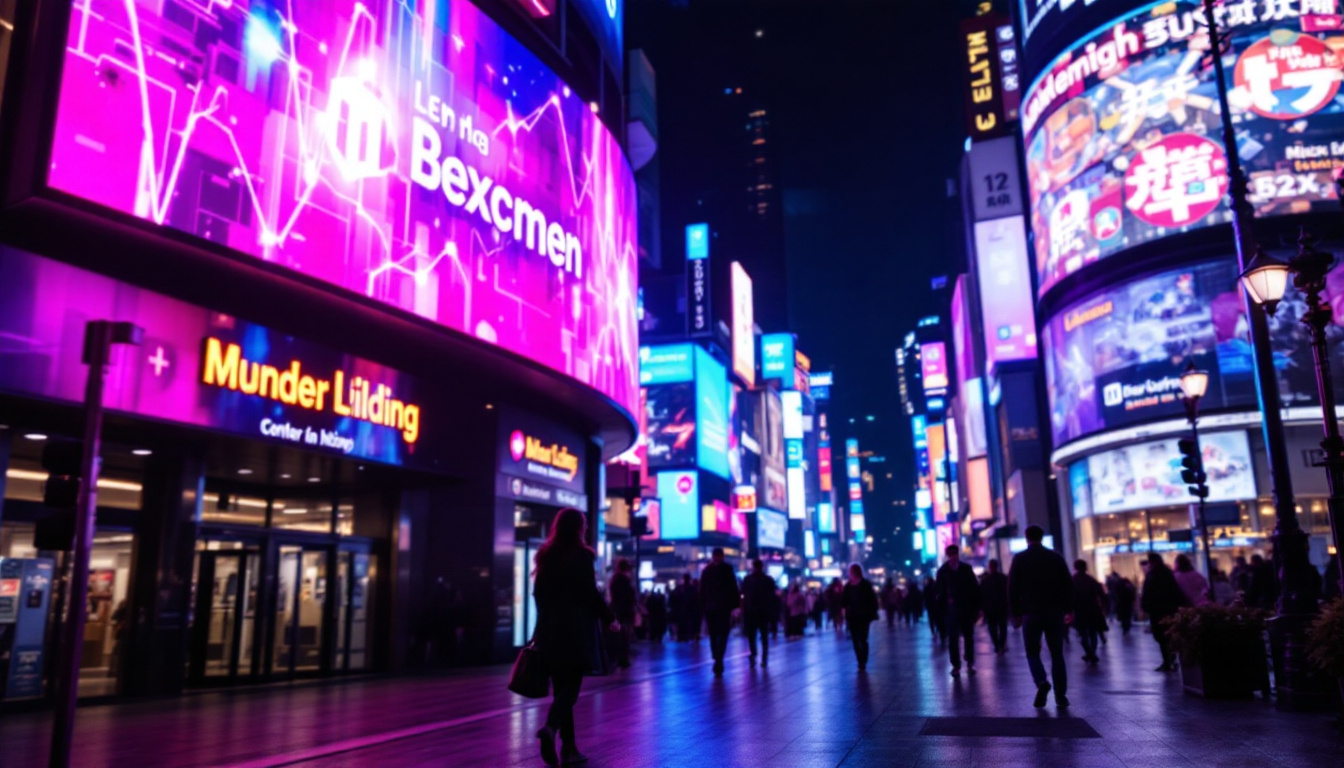
LED displays have transformed advertising by enabling dynamic, eye-catching content that can be updated in real-time. According to a 2023 report by Grand View Research, the global digital signage market is expected to reach $32 billion by 2028, with LED technology playing a pivotal role in this growth.
Billboards, transit displays, and retail signage use LED screens to attract attention with vivid colors and motion graphics. The ability to tailor messages based on time of day, audience demographics, or weather conditions enhances marketing effectiveness and ROI.
Entertainment and Sports Venues
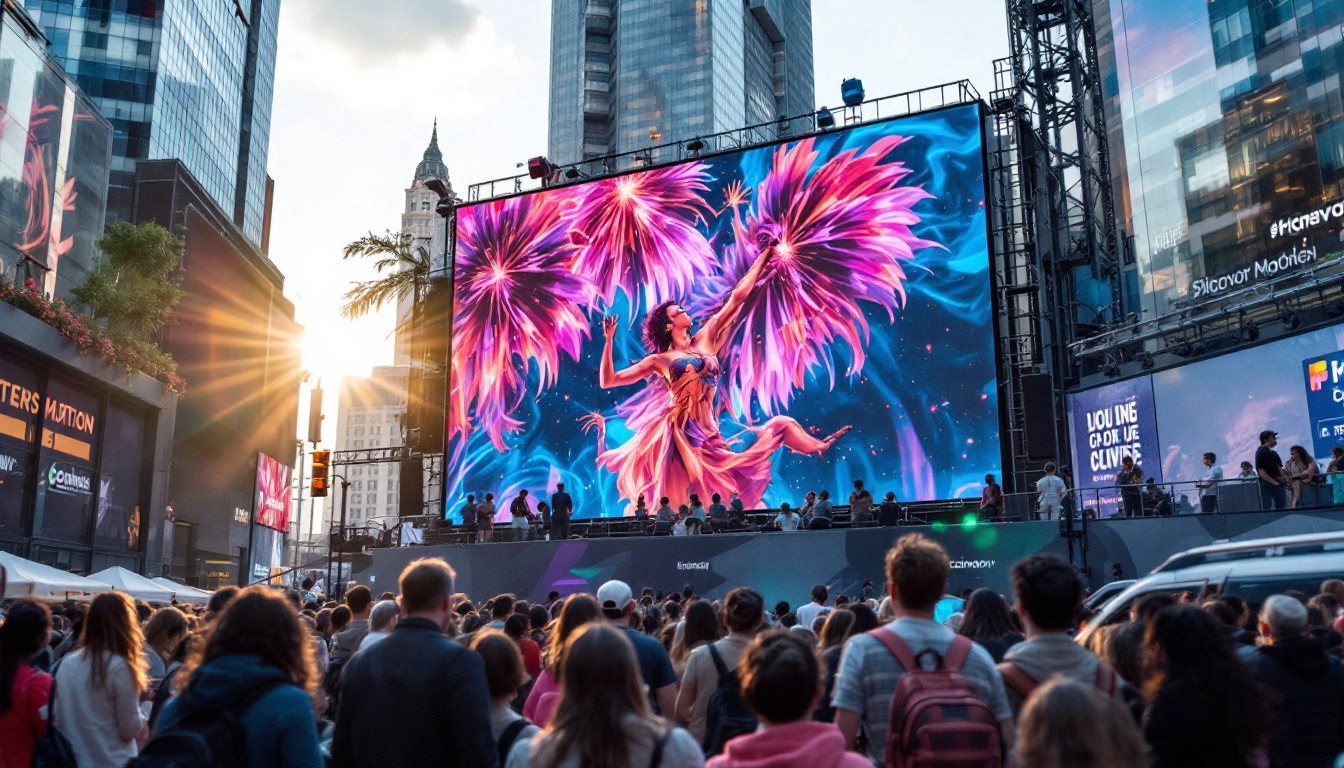
Large-scale LED displays are a staple in stadiums, concert halls, and theaters. These screens provide fans and audiences with close-up views of the action, replays, and interactive content. The versatility of LED panels allows for creative stage designs and immersive experiences that enhance event engagement.
For example, the AT&T Stadium in Texas features one of the largest high-definition LED video boards in the world, measuring 160 feet wide and 72 feet tall. Such installations demonstrate the scale and impact of LED technology in live entertainment.
Corporate and Educational Environments
In corporate settings, LED displays facilitate presentations, video conferencing, and digital collaboration. Their clarity and brightness improve communication and engagement during meetings and training sessions.
Educational institutions are also adopting LED technology for digital notice boards, interactive learning displays, and auditoriums. These applications enhance the learning experience by making content more accessible and engaging.
Transportation and Public Information
LED displays are extensively used in airports, train stations, and bus terminals to provide real-time information such as schedules, delays, and directions. Their high visibility and reliability are crucial in environments where timely communication is essential for safety and efficiency.
Additionally, LED traffic signs and variable message signs improve road safety by delivering clear, dynamic instructions to drivers under varying conditions.
Key Factors to Consider When Choosing an LED Display
Resolution and Pixel Pitch
Resolution refers to the number of pixels displayed on the screen, while pixel pitch is the distance between the centers of two adjacent pixels, usually measured in millimeters. A smaller pixel pitch means higher pixel density, resulting in sharper images and better viewing quality at close distances.
For indoor applications where viewers are close to the screen, a pixel pitch of 1.5mm to 3mm is common. Outdoor displays, viewed from greater distances, typically have larger pixel pitches ranging from 6mm to 20mm or more. Selecting the appropriate pixel pitch ensures optimal image clarity and cost-efficiency.
Brightness and Contrast Ratio
Brightness, measured in nits, determines how well the display performs under different lighting conditions. A higher brightness level is essential for outdoor displays exposed to sunlight, while indoor displays require moderate brightness to avoid glare.
The contrast ratio, the difference between the darkest black and the brightest white, impacts image depth and color vibrancy. LED displays generally offer superior contrast ratios compared to LCDs because LEDs can be turned off completely to achieve true blacks.
Viewing Angle and Color Accuracy
Wide viewing angles ensure that the image remains consistent and vibrant even when viewed from the side. This is particularly important in public spaces where audiences may be spread out.
Color accuracy is critical for applications such as broadcasting, retail, and corporate presentations. High-quality LED displays support wide color gamuts and precise calibration to reproduce colors faithfully.
Durability and Maintenance
LED displays designed for outdoor use must withstand harsh weather, including rain, wind, and temperature fluctuations. IP ratings indicate the level of protection against dust and water ingress, with IP65 or higher recommended for outdoor installations.
Maintenance considerations include ease of access for repairs, modular design for replacing individual panels, and software tools for monitoring display health. These factors influence the total cost of ownership and operational reliability.
The Future of LED Display Technology
Advancements in Energy Efficiency
As sustainability becomes a priority, LED display manufacturers are innovating to reduce power consumption further. New materials and driving techniques improve LED efficiency, enabling brighter displays with less energy.
Smart power management systems dynamically adjust brightness based on ambient light and content, contributing to energy savings without compromising visual quality.
Integration with AI and IoT
Artificial intelligence and the Internet of Things are enhancing LED display capabilities by enabling smarter content management and interactivity. AI algorithms can analyze audience behavior and environmental data to optimize display content in real-time.
IoT connectivity allows LED displays to be integrated into broader digital ecosystems, facilitating remote monitoring, diagnostics, and seamless updates across multiple locations.
Flexible and Transparent LED Displays
Innovations in flexible LED panels are opening new possibilities for curved, foldable, and wearable displays. These technologies expand the creative potential for advertising, architecture, and consumer electronics.
Transparent LED displays, which allow light to pass through while displaying images, are gaining traction in retail and automotive sectors. They enable augmented reality experiences and maintain visibility through windows or glass surfaces.
Conclusion
LED display technology has revolutionized visual communication by offering unparalleled brightness, color accuracy, and versatility. Understanding the different types of LED displays and their applications helps businesses and organizations make informed decisions that maximize impact and efficiency.
As technology continues to evolve, LED displays will become even more integrated, intelligent, and immersive, shaping the future of digital interaction across industries. Whether for advertising, entertainment, or information dissemination, LED displays remain a powerful tool for capturing attention and conveying messages with clarity and vibrancy.
Discover LumenMatrix LED Display Solutions
Ready to elevate your visual communication with cutting-edge LED technology? LumenMatrix offers a comprehensive range of LED display modules designed to captivate and engage your audience. From vibrant Indoor and Outdoor LED Wall Displays to innovative solutions like Vehicle LED Displays, LED Posters, and Transparent LED Displays, we have the tools to bring your brand to life. Experience the future of digital signage with our All-in-One LED Displays and Custom LED solutions tailored to your unique needs. Check out LumenMatrix LED Display Solutions today and transform your space into a dynamic visual experience.