In today’s fast-evolving digital landscape, indoor LED panel screens have become an essential medium for communication, advertising, and entertainment. From corporate boardrooms and retail stores to concert halls and control centers, these displays offer vibrant visuals and dynamic content that capture attention effectively. But what exactly are indoor LED panel screens, how do they work, and why are they increasingly preferred over other display technologies? This article delves deep into the world of indoor LED displays, explaining their technology, benefits, applications, and key considerations for choosing the right screen.
Understanding Indoor LED Panel Screens
What is an Indoor LED Panel Screen?
An indoor LED panel screen is a type of digital display made up of numerous small light-emitting diodes (LEDs) arranged in a grid or matrix. These LEDs emit light directly, creating bright and colorful images that are clearly visible even in well-lit indoor environments. Unlike traditional LCD or projector-based screens, LED panels do not require backlighting, which contributes to their superior brightness and contrast.
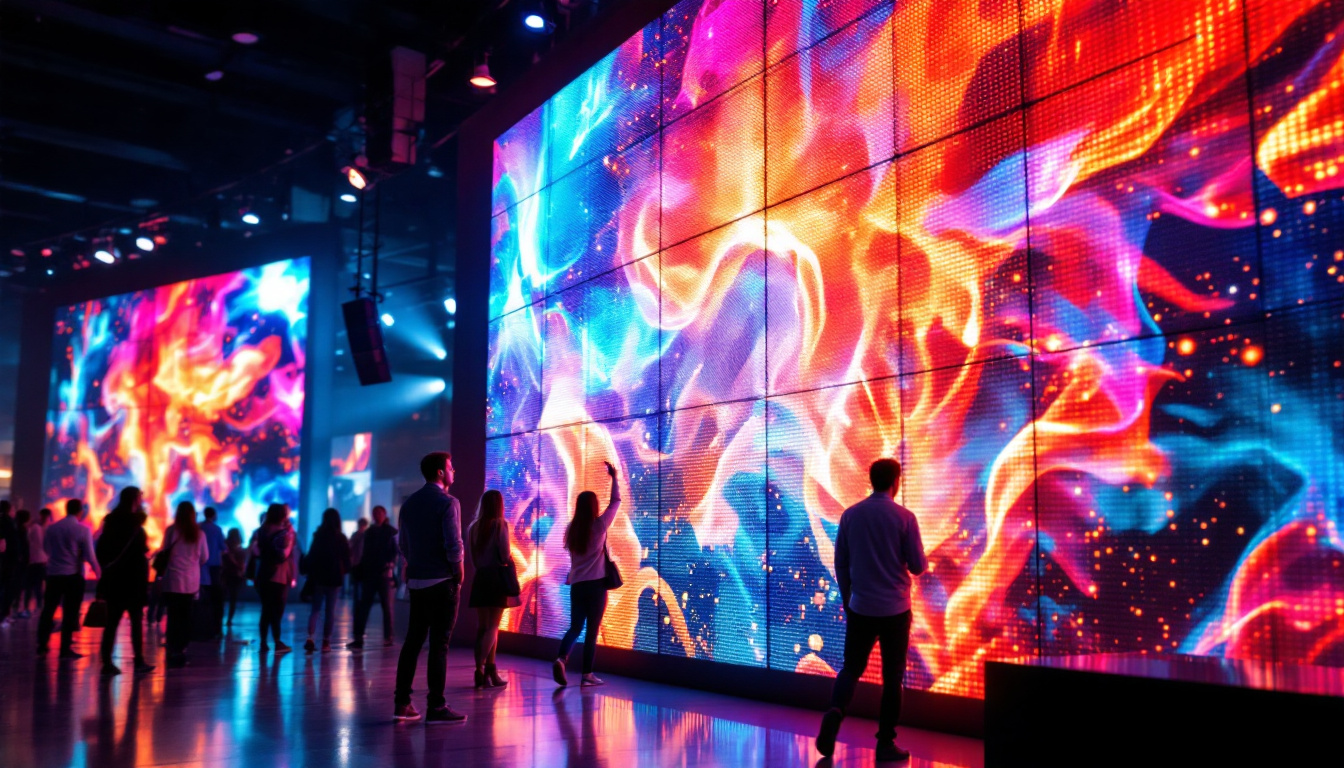
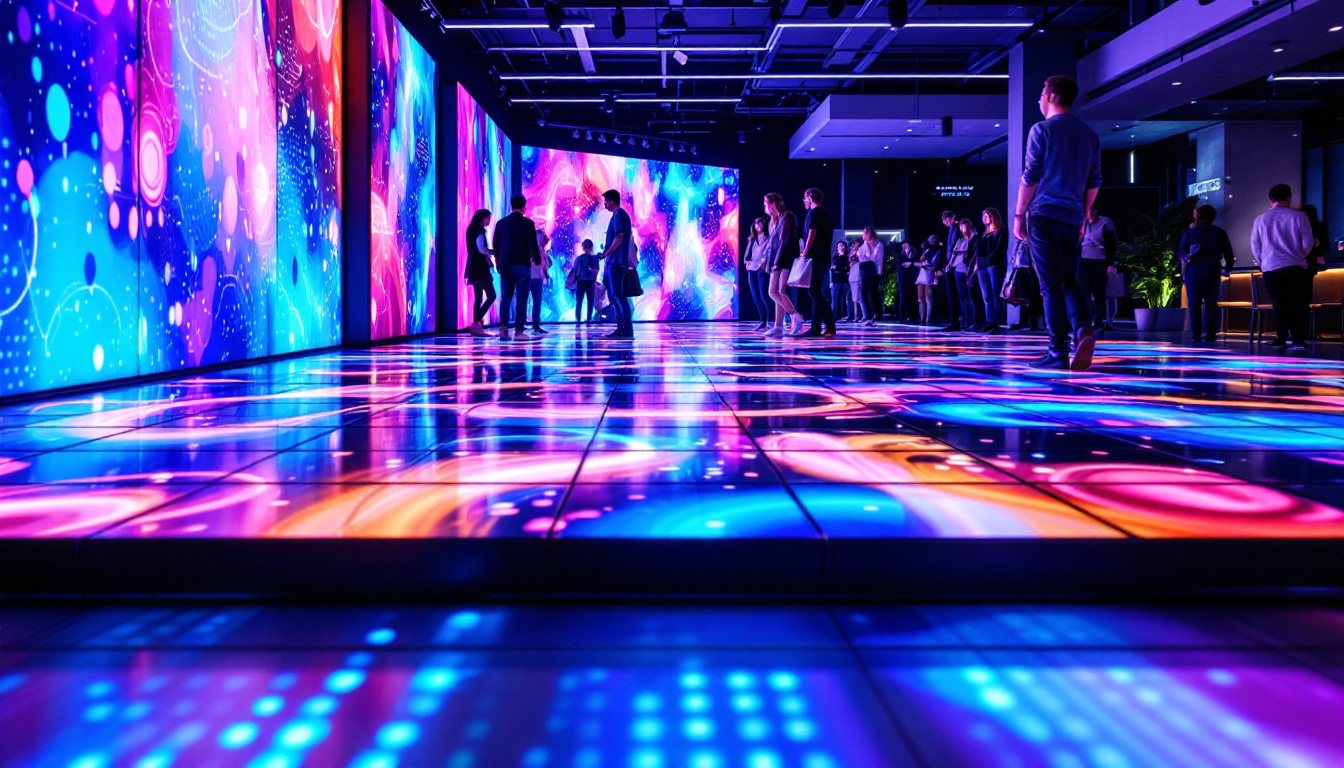
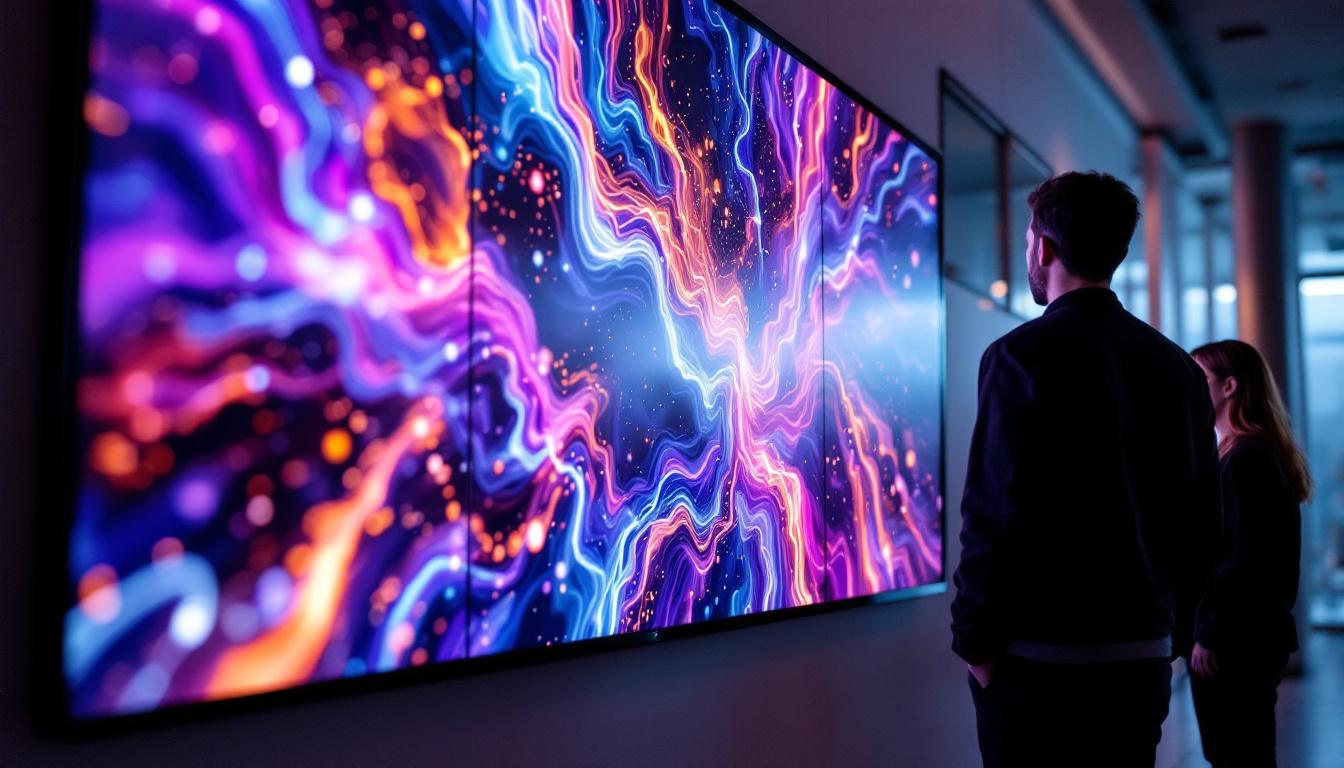
Indoor LED screens are designed specifically for use inside buildings, where ambient lighting conditions vary but are generally controlled. They come in various sizes and resolutions, from small panels used for digital signage to large video walls in arenas or shopping malls. The modular nature of LED panels allows multiple units to be seamlessly connected, creating expansive displays with consistent image quality. This versatility makes them an ideal choice for a wide range of applications, including advertising, information dissemination, and entertainment, making them a popular choice for businesses looking to enhance their visual communication strategies.
Moreover, the durability and energy efficiency of LED technology contribute to its growing popularity. Indoor LED panels are built to withstand the rigors of daily use, often featuring protective coatings that guard against dust and moisture. This resilience, combined with lower power consumption compared to traditional display technologies, makes LED panels not only a cost-effective solution but also an environmentally friendly option for businesses aiming to reduce their carbon footprint.
How Do LED Panels Work?
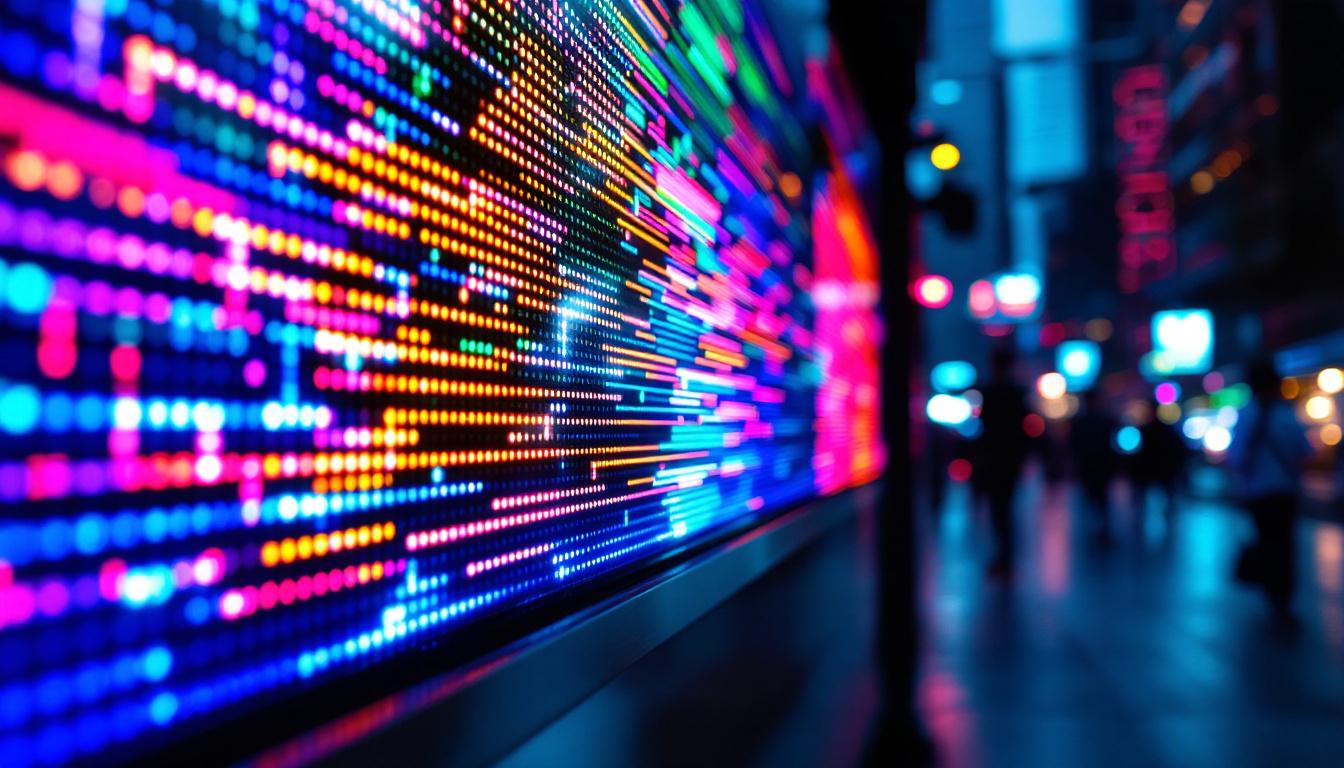
Each pixel on an LED panel consists of tiny red, green, and blue LEDs. By adjusting the brightness of these individual LEDs, the panel can produce a full spectrum of colors through a process called additive color mixing. The combination of these three primary colors at varying intensities creates the images and videos displayed on the screen.
The display is controlled by a sophisticated electronic system that processes incoming video signals and translates them into commands for each LED pixel. This system refreshes the image multiple times per second, ensuring smooth motion and vibrant visuals. The pitch of the LEDs, known as pixel pitch, determines the distance between each LED cluster and directly influences the resolution and viewing distance of the panel. A smaller pixel pitch results in a higher resolution, allowing for closer viewing without pixelation, which is particularly beneficial in settings like art galleries or corporate presentations where detail is paramount.
Additionally, advancements in LED technology have led to the development of features such as high dynamic range (HDR) and wide color gamut (WCG), which enhance the visual experience by providing deeper blacks and more vivid colors. These features make indoor LED panels not just a medium for displaying information, but a canvas for artistic expression and immersive experiences. As a result, they are increasingly being integrated into creative installations, interactive exhibits, and even in live event productions, where they can captivate audiences with stunning visual displays that elevate the overall experience.
Key Advantages of Indoor LED Displays
Superior Brightness and Contrast
One of the most significant advantages of indoor LED panels is their exceptional brightness. These screens can reach brightness levels of 800 to 1500 nits or more, making them easily visible under strong indoor lighting conditions. This brightness level far exceeds that of most LCD or projection-based displays, ensuring that content remains clear and eye-catching.
Additionally, LED technology offers excellent contrast ratios. Because LEDs emit light individually, they can achieve true blacks by turning off pixels completely, unlike LCDs that rely on backlighting. This results in sharper images and more vivid colors, enhancing the overall viewing experience.
Wide Viewing Angles and Color Accuracy
Indoor LED panels typically provide wide viewing angles, often up to 160 to 170 degrees horizontally and vertically. This means that viewers can see consistent colors and brightness from various positions without distortion or color shifting. This feature is particularly important in environments like conference rooms or retail spaces where audiences may be spread across a wide area.
Moreover, modern LED panels are calibrated to deliver accurate color reproduction, supporting high color gamuts such as Rec. 709 or even DCI-P3. This makes them suitable for applications demanding precise color fidelity, including digital art displays and broadcast studios.
Energy Efficiency and Longevity
LED technology is inherently energy-efficient compared to traditional lighting and display methods. Indoor LED panels consume less power while delivering higher brightness, which translates to lower operating costs over time. According to industry data, high-quality LED panels can reduce energy consumption by up to 30-50% compared to LCD alternatives.
In terms of durability, LED panels boast long lifespans, often rated at 50,000 to 100,000 hours of operation before significant brightness degradation occurs. This longevity reduces the need for frequent replacements or maintenance, making them a cost-effective solution for businesses and venues.
Applications of Indoor LED Panel Screens
Corporate and Educational Environments
Indoor LED screens are increasingly adopted in corporate offices, meeting rooms, and educational institutions. Their ability to display crisp presentations, videos, and real-time data enhances communication and engagement. For example, large LED video walls in boardrooms facilitate collaborative discussions, while digital signage in campuses provides dynamic information updates.
Furthermore, LED displays can be integrated with interactive technologies such as touch sensors, enabling immersive experiences for training sessions or interactive kiosks.
Retail and Advertising
Retailers leverage indoor LED panels for digital signage to attract customers and promote products effectively. The vivid colors and motion capabilities of LED displays make advertisements more compelling compared to static posters. Retail environments often use LED walls near entrances or checkout areas to maximize visibility and influence purchasing decisions.
According to a report by the Digital Signage Federation, digital signage, including LED displays, can increase customer engagement by up to 30%, highlighting their impact on sales and brand awareness.
Entertainment and Events
Indoor LED panels are a staple in entertainment venues, including theaters, concert halls, and sports arenas. Their scalability allows for massive video walls that serve as immersive backdrops or information boards. The high refresh rates and color accuracy ensure smooth playback of live video feeds and graphics, enhancing the audience experience.
For example, music festivals often use LED screens to broadcast live performances and visual effects, creating a captivating atmosphere that connects performers with the audience.
Choosing the Right Indoor LED Panel Screen
Pixel Pitch and Resolution
One of the most critical factors when selecting an indoor LED panel is pixel pitch, which is the distance between the centers of adjacent pixels. Smaller pixel pitches (e.g., 1.2mm to 2.5mm) provide higher resolution and are ideal for close viewing distances, such as in conference rooms or retail displays. Larger pixel pitches (above 3mm) are suited for bigger venues where viewers are farther away.
Choosing the correct pixel pitch ensures that images appear sharp without visible pixelation, optimizing the viewer’s experience and budget.
Brightness and Contrast Requirements
Assessing the ambient lighting conditions of the installation site is essential to determine the necessary brightness level. For brightly lit indoor spaces, screens with higher nit ratings are preferable to maintain visibility. Conversely, in dimmer environments like theaters, lower brightness may suffice, allowing for energy savings and reduced eye strain.
Contrast ratio also plays a role in image quality, especially for content with dark scenes or detailed graphics. Selecting panels with high contrast capabilities will enhance visual richness.
Installation and Maintenance Considerations
Indoor LED panels are modular, but installation complexity varies depending on size, weight, and mounting options. Some panels are designed for easy wall mounting, while others may require hanging structures or custom frames. It is important to work with experienced installers to ensure safety and optimal performance.
Maintenance access is another consideration. Panels that allow front or rear servicing reduce downtime and simplify repairs. Additionally, choosing LED modules with built-in redundancy features can prevent complete screen failure in case of individual LED malfunctions.
Future Trends in Indoor LED Display Technology
MicroLED and MiniLED Innovations
Emerging technologies like MicroLED and MiniLED are pushing the boundaries of indoor display performance. MicroLED panels feature even smaller LEDs, enabling ultra-high resolutions and improved energy efficiency. These displays promise better contrast, wider color gamuts, and longer lifespans, making them attractive for premium applications.
MiniLED technology, which uses thousands of tiny LEDs for backlighting in LCD panels, combines the benefits of LED brightness with LCD flexibility. This hybrid approach is gaining traction in high-end monitors and televisions.
Integration with Smart Systems
Indoor LED screens are becoming smarter and more connected. Integration with IoT (Internet of Things) platforms allows for real-time content updates, audience analytics, and remote management. For example, retail chains can synchronize promotions across multiple locations instantly, while corporate environments can automate information displays based on schedules or events.
Artificial intelligence is also being incorporated to personalize content dynamically, enhancing engagement and effectiveness.
Environmental and Sustainability Focus
As sustainability becomes a priority, manufacturers are designing LED panels with recyclable materials and energy-saving features. Advances in power management and heat dissipation reduce environmental impact, aligning with corporate social responsibility goals.
Additionally, the long lifespan of LED panels contributes to waste reduction, making them a greener choice compared to disposable or short-lived display technologies.
Conclusion
Indoor LED panel screens represent a powerful and versatile display technology that continues to transform how businesses, educators, and entertainers communicate visually. Their superior brightness, color accuracy, and flexibility make them ideal for a wide range of indoor applications. By understanding the technical aspects such as pixel pitch, brightness, and installation requirements, decision-makers can select the most suitable LED display to meet their specific needs.
With ongoing innovations like MicroLED technology and smart integration, the future of indoor LED displays looks brighter than ever. Investing in high-quality indoor LED panels not only enhances audience engagement but also delivers long-term value through energy efficiency and durability.
Discover LumenMatrix’s Innovative LED Solutions
Ready to elevate your indoor space with cutting-edge LED technology? LumenMatrix offers a comprehensive range of LED display solutions tailored to your unique needs. From vibrant Indoor LED Wall Displays to dynamic Outdoor LED Wall Displays, and from sleek LED Poster Displays to immersive Floor LED Displays, our products are designed to captivate and engage. Experience the future of visual communication with our Custom LED Displays, All-in-One LED Displays, and LED Transparent Displays. Check out LumenMatrix LED Display Solutions today and transform your business’s visual impact.