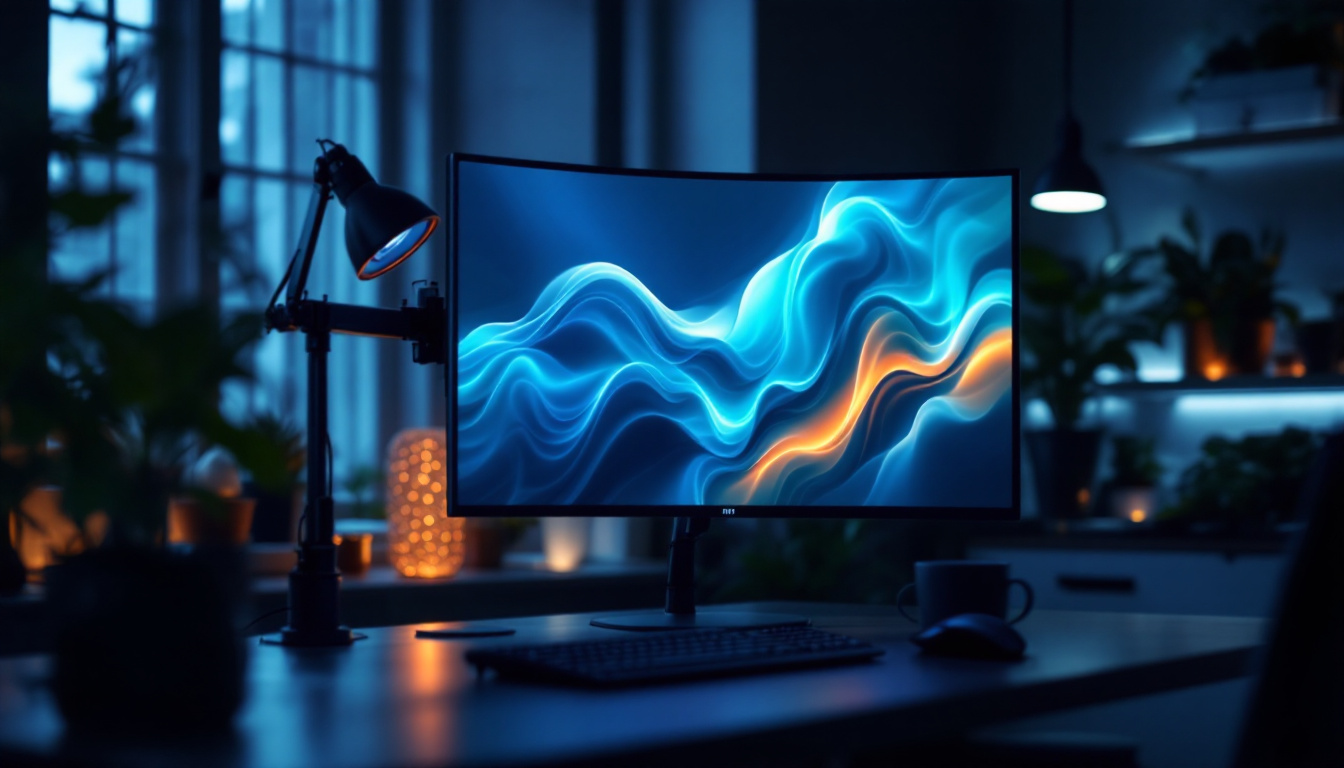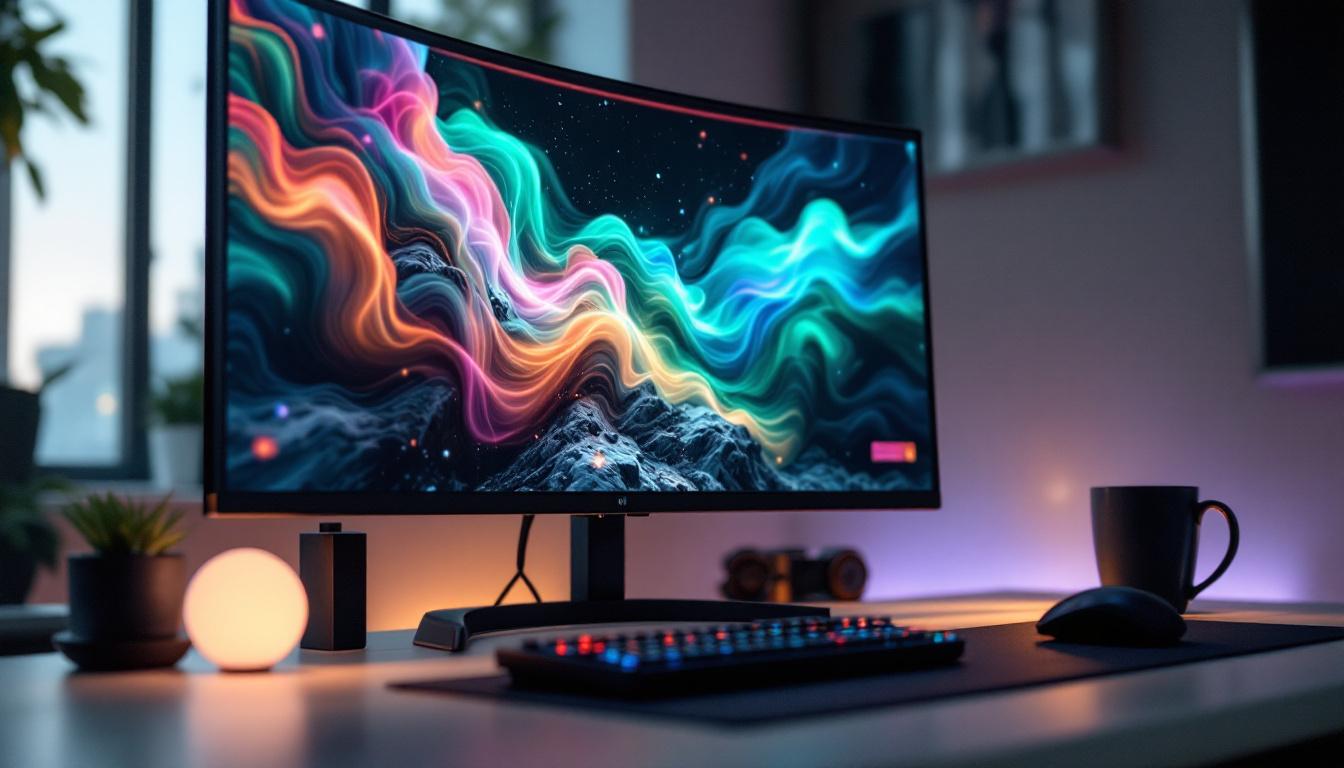
In recent years, the 21:9 curved monitor has surged in popularity among professionals, gamers, and multimedia enthusiasts alike. Offering a wider field of view and immersive experience, these monitors have redefined how users interact with digital content. But what exactly makes a 21:9 curved monitor with an LED display stand out? This article delves into the technology, benefits, and considerations surrounding these displays, providing a comprehensive understanding for anyone looking to upgrade their visual setup.
Understanding the 21:9 Aspect Ratio
The aspect ratio of a monitor refers to the proportional relationship between its width and height. Traditional monitors typically use a 16:9 ratio, which has become the standard for HDTVs and most computer displays. However, the 21:9 ratio, often referred to as ultrawide, offers a significantly wider screen space.
This ultrawide format mimics the dimensions used in many cinematic films, providing a more natural and immersive viewing experience. For instance, movies shot in the 2.35:1 or 2.39:1 aspect ratios fit perfectly on a 21:9 screen without black bars, enhancing visual immersion. Beyond entertainment, the extra horizontal space benefits productivity by allowing users to view multiple windows side-by-side without the need for multiple monitors.
Why 21:9 Matters for Professionals
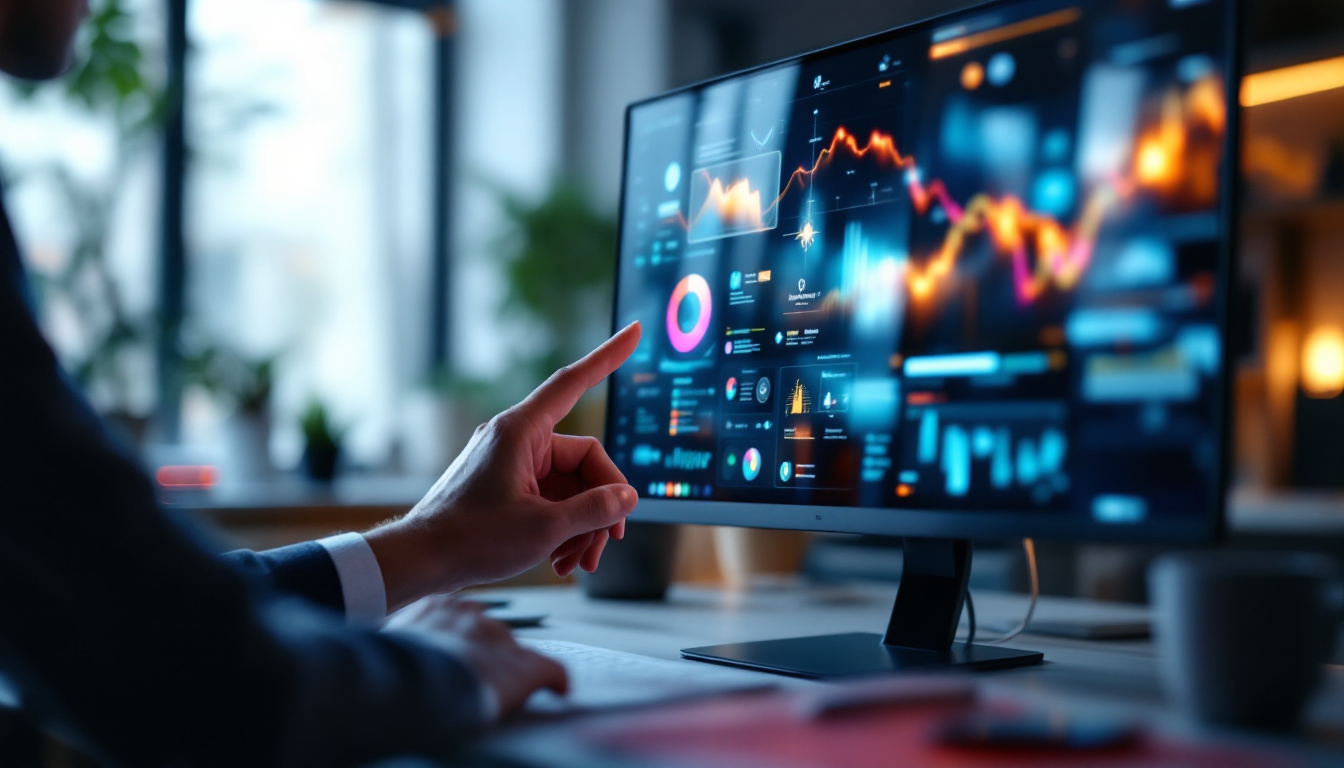
Professionals in fields such as video editing, graphic design, and financial trading find the 21:9 aspect ratio particularly advantageous. Video editors can view longer timelines with greater detail, while designers enjoy expansive workspaces for toolbars and canvases. Traders benefit from the ability to monitor multiple data streams simultaneously, improving decision-making speed and accuracy.
According to a 2023 survey by Display Research Institute, 68% of professionals using ultrawide monitors reported increased productivity compared to dual-monitor setups. The seamless, uninterrupted screen real estate eliminates the distraction of bezels and simplifies workflow management.
The Role of Curvature in Ultrawide Monitors
Curved monitors have become synonymous with ultrawide displays, but what purpose does the curvature serve? The curve is designed to match the natural curvature of the human eye, reducing distortion and providing a more uniform viewing distance across the screen.
On a flat ultrawide monitor, the edges can appear stretched or distorted because they are farther away from the viewer than the center. A curved screen mitigates this by wrapping the display around the viewer’s field of vision, enhancing depth perception and reducing eye strain.
Curvature Ratings and Their Impact
Curved monitors are often rated by their radius of curvature, measured in millimeters (e.g., 1800R, 1500R). A smaller radius indicates a more pronounced curve. For example, a 1500R curve means the monitor would form a circle with a radius of 1500 millimeters if the curve were extended into a full circle.
Most 21:9 curved monitors feature curvature ratings between 1500R and 1800R, striking a balance between immersion and comfort. Gamers, in particular, benefit from tighter curves, which enhance peripheral vision and create a more enveloping experience. Conversely, professionals who require color accuracy and minimal distortion may prefer gentler curves or even flat ultrawide displays.
LED Display Technology: What Powers the Picture?
The term “LED display” refers to the type of backlighting used in LCD (Liquid Crystal Display) panels. While the screen itself is an LCD, LEDs (Light Emitting Diodes) provide the illumination from behind the panel. This technology has become the industry standard due to its energy efficiency, brightness, and color accuracy.
Types of LED Backlighting
There are two primary types of LED backlighting used in monitors: edge-lit and full-array. Edge-lit LED displays place LEDs along the edges of the screen, allowing for thinner designs and lower manufacturing costs. However, this can sometimes result in uneven brightness and less precise local dimming.
Full-array LED backlighting distributes LEDs evenly across the entire back panel, enabling better control of brightness zones and improved contrast ratios. Some monitors incorporate local dimming technology, which dims specific areas of the screen to deepen blacks and enhance HDR (High Dynamic Range) performance.
Advantages of LED Displays in 21:9 Curved Monitors
LED technology offers several benefits for ultrawide curved monitors. Firstly, LED backlighting allows for brighter displays with vibrant colors, essential for immersive gaming and professional color work. Secondly, LED panels typically have faster response times and higher refresh rates, reducing motion blur and input lag.
Moreover, LED displays consume less power compared to older CCFL (Cold Cathode Fluorescent Lamp) backlights, making them more environmentally friendly and cost-effective over time. The slim profile of LED-lit monitors also complements the sleek design of modern ultrawide curved screens.
Key Features to Consider When Choosing a 21:9 Curved LED Monitor
Selecting the right 21:9 curved LED monitor requires careful consideration of several factors to ensure it meets your specific needs. From resolution to refresh rates, each specification impacts the overall user experience.
Resolution and Screen Size
Ultrawide monitors typically come in resolutions such as 2560×1080 (Full HD ultrawide) and 3440×1440 (WQHD ultrawide). The latter offers significantly sharper images and more workspace, making it ideal for professionals and gamers seeking high detail.
Screen sizes for 21:9 monitors generally range from 29 inches to 49 inches diagonally. Larger screens provide more immersive experiences but require more desk space and potentially more powerful hardware to drive the display effectively.
Refresh Rate and Response Time
Gamers should prioritize monitors with high refresh rates (120Hz, 144Hz, or higher) and low response times (1-5ms) to ensure smooth gameplay and reduce motion blur. Professional users may find standard 60Hz refresh rates sufficient, especially if color accuracy and resolution take precedence.
Color Accuracy and HDR Support
For content creators, color accuracy is paramount. Look for monitors that cover wide color gamuts such as Adobe RGB or DCI-P3 and offer factory calibration. HDR support enhances contrast and color depth, providing richer visuals for both gaming and media consumption.
Connectivity and Ergonomics
Modern 21:9 curved monitors come with various connectivity options, including HDMI, DisplayPort, USB-C, and sometimes Thunderbolt. USB hubs integrated into the monitor can simplify peripheral management. Adjustable stands with tilt, swivel, and height adjustments improve ergonomic comfort during extended use.
Popular Use Cases for 21:9 Curved LED Monitors
The versatility of 21:9 curved LED monitors makes them suitable for a wide range of applications. Understanding these use cases can help users determine if this technology aligns with their needs.
Immersive Gaming
Ultrawide curved monitors provide gamers with a competitive edge by expanding peripheral vision and creating a more engaging environment. Titles such as racing simulators, first-person shooters, and role-playing games benefit from the wider field of view. Many modern games support 21:9 aspect ratios natively, avoiding image stretching or black bars.
Professional Productivity
Multitasking becomes seamless on ultrawide displays, as users can arrange multiple windows without overlapping or switching between tabs. Software developers, financial analysts, and creative professionals can boost efficiency by leveraging the expansive workspace.
Content Creation and Video Editing
Video editors appreciate the ability to view longer timelines and multiple tool panels simultaneously. Photographers and graphic designers benefit from the enhanced color accuracy and wider screen real estate, facilitating detailed work without constant zooming or panning.
Entertainment and Media Consumption
Watching movies and streaming content on a 21:9 curved monitor replicates the cinematic experience more faithfully than traditional screens. The curvature adds depth and reduces reflections, making binge-watching sessions more enjoyable.
Potential Drawbacks and Considerations
While 21:9 curved LED monitors offer numerous advantages, they are not without limitations. Understanding these drawbacks ensures users make informed decisions.
Compatibility and Software Support
Not all applications and games support the 21:9 aspect ratio natively. Some older software may display black bars or stretch images, detracting from the experience. Users should verify compatibility with their primary applications before investing.
Cost and Hardware Requirements
Ultrawide curved monitors generally command higher prices than standard 16:9 displays, especially models with high resolutions and refresh rates. Additionally, driving a 3440×1440 resolution at high frame rates requires a powerful graphics card, which can increase overall system costs.
Desk Space and Ergonomics
The wider footprint of 21:9 monitors demands ample desk space. Users should ensure their workspace can accommodate the monitor comfortably. Ergonomic adjustments are crucial to prevent neck and eye strain due to the extended horizontal viewing area.
Future Trends in 21:9 Curved LED Displays
The evolution of display technology continues to push the boundaries of what ultrawide curved monitors can offer. Emerging trends promise even more immersive and versatile experiences in the near future.
Higher Refresh Rates and Variable Refresh Technologies
Manufacturers are increasingly integrating refresh rates of 240Hz and beyond into ultrawide monitors, catering to competitive gamers. Support for variable refresh rate technologies like NVIDIA G-SYNC and AMD FreeSync reduces screen tearing and stuttering for smoother gameplay.
Mini-LED and OLED Backlighting
Advancements in backlighting, such as mini-LED and OLED panels, promise improved contrast ratios, deeper blacks, and more vibrant colors. These technologies enhance HDR performance and reduce issues like backlight bleed common in traditional LED displays.
Curvature Customization and Flexible Displays
Innovations in flexible display technology may soon allow users to adjust the curvature of their monitors dynamically, tailoring the viewing experience to individual preferences and tasks.
Conclusion
The 21:9 curved LED monitor represents a significant leap forward in display technology, blending ultrawide aspect ratios with immersive curvature and efficient LED backlighting. Whether for gaming, professional work, or entertainment, these monitors offer expansive screen real estate, enhanced visual comfort, and vivid image quality.
While considerations such as compatibility, cost, and desk space remain important, the benefits of 21:9 curved monitors continue to attract a growing user base. As technology advances, these displays will become even more capable, making them a compelling choice for anyone seeking to elevate their visual experience.
Discover the Future of Visual Experience with LumenMatrix
Ready to take your visual experience to the next level? LumenMatrix is at the forefront of LED display innovation, offering a wide array of solutions that cater to every need—from immersive indoor and outdoor LED walls to dynamic vehicle displays and beyond. Embrace the future of digital signage with our cutting-edge technology that promises to captivate your audience and amplify your message. Don’t just read about the possibilities; see them in action. Check out LumenMatrix LED Display Solutions today and transform your visual communication into an unforgettable experience.