The European market has long been a dynamic and interconnected space, where goods, services, and ideas flow freely across borders. In recent years, technological advancements have played a pivotal role in shaping how businesses communicate and engage with consumers across this diverse region. Among these innovations, LED display technology stands out as a transformative tool, enabling borderless visual communication that transcends language and cultural barriers.
This article delves into the significance of LED displays within the borderless European market, exploring their technological foundations, practical applications, and the ways they enhance market photos and visual storytelling. By understanding the nuances of LED display technology, businesses and marketers can better harness its potential to create impactful, vibrant, and adaptive content for audiences throughout Europe.
Understanding LED Display Technology
What is an LED Display?
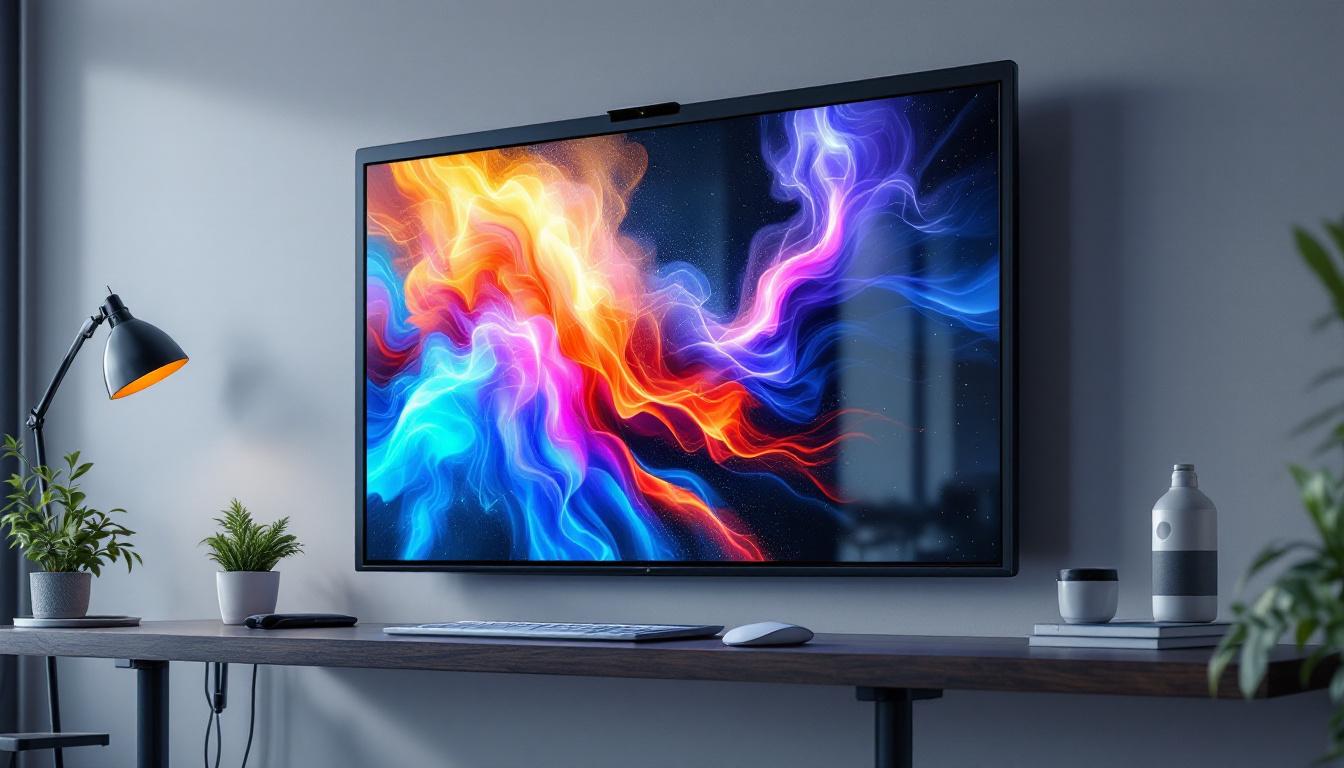
LED, or Light Emitting Diode, displays are digital screens composed of numerous tiny light sources that emit bright, vivid colors. Unlike traditional LCD or plasma screens, LED displays utilize diodes that produce light directly, resulting in higher brightness levels, superior contrast ratios, and enhanced energy efficiency. These characteristics make LED displays particularly suitable for both indoor and outdoor environments, where visibility and clarity are paramount.
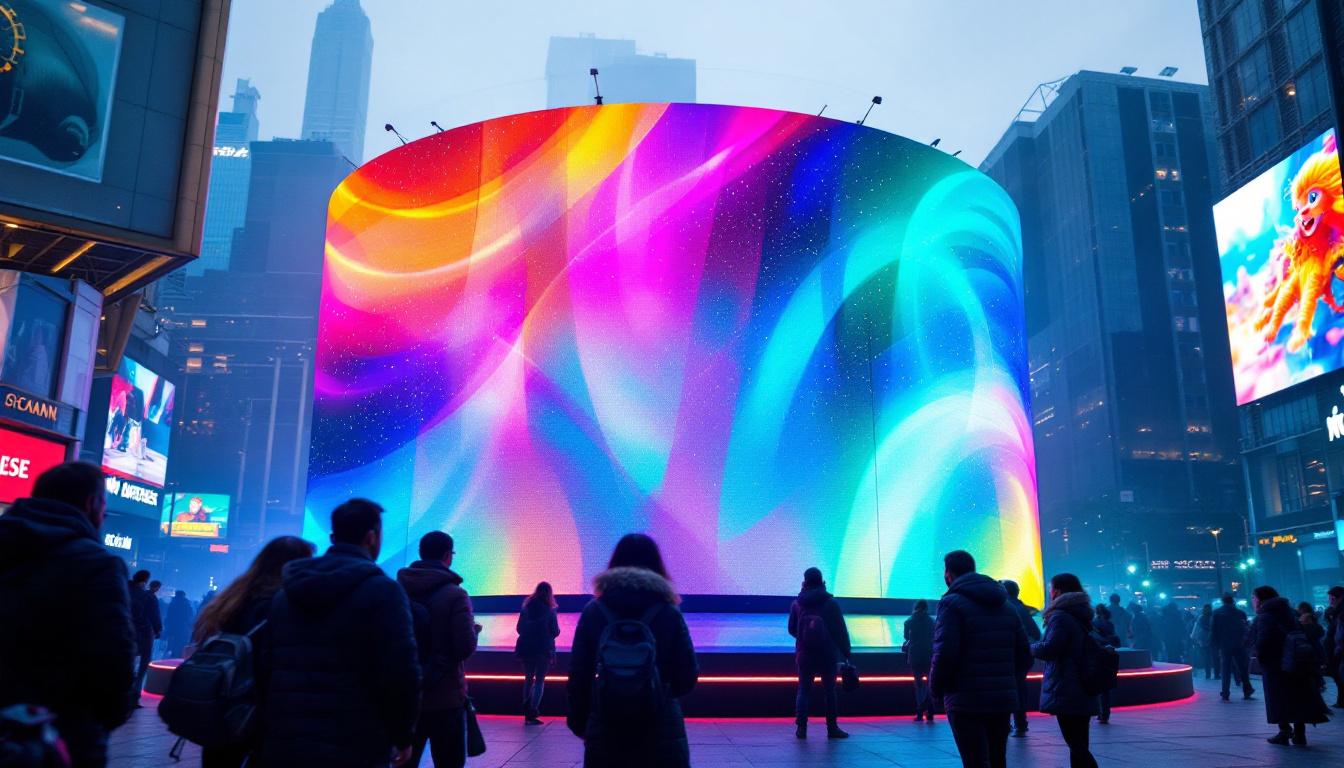
Modern LED displays come in various configurations, including fixed installations, mobile screens, and modular panels that can be assembled into large-scale video walls. This versatility allows them to be tailored to different market needs, from small retail signage to expansive advertising facades in urban centers. The modular nature of LED technology also means that businesses can easily upgrade or expand their display setups as their needs evolve, ensuring longevity and adaptability in a fast-paced digital landscape.
Technical Advantages of LED Displays
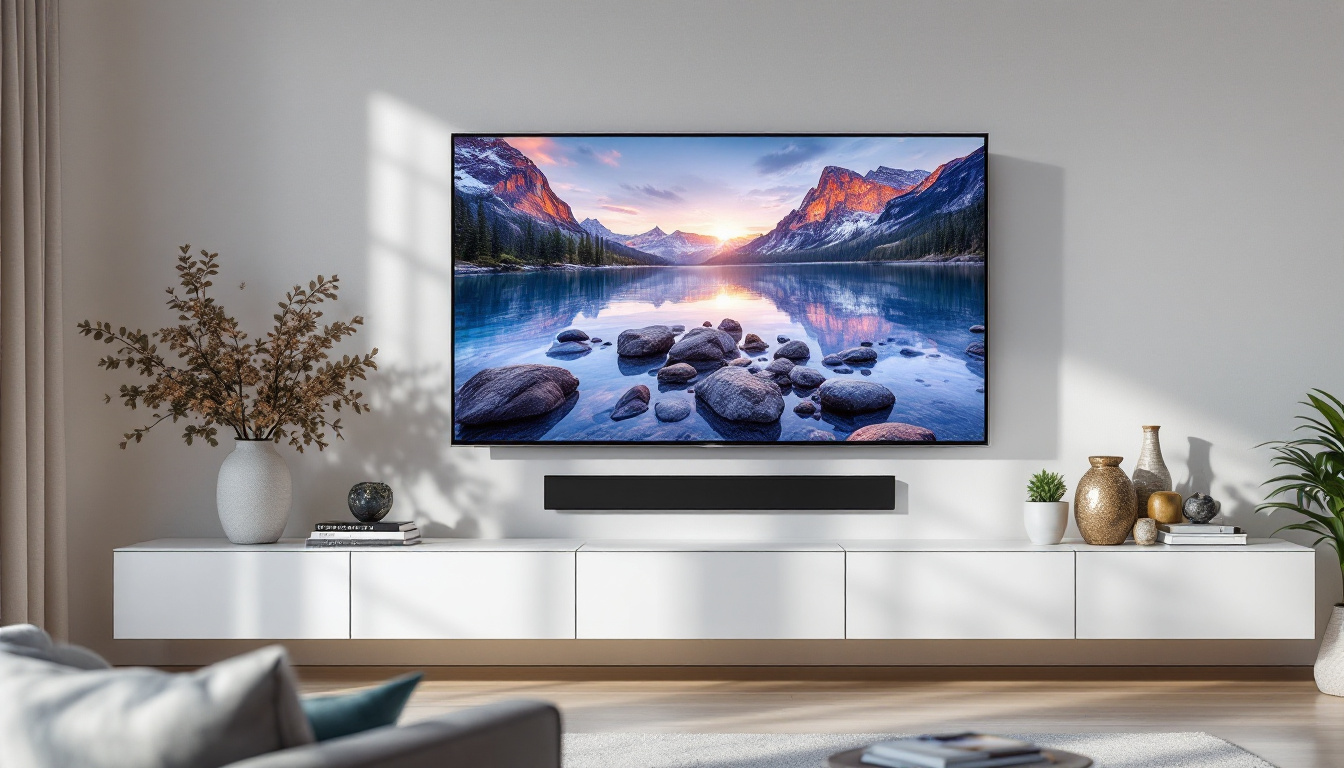
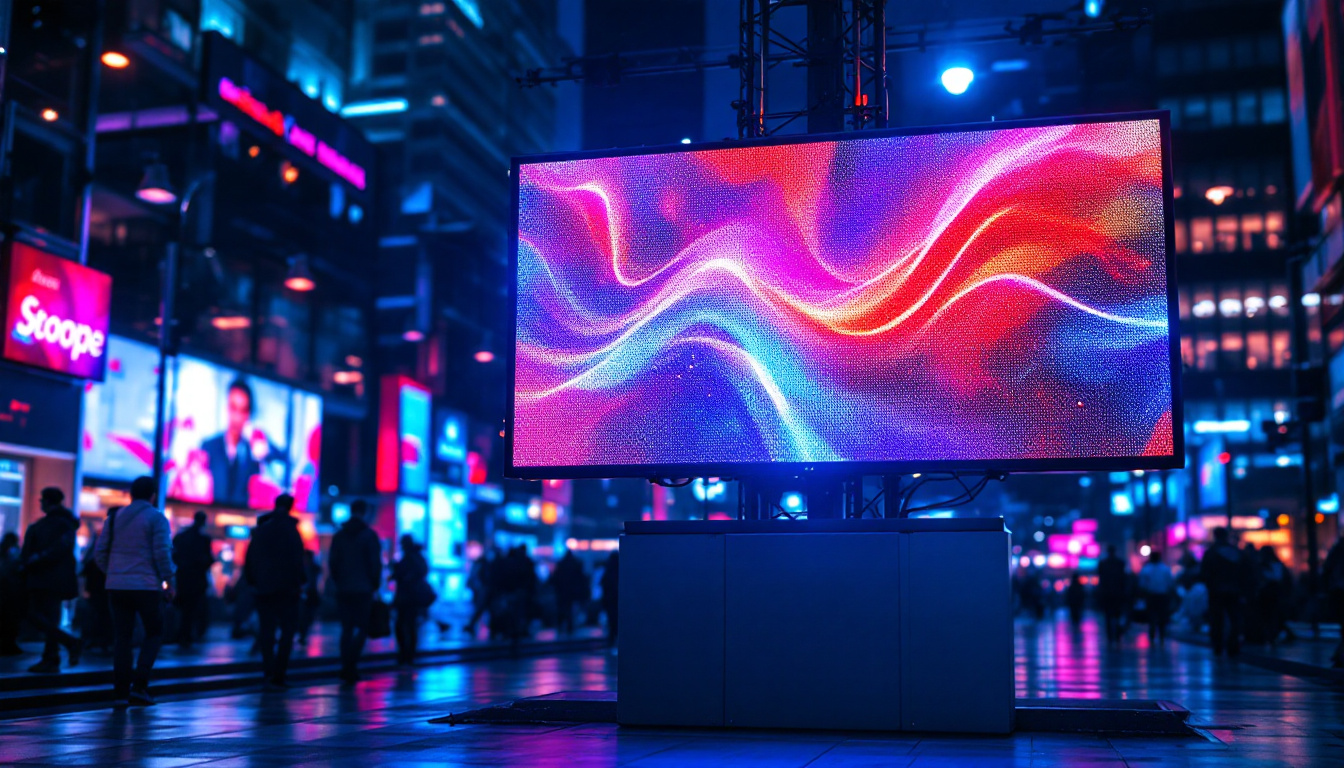
One of the key advantages of LED technology lies in its ability to deliver high-resolution images with vibrant colors and deep blacks. This is achieved through precise control of individual diodes, enabling dynamic content that can adapt in real time. Additionally, LED displays offer wide viewing angles and excellent visibility under direct sunlight, which is crucial for outdoor market environments. This capability is particularly beneficial for advertising and public information displays, where clear communication is essential for capturing the attention of passersby.
Energy efficiency is another critical factor. Compared to older display technologies, LEDs consume less power and have longer lifespans, reducing operational costs and environmental impact. This aligns well with Europe’s increasing focus on sustainability and energy-conscious business practices. Furthermore, advancements in LED technology have led to the development of eco-friendly options, such as organic LEDs (OLEDs), which promise even greater energy savings and improved performance. As industries continue to embrace digital transformation, the demand for energy-efficient solutions like LED displays is expected to grow, making them a cornerstone of modern visual communication.
LED Displays in the Borderless European Market
Enhancing Cross-Border Communication
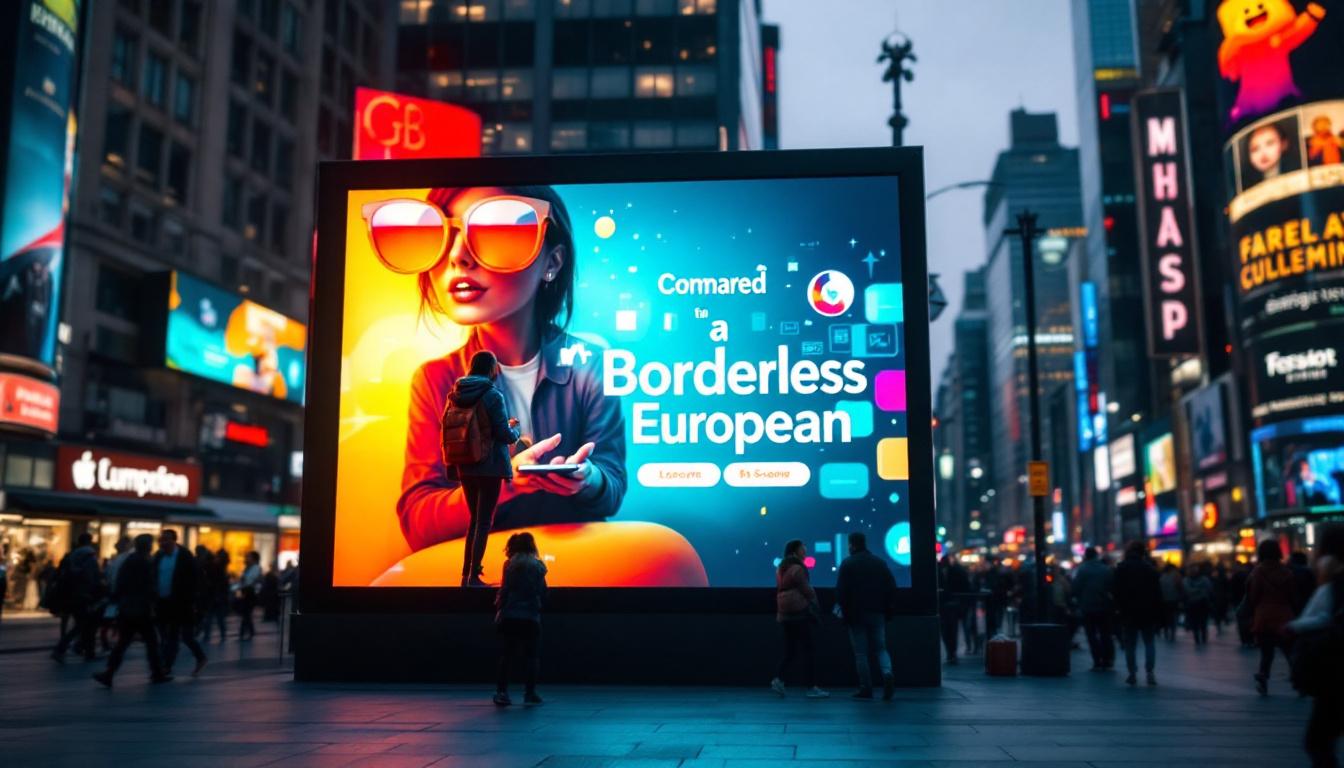
Europe’s cultural and linguistic diversity presents unique challenges for businesses aiming to communicate effectively across countries. LED displays offer a flexible solution by enabling dynamic, multilingual content that can be updated instantly to cater to different audiences. For example, a digital billboard in a border region between Germany and France can alternate messaging in both languages, ensuring inclusivity and broader reach.
Moreover, LED displays facilitate real-time updates, allowing businesses to respond quickly to market trends, regulatory changes, or promotional campaigns. This agility is vital in a borderless market where consumer preferences and legal frameworks can vary significantly from one country to another. The ability to tailor messages not only enhances customer engagement but also builds trust, as consumers appreciate brands that acknowledge and respect their local languages and customs.
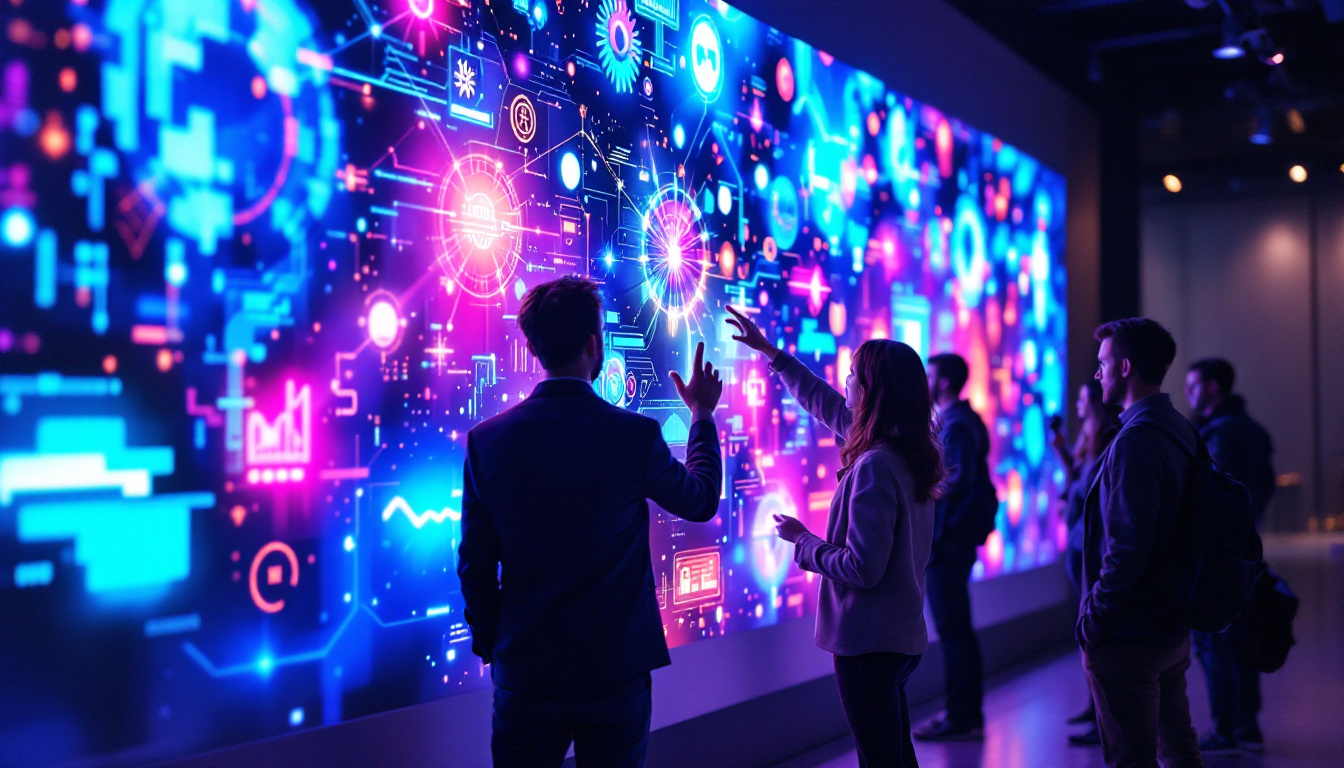
Furthermore, the integration of LED technology with mobile applications and social media platforms allows for interactive communication. Businesses can encourage customers to engage with content through QR codes or social media hashtags displayed on LED screens, creating a two-way dialogue that enhances customer loyalty and brand recognition across borders.
Driving Market Engagement Through Visual Storytelling
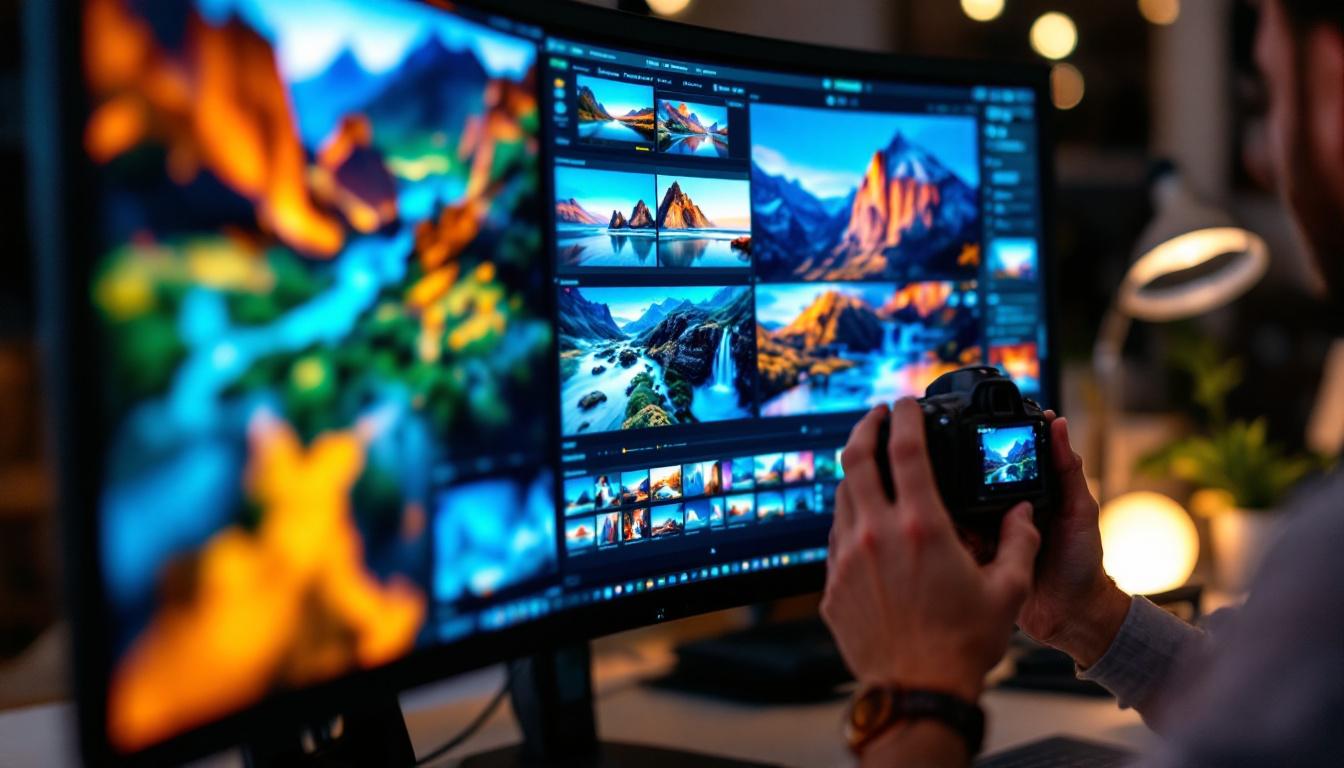
Photos and images are universal languages that resonate across cultures, making them powerful tools for marketing in Europe’s interconnected market. High-quality LED displays amplify the impact of visual content by presenting it in bright, eye-catching formats that capture attention and evoke emotional responses.
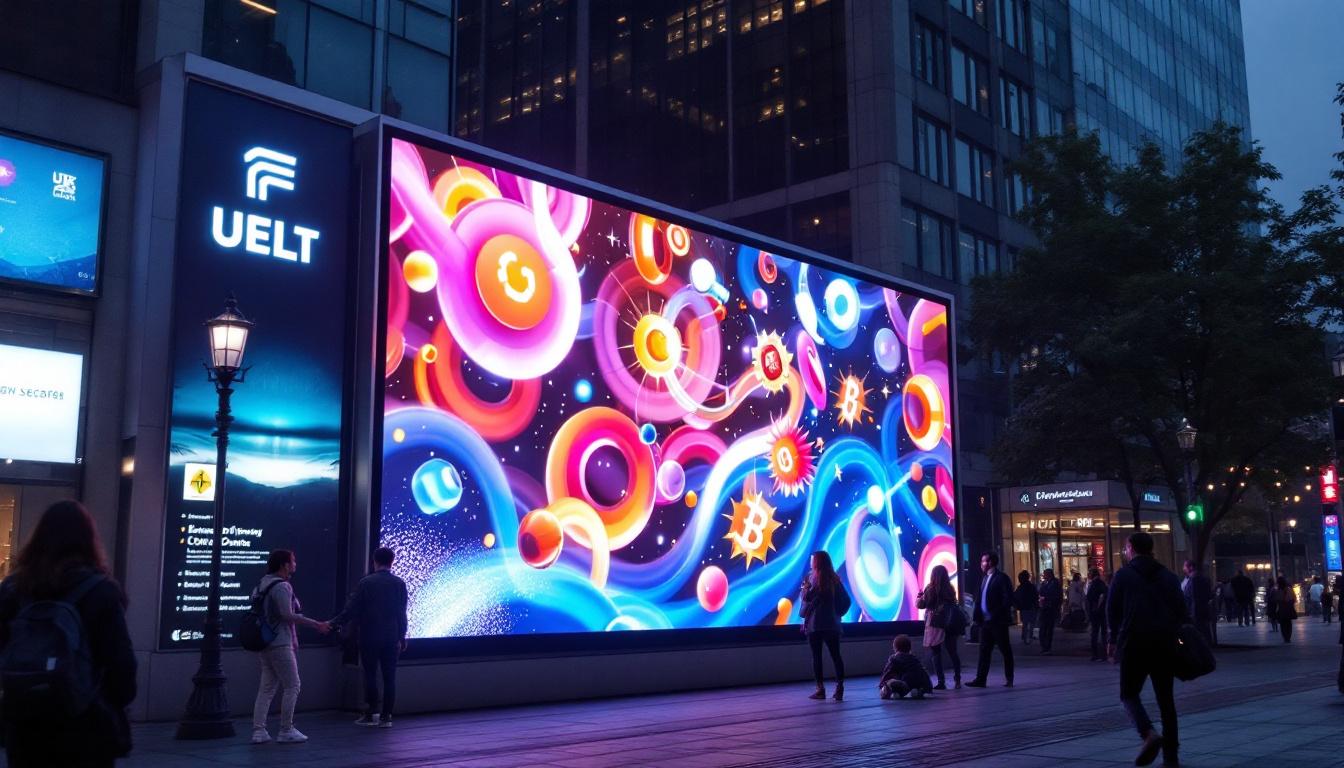
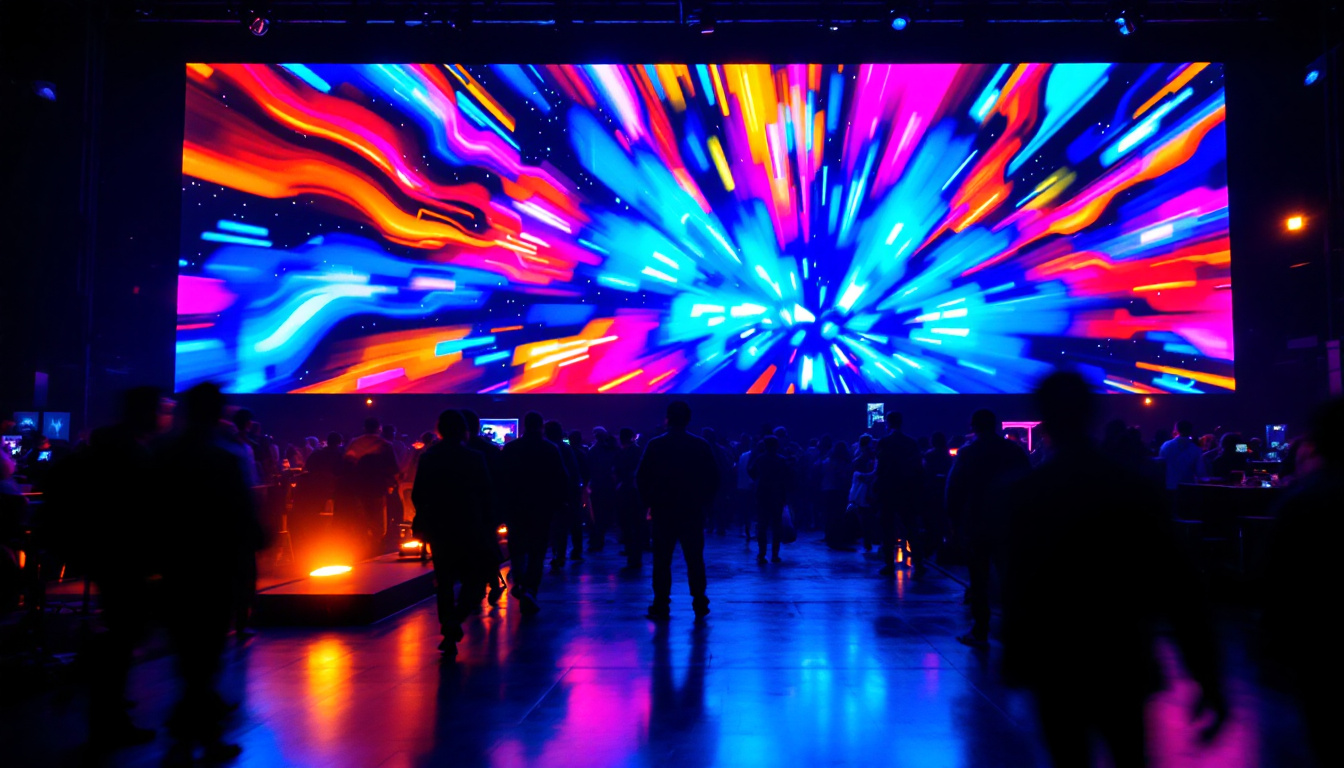
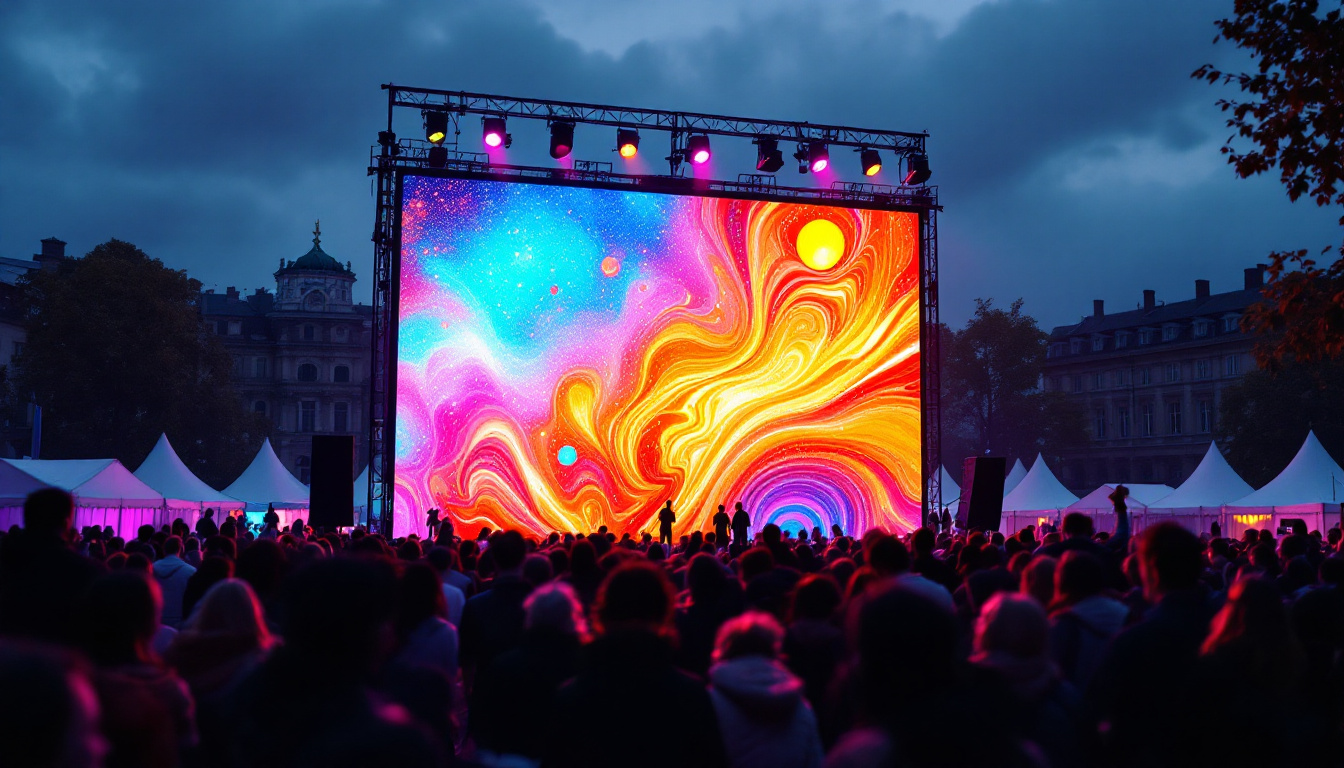
For instance, European trade fairs and markets increasingly use LED video walls to showcase product photos, brand stories, and live event footage. This immersive approach not only attracts visitors but also encourages social sharing, extending the reach of marketing efforts beyond physical locations. The use of motion graphics and vibrant colors can transform a simple advertisement into a captivating narrative, drawing in passersby and creating memorable experiences that linger long after the initial viewing.
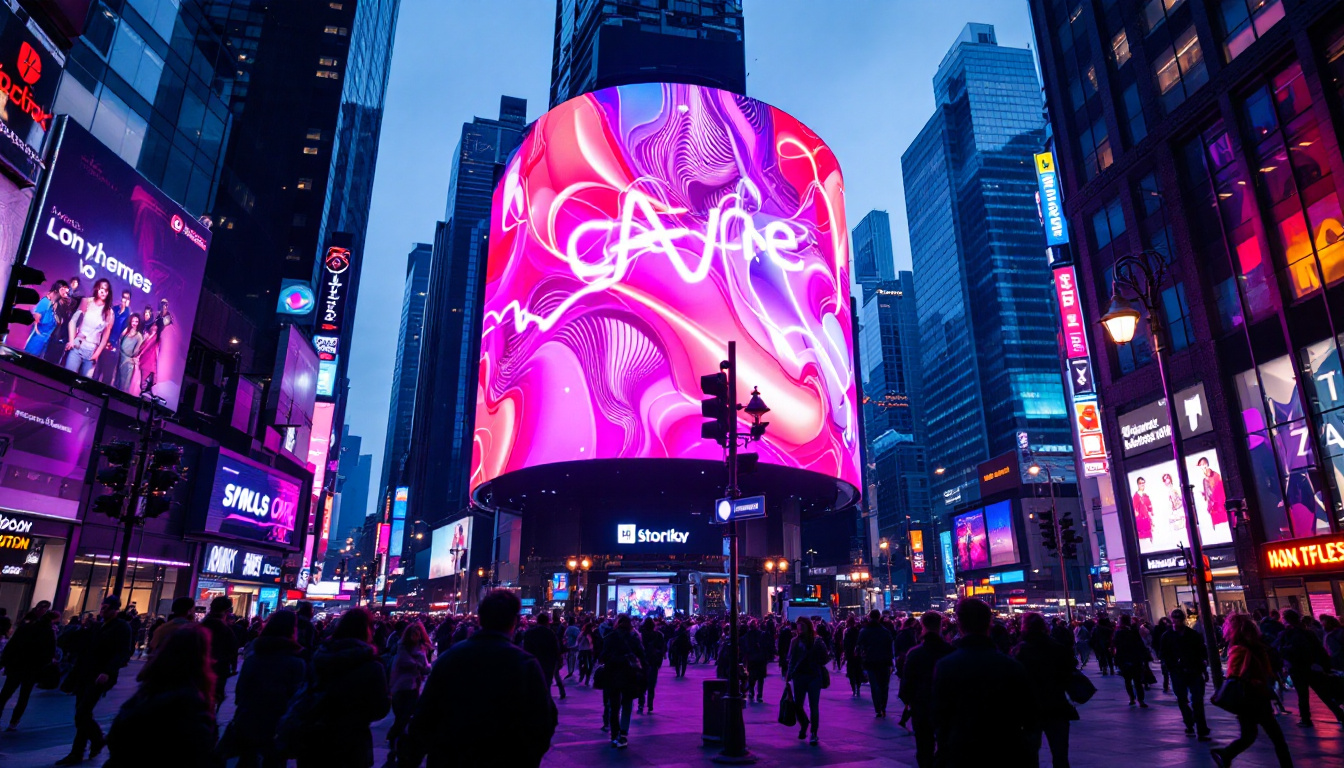
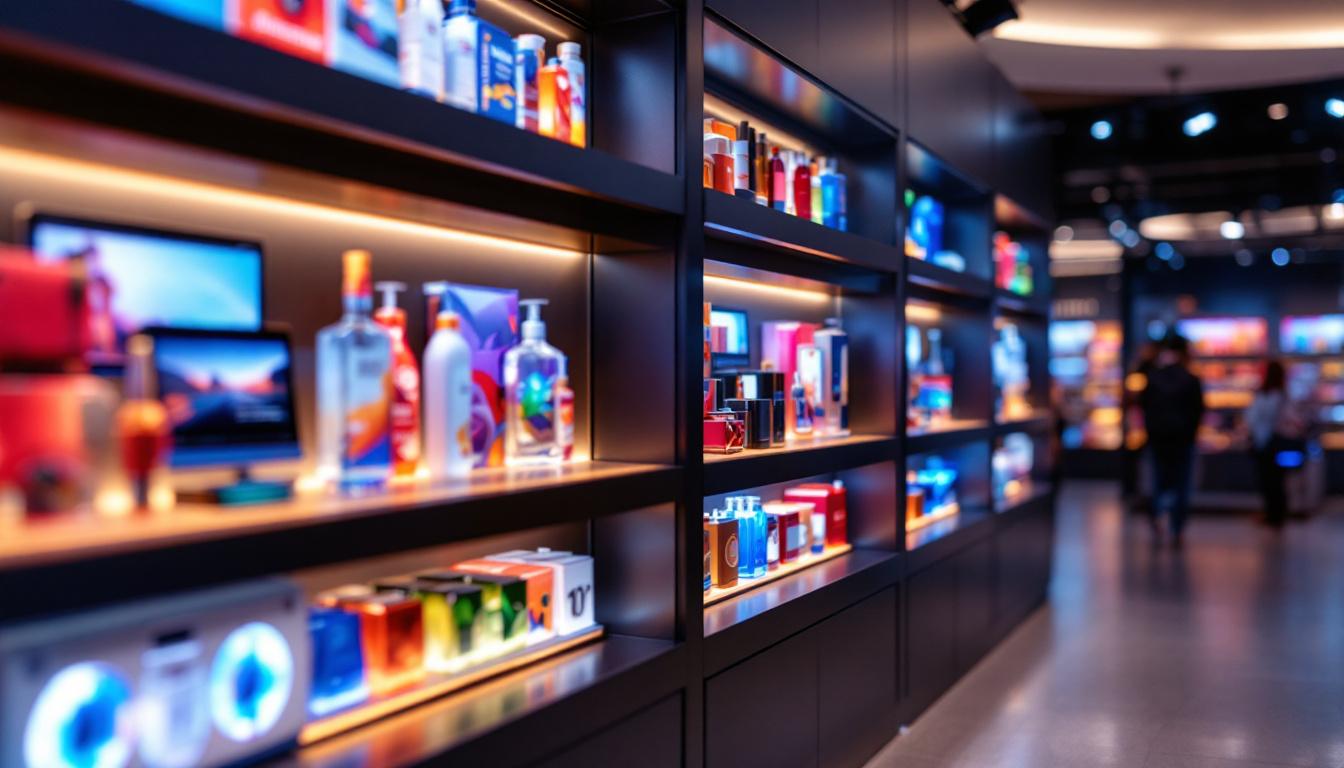
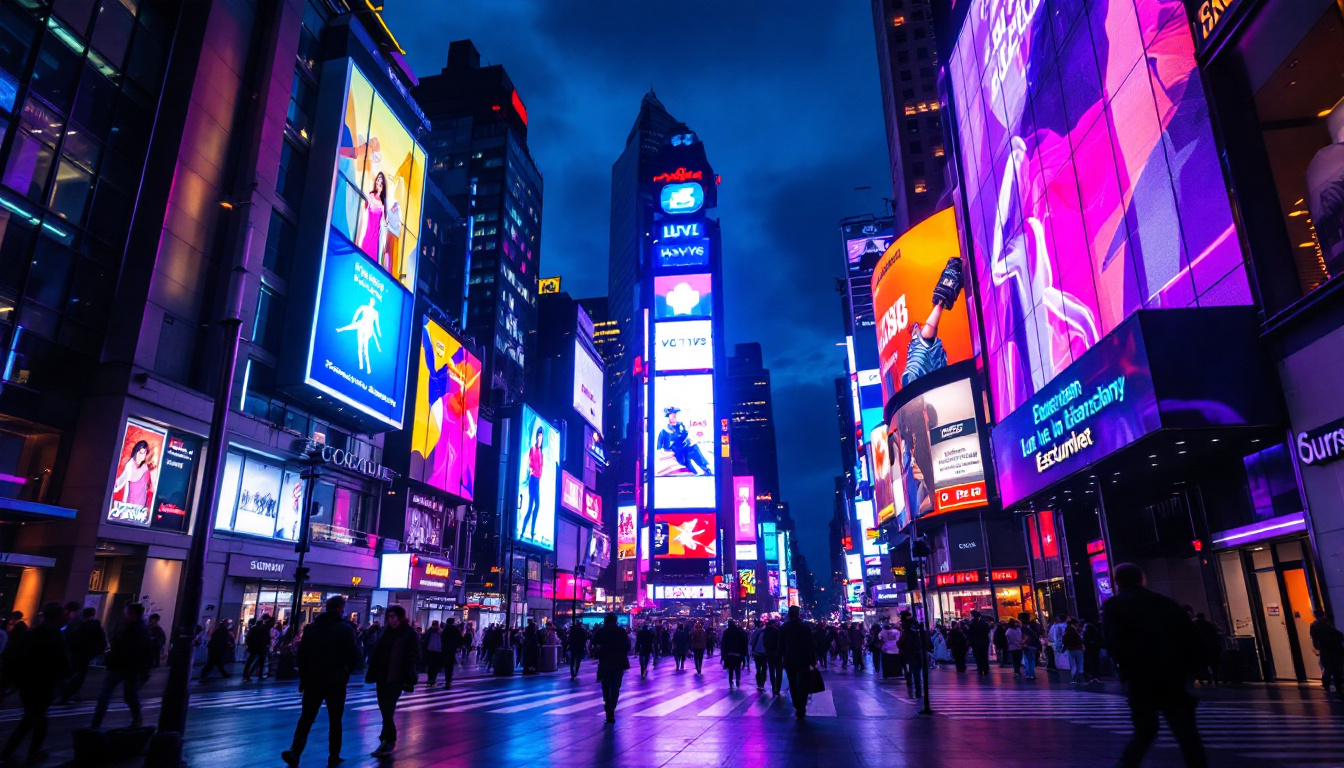
Additionally, the strategic placement of LED displays in high-traffic areas, such as shopping districts or transportation hubs, maximizes visibility and engagement. By incorporating local cultural elements into the visual storytelling, brands can create a sense of familiarity and connection with diverse audiences, making their messages even more impactful.
Case Study: LED Displays at European Marketplaces
Consider the example of the Mercado de San Miguel in Madrid, Spain, which integrated LED displays into its historic market setting. These displays showcase high-resolution photos of fresh produce, artisanal goods, and culinary experiences, enhancing the market’s appeal to both locals and tourists. The bright, dynamic visuals help vendors differentiate their offerings and create a modern shopping environment while respecting the market’s traditional charm.
Similarly, in cities like Amsterdam and Berlin, LED screens are used in open-air markets to promote local events and seasonal products, fostering community engagement and cross-border tourism. These applications highlight how LED technology supports the evolution of traditional marketplaces into vibrant, digitally enhanced hubs. In addition, the incorporation of interactive displays allows visitors to learn more about the products and the stories behind them, enhancing the shopping experience and encouraging deeper connections between consumers and vendors.
Moreover, the use of LED displays in these marketplaces can also serve as a platform for local artists and musicians, providing them with a stage to showcase their talents. By promoting cultural events and performances, these displays not only enhance the marketplace atmosphere but also contribute to the preservation and celebration of local heritage, creating a rich tapestry of experiences for all who visit.
Technical Considerations for Deploying LED Displays in Europe
Regulatory Compliance and Standards
Deploying LED displays across Europe requires adherence to various regulatory standards related to safety, electromagnetic compatibility, and energy consumption. The European Union’s CE marking ensures that products meet essential health and safety requirements, while directives such as RoHS (Restriction of Hazardous Substances) govern the environmental impact of electronic equipment.
Additionally, local municipalities may impose restrictions on display brightness, size, and placement to minimize light pollution and preserve urban aesthetics. Understanding and navigating these regulations is crucial for businesses to avoid penalties and ensure smooth operation across different European countries.
Connectivity and Content Management
Effective use of LED displays depends on robust connectivity and content management systems (CMS). In a borderless market, centralized CMS platforms allow marketers to remotely schedule, update, and tailor content for multiple locations simultaneously. This capability is essential for maintaining brand consistency while addressing local market nuances.
Advancements in 5G and fiber-optic networks across Europe further enhance the real-time delivery of high-definition content, enabling interactive and data-driven display experiences. For example, LED screens can integrate live social media feeds, weather updates, or localized promotions, creating a dynamic interface that engages consumers on multiple levels.
The Future of LED Displays in Europe’s Borderless Market
Integration with Smart City Initiatives
As European cities invest in smart infrastructure, LED displays are becoming integral components of urban digital ecosystems. These displays not only serve commercial purposes but also provide public information, emergency alerts, and cultural programming. Their ability to adapt content based on time of day, audience demographics, and environmental conditions makes them valuable tools for enhancing urban life.
For example, in cities like Copenhagen and Vienna, LED installations are part of broader smart city projects that aim to improve sustainability and citizen engagement. By linking LED displays with sensors and data analytics, municipalities can optimize energy use and deliver personalized messaging that reflects the community’s needs.
Emerging Technologies and Innovations
The LED display industry continues to evolve with innovations such as microLED technology, which promises even higher resolution, improved color accuracy, and thinner form factors. These advancements will open new possibilities for immersive experiences, including augmented reality (AR) and interactive displays that respond to user gestures or environmental cues.
Furthermore, the integration of artificial intelligence (AI) in content management will enable more sophisticated targeting and personalization, enhancing the effectiveness of marketing campaigns across Europe’s diverse markets. Businesses that adopt these cutting-edge technologies will be better positioned to engage consumers in meaningful and memorable ways.
Conclusion
LED display technology is a cornerstone of visual communication in the borderless European market, offering unparalleled brightness, flexibility, and efficiency. Its ability to transcend language and cultural barriers through dynamic, high-quality imagery makes it an indispensable tool for businesses seeking to connect with diverse audiences across the continent.
From enhancing traditional marketplaces to supporting smart city initiatives, LED displays are reshaping how Europe’s markets present themselves and interact with consumers. By understanding the technical, regulatory, and strategic aspects of LED deployment, businesses can unlock new opportunities for growth and engagement in this vibrant, interconnected region.
As technology continues to advance, the role of LED displays in Europe’s borderless market will only grow, driving innovation and fostering a more connected, visually rich marketplace for years to come.
Discover LumenMatrix LED Display Solutions
Ready to elevate your brand’s presence in the borderless European market? LumenMatrix is at the forefront of LED display innovation, offering a diverse range of solutions tailored to your unique needs. Whether you’re looking to captivate with an Indoor LED Wall Display, make a statement with an Outdoor LED Wall Display, or engage on the move with Vehicle LED Displays, we have the technology to bring your vision to life. Our mission is to transform your visual communication strategy with LED displays that not only enhance engagement but also create unforgettable visual experiences. Don’t miss the opportunity to share your message with unparalleled impact and clarity. Check out LumenMatrix LED Display Solutions and join the revolution in digital signage today.