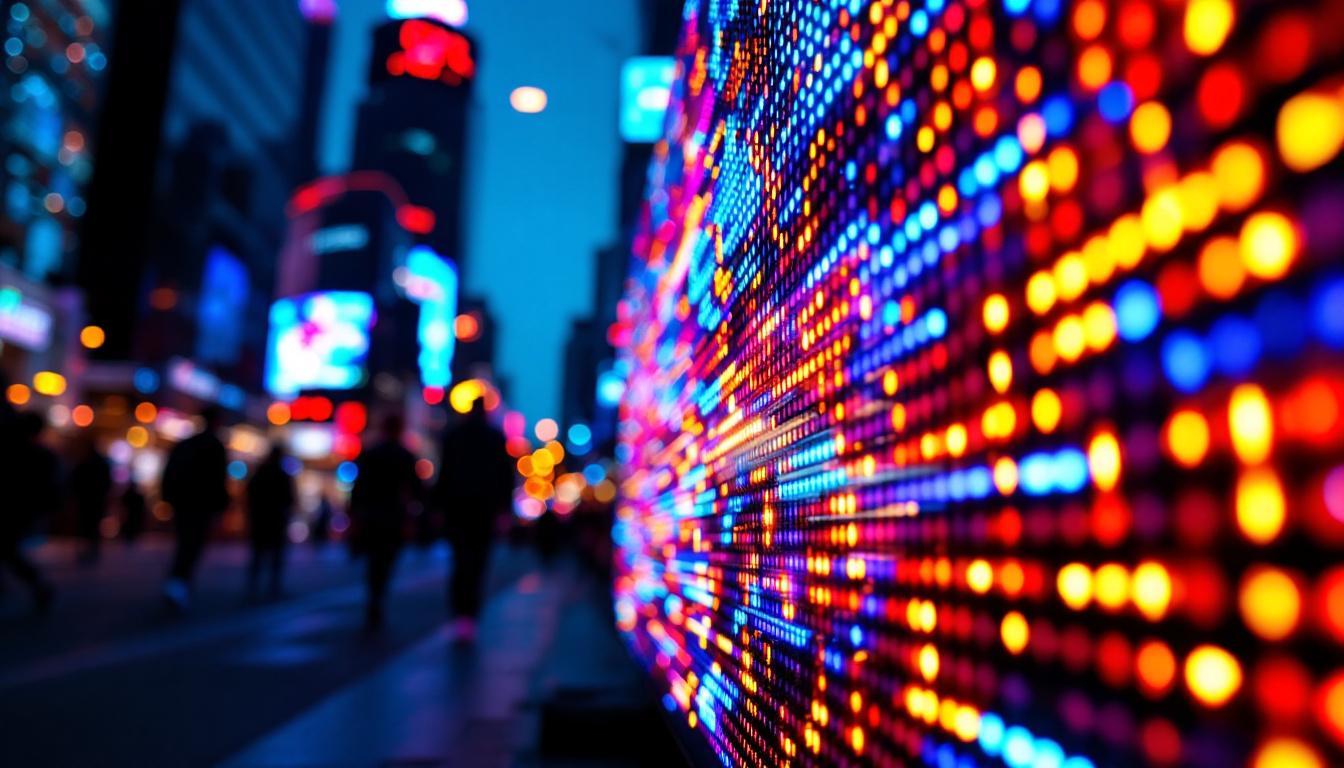
In today’s fast-paced digital landscape, LED displays have become an essential component of communication, advertising, and information dissemination. From vibrant billboards in bustling city centers to dynamic screens in corporate lobbies, LED displays captivate audiences with their brightness, clarity, and versatility. This article delves into the technology behind LED displays, their applications, benefits, and how innovations like Networktracker are transforming the way these displays are managed and optimized.
Understanding LED Display Technology
What is an LED Display?
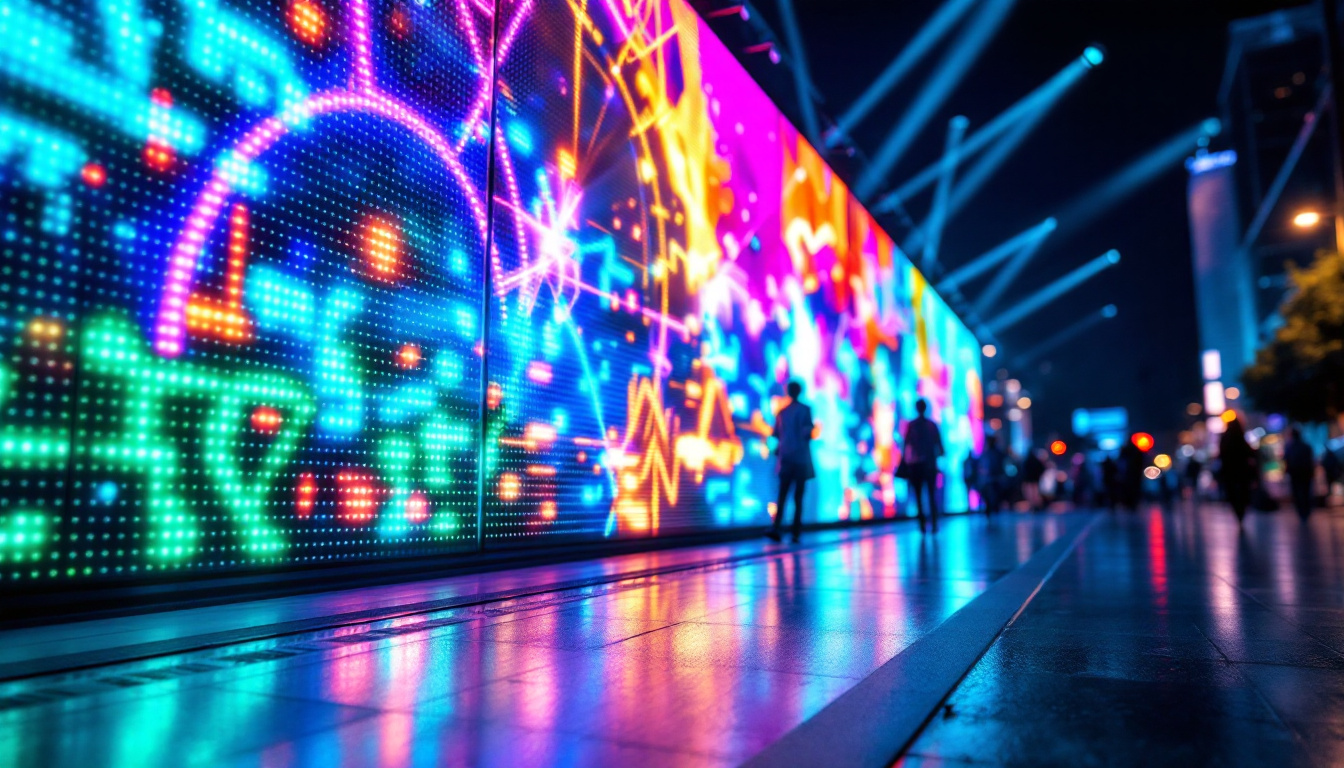
LED stands for Light Emitting Diode, a semiconductor device that emits light when an electric current passes through it. An LED display is a flat panel that uses an array of these tiny LEDs as pixels to present images, videos, or text. Unlike traditional LCD or plasma screens, LED displays generate their own light, which results in higher brightness and better contrast ratios. This self-illuminating property allows LED displays to perform exceptionally well in various lighting conditions, making them suitable for both indoor and outdoor environments.
LED displays can be configured as indoor or outdoor panels, with varying pixel pitches (the distance between individual LEDs) to balance resolution and viewing distance. For instance, a smaller pixel pitch is used for indoor screens viewed up close, while larger pitches are common for outdoor billboards viewed from afar. Additionally, the durability of LED technology contributes to its widespread adoption; these displays are resistant to shock and vibrations, making them ideal for high-traffic areas and events where reliability is crucial.
Types of LED Displays
There are several types of LED displays, each tailored to specific use cases:
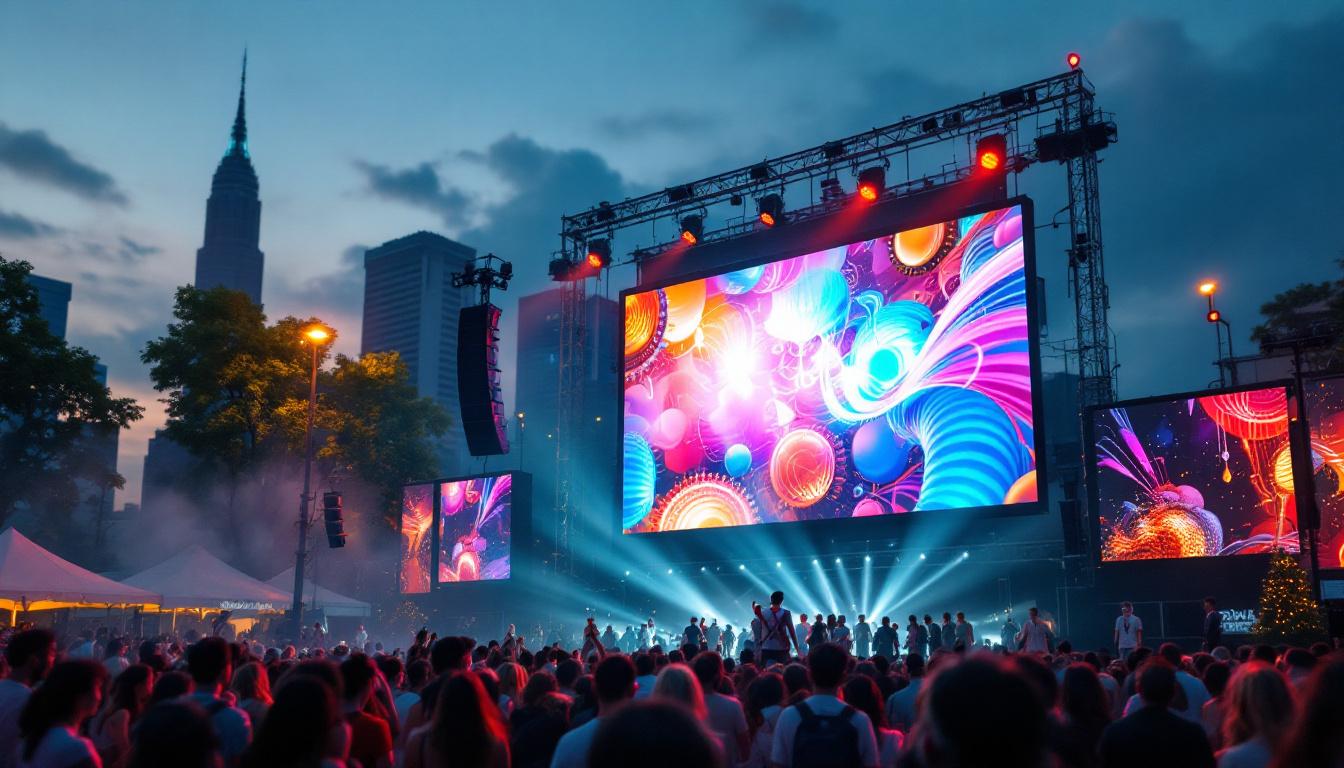
- Direct View LED Displays: These use LEDs as the actual pixels and are known for their brightness and wide viewing angles. They are common in large-scale outdoor advertising and stadium screens. The ability to create vibrant colors and sharp images makes them a favorite for events and concerts, where visual impact is essential.
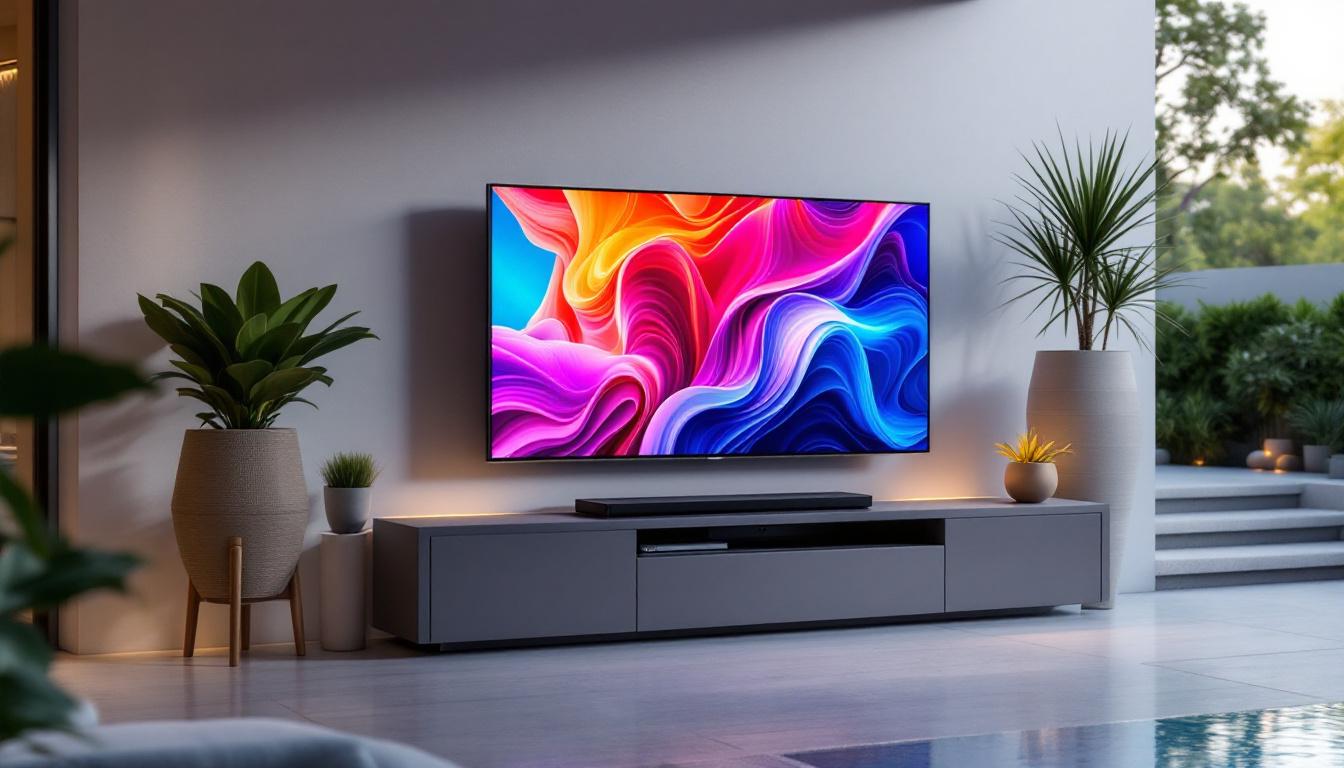
- LED Backlit LCD Displays: These combine LCD panels with LED backlighting to improve brightness and energy efficiency, typically used in televisions and monitors. This hybrid technology allows for thinner designs and enhanced picture quality, appealing to consumers looking for sleek aesthetics without compromising on performance.
- Flexible LED Displays: A recent innovation, these displays use flexible substrates allowing them to curve or bend, ideal for creative installations and architectural applications. Their versatility opens up new possibilities for artistic expression and innovative advertising, enabling displays to fit seamlessly into unconventional spaces or even wrap around objects.
Moreover, the emergence of transparent LED displays has captivated the market, offering a futuristic approach to advertising and information dissemination. These displays allow viewers to see through them while still conveying vibrant images and messages, making them perfect for retail environments where maintaining an open and inviting atmosphere is key. As technology continues to advance, we can expect to see even more innovative applications of LED displays, further integrating them into our daily lives and enhancing the way we interact with visual content.
The Role of Networktracker in LED Display Management
What is Networktracker?
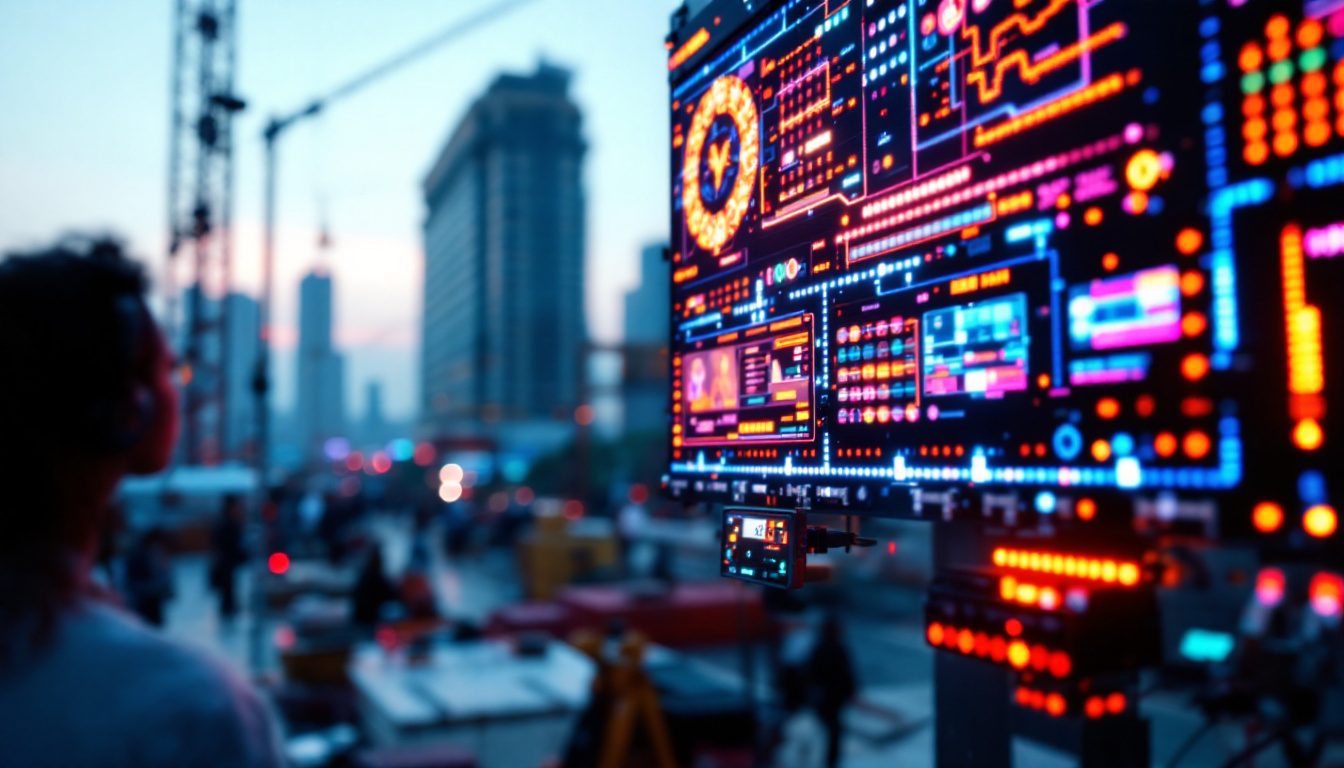
Networktracker is an advanced software platform designed to monitor, manage, and optimize LED display networks. As LED installations grow in scale and complexity, especially in urban environments and corporate settings, managing these displays manually becomes impractical. Networktracker provides real-time insights into the health, performance, and content scheduling of LED displays across multiple locations. This capability is particularly crucial in today’s fast-paced digital landscape, where timely updates and responsiveness can significantly impact audience engagement and brand perception.
Key Features of Networktracker
Networktracker offers a suite of tools that streamline LED display management:
- Remote Monitoring: Operators can track display status, brightness levels, and connectivity from any location, reducing downtime and maintenance costs.
- Content Management: The platform supports scheduling and distribution of multimedia content, enabling synchronized campaigns across diverse displays.
- Performance Analytics: Networktracker collects data on display usage, environmental conditions, and energy consumption, helping optimize operational efficiency.
- Alert Systems: Automated alerts notify operators of technical issues such as pixel failures or power disruptions, facilitating rapid response.
Benefits of Integrating Networktracker
By integrating Networktracker, businesses and municipalities can achieve significant advantages:
Firstly, the reduction in manual oversight frees up technical teams to focus on strategic initiatives rather than routine troubleshooting. Secondly, the ability to push targeted content remotely enhances marketing effectiveness and audience engagement. Finally, predictive maintenance enabled by data analytics extends the lifespan of LED hardware, resulting in cost savings. Moreover, the platform’s ability to analyze viewer interactions and preferences allows for more tailored content delivery, ensuring that messages resonate with specific demographics. This level of customization not only boosts viewer satisfaction but also maximizes return on investment for advertising campaigns.
Additionally, Networktracker enhances collaboration among teams by providing a centralized dashboard that can be accessed by various stakeholders, including marketing, operations, and IT departments. This transparency fosters a more cohesive approach to display management, where insights and updates are shared seamlessly. The ability to visualize performance metrics and operational data in real-time empowers decision-makers to make informed choices quickly, adapting strategies as needed to meet changing market demands. As a result, organizations can not only maintain their competitive edge but also innovate their display strategies to capture and retain audience attention more effectively.
Applications of LED Displays Across Industries
Advertising and Marketing
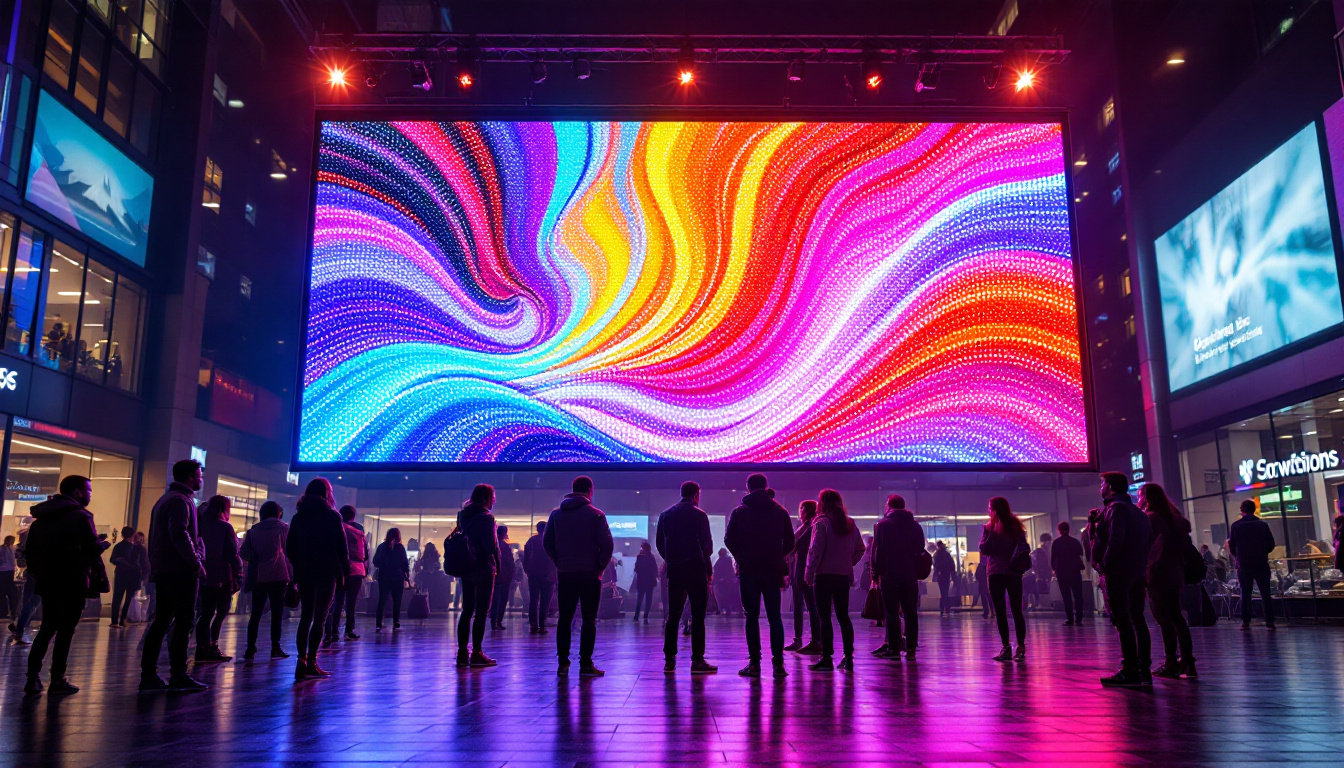
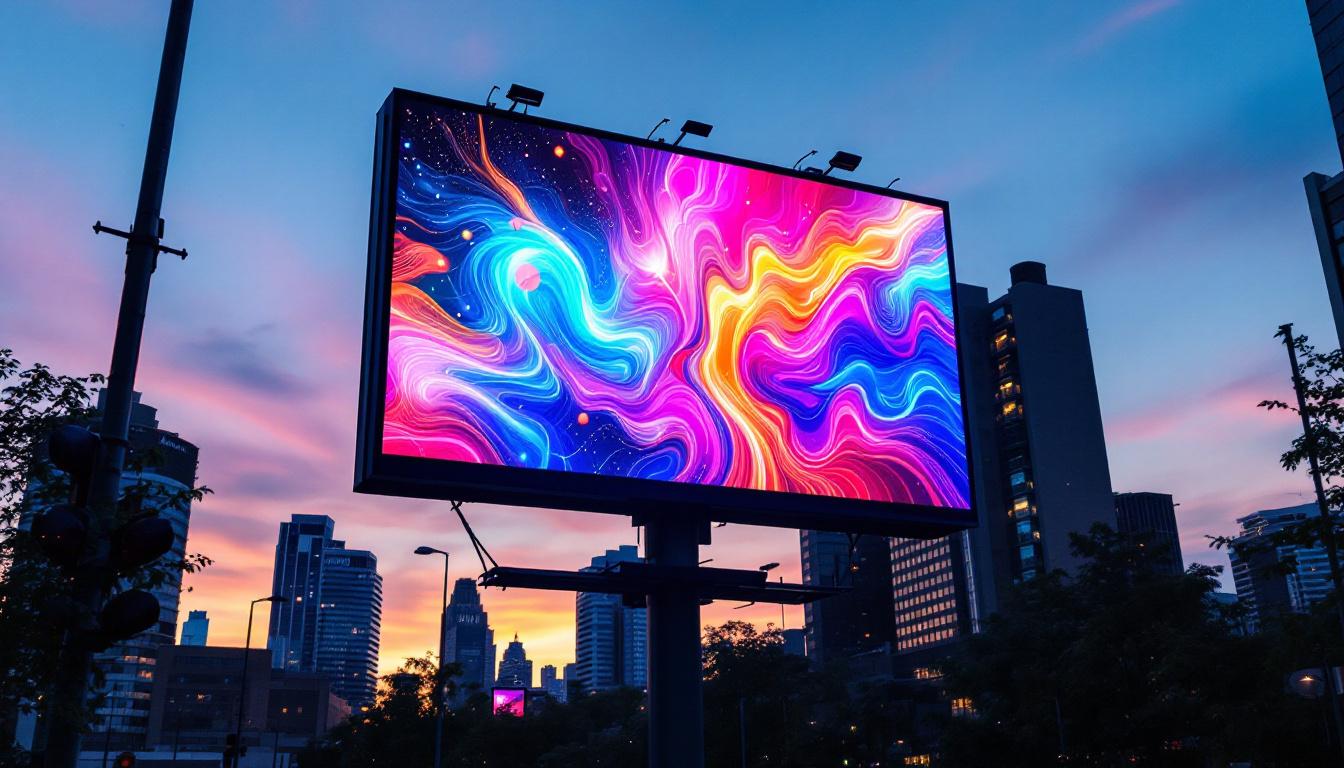
LED displays have revolutionized outdoor advertising, offering dynamic and eye-catching visuals that static billboards cannot match. According to recent market research, the global digital out-of-home (DOOH) advertising market is projected to grow at a compound annual growth rate (CAGR) of over 12% through 2028, driven largely by LED technology adoption.
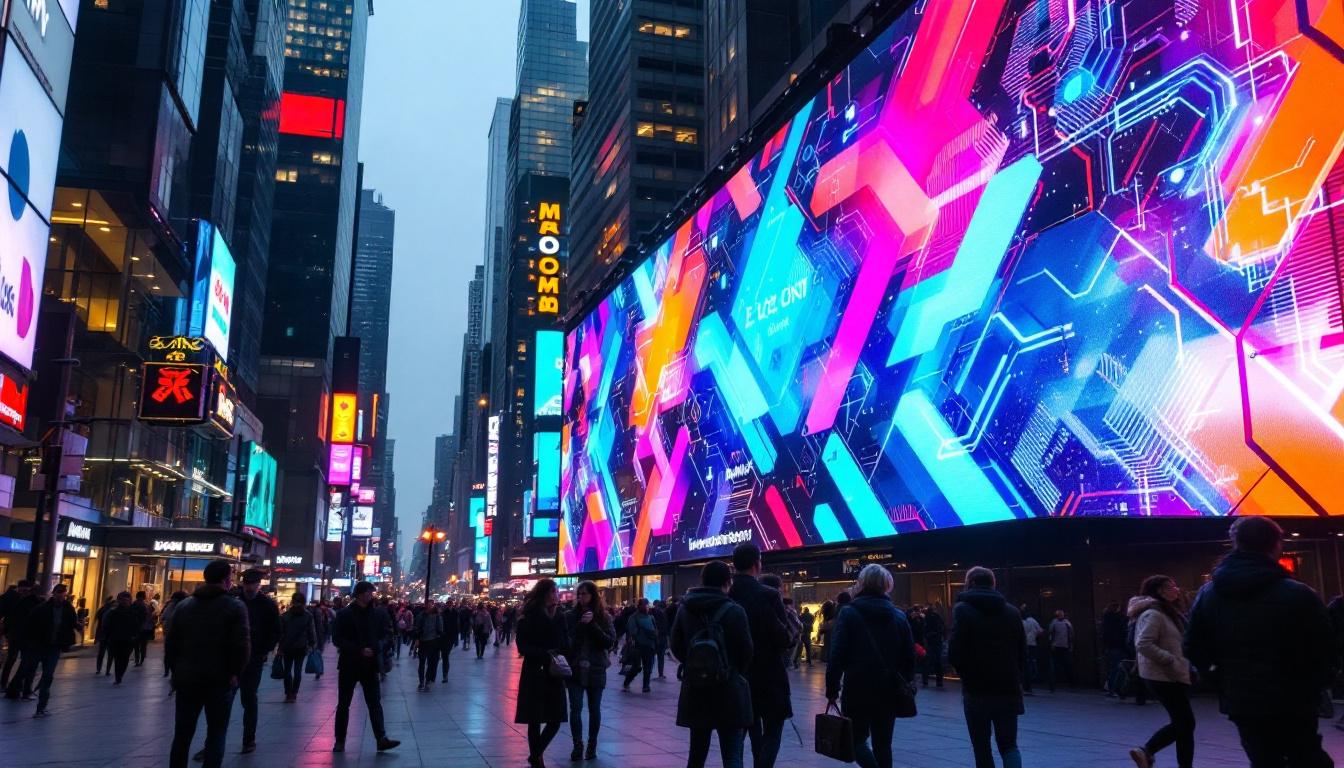
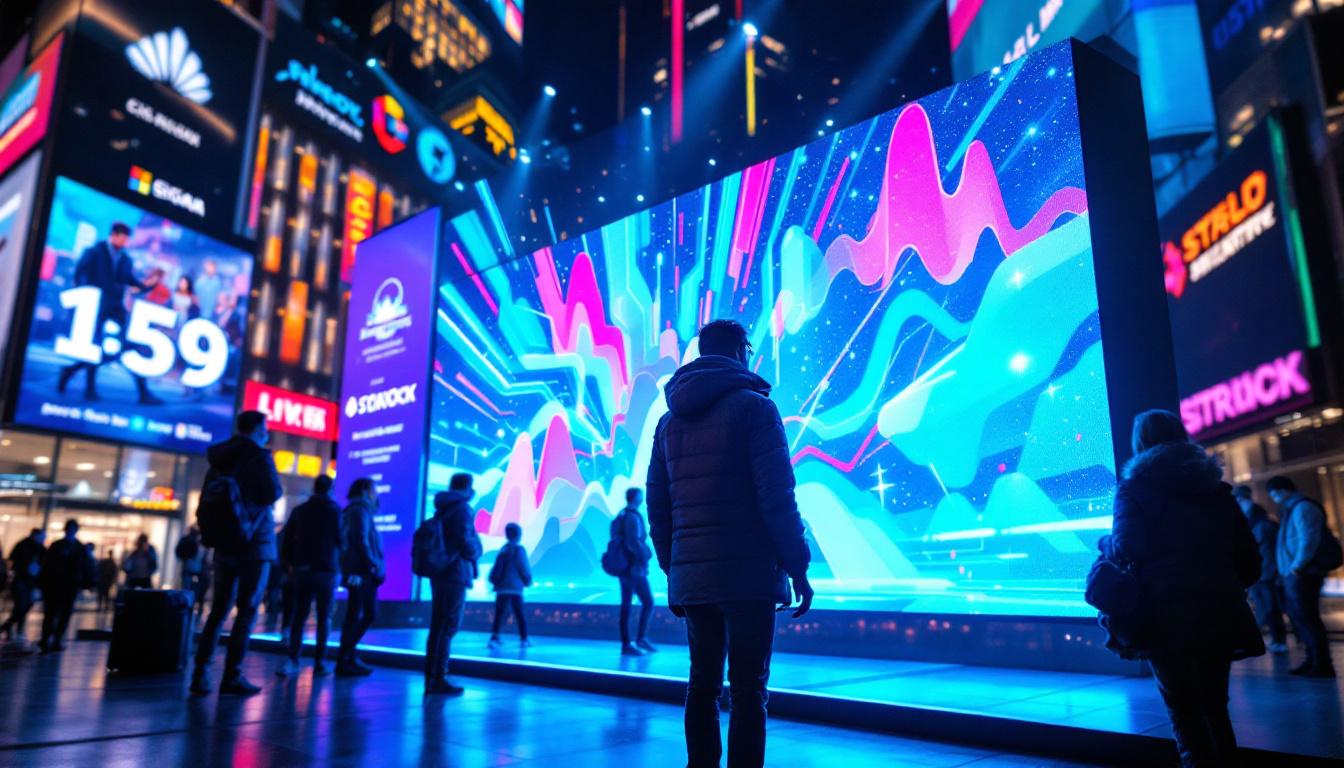
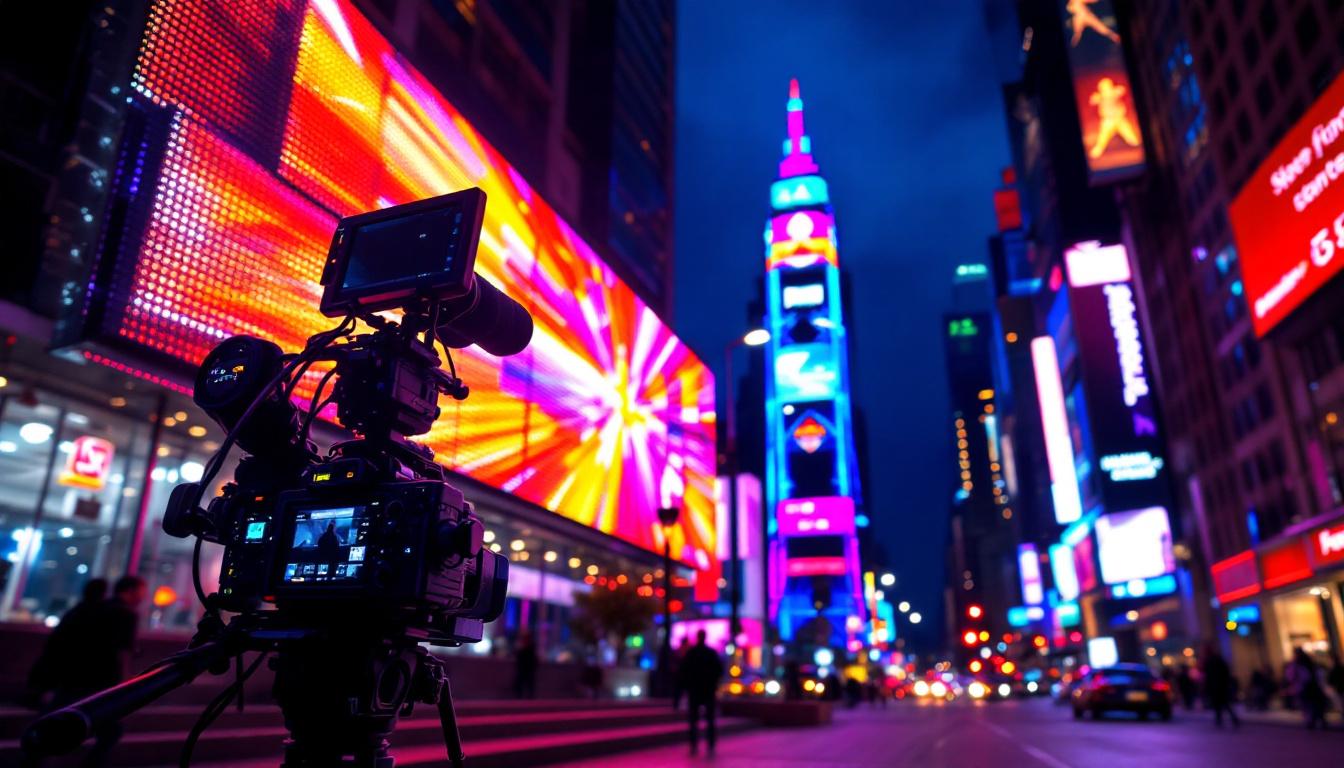
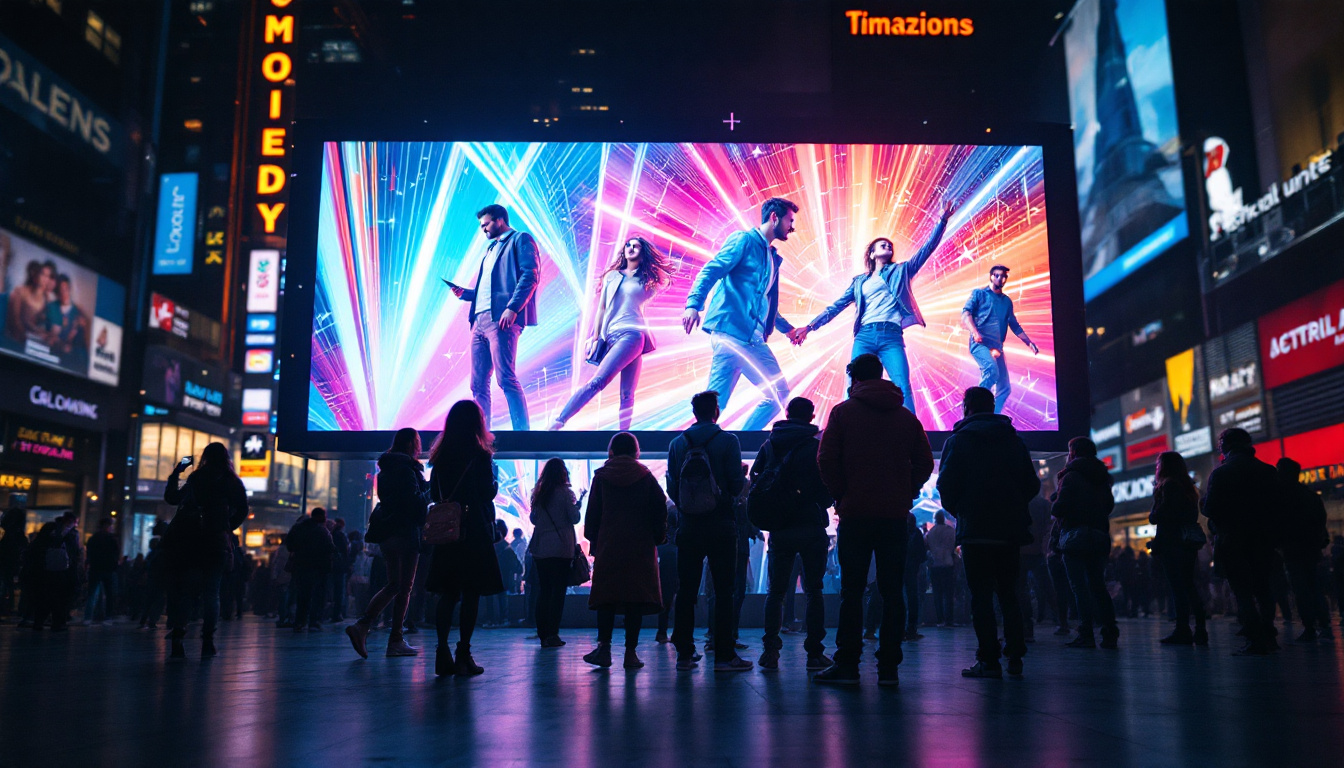
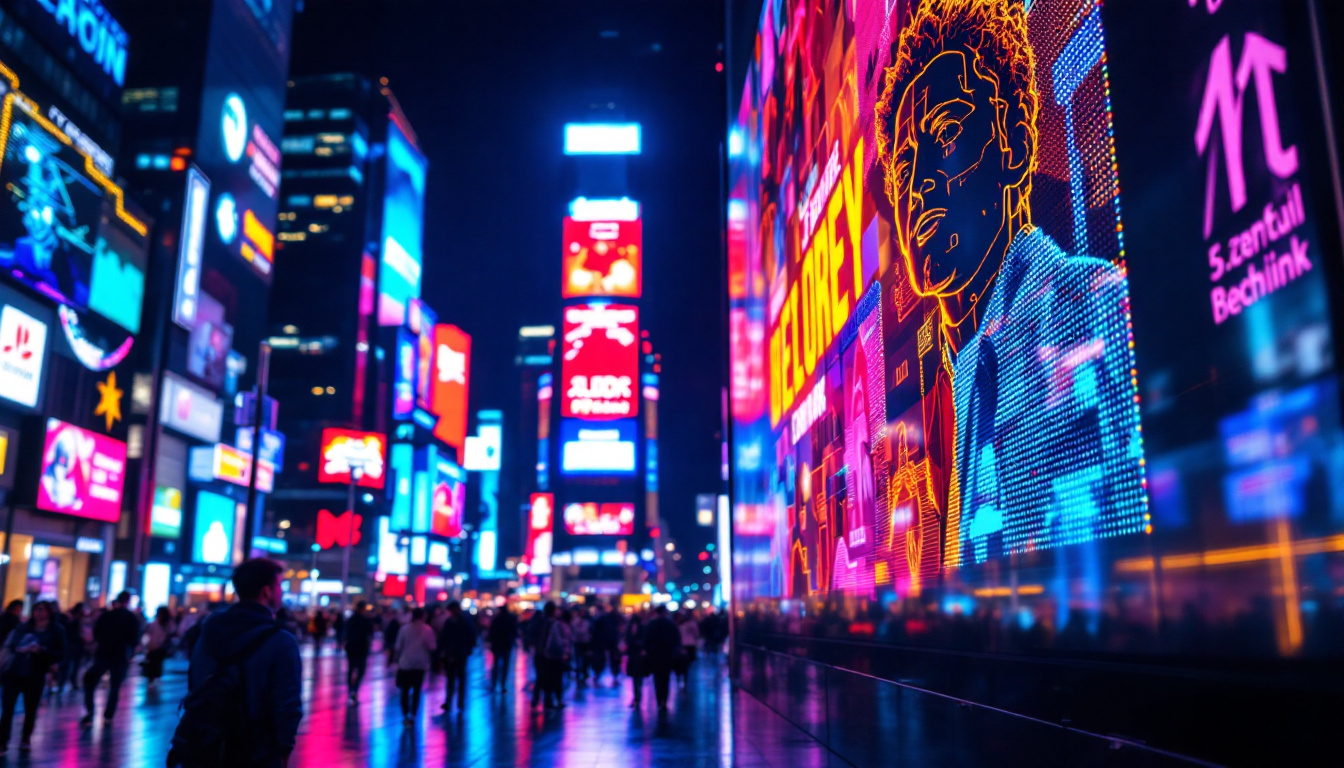
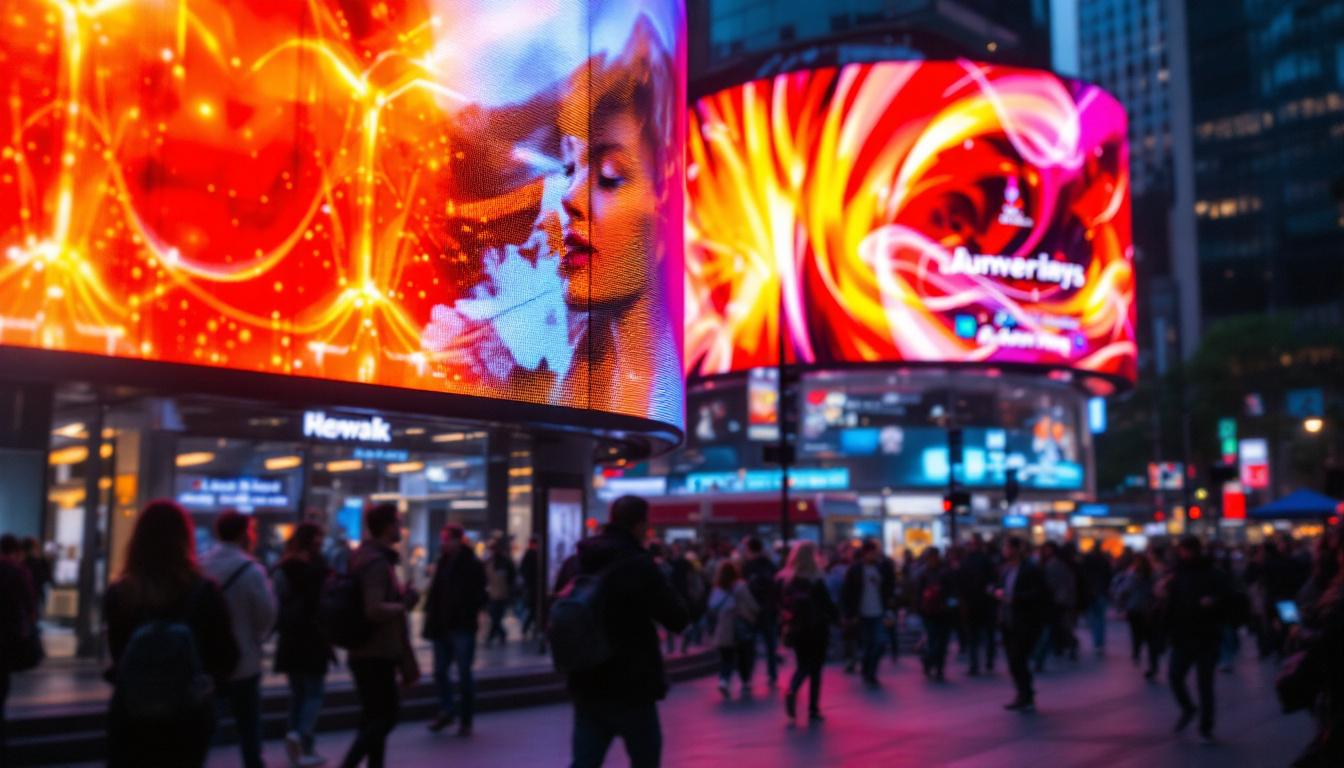
Brands leverage LED displays for real-time promotions, interactive campaigns, and event-based messaging. For example, Times Square in New York City features some of the world’s largest and most sophisticated LED billboards, delivering vibrant advertisements to millions of daily visitors.
Transportation and Public Information
Transportation hubs such as airports, train stations, and bus terminals utilize LED displays to provide travelers with up-to-date schedules, alerts, and wayfinding information. The clarity and brightness of LED screens ensure visibility in varying lighting conditions, enhancing passenger experience and safety.
Moreover, smart city initiatives incorporate LED displays into public spaces to broadcast emergency notifications, weather updates, and community announcements, fostering informed and connected urban environments.
Sports and Entertainment Venues
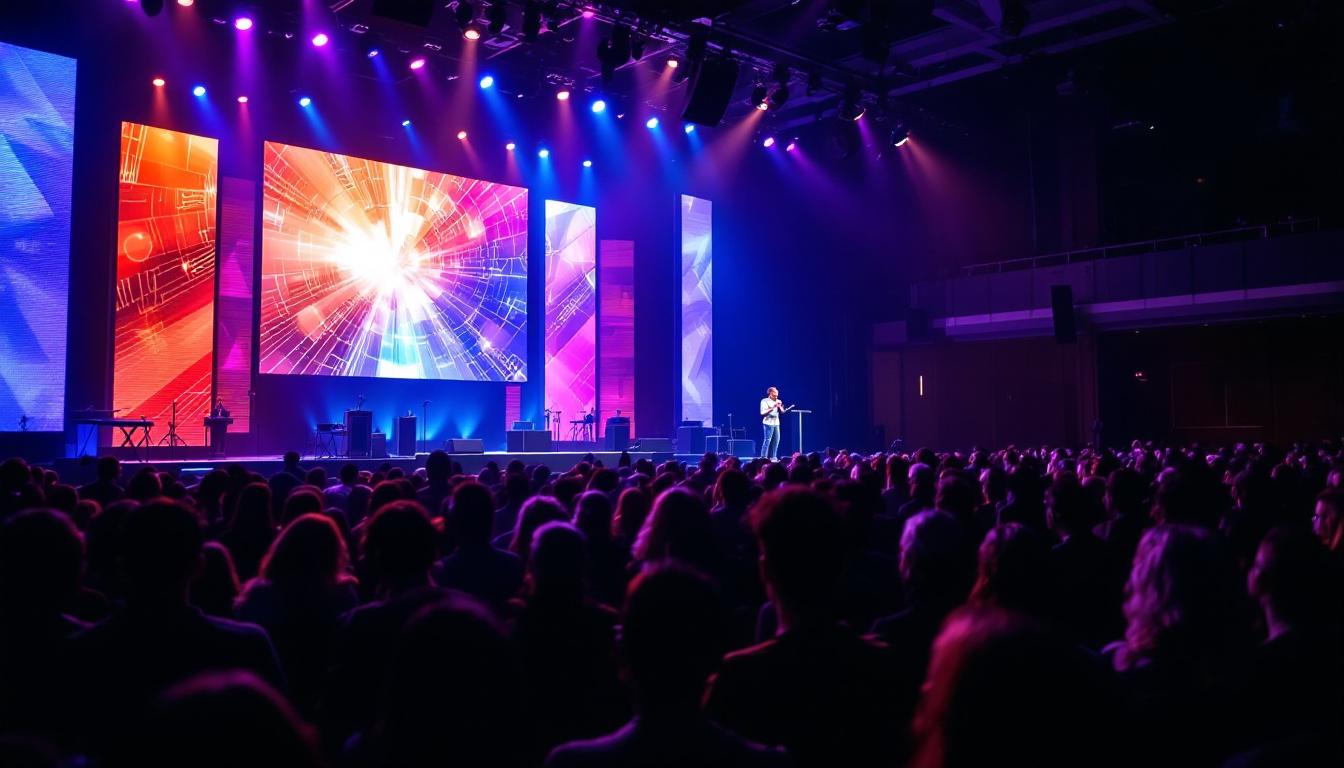
Stadiums and arenas depend on large-scale LED displays to enhance spectator engagement. These screens deliver live game footage, instant replays, and interactive content that enrich the fan experience. The flexibility of LED technology allows for custom-shaped displays and immersive visual effects.
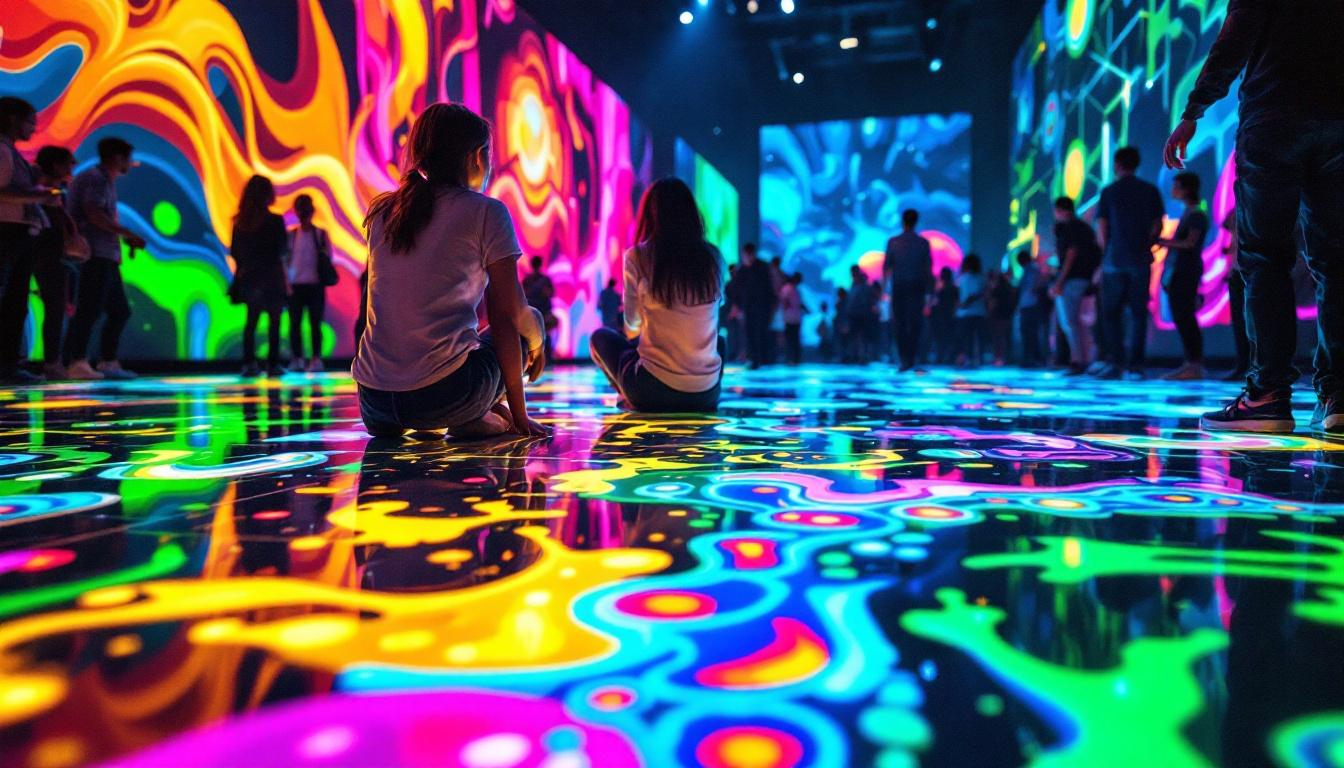
Entertainment venues also use LED walls for concerts, theater productions, and exhibitions, where high resolution and color accuracy are critical to creating captivating atmospheres.
Technical Considerations for LED Display Deployment
Resolution and Pixel Pitch
The resolution of an LED display is determined by the number of pixels it contains, directly impacting image clarity. Pixel pitch, the distance between LEDs, influences both resolution and optimal viewing distance. Selecting the appropriate pixel pitch is crucial; a display with too large a pitch will appear pixelated up close, while too small a pitch may be unnecessarily costly for distant viewing.
Brightness and Color Accuracy
Brightness levels for outdoor LED displays typically range from 5,000 to 10,000 nits to overcome sunlight glare, while indoor displays require much lower brightness to prevent eye strain. Color accuracy is achieved through precise calibration and high-quality LEDs, ensuring that images appear vivid and true to life.
Durability and Maintenance
LED displays designed for outdoor use must withstand harsh environmental conditions, including rain, dust, and temperature extremes. IP ratings (Ingress Protection) indicate the level of protection against these elements. Additionally, modular design facilitates easier maintenance and replacement of faulty components.
Energy Efficiency
Energy consumption is a significant consideration, especially for large installations. Advances in LED technology have improved efficiency, but operational strategies such as dimming during low ambient light and scheduling off-hours can further reduce power usage.
Future Trends in LED Display Technology
MicroLED and MiniLED Innovations
Emerging technologies like MicroLED and MiniLED promise to push LED display performance to new heights. MicroLEDs are smaller and more efficient, enabling ultra-high resolution and brightness with lower power consumption. These advancements are expected to impact consumer electronics, automotive displays, and large-scale signage.
Integration with IoT and AI
The integration of LED displays with Internet of Things (IoT) devices and Artificial Intelligence (AI) is opening new possibilities for personalized content delivery and adaptive brightness control. Smart LED networks can analyze audience demographics and environmental data to optimize messaging and energy use dynamically.
Flexible and Transparent Displays
Flexible LED displays are gaining traction for creative architectural applications, allowing screens to conform to curved surfaces. Transparent LED displays enable see-through digital signage, blending seamlessly with glass facades and retail storefronts, enhancing aesthetic appeal without compromising visibility.
Conclusion
LED displays have transformed the way information and advertising are presented in public and private spaces. Their superior brightness, versatility, and durability make them indispensable in a variety of industries. Platforms like Networktracker enhance the value of LED display networks by providing centralized control, real-time monitoring, and data-driven insights, ensuring optimal performance and engagement.
As LED technology continues to evolve with innovations like MicroLED and AI integration, the future promises even more dynamic, efficient, and immersive display solutions. Understanding the technical fundamentals and management tools behind LED displays is essential for businesses and organizations aiming to leverage this powerful medium effectively.
Discover LumenMatrix’s Innovative LED Solutions
Ready to elevate your visual communication strategy with cutting-edge LED technology? Explore LumenMatrix’s comprehensive range of LED display solutions, from vibrant Indoor and Outdoor LED Wall Displays to dynamic Vehicle and Sports Displays. Whether you’re looking to create immersive environments with Floor LED Displays or make a bold statement with Custom and All-in-One LED Displays, LumenMatrix has the expertise to bring your vision to life. Experience the future of digital signage with our LED Transparent Displays and captivate your audience like never before. Check out LumenMatrix LED Display Solutions today and transform your space into a beacon of innovation and engagement.