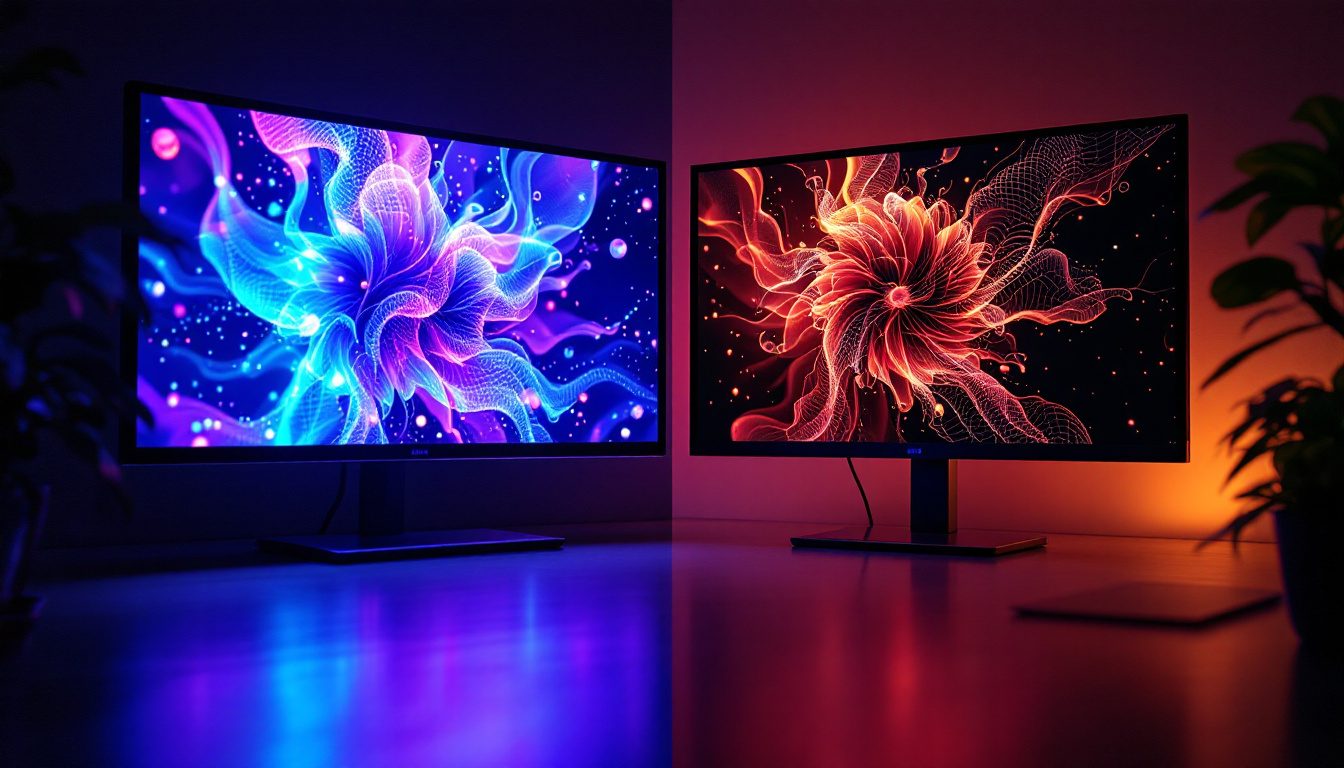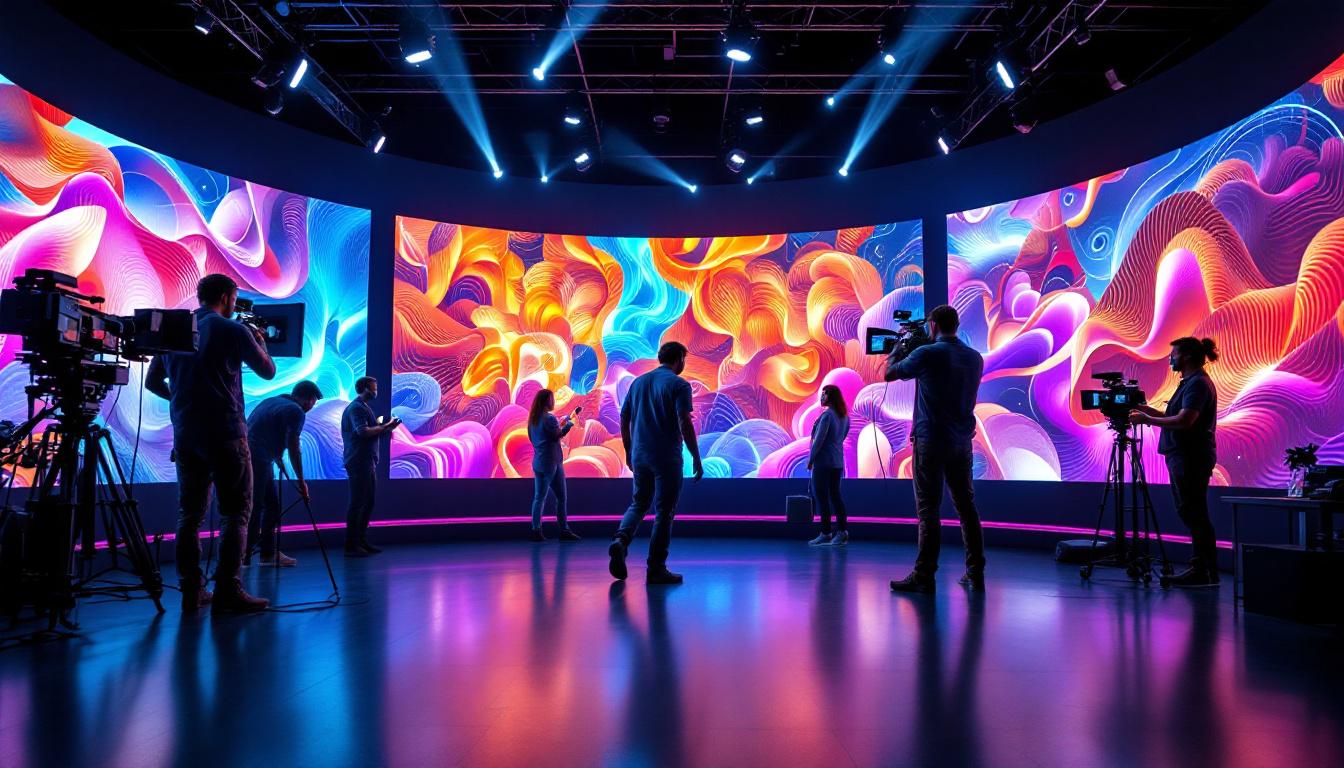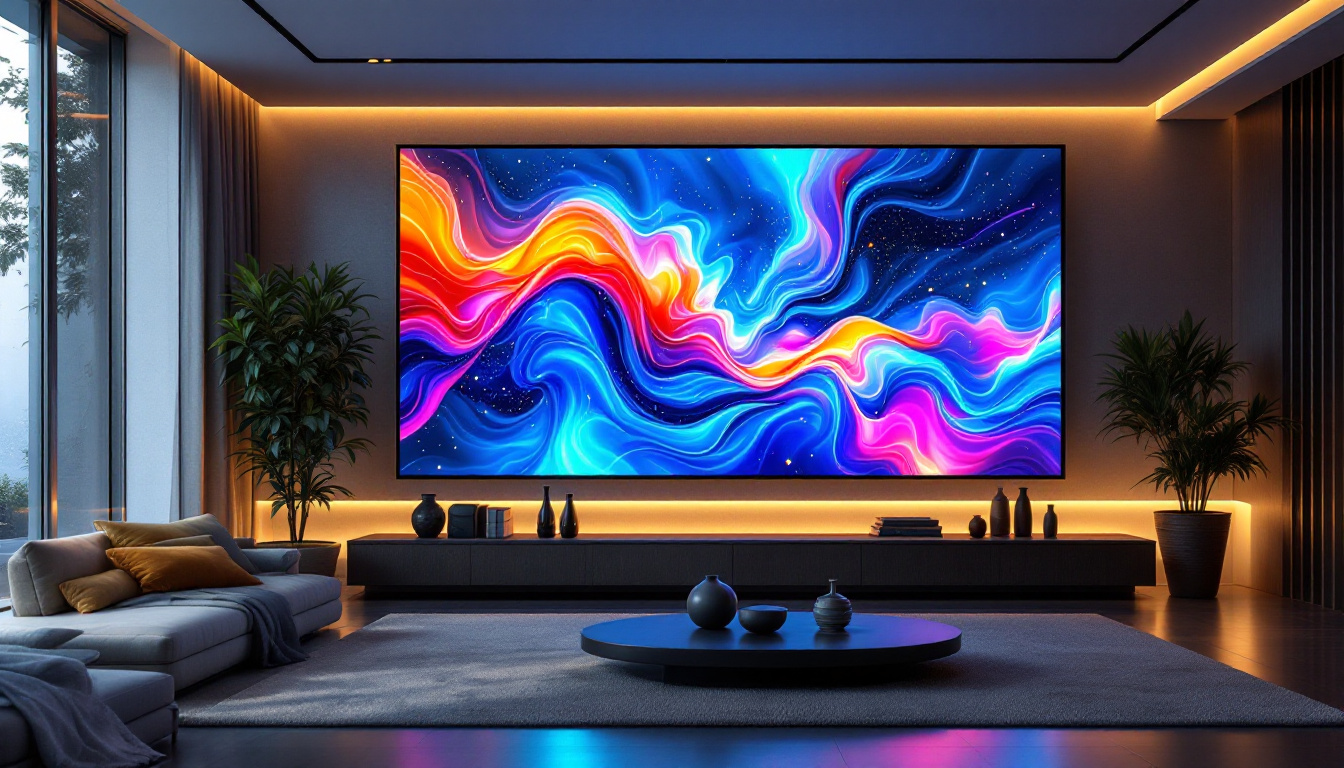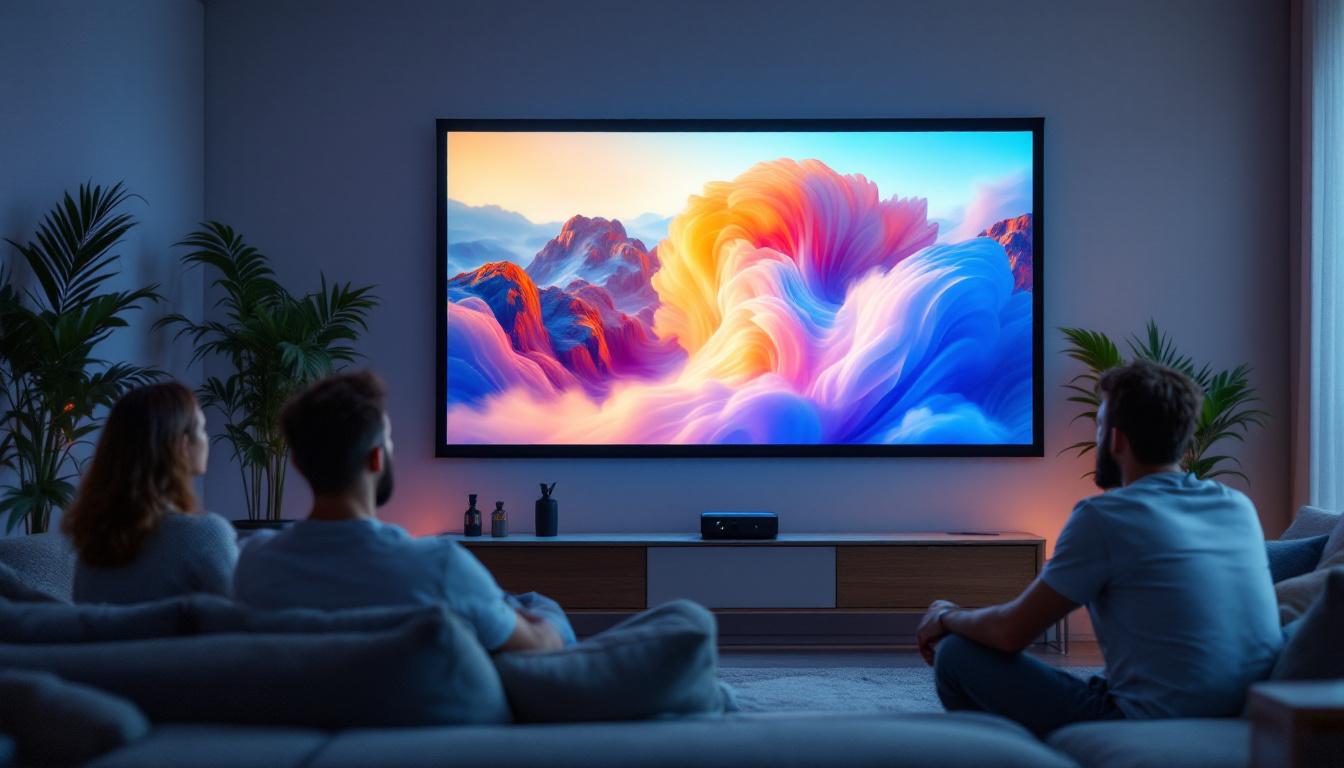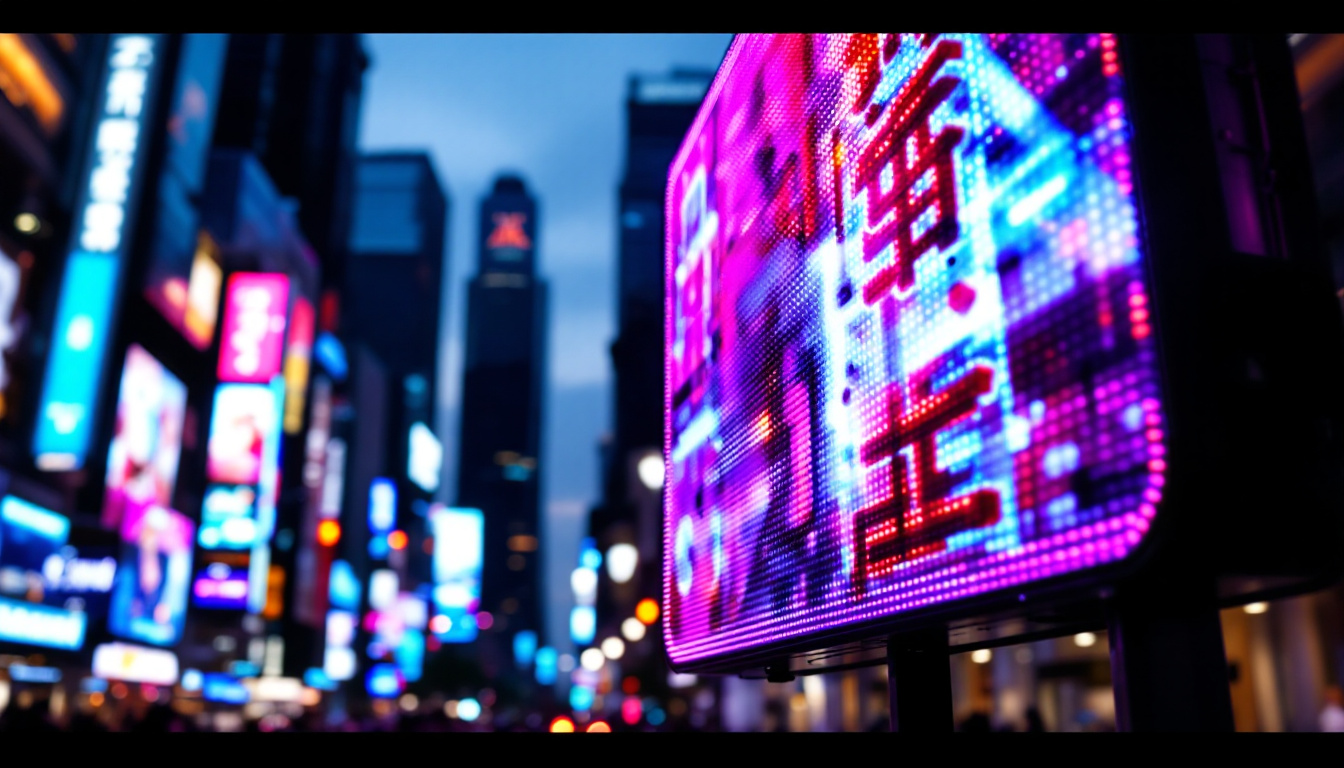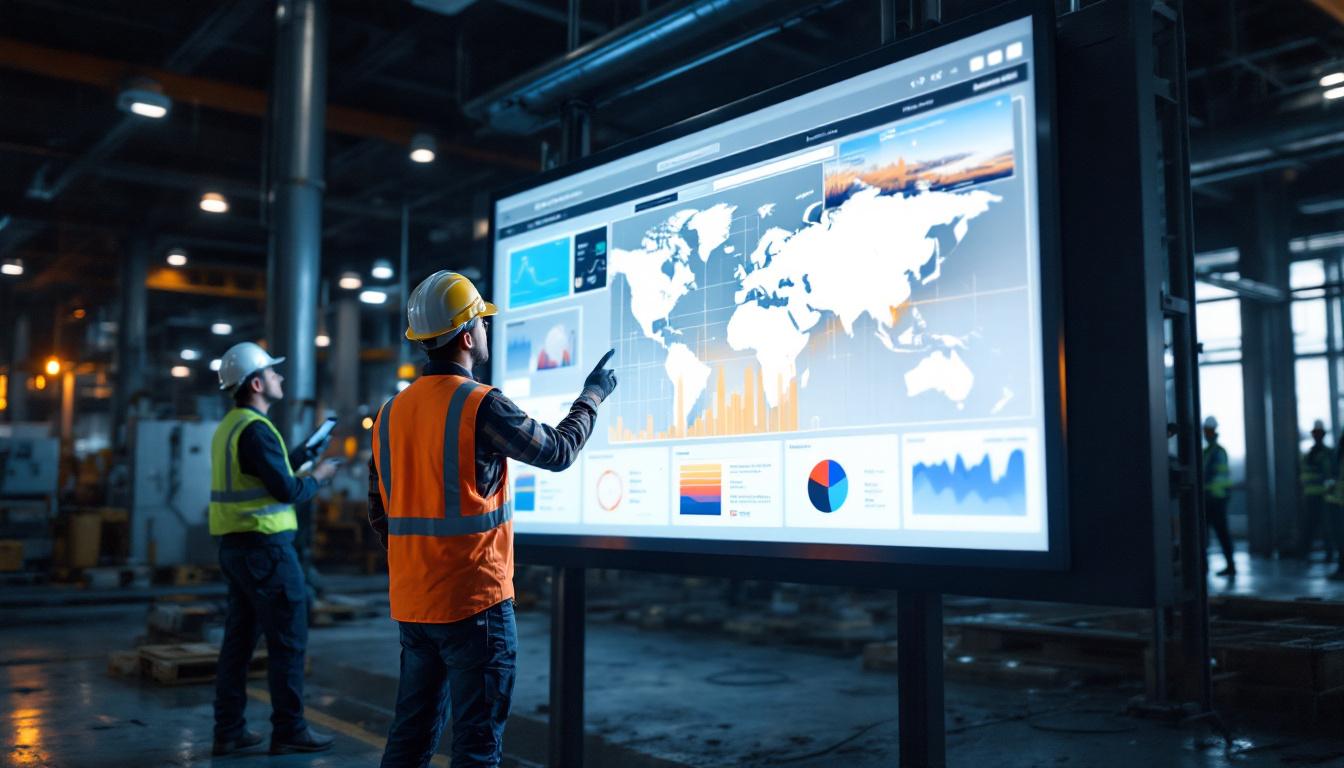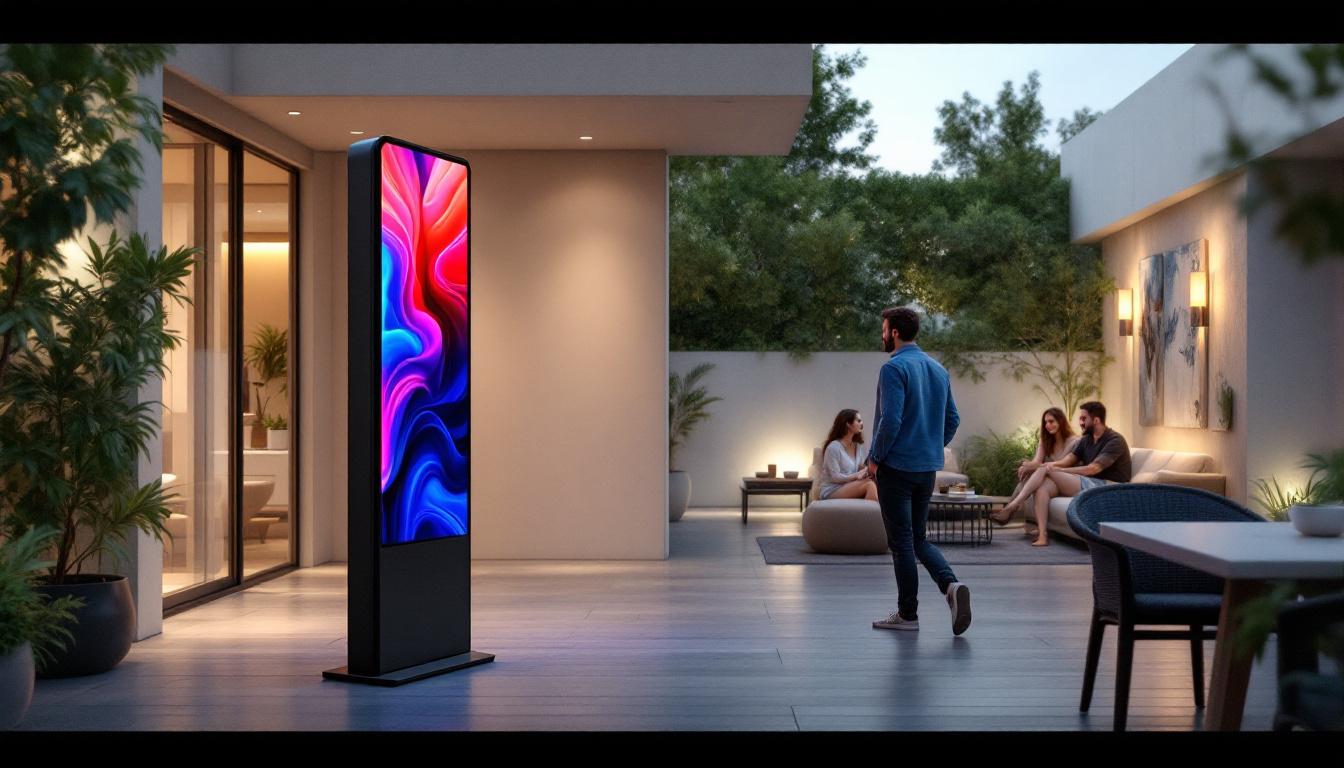
In the rapidly evolving world of television technology, the term “Televisor Touch” paired with LED displays has sparked curiosity among consumers and tech enthusiasts alike. This article delves deep into what a Televisor Touch is, how LED displays function, and why this combination is becoming increasingly relevant in modern home entertainment and professional settings.
Understanding Televisor Touch Technology
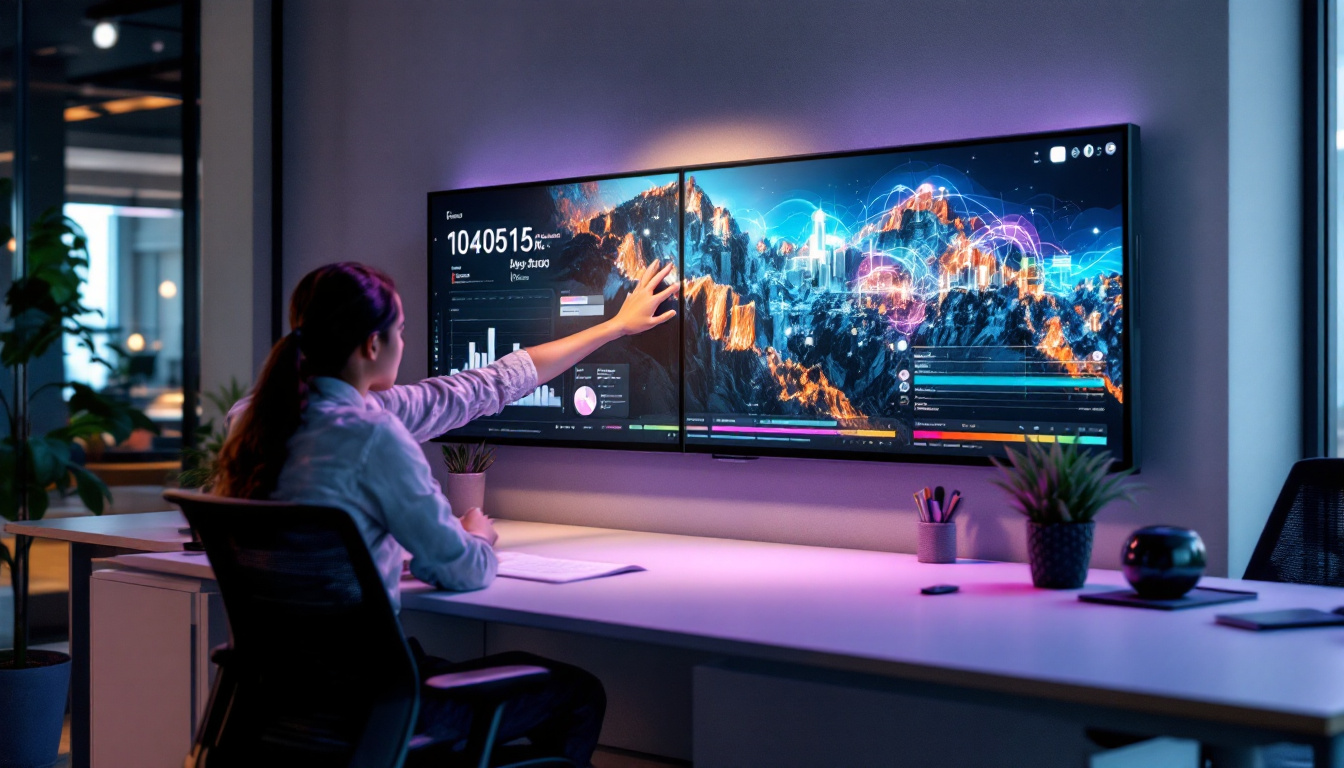
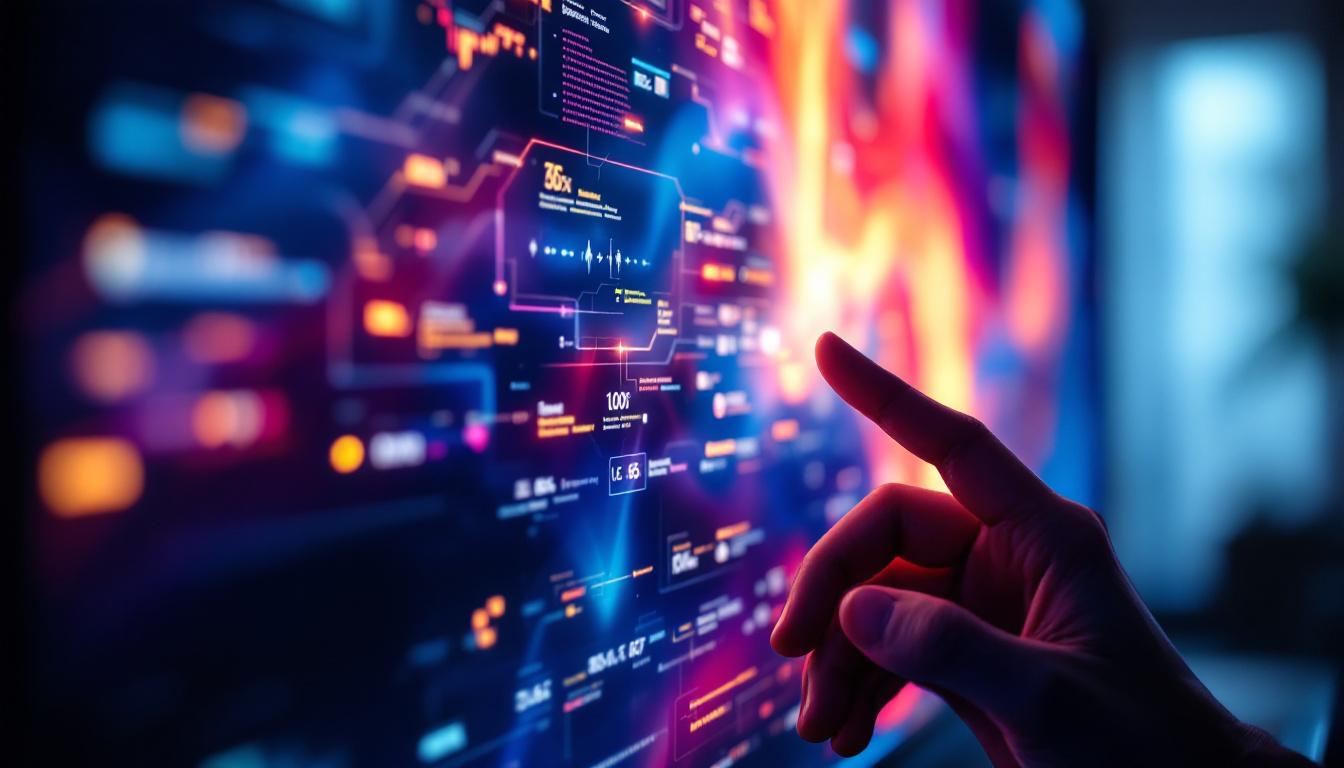
The phrase “Televisor Touch” refers to televisions equipped with touch-sensitive screens, enabling users to interact directly with the display. Unlike traditional TVs that rely solely on remote controls or external devices, Televisor Touch models offer an intuitive, hands-on experience similar to that of tablets or smartphones.
This technology is not just a novelty; it represents a significant shift in how users engage with content. By integrating touch capabilities, these televisions allow for faster navigation, interactive applications, and enhanced accessibility features, broadening the scope of use beyond passive viewing. Imagine flipping through channels or streaming services with a simple swipe of your finger, or using gestures to zoom in on details during a live sports broadcast—these features make the viewing experience more dynamic and engaging.
How Touchscreens Work on Televisors
Touchscreens on televisions typically employ one of several technologies: capacitive, resistive, infrared, or optical. Capacitive touchscreens are the most common in consumer electronics due to their responsiveness and multi-touch capabilities. They work by detecting the electrical properties of the human finger, enabling smooth and precise input.
In contrast, resistive touchscreens rely on pressure applied to the screen, which can be less sensitive but more affordable. Infrared and optical systems use sensors around the screen’s edges to detect touch by interruption of light beams or camera detection, respectively. Each method has its advantages and trade-offs in terms of cost, durability, and user experience. For instance, while capacitive screens provide a sleek and modern feel, they may struggle in environments where users wear gloves or when moisture is present. This has led to innovations in hybrid technologies that combine the best features of multiple systems, catering to diverse user needs and preferences.
Moreover, the integration of touch technology in televisions is paving the way for new types of interactive content. Developers are increasingly creating applications that leverage the touch interface, such as games that require physical interaction or educational programs that allow users to explore subjects through tactile engagement. This shift not only enhances entertainment options but also opens up possibilities for interactive learning, making Televisor Touch a valuable tool in both homes and classrooms. As the technology continues to evolve, we can expect to see even more creative uses that blend traditional viewing with interactive experiences, transforming the way we consume media.
LED Display Technology: The Backbone of Modern Televisors
LED, or Light Emitting Diode, displays have become the standard for high-quality television screens. Their popularity stems from superior brightness, energy efficiency, and the ability to produce vibrant colors compared to older technologies like LCD or plasma.
LED displays function by illuminating liquid crystal display (LCD) panels with an array of LEDs. This backlighting method enhances contrast and color accuracy, resulting in sharper images and more immersive viewing experiences. The advancements in LED technology have also led to thinner and lighter screens, making them more versatile for various living spaces and setups.
Types of LED Displays
There are several variations of LED display technology used in televisions:
- Edge-lit LED: LEDs are placed along the edges of the screen, providing a thinner design but sometimes uneven brightness.
- Full-array LED: LEDs are distributed behind the entire screen, allowing for better local dimming and improved contrast.
- Mini-LED: A newer technology that uses smaller LEDs to increase the number of dimming zones, enhancing picture quality further.
- Micro-LED: An emerging technology where tiny LEDs form the actual pixels, promising exceptional brightness and color without the need for backlighting.
Each type offers different benefits, with full-array and mini-LEDs currently dominating the market for premium televisions. The choice between these technologies often comes down to personal preference and viewing habits. For instance, edge-lit displays may appeal to those who prioritize a sleek design and space-saving features, while full-array models are favored by cinephiles who demand the highest picture quality for movie nights. Mini-LEDs, on the other hand, are gaining traction for their ability to deliver deep blacks and bright highlights, making them ideal for HDR content.
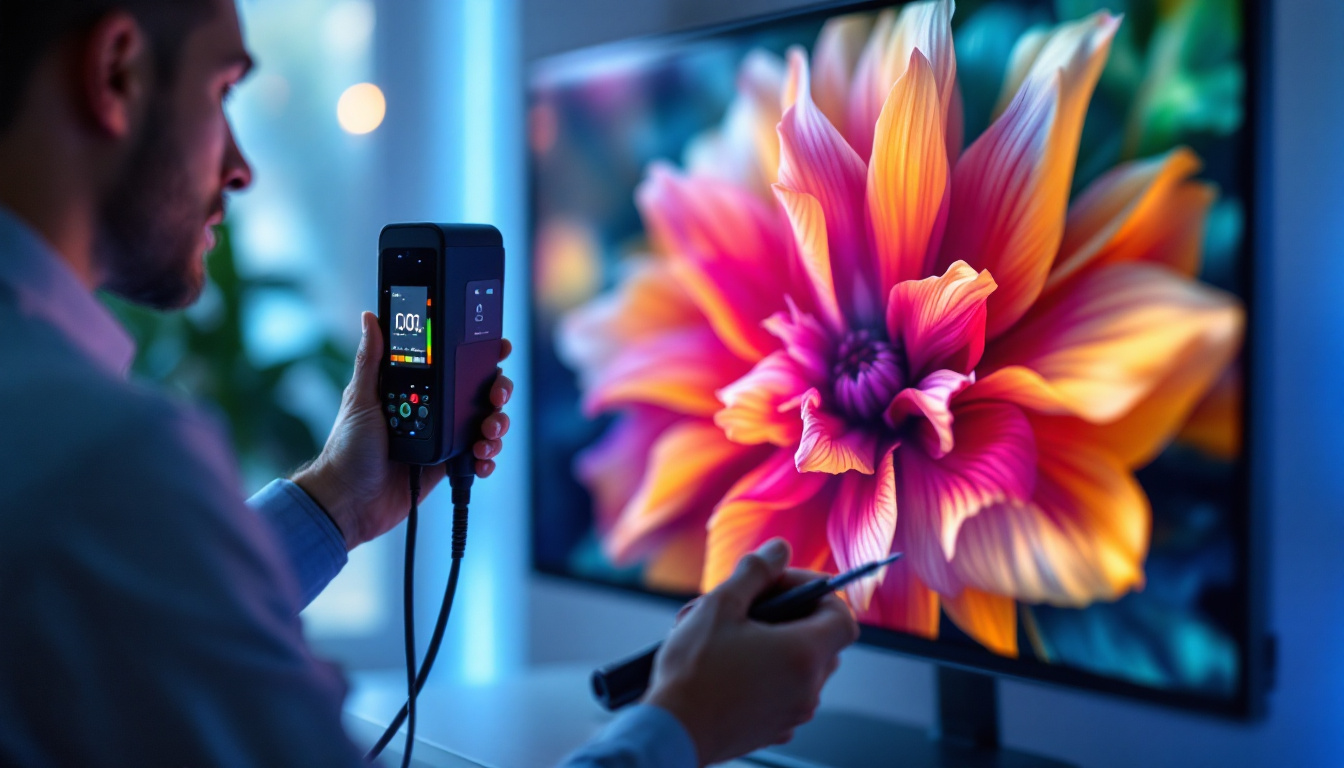
As the technology continues to evolve, manufacturers are also exploring innovative features such as adaptive brightness and color calibration, which automatically adjust the display settings based on ambient light conditions and content type. This ensures that viewers enjoy optimal picture quality regardless of the environment. Moreover, the integration of smart technology with LED displays has transformed how we interact with our televisions, allowing for seamless streaming, gaming, and connectivity with other smart devices in the home.
The Synergy of Televisor Touch and LED Displays
Combining touch technology with LED displays creates a powerful platform for interactive television. The high brightness and clarity of LED screens ensure that touch inputs are registered accurately and that visual feedback is immediate and clear.
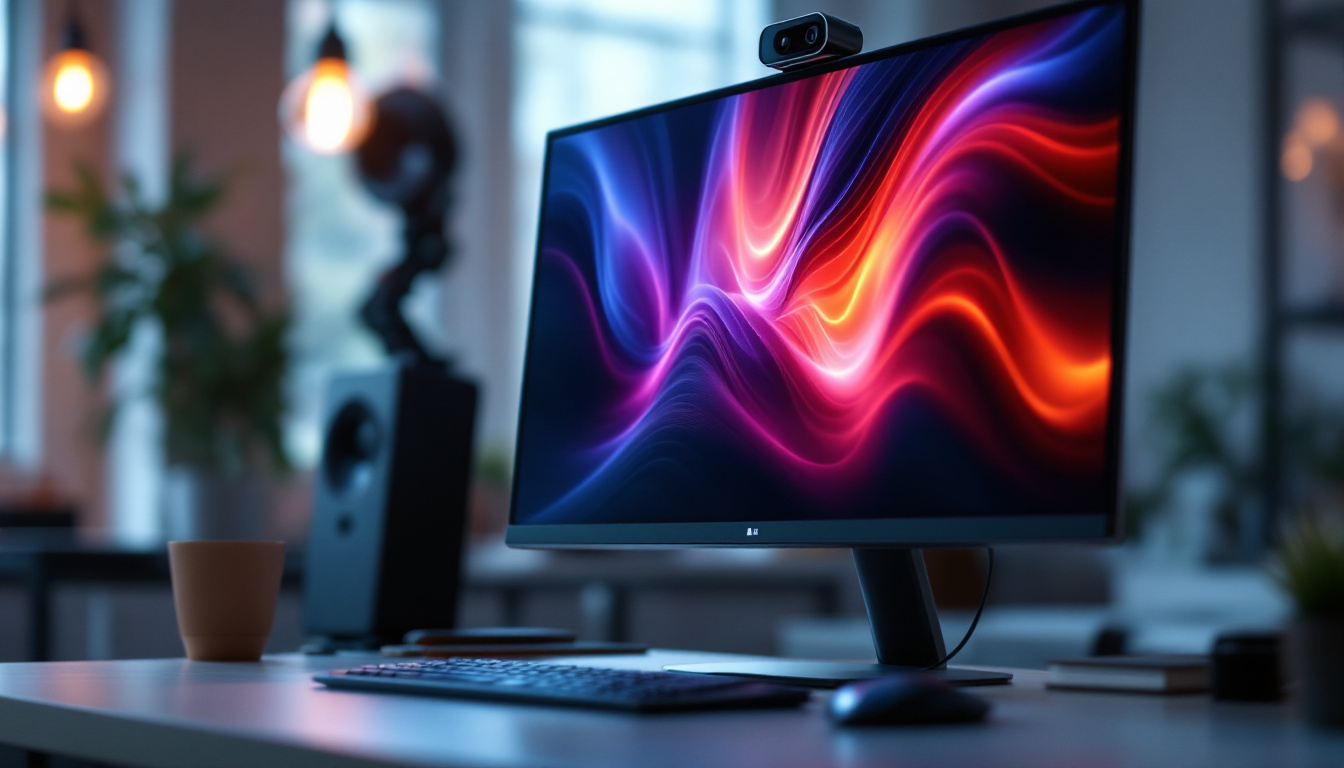
For consumers, this means more engaging experiences such as touch-based menus, drawing or annotation capabilities during presentations, and interactive gaming. In professional environments, Televisor Touch with LED displays supports collaborative work, digital whiteboarding, and enhanced video conferencing.
Applications in Home Entertainment
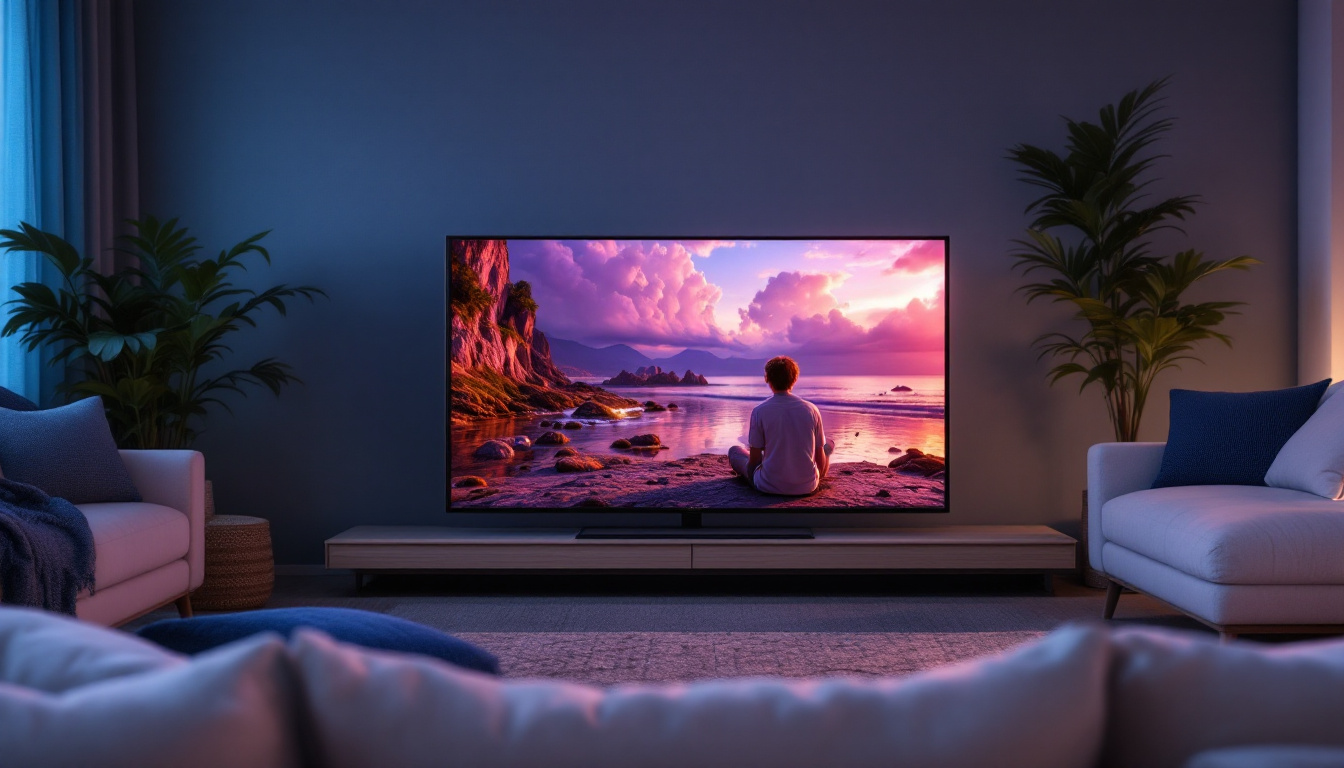
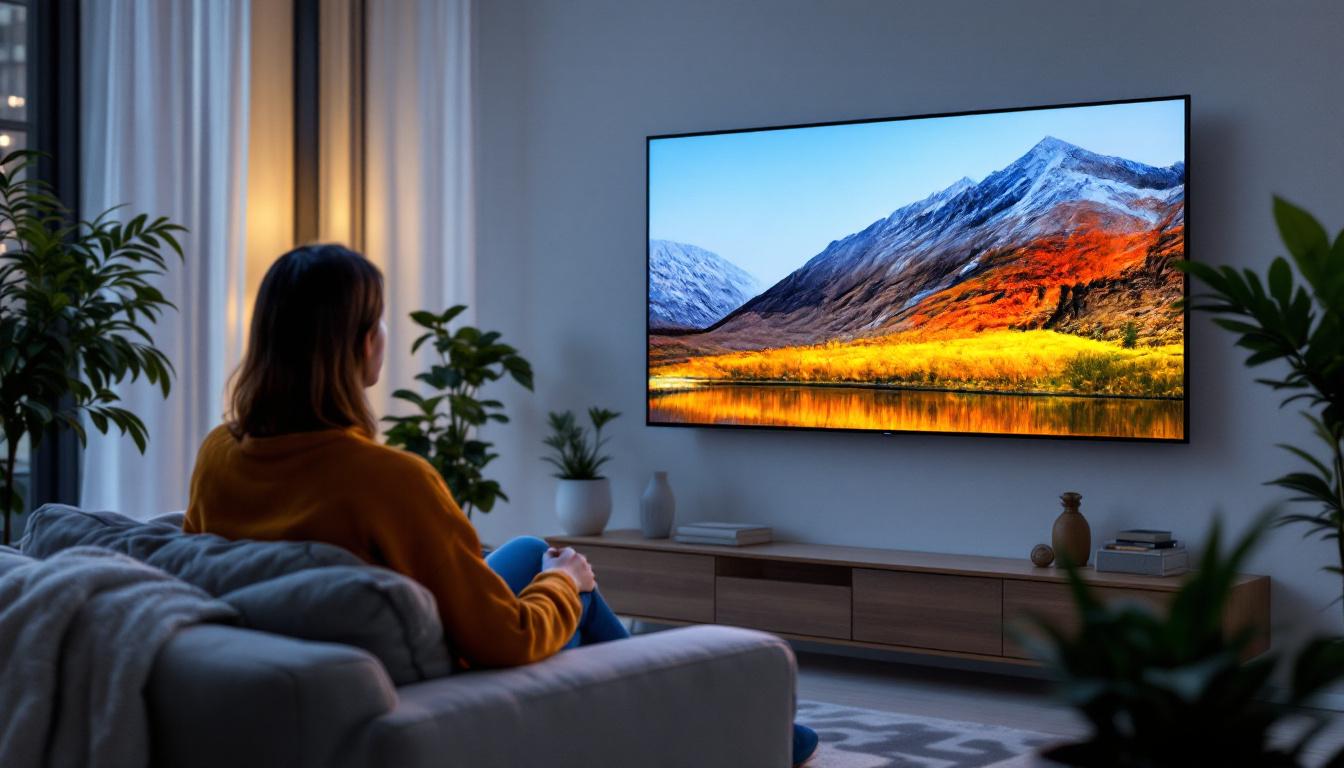
Touch-enabled LED televisions are transforming living rooms into interactive hubs. Users can swipe through streaming services, adjust settings with simple gestures, or even use touch controls for smart home integration. This interactivity reduces dependence on multiple remotes or voice commands, catering to users who prefer tactile engagement.
Moreover, educational content and children’s programming benefit from touch interaction, making learning more dynamic and enjoyable. The ability to manipulate on-screen elements directly fosters a deeper connection with the content.
Professional and Commercial Uses
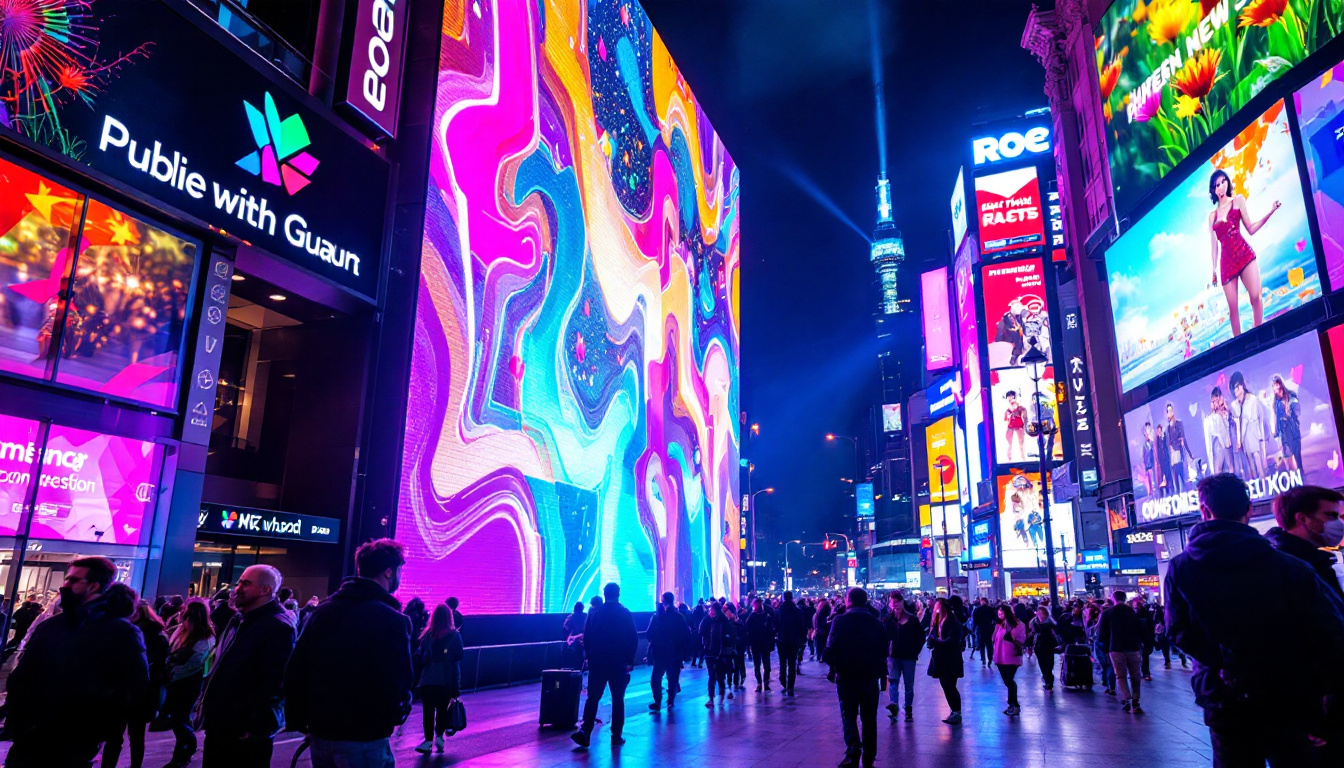
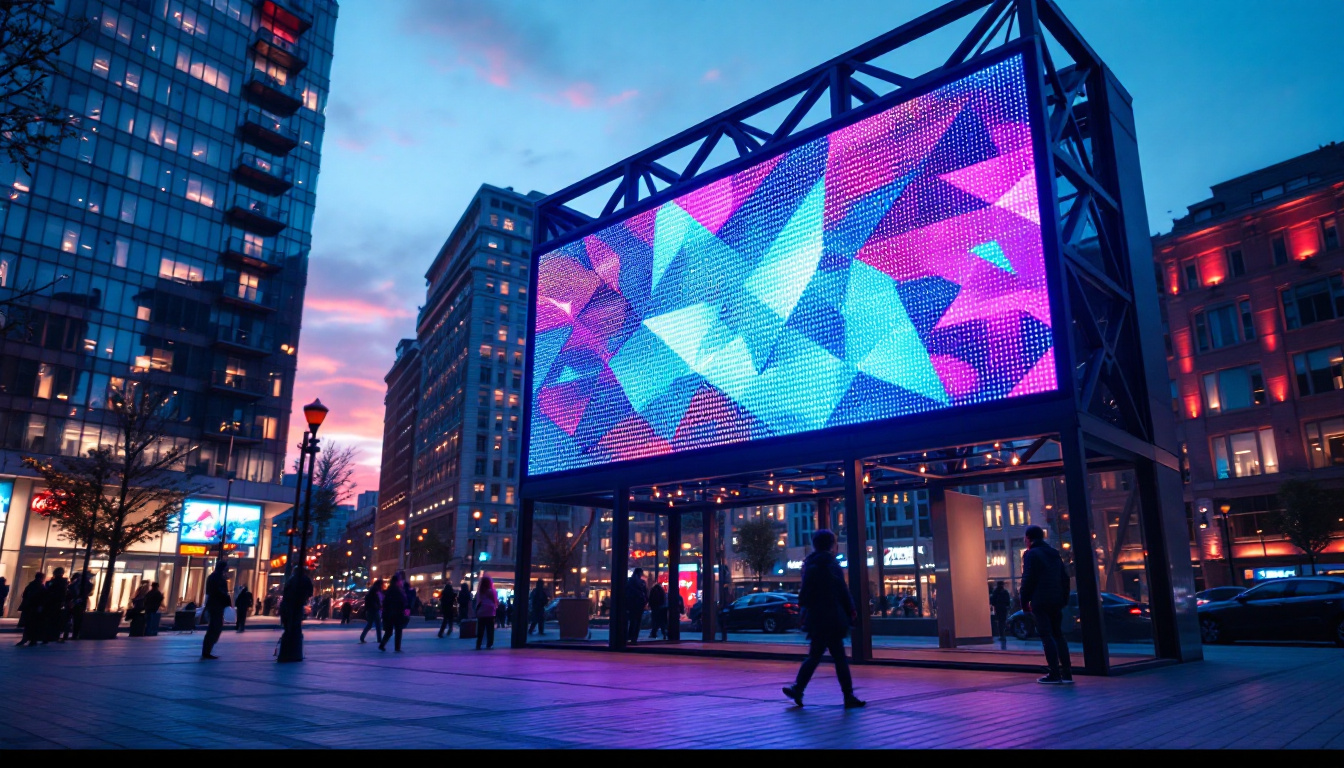
In offices, retail spaces, and public venues, Televisor Touch with LED displays serves as an effective tool for presentations, digital signage, and customer engagement. Interactive kiosks powered by this technology enable users to browse products, access information, or complete transactions with ease.
Additionally, industries such as healthcare and design utilize these displays for collaborative work, allowing multiple users to annotate and interact with digital content simultaneously, enhancing productivity and communication.
Advantages and Challenges of Televisor Touch LED Displays
Key Benefits
- Enhanced User Interaction: Direct touch input simplifies navigation and control.
- Improved Accessibility: Touchscreens can be more intuitive for users with limited mobility or those unfamiliar with traditional remotes.
- Vivid Visuals: LED technology provides bright, sharp images that complement touch responsiveness.
- Versatility: Suitable for both entertainment and professional applications.
Potential Drawbacks
Despite the advantages, there are challenges to consider. Touchscreens on large displays can be prone to fingerprints and smudges, which may affect viewing quality. Additionally, the cost of integrating touch technology can increase the price of televisions compared to non-touch models.
Another consideration is ergonomics; prolonged use of touchscreens on large vertical surfaces may cause fatigue. Manufacturers are addressing this by optimizing screen angles, sensitivity, and incorporating stylus support.
Future Trends in Televisor Touch and LED Displays
The future of Televisor Touch LED displays looks promising, with ongoing innovations aimed at enhancing performance and user experience. Advances in micro-LED technology are expected to deliver even brighter, more energy-efficient screens with superior color accuracy.
On the touch technology front, developments in haptic feedback and gesture recognition are likely to make interactions more natural and immersive. Integration with artificial intelligence and voice assistants will further streamline control, creating seamless multimodal interfaces.
Smart Home Integration
As smart homes become more prevalent, Televisor Touch LED displays will play a central role in managing connected devices. Imagine controlling lighting, security cameras, and entertainment systems directly from a single interactive screen in the living room.
This convergence of technologies will not only enhance convenience but also create new opportunities for personalized content delivery and home automation.
Environmental and Energy Considerations
With growing awareness of environmental impact, manufacturers are focusing on making LED displays more energy-efficient and sustainable. Innovations such as recyclable materials, reduced power consumption, and longer-lasting components are becoming standard in new models.
Consumers benefit from lower electricity bills and reduced carbon footprints, aligning with global efforts toward greener technology solutions.
Choosing the Right Televisor Touch LED Display
When selecting a Televisor Touch LED television, several factors should be considered to ensure the best fit for individual needs:
- Screen Size and Resolution: Larger screens with 4K or higher resolution provide better clarity, especially for interactive content.
- Touch Technology Type: Capacitive touchscreens offer superior responsiveness, while infrared or optical may be more cost-effective.
- Brightness and Contrast: Full-array or mini-LED backlighting enhances picture quality, particularly in well-lit rooms.
- Connectivity: Multiple HDMI ports, USB inputs, and wireless capabilities expand usability.
- Software and Compatibility: Ensure the television supports necessary apps and integrates well with other smart devices.
Reading user reviews and consulting expert opinions can also provide valuable insights into performance and reliability.
Conclusion
Televisor Touch combined with LED display technology represents a significant advancement in the television industry. By merging interactive touch capabilities with the superior visual quality of LED screens, these devices offer versatile solutions for both entertainment and professional use.
As technology continues to advance, consumers can expect increasingly sophisticated, user-friendly, and energy-efficient Televisor Touch LED displays. Understanding the underlying technology and its applications empowers buyers to make informed decisions and fully leverage the benefits of this innovative convergence.
Discover the Future of Interactive Displays with LumenMatrix
Ready to experience the next level of home entertainment and professional display technology? LumenMatrix is at the forefront of LED innovation, offering a wide array of solutions that bring your content to life. From captivating Indoor LED Walls to dynamic Outdoor LED Displays, and from versatile Vehicle LED Displays to sleek LED Poster Displays, our products are designed to transform your visual communication. Dive into a world where engagement and clarity take center stage. Check out LumenMatrix LED Display Solutions today and see how we’re revolutionizing the way you connect with your audience.