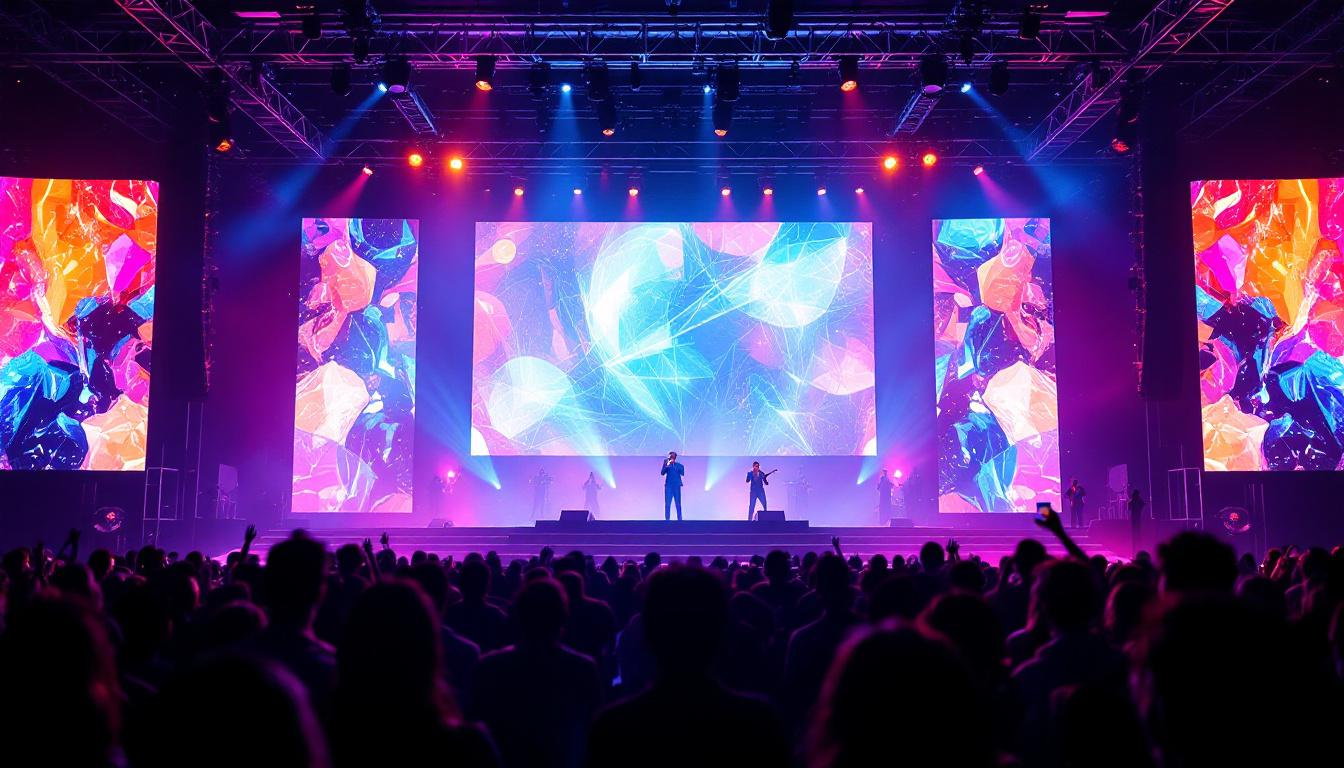
In the world of live events, concerts, conferences, and theatrical performances, the visual experience plays a crucial role in audience engagement. One technology that has revolutionized stage visuals is the LED screen panel. These vibrant, dynamic displays have become a staple for event producers and stage designers, offering unparalleled brightness, flexibility, and clarity. This article delves into the essentials of LED screen panels for stages, explaining what they are, how they work, and why they are indispensable in modern event production.
What Are LED Screen Panels?
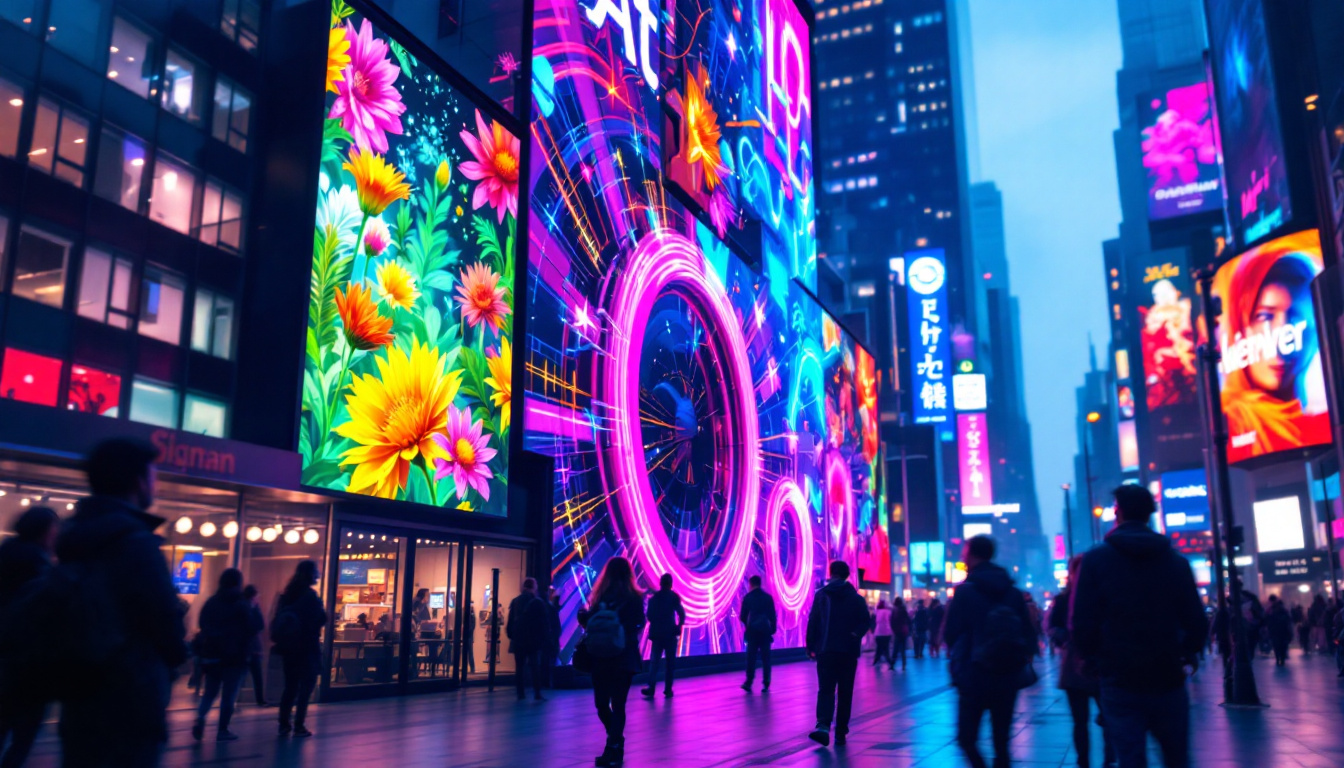
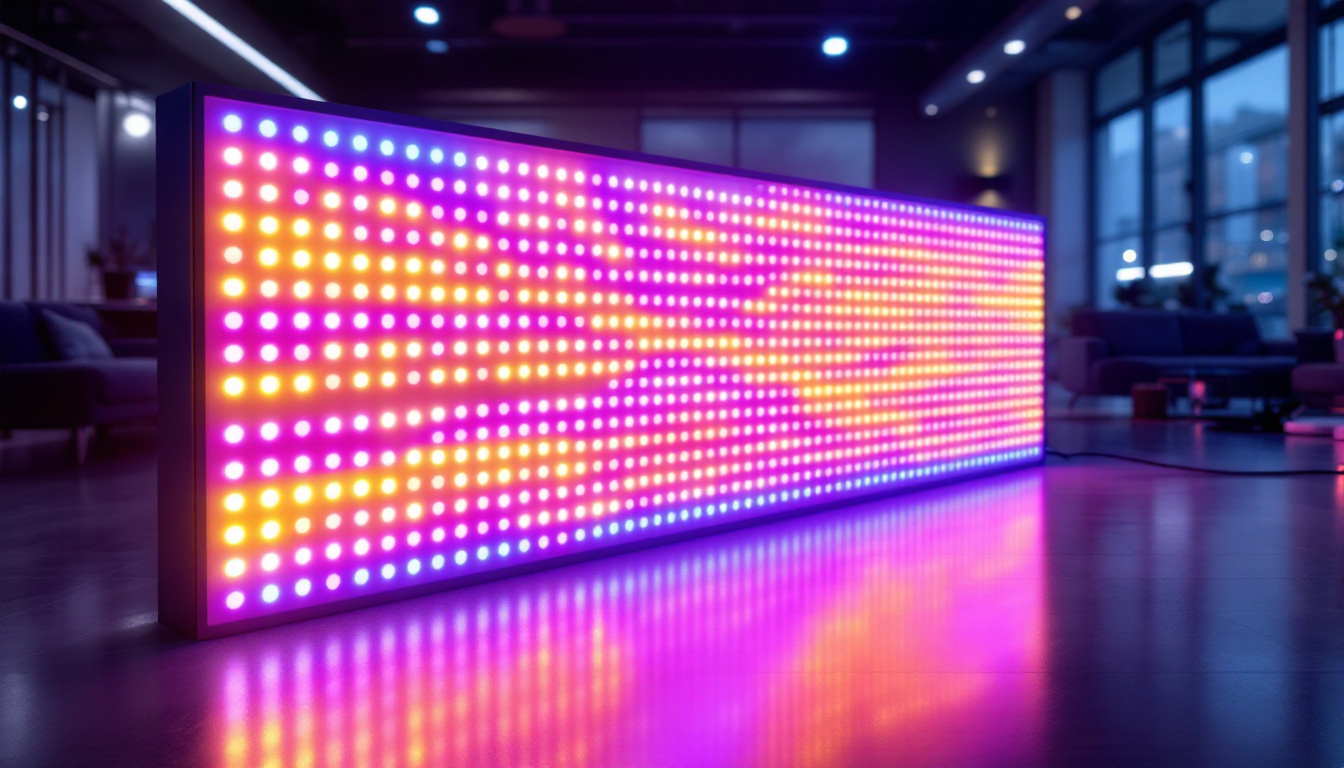
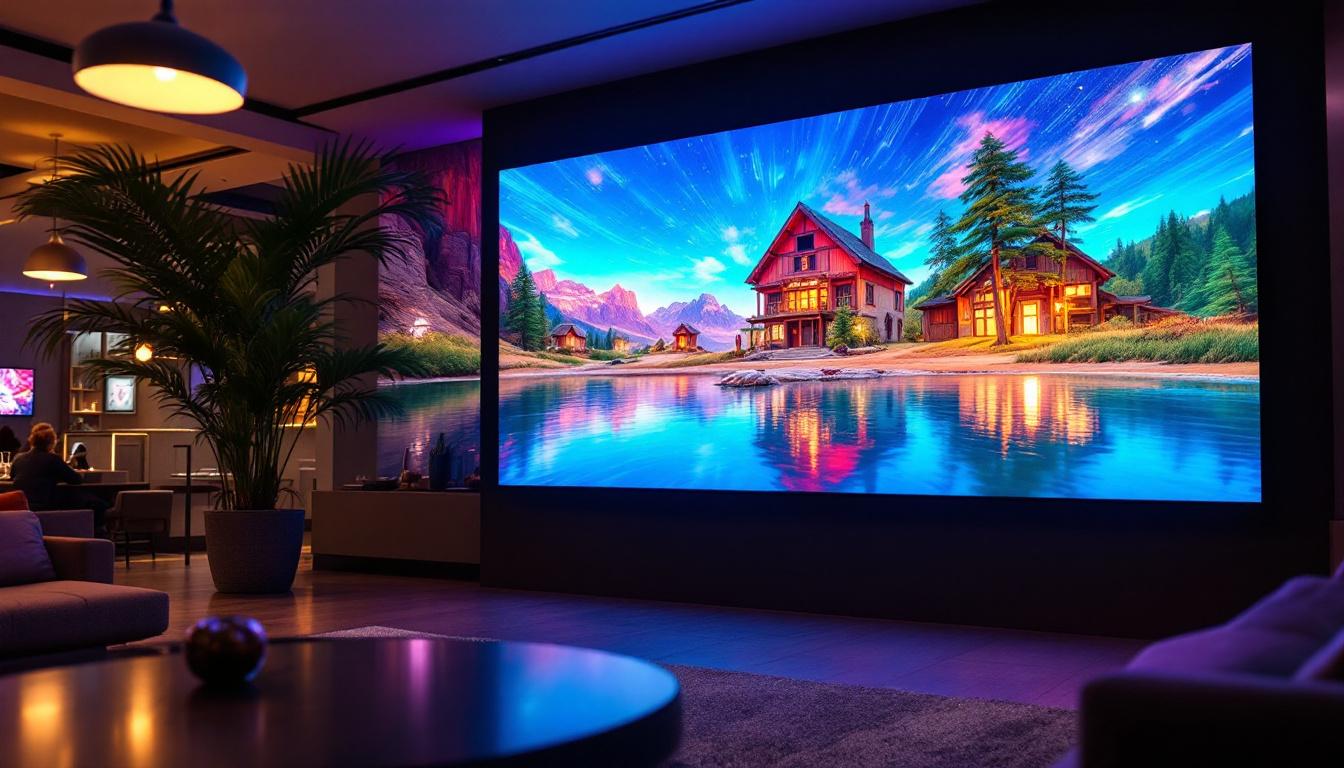
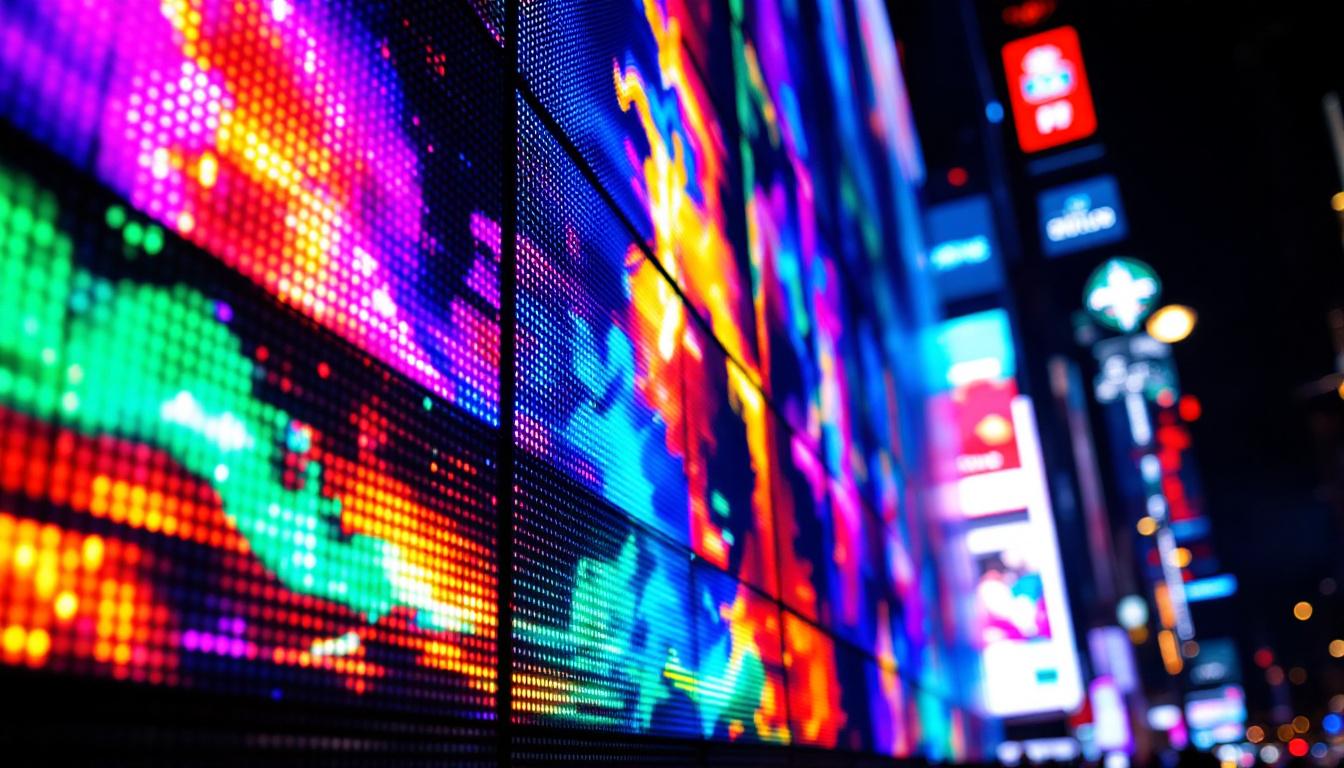
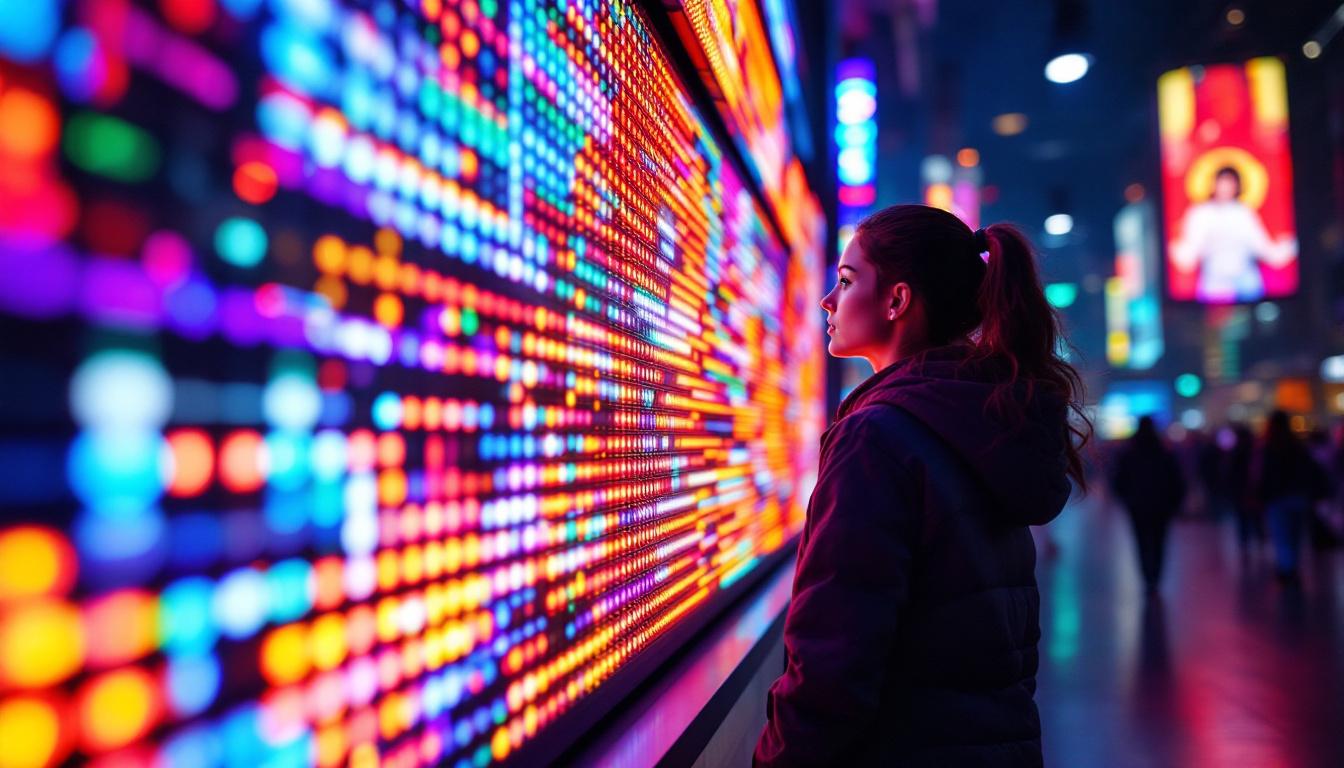
LED screen panels are modular display units composed of numerous light-emitting diodes (LEDs) arranged in a grid. Each diode acts as a pixel, collectively forming images, videos, or text that can be seen from great distances. Unlike traditional projection systems, LED panels emit their own light, making them exceptionally bright and visible even in well-lit environments. This self-illuminating feature allows for vibrant colors and sharp contrasts, enhancing the visual experience for viewers. Moreover, the energy efficiency of LED technology means that these panels consume less power compared to conventional display technologies, making them a more sustainable choice for event organizers.
The modular nature of LED panels allows them to be assembled in various sizes and shapes, tailored to the specific requirements of a stage or venue. This flexibility is one of the key reasons LED screens have become the preferred choice for large-scale events. Whether it’s a concert, a corporate presentation, or a sports event, these panels can be configured to create stunning backdrops or immersive environments. Additionally, the lightweight design of LED panels facilitates easy transportation and setup, which is crucial for time-sensitive events that require quick installation and dismantling.
Types of LED Screen Panels
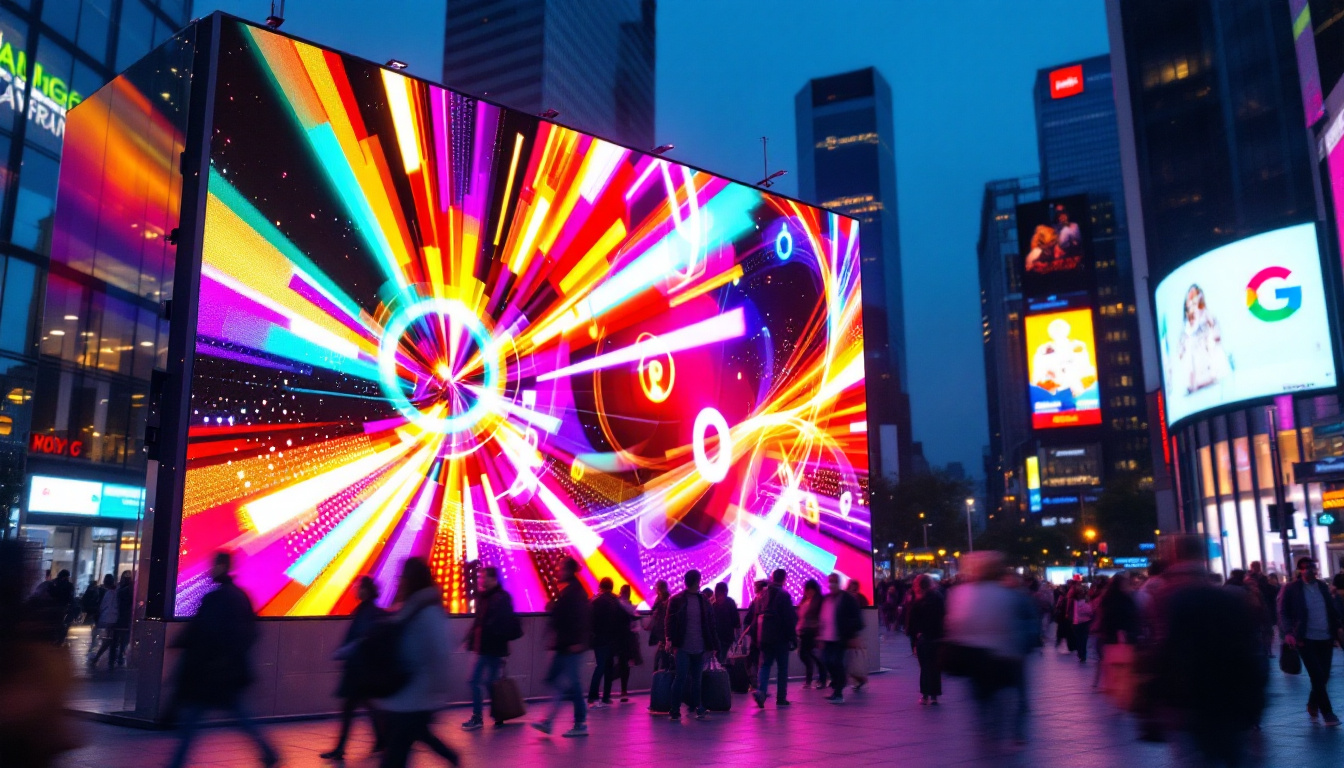
There are primarily two types of LED screen panels used for stages: indoor and outdoor panels. Indoor panels typically have a higher pixel density, meaning smaller pixel pitch, which results in sharper images suitable for close viewing distances. These panels often feature advanced technologies such as HDR (High Dynamic Range) and wide color gamut, which further enhance the visual quality, making them ideal for environments where detail is paramount, such as trade shows and exhibitions. Outdoor panels are designed to withstand weather conditions and have higher brightness levels to combat sunlight glare, ensuring that the content remains visible even in direct sunlight.
Another classification is based on the pixel pitch—the distance between the centers of two adjacent LEDs. A smaller pixel pitch (e.g., 1.5mm to 3mm) offers finer image resolution, ideal for close-up viewing, while larger pixel pitches (e.g., 6mm to 20mm) are suited for larger displays viewed from a distance. Beyond pixel pitch, LED panels can also be categorized by their technology, such as SMD (Surface-Mounted Device) and DIP (Dual In-line Package), each offering distinct advantages in terms of color accuracy and viewing angles. SMD panels are often favored for their superior color blending and wider viewing angles, making them a popular choice for both indoor and outdoor applications. In contrast, DIP panels are typically more robust and can handle harsher environmental conditions, making them suitable for outdoor advertising and large public displays.
How LED Screen Panels Work
At the core of LED screen technology is the light-emitting diode, a semiconductor device that emits light when an electric current passes through it. In LED panels, these diodes are grouped into pixels, typically consisting of red, green, and blue LEDs. By varying the intensity of each color diode, the panel can produce a full spectrum of colors, rendering vivid and dynamic images. This capability allows for the display of high-definition video content, intricate graphics, and even real-time data feeds, making LED screens an essential component in various applications, from advertising to live events.
The panels are connected to a control system that processes video signals and translates them into commands for each LED pixel. This control system synchronizes the entire display, ensuring smooth transitions and consistent image quality across the screen. Advanced processing technologies, such as image scaling and color correction, enhance the viewing experience by optimizing the output for different lighting conditions and viewing distances, further elevating the visual impact of the content being displayed.
Modularity and Assembly
One of the standout features of LED screen panels is their modularity. Each panel is a self-contained unit with its own power supply and control electronics. These panels can be seamlessly connected to form larger screens, allowing for scalability in both size and resolution. This modular design also simplifies transportation, installation, and maintenance, which is especially beneficial for touring events and temporary setups. Additionally, the ability to replace individual panels in case of malfunction minimizes downtime and reduces overall maintenance costs, making LED technology a cost-effective choice for businesses and event organizers alike.
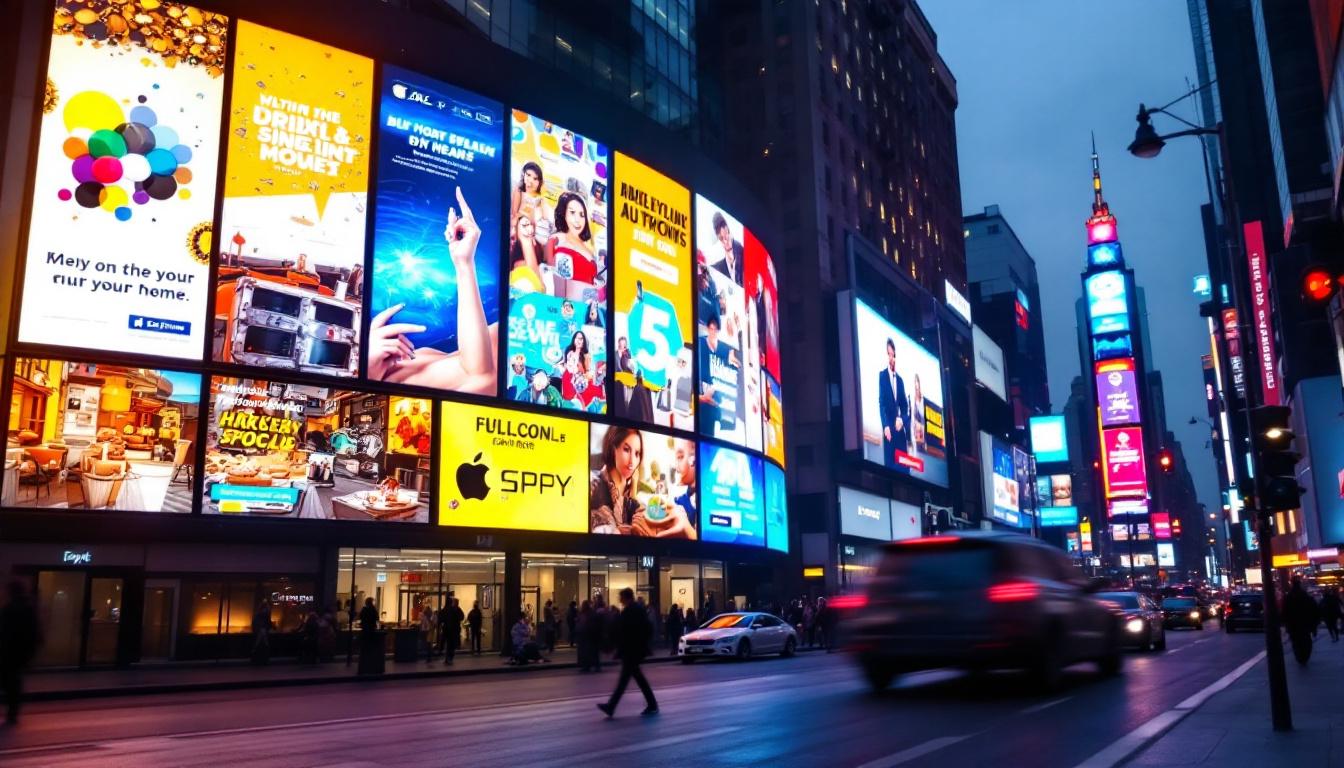
Furthermore, the versatility of LED panels extends beyond just size and resolution. They can be configured for various shapes and orientations, enabling creative installations that can adapt to different environments. For instance, curved LED screens can create immersive experiences in venues like theaters or museums, while transparent LED panels can be used in retail settings to display advertisements without obstructing the view of products behind them. This adaptability not only enhances aesthetic appeal but also maximizes the utility of the display in diverse contexts, showcasing the innovative potential of LED technology in modern visual communication.
Advantages of Using LED Screen Panels on Stage
LED screen panels offer several advantages over traditional display technologies such as projectors or LCD screens, making them the go-to choice for stage productions.
Brightness and Visibility
LED panels provide exceptional brightness levels, often exceeding 5,000 nits for outdoor models. This brightness ensures that visuals remain clear and vibrant even under intense stage lighting or daylight conditions. Unlike projectors, which can be washed out by ambient light, LED screens maintain their visibility, enhancing the audience’s viewing experience.
Flexibility in Design
The modular nature of LED panels allows creative freedom in stage design. Screens can be curved, shaped into custom configurations, or suspended in various orientations. This flexibility enables designers to create immersive environments that complement the performance and captivate the audience.
Durability and Reliability
LED panels are built to withstand the rigors of live events. Outdoor panels are weatherproof, with robust enclosures that protect against dust, moisture, and temperature extremes. Additionally, LEDs have a long lifespan, often rated for over 100,000 hours of operation, reducing the need for frequent replacements.
Energy Efficiency
Compared to other lighting and display technologies, LEDs consume less power while delivering superior brightness. This energy efficiency translates to lower operational costs and a reduced environmental footprint, which is increasingly important for event organizers focused on sustainability.
Applications of LED Screen Panels in Stage Productions
LED screen panels have become ubiquitous in various types of stage productions, enhancing both the visual and emotional impact of performances.
Concerts and Music Festivals
Large-scale concerts rely heavily on LED screens to provide dynamic backdrops, live video feeds, and visual effects that synchronize with the music. For example, major artists like Beyoncé and Coldplay use massive LED walls to create immersive experiences that engage tens of thousands of fans.
Festivals also benefit from LED panels by displaying schedules, sponsor messages, and interactive content, improving the overall attendee experience.
Theatrical Performances
Theatre productions use LED screens to create versatile set designs that can change instantly between scenes. This capability reduces the need for physical set changes and allows for more imaginative storytelling through digital scenery and effects.
Corporate Events and Conferences
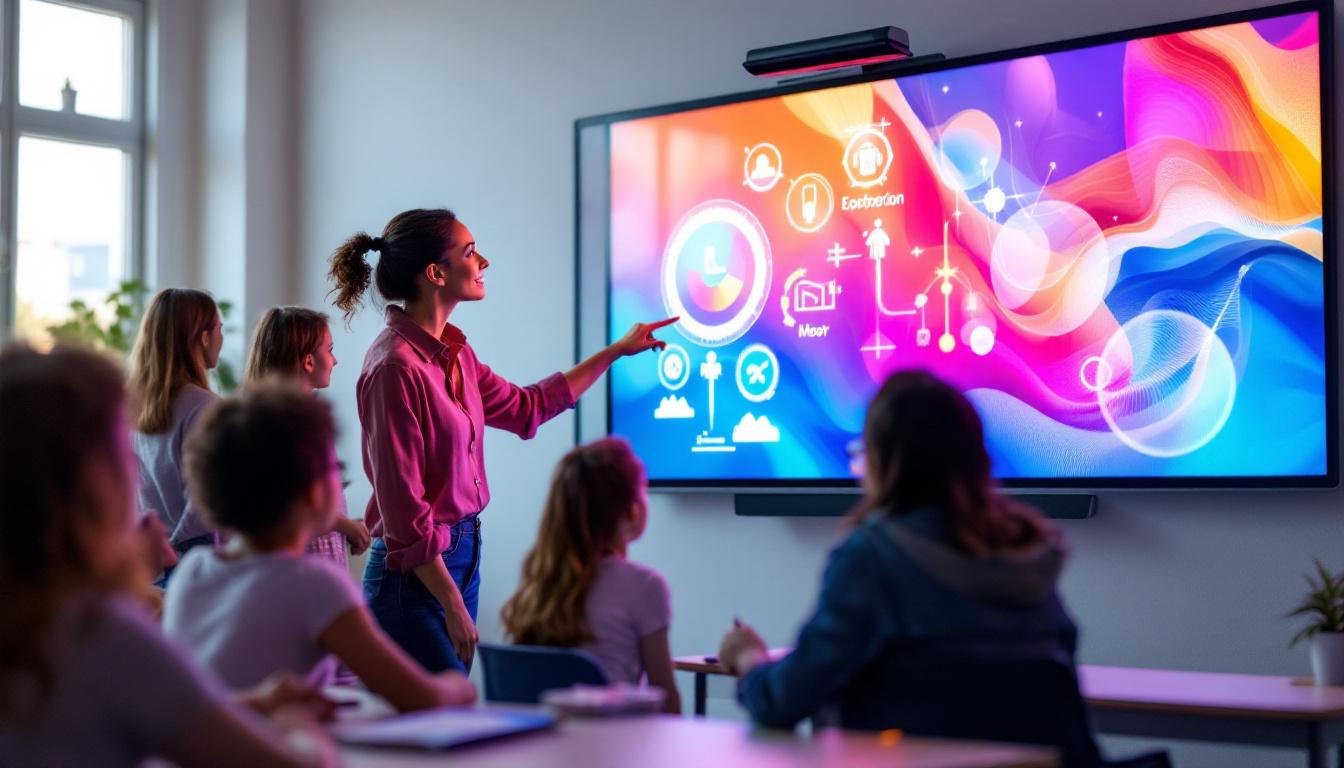
In corporate settings, LED screens are used for presentations, branding, and live streaming. Their clarity and size make it easier for large audiences to follow speakers and engage with content, whether in auditoriums or outdoor venues.
Considerations When Choosing LED Screen Panels for Stage Use
Selecting the right LED screen panels involves evaluating several factors to ensure optimal performance and cost-effectiveness.
Pixel Pitch and Resolution
The pixel pitch should be chosen based on the viewing distance. For stages where the audience is close, a smaller pixel pitch is essential for clear images. Conversely, for large arenas where viewers are far away, a larger pixel pitch is acceptable and more economical.
Brightness and Contrast Ratio
Brightness needs vary depending on the venue’s lighting conditions. Outdoor stages require higher brightness levels to combat sunlight, while indoor stages can use panels with moderate brightness but higher contrast ratios to enhance image depth.
Weight and Mounting Options
Since LED panels are often suspended or mounted on trusses, their weight and mounting mechanisms are critical considerations. Lightweight panels simplify rigging and reduce structural load, which is particularly important for temporary or touring setups.
Control Systems and Connectivity
The compatibility of LED panels with control systems affects ease of use and integration. Modern panels support various input formats and offer advanced features such as real-time content adjustment and remote diagnostics.
Budget and Total Cost of Ownership
While LED panels can represent a significant upfront investment, factors such as durability, energy efficiency, and maintenance costs influence the total cost of ownership. It is important to balance initial expenses with long-term benefits.
Future Trends in LED Screen Panel Technology
The LED display industry continues to evolve rapidly, driven by innovations that enhance performance and creative possibilities.
MicroLED and MiniLED Technologies
Emerging technologies like MicroLED and MiniLED promise even higher resolutions and improved color accuracy. These advancements enable ultra-fine pixel pitches, opening new opportunities for close-up viewing experiences on stage.
Flexible and Transparent LED Panels
Flexible LED panels allow for curved and irregular shapes without compromising image quality, while transparent LED screens can be integrated into glass surfaces or windows, creating novel visual effects and stage designs.
Improved Energy Efficiency and Sustainability
Manufacturers are focusing on reducing power consumption and using eco-friendly materials. This trend aligns with the growing demand for sustainable event production practices.
Conclusion
LED screen panels have transformed stage production by providing bright, flexible, and reliable visual displays that enhance audience engagement. Understanding the technology behind these panels, their advantages, and how to select the right system is essential for event professionals aiming to deliver memorable performances.
As LED technology continues to advance, the possibilities for creative stage design and immersive experiences will expand, making LED screen panels an indispensable tool in the future of live events.
Illuminate Your Stage with LumenMatrix
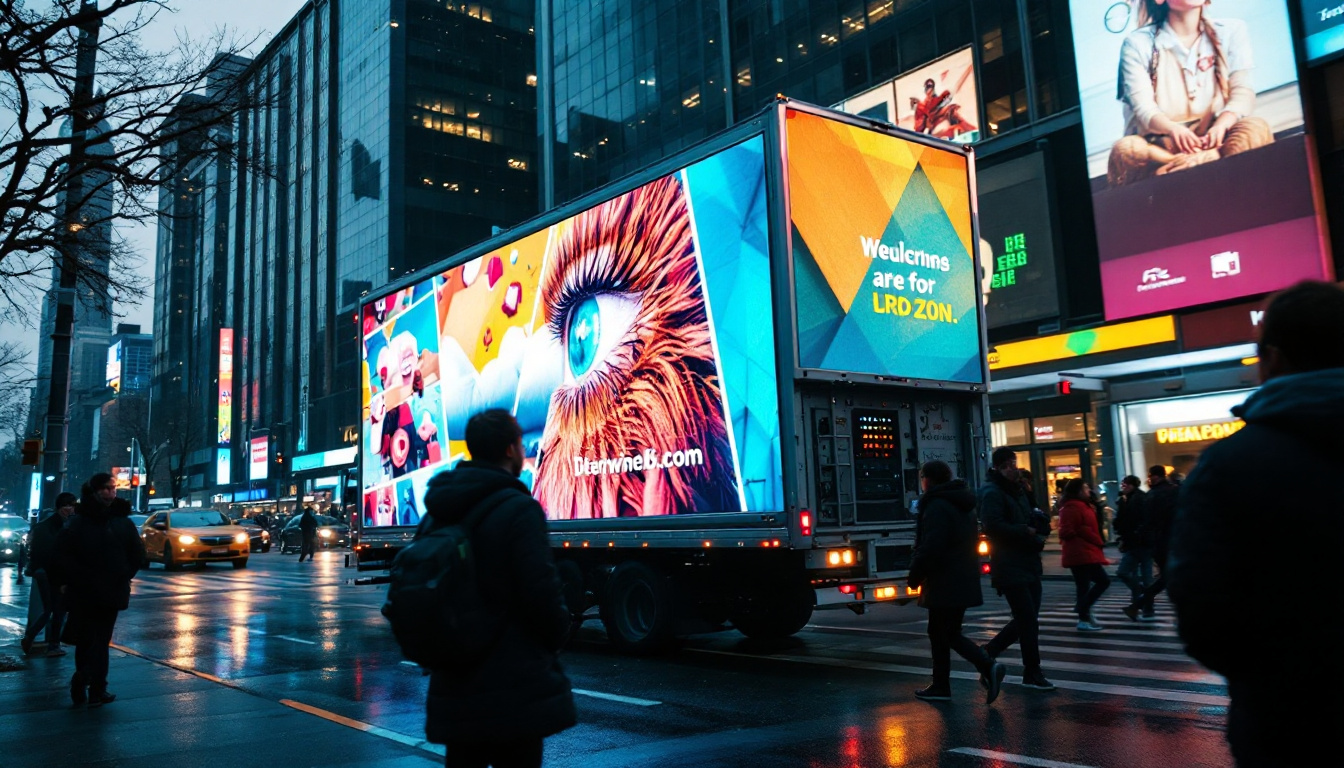
Ready to elevate your stage production with the brilliance of LED display technology? LumenMatrix is at the forefront of creating immersive visual experiences that captivate and engage. From vibrant Indoor and Outdoor LED Wall Displays to innovative solutions like Vehicle LED Displays, LED Posters, and Transparent LED Displays, we have the tools to transform your event into a spectacle of light and color. Embrace the future of visual communication with our cutting-edge LED display solutions. Check out LumenMatrix LED Display Solutions today and let your brand shine like never before.