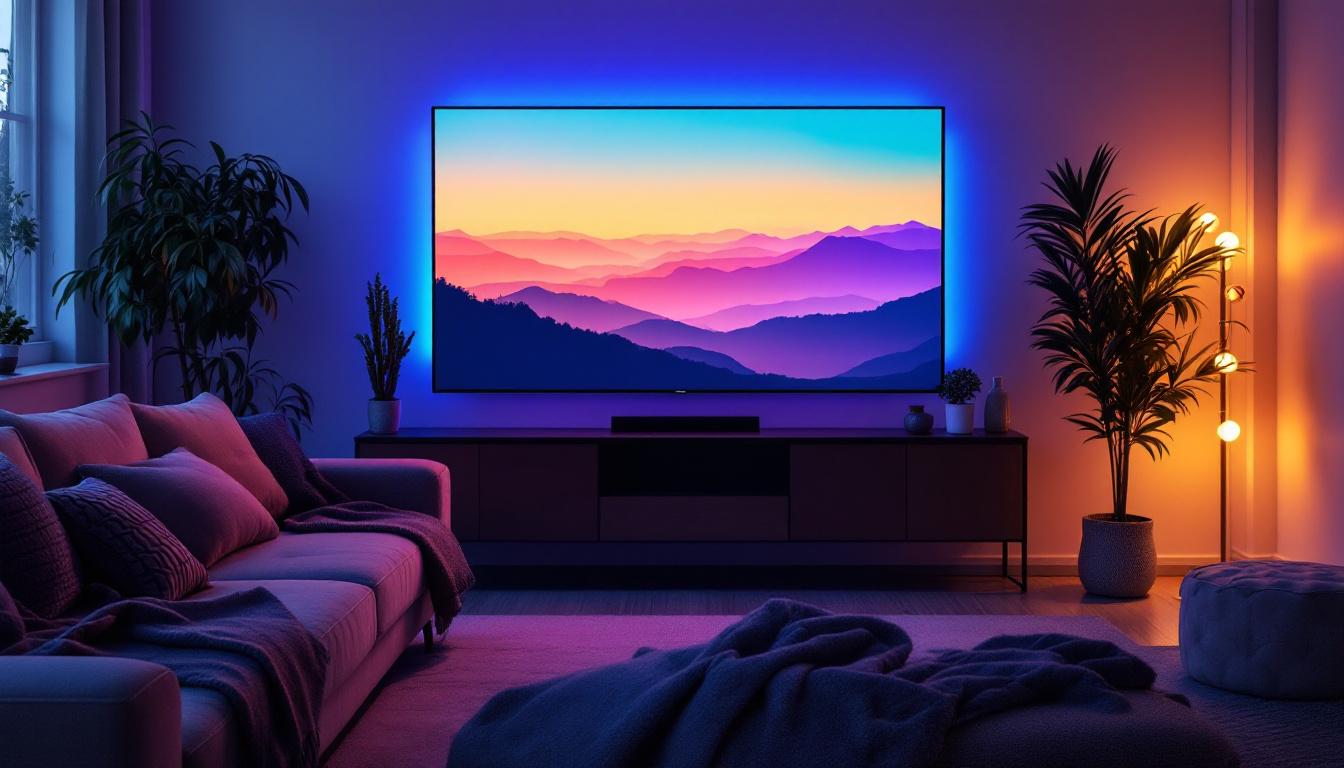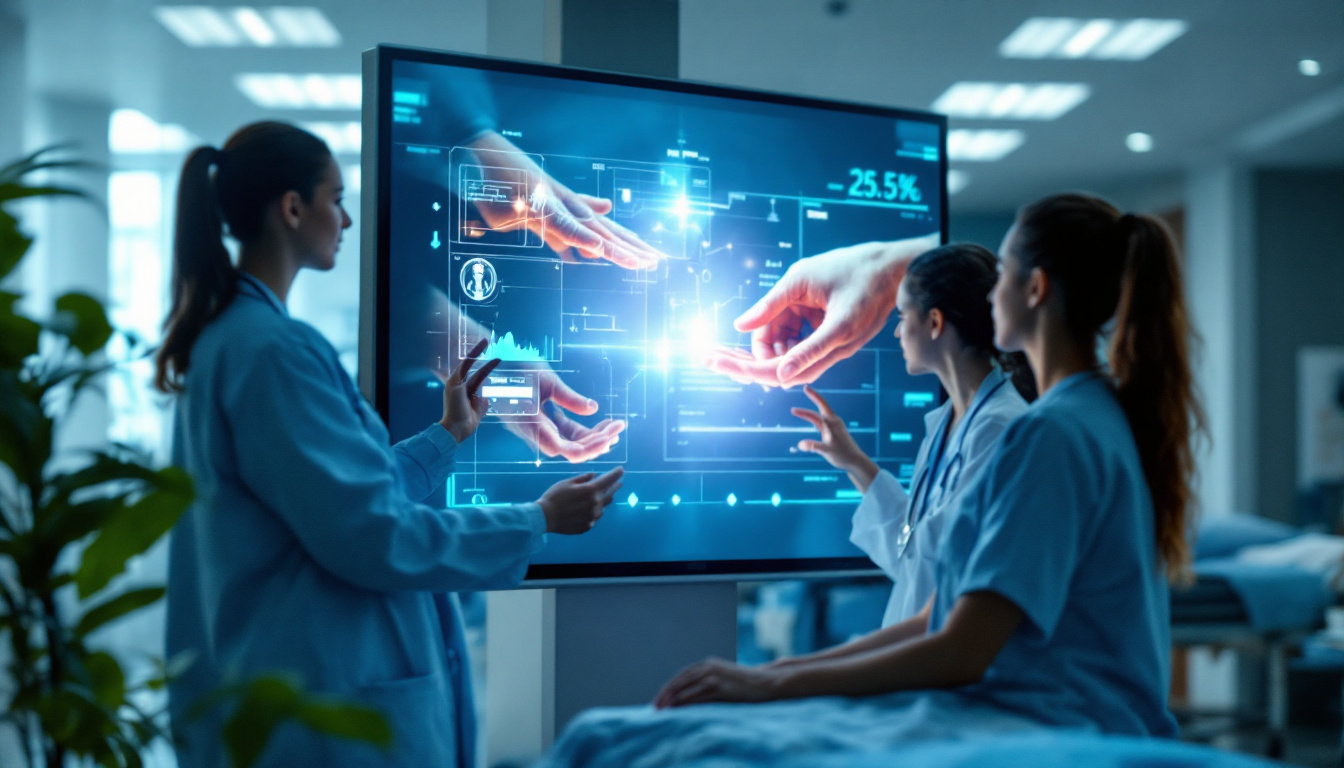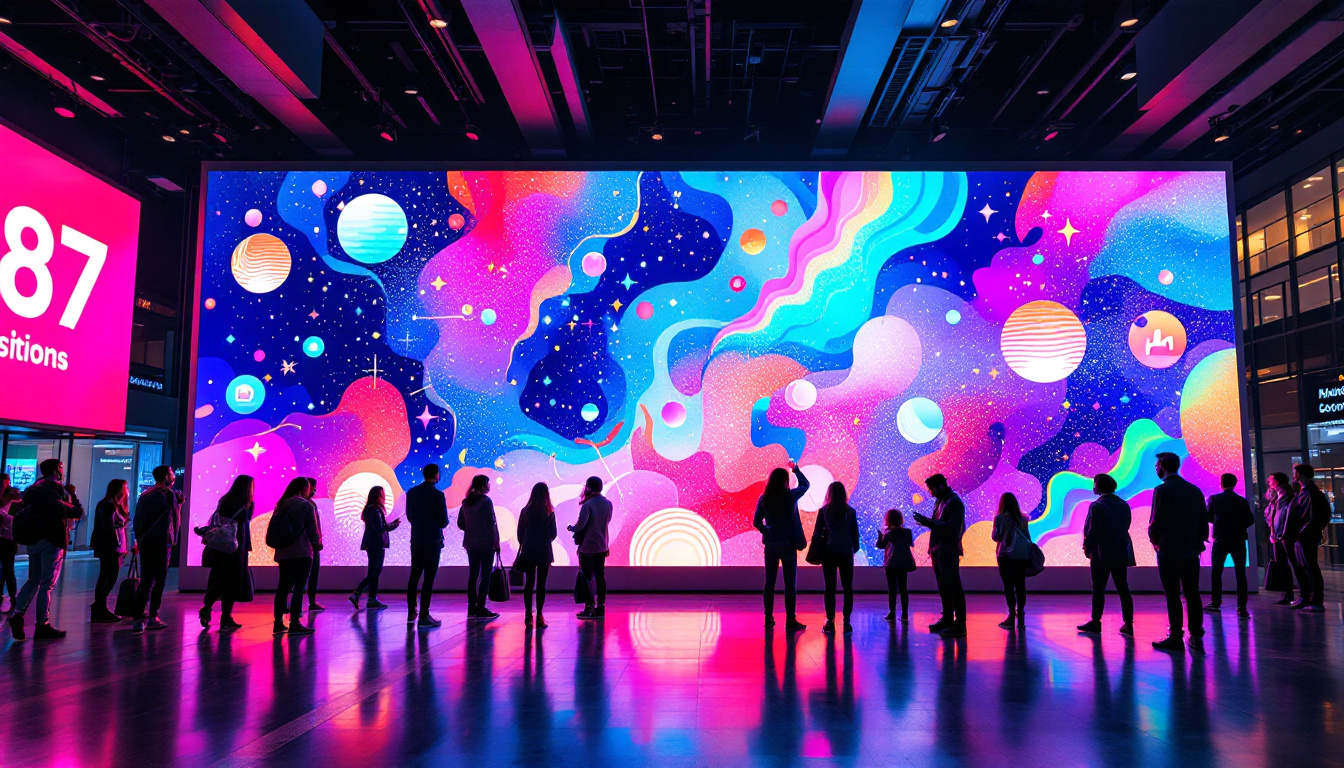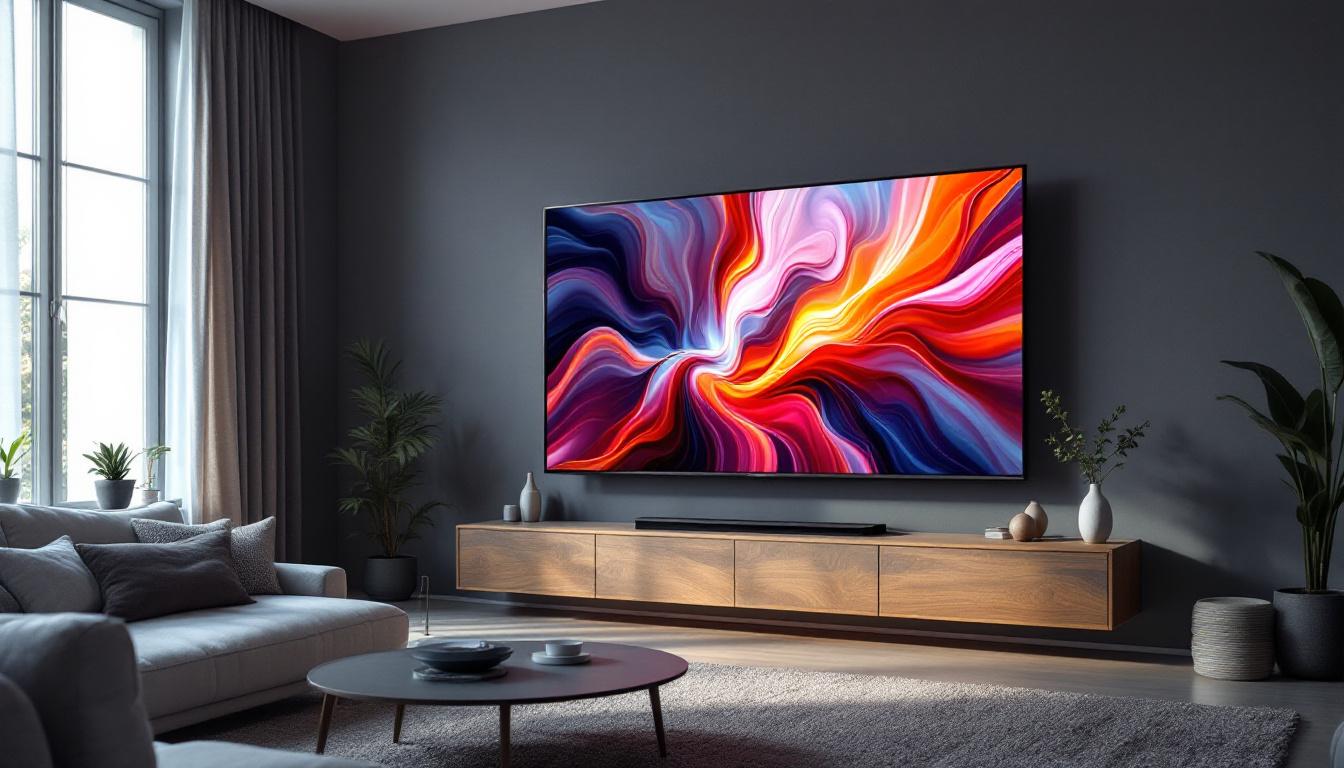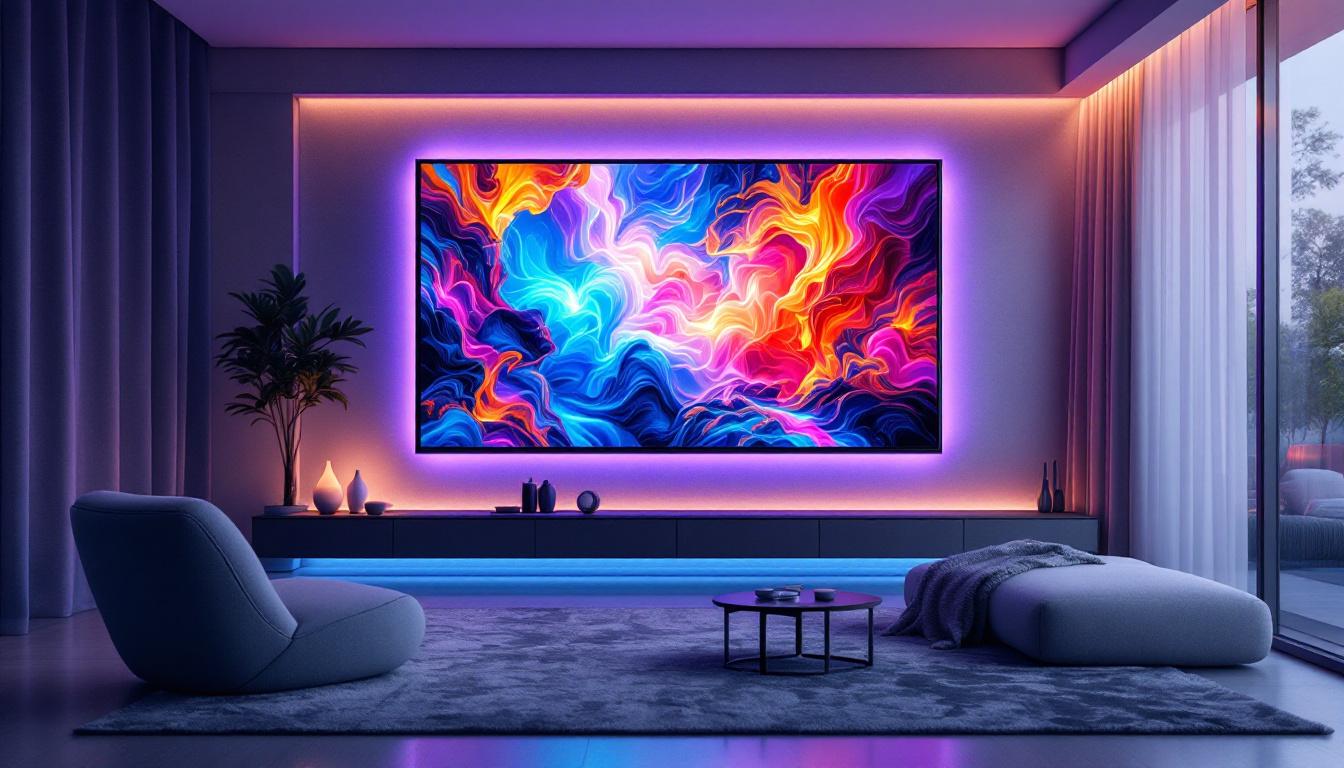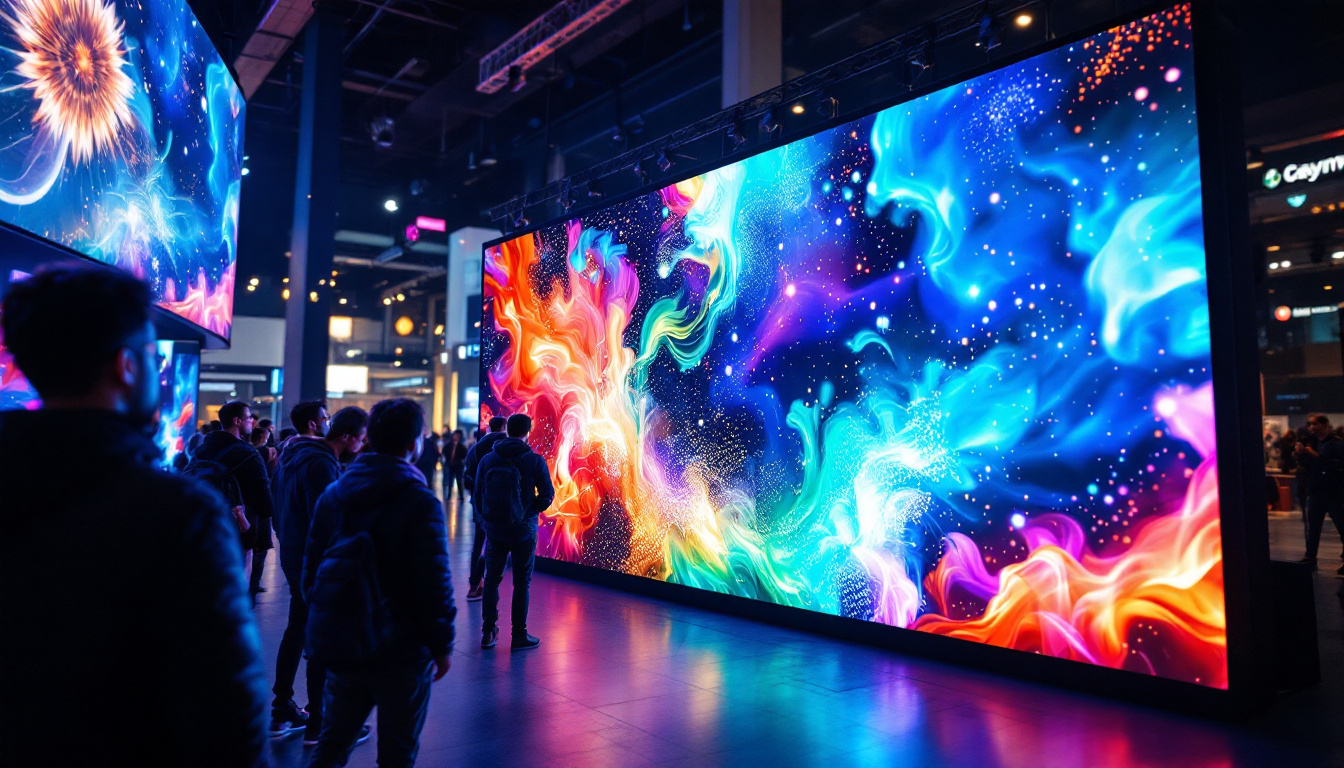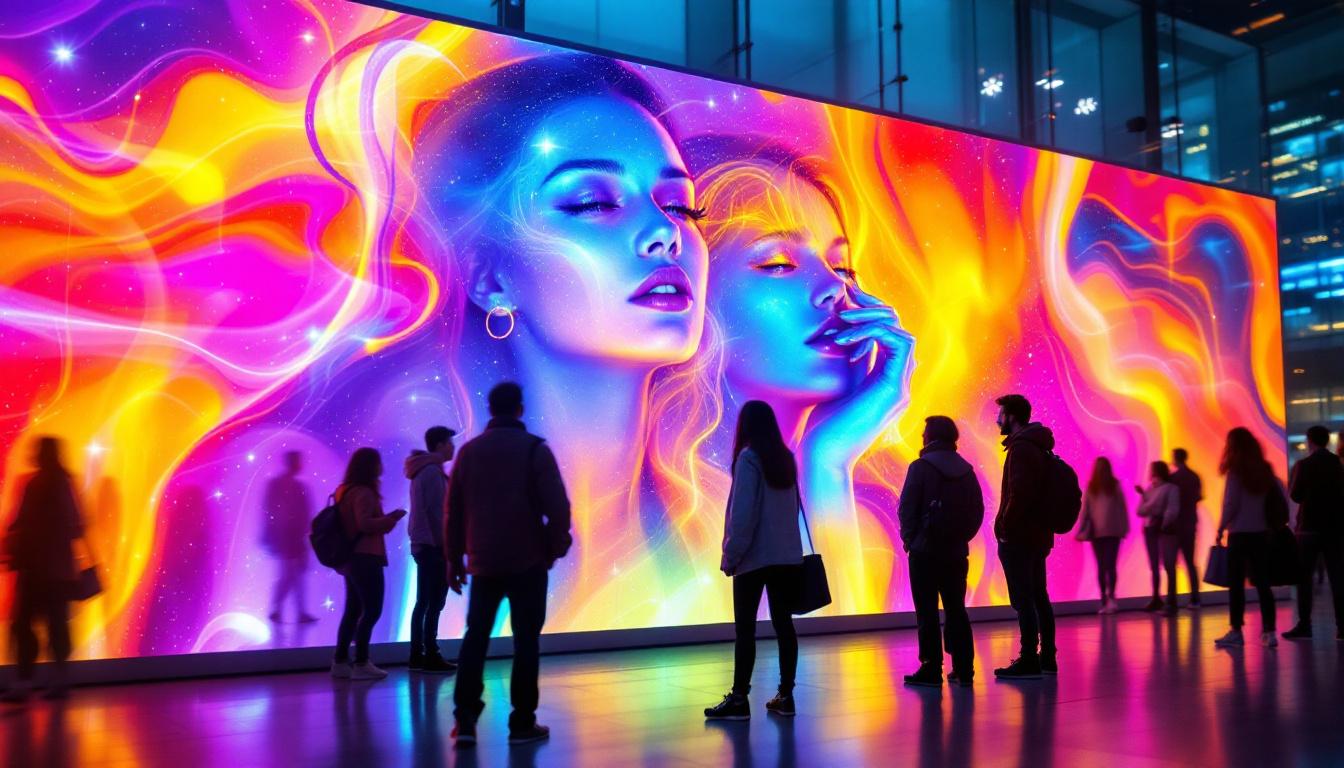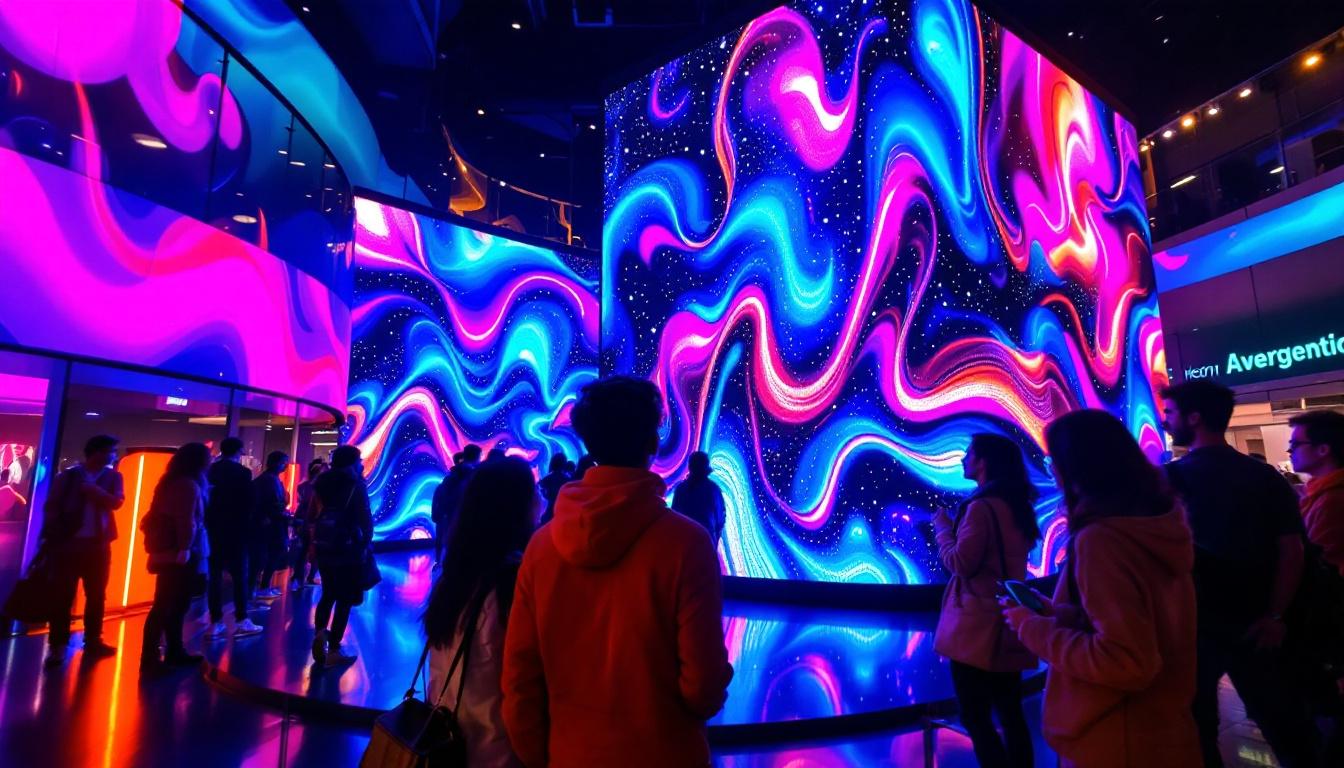
In the rapidly evolving world of audiovisual technology, LED displays have become a cornerstone for delivering vibrant, high-impact visual experiences. From massive outdoor billboards to sleek indoor video walls, LED displays are transforming how content is presented in both commercial and entertainment settings. This article delves into the essentials of LED display technology, exploring how it works, its advantages, and the latest trends shaping its future.
Understanding LED Display Technology
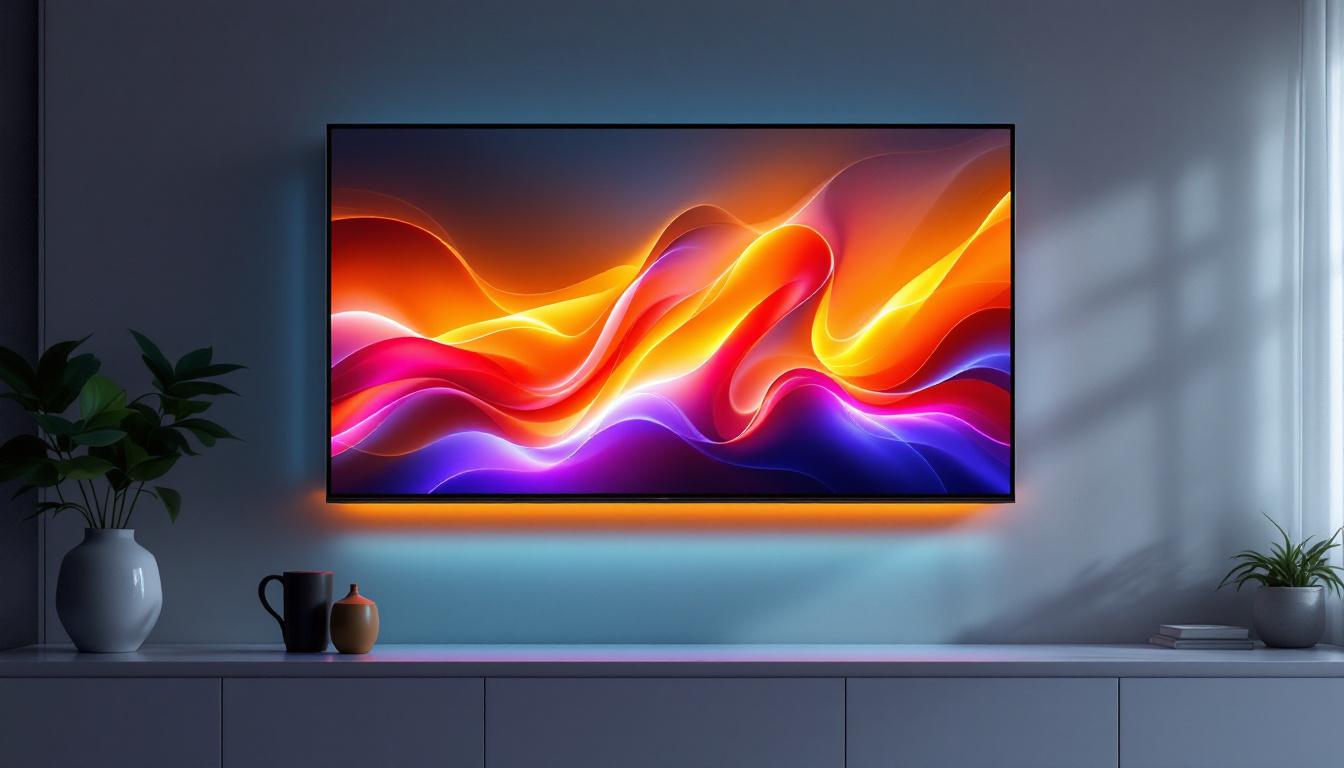
At its core, an LED display is a flat panel that uses light-emitting diodes (LEDs) to create images. Unlike traditional LCD or projection systems, LED displays emit their own light, resulting in brighter images with better contrast and color accuracy. This self-illuminating characteristic allows for deeper blacks and more vibrant colors, making LED displays a preferred choice for high-definition content. The technology has evolved significantly over the years, leading to enhanced performance and a wider range of applications across various industries.
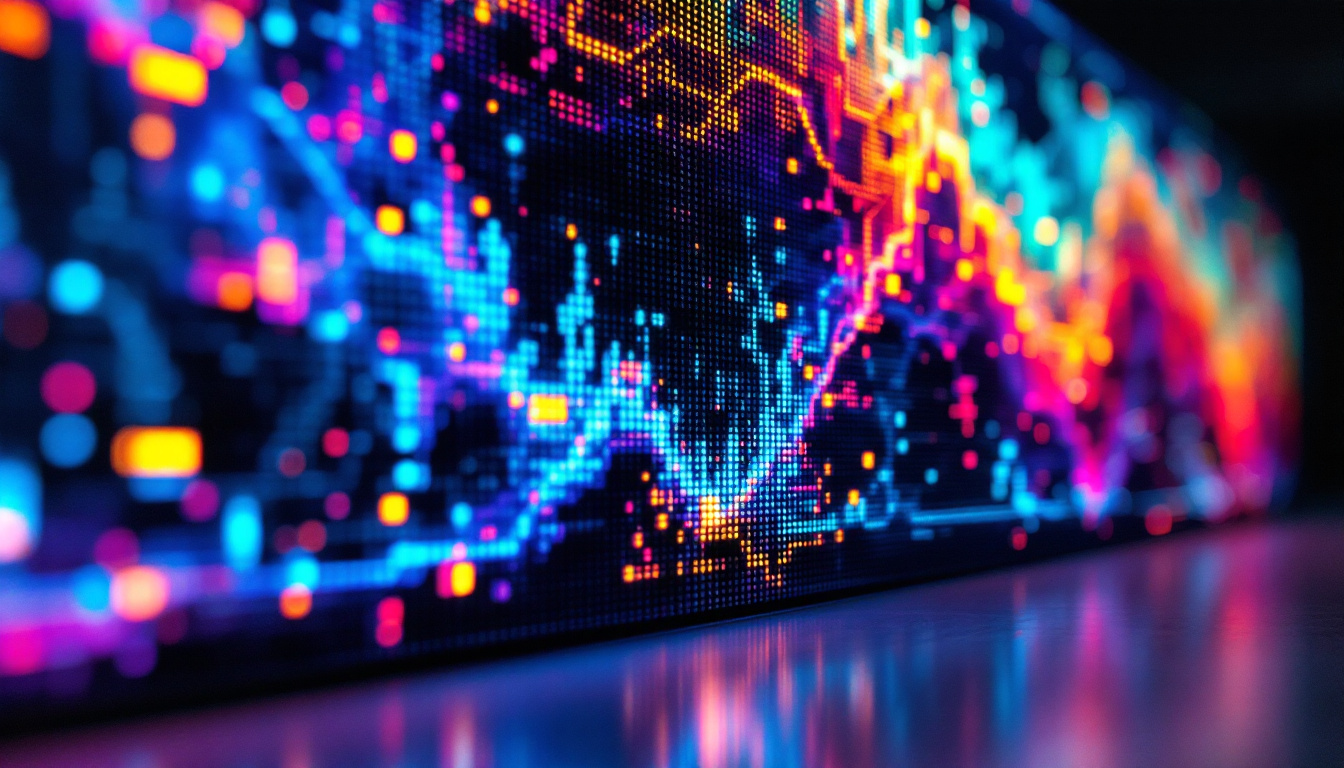
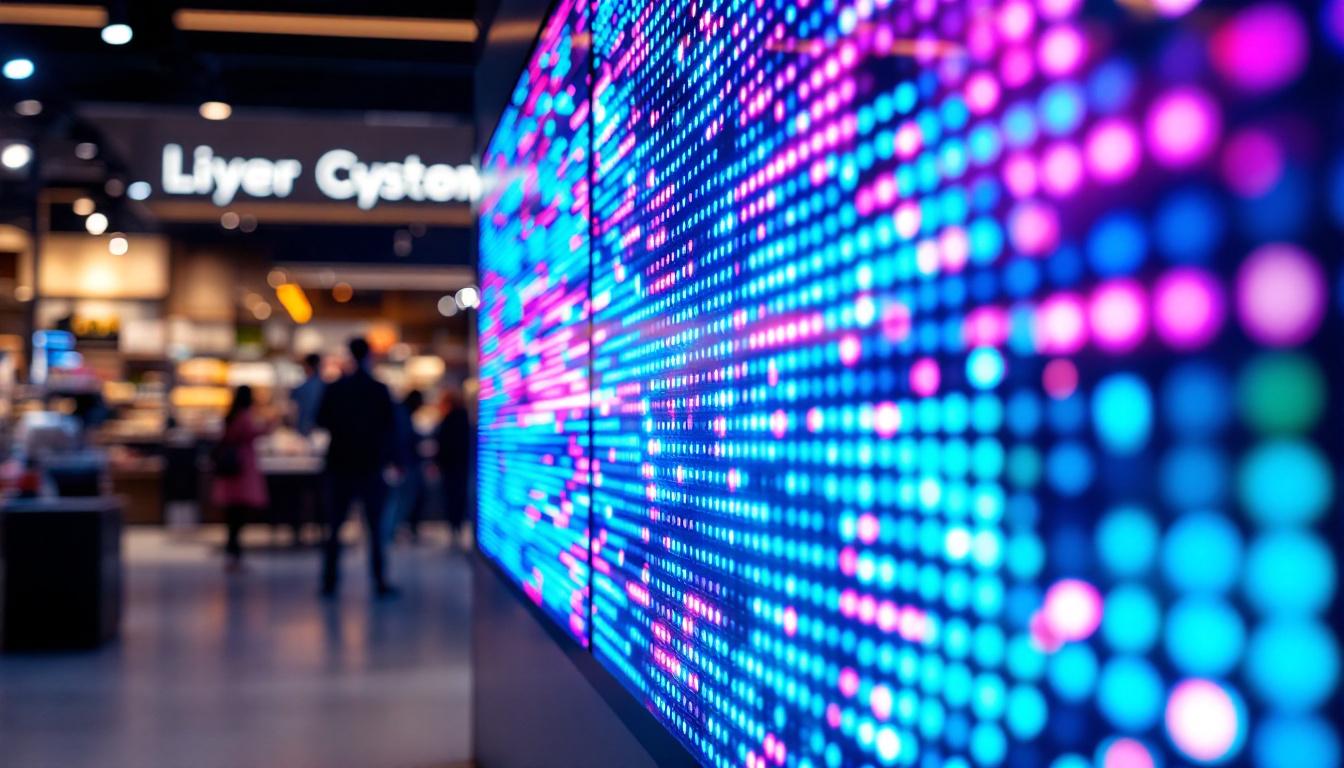
The display is composed of thousands to millions of tiny LEDs arranged in a grid. Each LED acts as a pixel, capable of producing a specific color by varying the intensity of red, green, and blue subpixels. By controlling these LEDs precisely, the display can render detailed images and videos with remarkable clarity. The ability to adjust brightness and color on a pixel-by-pixel basis also means that LED displays can adapt to different lighting conditions, ensuring optimal visibility whether in dimly lit rooms or under bright sunlight.
Types of LED Displays
LED displays come in several forms, primarily categorized by their intended use and construction:
- Indoor LED Displays: Designed for controlled environments, these displays offer high pixel density for close viewing distances. They are commonly used in retail stores, conference rooms, and broadcast studios. With advancements in technology, indoor LED displays can now achieve resolutions comparable to high-end LCD screens, making them ideal for applications that require detailed visuals and vibrant colors.
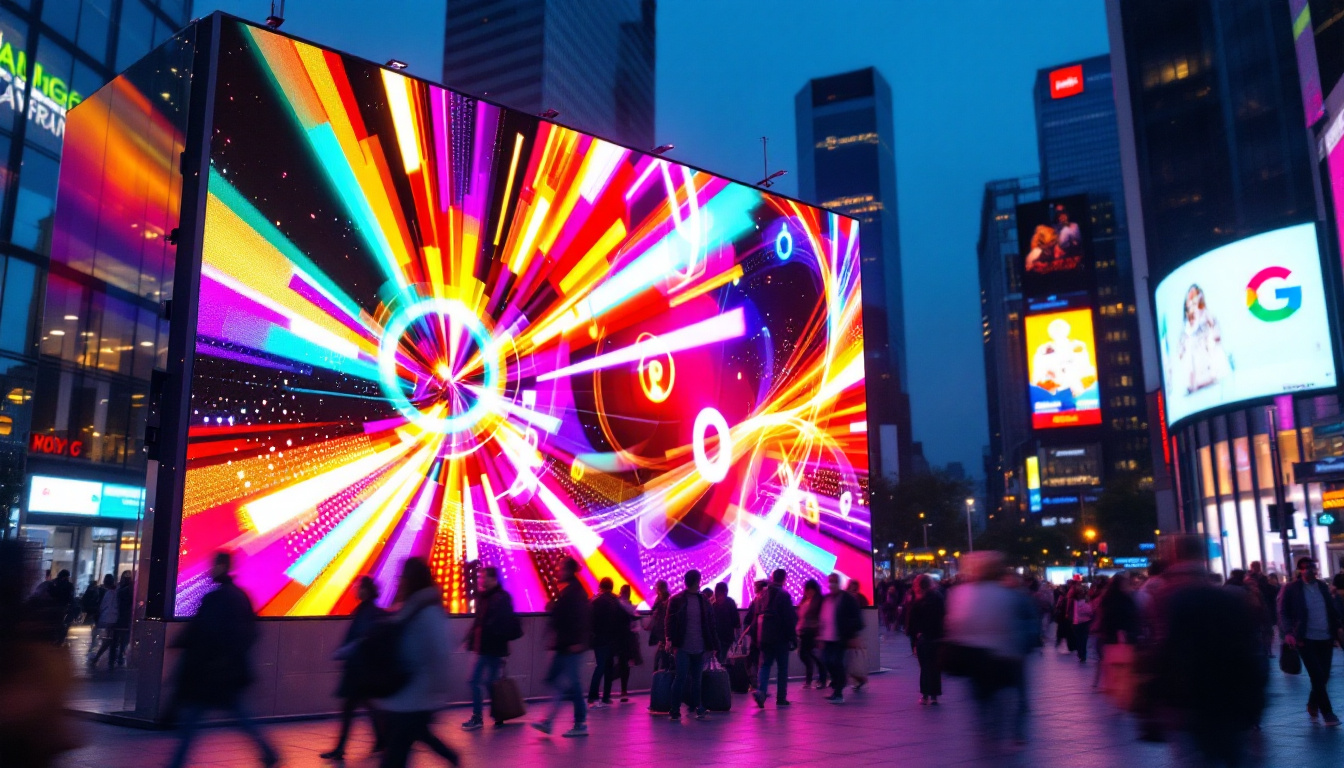
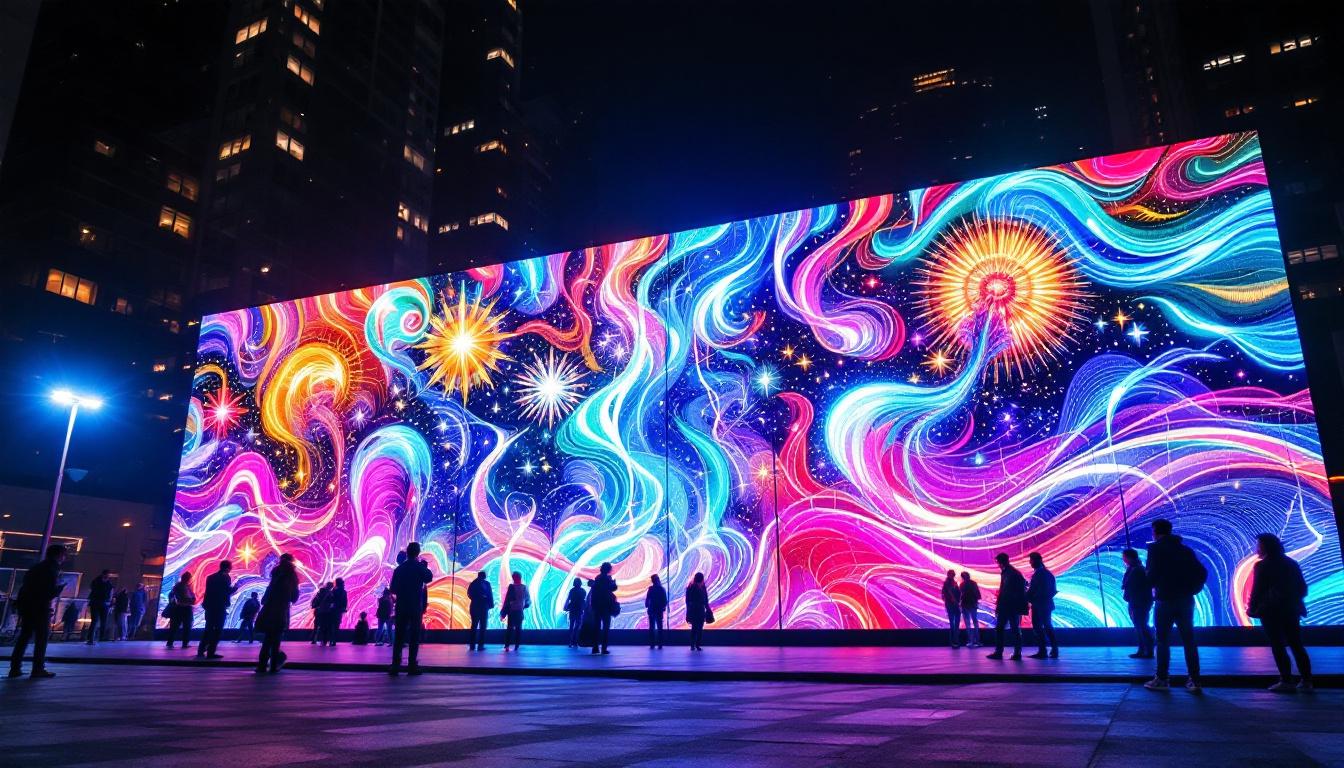
- Outdoor LED Displays: Built to withstand harsh weather conditions, these displays have higher brightness levels to combat sunlight glare. They are often found in stadiums, transportation hubs, and public advertising spaces. Outdoor LED displays are engineered with protective coatings and robust casings to ensure durability against rain, wind, and extreme temperatures, making them a reliable choice for long-term outdoor use.
- Transparent LED Displays: These innovative screens allow light to pass through, enabling their use on glass surfaces without obstructing views. They are popular in retail windows and architectural installations. Transparent LED technology not only enhances the aesthetic appeal of storefronts but also provides a unique advertising medium that can engage customers without compromising the visibility of products displayed behind the screen.
In addition to these types, there are also specialized LED displays such as flexible LED screens that can be bent or shaped to fit various surfaces, and high-definition LED walls that create immersive experiences in venues like concert halls and sports arenas. The versatility of LED technology continues to inspire new designs and applications, pushing the boundaries of what is possible in visual display solutions.
Key Advantages of LED Displays in AV Applications
LED technology offers several compelling benefits that make it a preferred choice for audiovisual professionals and marketers alike.
Superior Brightness and Visibility
One of the most significant advantages of LED displays is their brightness. Typical LED screens can reach brightness levels of 1,000 to 5,000 nits or more, far surpassing LCD or projection systems. This makes them ideal for environments with high ambient light, such as outdoor venues or brightly lit indoor spaces.
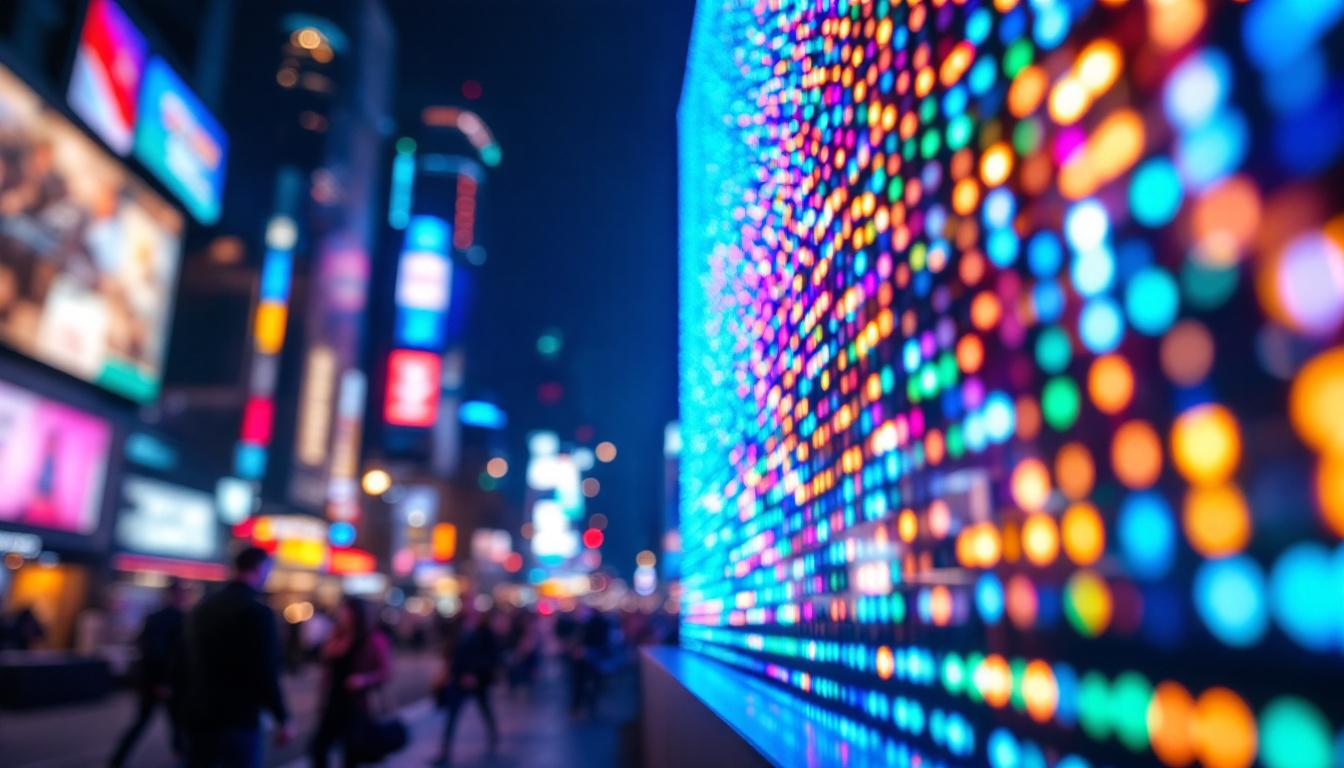
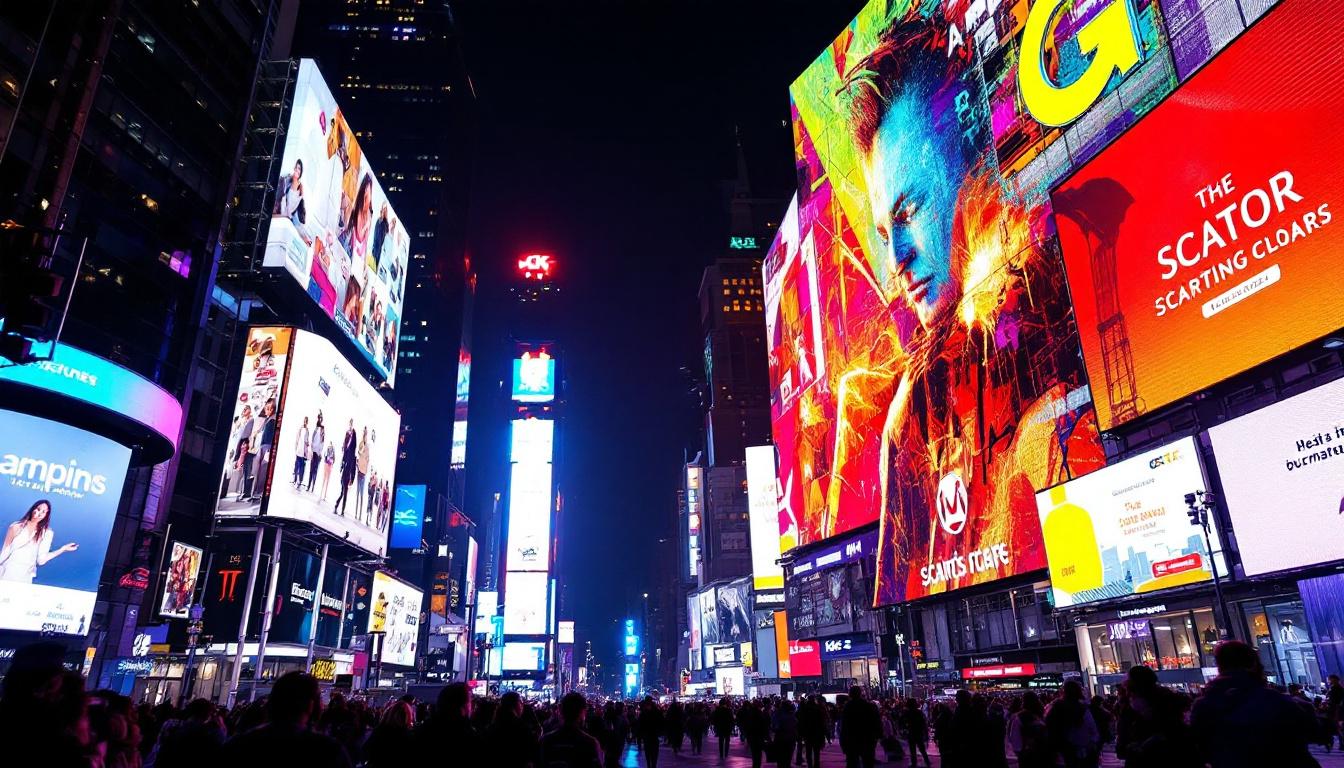
For example, Times Square in New York City features some of the brightest LED billboards globally, ensuring advertisements remain vivid and eye-catching regardless of daylight conditions. The ability to maintain visibility in such challenging lighting scenarios not only enhances advertising effectiveness but also elevates the overall aesthetic of the urban landscape, drawing in tourists and locals alike.
Enhanced Color Accuracy and Contrast
Because each LED emits its own light, LED displays can achieve deeper blacks and more vibrant colors compared to backlit LCDs. This results in higher contrast ratios, which improve image depth and realism. The ability to display a wide color gamut also makes LED screens perfect for branding and content that demand color precision.
In addition to their superior color performance, LED displays can also be calibrated to meet specific color standards, making them invaluable in professional settings where color accuracy is paramount, such as in film production or graphic design. This level of precision ensures that the content creators can present their work exactly as intended, without the distortions that can occur with lesser display technologies.
Scalability and Flexibility
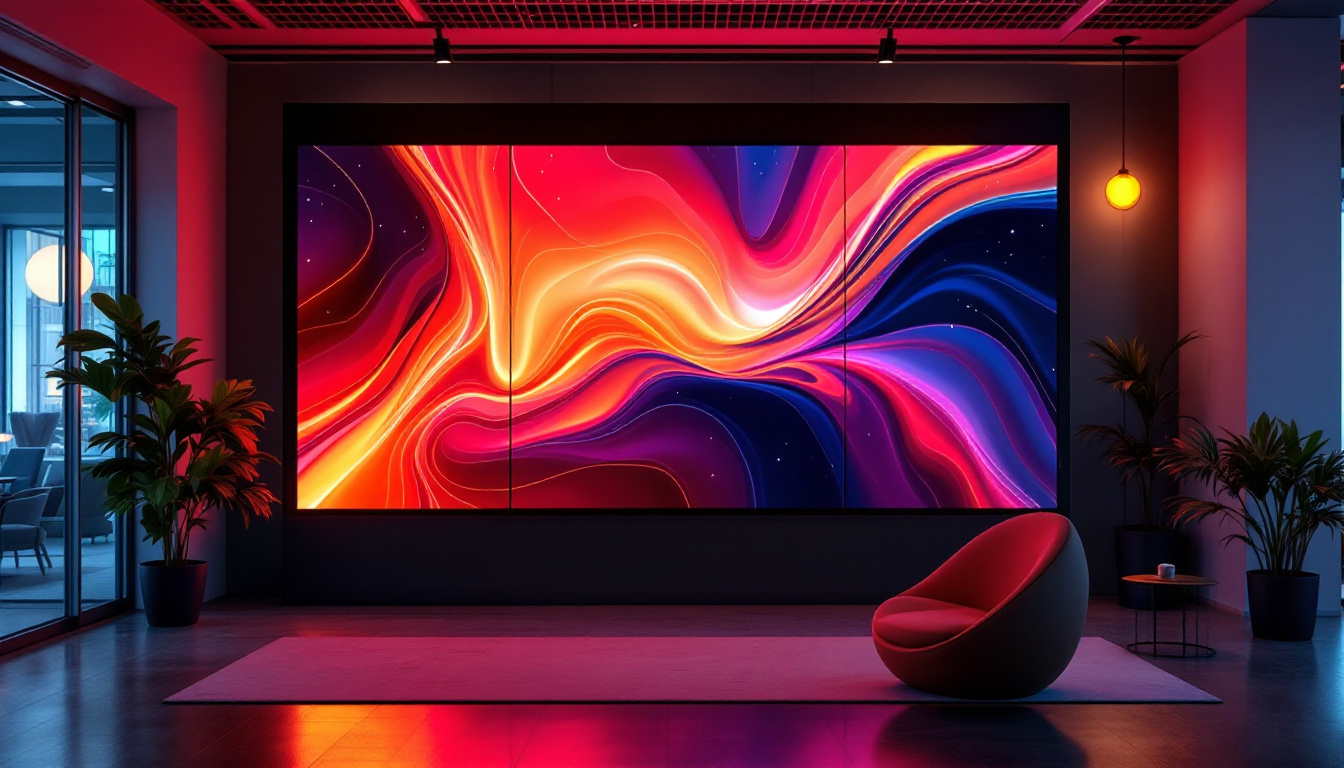
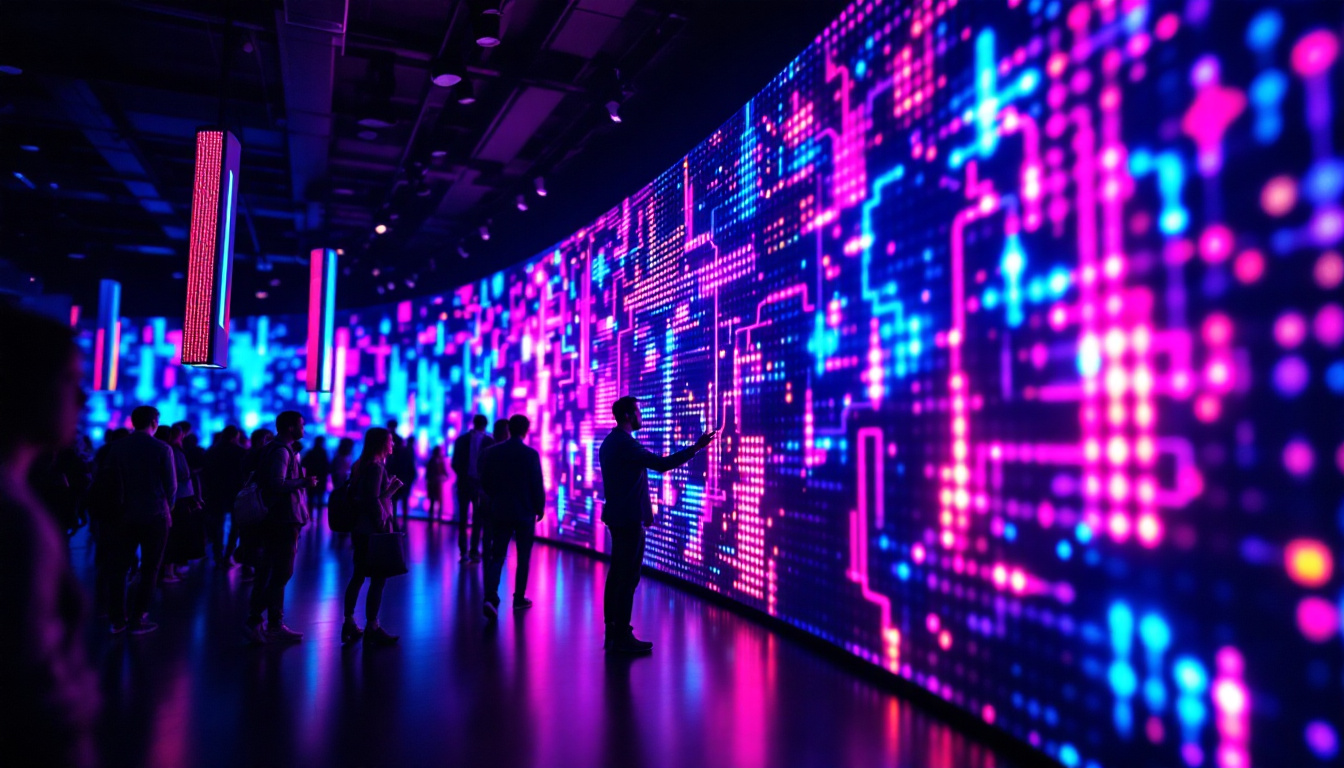
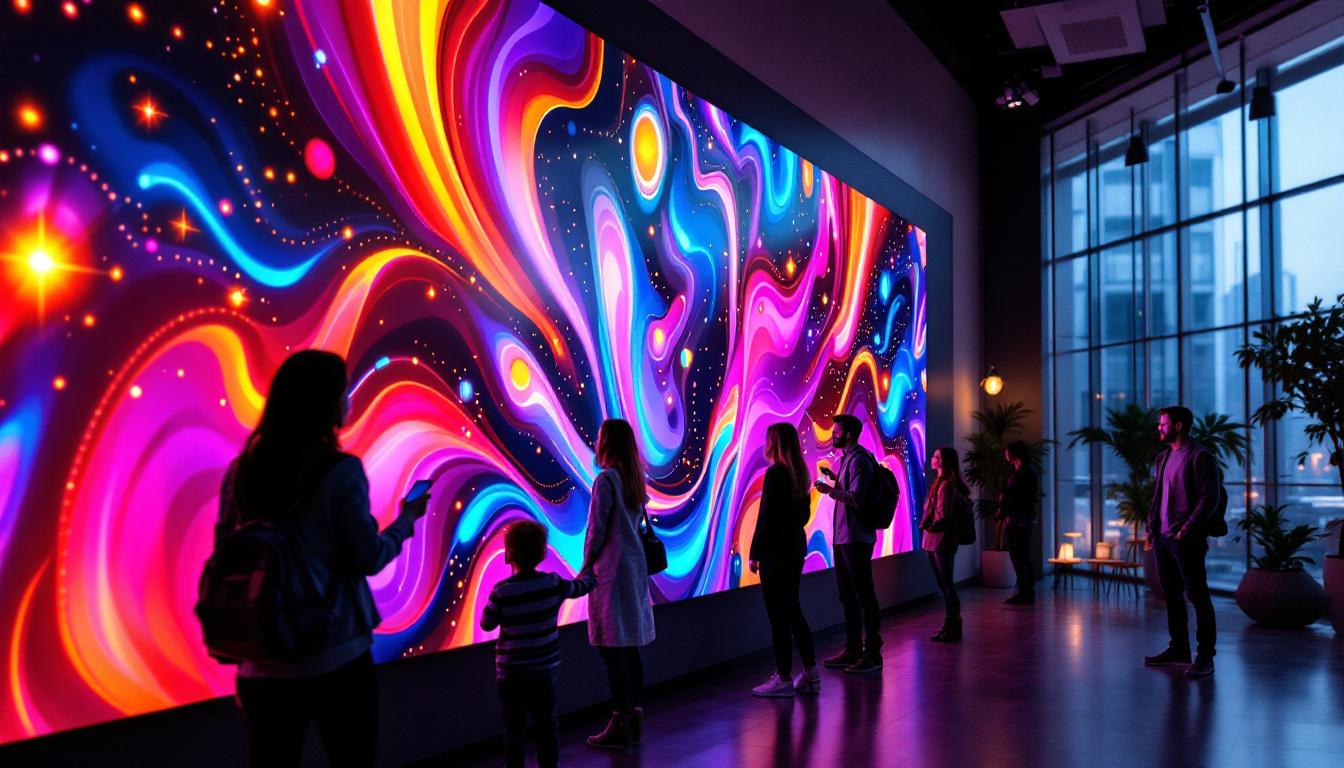
LED panels are modular, allowing for virtually unlimited screen sizes and aspect ratios. This flexibility enables designers to create custom shapes and configurations tailored to specific venues or creative visions. Whether it’s a giant curved screen in an arena or a multi-panel video wall in a corporate lobby, LED displays can be adapted to fit the space perfectly.
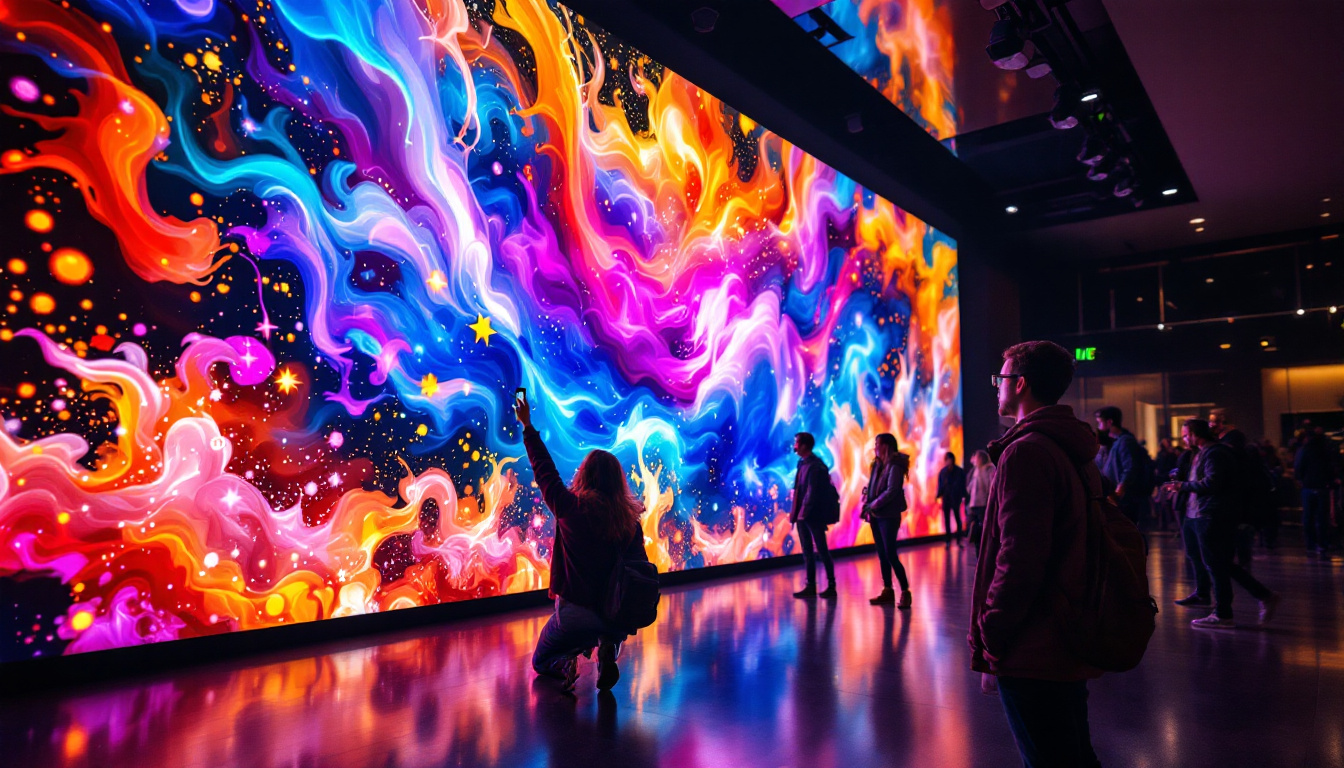
This adaptability extends beyond just size and shape; LED technology also allows for dynamic content that can be easily updated or changed. This is particularly beneficial for event organizers who want to customize their messaging for different audiences or occasions. The seamless integration of various display modules can create immersive experiences that captivate viewers, making every event memorable.
Durability and Longevity
LED displays are known for their robustness. Outdoor LED screens are built to resist water, dust, and extreme temperatures, ensuring reliable operation over many years. Additionally, LEDs have a long lifespan, often rated at 50,000 to 100,000 hours, reducing maintenance costs and downtime.
This durability not only translates to lower operational costs but also enhances the sustainability of AV installations. With a reduced need for frequent replacements, organizations can minimize waste and contribute to environmentally friendly practices. Furthermore, the energy efficiency of LED technology means that they consume less power compared to traditional display systems, aligning with the growing demand for greener solutions in the audiovisual industry.
How LED Displays Are Used in AV Video Production
LED displays have become indispensable tools in audiovisual video production, offering dynamic and immersive ways to engage audiences.
Live Events and Concerts
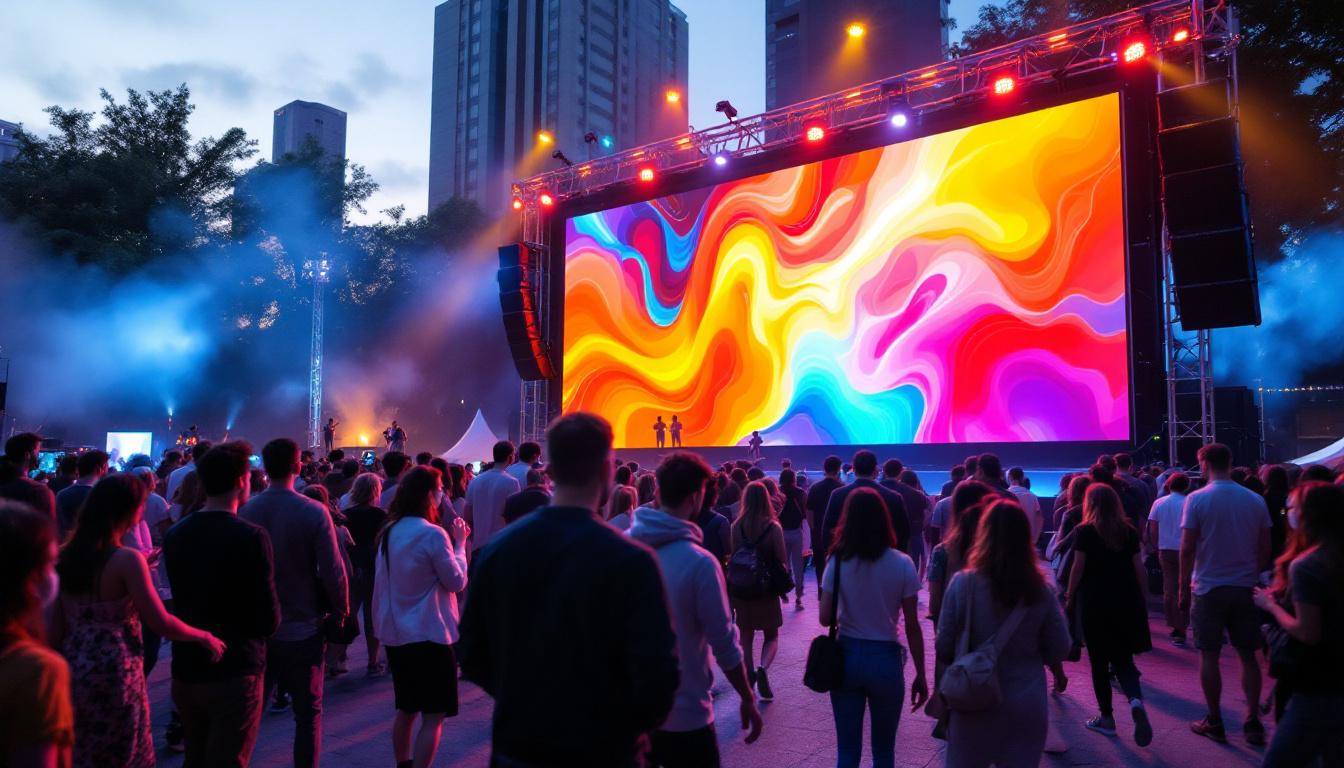
In live entertainment, LED walls serve as massive backdrops that enhance stage presence and storytelling. They provide real-time video feeds, visual effects, and interactive content that synchronize with performances. For instance, major music festivals like Coachella utilize expansive LED screens to captivate tens of thousands of attendees.
Broadcast and Studio Environments
Television studios increasingly rely on LED video walls to create versatile sets. These displays can change backgrounds instantly, simulate virtual environments, and display graphics seamlessly. This flexibility reduces the need for physical set changes and enhances production value.
Corporate and Retail Installations
LED displays are widely used in corporate lobbies, trade shows, and retail spaces to communicate brand messages and promotions. Their high resolution and brightness ensure that content is visible from various angles and distances, attracting customer attention and improving engagement.
Technical Considerations When Choosing an LED Display
Selecting the right LED display requires careful evaluation of several technical factors to ensure optimal performance for the intended application.
Pixel Pitch and Resolution
Pixel pitch refers to the distance between the centers of adjacent LEDs, usually measured in millimeters. Smaller pixel pitches mean higher resolution and sharper images, which are essential for close viewing distances. For example, indoor LED displays often have pixel pitches as low as 1.2mm, while outdoor screens may have pitches ranging from 4mm to 20mm or more.
Refresh Rate
The refresh rate indicates how many times per second the display updates its image. Higher refresh rates (above 1,000 Hz) are crucial for reducing flicker, especially in video recording and broadcasting environments. This ensures smooth motion and prevents visual artifacts on camera.
Brightness and Contrast Ratio
Brightness must be matched to the ambient lighting conditions. Outdoor displays typically require brightness levels of 5,000 nits or higher, while indoor screens can operate effectively at lower levels. Contrast ratio impacts image depth and clarity, with higher ratios delivering more vivid visuals.
Viewing Angle
Wide viewing angles ensure consistent image quality from different positions. LED displays generally offer viewing angles between 120° to 160°, which is important for venues where audiences are spread across large areas.
Emerging Trends and Innovations in LED Display Technology
The LED display industry continues to innovate, pushing the boundaries of what these screens can achieve.
MicroLED and MiniLED Technologies
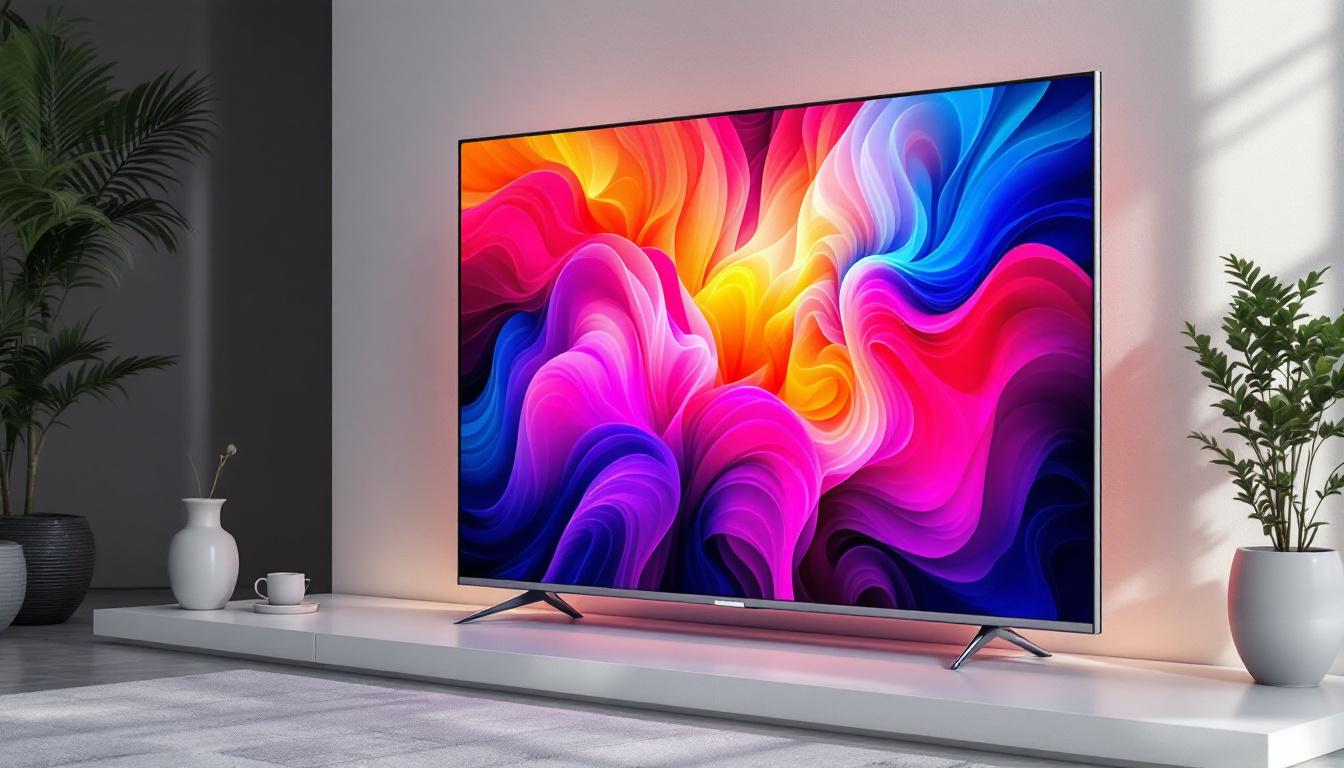
MicroLED and MiniLED represent advancements in LED technology that enable even higher resolution and improved brightness control. MicroLEDs are tiny LEDs that can be individually controlled, offering exceptional color accuracy and energy efficiency. These technologies are beginning to appear in premium TVs and specialized AV installations.
Flexible and Curved LED Displays
Manufacturers are developing flexible LED panels that can bend and curve, opening new possibilities for creative installations. Curved LED screens enhance immersion by matching the natural field of view, commonly used in gaming arenas and immersive theaters.
Integration with AI and Interactive Technologies
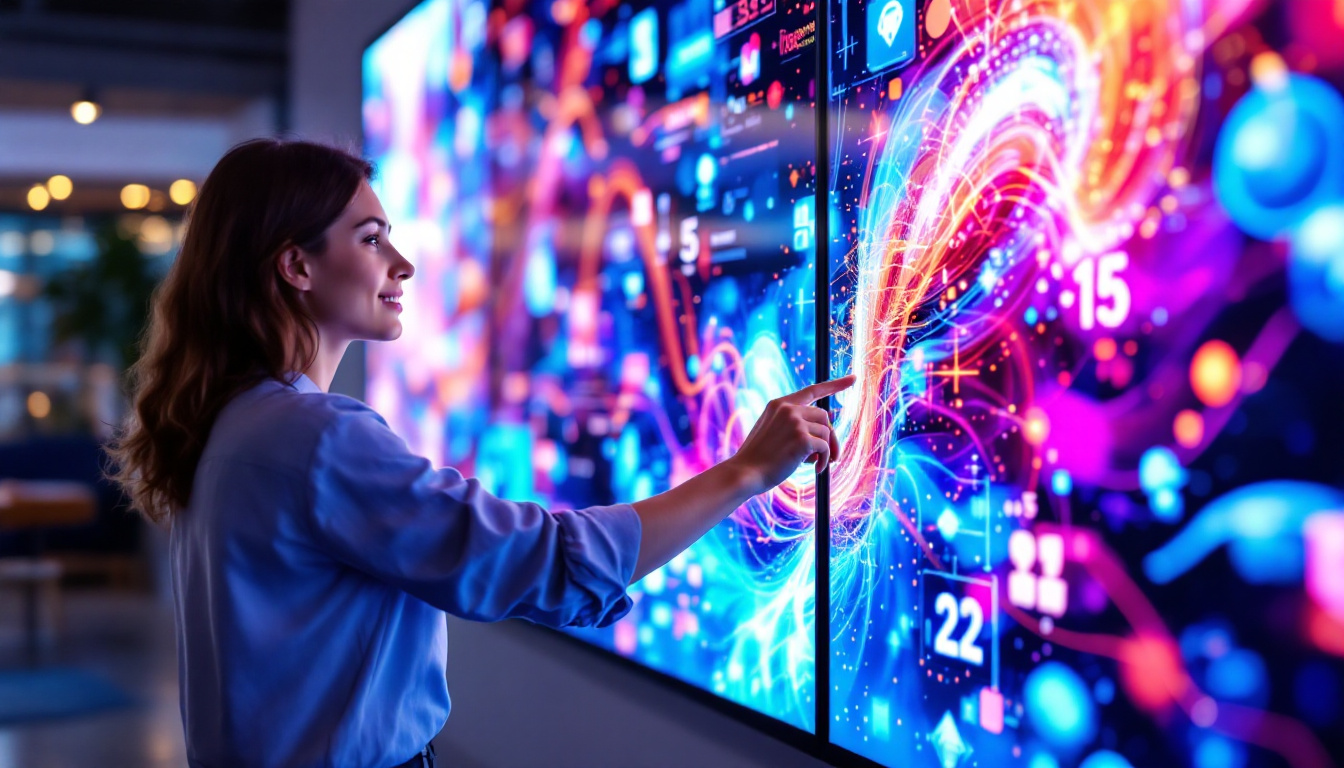
LED displays are increasingly integrated with artificial intelligence and interactive sensors, enabling content to adapt dynamically based on audience behavior or environmental factors. This trend is particularly evident in retail and advertising, where personalized messaging can boost engagement and conversion rates.
Conclusion: Why LED Displays Are Essential in Modern AV Video
LED displays have revolutionized audiovisual video by providing unmatched brightness, flexibility, and image quality. Their adaptability across various environments—from outdoor advertising to live events and broadcast studios—makes them indispensable tools for content creators and marketers.
As technology advances, LED displays will continue to evolve, offering even more immersive and interactive experiences. Understanding the fundamentals of LED technology and its applications is crucial for anyone involved in AV video production or digital signage, ensuring informed decisions that maximize impact and return on investment.
Discover LumenMatrix’s Innovative LED Display Solutions
Ready to elevate your visual presentations with the latest in LED display technology? Look no further than LumenMatrix, a pioneer in crafting LED displays that bring your content to life. Whether you’re seeking vibrant Indoor LED Wall Displays, durable Outdoor LED Wall Displays, dynamic Vehicle LED Displays, sleek LED Poster Displays, engaging LED Sports Displays, interactive Floor LED Displays, or Custom LED solutions tailored to your unique needs, LumenMatrix has you covered. Experience the future of visual communication with our All-in-One and LED Transparent Displays. Visit LumenMatrix LED Display Solutions to see how we can transform your space into a mesmerizing visual experience.