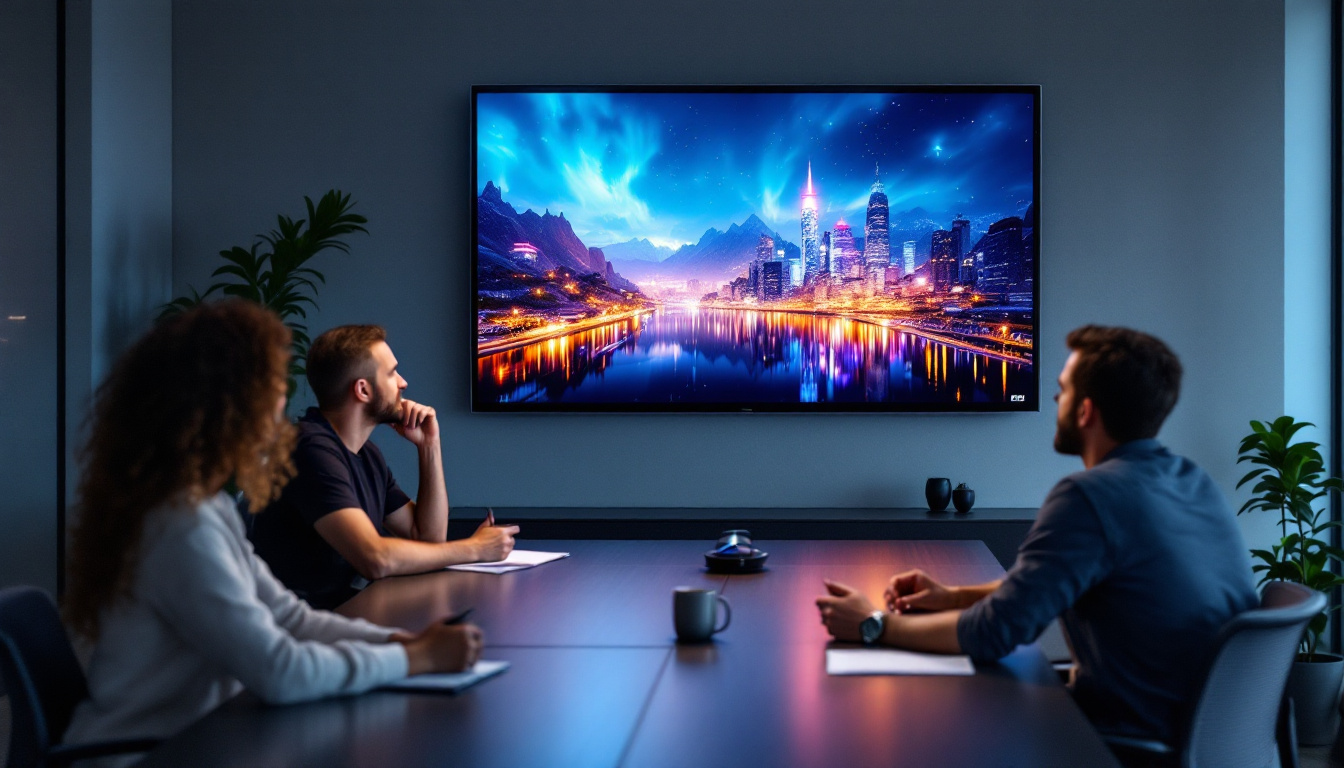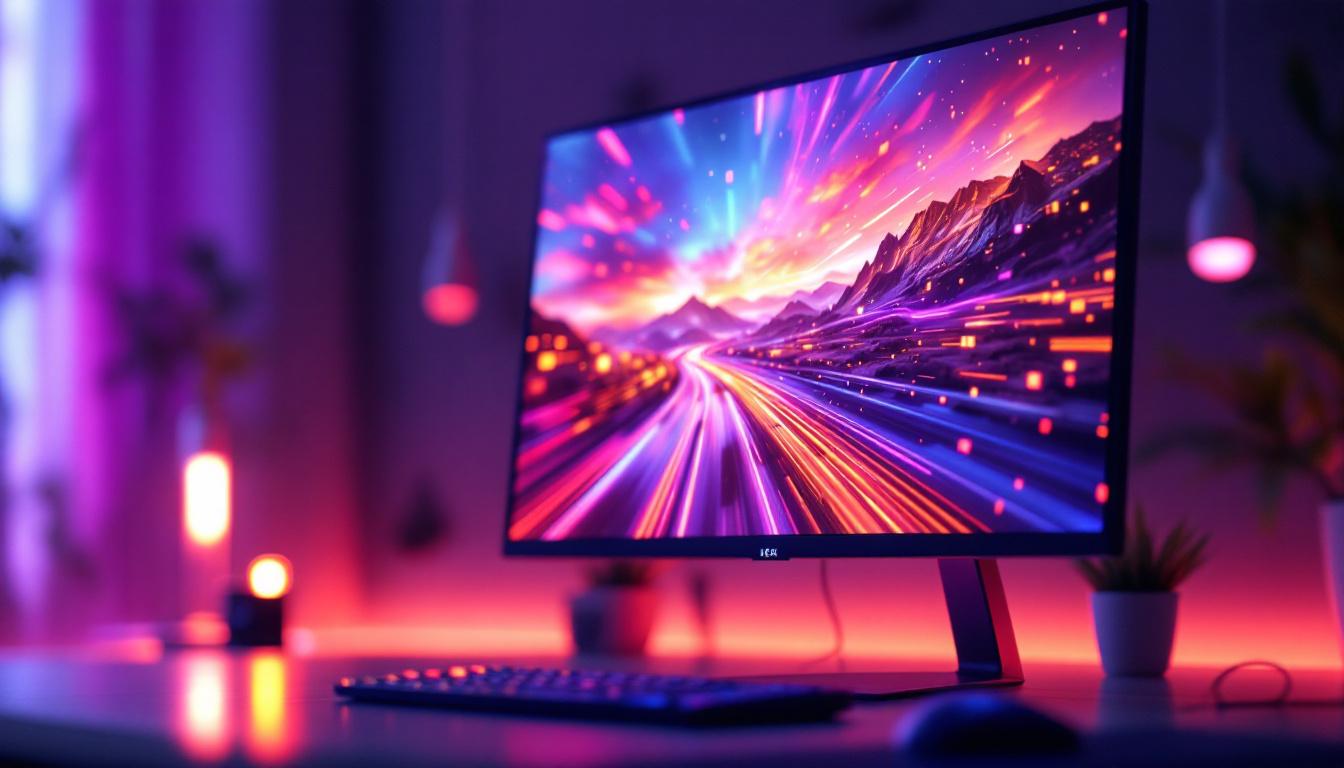
In the rapidly evolving world of display technology, LED screen monitors have become a dominant force, transforming how we interact with digital content. From vibrant home entertainment setups to large-scale commercial advertising, LED displays offer unmatched brightness, color accuracy, and energy efficiency. This article delves into the fundamentals of LED screen monitors, exploring their technology, advantages, applications, and future trends.
Understanding LED Screen Monitor Technology
What is an LED Screen Monitor?
An LED screen monitor is a type of display device that uses Light Emitting Diodes (LEDs) to produce images. Unlike traditional LCD monitors that rely on cold cathode fluorescent lamps (CCFL) for backlighting, LED monitors utilize LEDs either as backlights or as the actual pixels themselves. This distinction is crucial because it influences the display’s brightness, contrast, energy consumption, and overall visual performance.
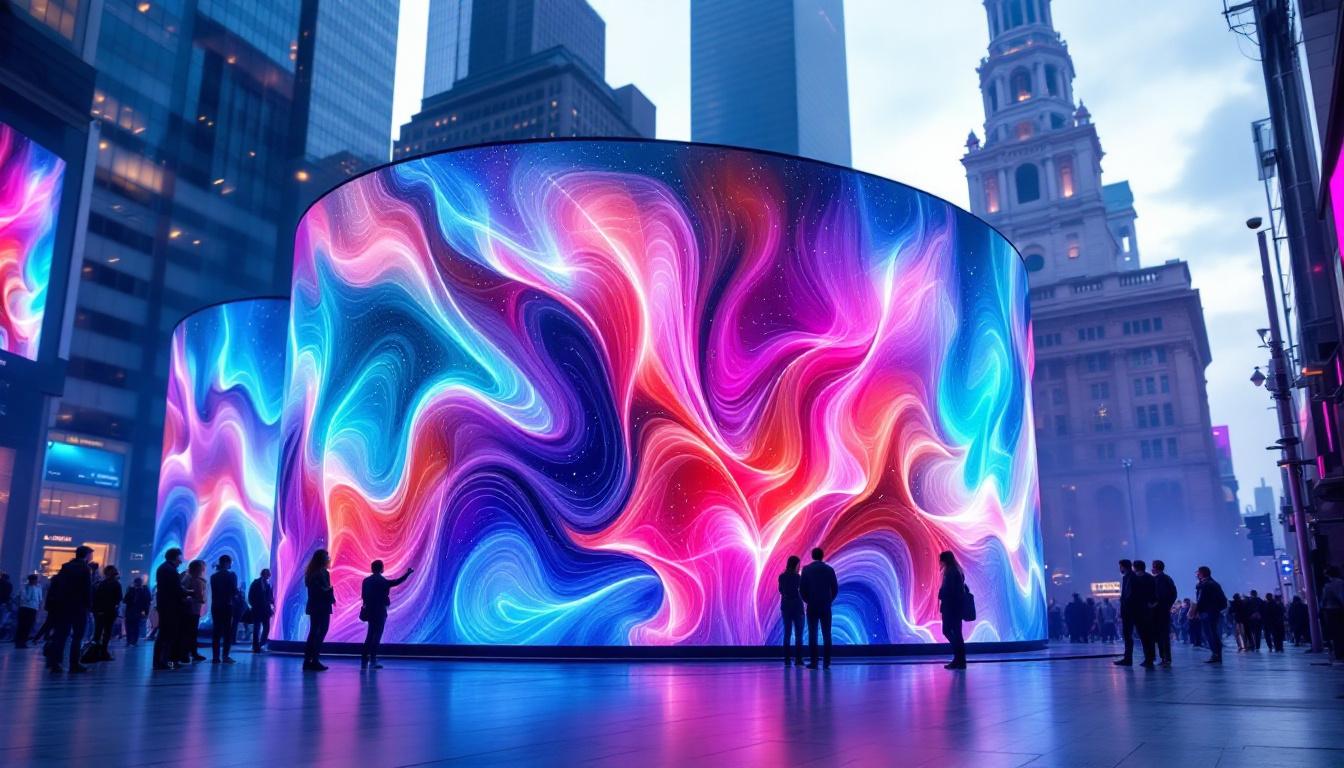
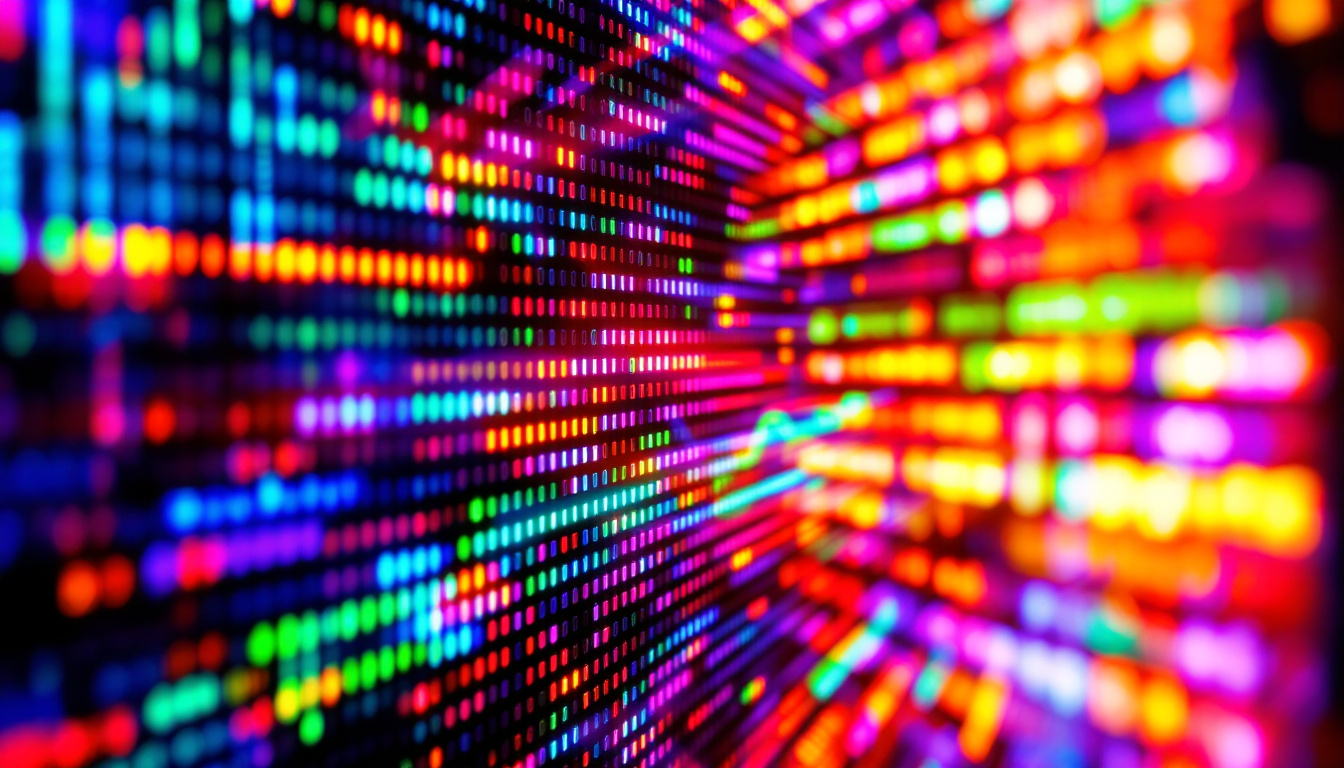
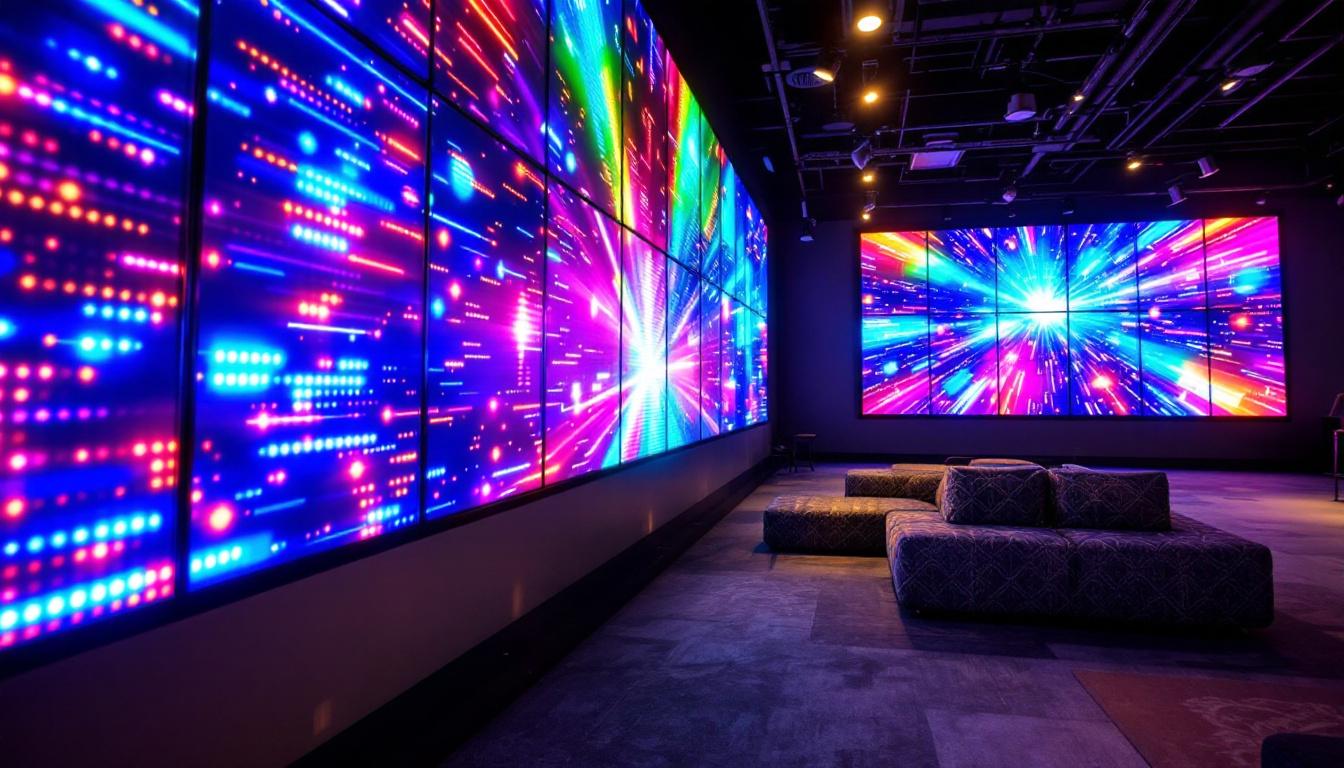
LED monitors can be broadly categorized into two types: those that use LEDs for backlighting an LCD panel (commonly referred to as LED-backlit LCDs) and true LED displays where each pixel is an individual LED, often seen in large video walls or digital billboards. The evolution of LED technology has led to significant improvements in display quality, making them the preferred choice for both professional and personal use. With advancements in technology, manufacturers have been able to create thinner, lighter, and more energy-efficient monitors that cater to a wide range of applications, from gaming to graphic design.
How Do LED Displays Work?
In LED-backlit LCD monitors, the LCD panel controls the image by blocking or allowing light to pass through, while the LEDs provide the light source behind the screen. This setup enhances brightness and color vibrancy compared to older CCFL-backlit LCDs. The use of LEDs also allows for localized dimming, which improves contrast by dimming specific areas of the screen while keeping others bright, resulting in a more dynamic viewing experience.
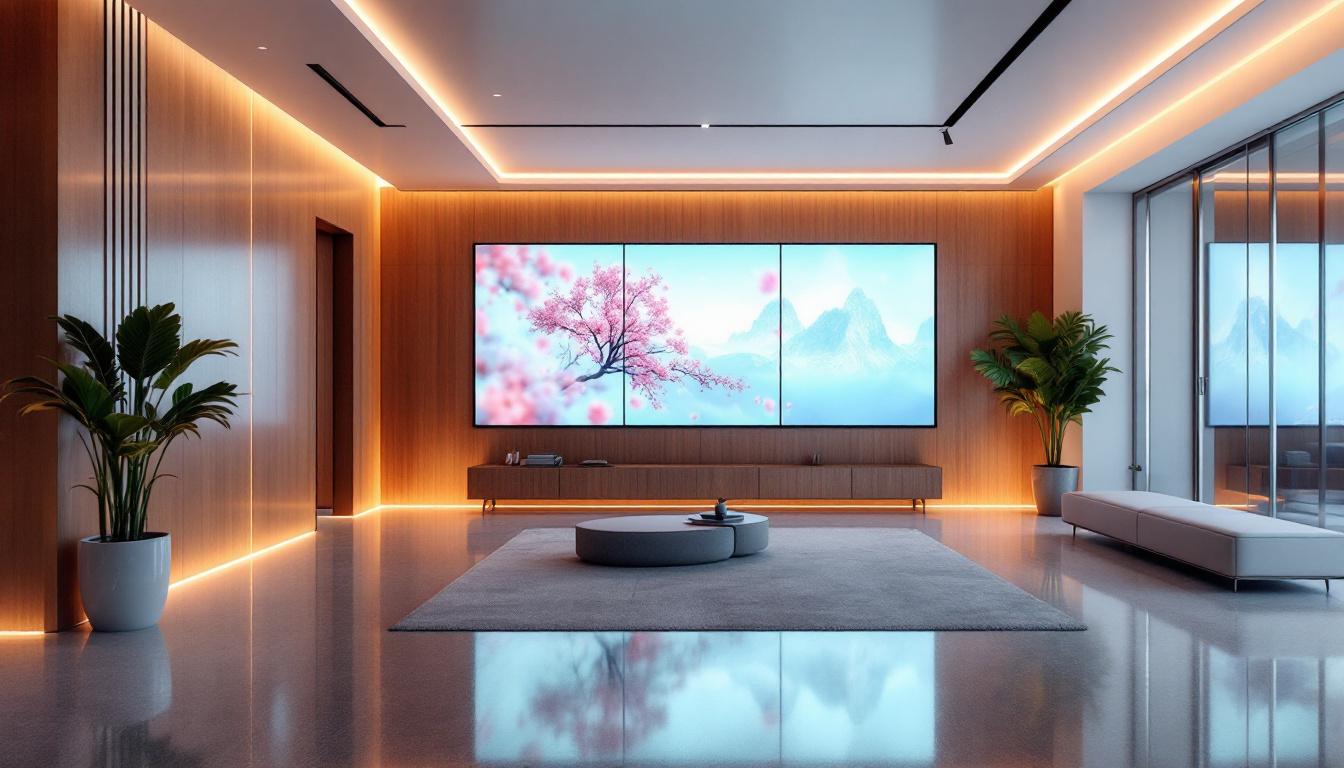
True LED displays, such as OLEDs or microLEDs, function differently. Each pixel emits its own light, allowing for deeper blacks and higher contrast ratios because pixels can be turned off individually. This results in richer images and more energy-efficient displays. Furthermore, these technologies enable a wider color gamut, which means that viewers can enjoy more accurate and vivid colors. The flexibility of microLEDs also opens up possibilities for modular displays, where screens can be assembled in various configurations to fit different spaces and applications, making them ideal for everything from home theaters to large-scale advertising installations.
Advantages of LED Screen Monitors
Superior Brightness and Contrast
One of the standout benefits of LED screen monitors is their superior brightness. LEDs can achieve luminance levels far beyond that of traditional LCDs, making these monitors ideal for environments with high ambient light, such as outdoor digital signage or brightly lit offices.
Additionally, LED technology offers improved contrast ratios. Since LEDs can be dimmed or turned off pixel-by-pixel, black levels are deeper and colors appear more vivid. This capability enhances image clarity and reduces eye strain during prolonged use. The enhanced contrast also plays a crucial role in applications requiring precise color accuracy, such as graphic design and video editing, where the distinction between shades can significantly affect the final output.
Energy Efficiency and Longevity
Energy consumption is a critical consideration for both consumers and businesses. LED monitors consume significantly less power than CCFL-backlit LCDs, contributing to lower electricity bills and reduced environmental impact. According to recent studies, LED-backlit monitors can use up to 30-40% less energy than their CCFL counterparts.
Moreover, LEDs have a longer lifespan, often exceeding 50,000 hours of use. This durability translates into reduced maintenance costs and less frequent replacements, making LED monitors a cost-effective investment in the long run. The longevity of LED technology also means that businesses can enjoy a more stable and reliable display solution, minimizing downtime and enhancing productivity in fast-paced work environments.
Thin and Lightweight Design
The compact size of LEDs allows manufacturers to design slimmer and lighter monitors without sacrificing performance. This advantage is particularly valuable in portable devices like laptops and tablets, where weight and thickness are critical factors.
For desktop and professional use, thinner monitors free up desk space and contribute to a cleaner, more modern aesthetic. This trend aligns with the increasing demand for minimalistic and ergonomic workspace designs. Additionally, the lightweight nature of LED monitors makes them easier to transport and set up, which is especially beneficial for professionals who frequently travel for presentations or collaborative projects. The ability to mount these monitors on walls or use them in multi-screen setups also enhances their versatility, catering to a wide range of user preferences and needs.
Applications of LED Screen Monitors
Consumer Electronics
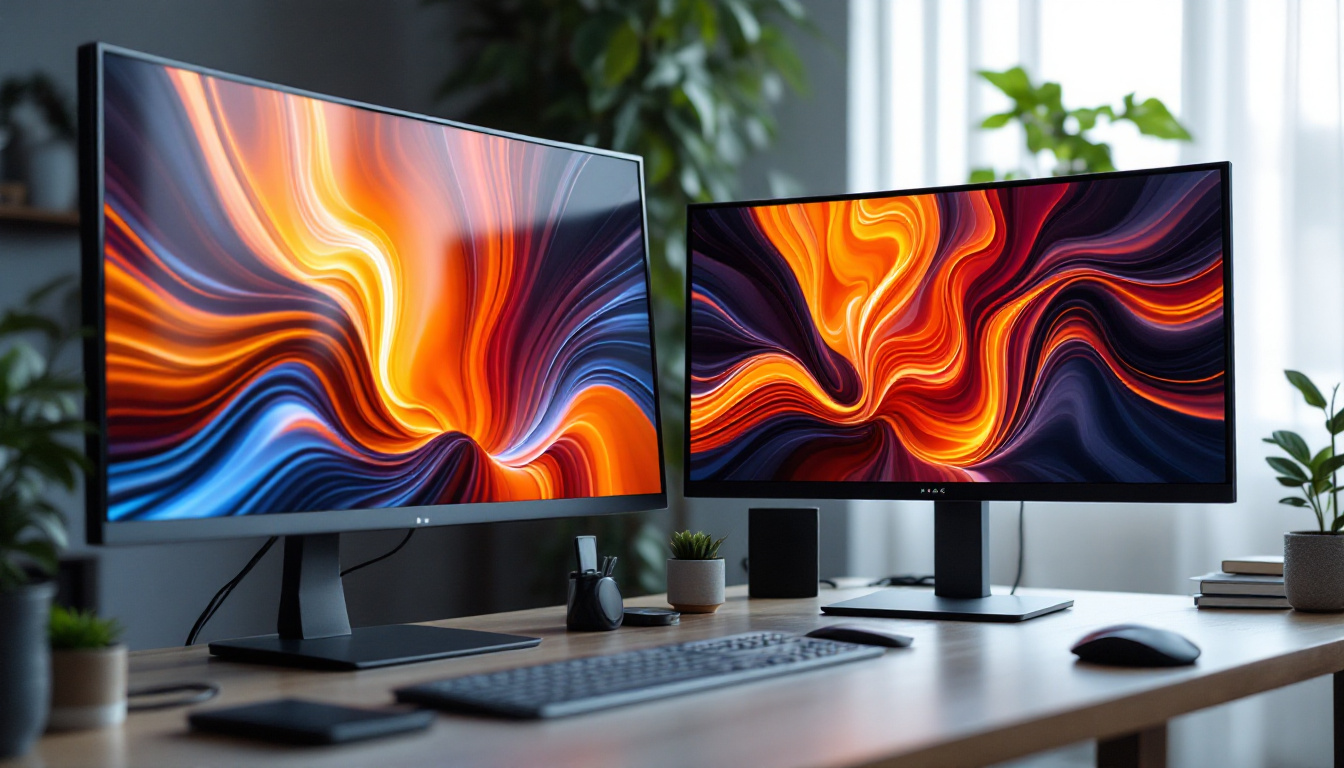
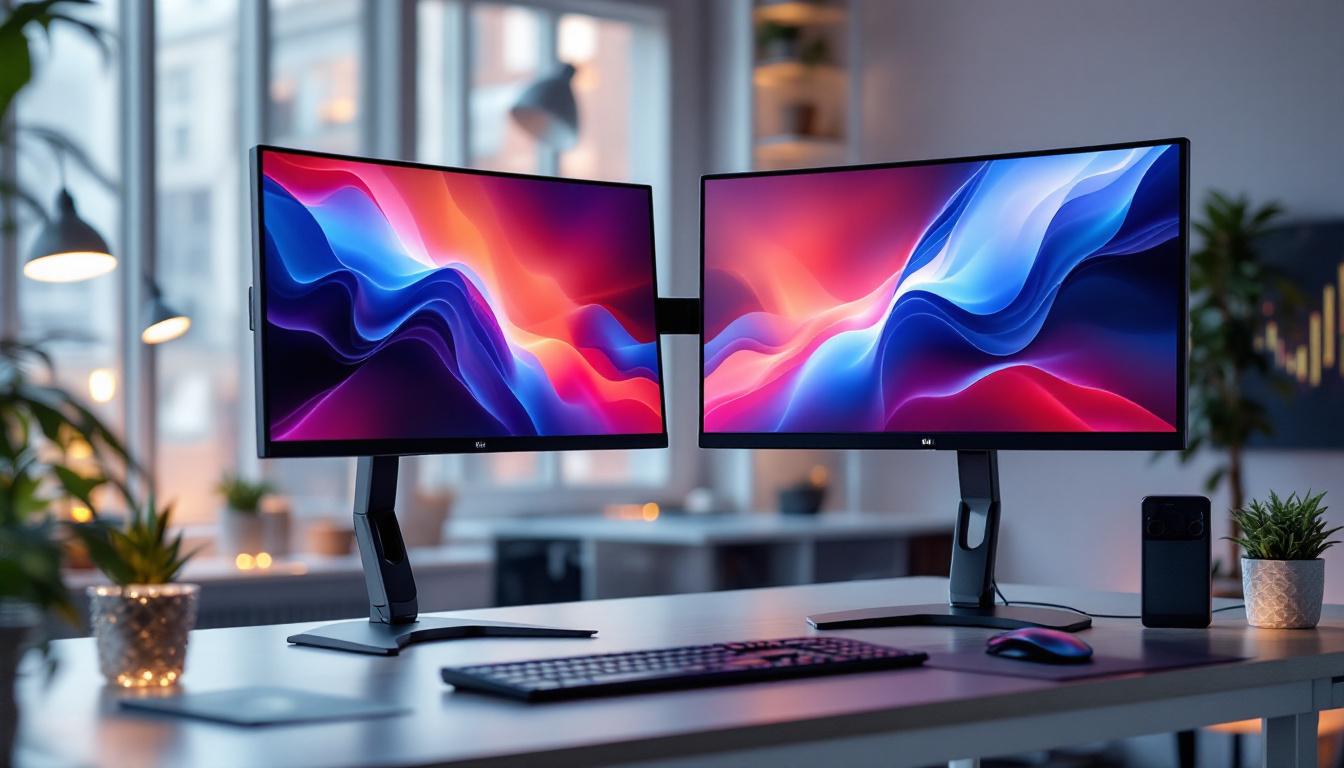
LED screen monitors have become the standard in consumer electronics, including televisions, computer monitors, smartphones, and tablets. Their ability to deliver vibrant colors and sharp images enhances user experience across gaming, streaming, and everyday computing tasks.
For instance, gaming monitors with LED technology often feature high refresh rates and low response times, providing smoother gameplay and reducing motion blur. This has made LED displays a favorite among professional and casual gamers alike. Additionally, many LED monitors now come equipped with adaptive sync technologies like NVIDIA G-SYNC or AMD FreeSync, which further minimize screen tearing and stuttering, allowing for an immersive gaming experience that feels fluid and responsive.
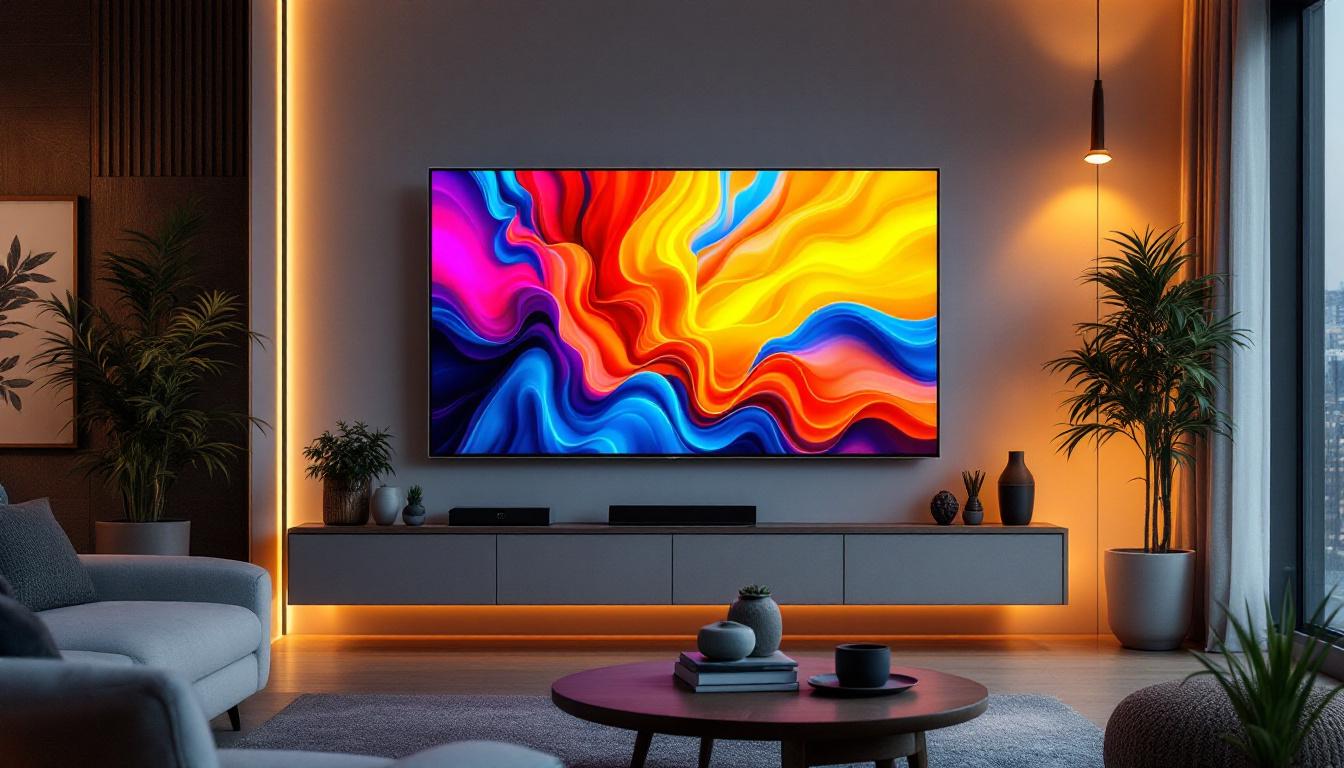
Moreover, the integration of smart technology in LED televisions has revolutionized home entertainment. With built-in streaming services, voice control, and smart home compatibility, consumers can enjoy a seamless viewing experience that goes beyond traditional broadcasting. This convergence of technology not only enhances usability but also allows for personalized content recommendations, making it easier for users to discover new shows and movies tailored to their preferences.
Commercial and Industrial Use
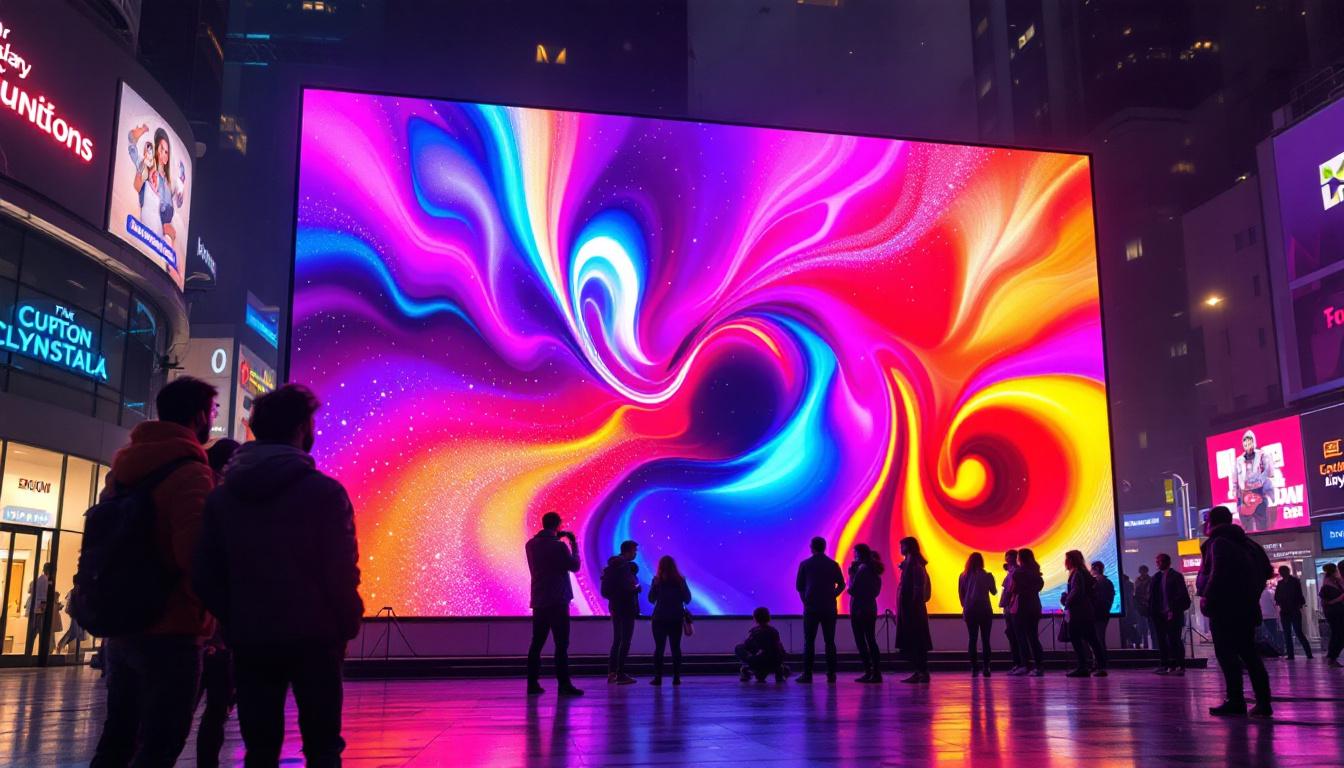
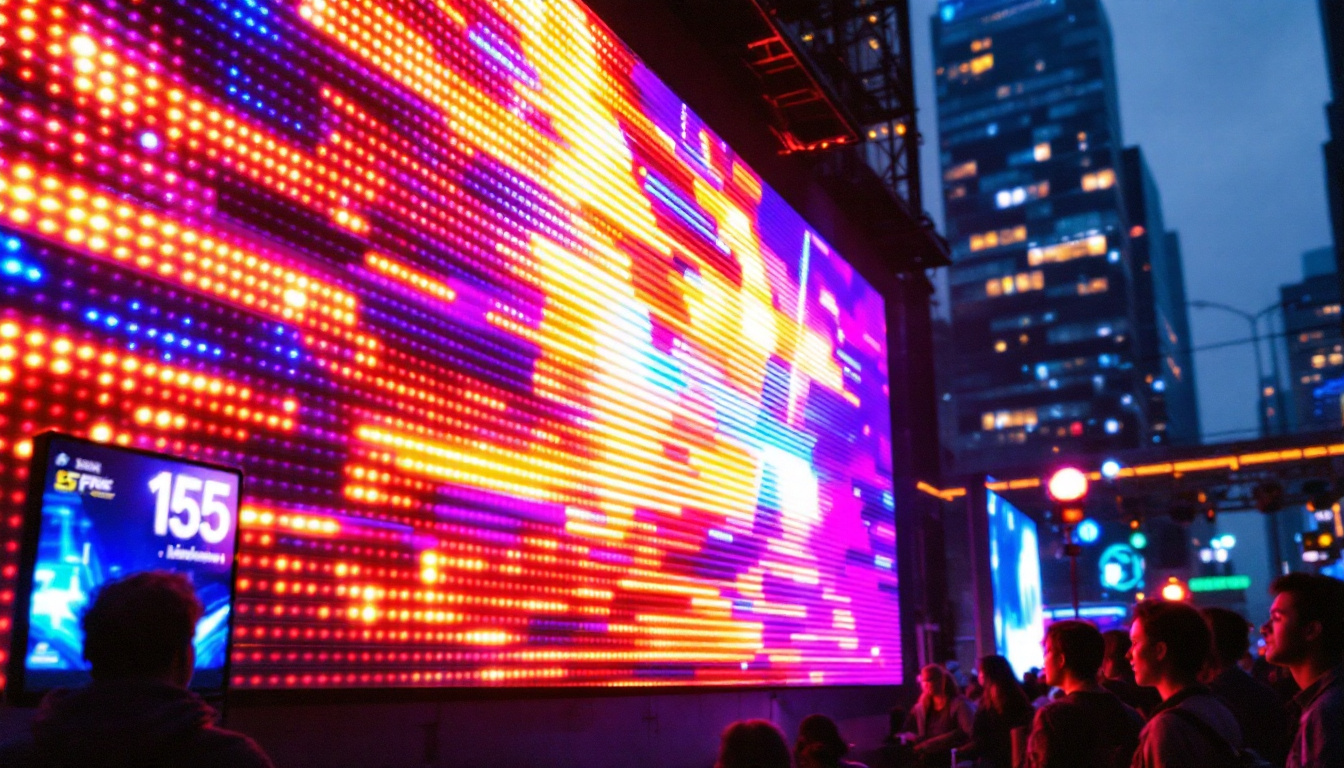
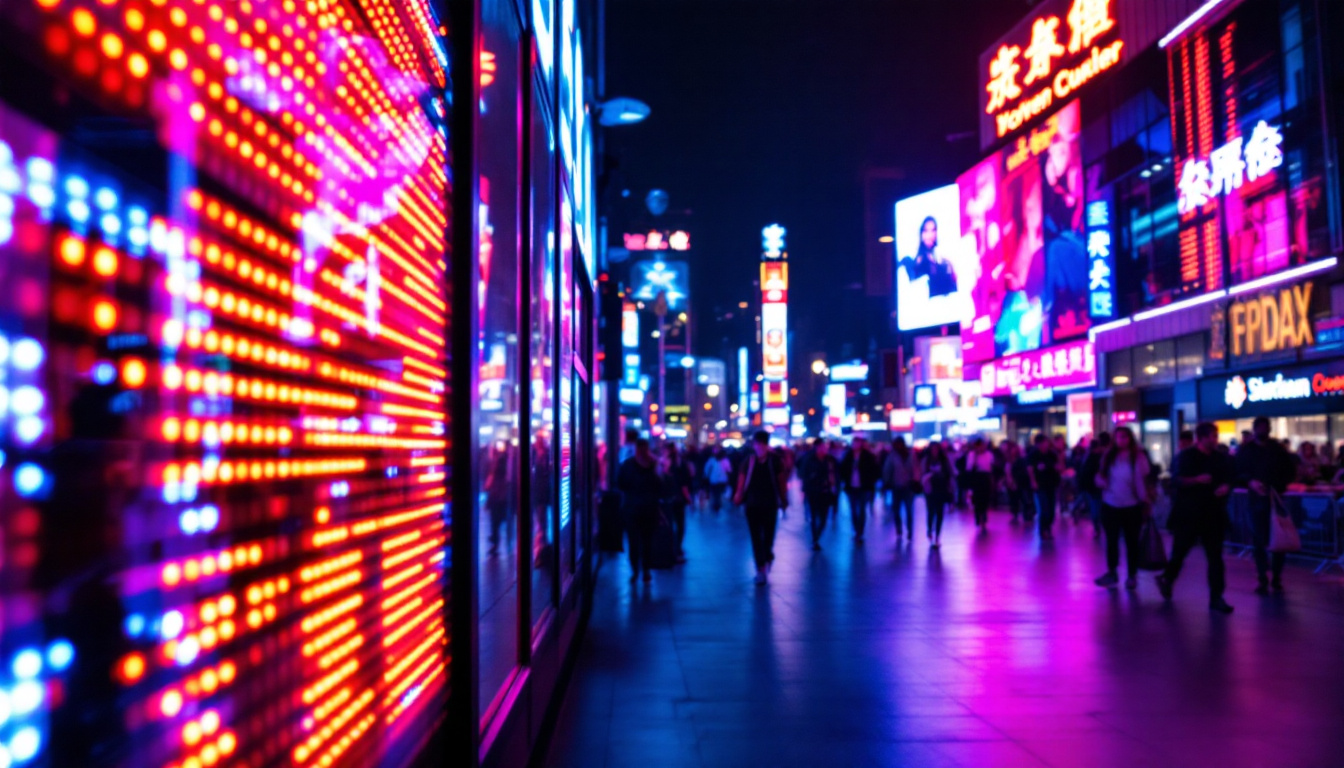
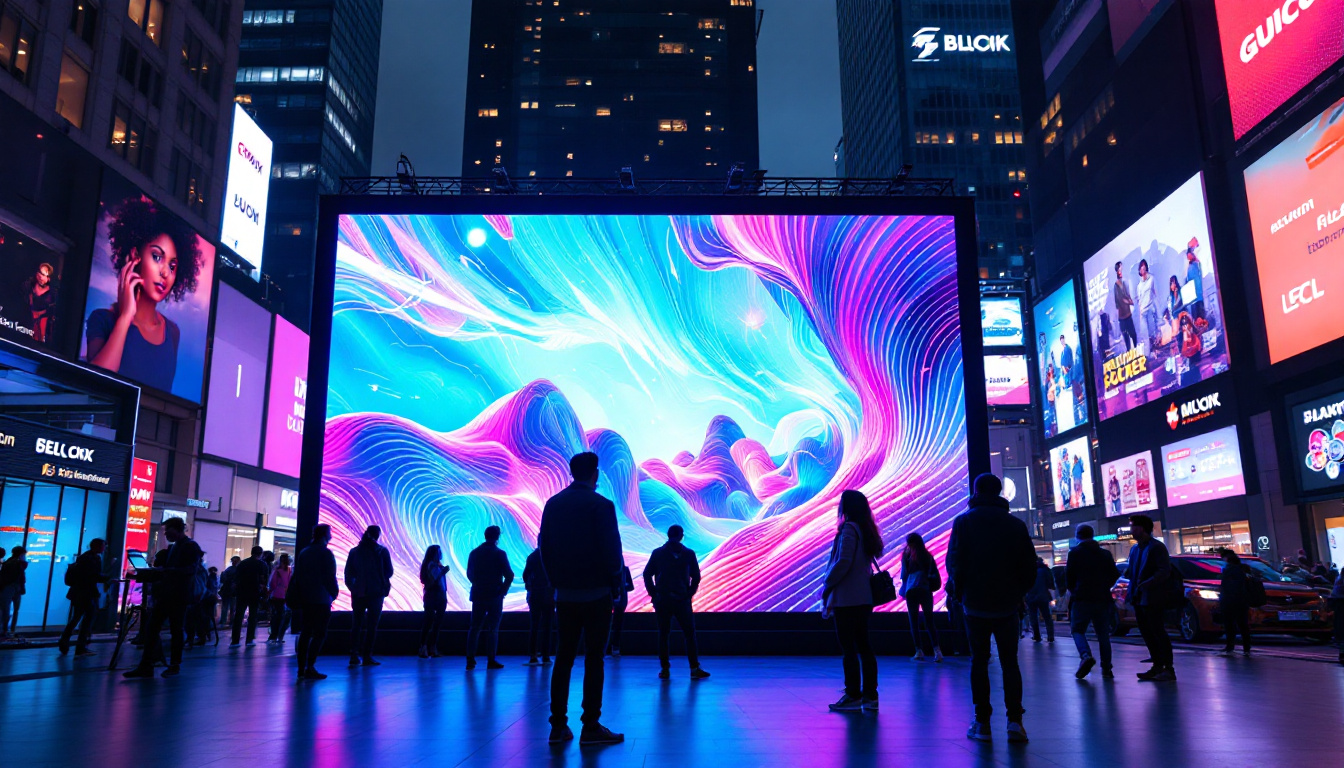
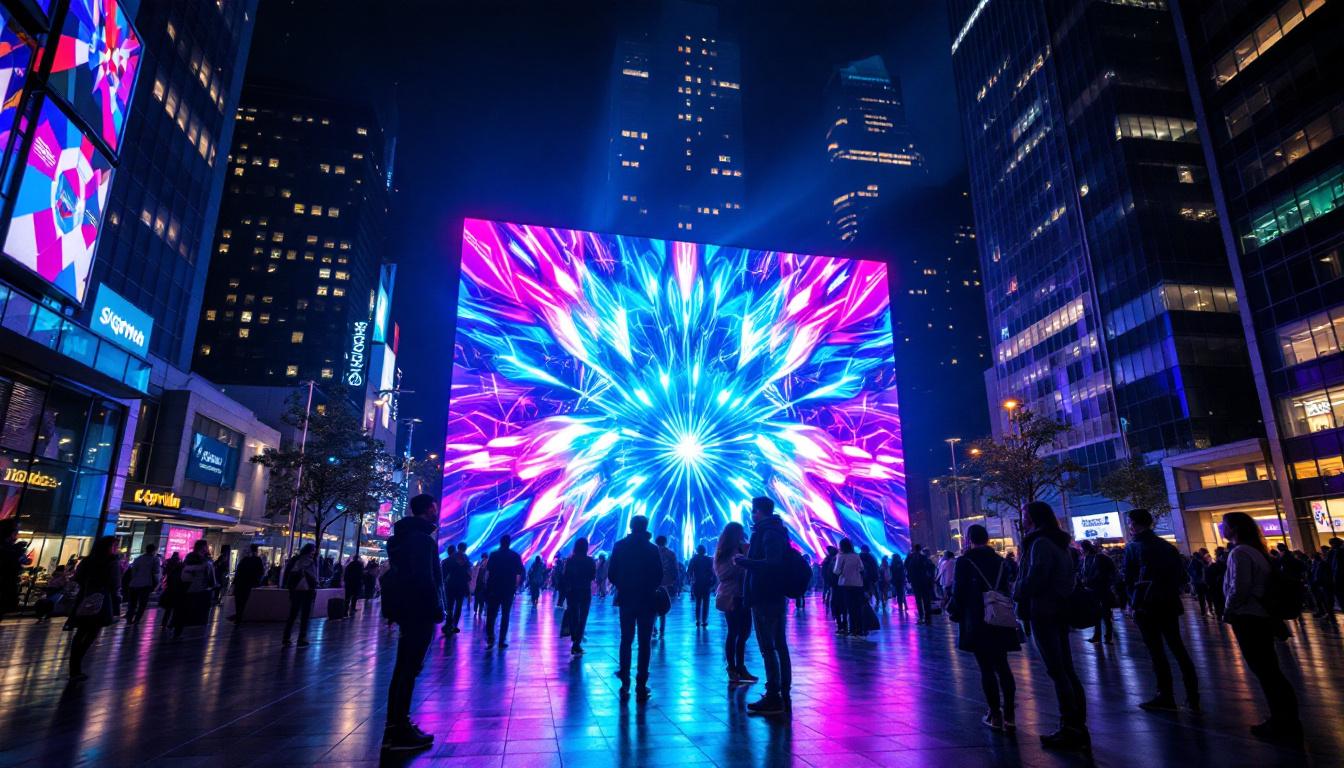
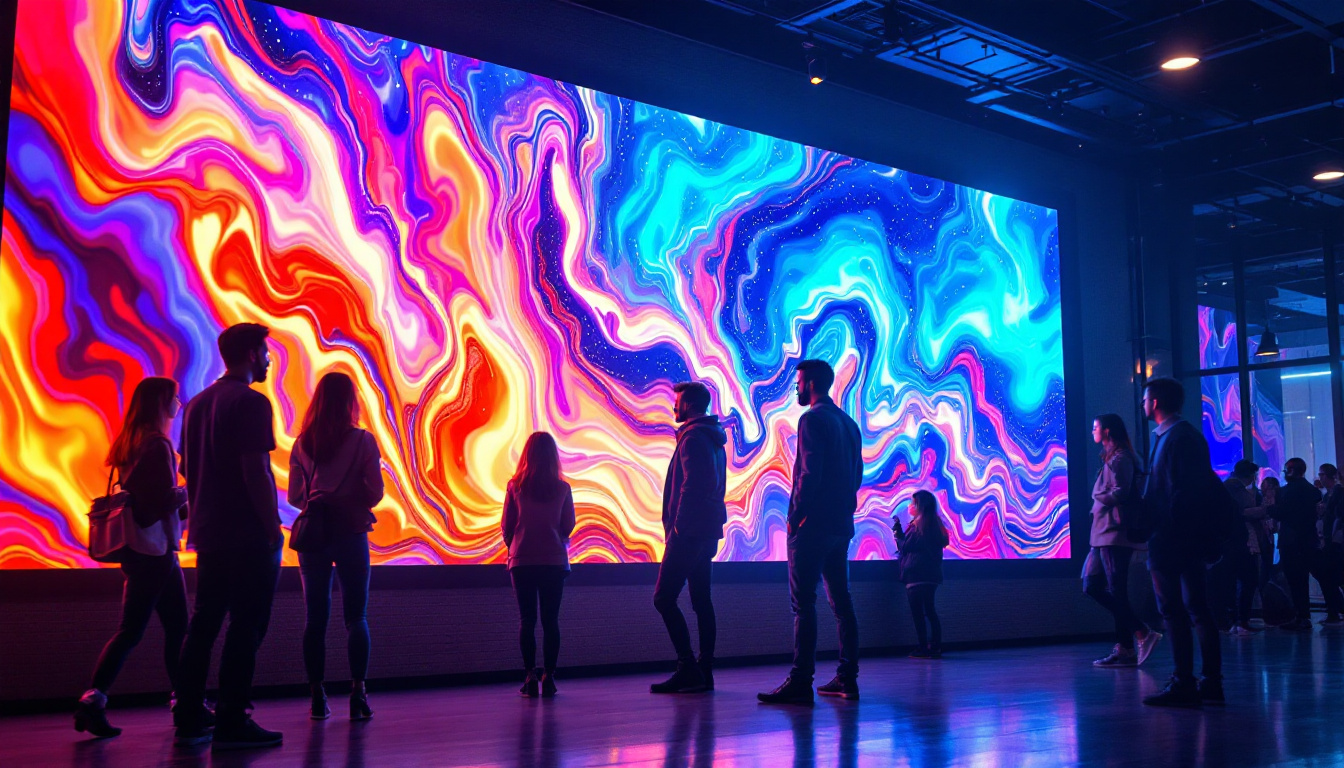
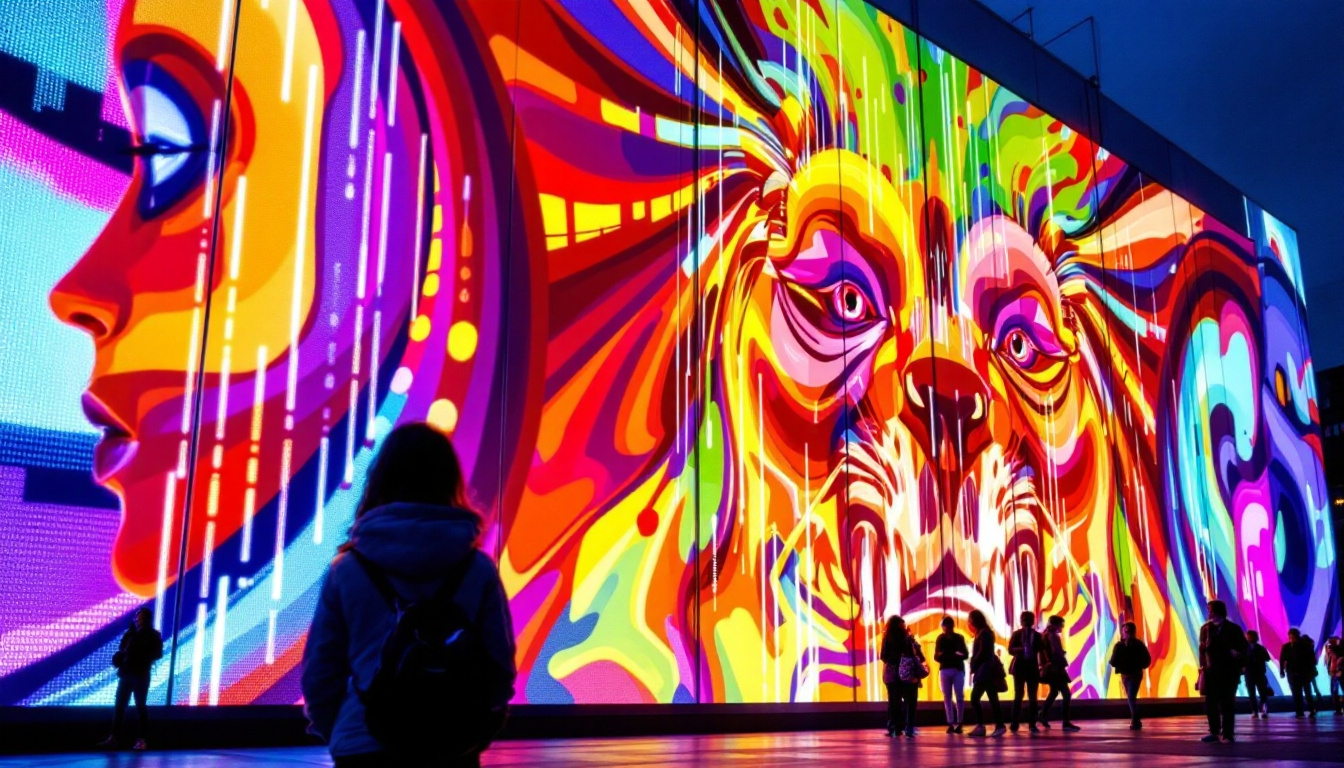
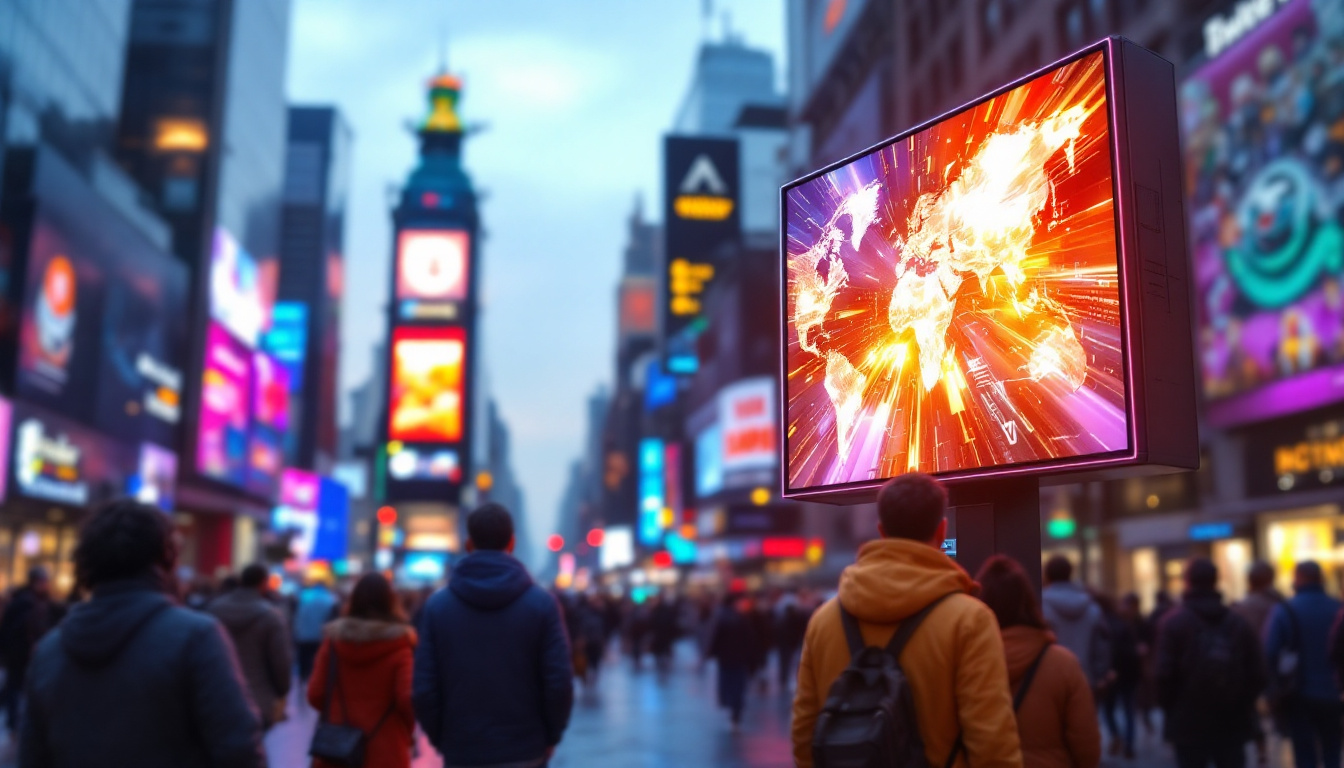
In the commercial sector, LED displays are widely used for advertising, information dissemination, and entertainment. Digital billboards, stadium screens, and retail signage leverage the high brightness and scalability of LED technology to capture audience attention effectively.
Industrial applications also benefit from LED monitors, especially in control rooms and monitoring stations where clear, reliable displays are essential for safety and operational efficiency. The durability of LED screens makes them ideal for environments that require constant monitoring, such as power plants or transportation hubs, where real-time data visualization can be critical. Furthermore, the ability to customize the size and shape of LED displays allows businesses to create unique installations that fit their specific needs, enhancing both functionality and aesthetic appeal.
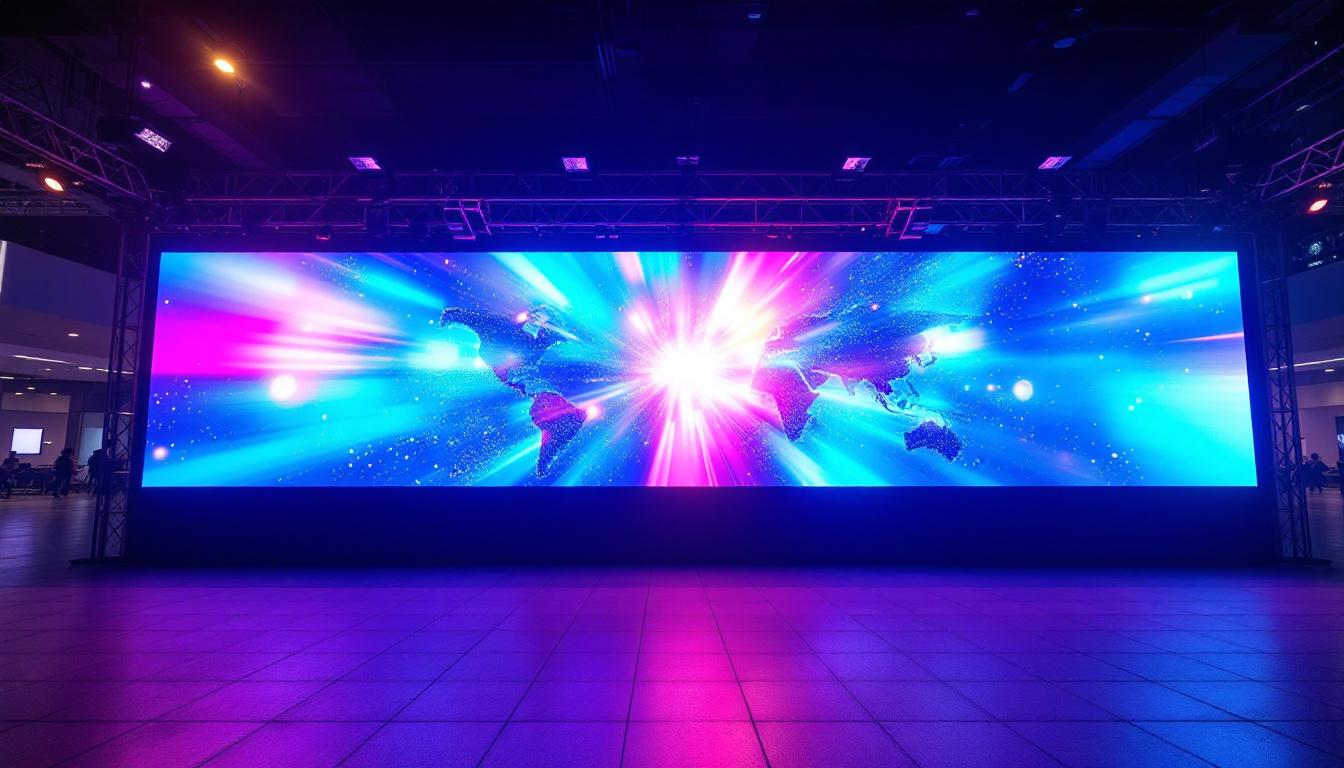
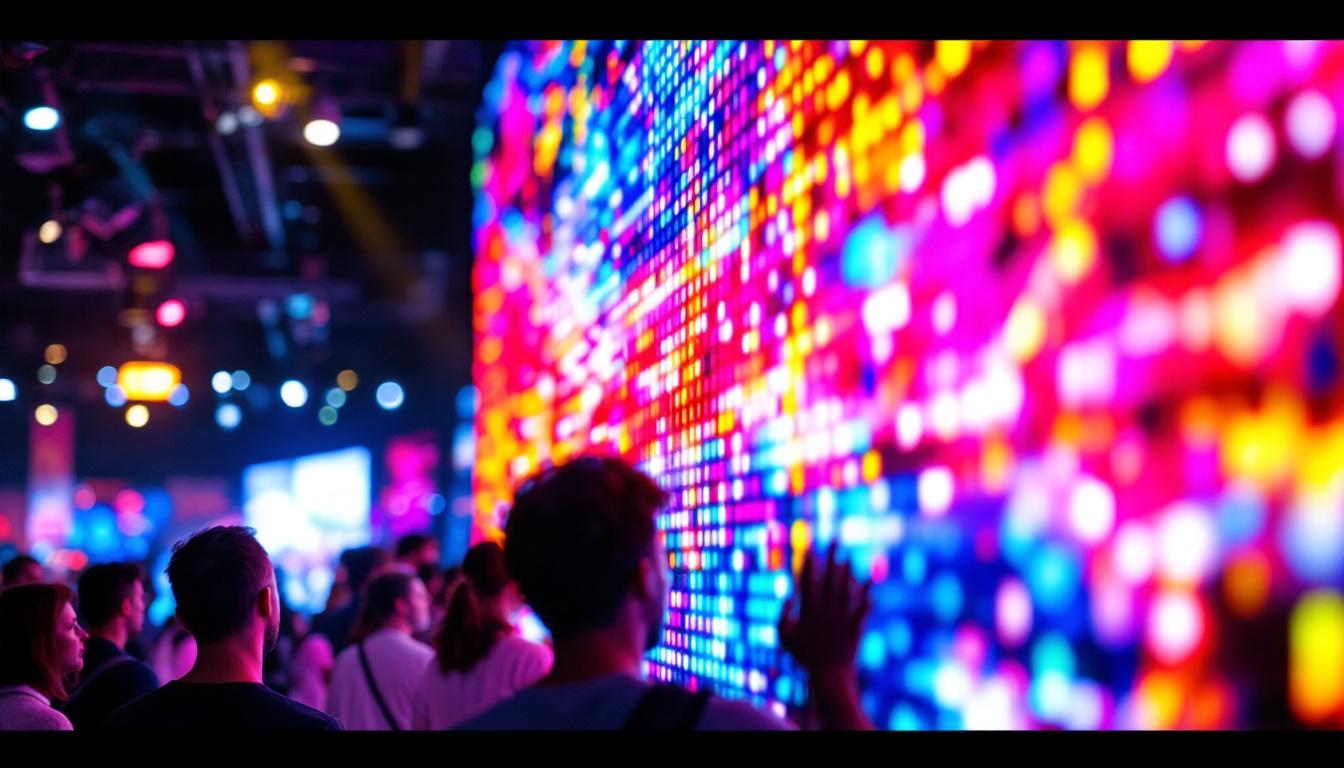
In addition, LED technology is increasingly being utilized in event management, where large-scale displays are set up for concerts, conferences, and exhibitions. These versatile screens can be configured to show dynamic content, such as live feeds, interactive presentations, or promotional videos, ensuring that audiences remain engaged and informed throughout the event.
Medical and Professional Fields
High-resolution LED monitors are increasingly employed in medical imaging, graphic design, and video production. Their color accuracy and sharpness are critical for tasks that require precise visual details, such as radiology scans or digital artwork.
In these fields, the reliability and longevity of LED technology ensure consistent performance over extended periods, supporting professionals in delivering high-quality results. For instance, in radiology, the use of LED monitors with high dynamic range (HDR) capabilities allows for better visualization of subtle differences in tissue density, which can be crucial for accurate diagnoses. Similarly, graphic designers rely on LED displays that support wide color gamuts to ensure that their work appears as intended across various platforms.
Moreover, the medical field is also seeing advancements with the integration of LED monitors in telemedicine. High-definition displays facilitate remote consultations, allowing healthcare providers to examine patients effectively from a distance. This not only improves accessibility to medical care but also enhances collaborative efforts among specialists, as they can share and review high-quality images and data in real-time, leading to better patient outcomes.
Key Considerations When Choosing an LED Screen Monitor
Resolution and Screen Size
The resolution of an LED monitor determines the clarity and detail of the displayed image. Common resolutions include Full HD (1920×1080), Quad HD (2560×1440), and 4K UHD (3840×2160). Higher resolutions are particularly beneficial for large screens and professional applications where fine detail is crucial.
Screen size should be chosen based on the intended use and viewing distance. For example, a 27-inch monitor with 4K resolution is ideal for graphic designers, while a 24-inch Full HD monitor may suffice for general office work.
Refresh Rate and Response Time
Refresh rate, measured in hertz (Hz), indicates how many times per second the display updates its image. Higher refresh rates (120Hz, 144Hz, or more) result in smoother motion, which is important for gaming and video editing.
Response time refers to how quickly a pixel changes color, affecting motion clarity. Lower response times reduce ghosting and blurring, enhancing the viewing experience during fast-paced scenes.
Color Accuracy and Calibration
Color accuracy is vital for professionals working with images and videos. Monitors with wide color gamut support (such as Adobe RGB or DCI-P3) and factory calibration ensure that colors are reproduced faithfully.
Many high-end LED monitors come with calibration tools or software, allowing users to maintain consistent color performance over time.
Emerging Trends and the Future of LED Displays
MicroLED and OLED Technologies
While traditional LED-backlit LCDs dominate the market, emerging technologies like microLED and OLED are reshaping the display landscape. MicroLED displays consist of microscopic LEDs that serve as individual pixels, offering superior brightness, contrast, and energy efficiency without the burn-in issues associated with OLEDs.
OLED (Organic LED) technology, where each pixel emits light independently, provides exceptional color accuracy and contrast. However, it is generally more expensive and has a shorter lifespan compared to microLEDs.
Flexible and Transparent Displays
Innovations in LED technology have led to the development of flexible and transparent displays. These advancements open new possibilities for design and application, such as curved monitors, foldable devices, and see-through advertising panels.
Flexible LED displays are gaining traction in wearable technology and automotive dashboards, while transparent screens are being explored for retail and architectural integration.
Integration with Smart Technologies
LED monitors are increasingly integrated with smart features, including voice control, AI-driven image optimization, and IoT connectivity. These enhancements improve user interaction and adapt display settings based on ambient conditions or content type.
For example, some modern LED monitors automatically adjust brightness and color temperature to reduce eye strain during extended use, contributing to healthier viewing habits.
Conclusion
LED screen monitors represent a significant advancement in display technology, offering superior brightness, energy efficiency, and image quality compared to traditional displays. Their versatility across consumer, commercial, and professional applications underscores their importance in today’s digital ecosystem.
As emerging technologies like microLED and OLED continue to mature, the future of LED displays promises even greater innovation, including flexible form factors, enhanced color accuracy, and smarter integration. Understanding the fundamentals and benefits of LED screen monitors equips consumers and professionals alike to make informed decisions tailored to their specific needs.
Discover LumenMatrix’s Innovative LED Displays
Ready to experience the future of display technology with unparalleled brightness, energy efficiency, and image quality? LumenMatrix is at the forefront of LED innovation, offering a diverse range of LED display modules designed to elevate your visual communication. Whether you need an Indoor LED Wall Display for a corporate event, an Outdoor LED Wall Display for impactful advertising, or any of our specialized solutions like Vehicle LED Displays and LED Sports Displays, LumenMatrix has the cutting-edge technology to bring your vision to life. Don’t miss the opportunity to transform your space with our captivating LED solutions. Check out LumenMatrix LED Display Solutions today and see how we can help you create unforgettable visual experiences.