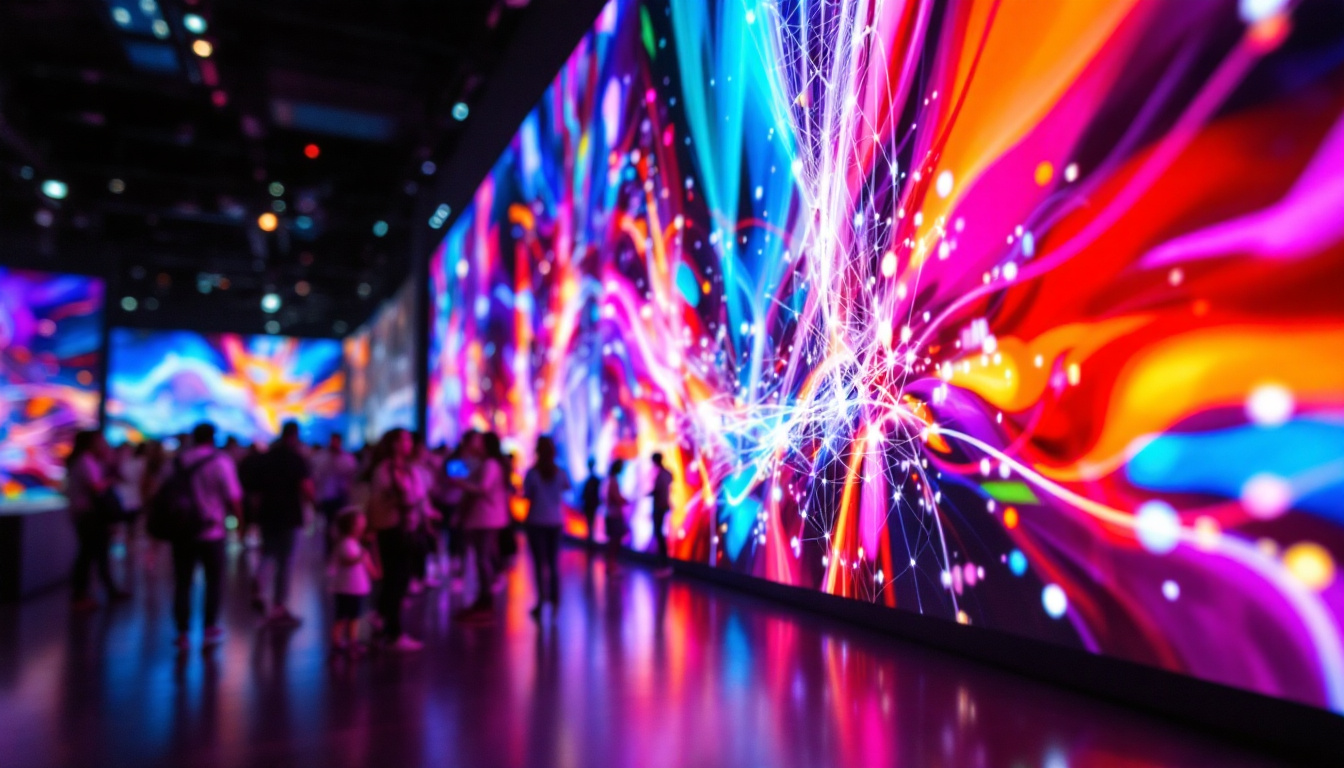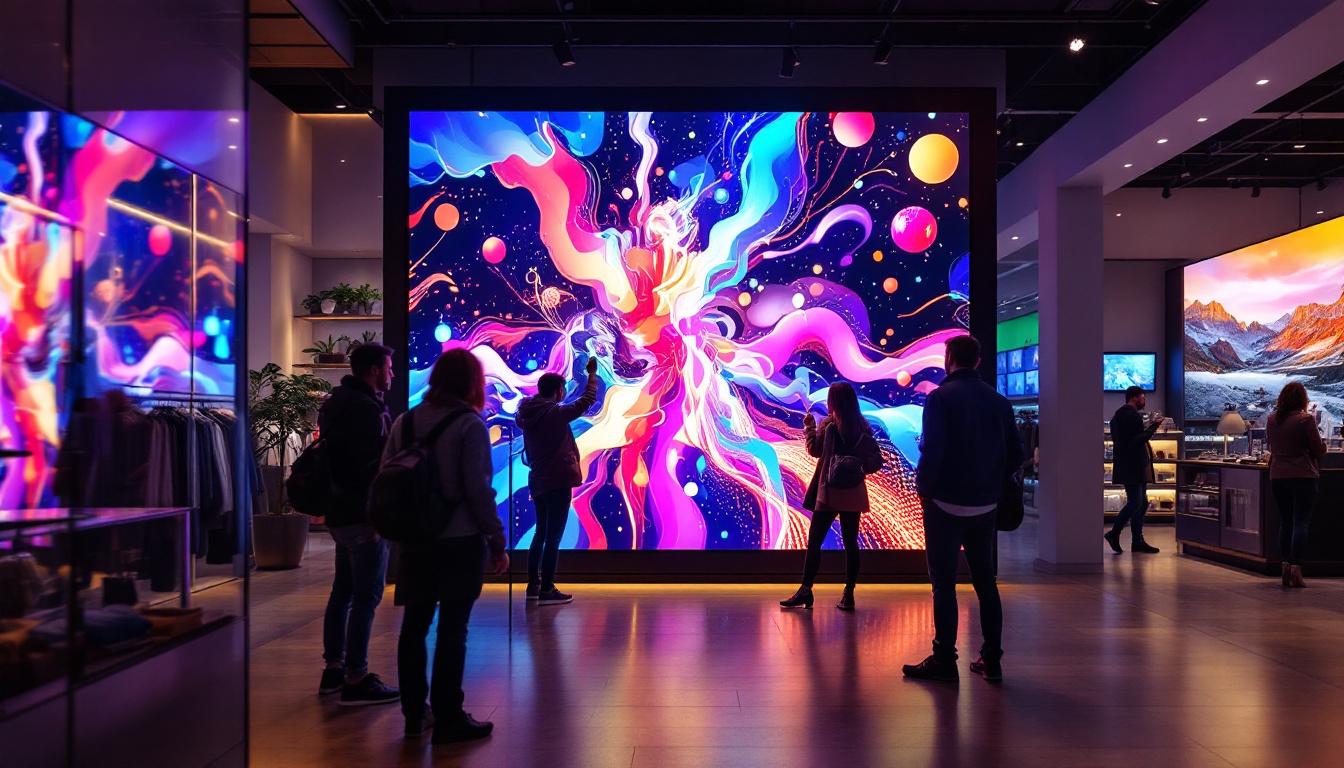
In the dynamic world of retail and stock management, effective display solutions are crucial for attracting attention, conveying information, and ultimately driving sales. Among the various technologies available, LED displays have emerged as a leading choice due to their versatility, brightness, and energy efficiency. This article delves into the fundamentals of LED displays, exploring their technology, applications in stock display, benefits, and considerations for businesses looking to integrate them into their environments.
Understanding LED Display Technology
What is an LED Display?
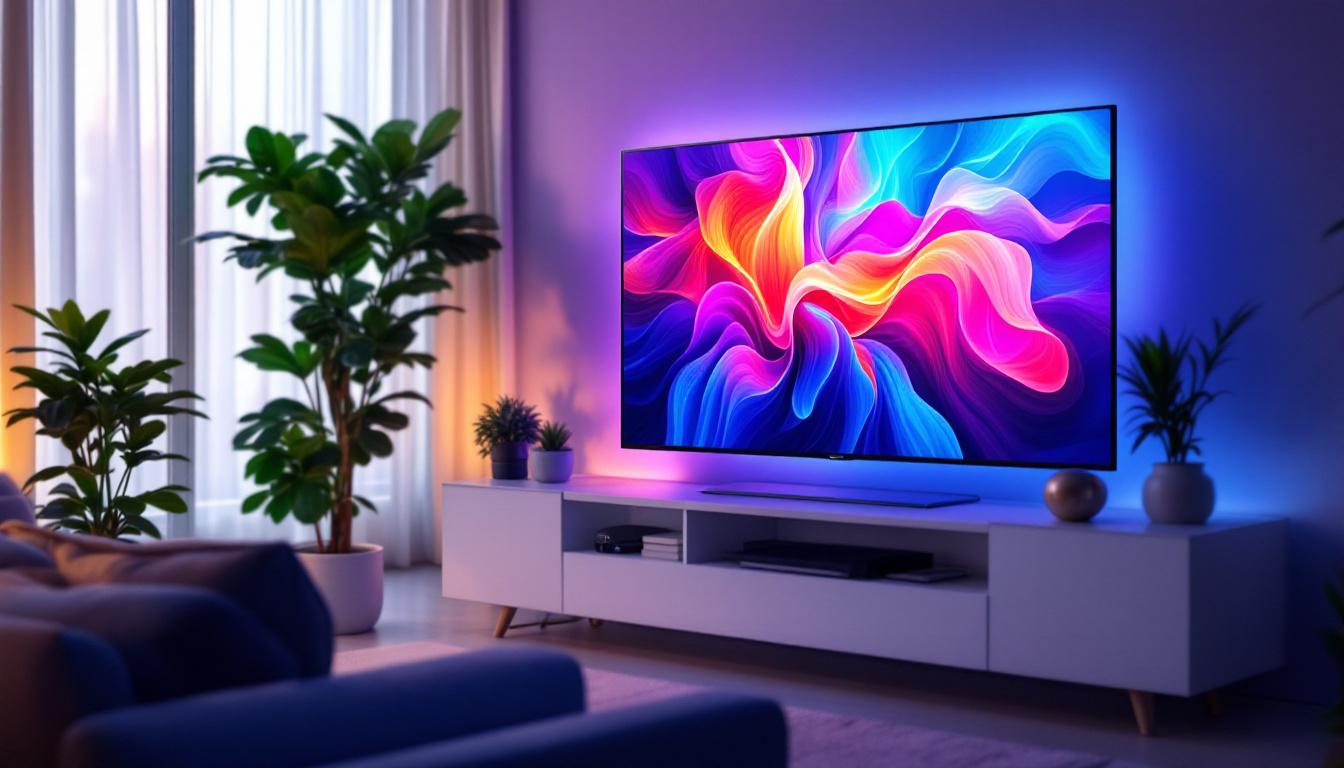
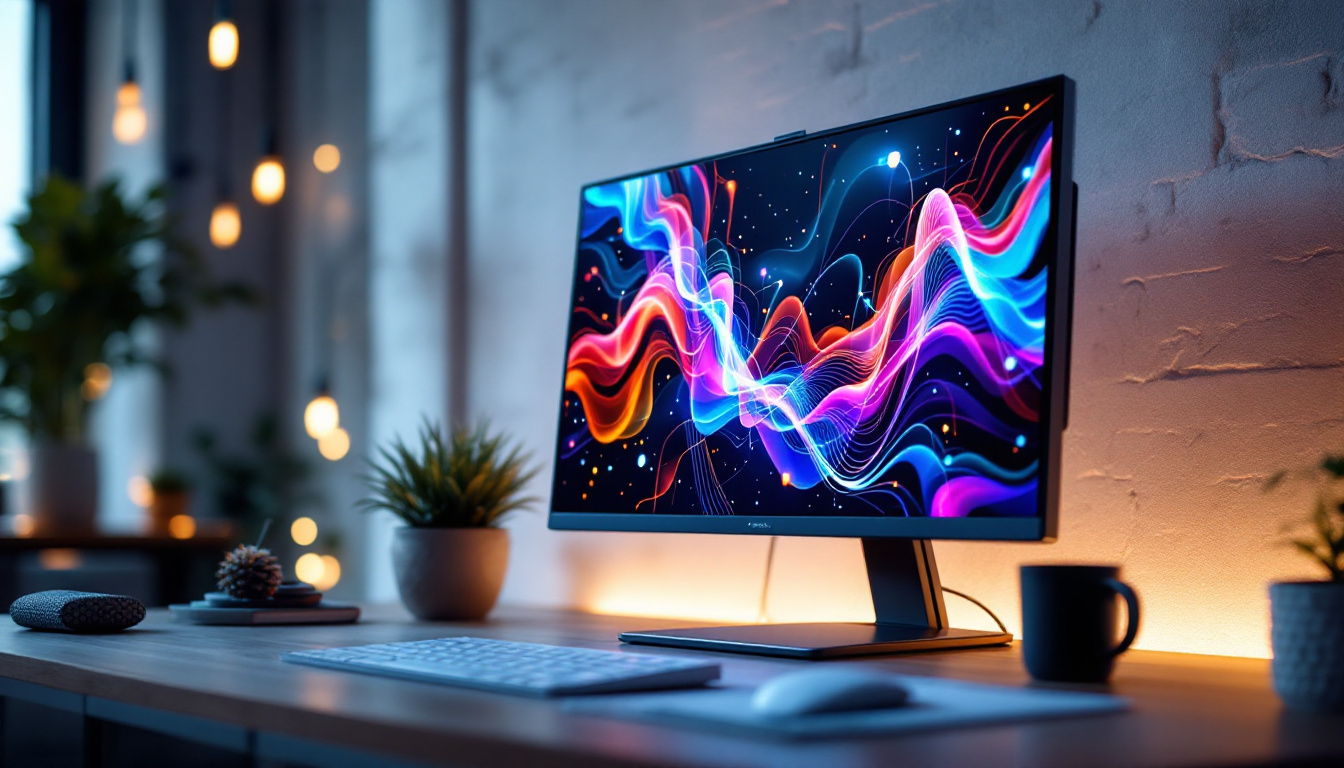
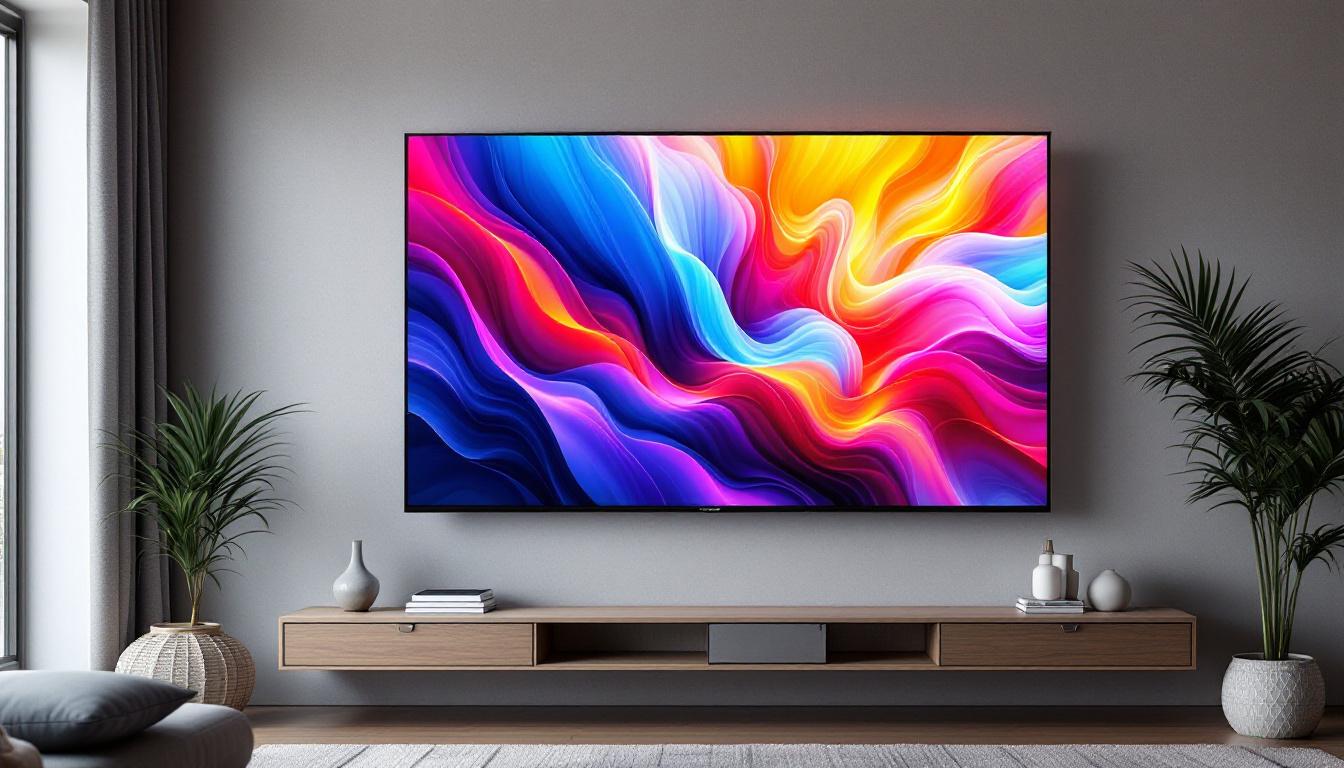
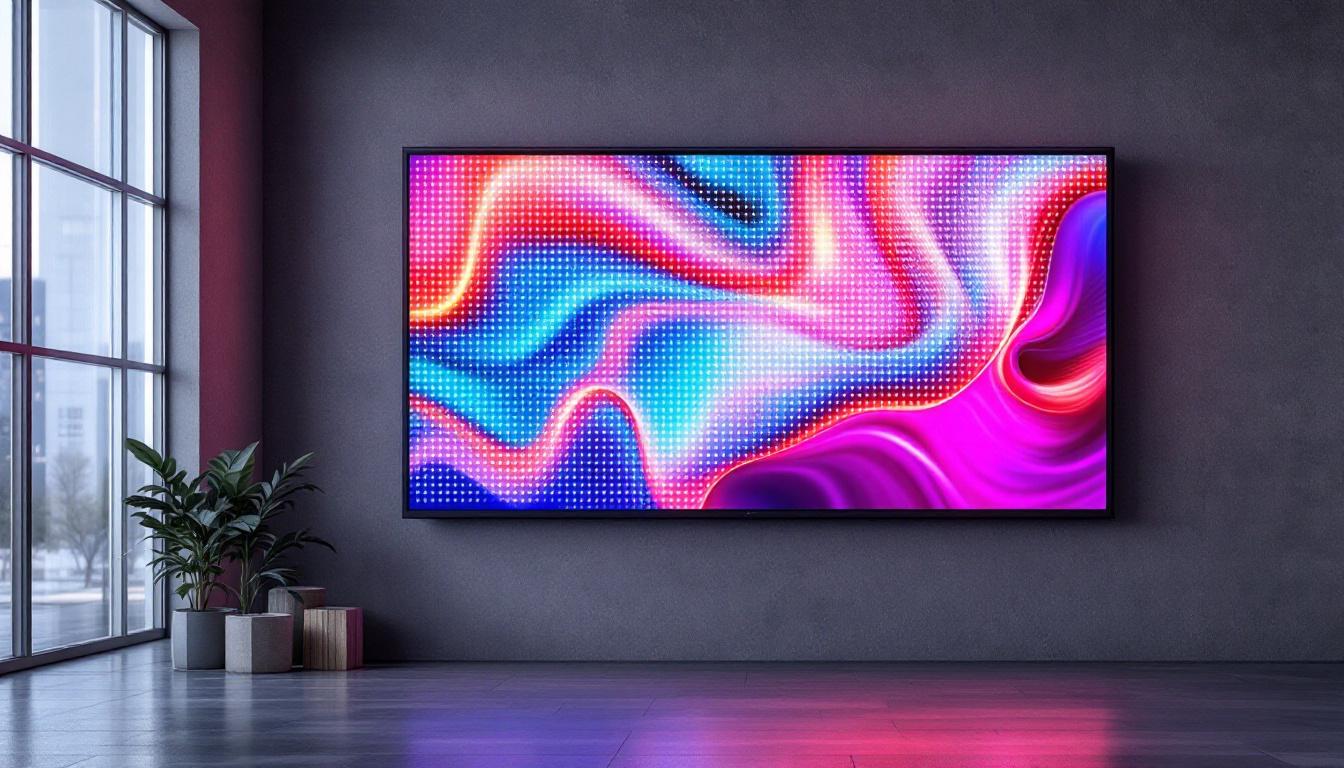
LED stands for Light Emitting Diode, a semiconductor device that emits light when an electric current passes through it. An LED display is a flat panel or flexible surface that uses an array of these tiny LEDs to create images, text, or video. Unlike traditional LCD or plasma screens, LED displays can be incredibly bright and visible even in direct sunlight, making them ideal for both indoor and outdoor use.
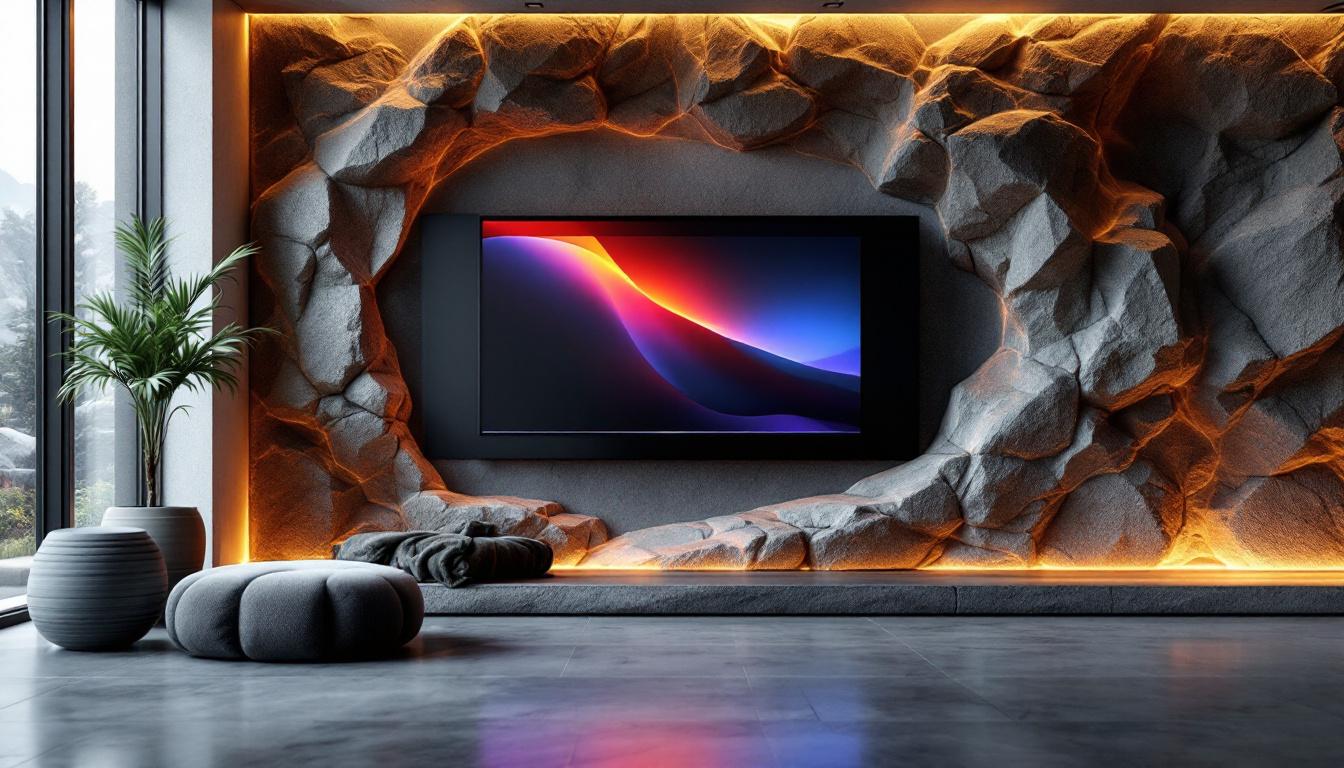
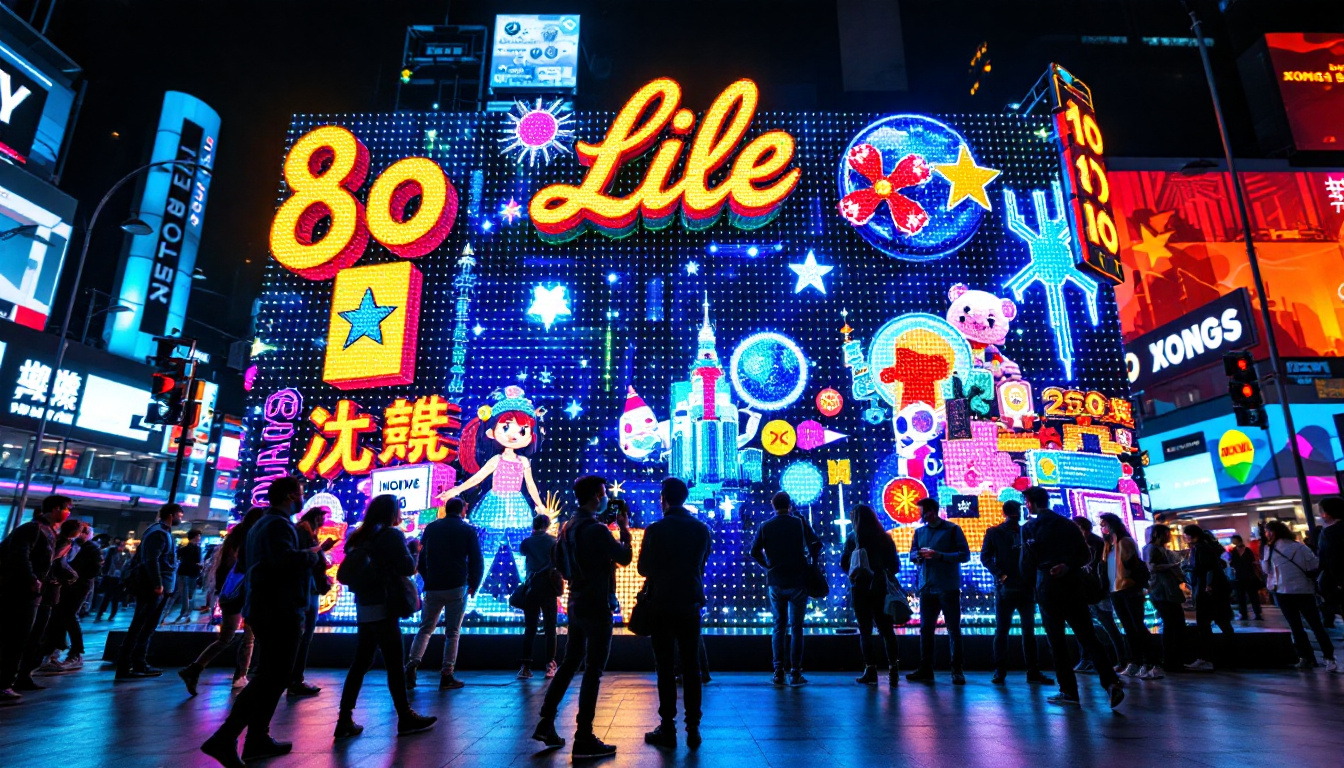
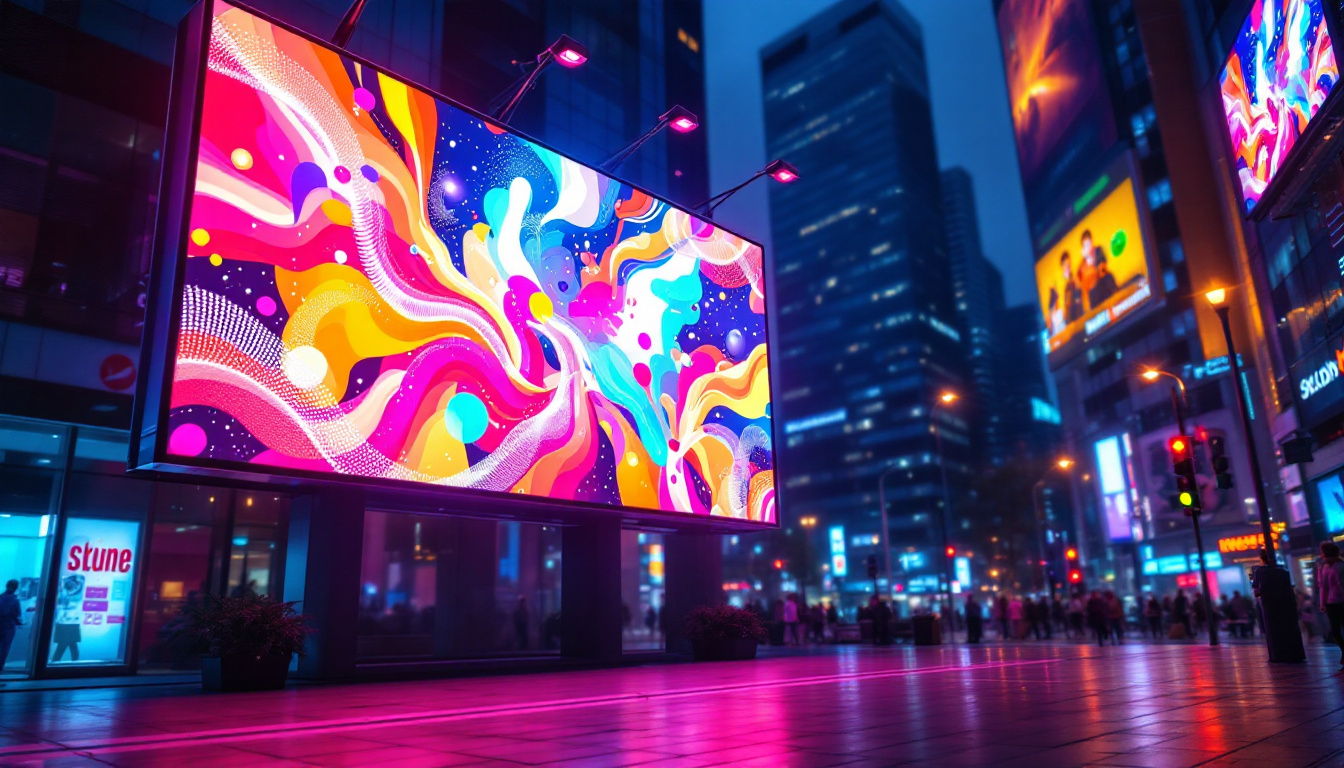
These displays can vary in size from small digital price tags to massive billboards spanning thousands of square feet. The technology behind LED displays has evolved significantly over the past decade, improving resolution, color accuracy, and energy efficiency. For instance, advancements in microLED technology have paved the way for displays that are not only thinner and lighter but also capable of delivering stunning visuals with improved contrast ratios and deeper blacks. This has opened up new possibilities for creative installations in public spaces, entertainment venues, and even in residential settings.
How LED Displays Work
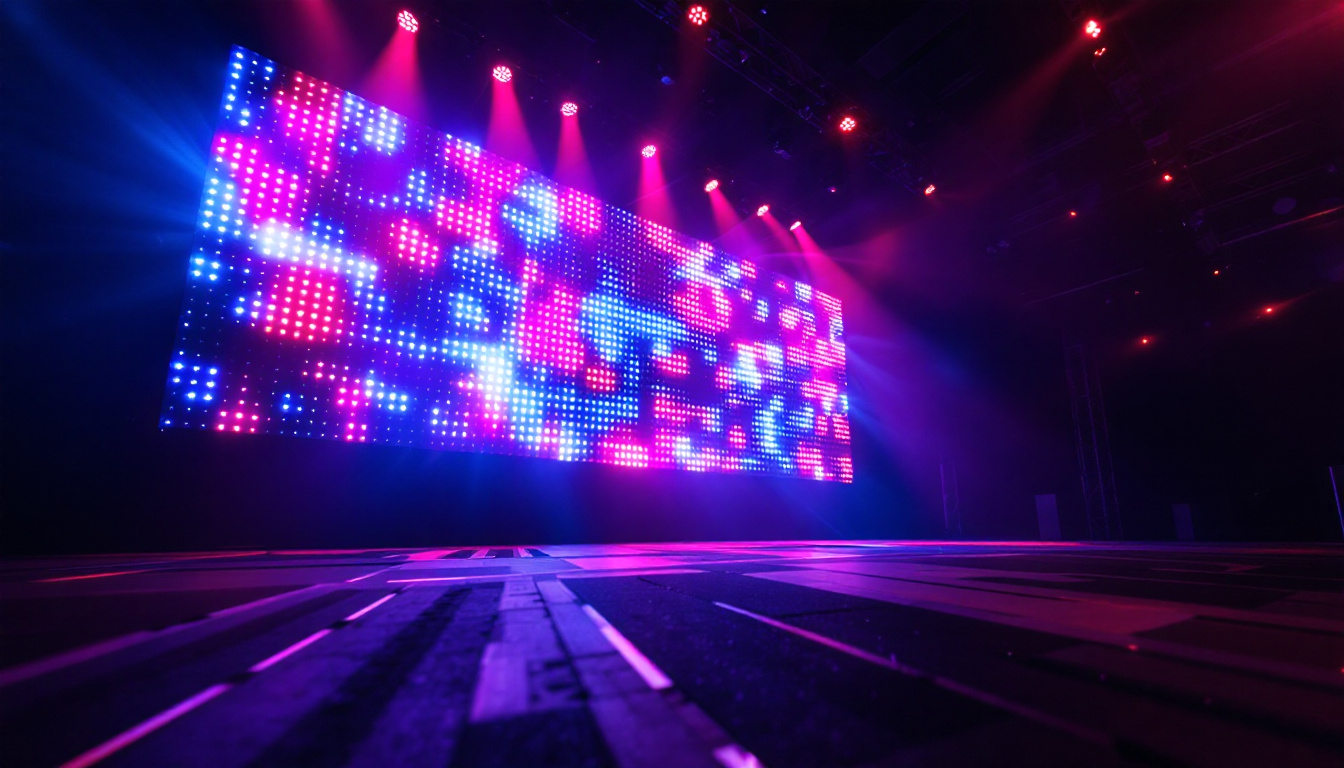
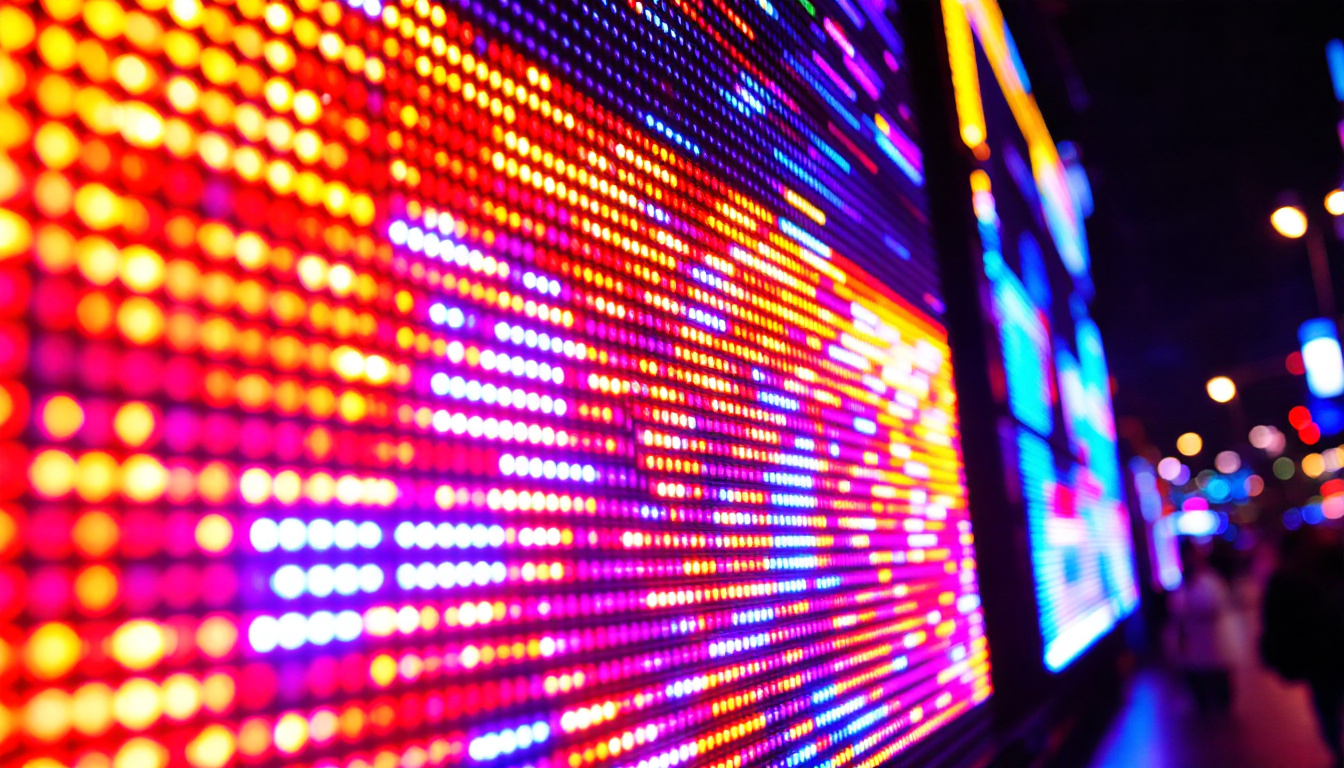
At the core of an LED display are individual diodes arranged in a grid format. Each diode acts as a pixel that can emit light in red, green, and blue (RGB) colors. By adjusting the intensity of these primary colors, the display can produce a full spectrum of colors. The control system behind the display manages the timing and brightness of each LED to render images and videos seamlessly. This precision in control allows for dynamic content that can adapt to various lighting conditions, ensuring optimal visibility at all times.
Modern LED displays use surface-mount technology (SMT) to place LEDs closely together, resulting in higher resolution and sharper images. The pixel pitch, which is the distance between the centers of two adjacent LEDs, determines the display’s clarity; smaller pixel pitches mean higher resolution and better image quality. Furthermore, the integration of smart technology into LED displays has enabled features such as real-time content updates and remote management, making it easier for businesses to engage their audience with timely information and advertisements. This capability is particularly beneficial in environments like sports arenas or concert venues, where content may need to change rapidly to keep up with the event’s pace.
Applications of LED Displays in Stock Display
Enhancing Retail Environments
In retail settings, LED displays serve as dynamic signage solutions that can showcase product information, promotions, and real-time stock updates. For example, supermarkets and electronics stores often use LED price tags and shelf-edge displays that update automatically to reflect current pricing and inventory levels. This not only reduces manual labor but also minimizes pricing errors.
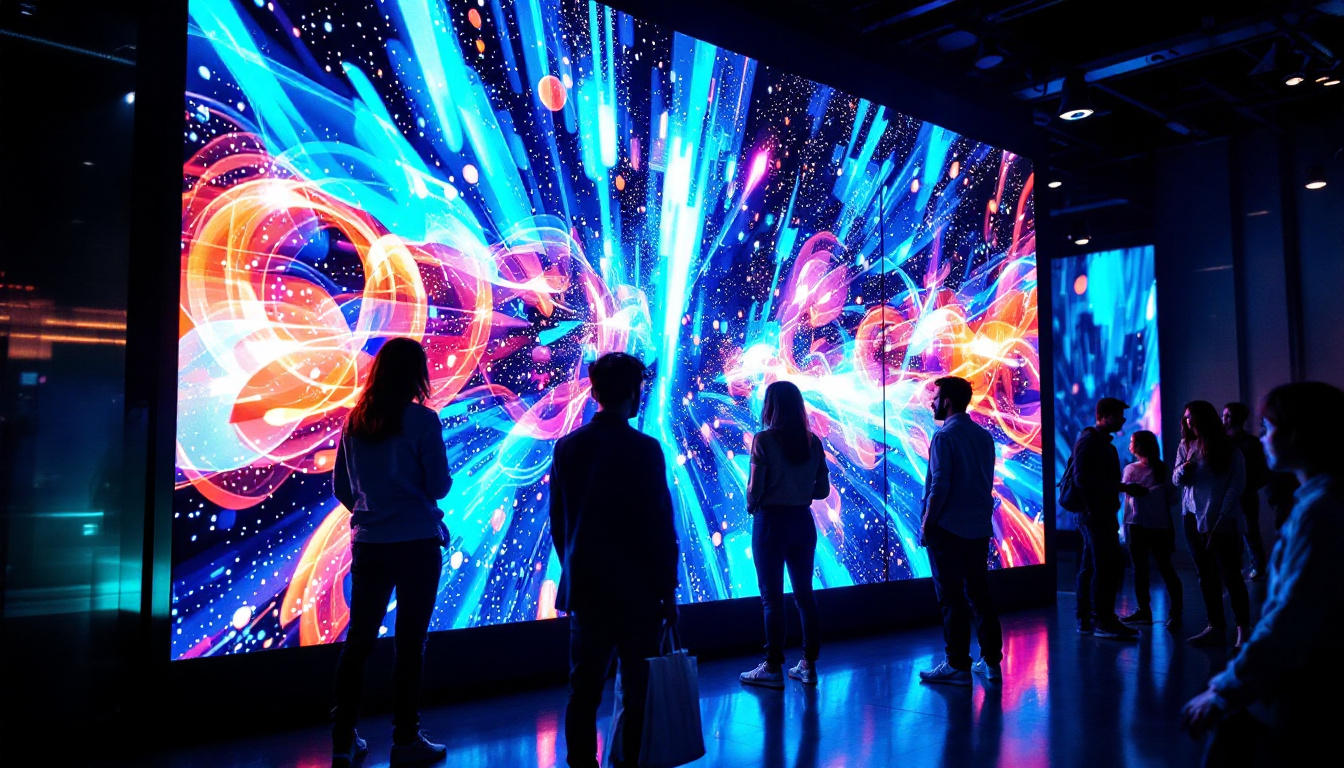
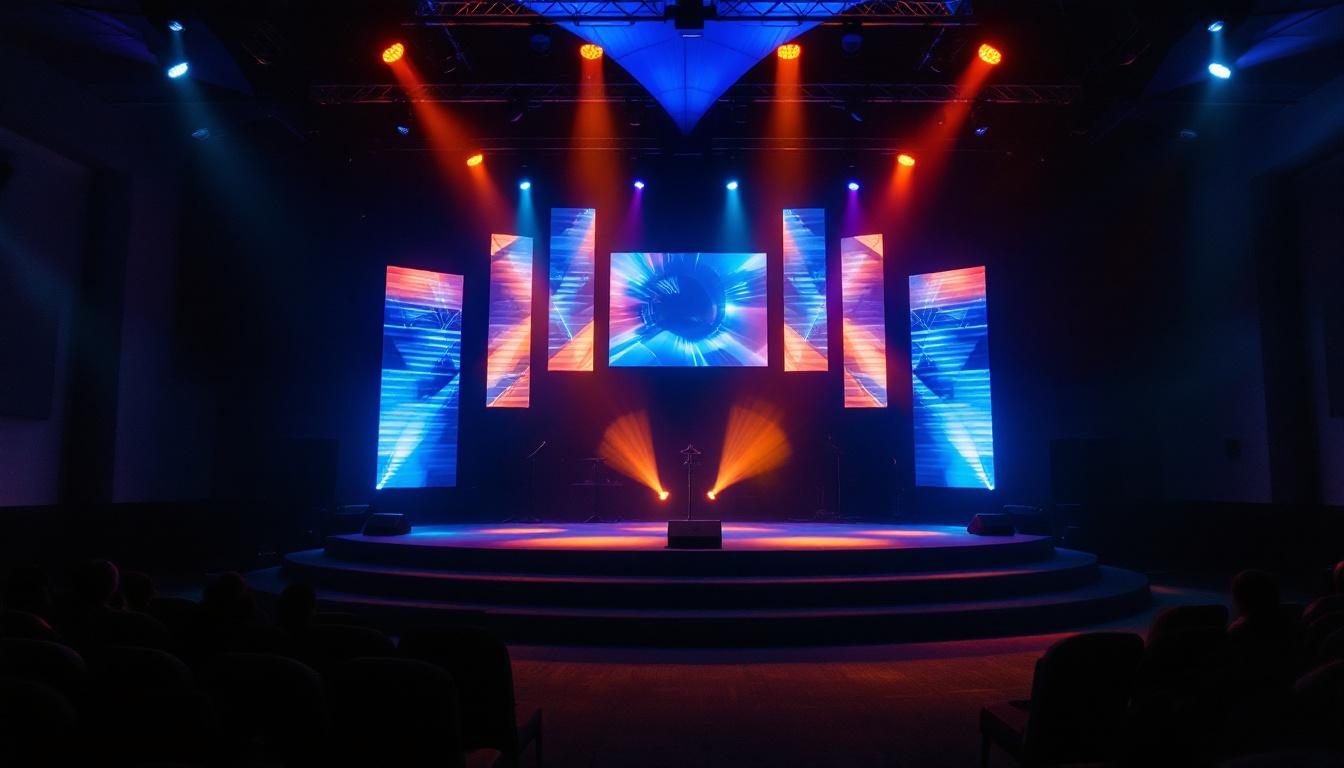
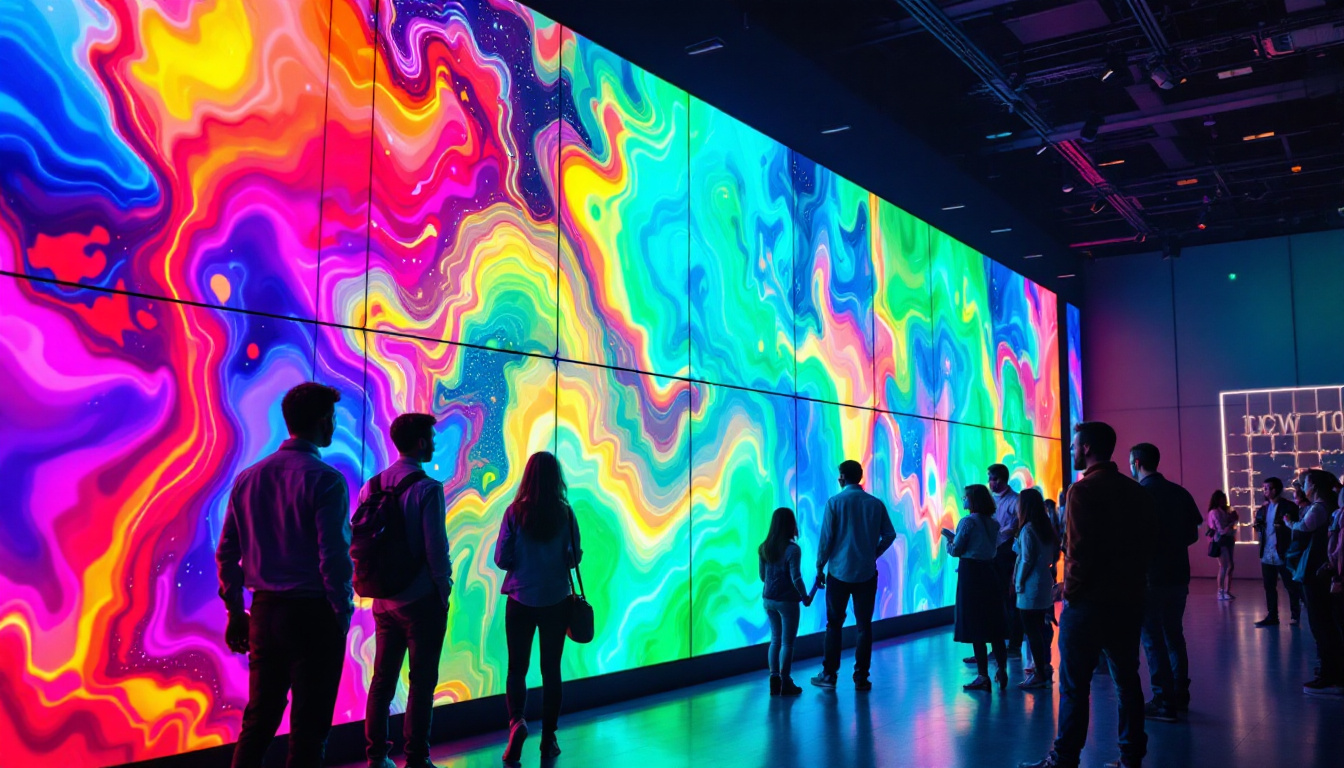
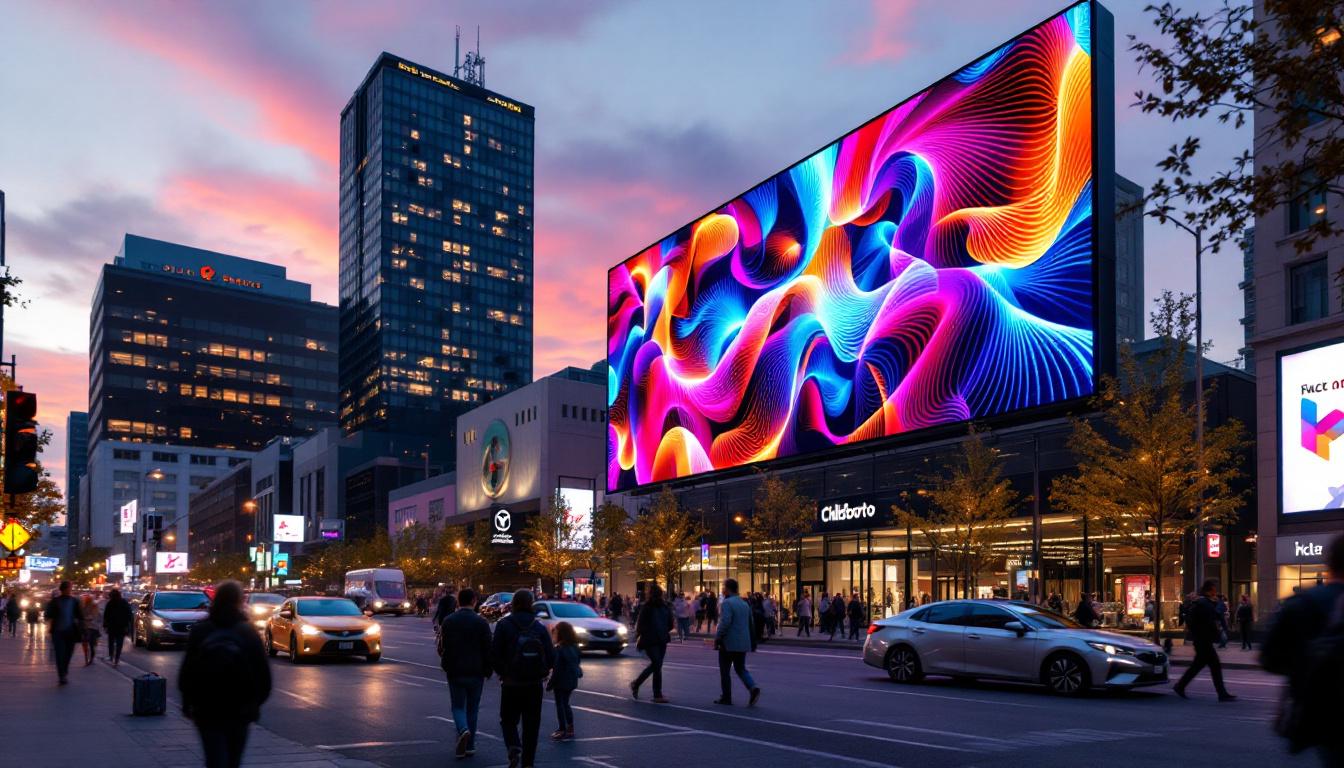
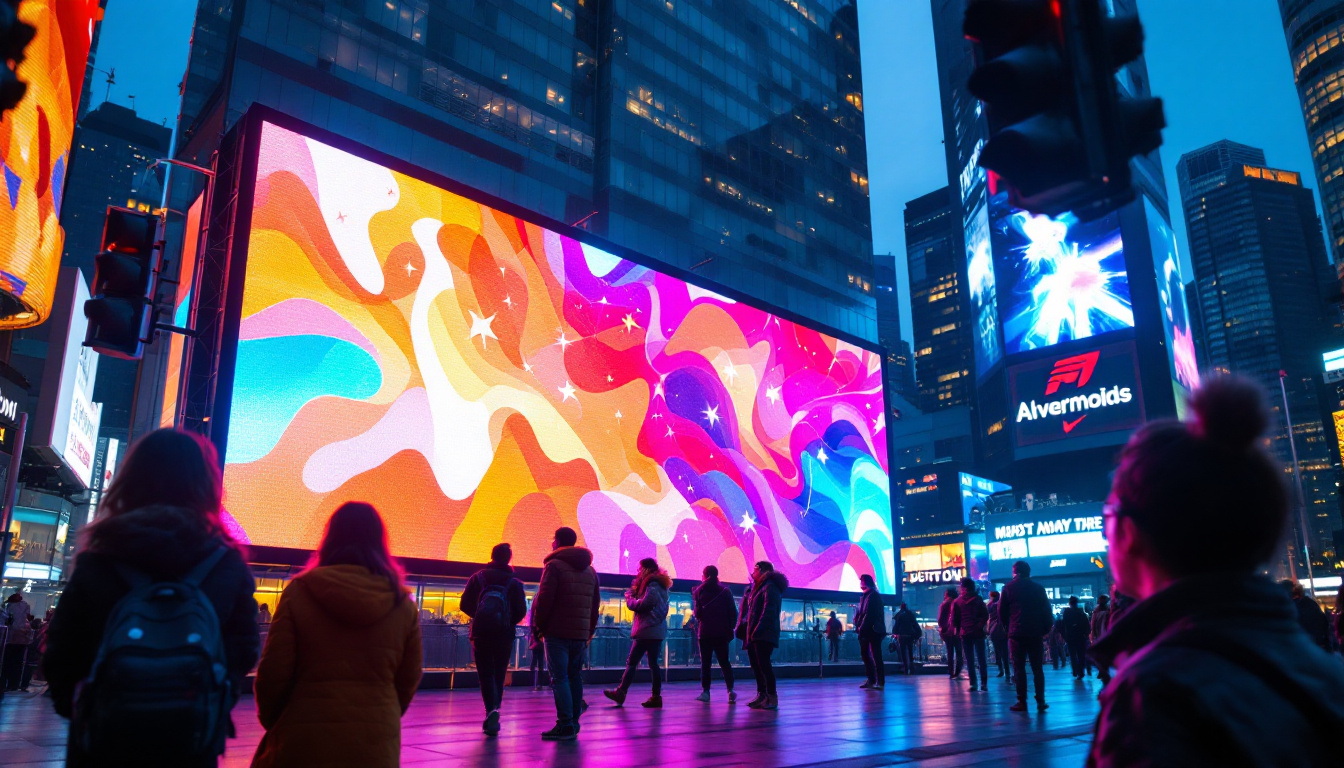
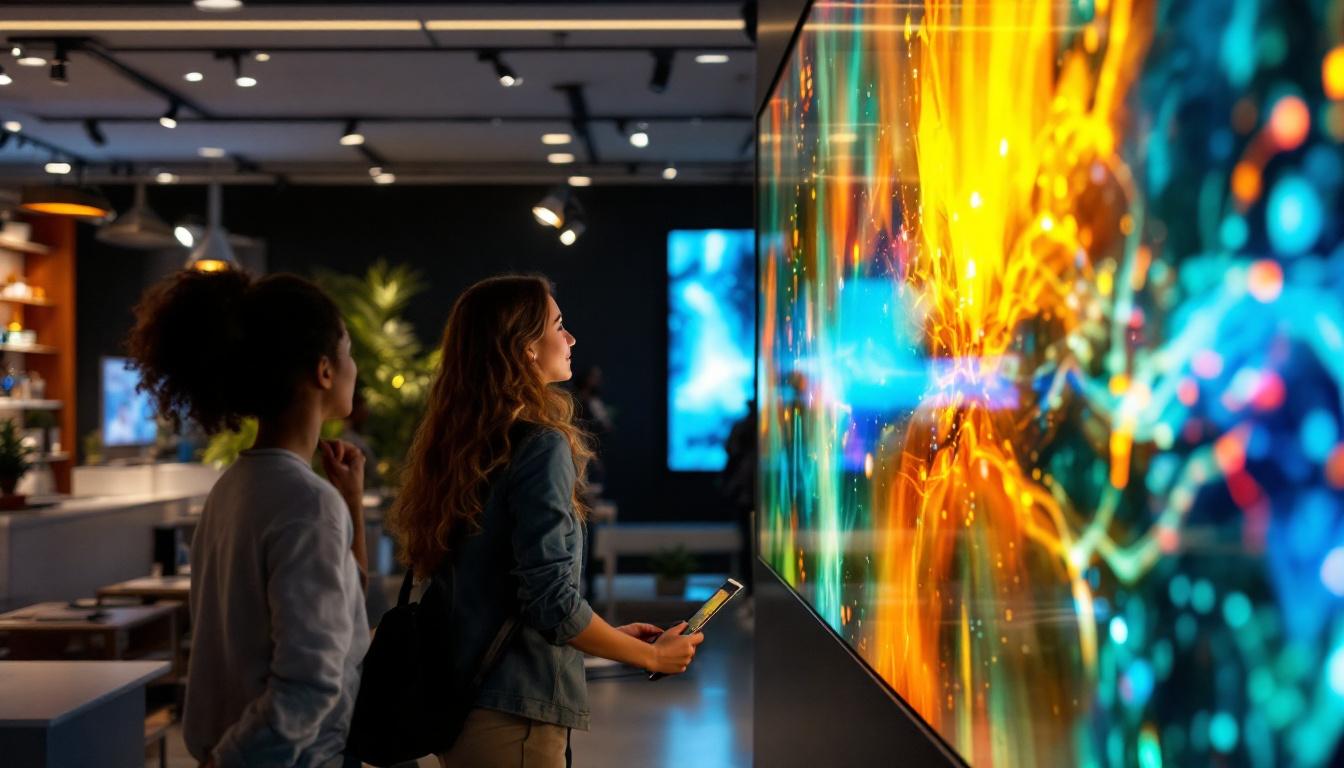
Moreover, large LED video walls in storefronts attract passersby by displaying engaging advertisements and product highlights. These eye-catching displays can increase foot traffic and improve the overall shopping experience. Retailers can also leverage the flexibility of LED technology to create themed displays for seasonal promotions or special events, allowing for a more immersive shopping environment that resonates with customers on a personal level. The ability to change content quickly means that retailers can respond to market trends or consumer behavior in real-time, optimizing their marketing strategies effectively.
Stock Market and Financial Displays
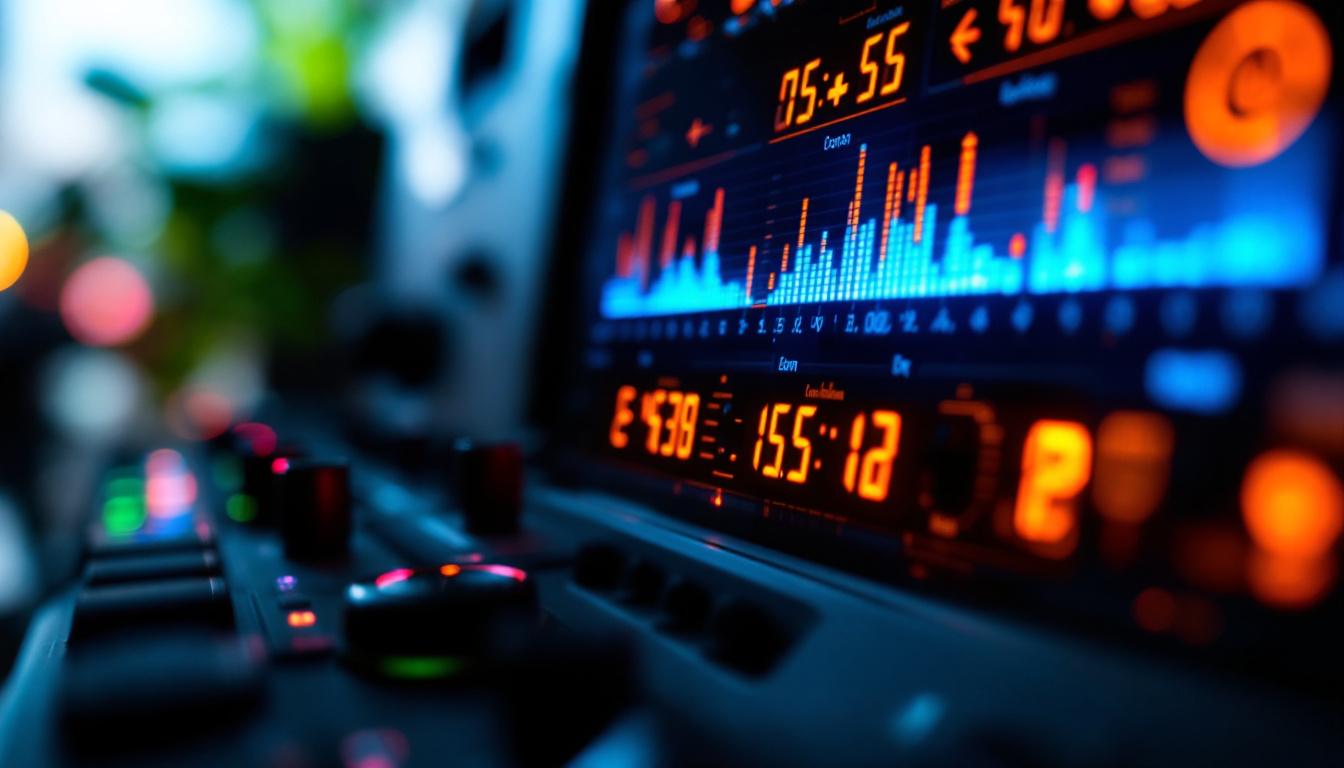
Beyond retail, LED displays play a vital role in financial environments such as stock exchanges and trading floors. Real-time stock tickers and market indices are displayed on large LED panels, providing traders and investors with instant access to critical information. The high brightness and clarity of LED displays ensure visibility even in well-lit rooms or outdoor settings.
Financial news networks also rely on LED displays for studio backdrops and on-screen graphics, enhancing the delivery of market data to viewers worldwide. These displays can be programmed to showcase live updates, expert analyses, and breaking news, creating a dynamic viewing experience that keeps audiences engaged. Furthermore, the integration of social media feeds and interactive elements can enhance viewer interaction, allowing audiences to participate in discussions and share insights in real-time, thereby fostering a more connected financial community.
Warehouse and Inventory Management
In warehouses and distribution centers, LED displays can improve operational efficiency by providing workers with real-time data on stock levels, order statuses, and picking instructions. These displays can be mounted on aisles or workstations, reducing the need for handheld devices and streamlining communication.
Integration with warehouse management systems (WMS) allows LED displays to update automatically, ensuring accuracy and helping to prevent stockouts or overstock situations. Additionally, the use of LED displays can enhance safety in warehouses by providing visual cues for workers, such as alerts for low stock or reminders for equipment maintenance. This not only keeps operations running smoothly but also contributes to a safer work environment by minimizing the risk of accidents caused by miscommunication or outdated information. As technology continues to evolve, the potential for LED displays in warehouse settings is likely to expand, incorporating features like augmented reality to further assist in inventory management and logistics.
Benefits of Using LED Displays for Stock Display
High Visibility and Brightness
One of the most significant advantages of LED displays is their superior brightness compared to other display technologies. LEDs can achieve luminance levels exceeding 5,000 nits, making them easily readable in direct sunlight or brightly lit indoor environments. This high visibility ensures that information is conveyed clearly to customers and staff alike, regardless of lighting conditions.
Energy Efficiency and Longevity
LED technology is renowned for its energy efficiency. LEDs consume significantly less power than traditional incandescent or fluorescent lighting, which translates into lower operating costs for businesses. Additionally, LED displays have a long lifespan, often exceeding 100,000 hours of operation, reducing the frequency and cost of replacements.
These factors make LED displays a sustainable choice for companies aiming to reduce their carbon footprint while maintaining effective communication tools.
Flexibility and Customization
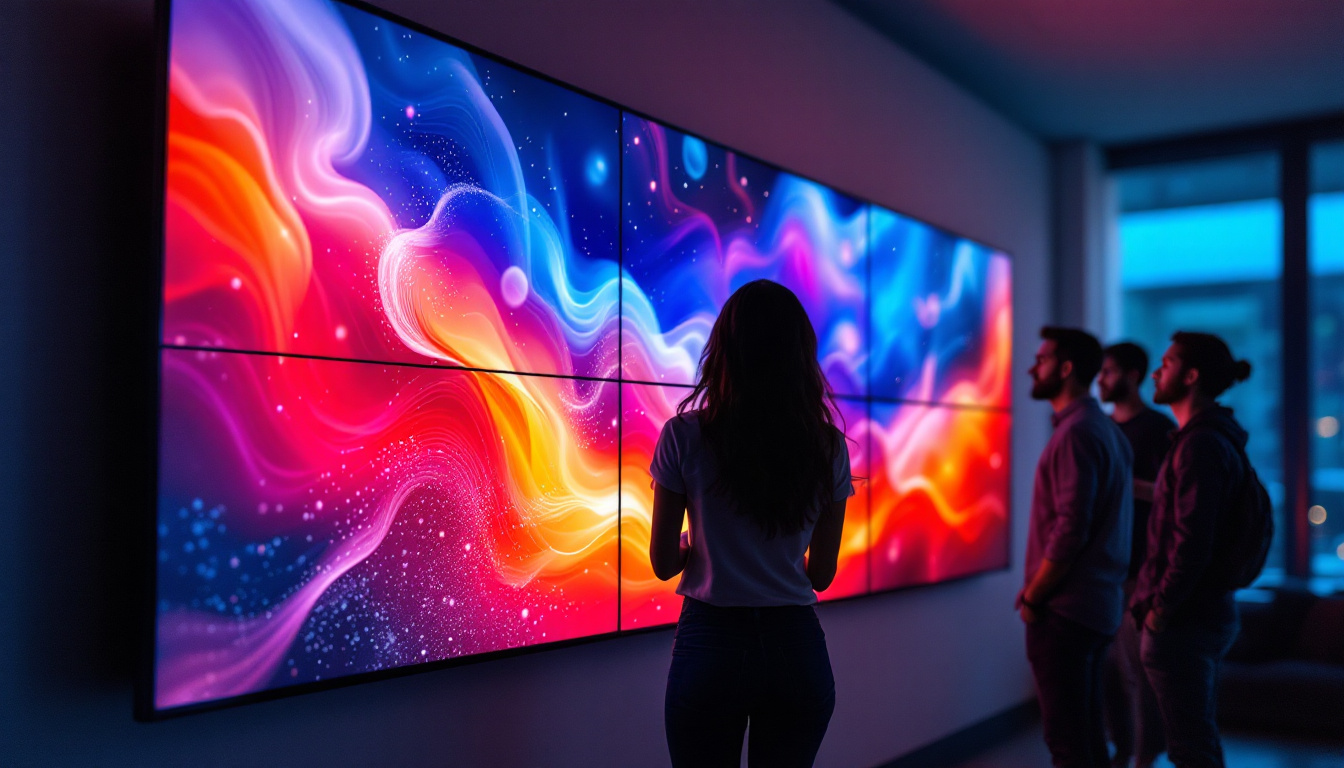
LED displays offer remarkable flexibility in terms of size, shape, and resolution. They can be customized to fit various spaces, from small shelf-edge tags to curved or irregularly shaped video walls. This adaptability allows businesses to tailor their display solutions to specific needs and environments.
Moreover, content on LED displays can be updated remotely and in real-time, enabling dynamic messaging that can respond to changing stock levels, promotions, or market conditions instantly.
Durability and Weather Resistance
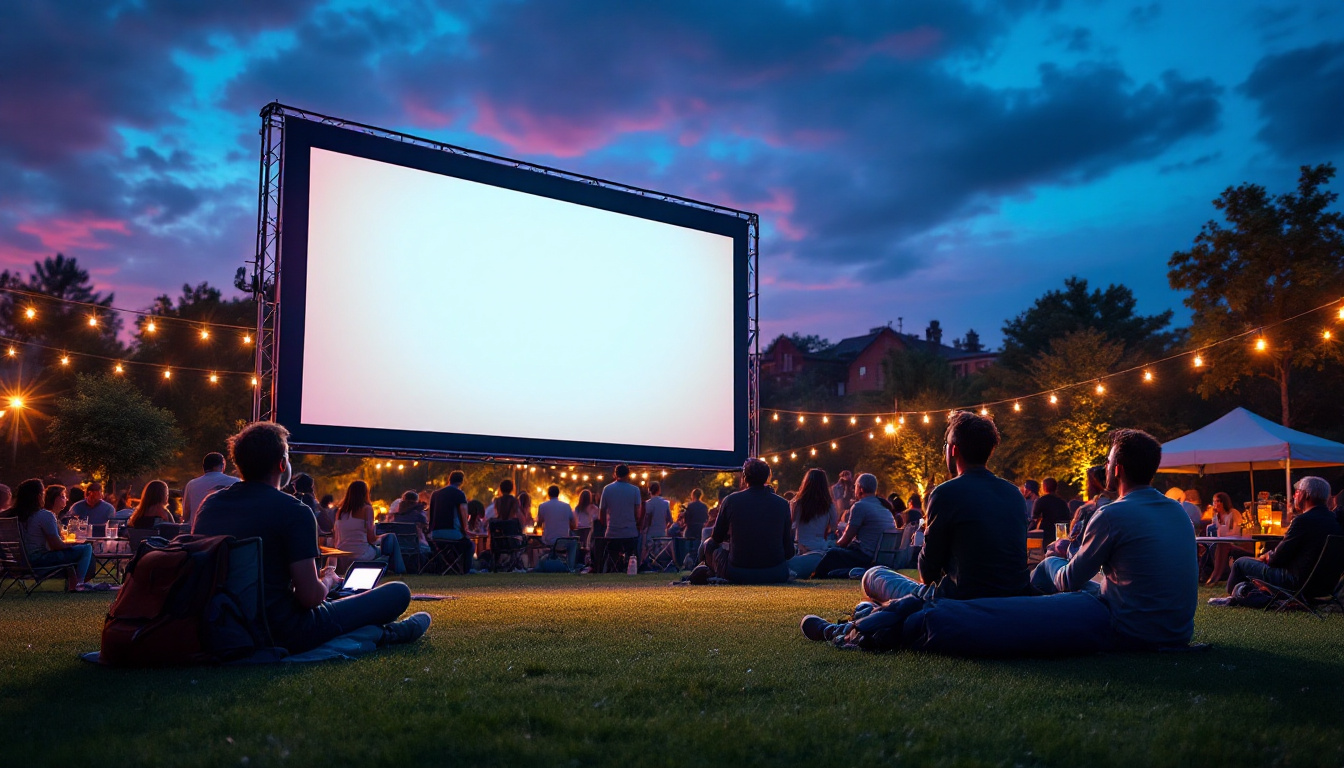
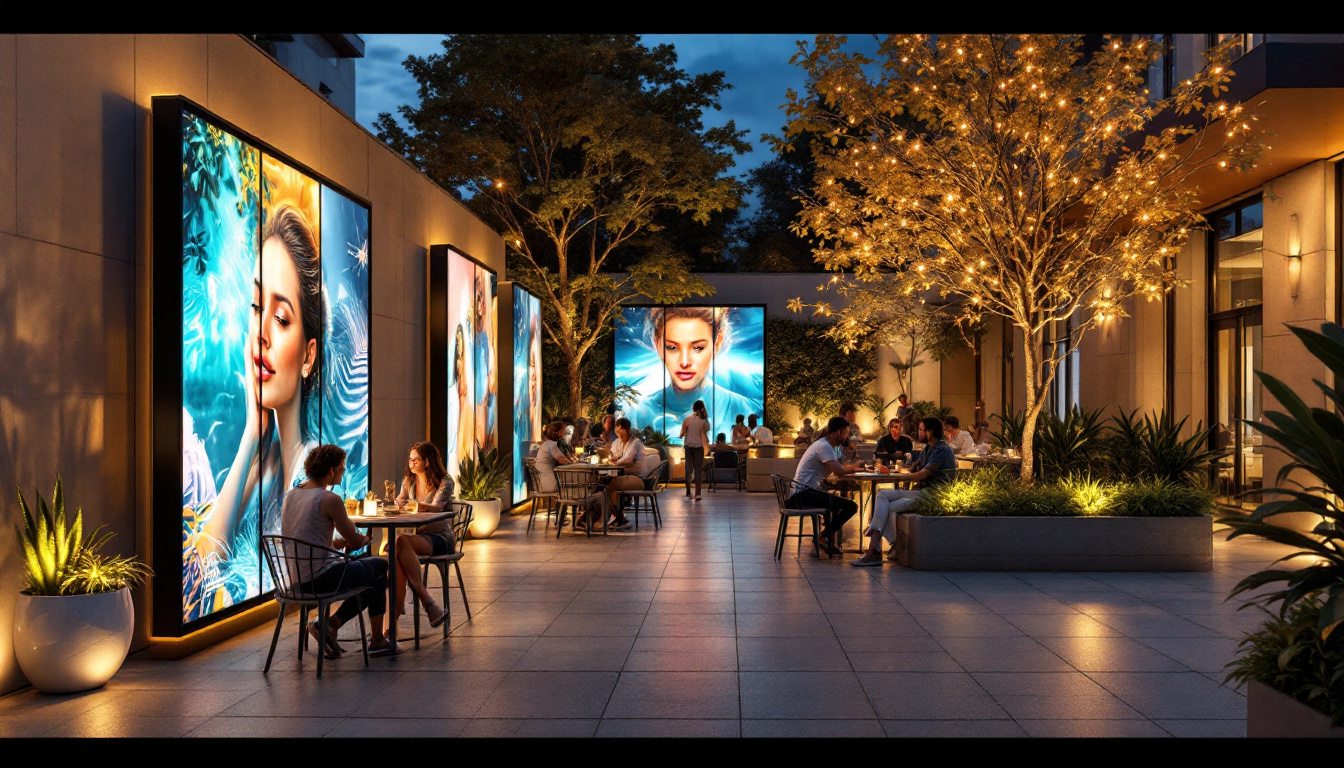
LED displays designed for outdoor use are built to withstand harsh weather conditions, including rain, snow, and extreme temperatures. Many outdoor LED panels come with IP65 or higher ratings, indicating protection against dust and water ingress. This durability ensures reliable performance in various environments, from storefronts to large outdoor advertising spaces.
Key Considerations When Choosing LED Displays for Stock Display
Resolution and Pixel Pitch
When selecting an LED display, resolution and pixel pitch are critical factors to consider. For close-up viewing, such as shelf-edge displays or indoor signage, a smaller pixel pitch (1-3 mm) is preferable to ensure crisp and clear images. For larger, distant-view applications like outdoor billboards or trading floor tickers, a larger pixel pitch (5-10 mm or more) may be sufficient.
Choosing the right pixel pitch balances image quality with cost, as higher resolution displays tend to be more expensive.
Brightness and Viewing Angle
Brightness requirements depend largely on the installation environment. Outdoor displays require higher brightness levels to combat sunlight glare, while indoor displays can operate effectively at lower luminance levels. Additionally, the viewing angle—how far to the side the display can be viewed without color distortion—is an important consideration, especially in retail aisles or trading floors where viewers may approach from different directions.
Content Management Systems
Effective use of LED displays depends on robust content management systems (CMS) that allow easy scheduling, updating, and customization of displayed content. Businesses should look for CMS solutions that integrate with existing inventory or stock management software to automate updates and reduce manual intervention.
Cloud-based CMS platforms also offer the advantage of remote access and control, enabling centralized management of multiple displays across different locations.
Cost and Return on Investment
While LED displays can represent a significant upfront investment, their long-term benefits often justify the cost. Energy savings, reduced maintenance, and increased sales driven by improved customer engagement contribute to a favorable return on investment (ROI). Businesses should conduct a thorough cost-benefit analysis, considering both direct and indirect impacts on operations and revenue.
Future Trends in LED Display Technology for Stock Display
MicroLED and MiniLED Innovations
Emerging technologies like MicroLED and MiniLED promise even higher resolutions, improved brightness, and better energy efficiency. MicroLED displays use microscopic LEDs that can deliver stunning image quality and contrast ratios comparable to OLED, but with greater durability and brightness. These advancements are expected to revolutionize stock display by enabling ultra-high-definition signage that is both eye-catching and reliable.
Interactive LED Displays
Interactivity is becoming a key feature in retail and stock display environments. Touch-enabled LED screens allow customers and staff to engage directly with product information, stock availability, and promotional content. This interactive experience can enhance customer satisfaction and streamline stock inquiries, leading to more informed purchasing decisions.
Integration with Artificial Intelligence
Artificial intelligence (AI) integration is enhancing the capabilities of LED displays by enabling personalized content delivery based on customer behavior and preferences. AI-driven analytics can adjust stock display messaging in real-time, optimizing promotions and inventory management. This smart approach maximizes the effectiveness of LED displays as marketing and operational tools.
Conclusion
LED displays have transformed the way businesses present stock information, engage customers, and manage inventory. Their brightness, energy efficiency, durability, and flexibility make them ideal for a wide range of applications from retail shelves to financial trading floors. As technology continues to advance, LED displays will become even more integral to effective stock display strategies, offering enhanced interactivity, higher resolutions, and smarter content management.
For businesses aiming to stay competitive and responsive in today’s fast-paced markets, investing in LED display technology represents a forward-thinking solution that combines innovation with practical benefits.
Discover LumenMatrix LED Display Solutions
Ready to elevate your stock display strategy with the latest in LED technology? LumenMatrix offers a comprehensive range of LED display modules designed to captivate and engage. From vibrant Indoor and Outdoor LED Wall Displays to versatile Vehicle and Sports LED Displays, our solutions are tailored to meet your unique needs. Experience the power of LED Poster Displays, Floor LED Displays, Custom configurations, and our innovative All-in-One and Transparent LED Displays. Join the visual revolution with LumenMatrix and transform your space into a dynamic environment that communicates with impact. Check out LumenMatrix LED Display Solutions today and see the difference for yourself.