In today’s digital age, LED technology has become a cornerstone for vibrant, efficient, and scalable display solutions. Among these, large LED panels stand out for their versatility and impact, serving a vast array of industries from advertising to entertainment. This article delves into the world of large LED panels, explaining their technology, applications, advantages, and what makes them an essential tool in modern visual communication.
Understanding Large LED Panels: The Basics
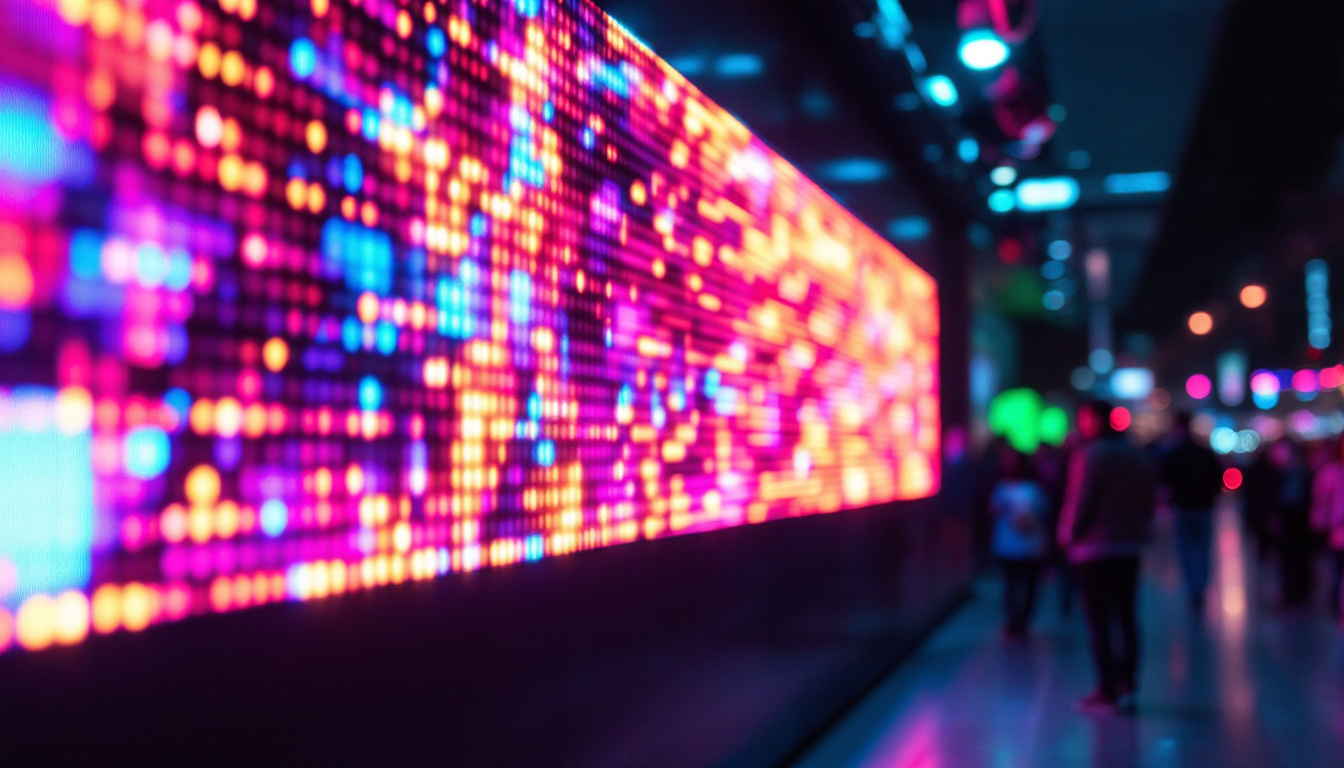
Large LED panels are essentially display screens composed of numerous light-emitting diodes (LEDs) arranged in a matrix. These panels can vary significantly in size, resolution, and pixel pitch, making them adaptable for both indoor and outdoor use. The core technology behind these panels involves LEDs that emit light when an electric current passes through them, allowing for bright, high-contrast images.
Unlike traditional LCD or projection screens, LED panels are self-illuminating, which means each pixel generates its own light. This results in superior brightness and color accuracy, making them ideal for environments with varying lighting conditions. The modular design of large LED panels also allows for easy customization and scalability, enabling the creation of massive displays that can span entire building facades or stadium walls.
How Do Large LED Panels Work?
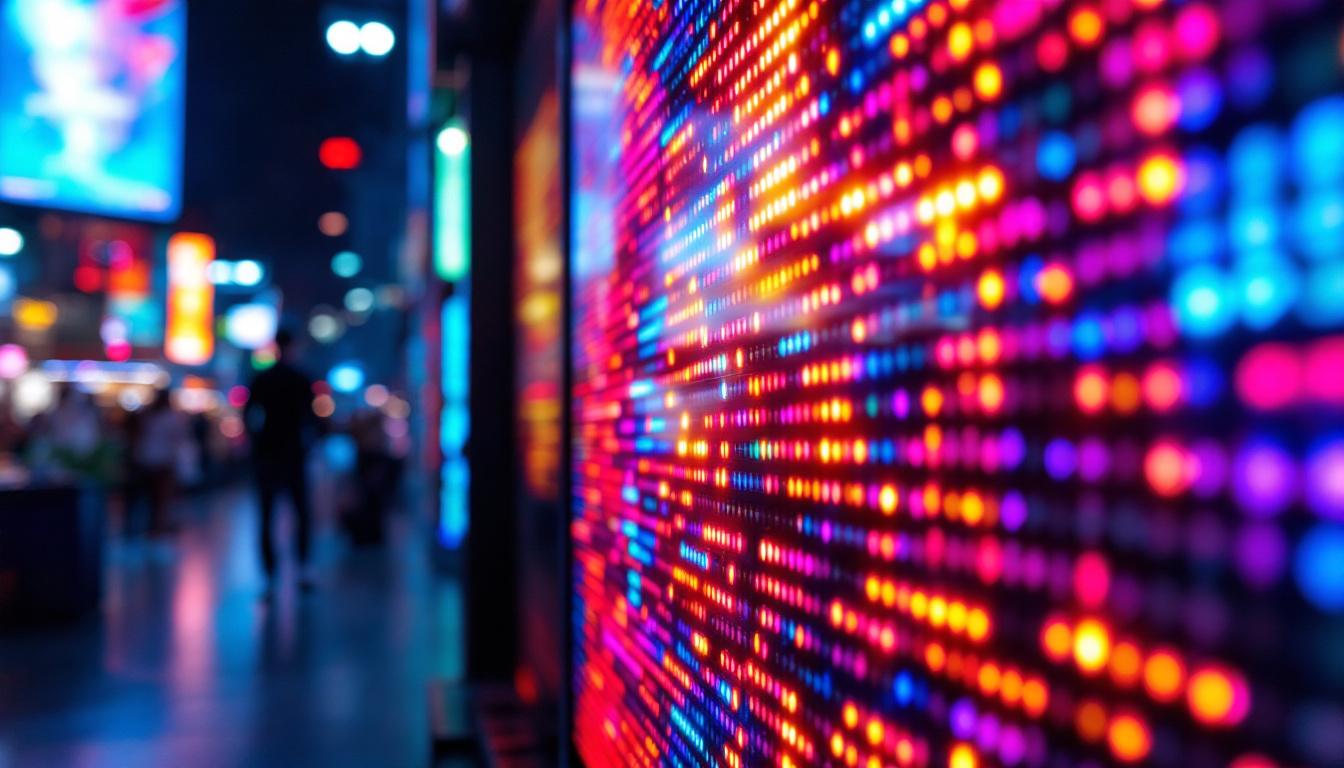
Each LED in the panel acts as a tiny light source, and these LEDs are grouped into pixels. Depending on the panel’s resolution, a pixel may consist of one or more LEDs in red, green, and blue (RGB) colors. By adjusting the intensity of each LED within a pixel, the panel can produce a full spectrum of colors. This RGB combination is the foundation of all images and videos displayed on the screen.
The panels are controlled by a sophisticated system that processes input signals—such as video feeds or computer graphics—and translates them into electrical signals that adjust the brightness and color of each LED. This process happens rapidly and continuously, allowing for dynamic, high-definition content to be displayed seamlessly.
Key Features and Specifications of Large LED Panels
When selecting or evaluating large LED panels, several technical specifications and features are crucial to consider. These factors influence the panel’s performance, suitability for specific environments, and overall visual quality.
Pixel Pitch and Resolution
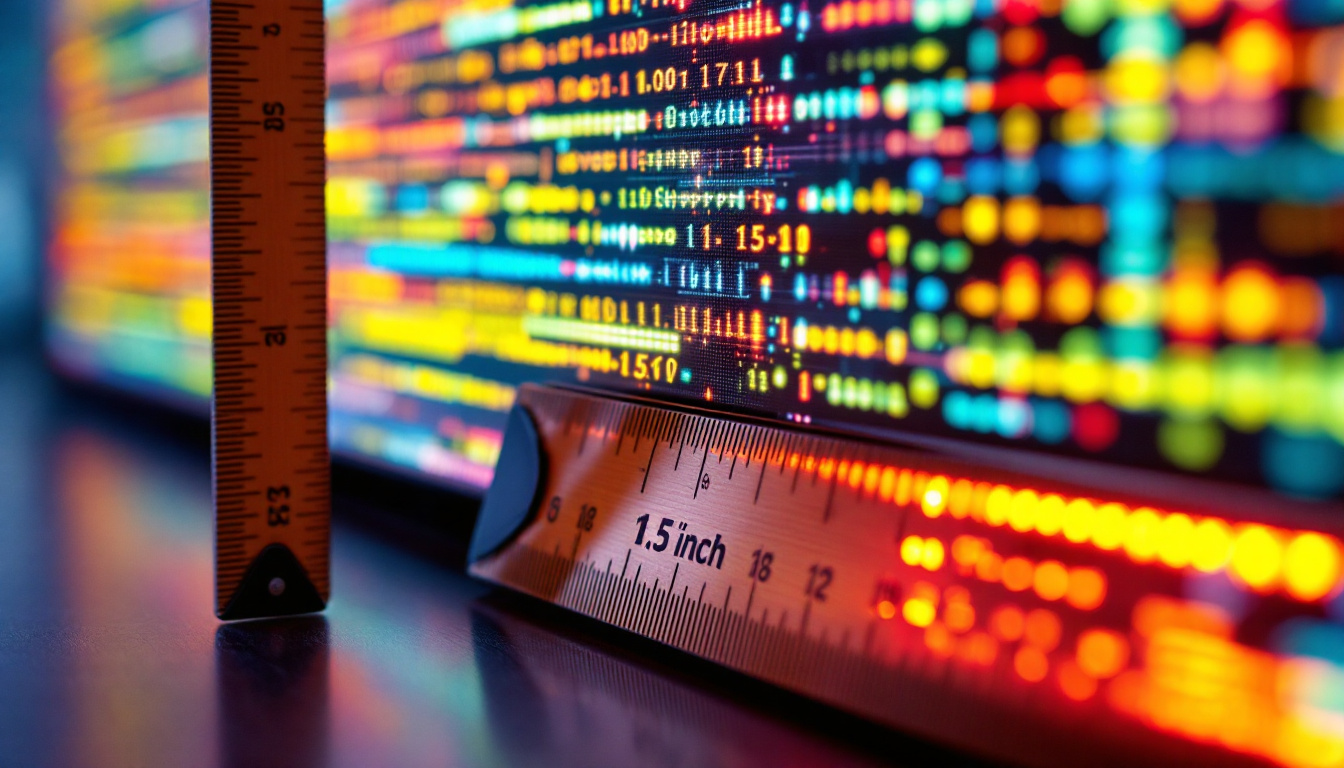
Pixel pitch refers to the distance between the centers of two adjacent pixels, measured in millimeters. It is a critical determinant of image clarity and viewing distance. Smaller pixel pitches (e.g., 1.5 mm to 4 mm) offer higher resolution and are ideal for close-range viewing, such as indoor events or retail displays. Larger pixel pitches (e.g., 6 mm to 20 mm or more) are suited for outdoor applications where viewers are farther away, such as billboards or stadium screens.
Resolution, often expressed in pixels per square meter or total pixel count, directly impacts the sharpness and detail of the displayed content. Higher resolution panels provide crisper images but typically come at a higher cost and may require more powerful processing hardware.
Brightness and Contrast Ratio
Brightness is measured in nits (candelas per square meter) and is a vital specification for large LED panels, especially for outdoor use. Outdoor panels often exceed 5,000 nits to ensure visibility even in direct sunlight, while indoor panels usually operate between 800 and 1,500 nits to avoid eye strain and optimize color reproduction.
The contrast ratio, which compares the luminance of the brightest white to the darkest black the panel can produce, affects image depth and realism. High contrast ratios contribute to more vivid and engaging visuals, enhancing the viewer’s experience.
Viewing Angle and Color Accuracy
Large LED panels are designed to offer wide viewing angles, often up to 160 degrees horizontally and vertically, ensuring that the displayed content remains clear and vibrant from various perspectives. This feature is particularly important in public spaces where audiences view the screen from multiple directions.
Color accuracy is achieved through precise calibration and high-quality LEDs. Advanced panels support millions of colors and utilize technologies like HDR (High Dynamic Range) to deliver richer, more lifelike images.
Applications of Large LED Panels
Large LED panels are incredibly versatile and have transformed the way information and entertainment are presented across industries. Their adaptability and visual impact make them a preferred choice for numerous applications.
Advertising and Digital Billboards
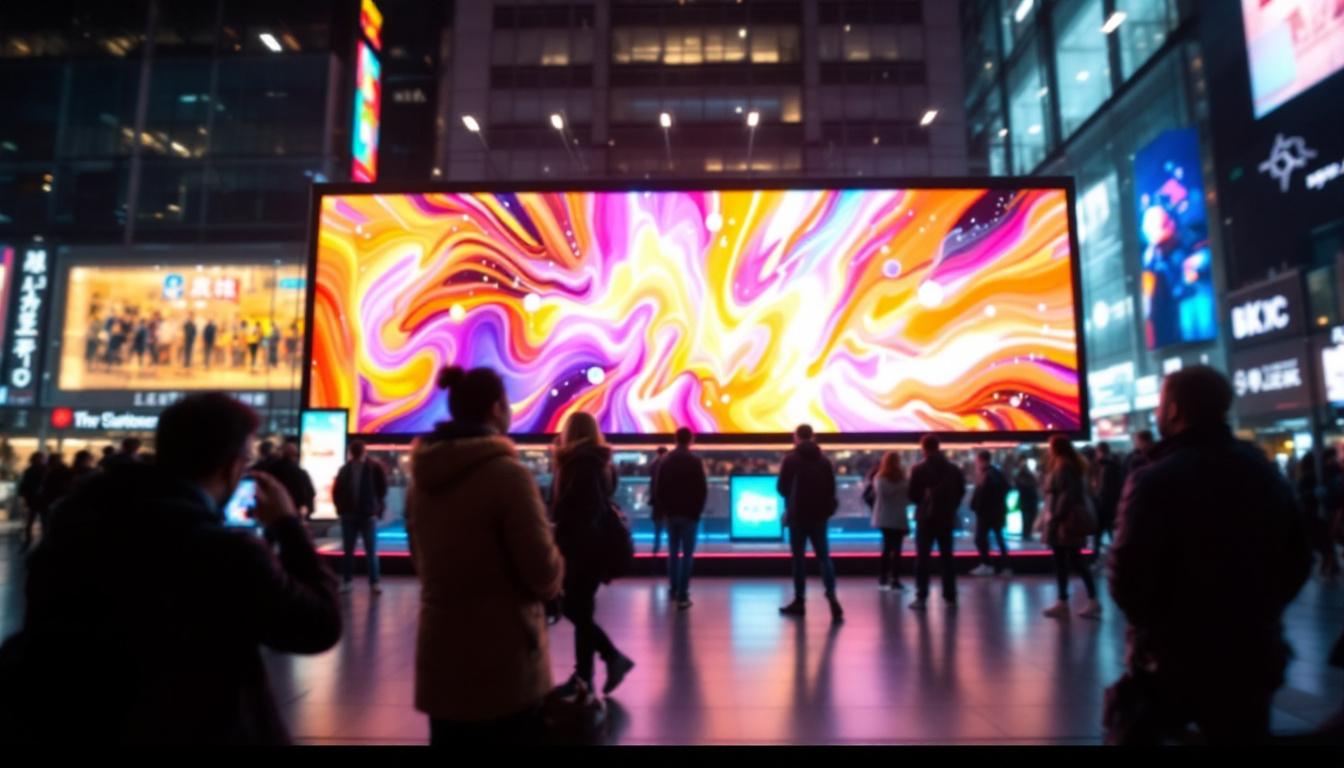
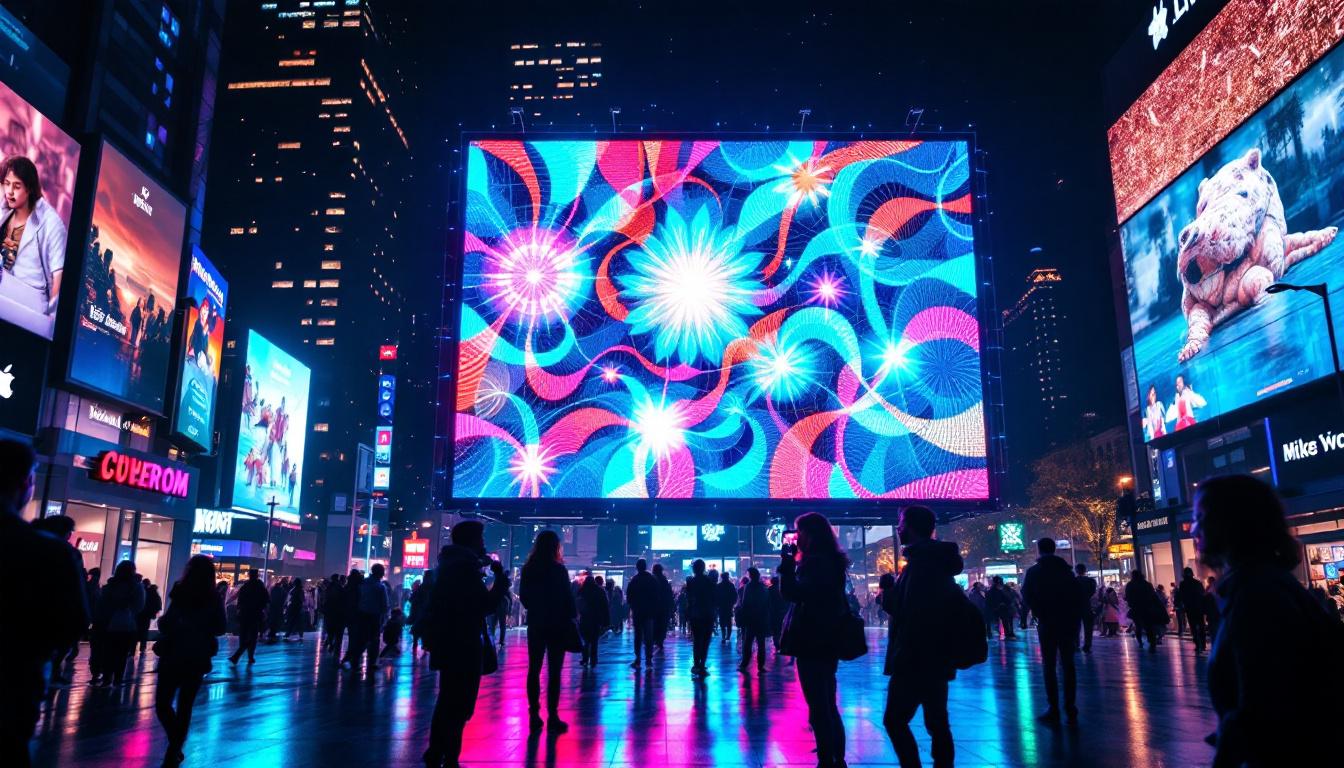
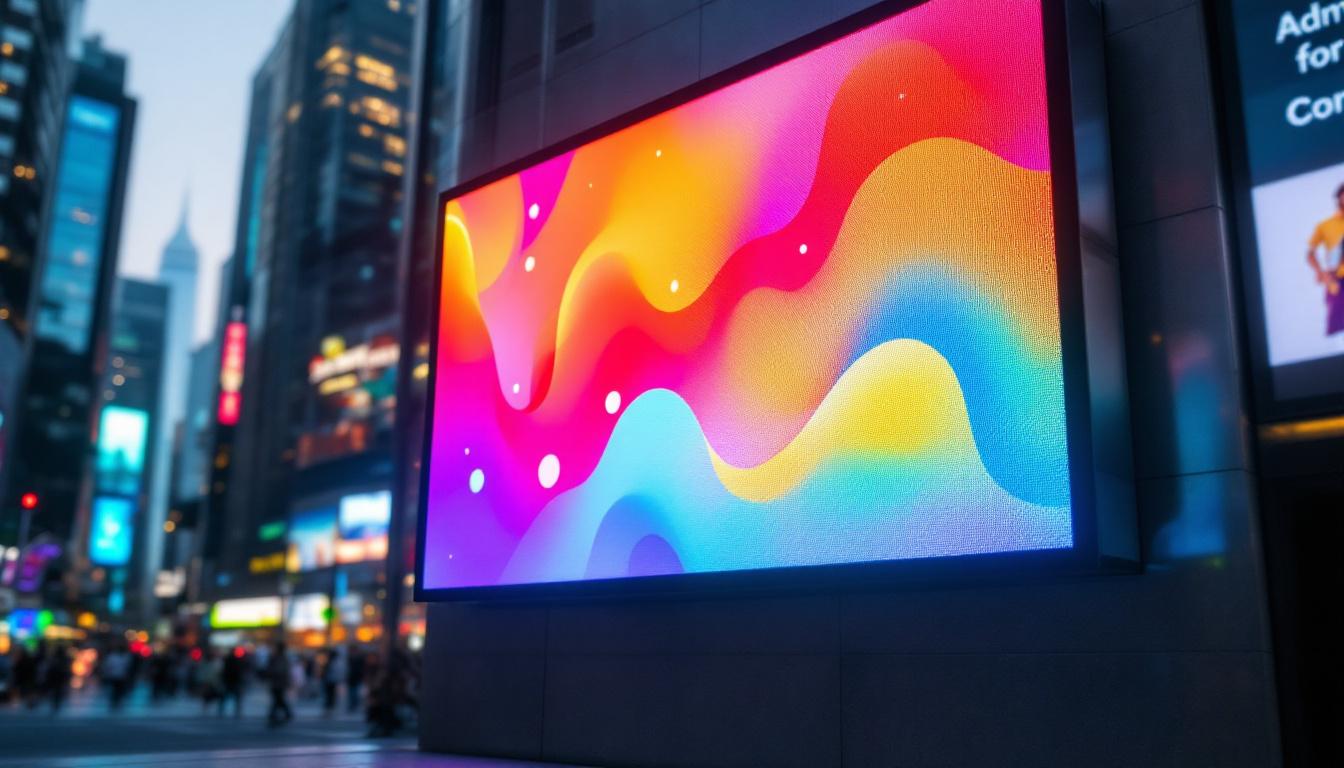
One of the most common uses of large LED panels is in outdoor advertising. Digital billboards equipped with LED technology offer dynamic content capabilities, allowing advertisers to change messages in real-time and display videos, animations, and interactive content. This flexibility increases engagement and provides better ROI compared to traditional static billboards.
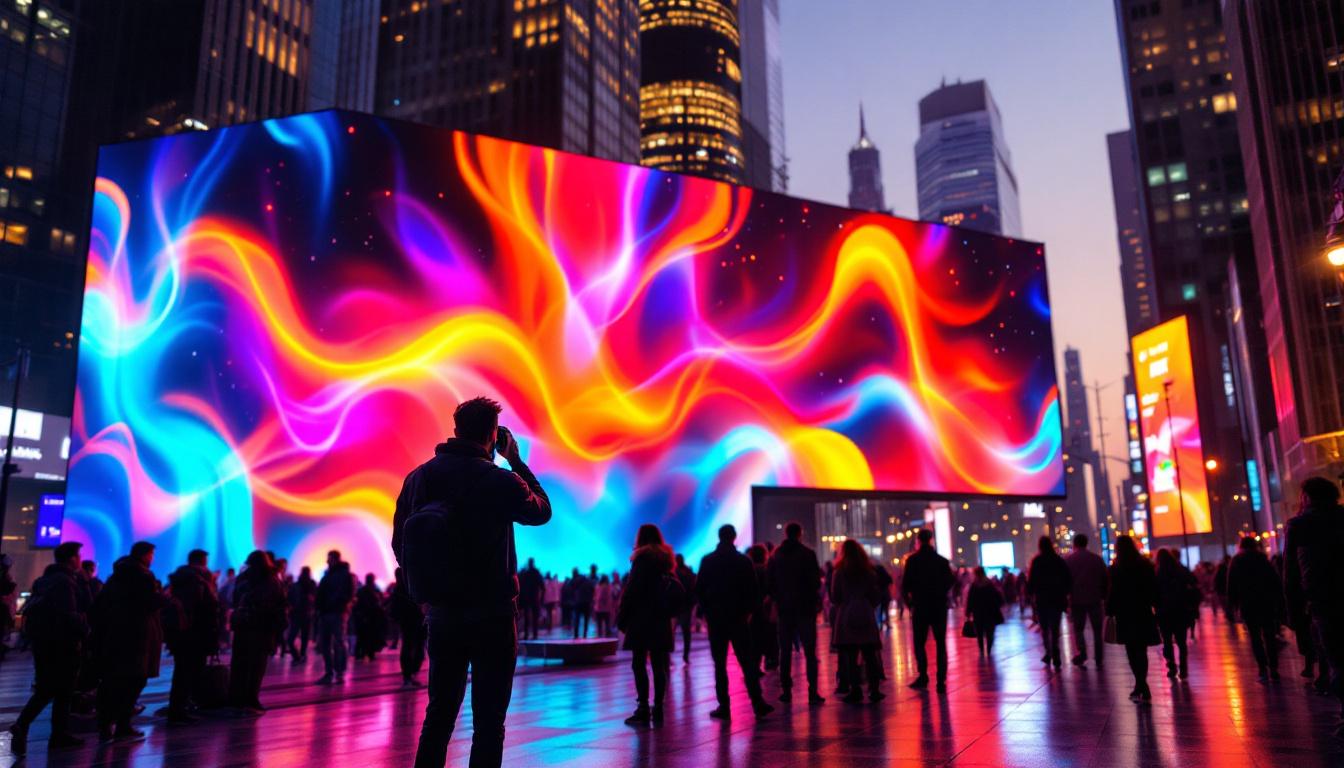
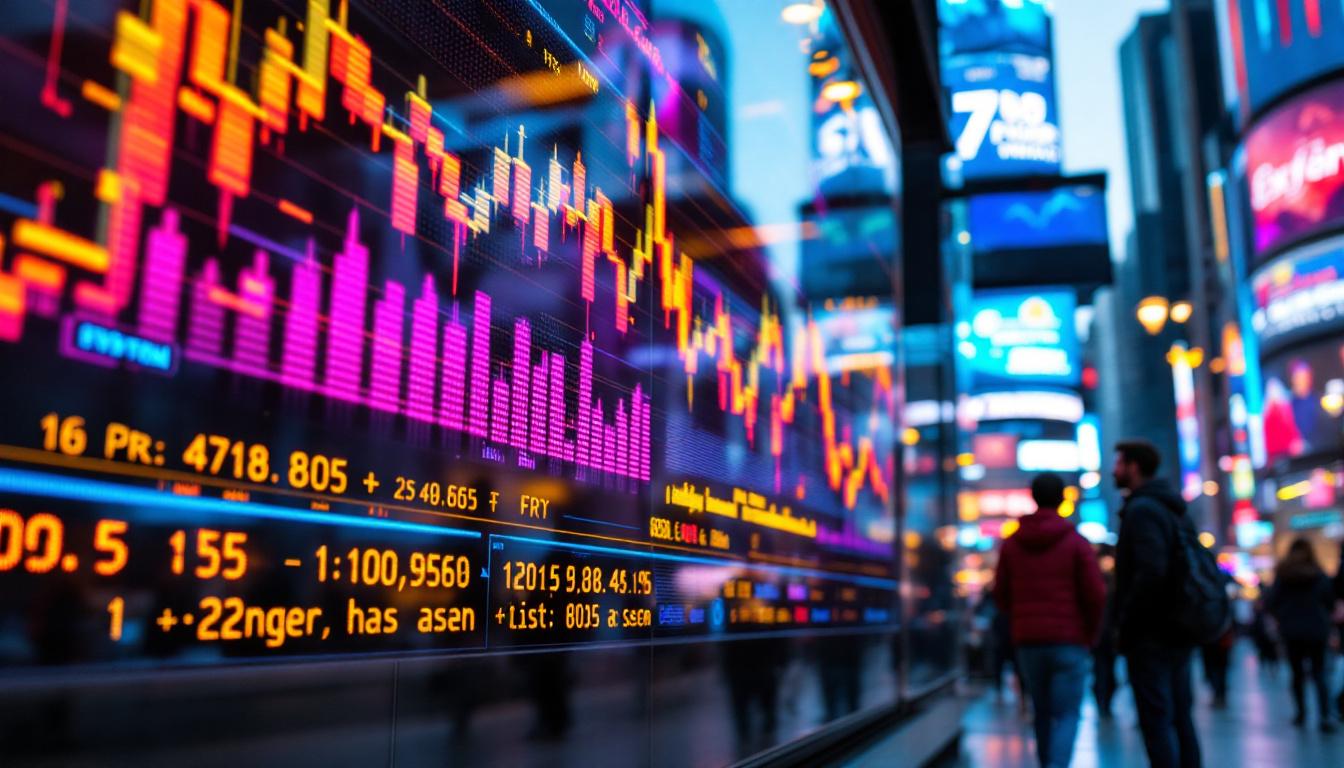
For example, Times Square in New York City is renowned for its massive LED billboards that captivate millions of visitors daily. These displays must withstand harsh weather conditions while maintaining exceptional brightness and image quality, showcasing the durability and performance of modern LED panels.
Sports Arenas and Entertainment Venues
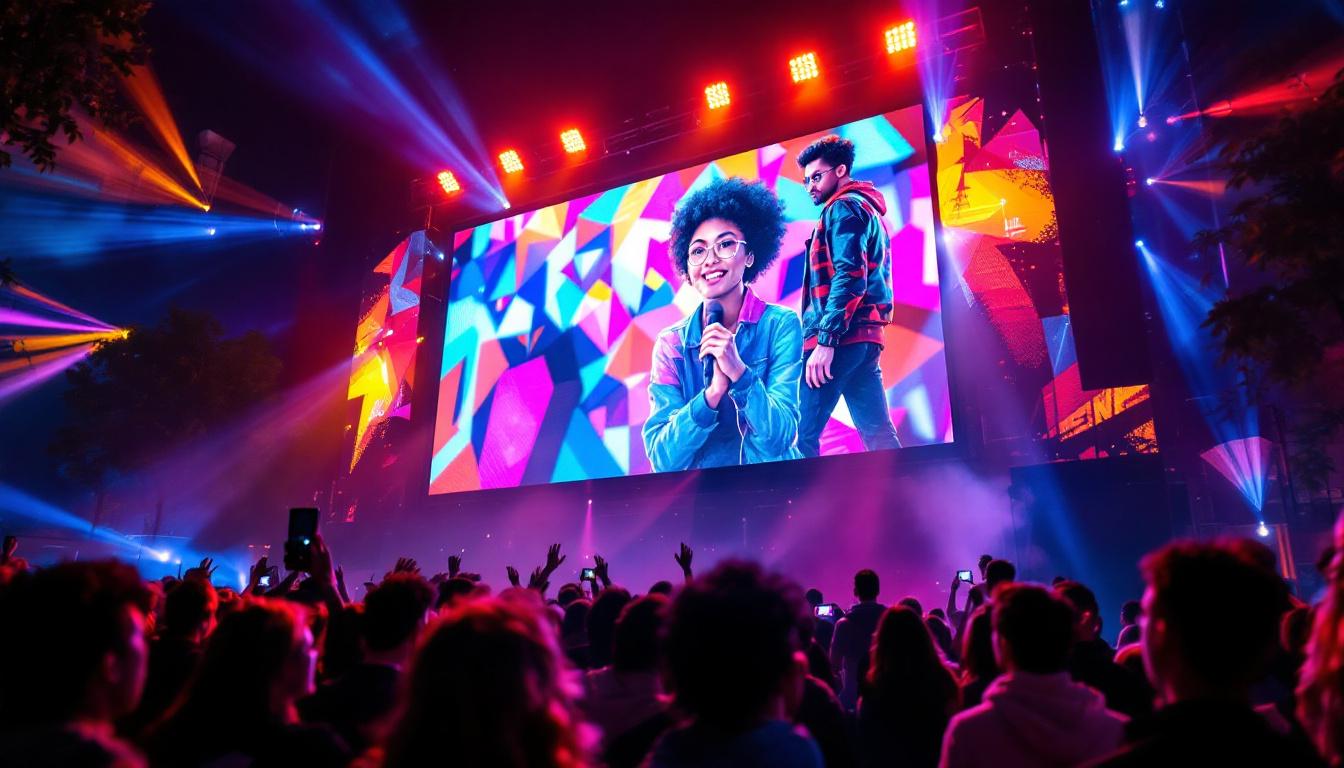
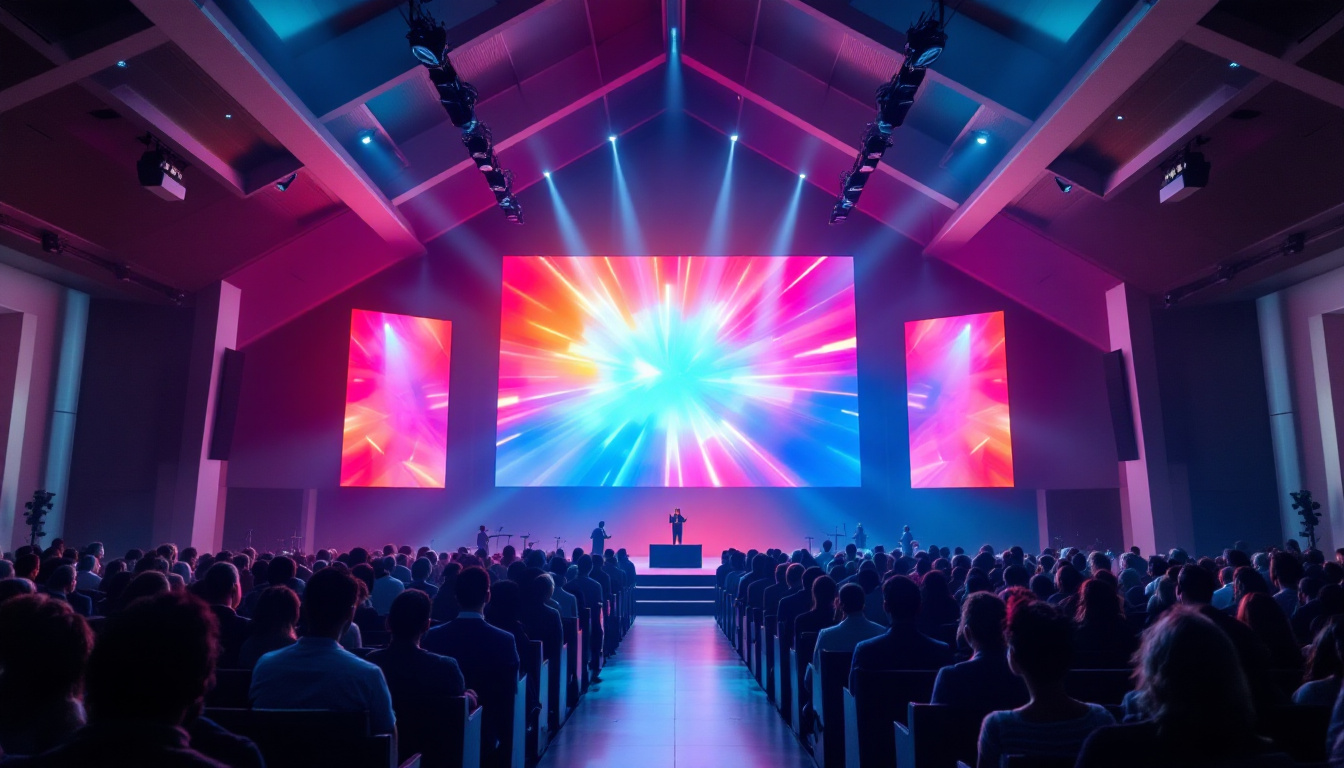
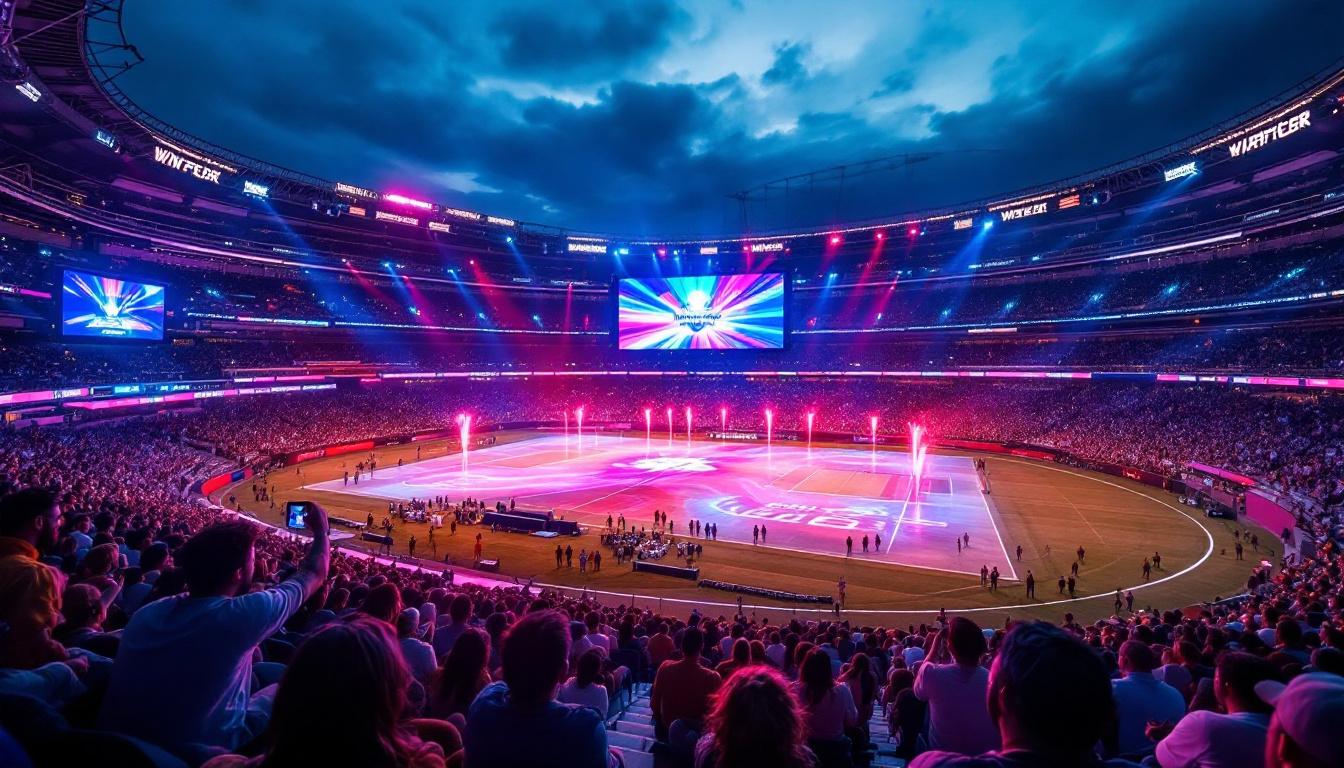
In stadiums and concert halls, large LED panels serve multiple purposes: displaying live action replays, scores, advertisements, and immersive visual effects. Their ability to deliver high-resolution images to vast audiences enhances the spectator experience and provides additional revenue streams through advertising.
Many major sports venues now incorporate LED ribbon boards and giant video walls, which can be customized for various events and branding opportunities. The seamless integration of these panels with event production systems has revolutionized live entertainment presentation.
Corporate and Retail Environments
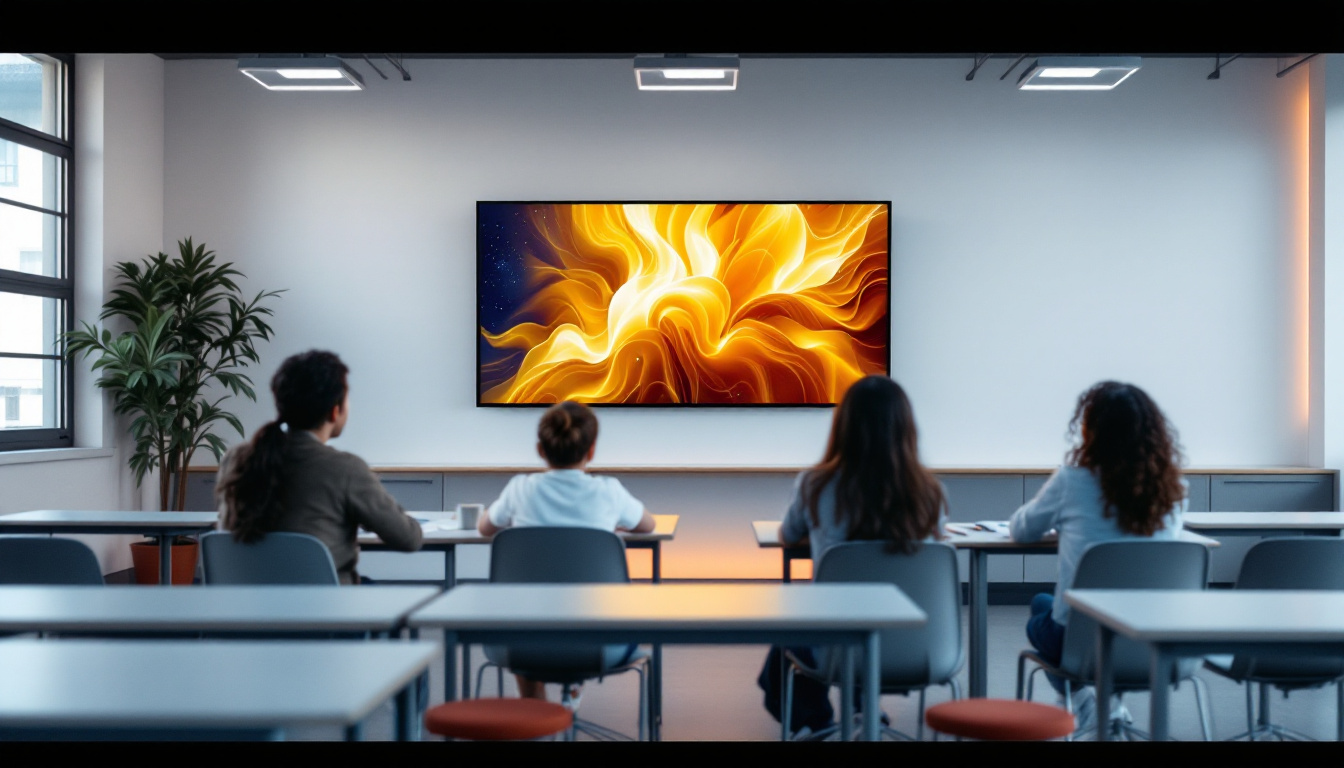
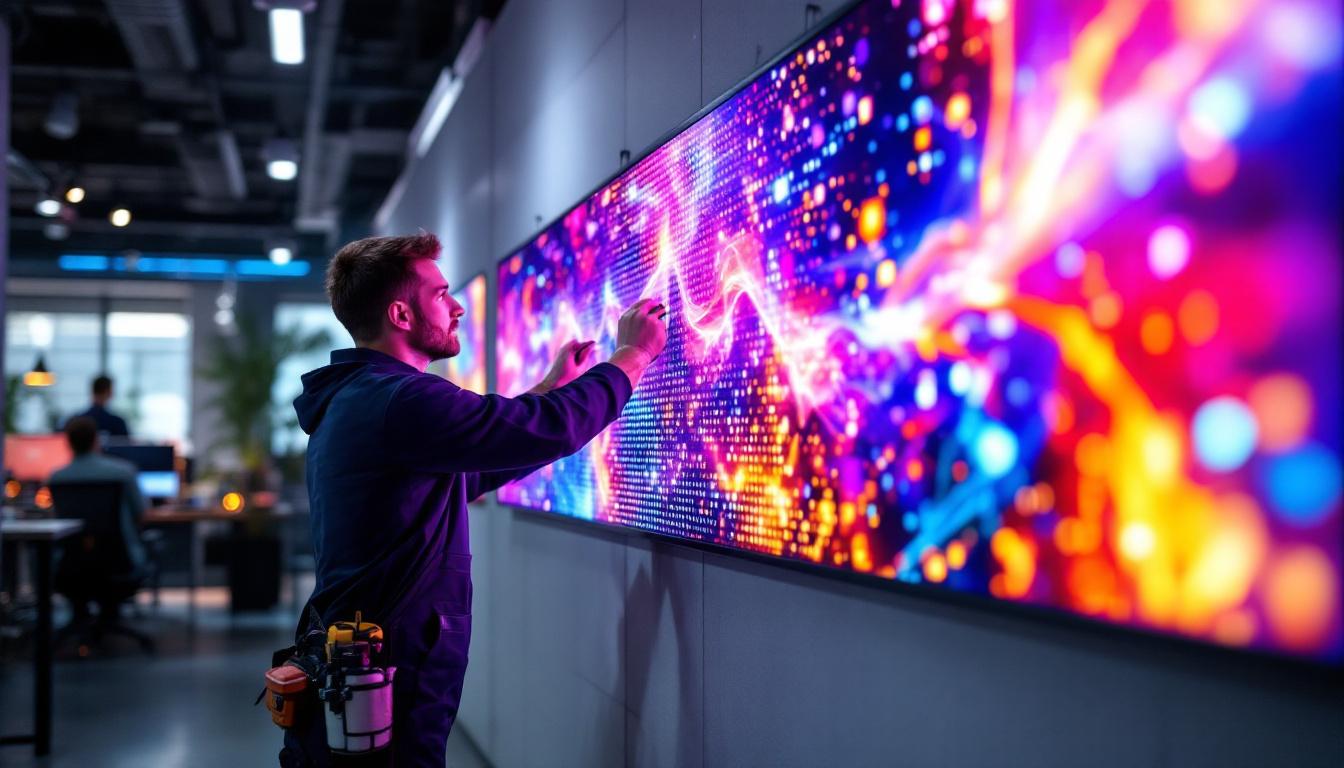
Within corporate settings, large LED panels are used for presentations, video conferencing, and digital signage to communicate effectively with employees and visitors. Retailers leverage these displays to create engaging storefronts and in-store experiences that attract customers and promote products dynamically.
For instance, flagship stores of global brands often feature large LED walls as part of their interior design, combining aesthetics with marketing to enhance brand identity and customer interaction.
Advantages of Using Large LED Panels
Large LED panels offer several benefits that make them a superior choice for many display needs compared to other technologies such as LCD or projection systems.
Energy Efficiency and Longevity
LED technology is inherently energy-efficient, consuming significantly less power than traditional lighting and display methods. This efficiency translates into lower operational costs, especially important for large-scale installations that operate continuously.
Additionally, LED panels have a long lifespan, often exceeding 100,000 hours of operation. This durability reduces maintenance and replacement costs, making them a cost-effective investment over time.
Brightness and Visibility
The self-illuminating nature of LEDs allows for extremely bright displays that remain visible in various lighting conditions, including direct sunlight. This capability is crucial for outdoor advertising and public information systems where visibility can directly impact effectiveness.
Flexibility and Scalability
Large LED panels can be configured in numerous shapes and sizes due to their modular construction. This flexibility enables creative designs, from curved screens to irregular shapes, catering to unique architectural and branding requirements.
Scalability means panels can be expanded by adding more modules, allowing for future growth or reconfiguration without replacing the entire system.
Fast Refresh Rates and Smooth Motion
Modern LED panels support high refresh rates, often above 3,000 Hz, which eliminates flicker and ensures smooth motion rendering. This feature is especially important for broadcasting, live events, and interactive displays where visual clarity is paramount.
Considerations When Choosing a Large LED Panel
Selecting the right large LED panel involves evaluating several factors to ensure optimal performance and return on investment.
Environment and Usage
Determining whether the panel will be used indoors or outdoors is essential. Outdoor panels require weatherproofing, higher brightness, and robust construction to withstand environmental stresses. Indoor panels focus more on resolution and color accuracy.
Viewing Distance and Audience Size
The expected viewing distance influences pixel pitch and resolution choices. For audiences viewing from afar, larger pixel pitches suffice, while close-range viewing demands finer pixel pitches for clear images.
Content Type and Control Systems
The nature of the content—static images, videos, live feeds, or interactive media—affects the choice of panel and control hardware. Advanced control systems enable real-time content management, synchronization, and integration with other media platforms.
Budget and Total Cost of Ownership
Beyond the initial purchase price, consider installation, maintenance, energy consumption, and potential upgrades. Investing in high-quality panels with reliable support can reduce long-term costs and downtime.
Future Trends in Large LED Panel Technology
The LED display industry continues to evolve rapidly, driven by advancements in materials, manufacturing, and digital integration.
MicroLED and MiniLED Innovations
Emerging technologies like MicroLED and MiniLED offer even higher resolution, brightness, and energy efficiency. These smaller LEDs enable ultra-fine pixel pitches and enhanced color performance, pushing the boundaries of large display capabilities.
Integration with Smart Technologies
Future LED panels are expected to incorporate AI-driven content optimization, environmental sensors, and interactive features. This integration will allow displays to adapt dynamically to audience preferences, ambient conditions, and contextual data.
Eco-Friendly and Sustainable Designs
Manufacturers are focusing on reducing the environmental impact of LED panels by using recyclable materials, improving energy efficiency, and designing for easier maintenance and upgrades. Sustainability is becoming a key consideration for buyers and end-users alike.
Conclusion
Large LED panels represent a powerful medium for visual communication, combining cutting-edge technology with versatility and durability. Their ability to deliver bright, high-resolution images in diverse environments makes them indispensable across advertising, entertainment, corporate, and public sectors.
Understanding the technical aspects, applications, and future trends of large LED panels enables businesses and organizations to make informed decisions that maximize impact and value. As LED technology continues to advance, these displays will only become more integral to how information and experiences are shared worldwide.
Discover LumenMatrix’s Innovative LED Display Solutions
Ready to elevate your visual communication with the latest in LED display technology? Look no further than LumenMatrix, where innovation meets impact. From immersive Indoor LED Wall Displays to dynamic Outdoor LED Wall Displays, and from versatile Vehicle LED Displays to sleek LED Poster Displays, LumenMatrix offers a comprehensive range of solutions tailored to your needs. Whether you’re looking to engage fans with LED Sports Displays, captivate shoppers with Floor LED Displays, or make a statement with Custom LED Displays, our mission is to empower your brand with displays that dazzle. Check out LumenMatrix LED Display Solutions today and transform how you share your message with the world.